
Latest News
Khalilzad calls on Pakistan to explain why talks with Afghanistan have failed

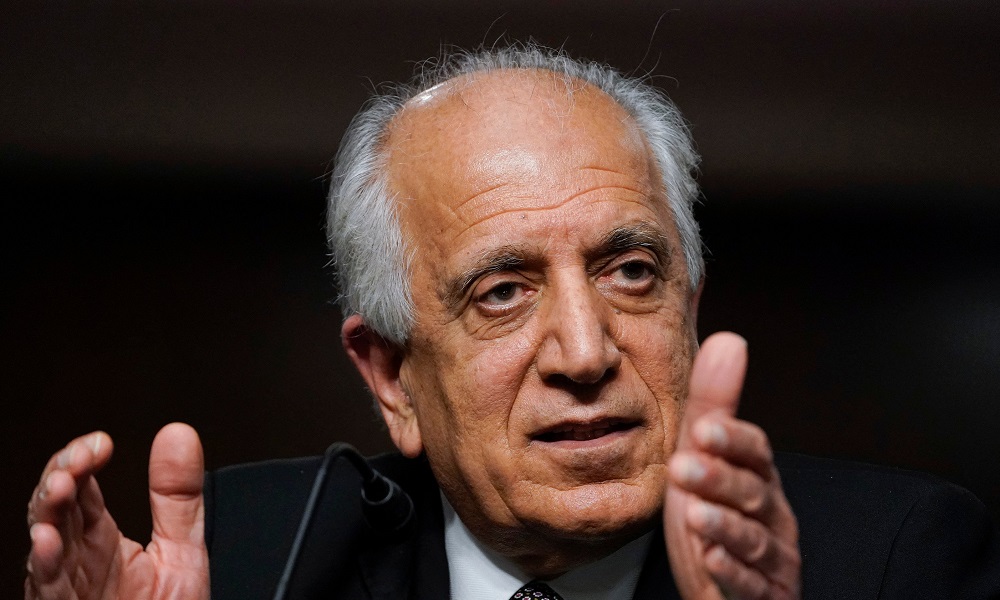
Former U.S. special envoy for Afghanistan, Zalmay Khalilzad, has questioned Pakistan’s assertion that diplomatic efforts with Afghanistan have failed, urging Pakistani lawmakers to seek greater transparency from their government regarding negotiations with Kabul.
In a statement posted on social media, Khalilzad referred to a recent session of Pakistan’s National Assembly in which several lawmakers highlighted the costs and risks associated with Islamabad’s reliance on force rather than diplomacy to address its disputes with Afghanistan.
The core disagreement between the two countries centers on mutual security allegations. Pakistan maintains that Tehrik-i-Taliban Pakistan (TTP), which has carried out numerous attacks inside the country, enjoys sanctuary and support in Afghanistan. Afghan authorities, meanwhile, accuse Pakistan of providing refuge and support to Islamic State Khorasan Province (ISIS-K) and other groups hostile to Afghanistan.
Pakistan’s Defense Minister, Khawaja Muhammad Asif, recently argued that diplomatic engagement with the Islamic Emirate had failed because Kabul had not provided sufficient assurances and commitments regarding Pakistan’s security concerns. However, according to Khalilzad, the minister did not specify what commitments Pakistan had requested or why Afghanistan’s responses were considered inadequate.
Khalilzad said he sought clarification from Afghan officials regarding negotiations between the two countries. According to those officials, Afghanistan has offered to provide written security guarantees while requesting reciprocal commitments from Pakistan. They also said Kabul has worked through bilateral mechanisms, including the Joint Coordination Committee (JCC), to address security issues and has accepted the principle of third-party participation in verification mechanisms.
Afghan officials further stated that the Islamic Emirate has issued a religious decree prohibiting Afghan citizens from participating in attacks inside Pakistan, relocated Pakistani refugees who had been settled near the Durand Line during Afghanistan’s previous government, and participated in both official and semi-official dialogues mediated by various countries.
They also claimed that Afghan authorities have taken verifiable action against individuals and groups that violated Afghanistan’s policy of preventing the use of its territory against other nations.
Khalilzad argued that Pakistani lawmakers who favor diplomacy should press their government to pursue an agreement under which neither Afghanistan nor Pakistan would permit their territory to be used by groups or individuals to threaten the other’s security.
“If accurately described in the points above, Afghanistan seems ready for a serious solution,” Khalilzad said. He questioned why Pakistan continues to insist that diplomacy has failed and called on Islamabad to explain its specific objections to Afghanistan’s proposals.
“The Pakistani people and Parliament have the right to know,” he added.

Latest News
ICRC expands support for Afghan women and girls
In a report, the organization highlighted efforts to improve maternal health, combat malnutrition and create economic opportunities for vulnerable women.
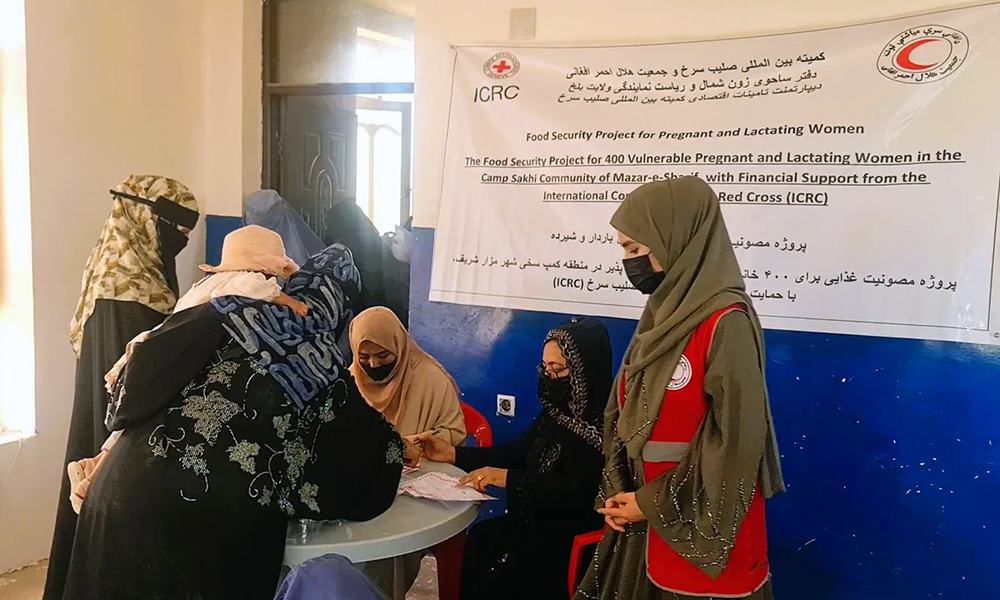
The International Committee of the Red Cross (ICRC) is expanding support for women and girls across Afghanistan through healthcare, cash assistance, vocational training and economic empowerment programs.
In a report titled “Afghanistan: Supporting Women and Girls to Thrive Despite Challenges,” the organization highlighted efforts to improve maternal health, combat malnutrition and create economic opportunities for vulnerable women.
In partnership with the Afghan Red Crescent Society (ARCS), the ICRC provides six months of cash assistance and nutrition guidance to pregnant and breastfeeding women. The program reached 1,400 women across four provinces in 2026.
The organization also supports 47 ARCS healthcare centers, which provided more than 800,000 outpatient consultations for women between June 2025 and July 2026. Services included more than 980 deliveries, 111,000 antenatal consultations and 39,000 postnatal consultations.
Economic empowerment is another focus, with 437 women and girls with disabilities receiving vocational training and 101 benefiting from interest-free loans during the same period. More than 33,800 also received physiotherapy, while over 12,600 benefited from prosthetic and mobility devices.
Additional programs include financial assistance for female-headed households, emergency medical training for female healthcare workers and awareness campaigns on explosive hazards, which have reached around 260,000 women and girls.
The ICRC says its initiatives aim to help women and girls access essential services, strengthen their independence and build more secure futures despite ongoing challenges.
Latest News
OIC highlights diplomatic efforts and continued support for Afghanistan
The ambassador further discussed the organization’s initiatives and activities aimed at supporting Afghanistan across different sectors.
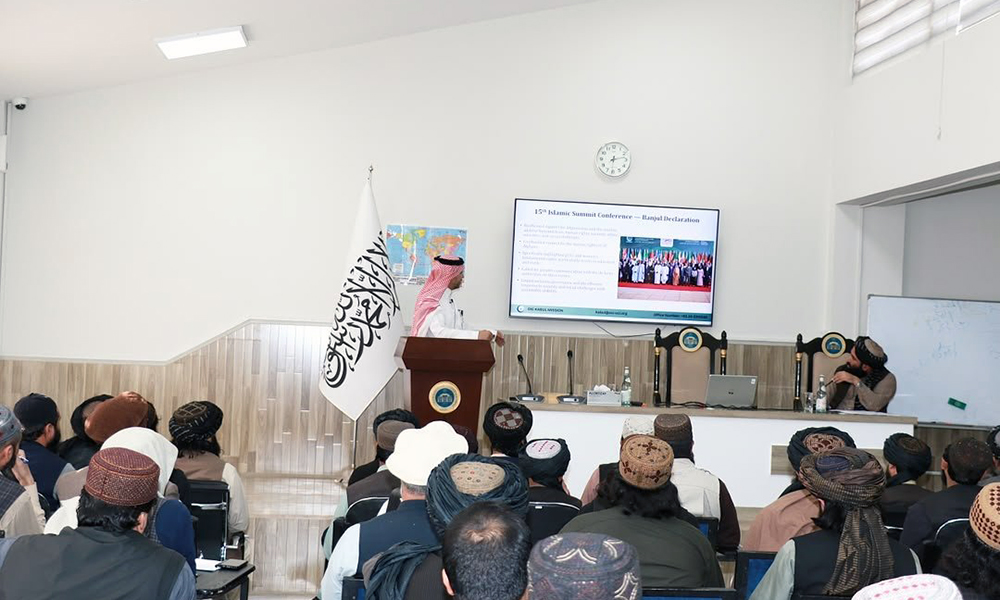
The Organization of Islamic Cooperation (OIC) has highlighted its diplomatic engagement and efforts to support Afghanistan during an academic lecture delivered at the Diplomatic Institute of Afghanistan’s Ministry of Foreign Affairs.
Ambassador Dr. Mohammed bin Saeed Al-Ayash, Director General of the OIC Office in Afghanistan, delivered the lecture on “Diplomacy and the Efforts of the Organization of Islamic Cooperation in Afghanistan.
According to Zia Ahmad Takal, Director of Public Communication at the Ministry of Foreign Affairs of the Islamic Emirate of Afghanistan, the event was attended by ministry employees and officials from various government institutions.
During his presentation, Al-Ayash discussed key mechanisms of public and multilateral diplomacy, outlining the history of the OIC, its various institutions and organizational structure.
He also reviewed decisions concerning Afghanistan adopted at OIC summits and meetings of foreign ministers, highlighting the role of the organization’s office in Kabul in following up on their implementation.
The ambassador further discussed the organization’s initiatives and activities aimed at supporting Afghanistan across different sectors.
The session concluded with an interactive discussion, during which participants raised questions, shared their perspectives and exchanged views on several diplomatic and institutional issues.
The lecture provided an opportunity to discuss the OIC’s diplomatic mechanisms and its engagement with Afghanistan through multilateral cooperation.
Latest News
US judge temporarily blocks deportation of detained Afghans
The lawmakers urged Secretary of State Marco Rubio and Homeland Security Secretary Markwayne Mullin to intervene.
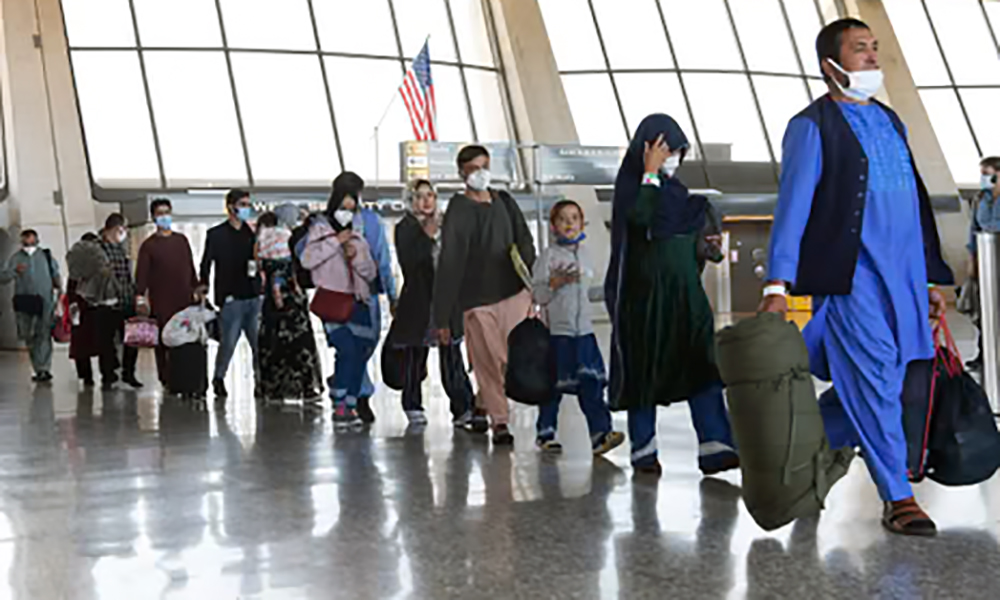
A US federal judge has temporarily blocked the Trump administration from deporting detained Afghan nationals to Afghanistan or Pakistan, following warnings that their lives could be at risk.
US District Judge Valerie Caproni issued the order in New York on Tuesday, suspending deportations until Saturday, according to the Associated Press (AP).
More than 80 detained Afghans have reportedly contacted human rights organizations and immigration lawyers after receiving notices from Immigration and Customs Enforcement (ICE) indicating they could be deported via Pakistan.
Those affected reportedly include women, former Afghan security personnel, religious minorities and people whose relatives served alongside US forces. Many fled Afghanistan after the Islamic Emirate returned to power in 2021.
The proposed transfers have drawn criticism from 66 members of the US Congress, who warned that deportees could face persecution, torture or death.
The lawmakers urged Secretary of State Marco Rubio and Homeland Security Secretary Markwayne Mullin to intervene.
Afghanistan’s Foreign Ministry also expressed serious concern over reports of the planned transfers to Pakistan. Deputy spokesman Zia Ahmad Takal urged Washington to protect the rights and legitimate interests of the individuals involved.
Human rights groups welcomed the court’s decision as a temporary reprieve, warning that Afghans returned to Afghanistan could face arbitrary detention, executions and other forms of retaliation.
The ruling does not resolve the wider legal and humanitarian concerns, with advocates continuing efforts to prevent the deportations.

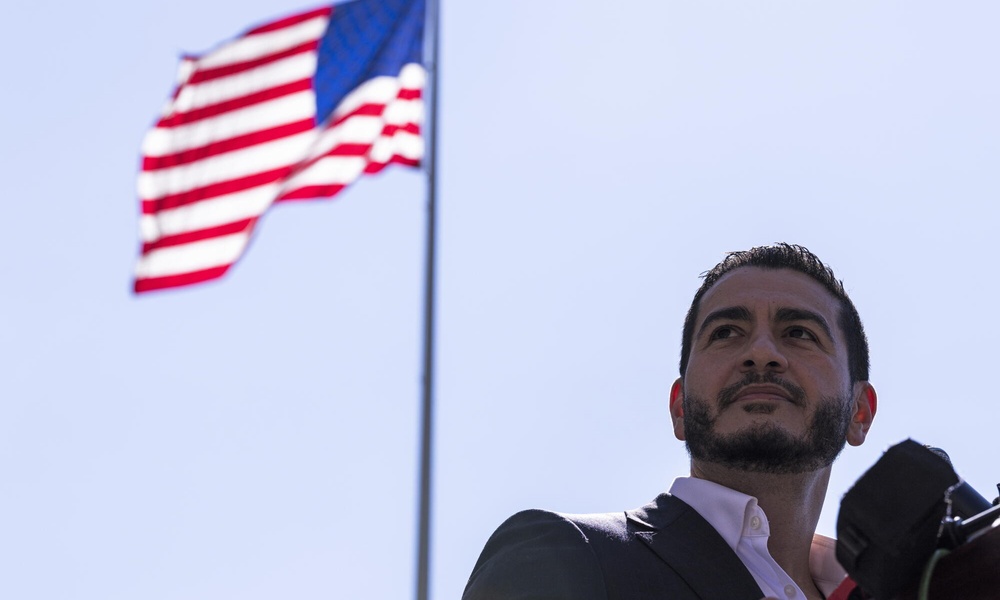
Democrat Abdul El-Sayed becomes first Muslim elected to US Senate
ICRC expands support for Afghan women and girls

Democrats seize control of Congress in major setback for Trump
OIC highlights diplomatic efforts and continued support for Afghanistan
US judge temporarily blocks deportation of detained Afghans

Cricket Bonanza: Afghanistan set for packed international schedule

Afghanistan finish runners-up after 6-0 defeat to Brazil in futsal final

Trump says US will not attack Iran before midterm elections in November

Lionel Messi bids tearful farewell to Argentina after 3-0 win over Benin

Afghan futsal coach: Brazil tournament is first step towards new goals and World Cup
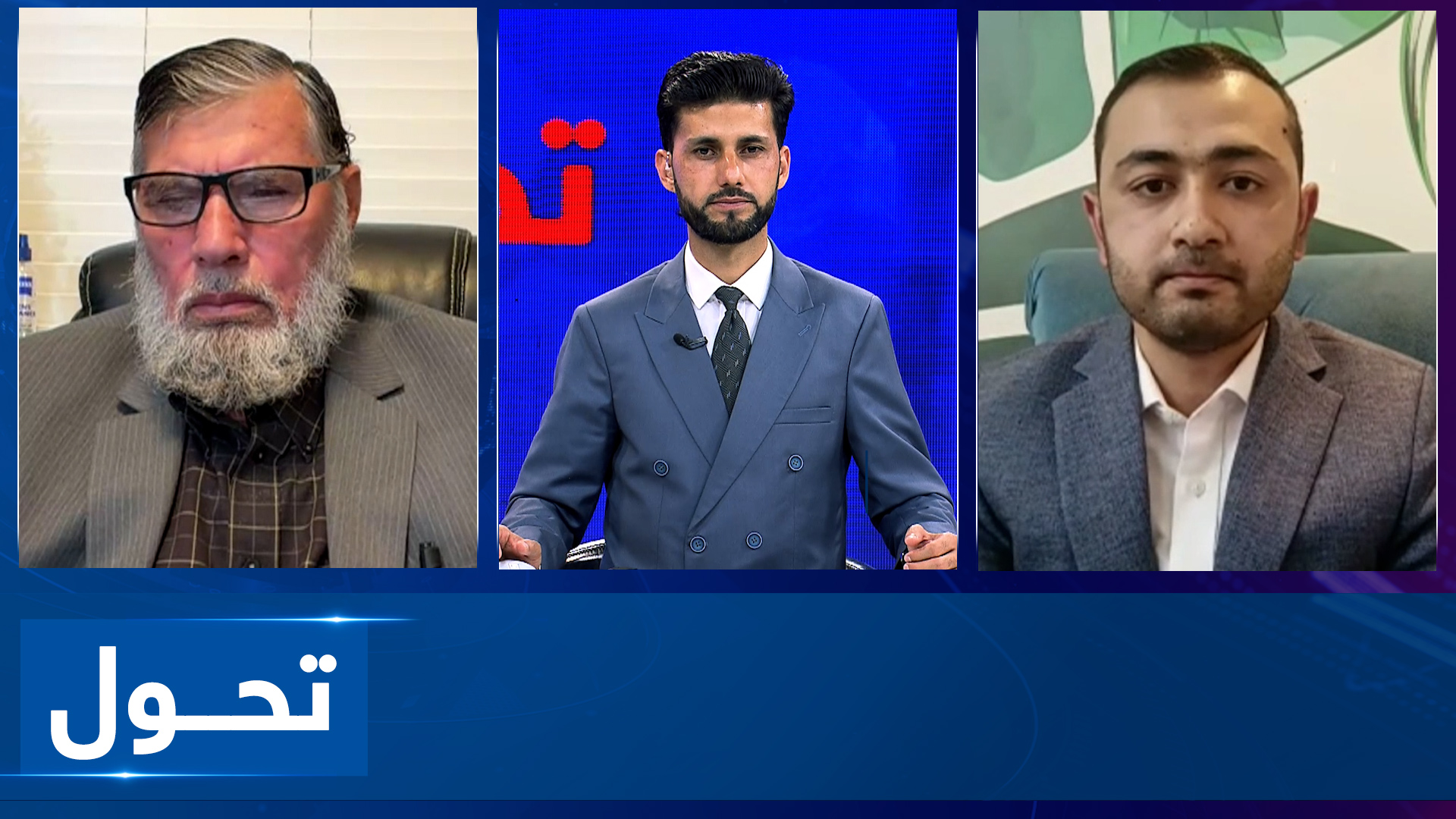
Tahawol: Iran hosts quadrilateral talks on Afghanistan discussed
Saar: Deportation of undocumented Afghans from France discussed
Tahawol: calls for dialogue between Kabul and Islamabad
Saar: Trump’s remarks on Afghanistan war
Tahawol: US offers to ease Kabul-Islamabad tensions
-
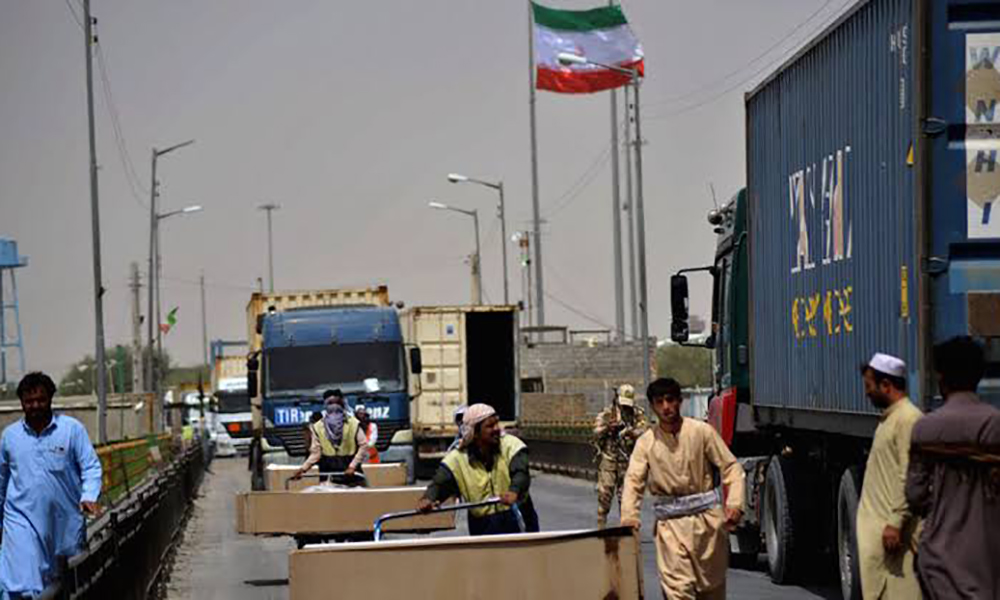 Business4 days ago
US sanctions and blockade measures disrupt Iran’s trade with Afghanistan and regional neighbors
-
 Sport3 days ago
Afghanistan crowned 2026 Hong Kong Sixes champions after beating Australia in final
-
 Sport4 days ago
Afghanistan storm into Hong Kong Sixes final after beating Scotland
-
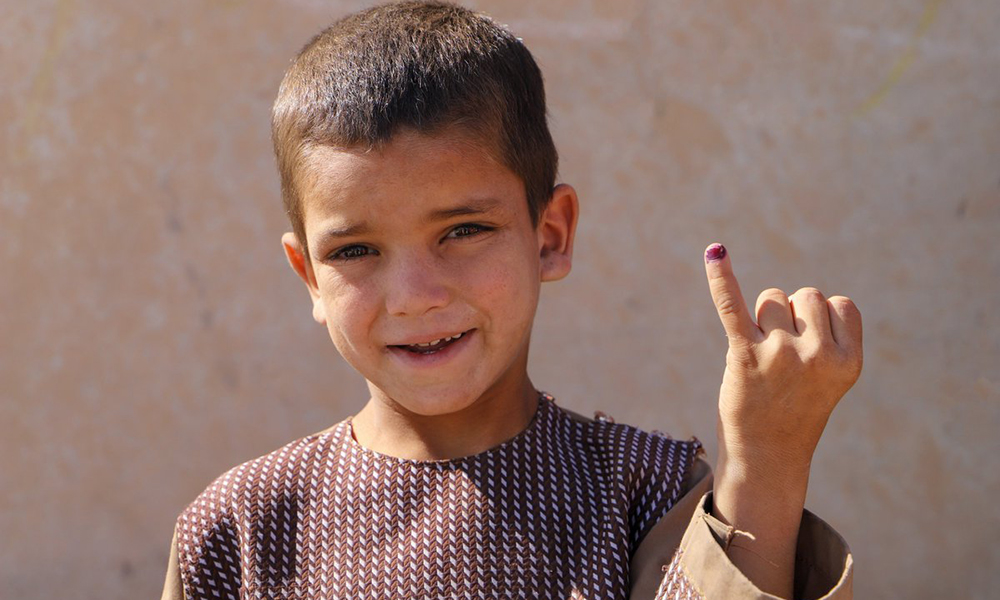 Health5 days ago
Afghanistan to launch nationwide polio vaccination campaign
-
 Latest News4 days ago
UNHCR: 6.3 million Afghans have returned since 2023, 60 percent reportedly forced to return
-
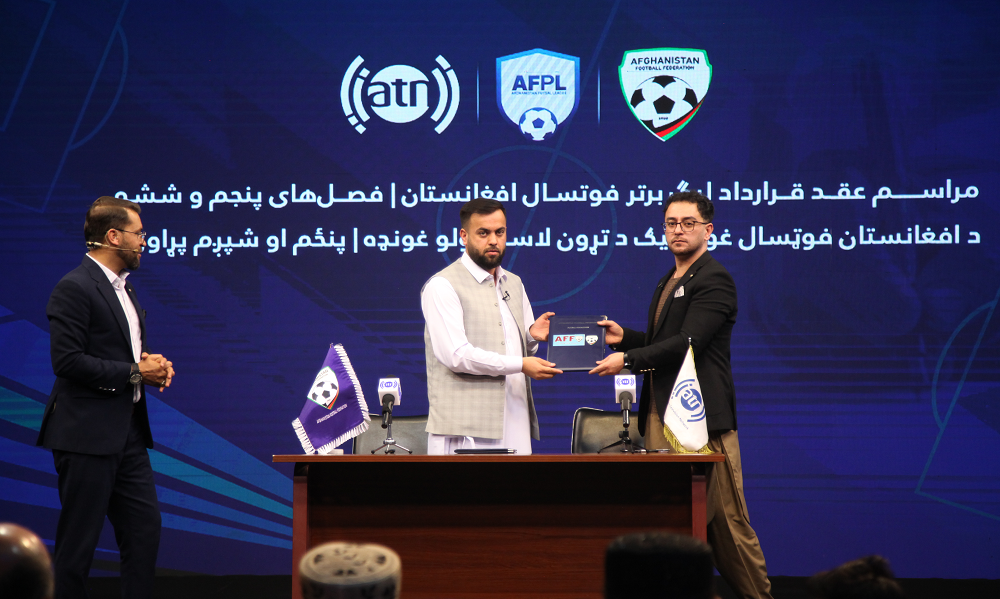 Sport2 days ago
ATN signs deal to broadcast Afghanistan Futsal Premier League seasons 5 and 6
-
 Latest News5 days ago
Turkish intelligence captures suspected Daesh operative in Afghanistan-Pakistan region
-
 Sport3 days ago
Afghanistan target T20I clean sweep against Zimbabwe in Sharjah