
Regional
Iran’s Ali Khamenei, who based iron rule on fiery hostility to US and Israel, dies at 86
Ali Khamenei was born in Mashhad, northeast Iran, in April 1939. His religious commitment was clear when he became a cleric at the age of 11. He studied in Iraq and in Qom, Iran’s religious capital.

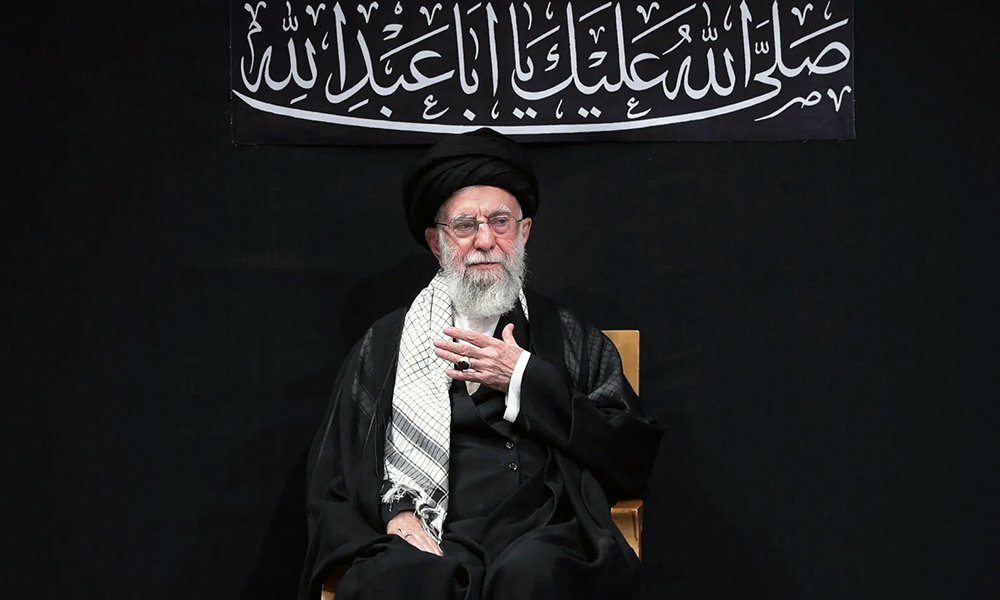
The 36-year rule of Ayatollah Ali Khamenei built Iran into a powerful anti-U.S. force, spreading its military sway across the Middle East, while using an iron fist to crush repeated unrest at home, Reuters reported.
He was killed on Saturday, aged 86, Iranian state media announced, in air strikes by Israel and the U.S. that pulverised his central Tehran compound, after decades of efforts to resolve the dispute over Iran’s nuclear program diplomatically failed.
At first dismissed as weak and indecisive, Khamenei seemed an unlikely choice for supreme leader after the death of the charismatic Ayatollah Ruhollah Khomeini, who founded the Islamic Republic of Iran. But Khamenei’s rise to the pinnacle of the country’s power structure afforded him a tight grip over the nation’s affairs.
Khamenei was “an accident of history” who went from “a weak president to an initially weak supreme leader to one of the five most powerful Iranians of the last 100 years”, Karim Sadjadpour at the Carnegie Endowment for International Peace told Reuters.
The ayatollah criticised Washington throughout his rule, continuing to deploy barbs after the start of Donald Trump’s second term as U.S. president in 2025.
As a new wave of protests spread through Iran, with slogans such as “Death to the dictator”, and as Trump threatened to intervene, Khamenei vowed in January that the country would not “yield to the enemy”.
The comment was typical of the ferociously anti-Western Khamenei, in office since 1989.
By maintaining the hardline stance of Khomeini, the Republic’s first supreme leader, Khamenei quashed the ambitions of a succession of independent-minded elected presidents who sought more open policies at home and abroad.
In the process, he ensured Iran’s isolation, critics say.
Khamenei long denied that Iran’s nuclear programme was aimed at producing an atomic weapon, as the West contended. In 2015 he cautiously supported a nuclear deal between world powers and the government of pragmatist President Hassan Rouhani that curbed the country’s nuclear programme in return for sanctions relief. The hard-won accord resulted in a partial lifting of Iran’s economic and political isolation, read the report.
But Khamenei’s hostility toward the U.S. was undimmed, intensifying in 2018 when Trump’s first administration withdrew from the nuclear agreement and reimposed sanctions to choke Iran’s oil and shipping industries.
Following the U.S. withdrawal, Khamenei sided with hardline supporters who criticised Rouhani’s policy of appeasement towards the West.
As Trump pressed Iran to agree to a new nuclear deal in 2025, Khamenei condemned “the rude and arrogant leaders of America”. “Who are you to decide whether Iran should have enrichment?” he asked.
Khamenei often denounced “the Great Satan” in speeches, reassuring hardliners for whom anti-U.S. sentiment was at the heart of the 1979 revolution, which forced the last shah of Iran into exile.
Iran saw major student-led protests in 1999 and 2002. But Khamenei’s authority was put to the test more profoundly in 2009, when the contested results of a presidential election that he had validated ignited violent street unrest, stoking a crisis of legitimacy that lingered until his death.
In 2022, Khamenei cracked down on protesters enraged by the death of Iranian-Kurdish woman Mahsa Amini, 22, who died in the custody of morality police in September of that year.
Faced with some of the most intense turmoil since the revolution, Khamenei blamed Western enemies then resorted to the hanging of protesters and the display of their bodies, suspended from cranes, after months of unrest.
As supreme leader, Khamenei’s word was law. He inherited enormous powers, including command of the armed forces and the authority to appoint many senior figures, among them the heads of the judiciary, security agencies and state radio and television.
He appointed allies as commanders of the elite Revolutionary Guards.
As the final authority in Iran’s complex system of clerical rule and limited democracy, Khamenei long sought to ensure that no group, even among his closest allies, mustered enough power to challenge him and his anti-U.S. stance.
Scholars outside Iran painted a picture of a secretive ideologue fearful of betrayal – an anxiety fuelled by an assassination attempt in 1981 that paralysed his right arm.
International organisations and activists repeatedly criticised violations of human rights in Iran. Tehran said it has the best human rights record in the Muslim world.
Ali Khamenei was born in Mashhad, northeast Iran, in April 1939. His religious commitment was clear when he became a cleric at the age of 11. He studied in Iraq and in Qom, Iran’s religious capital.
His father, a religious scholar of ethnic Azeri descent, was a traditionalist cleric opposed to mixing religion and politics. In contrast, his son embraced the Islamist revolutionary cause.
“He (Khamenei’s father) came across as a modernist or progressive cleric,” said Mahmoud Moradkhani, a nephew who opposes Khamenei’s rule and lives in exile. Unlike his son, “he was not a part of the fundamentalists”, Moradkhani said.
In 1963, Khamenei served the first of many terms in prison when at 24 he was detained for political activities. Later that year he was imprisoned for 10 days in Mashhad, where he underwent severe torture, according to his official biography.
After the shah’s fall, Khamenei took up several posts in the Islamic Republic. As deputy minister of defence, he became close to the military and was a key figure in the 1980-88 war with neighbouring Iraq, which claimed an estimated total of one million lives.
A skilled orator, he was appointed by Khomeini as a Friday prayer leader in Tehran.
There were questions about his rapid, unprecedented rise. He won the presidency with Khomeini’s support – the first cleric in the post – and was a surprise choice as Khomeini’s successor, given that he lacked both Khomeini’s popular appeal and superior clerical credentials, Reuters reported.
His ties to the powerful Guards paid off in 2009. That year, the force crushed protests after President Mahmoud Ahmadinejad won re-election amid opposition accusations of vote fraud.
He also presided over a vast financial empire through Setad, an organisation founded by Khomeini but expanded hugely under Khamenei, with assets worth tens of billions of dollars.
Khamenei expanded Iranian influence in the region, empowering Shi’ite militias in Iraq and Lebanon, and propping up then-President Bashar al-Assad by deploying thousands of soldiers to Syria.
He spent billions over four decades on these allies – the “Axis of Resistance”, which also included Hamas, the Palestinian Islamist group, and Yemen’s Houthis – to oppose Israeli and U.S. power in the Middle East.
But in 2024 Khamenei saw these alliances unravel, and Iran’s regional influence shrivel, with the ousting of Assad and a series of defeats inflicted by Israel on Hezbollah in Lebanon and on Hamas in Gaza, including the killing of their leaders.
Under Khamenei’s rule, Iran and Israel fought a shadow war for years, with Israel assassinating Tehran’s nuclear scientists and Revolutionary Guard commanders.
It exploded into the open during Israel’s war on Hamas in Gaza from 2023. In April 2024, Iran fired hundreds of missiles and drones at Israel after it bombed Tehran’s embassy compound in Damascus. Israel struck Iranian soil in response.
But that was only a prelude to June 2025, when Israel’s military unleashed hundreds of fighter jets to strike Iranian nuclear and military targets as well as senior personnel. The surprise attack provoked a barrage of missiles in both directions, transforming simmering conflict into all-out war. The U.S. joined the air offensive on Iran, which lasted 12 days.
The U.S. and Israel had warned they would strike again if Iran pressed ahead with its nuclear and ballistic missile programmes and, on Saturday, they launched the most ambitious attack on Iranian targets in decades.
Negotiations between U.S. and Iranian officials took place as recently as Thursday, but senior U.S. officials said that Iran had not been willing to give up its ability to enrich uranium, which the Iranians argued they wanted for nuclear energy but U.S. officials said would enable the country to build a nuclear bomb.
On the diplomatic front, Khamenei rejected any normalisation of ties with the United States. He argued that Washington had backed hardline groups like Islamic State to inflame a sectarian war in the region.
Like all Iranian officials, Khamenei denied any intent to develop nuclear weapons and went so far as to issue an Islamic ruling, or fatwa, in the mid-1990s on “production and usage” of nuclear weapons, saying: “It is against our Islamic thoughts.”
He also supported a fatwa issued by Khomeini in 1989, which called on Muslims to kill the Indian-born author Salman Rushdie after the publication of his novel “The Satanic Verses”.
Khamenei’s official website confirmed the ongoing validity of the death edict as recently as 2017. Five years later, Rushdie was stabbed while giving a public lecture in New York. The writer was gravely wounded, but survived. The perpetrator, who was sentenced to 25 years in prison in 2025 for attempted murder, did not testify at the trial.
The late ayatollah leaves an Islamic Republic wrestling with uncertainty amid the attacks from Israel and the United States, as well as growing dissent at home, especially among younger generations.
“I just want to live a peaceful, normal life … Instead, they (the rulers) insist on a nuclear programme, supporting armed groups in the region, and maintaining hostility toward the United States,” Mina, 25, told Reuters by phone from Kuhdasht in the western Lorestan province at the start of 2026, read the report.
“Those policies may have made sense in 1979, but not today,” the jobless university graduate added. “The world has changed.”


Regional
Saudi defence pact countries push for peace in Tehran as Houthis launch more attacks
Saudi Arabia said the visit was intended to open negotiating channels to “prevent the return of military escalation”.
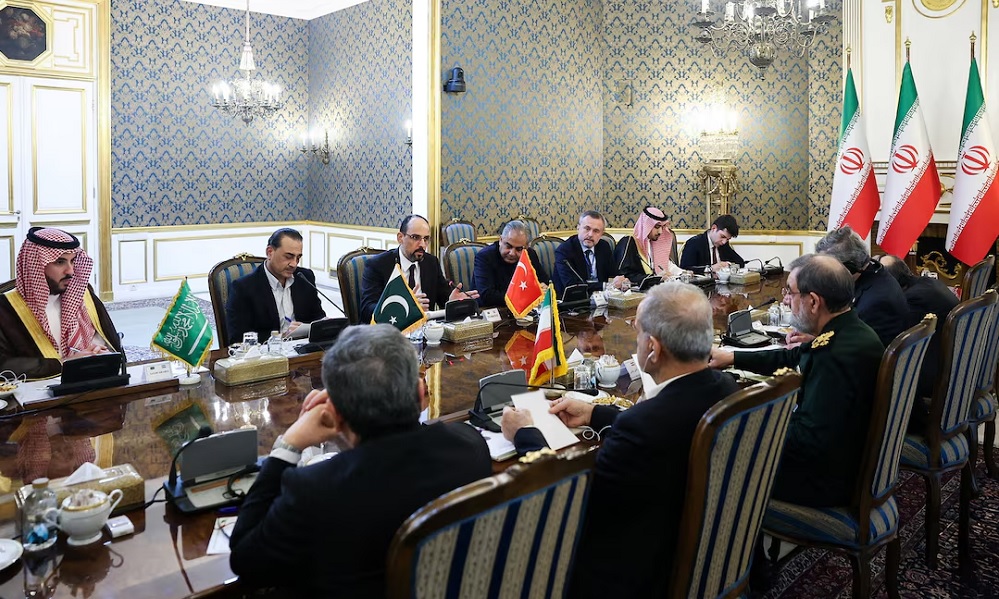
Top officials from Saudi Arabia, Turkey and Pakistan met Iranian officials in Tehran on Monday in a bid to de-escalate the Middle East conflict, as Yemen’s Houthis launched new attacks on Saudi Arabia and Egypt approved defence support for the Gulf kingdom.
The talks were the first high-level contact between Iran and the three nations — which signed the Mecca mutual defence pact in August — since a war that began with US and Israeli strikes on Iran also spread to Saudi Arabia and Yemen, Reuters reported.
Saudi Arabia said the visit was intended to open negotiating channels to “prevent the return of military escalation”.
It was represented by Defence Minister Prince Khalid bin Salman, younger brother of Crown Prince Mohammed bin Salman; Pakistan by army chief Field Marshal Asim Munir; and Turkey by intelligence chief Ibrahim Kalin, Saudi and Iranian officials said.
Iranian state media published pictures of Iranian President Masoud Pezeshkian, Foreign Minister Abbas Araqchi and Mohsen Rezaei, secretary of the Supreme National Security Council, attending the meetings. At the conclusion, the four states agreed to continue talks with a view to strengthening cooperation in peace and security, state media reported.
Pakistan and Qatar have led mediation efforts in the war.
Earlier efforts helped produce an interim peace agreement in June, but fighting between Iran and the US soon resumed. Conflict then flared between the Iran-aligned Houthis and US ally Saudi Arabia, opening a new front.
US AND IRAN THREATEN NEW ATTACKS
The wider fighting has restricted shipping through the energy chokepoint of the Strait of Hormuz, pushed up global oil and gas prices, left Gulf states facing missile and drone attacks, and caused a new humanitarian crisis in Yemen.
Tensions between Washington and Tehran have sharpened recently, with President Donald Trump saying on Friday the US may strike Iran again. Iranian security officials told Reuters Tehran had drawn up detailed plans to attack Gulf undersea cables if the US and Israel attack again.
The war, which earlier in the year also reignited fighting between Israel and the Iran-backed Lebanese Hezbollah militia, has eroded Trump’s approval ratings ahead of the US midterm elections that decide control of Congress.
Iranian security chief Rezaei said the visit by the three countries had shown that “American threats have little impact on countries around the world”. He spoke of a “new and positive atmosphere” in the region.
Iranian Foreign Ministry spokesperson Esmaeil Baghaei had earlier said the meeting, proposed when Munir visited Tehran last week, could be a first step towards establishing regional security mechanisms.
A senior Pakistani security official said the focus was on building a regional non-aggression network. The agenda also included US-Iran talks, Houthi attacks on Saudi Arabia, the Strait of Hormuz and a US blockade of Iranian ports, they said.
Another Pakistani official said Munir, with a go-ahead from Trump to try diplomacy, had presented Iran with a solution to the conflict that would offer something to both the US and Iran, without giving details.
The Mecca pact states and Qatar could act as guarantors if it was accepted, the official added.
An Iranian official had earlier said there would be no discussion of Iran’s nuclear programme at Monday’s meeting, and the issue would not be addressed until Tehran’s demands for ending the war were met.
Those conditions include ending a US blockade of Iranian ports and lifting sanctions on Iranian oil exports. US Vice President JD Vance has said Iran must reduce nuclear enrichment to end the war.
Pakistan’s military media office and Turkey’s Foreign Ministry did not immediately respond to requests for comment.
PARLIAMENT APPROVES EGYPTIAN DEFENCE SUPPORT FOR SAUDIS
Saudi Arabia has intensified strikes against the Houthis since they captured strategic areas along Yemen’s Red Sea coast last month, advancing against Saudi-backed government forces. The Houthis have hit Saudi airports, ports and oil facilities.
On Monday, the Houthis said they had attacked pumping stations on Saudi Arabia’s East-West pipeline as well as Riyadh airport, which said it had resumed operations at two terminals a day earlier. There was no immediate Saudi confirmation of the Houthi attacks.
Parliament in Egypt, which has said it is considering joining the Mecca pact, on Monday authorised the Egyptian military to help defend Saudi Arabia, a major financial and political partner for Cairo.
The Mecca Joint Defence Agreement says signatories shall use “all necessary means” to eliminate threats to one another’s territorial integrity, sovereignty or internationally recognised borders, according to a text seen by Reuters.
The pact’s members held an emergency meeting in Riyadh this month and agreed to ensure the “rapid deployment” of military forces and capabilities in Saudi Arabia.
Efforts by Turkey’s parliament to ratify the agreement began last week and are still under way, while Pakistan approved the pact last week.
Regional
Iran says outcome of Israeli elections ‘makes no difference’
Tuesday’s legislative elections will take place amid mounting threats by Israel and the United States to renew attacks on Iran after they launched their war in late February.
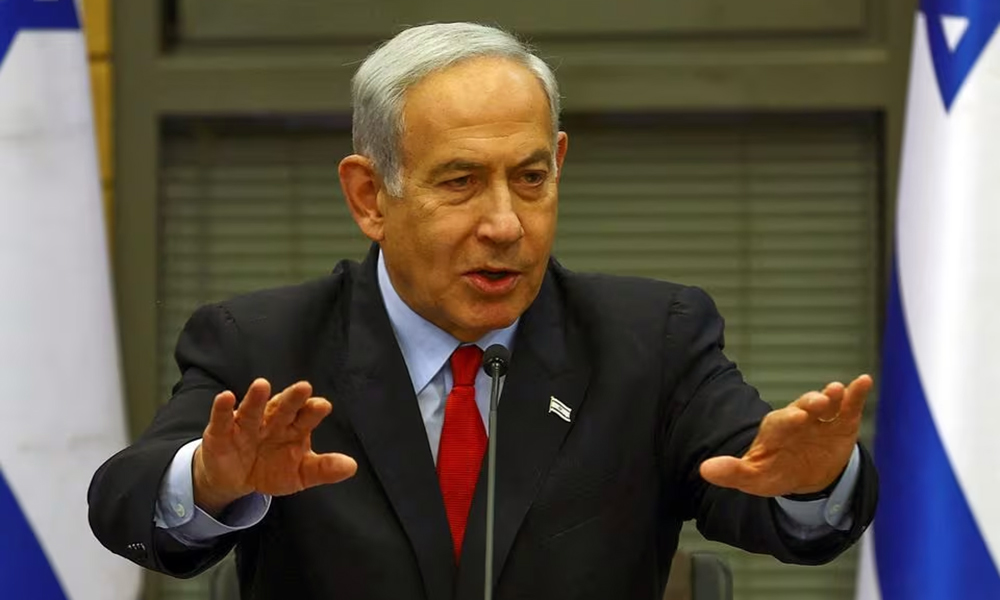
Iran’s foreign ministry said Monday that the outcome of the Israeli elections in which Prime Minister Benjamin Netanyahu is facing a tight race will make “no difference”, AFP reported.
“It makes no difference to us who, in these elections, takes the helm of a regime that has brought nothing but violence and massacres to our region,” said ministry spokesman Esmaeil Baqaei in a weekly press briefing.
Tuesday’s legislative elections will take place amid mounting threats by Israel and the United States to renew attacks on Iran after they launched their war in late February.
Netanyahu has in recent days repeatedly said the only way to remove the threat posed by Iran is to topple its government.
On Sunday, he told Israel’s Channel 14 that he had “instructed the Mossad and the IDF to overthrow the Iranian regime”.
Baqaei dismissed Netanyahu’s remarks as “empty threats” and a “sign of desperation”.
Regional
Officials from Mecca pact countries to meet Iranian officials in Tehran
Pakistan’s military media wing and Turkey’s Foreign Ministry did not immediately respond to requests for comment.
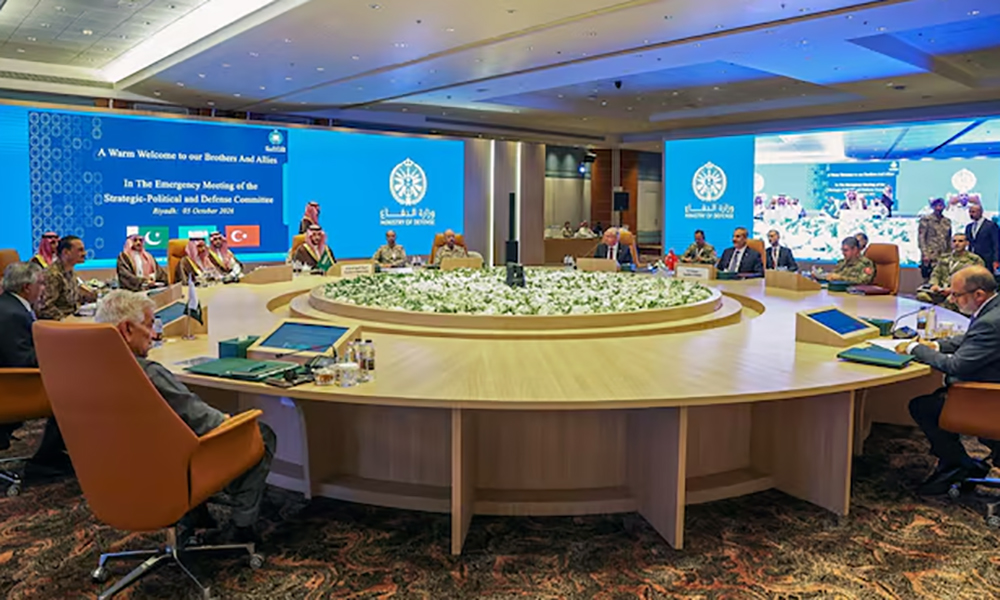
Top officials from Mecca Pact countries Saudi Arabia, Turkey and Pakistan are to meet Iran’s leaders in Tehran on Monday in their first high-level contact since the kingdom became a pressure point in the wider Iran conflict, Reuters reported.
Saudi Arabia will be represented by Defence Minister Prince Khalid bin Salman, Pakistan by army chief Field Marshal Asim Munir, and Turkey by intelligence chief Ibrahim Kalin, Saudi and Iranian officials said.
Attacks by Yemen’s Iran-aligned Houthis have spiralled in recent weeks and rhetoric between Washington and Tehran has grown more heated. Both countries have also drawn up plans to restart the wider war, possibly after the US midterm elections on November 3.
Monday’s planned talks will be the first high-level contact between Iran and all members of the three-nation bloc since Saudi Arabia was drawn deeper into the conflict. Under the Mecca Joint Defence Agreement signed in August, an armed attack on one member is considered an attack on all.
Iranian Foreign Ministry spokesperson Esmaeil Baghaei said on Monday discussions on regional security would include “Israel’s expansionist policies, developments in the Palestinian territories and Lebanon, and the repercussions of US and Israeli military action against Iran.”
Baghaei said the meeting, proposed during a visit by Munir to Tehran last week, could be a first step towards establishing regional security mechanisms based on the interests of countries in the region.
Qatari mediators met Iranian officials in Tehran on Sunday in a push to de-escalate regional tensions, Reuters reported. Qatar has, for months, played a mediating role between Tehran and Washington.
A senior Iranian official said the meeting was initiated by Pakistan, during Munir’s visit to Tehran, as he met Iranian President Masoud Pezeshkian and other senior officials. During the visit, Iranian officials told him there would be no talks with Washington until Tehran’s demands were met, according to Iranian media.
Earlier mediation efforts involving both Pakistan and Qatar helped produce an interim peace agreement in June, but the deal quickly unravelled as fighting between Iran and the United States resumed weeks later.
The deputy secretary of Iran’s top security body, Ali Baqeri-Kani, told state TV that Saudi Defence Minister Prince Khalid, Pakistan’s Munir and Turkish intelligence chief Ibrahim Kalin would visit Tehran for consultations with Iran’s Supreme National Security Council on regional security.
Saudi Deputy Minister for Public Diplomacy Rayed Krimly said the meeting is part of ongoing efforts by the Mecca Pact countries to de-escalate the current crisis, promote diplomatic solutions, and support mediation efforts led by Qatar and Pakistan.”The visit also underscores the pivotal role of the Mecca Pact states in fostering regional security and stability, and their commitment to working with all nations in the region toward achieving this goal,” Krimly posted on X.
Pakistan’s military media wing and Turkey’s Foreign Ministry did not immediately respond to requests for comment.
Saudi Arabia intercepted another wave of missiles and drones on Sunday as fighting with the Houthis continued unabated.
Ministers from the Mecca Pact countries held an emergency meeting in Riyadh earlier this month and agreed to ensure the “rapid deployment” of military forces and capabilities in Saudi Arabia.
The Houthi attacks have become an increasingly destabilising element in the US-Israeli conflict with Iran, turning US ally Saudi Arabia into a pressure point in the wider war.
Tensions between Washington and Tehran have sharpened in recent days. President Donald Trump said on Friday the US may carry out another military operation against Iran and Iran’s leaders have said that a renewed US military campaign would be met with a stronger response than before.
Iranian security officials have told Reuters that Tehran has drawn up detailed plans to hit Gulf undersea cables if the United States and Israel attack again. A US intelligence memo this week warned that Iranian plots against American personnel had reached “advanced stages”.
The war, now nearly eight months old, has weighed on President Donald Trump’s approval ratings ahead of the midterms.
The Mecca agreement’s first article says the parties shall use “all necessary means” to eliminate threats to one another’s territorial integrity, sovereignty or internationally recognised borders, according to a text seen by Reuters.
Efforts by Turkey’s parliament to ratify the agreement began last week and are still underway, while Pakistan approved the pact last week.

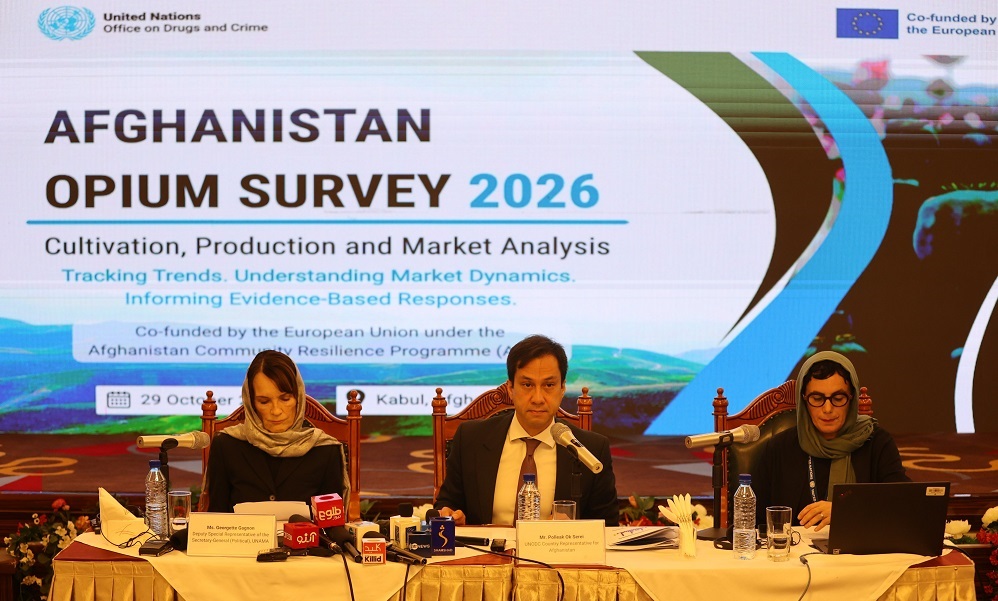
Afghanistan rejects UN report showing fourfold rise in poppy cultivation
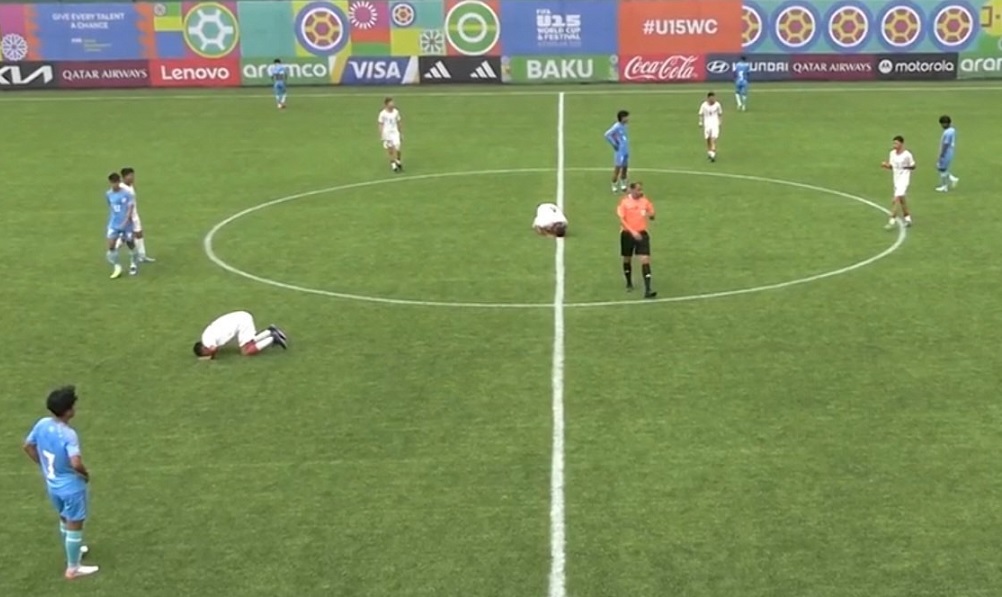
Afghanistan beat India 2-1 at FIFA U-15 World Cup & Festival
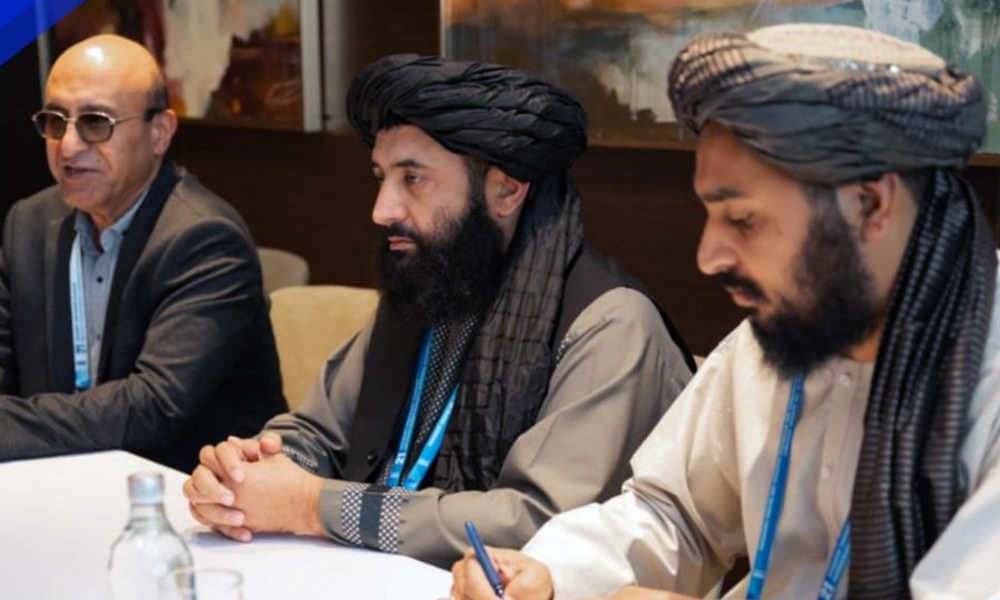
Afghanistan seeks stronger standards cooperation with Turkey and regional partners
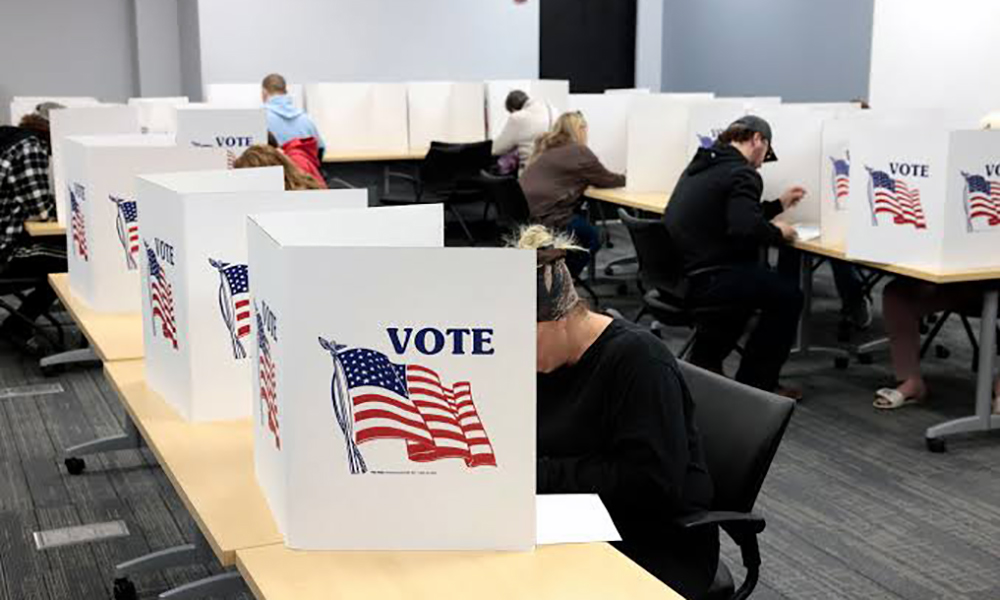
Afghan woman charged in Nevada over alleged illegal voting in US election
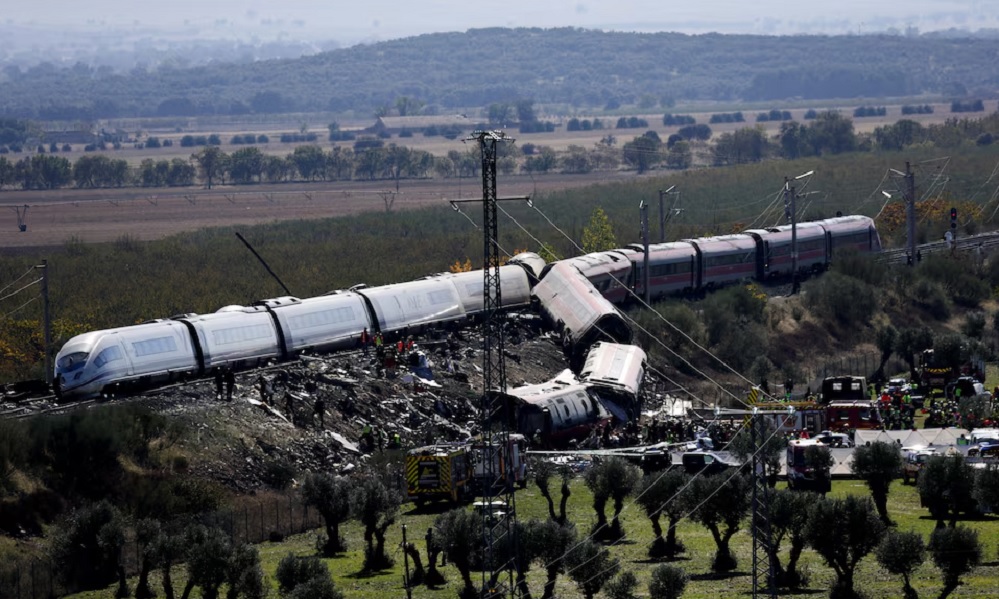
At least 68 people dead in Spain’s second major train crash this year

Cricket Bonanza: Afghanistan set for packed international schedule

ACB announces Afghanistan squads for Bangladesh, Zimbabwe series

Afghanistan to face Pakistan, India and Australia at 2027 Cricket World Cup

Four members of one family killed in Helmand in Pakistan airstrike

US imposes sanctions on 13 tied to Iran weapons procurement
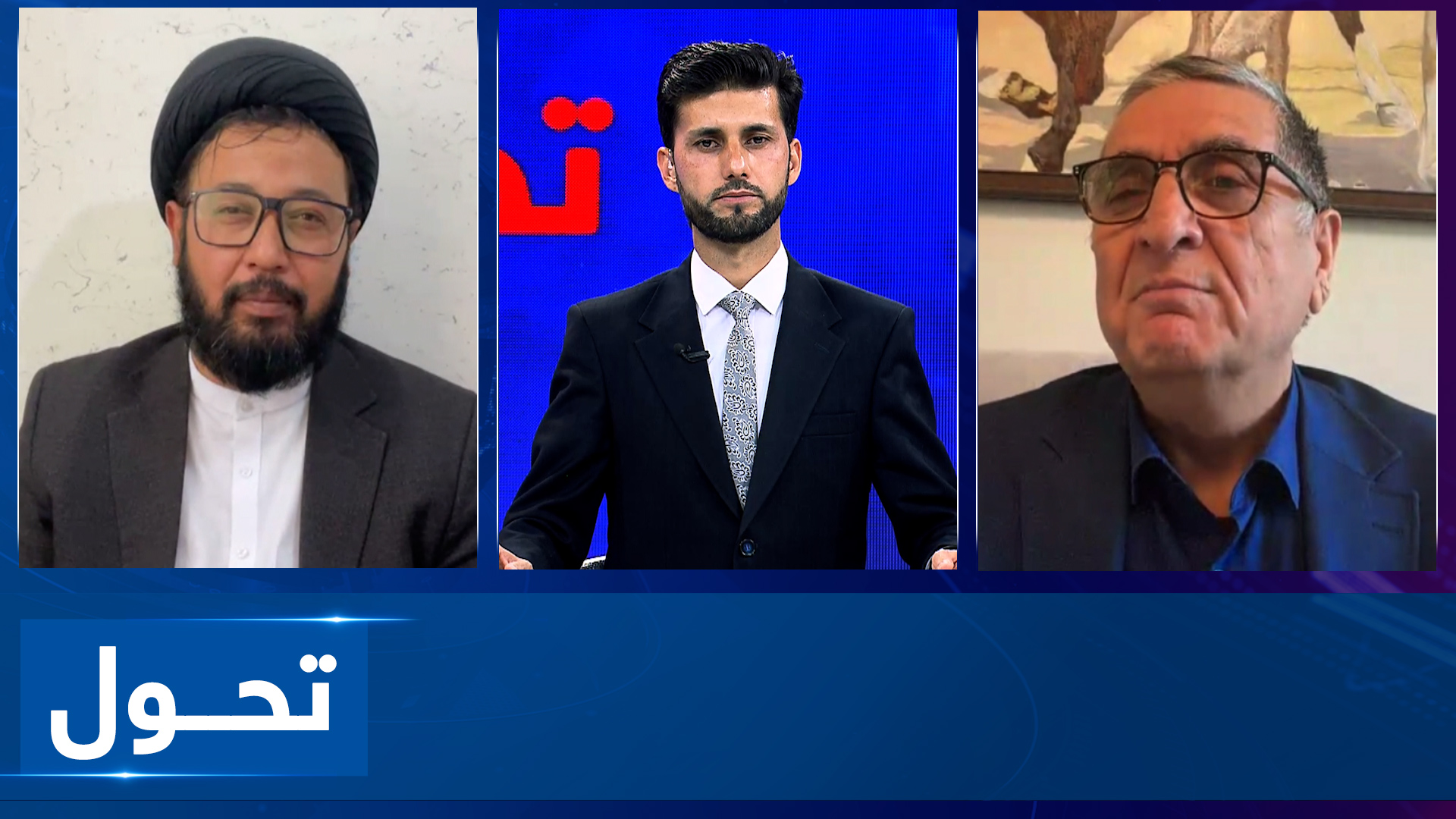
Tahawol: Interest in joining pro-Russian forces discussed
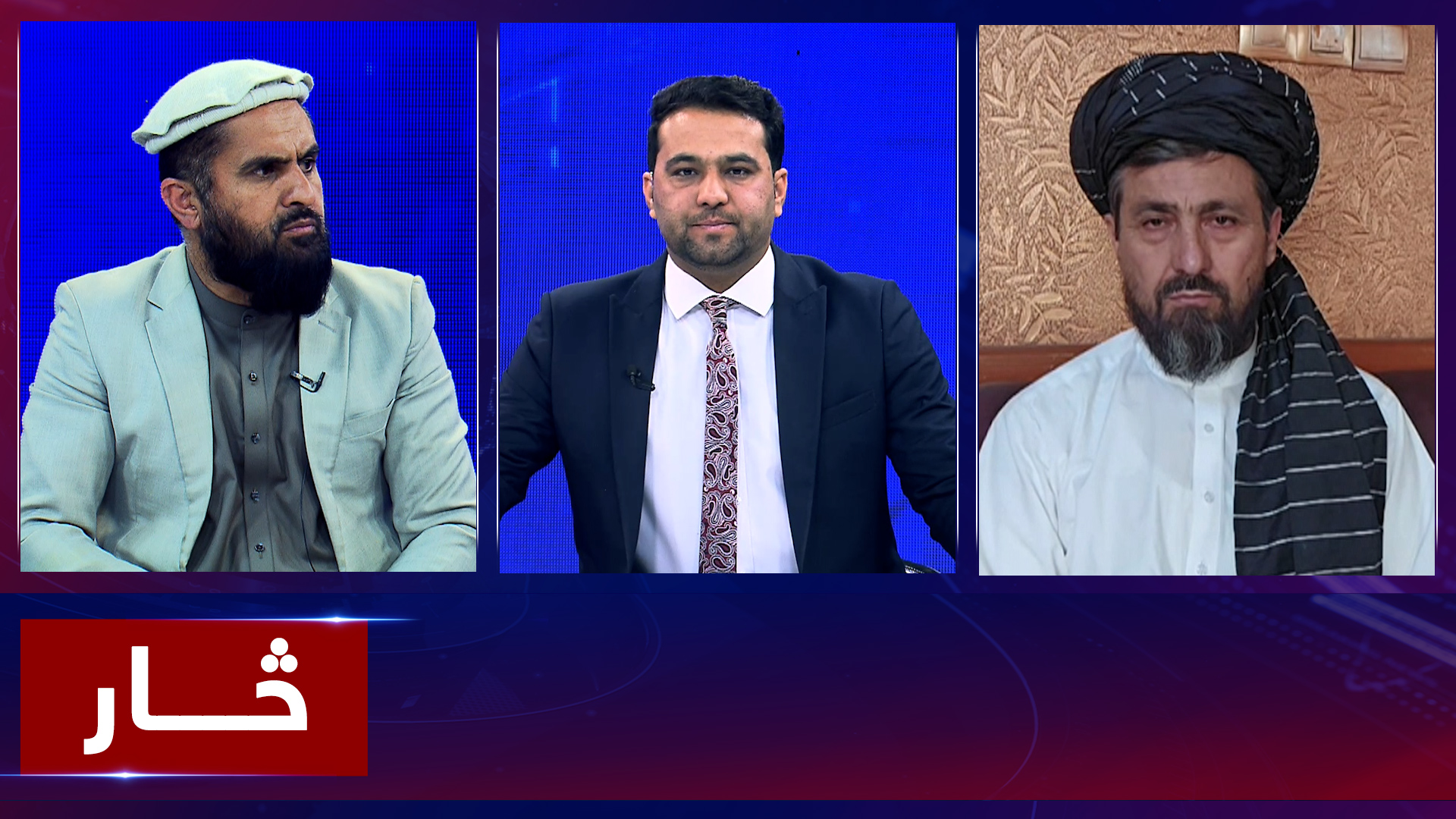
Saar: Refugee returns to Afghanistan ahead of winter discussed
Tahawol: Emphasis on security cooperation at Tehran talks discussed
Saar: Pakistan threatening strikes on Afghanistan

Iran says outcome of Israeli elections ‘makes no difference’
-
 Sport4 days ago
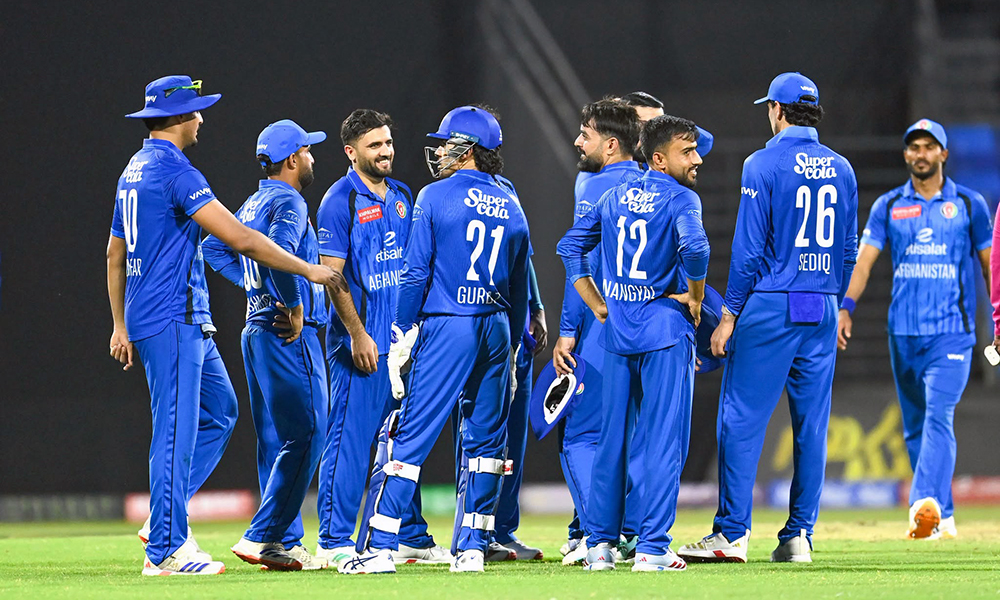
Afghanistan rise above England to match their highest-ever ODI ranking
-
 Business4 days ago
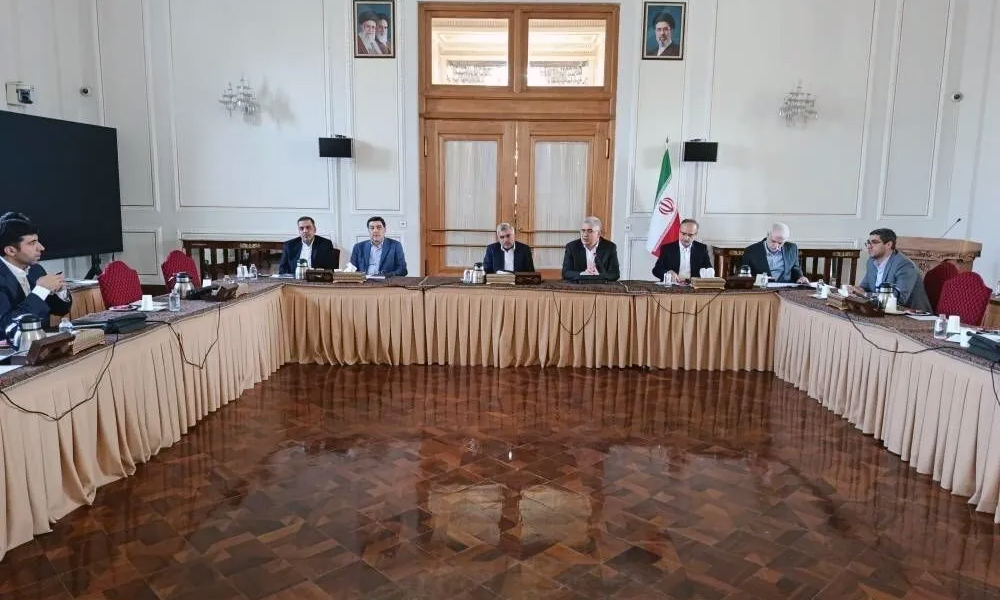
Iran moves to ease export barriers to Afghanistan, Pakistan and Iraq
-
 Latest News4 days ago
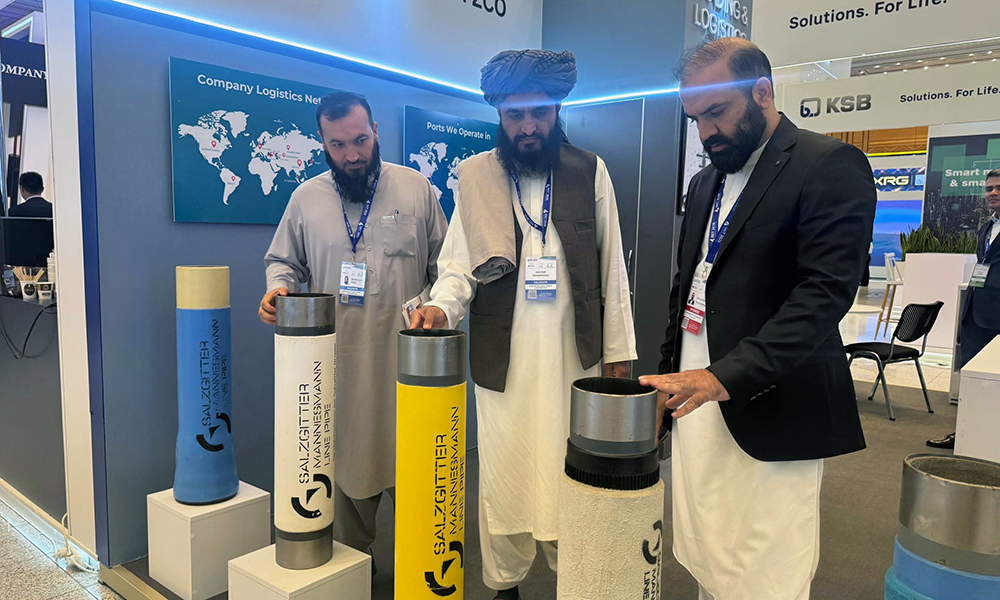
Afghanistan, Turkmenistan discuss Herat gas pipeline expansion and distribution networks
-
 Latest News4 days ago
Balkhi: 1,119 Afghan civilians killed or injured in Pakistani attacks since 2022
-
 International Sports4 days ago
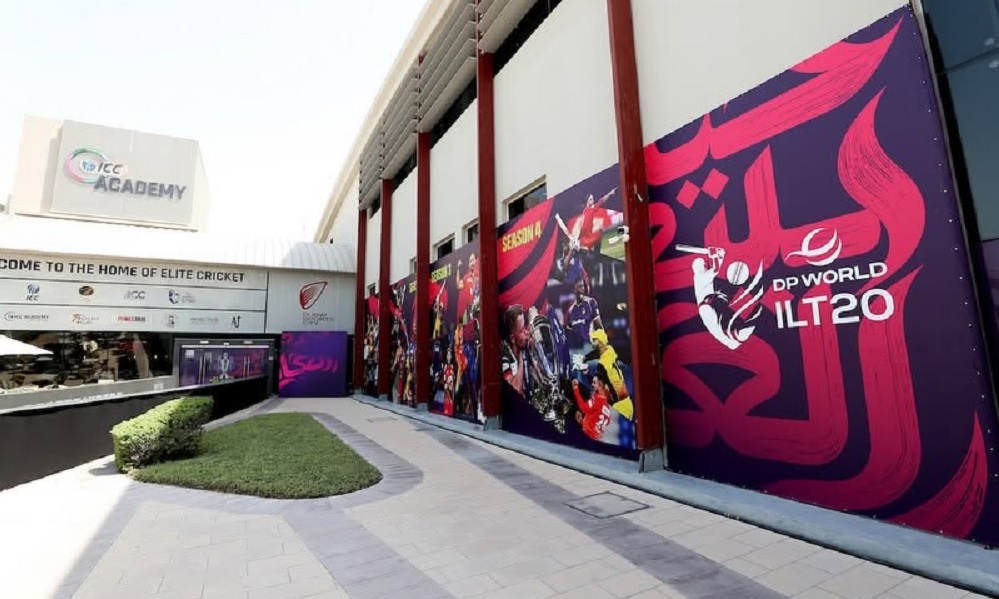
ATN secures exclusive rights to broadcast ILT20 Season 5 in Afghanistan
-
Regional3 days ago
Officials from Mecca pact countries to meet Iranian officials in Tehran
-
 World4 days ago
Four ways US foreign policy could change if Democrats win in November
-
 Latest News4 days ago
Afghan migrants in Türkiye seek solutions to residency and consular challenges