
Latest News
Mujahid: We do not want to learn religion from others
The Ministry of Justice said none of the Islamic Emirate’s legislative documents include any article, clause, or provision that conflicts with Islamic Sharia.

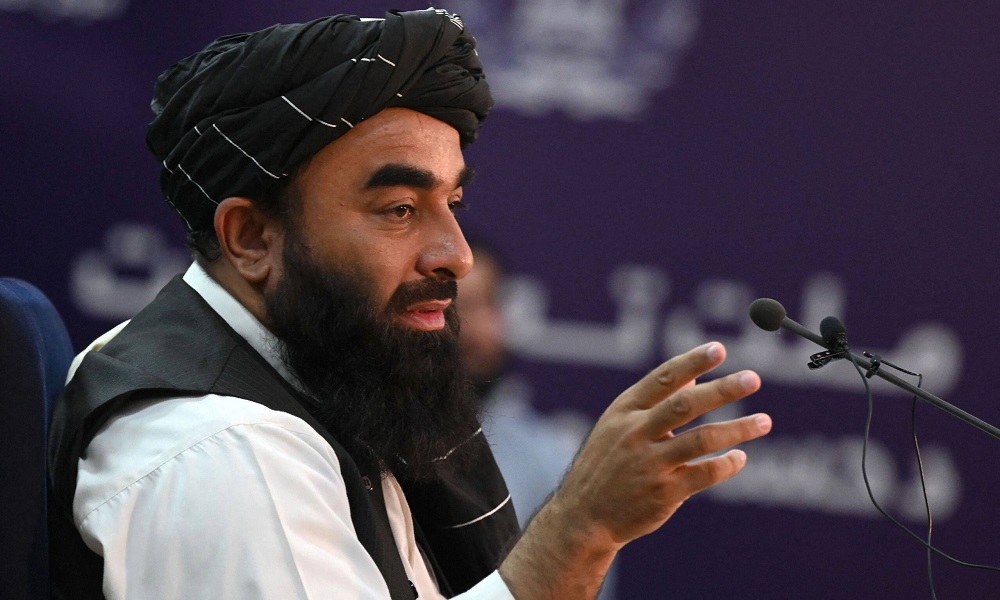
Zabihullah Mujahid, spokesperson for the Islamic Emirate, says the country’s penal code contains no provisions that contradict Islamic Sharia.
In an interview with the BBC, Mujahid said the guidelines are fully based on Sharia law. He added that anyone raising objections should first study Sharia and assess the issues within its framework.
“In today’s digital world, Sharia-related materials are available in every language,” Mujahid said.
When asked whether the Islamic Emirate is open to considering the views of Islamic scholars from other countries, Mujahid said that while concerns may be clarified, criticism is not acceptable.
“We do not want to learn religion from others. We have our own religion, beliefs, and scholars. We have made sacrifices for this religion and preserved it for centuries. Why should others teach us religion? Instead, we should teach religion to others,” he said.
Meanwhile, the Ministry of Justice said none of the Islamic Emirate’s legislative documents include any article, clause, or provision that conflicts with Islamic Sharia.
The ministry also warned that raising objections to these laws would be considered a crime and said violators would be referred to judicial and legal authorities for prosecution.

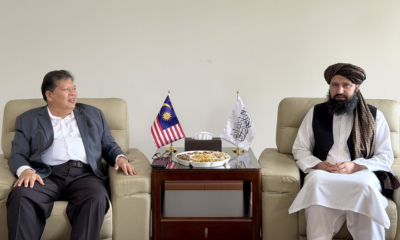




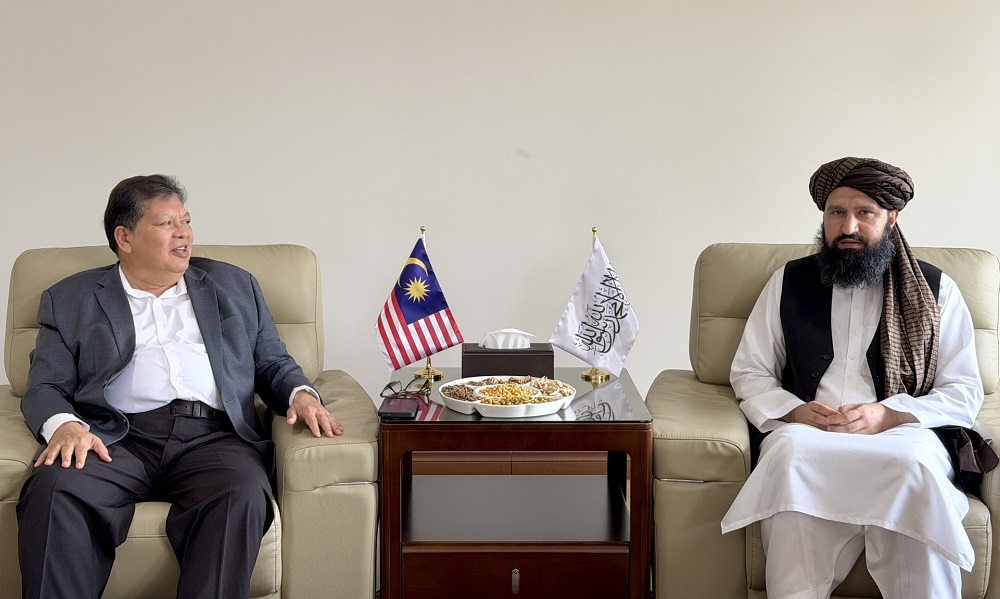
Naqibullah Ahmadi, Acting Ambassador of the Islamic Emirate of Afghanistan in Malaysia, met on Thursday with Tan Sri Dato Johari bin Abdul, Speaker of Malaysia’s House of Representatives, to discuss bilateral relations.
According to a statement from the Afghan Embassy in Malaysia, the two sides discussed the Islamic Emirate’s foreign policy, Afghanistan’s engagement with regional countries and the international community, as well as the country’s security situation, economic developments and investment opportunities.
The two sides also discussed further expanding bilateral relations between Afghanistan and Malaysia, joint cooperation in various sectors, and facilitating the movement of government officials, businesspeople and tourists between the two countries.
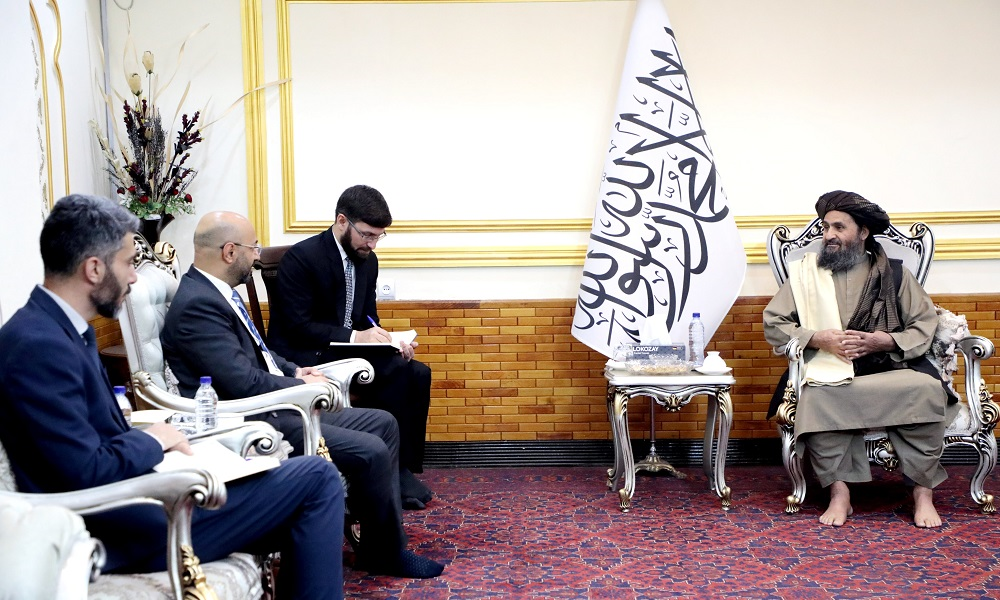
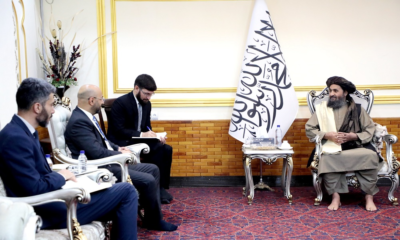
Mullah Abdul Ghani Baradar, Deputy Prime Minister for Economic Affairs, met on Thursday with Sadin Ayyıldız, Türkiye’s Ambassador to Afghanistan, to discuss expanding economic, trade and transit relations between the two countries, as well as resolving problems faced by Afghan migrants in Türkiye.
According to a statement from the deputy PM’s office, Baradar expressed appreciation for the activities of Turkish companies that have invested in various sectors in Afghanistan and called on other Turkish investors to invest in the country as well.
The Deputy Prime Minister for Economic Affairs said the Islamic Emirate would provide the necessary facilities for Turkish investors.
Baradar also stressed the need to resolve the problems of Afghan migrants in Türkiye and provide them with greater assistance and facilities.
Meanwhile, Ayyıldız welcomed the increase in trade between Afghanistan and Türkiye and said his country was ready to further expand its relations with Afghanistan in transport, transit, health, education and other economic sectors.
The Turkish ambassador added that Türkiye would continue its cooperation in strengthening relations between Afghanistan and the international community and in presenting a realistic image of Afghanistan to the world.
He also said Türkiye had introduced facilities for issuing visas to Afghans and would seek to provide further facilitation in this area.

Human Rights Watch (HRW) has condemned Pakistan’s reported decision to expel Afghan medical and dental students, warning that the move could deprive dozens of young Afghans, particularly women, of their education.
According to HRW, Pakistani authorities have instructed medical and dental institutions to expel Afghan nationals and arrange for their return to Afghanistan. The organization described the measure as the latest in a series of actions targeting Afghans living in Pakistan.
Pakistan’s medical institutions have reportedly suspended new admissions for Afghan nationals. At Lahore’s King Edward Medical University, 20 Afghan medical students – including four women and seven students in their final year – were instructed to report within 24 hours to complete departure formalities, HRW said.
The Human Rights Commission of Pakistan estimates that around 100 Afghan medical and dental students in Lahore could be affected, including between 20 and 40 women. Some students have reportedly sought assistance from the organization, including safe shelter and legal support, amid fears of imminent deportation.
HRW said Pakistan’s obligations under the International Covenant on Economic, Social and Cultural Rights require equal access to higher education based on ability and without discrimination. The UN committee responsible for monitoring the treaty has previously clarified that these protections apply to non-nationals regardless of their immigration status.
“Removing enrolled students just because they are Afghan is contrary to these protections,” HRW said.
The rights group also pointed to Pakistan’s broader campaign against undocumented and other Afghan migrants, saying authorities have arbitrarily arrested and forcibly returned hundreds of thousands of Afghans, including people who had lived in Pakistan for decades.
HRW called on Pakistani authorities to immediately withdraw the expulsion orders, restore the affected students’ enrollment and reverse the ban on admissions for Afghan nationals.
The organization also urged Pakistan to allow Afghan students to remain lawfully in the country until they complete their degrees and to assess the protection needs of individual students.


Acting Afghan ambassador meets Malaysian House Speaker over bilateral ties

Baradar discusses expanding economic and trade ties with Turkish envoy

Trump touts $5,000 payout if Republicans win as Vance waits in wings

HRW urges Pakistan to halt expulsion of Afghan medical students

Afghanistan Champions League Season 6 kicks off today: Abu Muslim Farah face Sarsabz Yashlar

Four mediators struggle to secure lasting Pakistan-Afghanistan ceasefire

HesabPay unveils new visa card and digital payment app in Kabul

AFC Champions League Elite draw nears as Al-Nassr seeded above Al-Hilal

Juma Khan Fateh surrenders to IEA forces in Badakhshan

Afghanistan’s trade diversification challenges Pakistan

Saar: Pakistan’s decision to expel Afghan medical students discussed

Tahawol: Victory of Germany’s far-right party in state election discussed

Saar: UN Human Rights Council meeting on Afghanistan reviewed

Tahawol: Possible future scenarios for Ukraine crisis

Saar: Afghanistan’s relations with international community
-
 Business3 days ago
Saudi energy group signs major Afghanistan deals covering gas exploration and pipeline plans
-
 Latest News3 days ago
Khalilzad: Afghanistan ready to attract major investment
-
 Latest News5 days ago
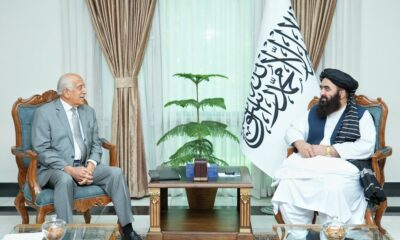
Muttaqi and Khalilzad discuss expanding Afghanistan-US relations
-
 Latest News4 days ago
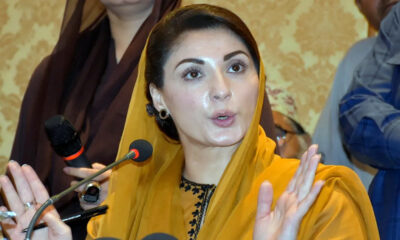
Maryam Nawaz says Punjab faces greater security threats from neighbouring provinces
-

 Regional4 days ago
US and Iran exchange fire on vessels near Strait of Hormuz
-
 Latest News2 days ago
Amnesty International condemns Pakistan order requiring Afghan medical students to return
-
 Latest News2 days ago
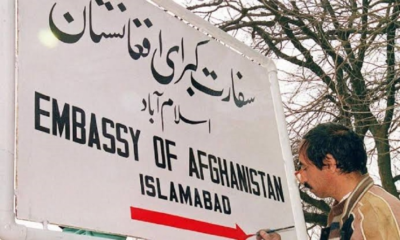
Afghan Embassy in Islamabad calls for halt to expulsion of Afghan students
-

 International Sports4 days ago
Messi returns to Inter Miami after Argentina retirement