
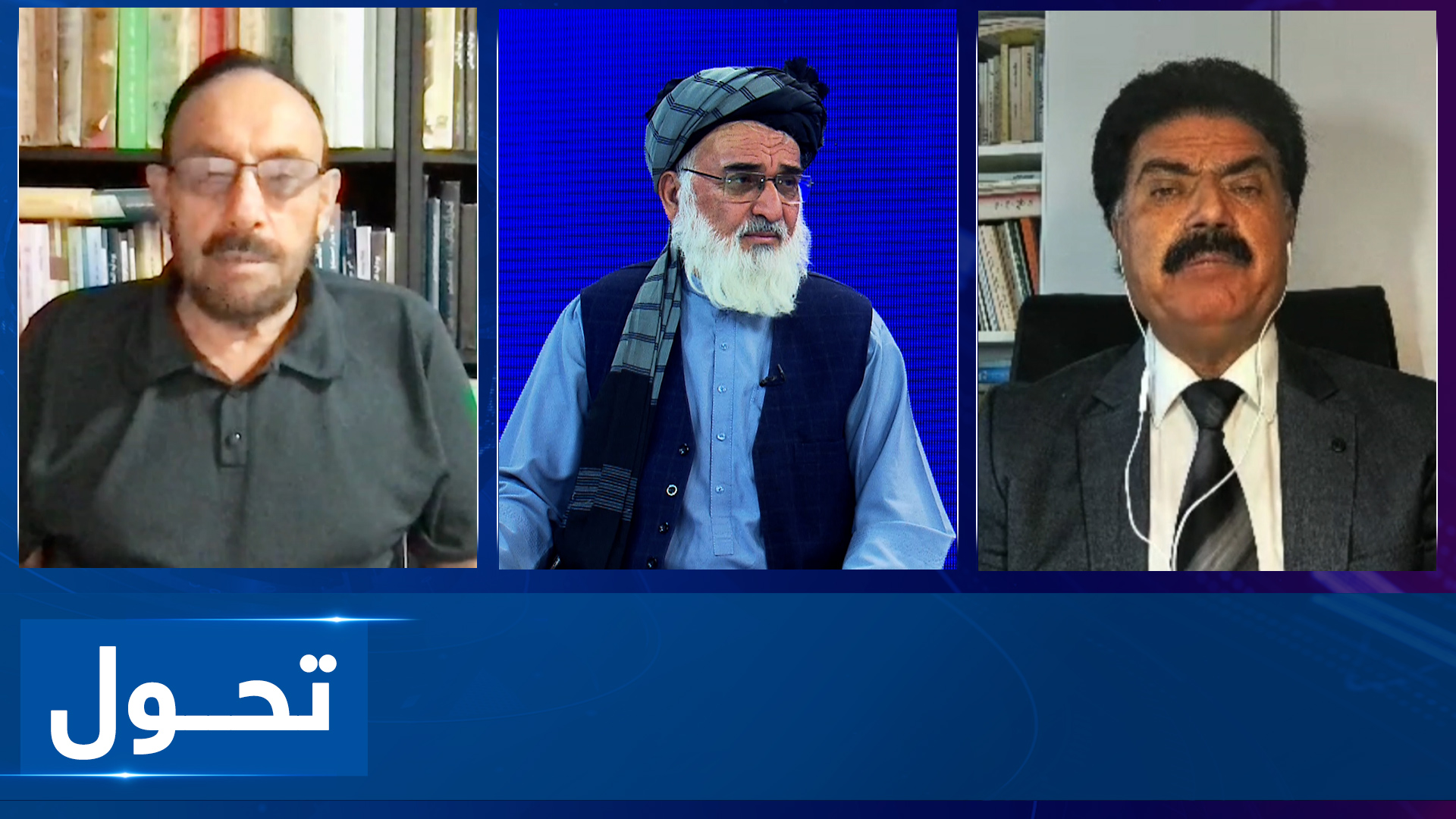
Tahawol: Release of three Pakistani prisoners by IEA discussed











Latest News
Japan welcomes decline in Afghanistan’s poppy cultivation, calls for sustained anti-drug efforts
The Embassy of Japan in Afghanistan made the remarks in response to a recent report by the United Nations Office on Drugs and Crime (UNODC) on the country’s narcotics situation.

Japan has welcomed Afghanistan’s efforts to combat narcotics, describing the reported decline in poppy cultivation since 2022 as a significant development while calling for continued anti-drug measures and sustainable alternative livelihoods for farmers.
The Embassy of Japan in Afghanistan made the remarks in response to a recent report by the United Nations Office on Drugs and Crime (UNODC) on the country’s narcotics situation.
In a statement, the embassy said Japan highly values Afghanistan’s continued counter-narcotics efforts, emphasizing that lasting progress requires not only reducing poppy cultivation but also providing alternative sources of income for farmers previously dependent on opium production.
Japan also stressed the importance of creating sustainable economic opportunities to help former poppy farmers maintain their livelihoods and prevent a return to narcotics cultivation.
However, the latest UNODC report points to a significant increase in poppy cultivation in 2026 compared with the previous year. According to the report, cultivation rose more than fourfold, reaching approximately 43,300 hectares.
Opium production also increased from around 300 metric tons in 2025 to approximately 1,500 metric tons in 2026, the report said.
Meanwhile, Afghanistan’s Ministry of Interior has rejected the UNODC findings, arguing that the figures and assessments do not correspond with official information and evidence collected in the field.
Business
Afghanistan inaugurates first phase of Kandahar cement factory
According to officials, the first phase of the factory has a daily production capacity of 1,500 metric tons of cement and is expected to generate thousands of direct and indirect jobs.
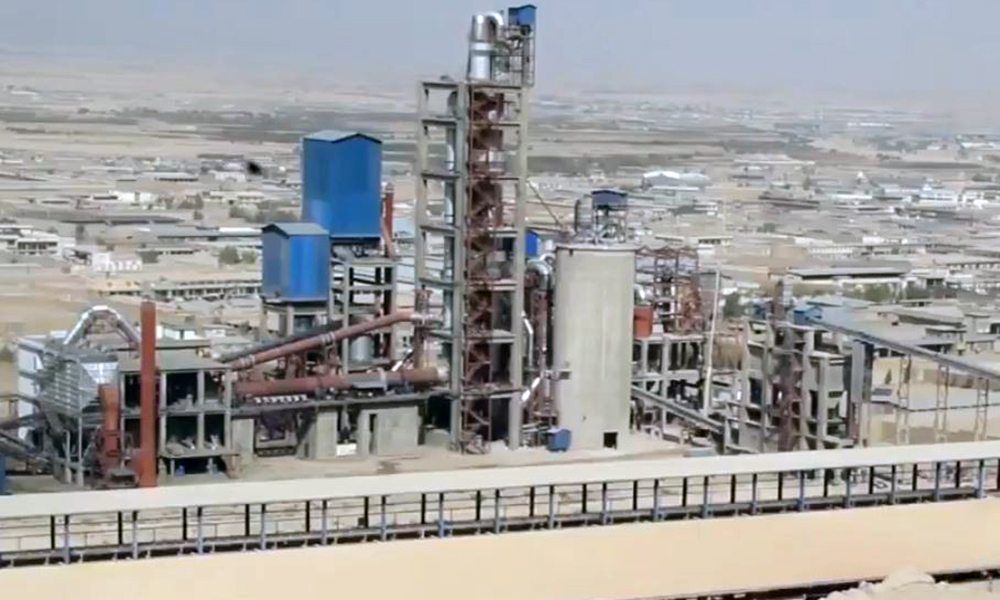
Afghanistan has inaugurated the first phase of the Shorandam Cement Factory in Kandahar province, marking a step toward expanding domestic cement production and reducing reliance on imports.
Mullah Abdul Ghani Baradar, Deputy Prime Minister for Economic Affairs, officially opened the facility on Thursday at a ceremony attended by senior officials of the Islamic Emirate.
Speaking at the ceremony, Baradar said sustainable economic development requires the effective use of domestic resources and a shift from a consumer-based economy to a production-driven one.
He stressed the need to boost local production, reduce imports, expand exports and strengthen the country’s industrial sector.
According to officials, the first phase of the factory has a daily production capacity of 1,500 metric tons of cement and is expected to generate thousands of direct and indirect jobs. Work on the second phase is also expected to begin in the future.
Hidayatullah Badri, Minister of Mines and Petroleum, said cement production had resumed in Afghanistan for the first time since the Islamic Emirate returned to power.
He added that six major cement production projects are currently underway across the country, involving a combined investment of $662 million.
According to Badri, the projects are expected to create employment opportunities for around 15,000 people and meet nearly 50 percent of Afghanistan’s domestic cement demand once completed.
Islamic Emirate spokesperson Zabihullah Mujahid also welcomed the factory’s inauguration, describing it as positive news for the country and emphasizing the importance of maintaining production quality and industrial standards.
Afghanistan currently relies heavily on imported cement to meet domestic demand. The expansion of local production is expected to reduce dependence on imports, support the construction industry and create employment opportunities.
Sport
Rashid Khan makes history as first-ever bowler to claim 200 T20I wickets
The Afghanistan Cricket Board celebrated the achievement, describing it as an incredible milestone in international cricket.

Afghanistan cricket superstar Rashid Khan has made history by becoming the first-ever bowler to take 200 wickets in men’s Twenty20 International (T20I) cricket.
The former Afghanistan captain achieved the remarkable milestone on Thursday during Afghanistan’s second T20I match against Zimbabwe in Sharjah, dismissing Tadiwanashe Marumani LBW for two runs in the ninth over.
According to the Afghanistan Cricket Board (ACB), Rashid reached the historic landmark in his 120th T20I appearance, recording an impressive bowling average of 13.96 and an economy rate of 6.13.
His outstanding T20I career also includes two five-wicket hauls, with best bowling figures of 5/3.
With 200 wickets to his name, Rashid now leads the all-time men’s T20I wicket-taking chart by 29 wickets ahead of England’s Adil Rashid, who sits in second place.
The Afghanistan Cricket Board celebrated the achievement, describing it as an incredible milestone in international cricket.
Rashid previously became the first Afghan bowler to reach 200 wickets in One-Day Internationals (ODIs) during a match against Bangladesh in Abu Dhabi in October last year.
The latest achievement further cements Rashid Khan’s place among the most successful T20 bowlers in international cricket and marks another proud moment for Afghanistan.


Japan welcomes decline in Afghanistan’s poppy cultivation, calls for sustained anti-drug efforts
Afghanistan inaugurates first phase of Kandahar cement factory

Rashid Khan makes history as first-ever bowler to claim 200 T20I wickets
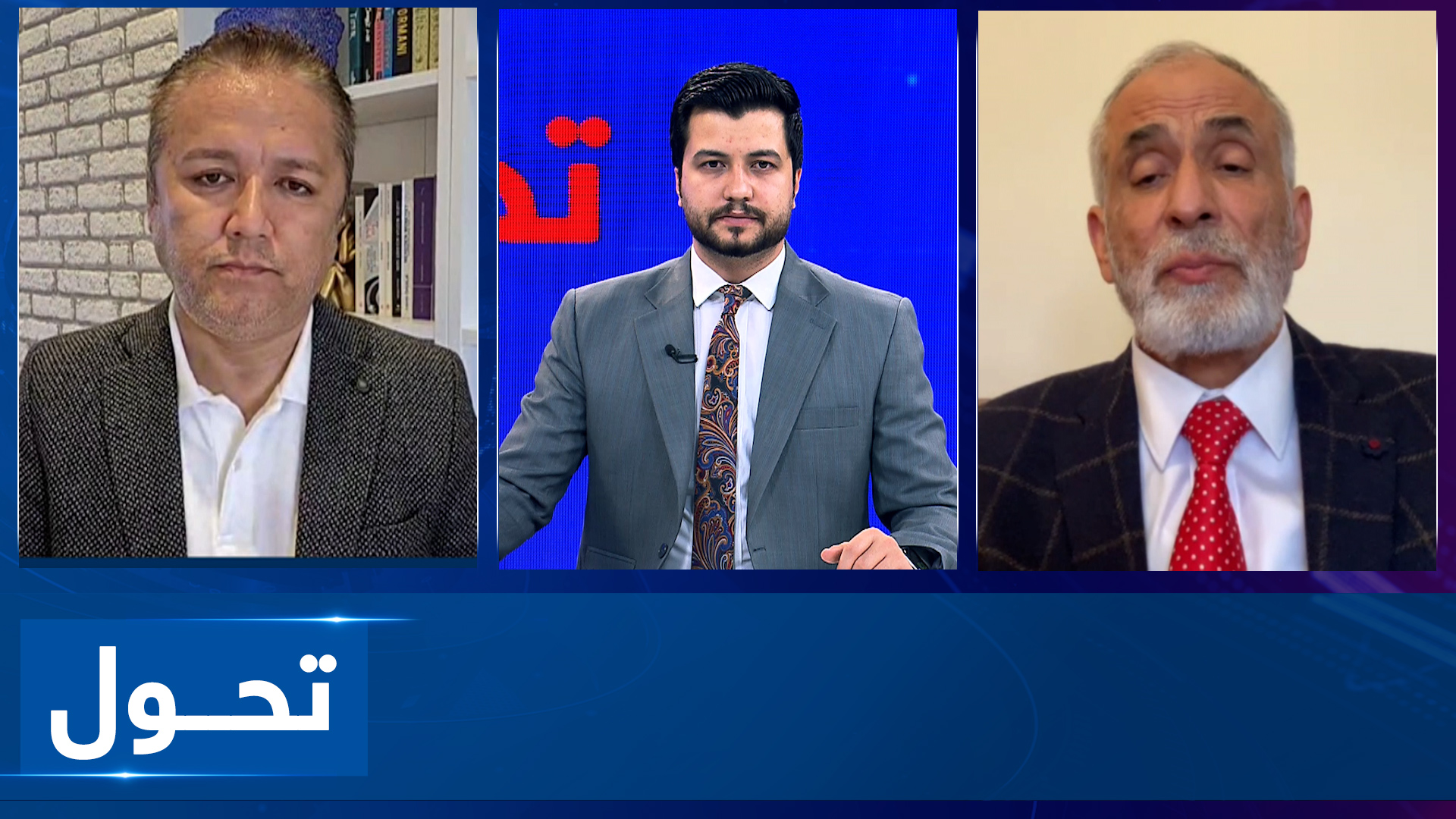
Tahawol: Pashto as bridge to Kabul–Islamabad reconciliation discussed
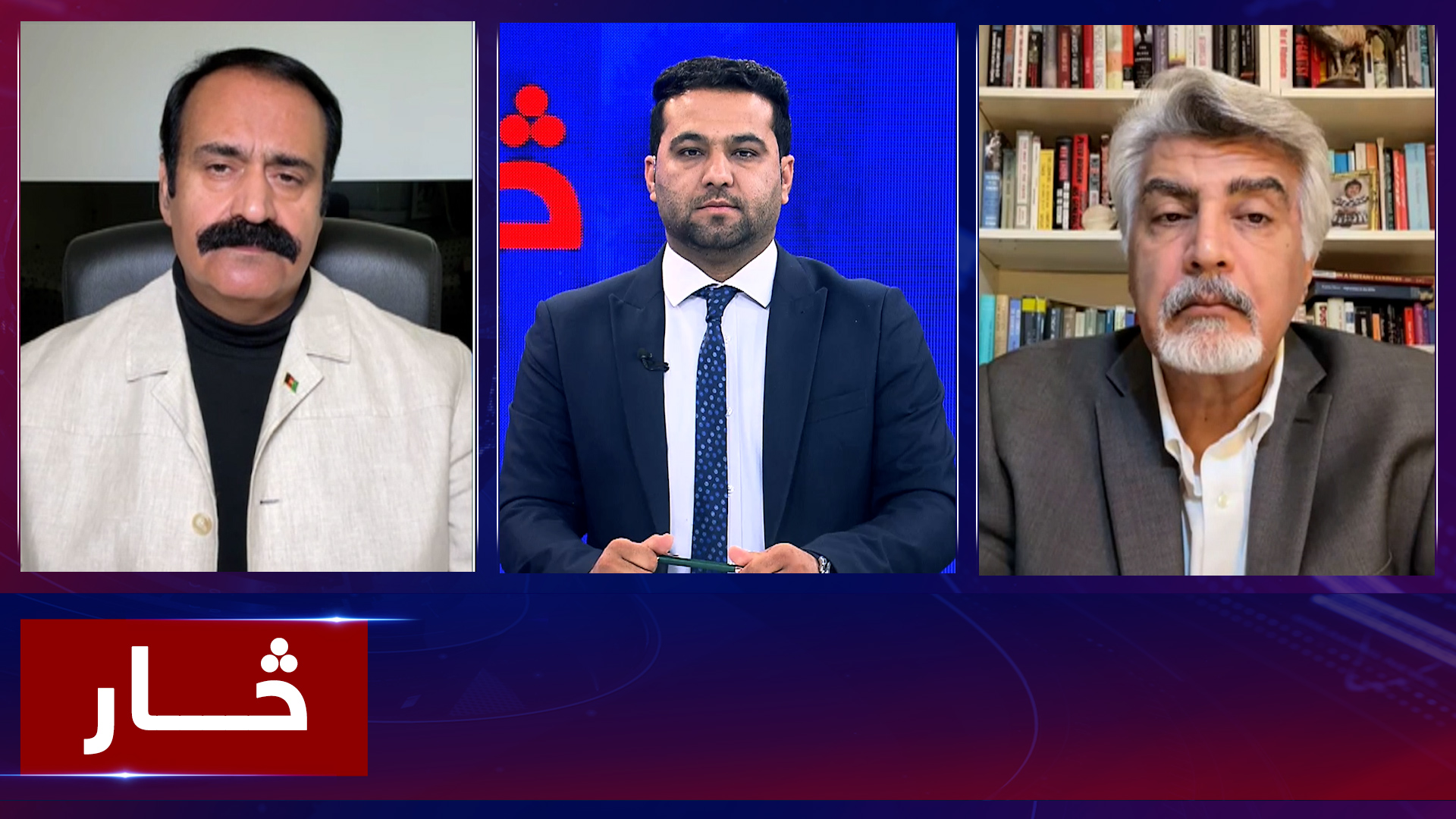
Saar: Regional coalition against Israel-US discussed

Cricket Bonanza: Afghanistan set for packed international schedule

ACB announces Afghanistan squads for Bangladesh, Zimbabwe series

Afghanistan to face Pakistan, India and Australia at 2027 Cricket World Cup

Four members of one family killed in Helmand in Pakistan airstrike

Afghanistan finish runners-up after 6-0 defeat to Brazil in futsal final
Saar: Regional coalition against Israel-US discussed

Tahawol: Interest in joining pro-Russian forces discussed
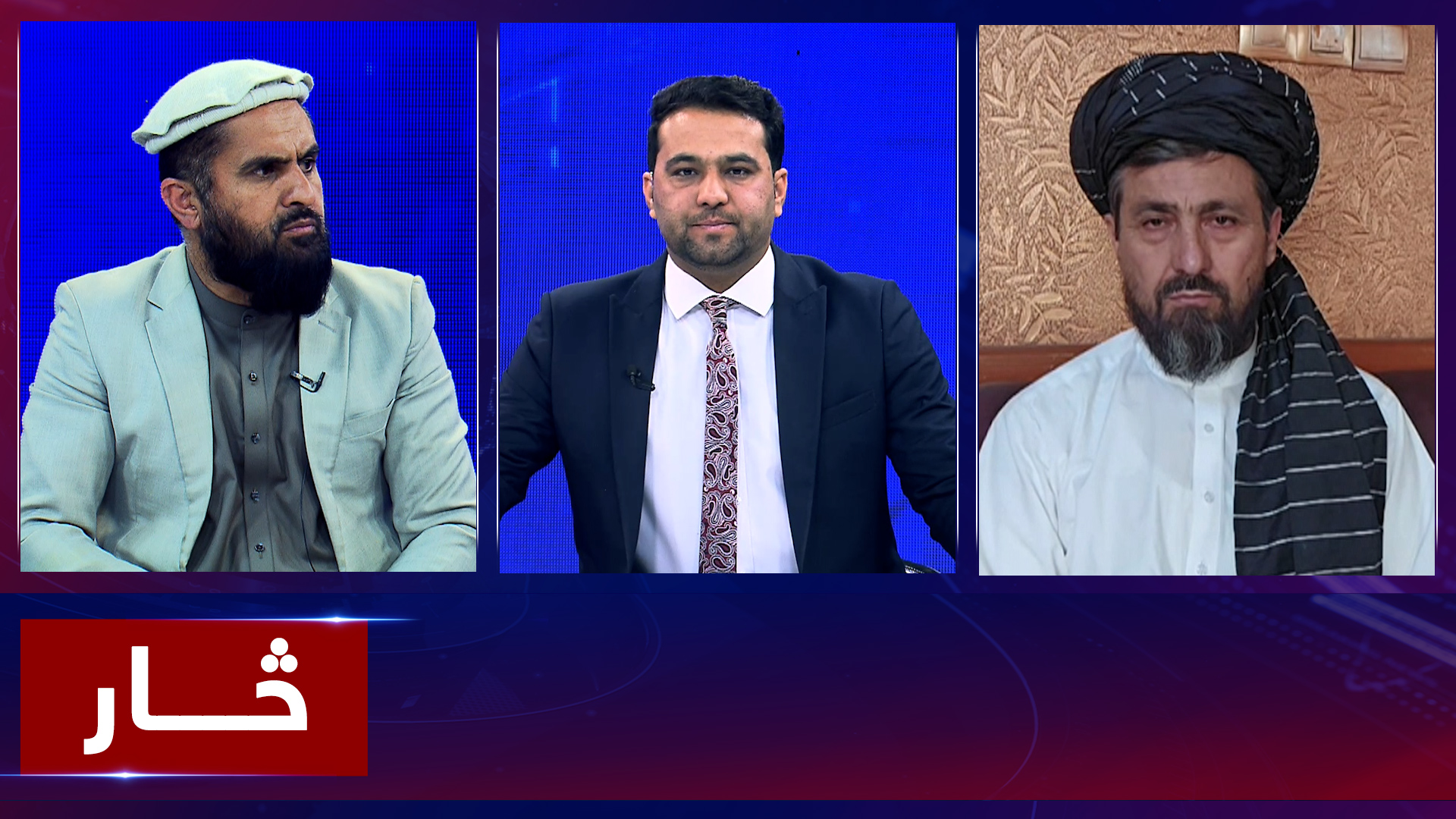
Saar: Refugee returns to Afghanistan ahead of winter discussed

Tahawol: Emphasis on security cooperation at Tehran talks discussed

Saar: Pakistan threatening strikes on Afghanistan
-
 Sport3 days ago
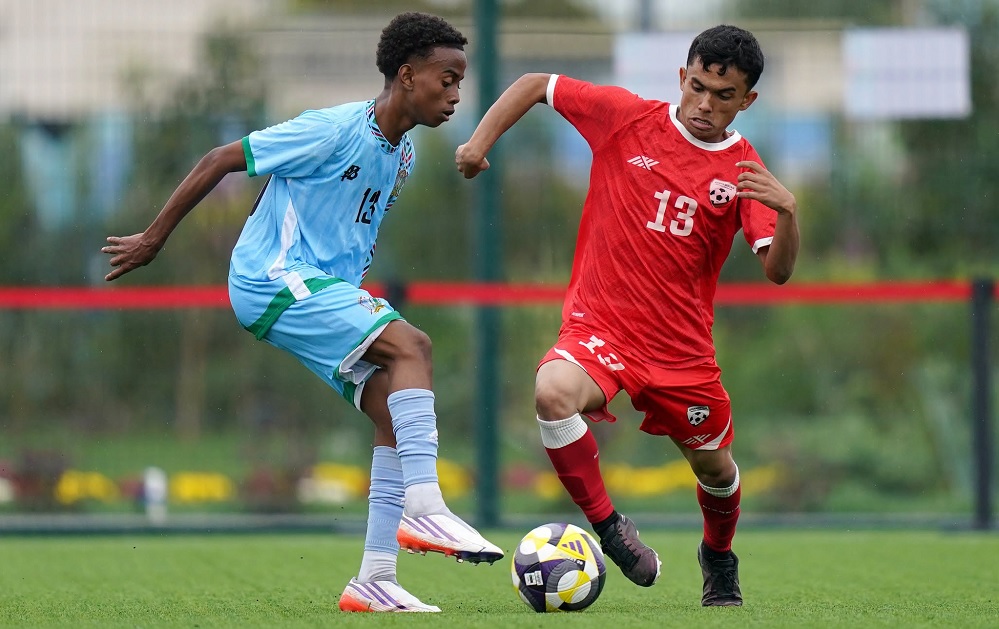
Afghanistan advance to Tier C at FIFA U-15 World Cup and Festival
-
 Regional4 days ago
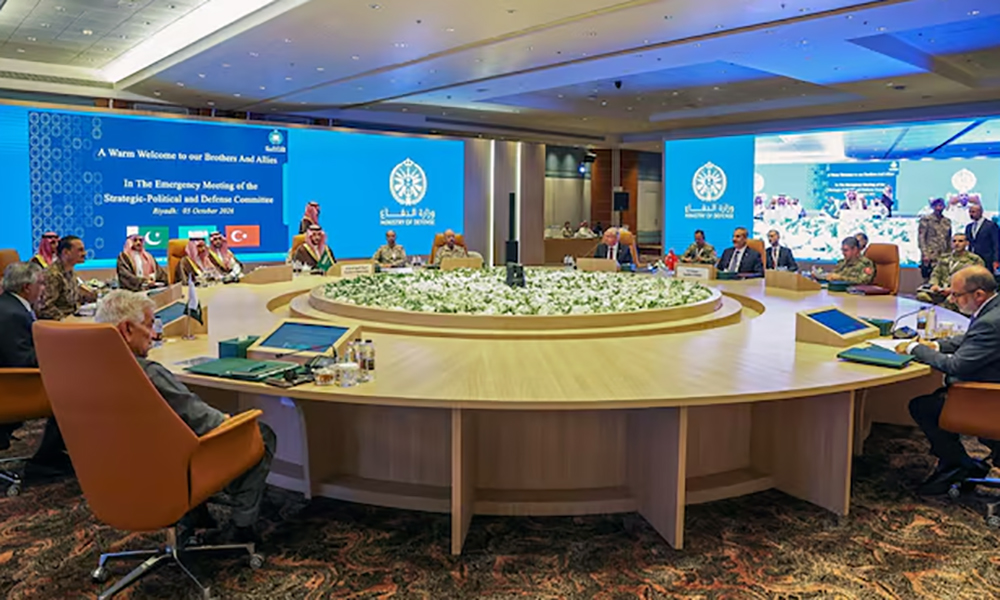
Officials from Mecca pact countries to meet Iranian officials in Tehran
-
 International Sports5 days ago
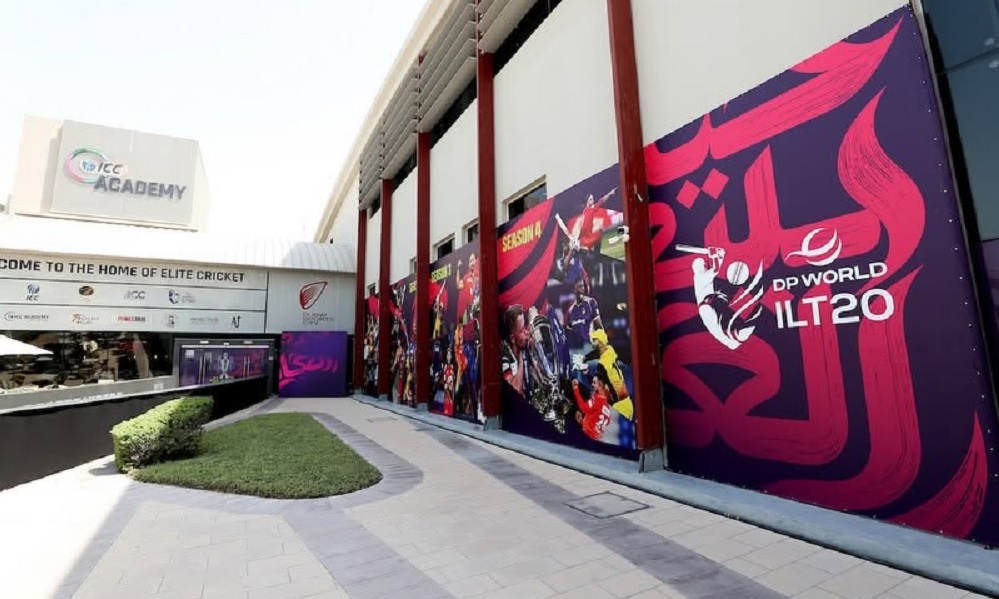
ATN secures exclusive rights to broadcast ILT20 Season 5 in Afghanistan
-
 World5 days ago
Four ways US foreign policy could change if Democrats win in November
-
 Climate Change4 days ago
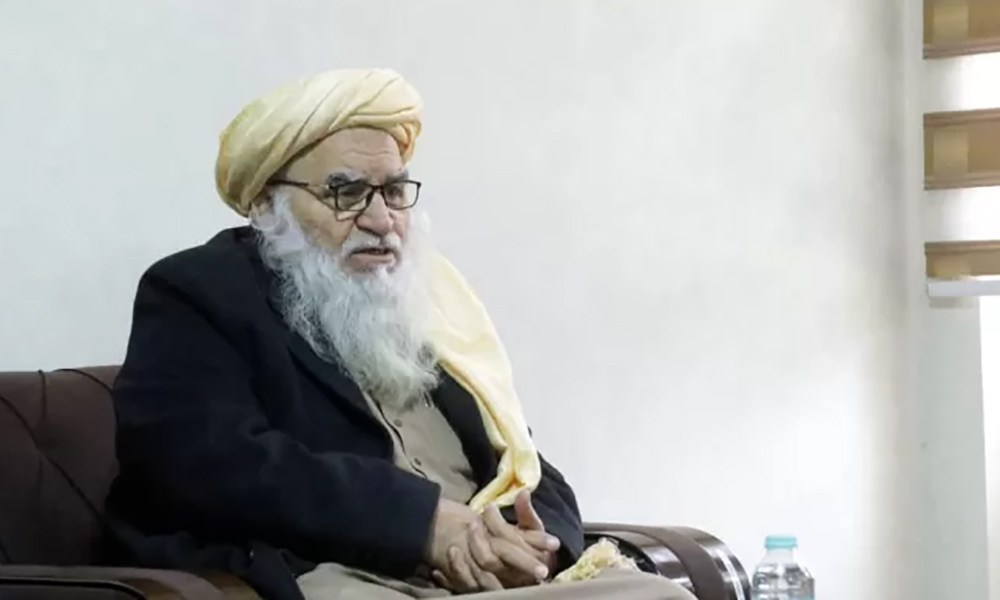
Afghanistan’s environmental protection chief travels to Malaysia for global education conference
-
 World4 days ago
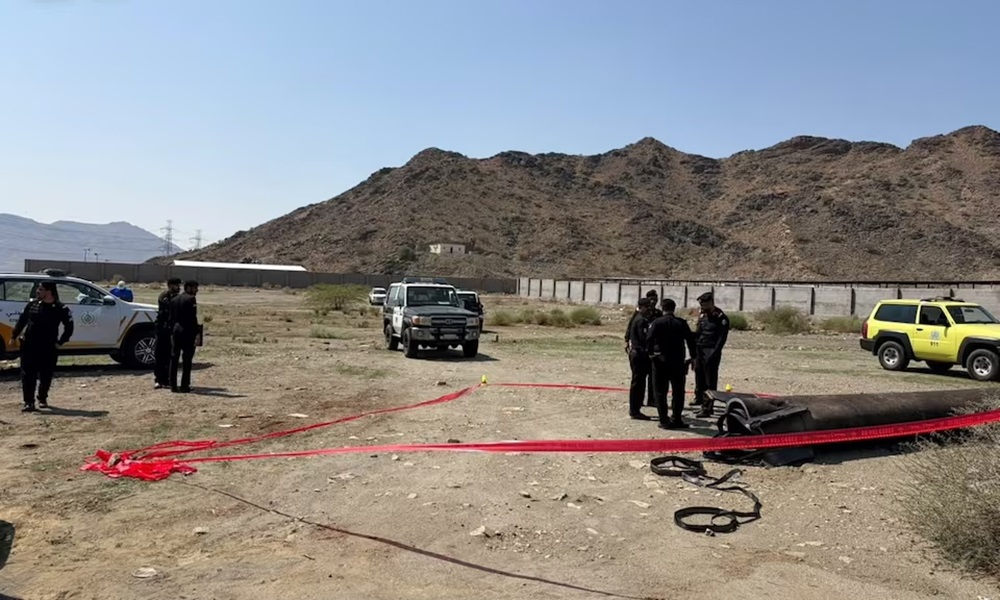
Houthis say they attacked Saudi oil pumping stations, Riyadh airport as fighting intensifies
-
 Regional3 days ago
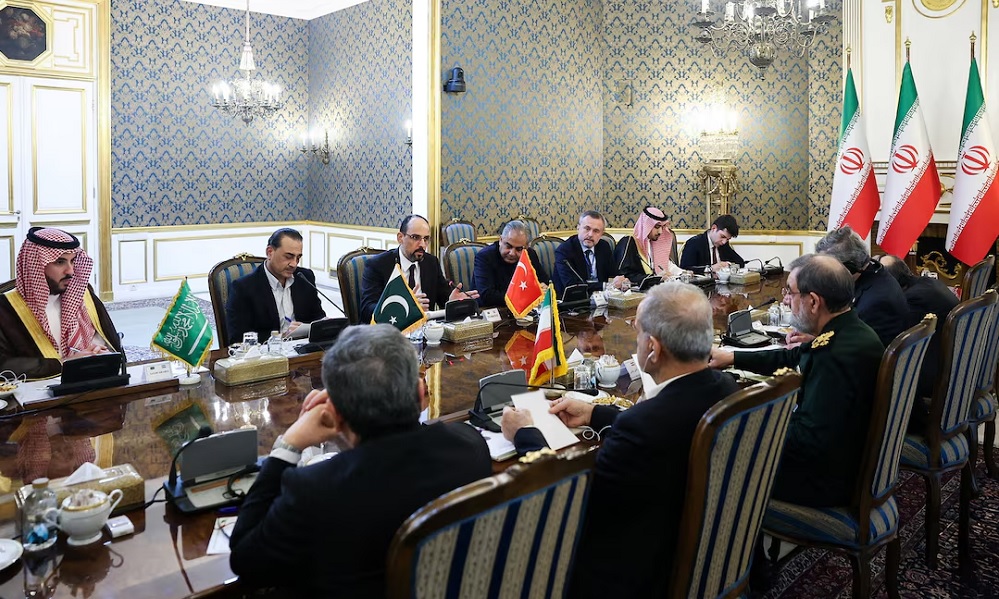
Saudi defence pact countries push for peace in Tehran as Houthis launch more attacks
-
 Latest News5 days ago
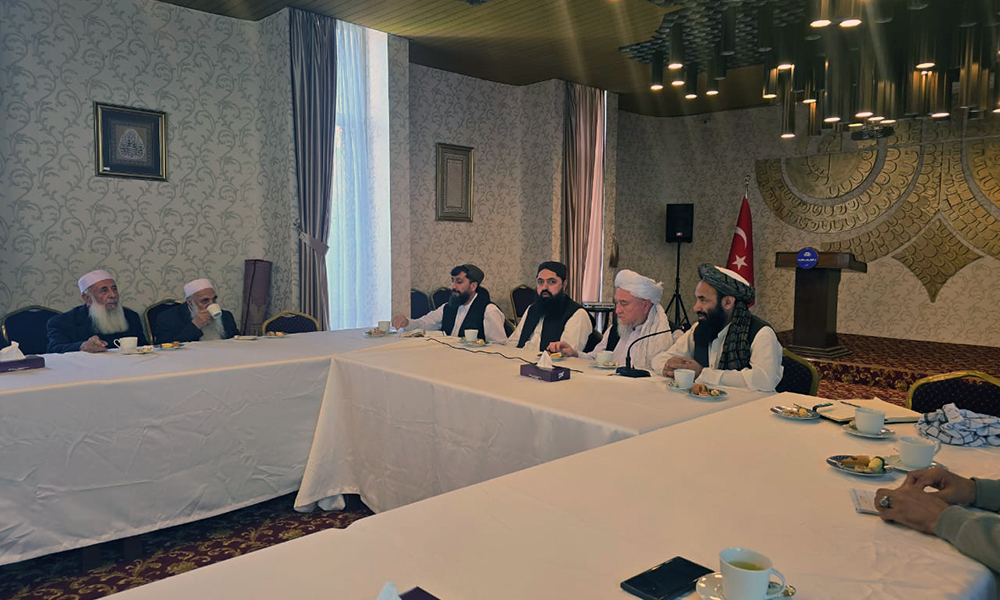
Afghan migrants in Türkiye seek solutions to residency and consular challenges