
Latest News
Fire at Bangladesh juice factory kills 52

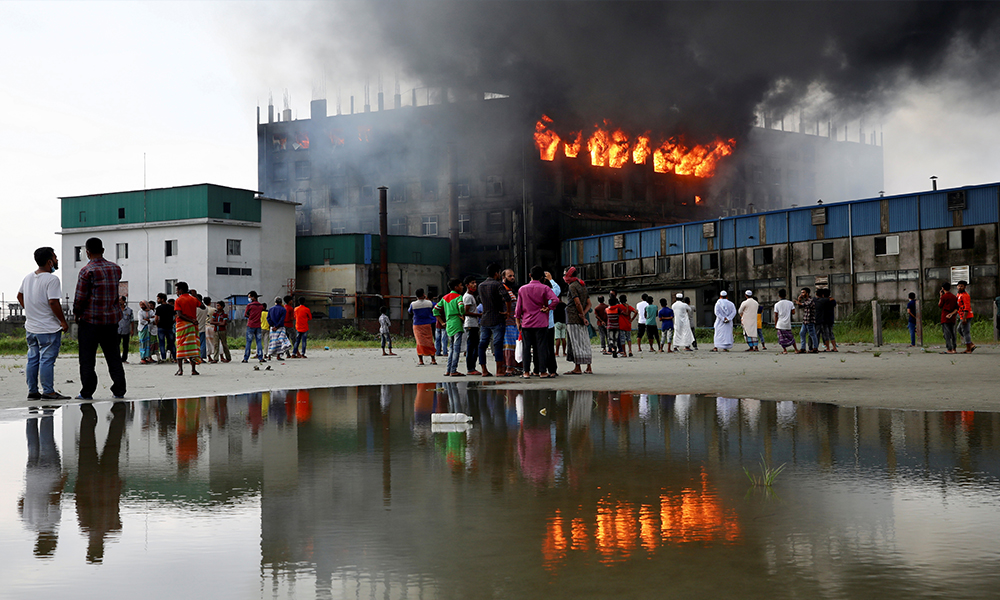
At least 52 people were killed, 20 injured and many more feared trapped after a massive fire raged through a juice-making factory in Bangladesh, officials said on Friday, the latest industrial fire accident in the country.
The fire started on Thursday evening at the ground floor of a six-storey factory building in the Narayanganj district, 20 km (12 miles) southeast of the capital Dhaka, run by the private firm Hashem Food and Beverage, which is a unit of Bangladesh‘s multinational Sajeeb Group. The factory makes mango fruit drinks under the Shezan brand.
“Three people died from jumping off the building to escape the fire and 49 charred bodies have been recovered so far,” Mustain Billah, the administrator for the Narayanganj district, told Reuters by phone from the scene.
“It is still burning on the top floor. Firefighters are struggling to control it, as chemicals and flammable materials were stored inside the building.”
He said that the cause of the fire is not yet known.
“Plastics and flammable substances and chemicals all made it hard to douse the fire,” said Abdullah Al Arefin, a district fire service official, adding the severe heat from the fire caused cracks in the building.
Al Arefin said each floor in the building is about 35,000 square feet (3,250 square meters) but they were only accessible by two stairways and that many workers could not get out as the fire spread to the stairs.
One of the doors leading from the stairs to the roof was locked, he said.
“We rescued 25 people after setting a ladder to the rooftop. We could have saved more if others could reach the rooftop,” said Debashish Bardhan, deputy director of the national fire service.
Many workers were injured in trying to jump off the building’s second and third floors to escape, said Shah Alam, another district fire service official.
Officials at Hashem Foods and Sajeeb Group did not immediately respond to calls seeking comment.
As relatives of the missing staged protests around the factory site, a mother searching for her son, Nazma Begum, cried out, “There is no justice! Where is my son?”
Narayanganj in central Bangladesh is packed with factories making everything from jute to textiles.
Disasters because of poor fire and building safety standards are common in Bangladesh, largely in the textiles sector that employs millions and contributes the most to its economy.
Industry officials promised better safety standards after the collapse of the Rana Plaza garment factory building in 2012 in Dhaka that killed more than 1,000 workers and injured hundreds. But many factories inside and outside the textiles sector still fall short, leading to accidents each year.
The Narayanganj district administration has formed a five-member probe committee to examine the incident, Al Arefin said.











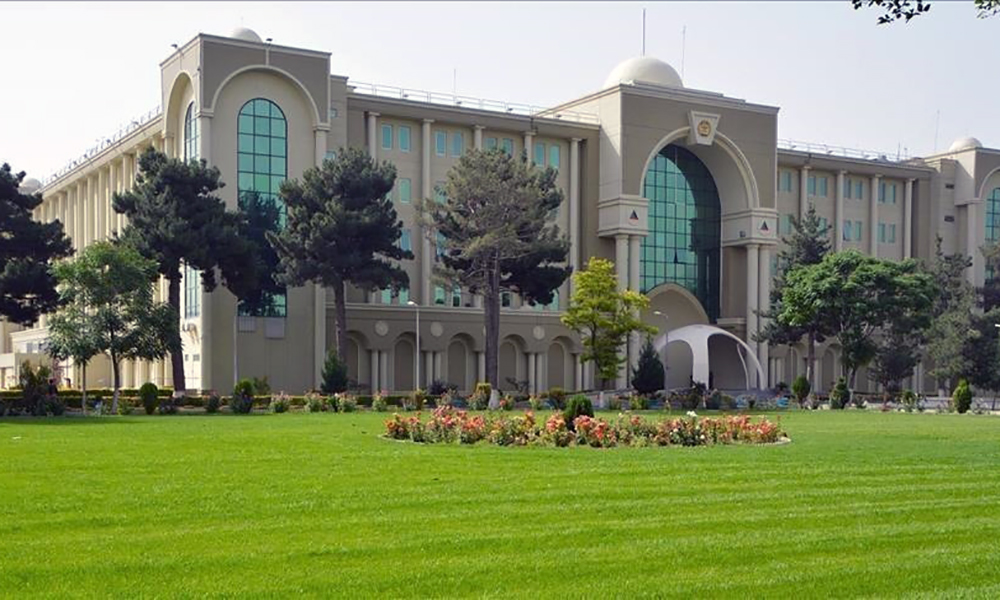
Afghanistan’s Ministry of Defense says a Pakistani military post near Spin Boldak was targeted and destroyed after Pakistani forces opened fire toward Afghanistan.
Ministry spokesperson Enayatullah Khwarazmi said in a post on X that Afghan forces suffered no casualties or damage in the clash.
Khwarazmi also rejected claims made by the Pakistani side about the incident, describing them as “propaganda.”
Latest News
Mujahid: Pakistan attacking Afghanistan to evade Mecca Pact responsibilities
He warned that the Islamic Emirate would give an “appropriate response” to what he called the Pakistani military regime’s “bullying.”
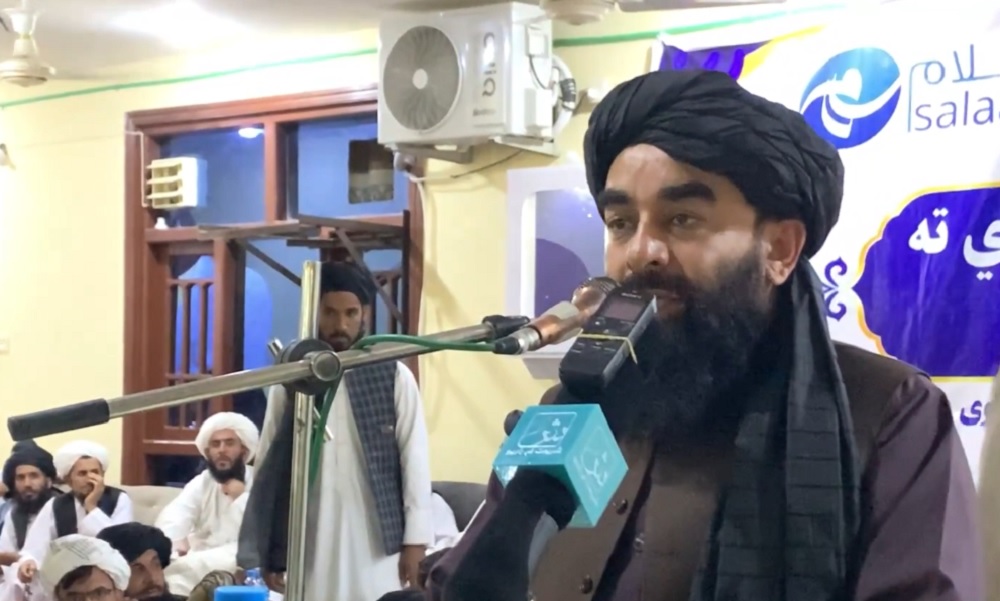
Islamic Emirate spokesperson Zabihullah Mujahid has accused Pakistan of carrying out attacks on Afghanistan to divert attention from its domestic problems and to evade responsibilities under the “Mecca Pact.”
Speaking at a religious seminary in Kandahar, Mujahid said Pakistan was facing political and economic challenges at home and was using attacks on Afghanistan to shift public attention away from protests and its internal problems.
“Pakistan, by violating the territory of its neighboring Islamic country, wants to divert attention from its failures,” he said.
Mujahid also criticized Pakistan’s political situation, claiming that political space had been restricted and that freedoms guaranteed under the country’s laws were not being allowed.
He said Pakistan’s economic problems had also increased significantly and accused the country of seeking to distract the public from those problems by engaging in conflict with Afghanistan.
Mujahid further accused Pakistan’s military leadership of putting the Pakistani people at risk through what he described as its “false position.”
He warned that the Islamic Emirate would give an “appropriate response” to what he called the Pakistani military regime’s “bullying.”
His remarks followed Pakistani airstrikes on Kandahar, Paktia and Khost provinces on Thursday, which Afghan authorities said killed four civilians.
The strikes came three days after attacks on Kunar and Paktika provinces, in which Afghan authorities said three civilians were killed.
Latest News
Kabul rejects U.S. claim that meth seized in Pakistan was of Afghan origin
Balkhi said the Islamic Emirate of Afghanistan (IEA) has imposed an absolute ban on the production, trafficking and use of all types of narcotics in Afghanistan.
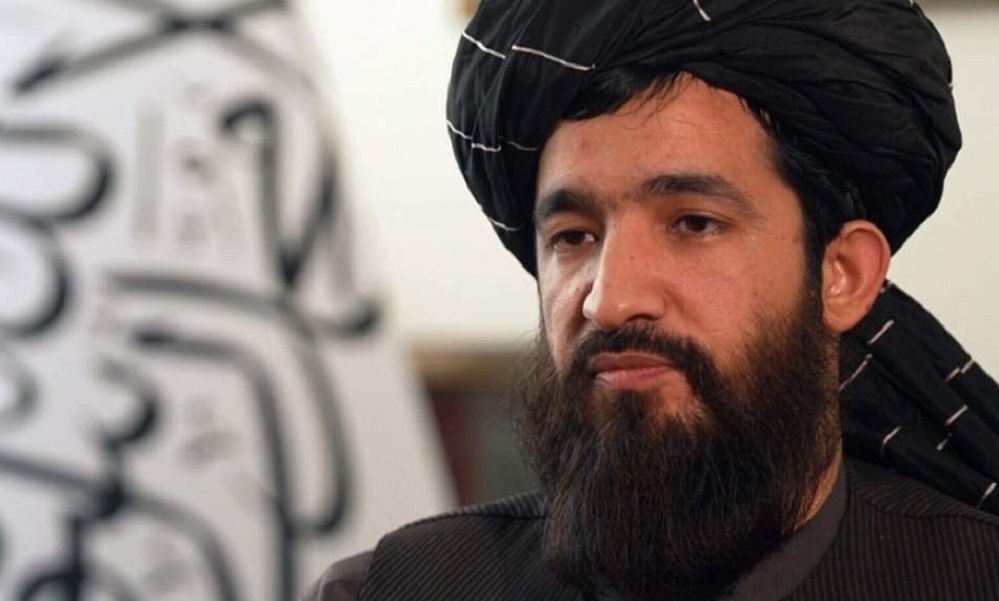
Afghanistan’s Foreign Ministry spokesperson Abdul Qahar Balkhi has rejected a U.S. claim that 463 kilograms of synthetic drugs seized in Pakistan were of Afghan origin, calling the attribution “unfounded and politically motivated.”
Balkhi said the U.S. Embassy in Islamabad should investigate the origin of the seized drugs in Pakistan rather than attributing them to Afghanistan.
“The attribution by the U.S. Embassy in Islamabad of the synthetic drugs bound for Sri Lanka and intercepted in Pakistan through joint U.S.-Pakistani efforts as ‘Afghan-origin’ is an unfounded and politically motivated allegation,” Balkhi said.
He said the Islamic Emirate of Afghanistan (IEA) has imposed an absolute ban on the production, trafficking and use of all types of narcotics in Afghanistan.
Balkhi also claimed that following the ban in Afghanistan, the cultivation, production and trafficking of narcotics have increased “on the other side of the Durand Line.”
He further argued that Afghanistan does not have the capacity to produce synthetic drugs and said crossing points along the Durand Line have been completely closed to all movement for nearly a year.
His remarks came after the U.S. Embassy in Islamabad said U.S. and Pakistani anti-narcotics authorities had seized 463 kilograms of crystal methamphetamine worth an estimated $21 million and bound for Sri Lanka.
The embassy said the operation led to multiple arrests and highlighted ongoing U.S. cooperation and training with Pakistani authorities to disrupt international drug-trafficking networks.


Exclusive interview with Abdul Latif Mansoor, Minister of MRRD

Sorkh Poshan Khafi rout Istiqlal Kabul 6-0 in ACL season six

Tawsia: Overview of Afghanistan’s iron mines

Afghanistan Champions League: Arman FC and Aino Mina play out goalless draw

Afghanistan says Pakistani military post destroyed near Spin Boldak

Saudi energy group signs major Afghanistan deals covering gas exploration and pipeline plans

ATN secures exclusive rights to broadcast T20I series in India across Afghanistan

Trump floats idea of renaming Atlantic or Pacific Ocean

US hits Egyptian bank branches with Iran sanctions as war marks six months

Nepal flood rescue mission enters critical phase as thousands remain missing
Exclusive interview with Abdul Latif Mansoor, Minister of MRRD
Tawsia: Overview of Afghanistan’s iron mines

Tahawol: Discussion on fresh Pakistani airstrikes on Afghanistan

Saar: Calls for international support for Afghanistan discussed

Tahawol: Opening of the 81st UN General Assembly Session
-

 Sport4 days ago
Afghanistan to face Japan and Nepal in Asian Games cricket group stage
-
 Regional5 days ago
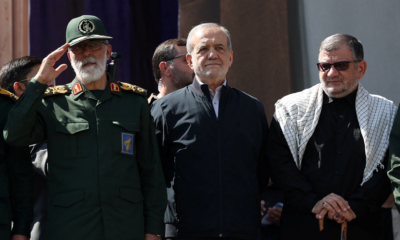
Iran and US trade threats after Houthi attacks escalate regional conflict
-

 World4 days ago
CNN, MS NOW and Politico sue Trump, challenging White House ban
-
 Health5 days ago
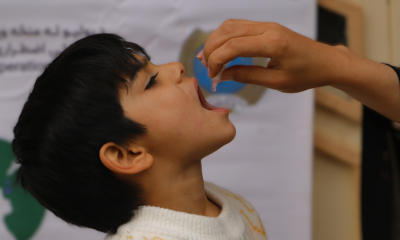
Four-day polio vaccination campaign begins across Afghanistan
-

 Latest News4 days ago
UN reiterates call for respect for international law after Kunar airstrikes
-

 Latest News4 days ago
Khalilzad condemns Pakistan airstrikes, says current strategy is not working
-

 Latest News2 days ago
Ariana Afghan Airlines ranks seventh among 45 Central Asian airlines
-

 Latest News4 days ago
Afghan Official: Pakistan’s airstrikes will not go unanswered