
Latest News
Lavrov says U.S. wants to establish military presence around Afghanistan

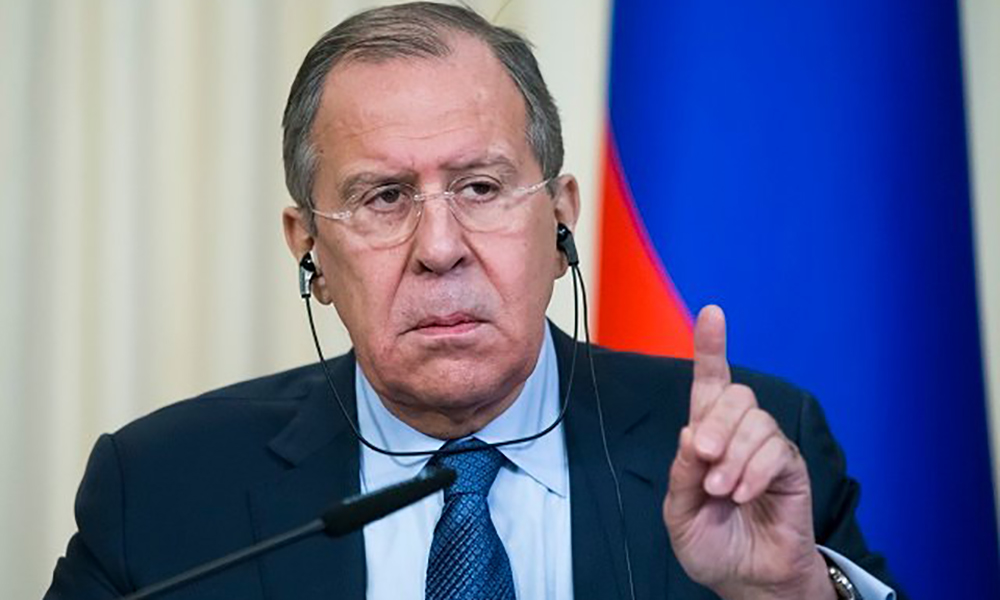
The U.S. authorities want to dispose their military resources around Afghanistan to have an option to launch strikes at Afghanistan if needed, Russian foreign minister Sergei Lavrov said on Monday (July 12).
Foreign forces, including the United States, are withdrawing after almost 20 years of fighting, a move that has emboldened the Taliban to try to gain fresh territory in Afghanistan.
That has prompted hundreds of Afghan security personnel and refugees to flee across the border into neighboring Tajikistan and raised fears in Moscow and other capitals that Islamist extremists could infiltrate Central Asia, a region Russia views as its backyard.
The CSTO, the six-nation Collective Security Treaty Organisation (CSTO) dominated by Russia, said on Thursday it was ready to use all its resources if necessary to contain a crisis on the border between Afghanistan and Tajikistan, the Interfax news agency reported.
The U.S. exit from Afghanistan is a headache for Moscow which fears spiraling fighting may push refugees into Central Asia, create a jihadist threat and even stir civil war in one ex-Soviet state, a former Russian diplomat and two analysts have told Reuters.
Russia operates its biggest foreign military base in Tajikistan close to the Afghan border and Moscow has already pledged to help Dushanbe if needed. Interfax cited the CSTO as saying that military contingents from other member countries were not yet needed in the area however.
The CSTO’s statement came as a Taliban delegation in Moscow held talks with Russian officials and sought to reassure their hosts that the group would not attack the Tajik border or use Afghanistan as a platform in future to launch attacks against Russia itself.


Latest News
Islamic Finance Innovation and Knowledge Hub of Afghanistan inaugurated
Da Afghanistan Bank also highlighted the importance of such institutions in supporting the development and stability of Islamic banking in the country, saying it supports their activities.
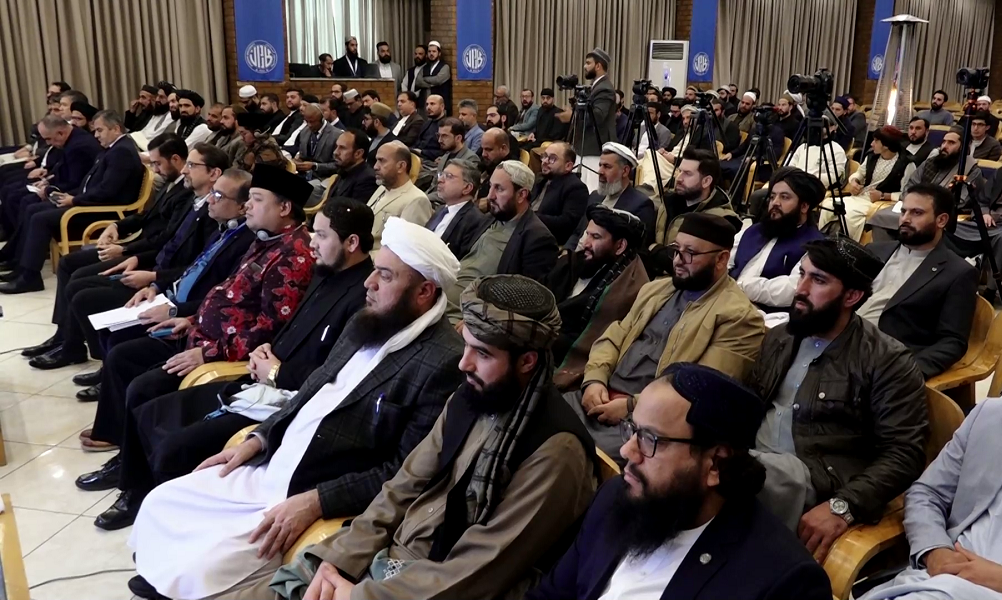
A new research hub dedicated to advancing Islamic banking and finance has been inaugurated in Afghanistan, with officials highlighting its potential role in strengthening the country’s financial system and supporting the transition from conventional to Islamic banking.
Officials from the United Nations Development Programme (UNDP) in Afghanistan said an active research institution dedicated to Islamic finance is particularly important as the country seeks to transition from conventional banking to an Islamic banking system.
Turan Saleh, head of UNDP in Afghanistan, said the country faces several economic challenges, including limited access to international markets, population growth, restricted access to financing for small businesses and electricity shortages. He said establishing such an institution under the current circumstances could play an important role in strengthening the country’s financial and banking system.
Saleh added that UNDP, on behalf of the United Nations family, supports the hub and hopes it will carry out systematic and sustainable research on Islamic finance.
Meanwhile, officials from the Ministry of Economy said Afghanistan holds significant economic potential, particularly in regional investment opportunities involving mining, electricity, transit and other development projects. They stressed that the country needs scientific and research institutions to help advance its financial programmes.
Abdul Latif Nazari, deputy minister of economy, said development models successfully implemented in other countries could also be considered in Afghanistan, particularly through institutions such as the new hub, with a focus on strengthening the country’s infrastructure, including financial infrastructure.
Da Afghanistan Bank also highlighted the importance of such institutions in supporting the development and stability of Islamic banking in the country, saying it supports their activities.
Lutfullah Khairkhwah, head of banking supervision at Da Afghanistan Bank, said Islamic finance remains a relatively underdeveloped field in Afghanistan, with limited research and discussion conducted on the subject.
The Islamic Finance Innovation and Knowledge Hub of Afghanistan is expected to work with banking and financial institutions to promote Islamic finance in the country’s financial transactions. It will also conduct research to support the development of structured policies and scientific studies aimed at strengthening Afghanistan’s Islamic financial system.
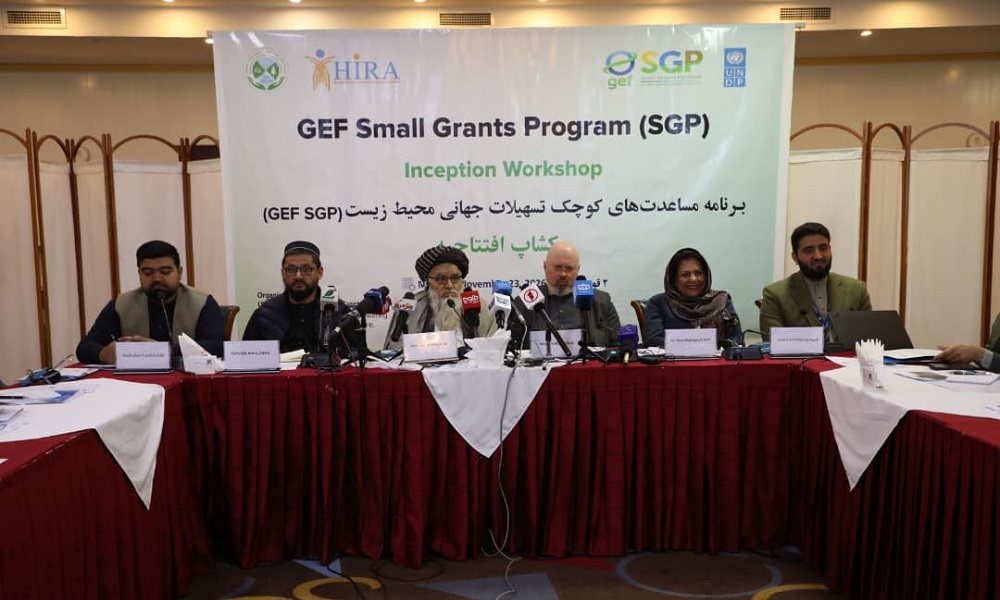
The Global Environment Facility (GEF) has resumed its Small Grants Programme in Afghanistan, reopening opportunities for community-led environmental projects and initiatives aimed at tackling climate change.
Speaking at the programme’s launch ceremony in Kabul, Matiul Haq Khalis, Director General of the National Environmental Protection Agency, described the initiative as an important source of support for local solutions to environmental challenges and greater public participation in conservation efforts.
Khalis said non-governmental organizations could play a key role in protecting natural resources, restoring forests and rangelands, managing water and soil resources, and mitigating the effects of climate change.
He noted that although Afghanistan contributes little to global greenhouse gas emissions, it is among the countries most vulnerable to climate change.
He also called for international environmental assistance to continue without political considerations.
Doel Mukerjee, UNDP Deputy Resident Representative for Afghanistan, also stressed the need for stronger international support, saying the country’s climate conditions had changed significantly since his first visits in 2008 and 2009.
He warned that the pace of climate-related changes demands faster and more decisive action.
The GEF and several other international organizations suspended environmental assistance and projects in Afghanistan in 2021, following the Islamic Emirate’s return to power. The decision drew criticism and prompted continued calls for the resumption of environmental cooperation.
The revival of the Small Grants Programme is expected to create new opportunities for local organizations and communities to implement environmental protection projects and help Afghanistan respond to the growing threats posed by climate change.
Latest News
ANP leader calls for reopening of Afghanistan-Pakistan trade routes
Khan said residents of frontier communities had the right to trade and travel, urging Pakistani authorities to take practical measures to restore cross-frontier movement.
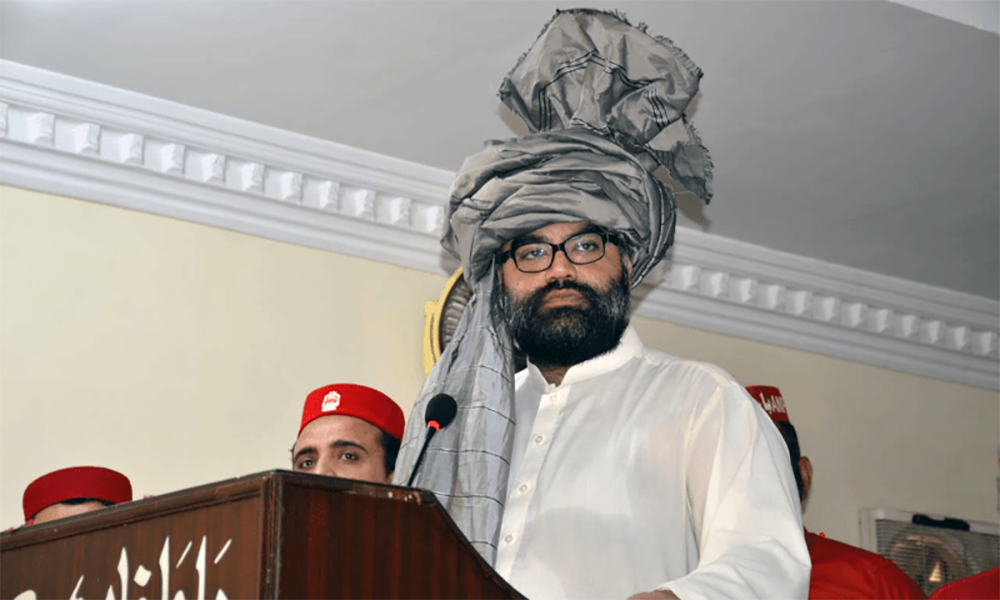
Aimal Wali Khan, a senior leader of Pakistan’s Awami National Party (ANP), has called for the immediate reopening of trade and travel crossings between Afghanistan and Pakistan, warning that their continued closure is causing serious economic hardship for communities on both sides of the Durand Line.
Speaking at a party-organized public gathering in Chaman, Balochistan, Khan said the closure of crossings had severely affected traders and the livelihoods of residents in frontier regions.
He called for the reopening of routes connecting Pashtun areas, including Chaman, Bajaur, Mohmand, Waziristan and Chitral, stressing that people’s economic opportunities should not be held hostage to political disputes.
Khan said residents of frontier communities had the right to trade and travel, urging Pakistani authorities to take practical measures to restore cross-frontier movement.
He warned that prolonged closures were deepening economic difficulties for local populations and called for a resolution that takes into account the interests and livelihoods of communities on both sides of the Durand Line.

Islamic Finance Innovation and Knowledge Hub of Afghanistan inaugurated
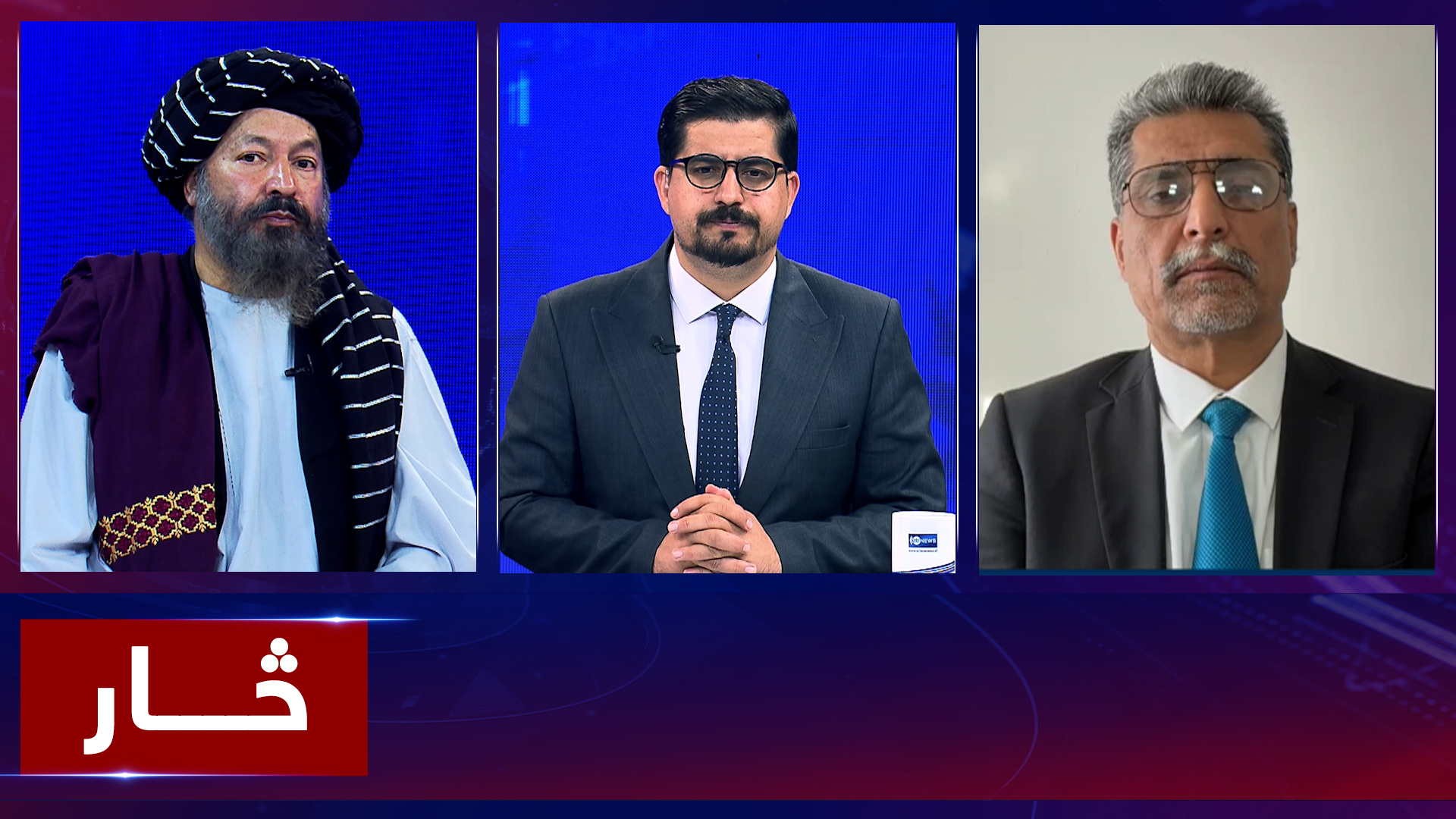
Saar: Return of millions of Afghans to their homeland
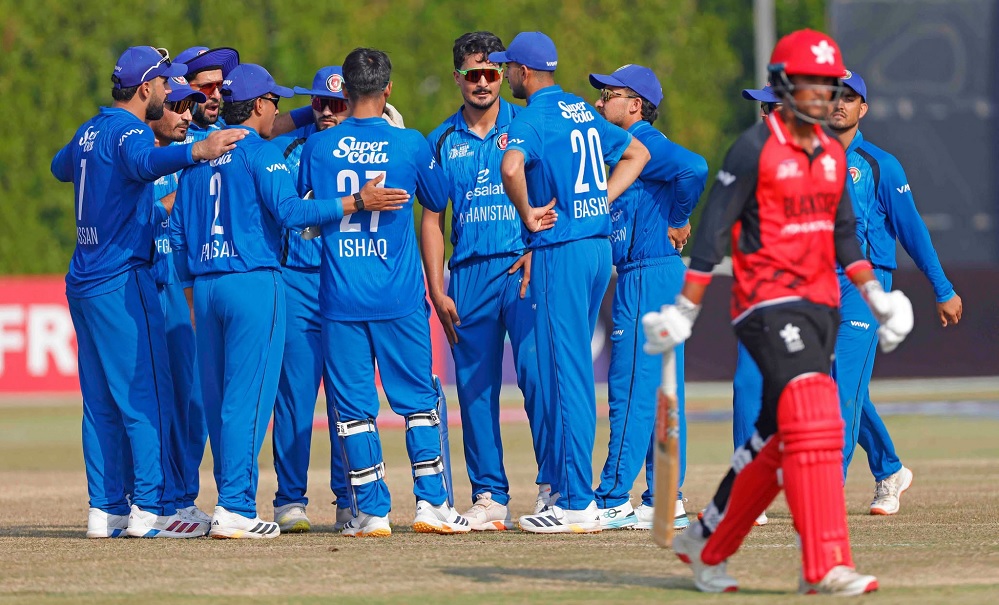
Afghanistan A thrash Hong Kong to register first win at Asia Cup Rising Stars
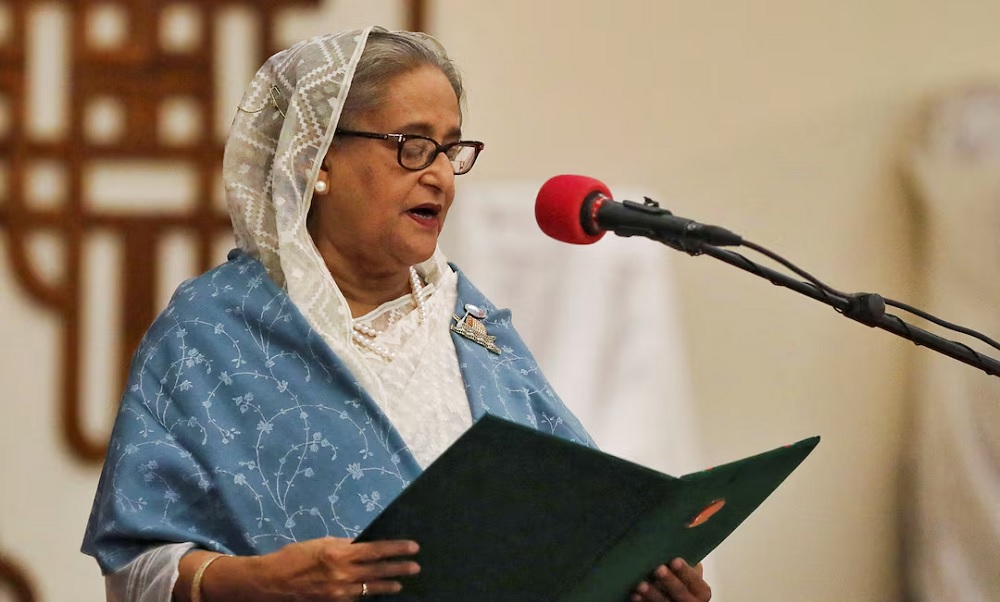
Bangladesh vows to arrest Hasina if she returns from India
Global environmental grants programme resumes in Afghanistan

US sanctions and blockade measures disrupt Iran’s trade with Afghanistan and regional neighbors
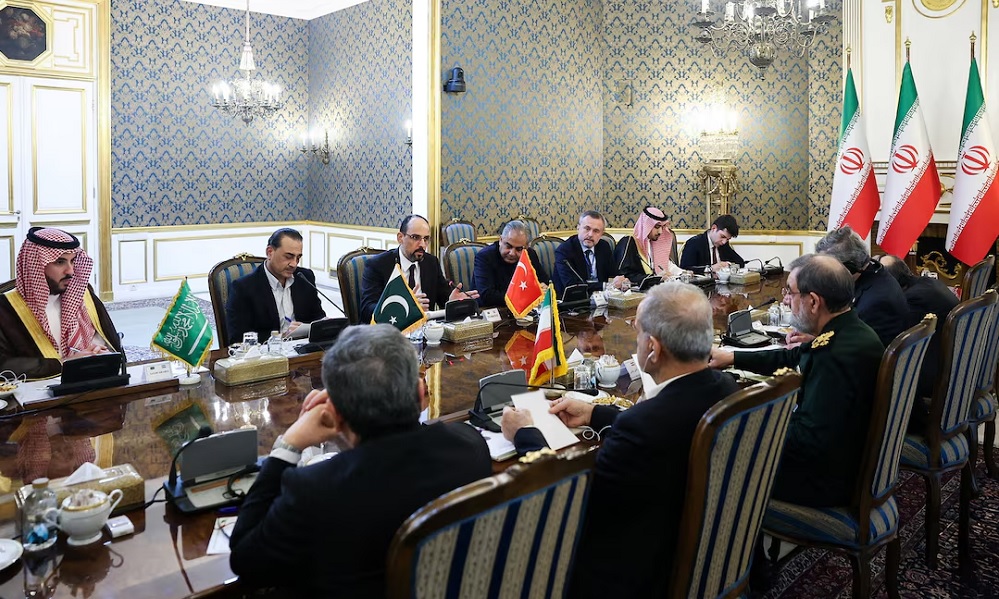
Saudi defence pact countries push for peace in Tehran as Houthis launch more attacks

England forward Kane crowned Ballon d’Or winner

Afghanistan to launch nationwide polio vaccination campaign

WFP report notes high food and fuel costs continue to pressure Afghan households
Saar: Return of millions of Afghans to their homeland

Saar: Pakistan FM’s remarks on Afghanistan
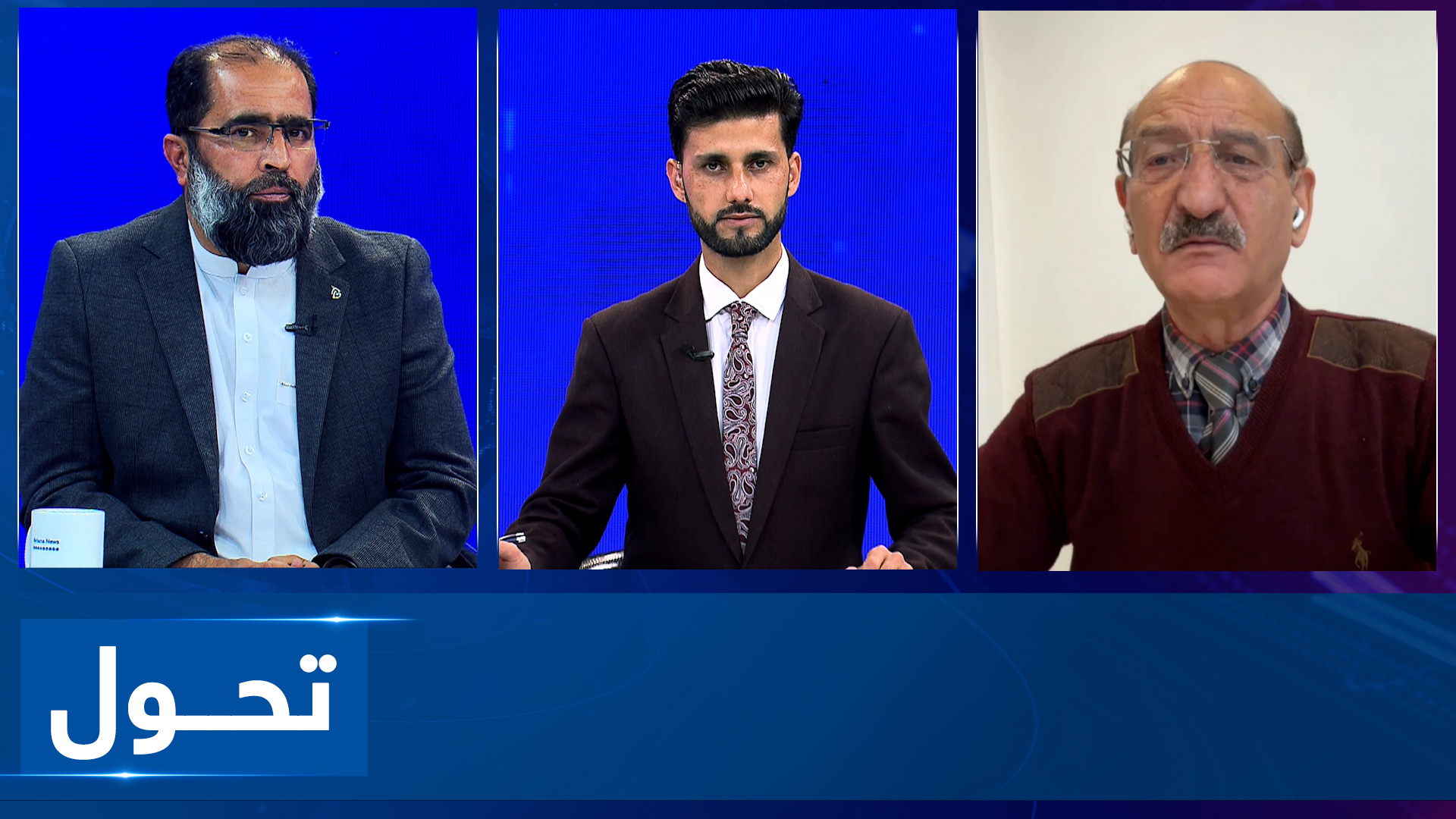
Tahawol: World Television Day discussed
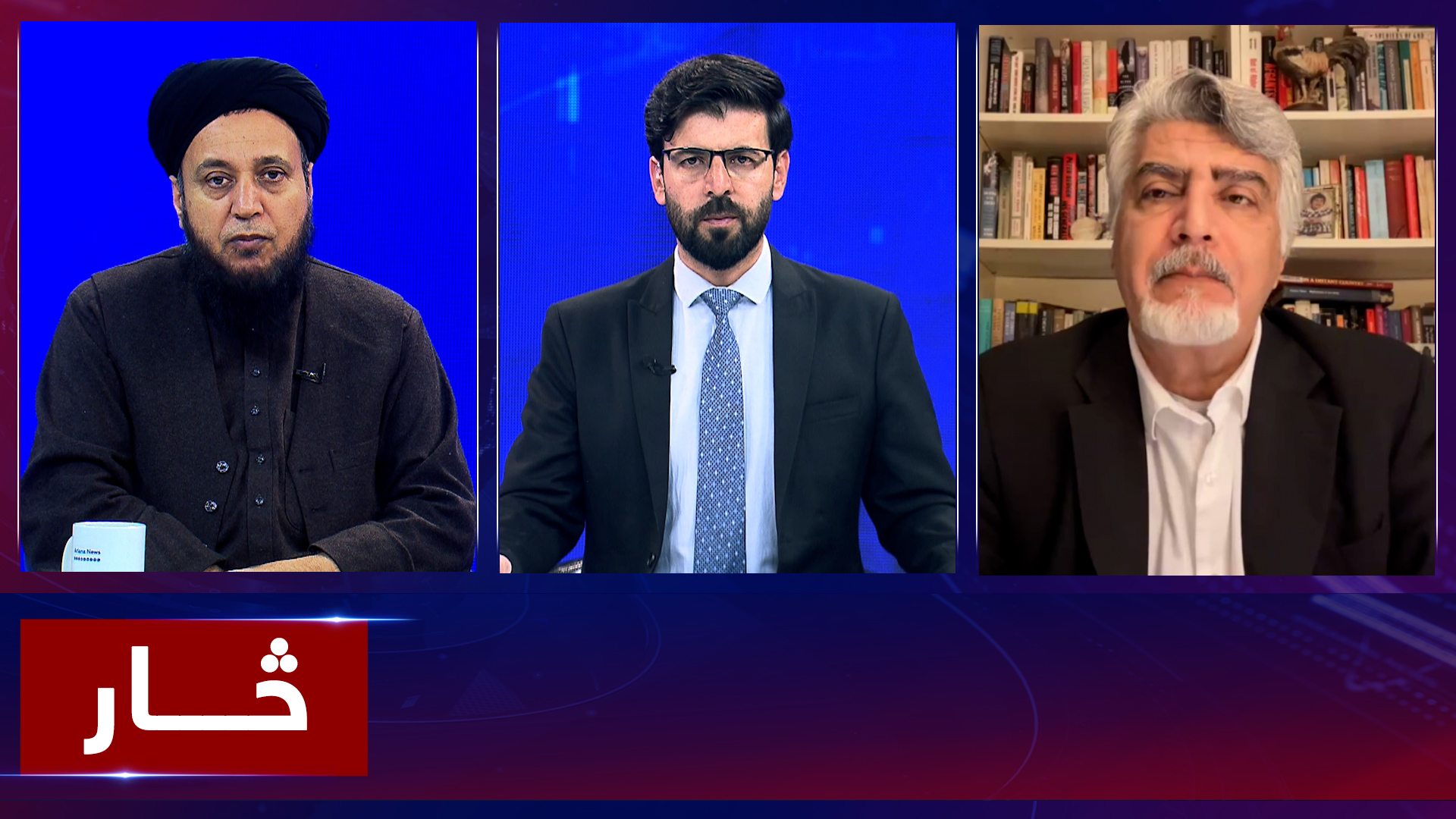
Saar: Efforts to resolve Afghanistan-Pakistan tensions in Moscow reviewed
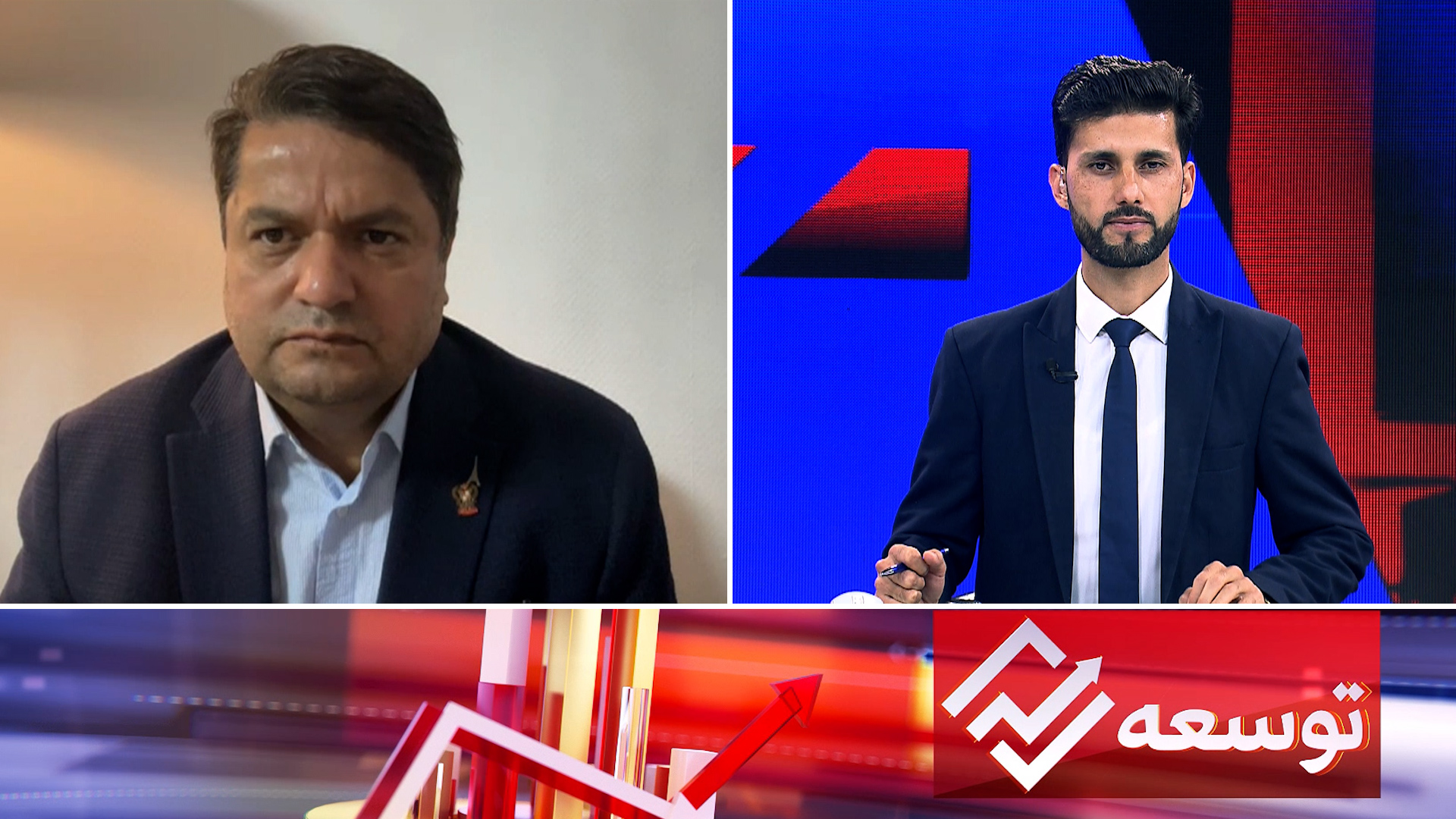
Tawsia: Afghanistan’s key economic highlights of the week discussed
-
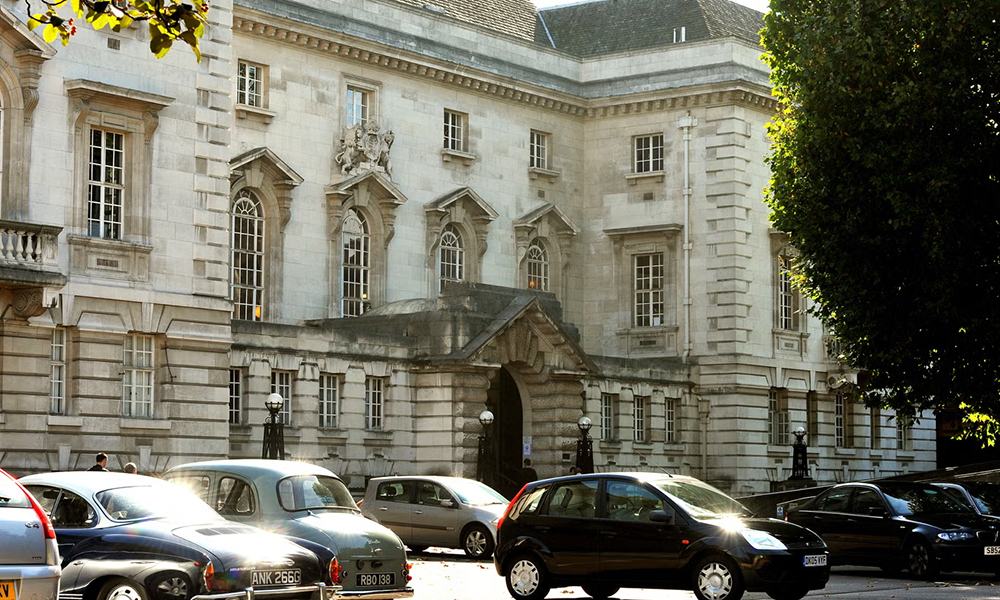 Latest News5 days ago
Two Afghan nationals convicted over sexual assault of 14-year-old girl on UK train
-
 Sport5 days ago
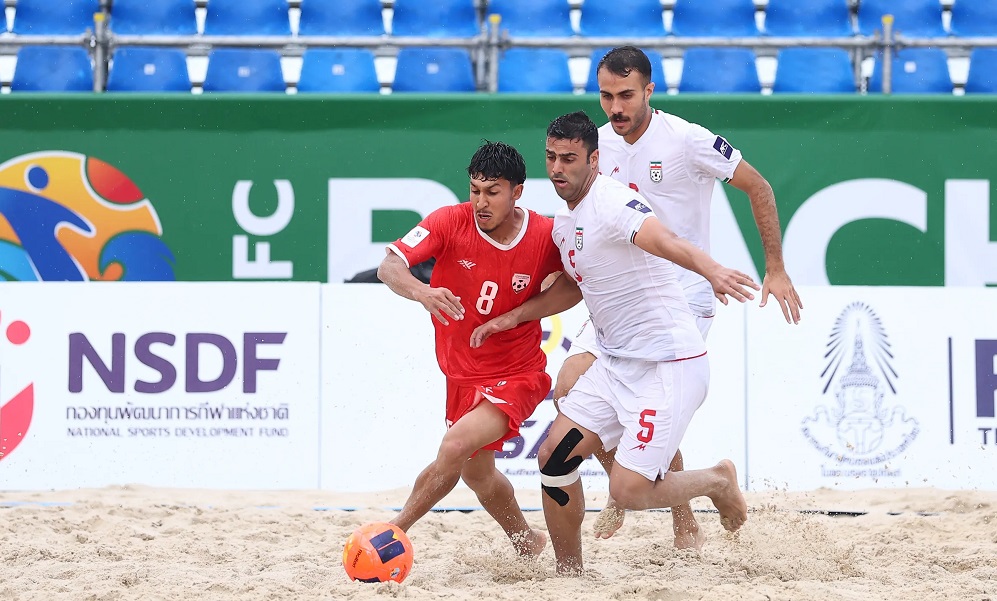
Afghanistan suffer 9-2 defeat to Iran in Beach Soccer Asian Cup opener
-
 Science & Technology5 days ago
North Korea shows off AI chatbot at IT exhibition
-
 Business5 days ago
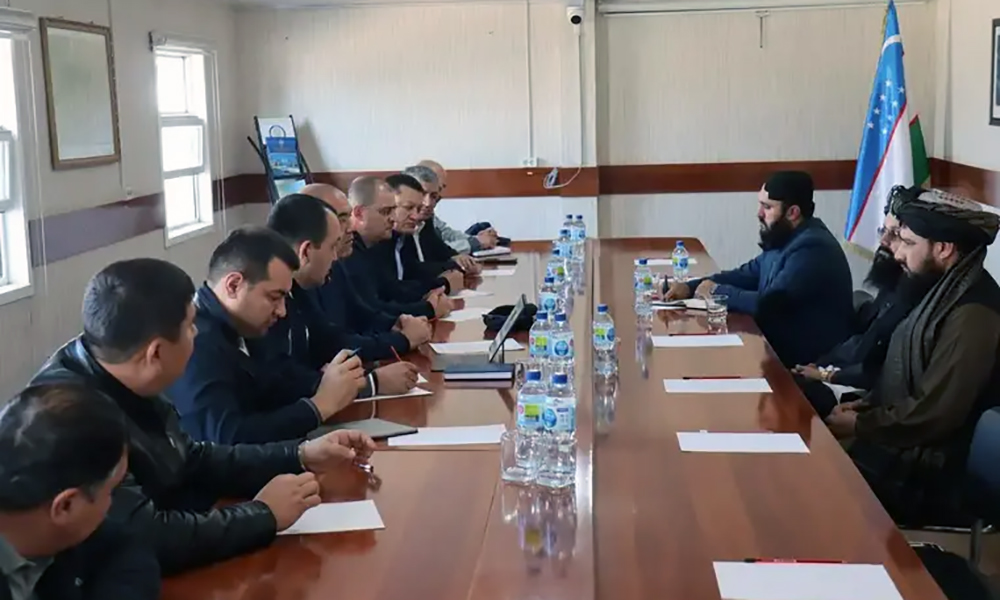
Afghanistan and Uzbekistan agree to expand railway cooperation and boost freight traffic
-
 Latest News5 days ago
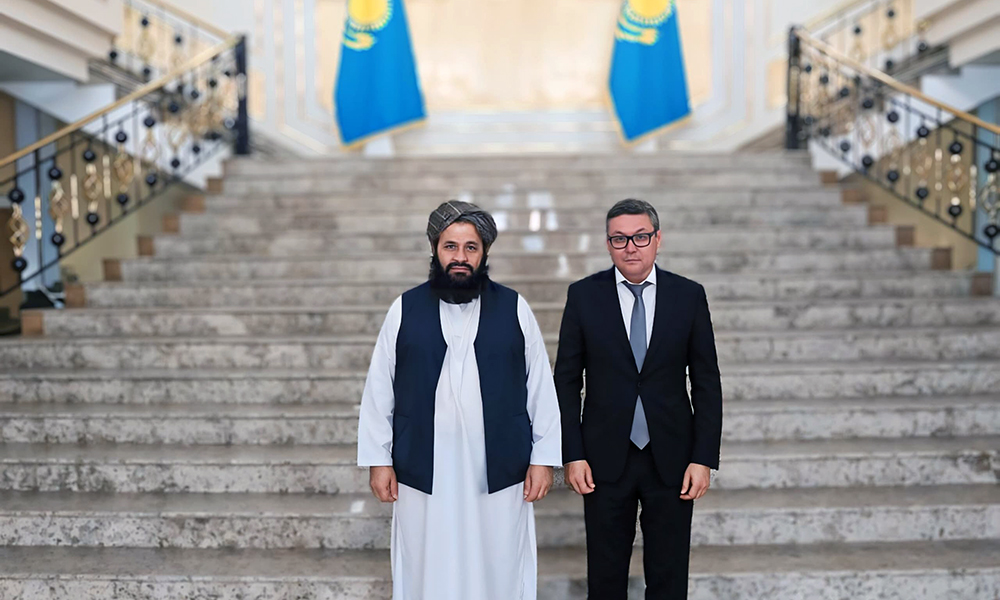
Kazakhstan steps up efforts to support Afghanistan’s stability and economic recovery
-
 Latest News3 days ago
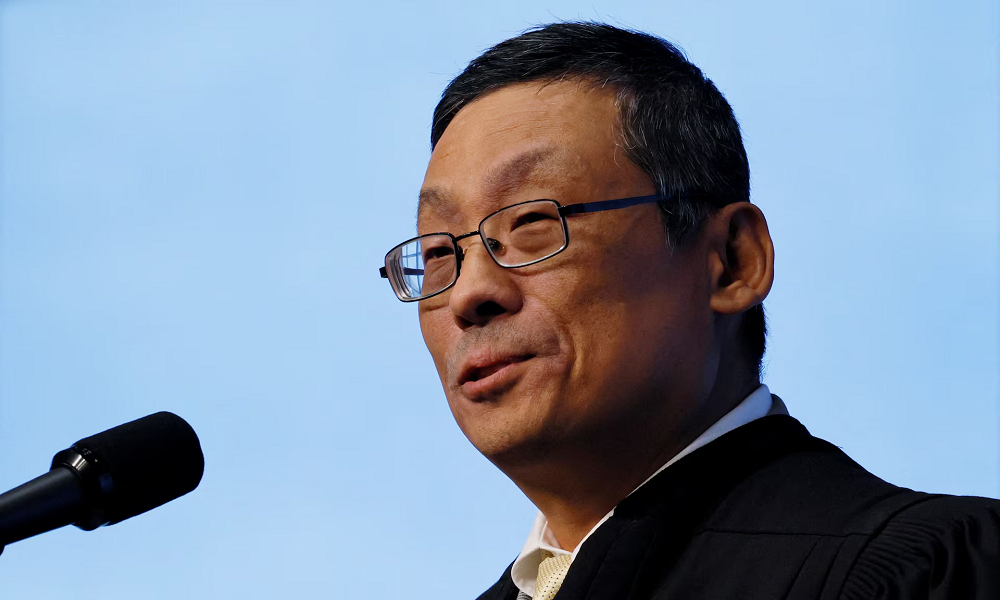
US judge questions Trump administration’s policies targeting refugees
-
 Business4 days ago
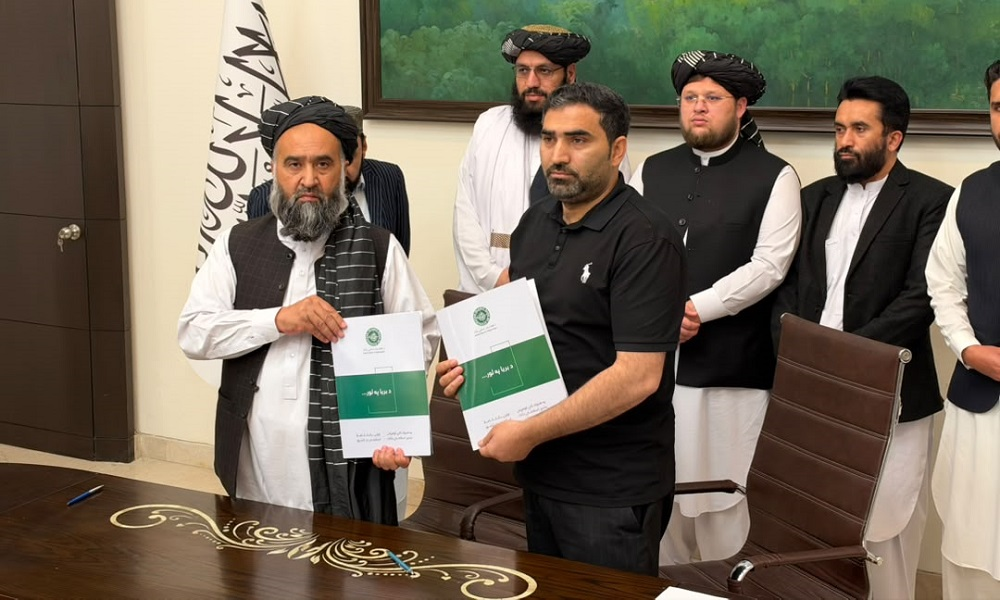
Afghan and Indian traders sign $250 million trade agreements in New Delhi
-
 Latest News5 days ago
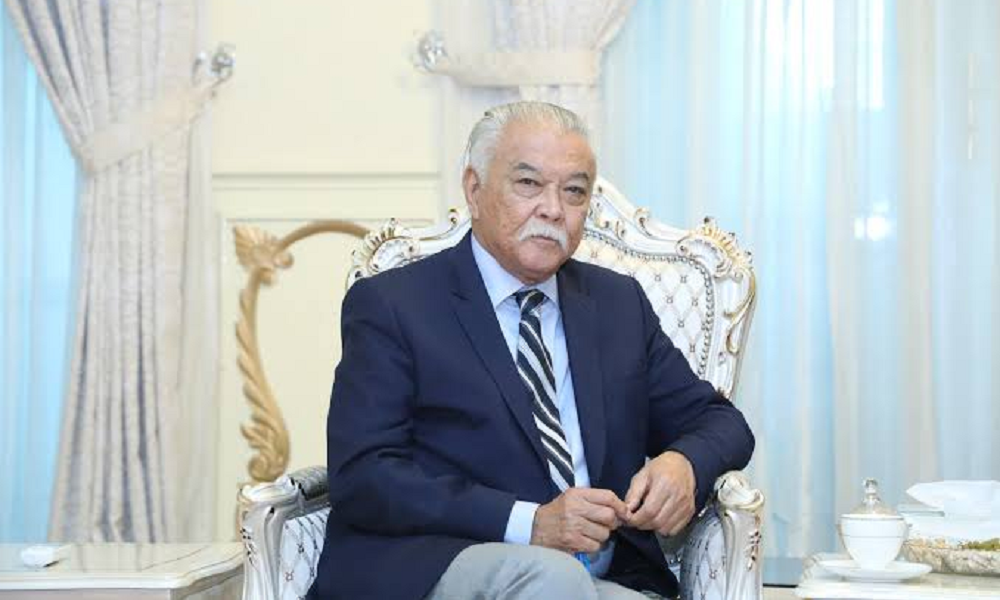
Sweden rejects asylum request of former Afghan ambassador, plans deportation to US: Le Monde