
Latest News
Death toll rises to eight after landslide at Afghanistan-Pakistan border crossing

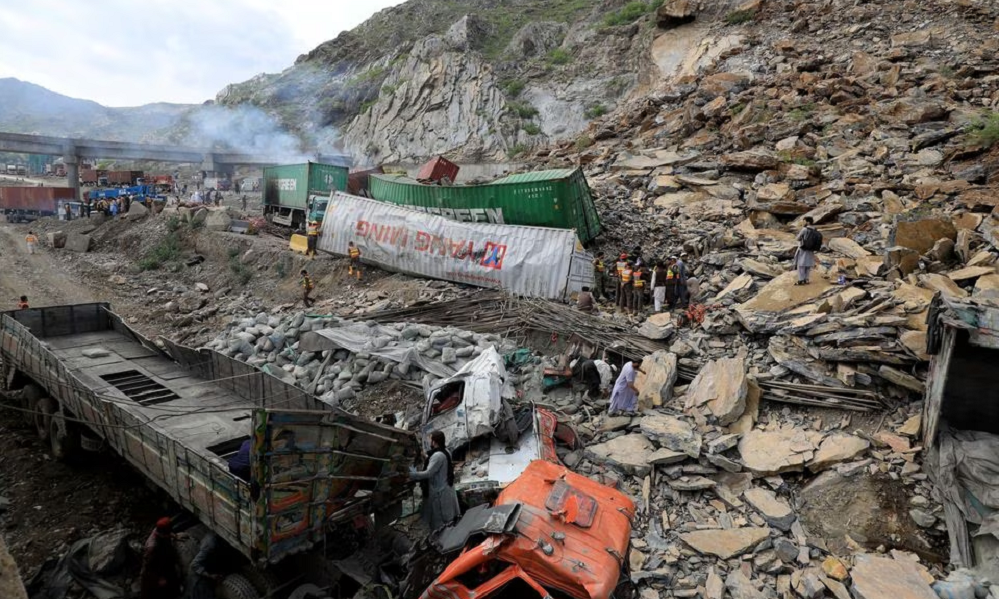
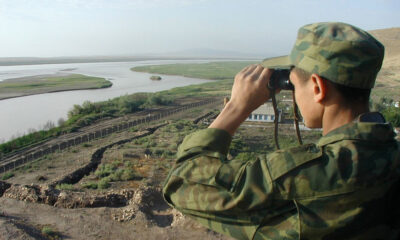
The death toll from a massive landslide earlier this week that buried a convoy of trucks waiting to cross from Pakistan into Afghanistan has risen to eight, AFP reported on Saturday.
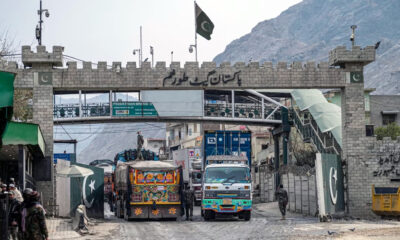
Tuesday’s pre-dawn landslide hit the Torkham border post, the busiest trade and transit point between the two countries, as more than 100 trucks were waiting to cross.
“So far we have recovered seven dead bodies,” said Pakistani rescue services spokesperson Bilal Faizi, adding that “an operation is ongoing to recover an eighth body” from the debris.
A total of 20 trucks were buried in the accident in Pakistan’s northwestern Khyber Pakhtunkhwa province, with rescue services initially reporting two deaths.
The brunt of the slide hit around 120 meters from the main border crossing, causing fires as drivers were cooking meals on gas hobs ahead of daylight fasting during the Muslim holy month of Ramadan.
“Our workers are close to the eighth dead body, they can see it,” said Faizi. “We had removed 60 percent of the debris, but yesterday another landslide occurred in the same area so the rescue operation was delayed.”
District deputy commissioner Abdul Nasir Khan confirmed the death toll and said road traffic had resumed on Thursday.
The cause of the landslide was not clear in the immediate aftermath, but one official said Tuesday that heavy machinery had been in use for months on an expansion project in the hills surrounding the border post.
Torrential overnight rain may also have contributed, the official said.




Latest News
Wali Khan urges Pakistan to resolve tensions with Afghanistan through diplomacy
Wali Khan called on Islamabad to pursue a serious diplomatic approach to de-escalate tensions with Afghanistan and other neighboring countries.
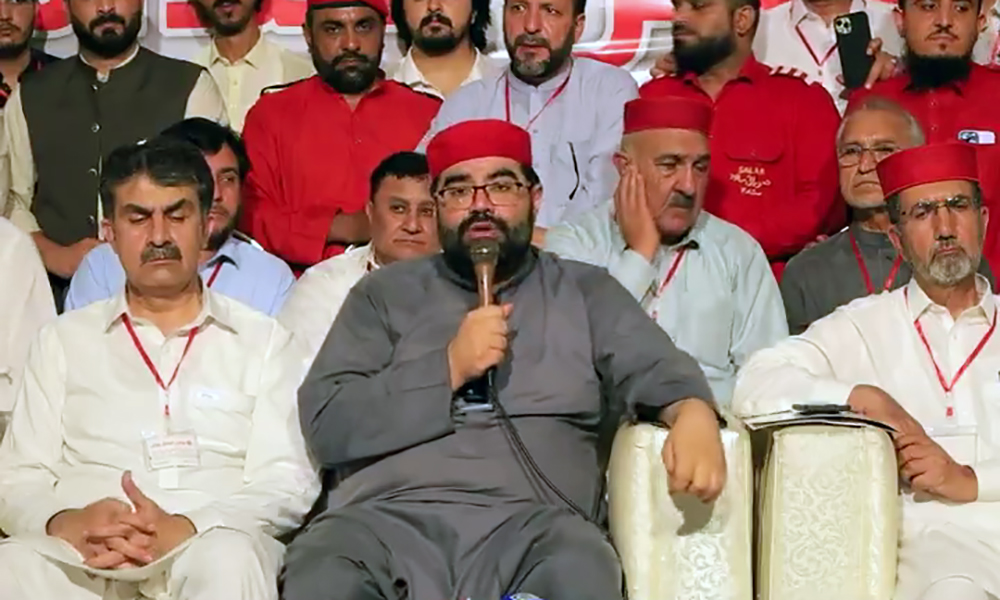
Aimal Wali Khan, the President of Awami National Party (ANP) in Khyber Pakhtunkhwa, has urged the Pakistani government to address tensions with neighboring countries, particularly Afghanistan, through serious diplomatic engagement.
Speaking to reporters in Islamabad on Thursday, Wali Khan said the ongoing tensions are causing the greatest harm to ordinary people, especially those in Khyber Pakhtunkhwa and Balochistan.
“War is not a permanent solution to any problem,” he stressed.
Wali Khan called on Islamabad to pursue a serious diplomatic approach to de-escalate tensions with Afghanistan and other neighboring countries.
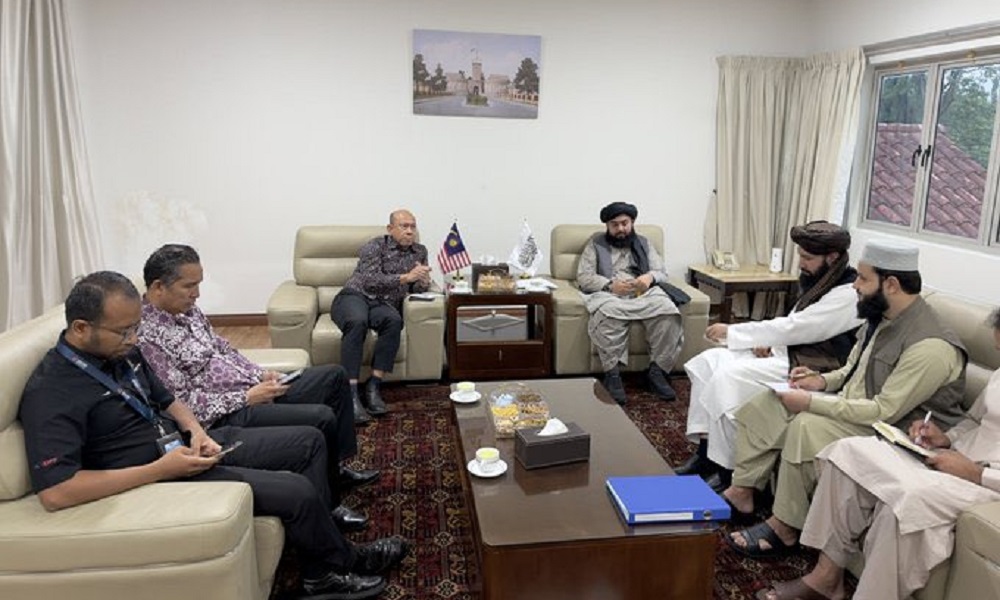
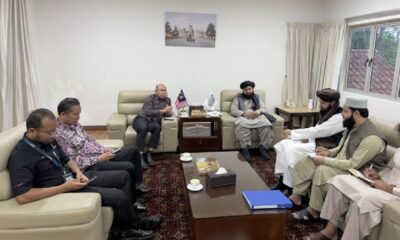
Afghanistan and Malaysia have emphasized the need to expand defense cooperation, particularly in training and technical fields, the Afghan Embassy in Malaysia said.
According to the embassy, Shoaib Baryalai, First Director of the Political Directorate at Afghanistan’s Ministry of Foreign Affairs, and Naqibullah Ahmadi, acting head of Afghanistan’s embassy in Malaysia, met with the Deputy Secretary-General of Malaysia’s Ministry of Defense.
The two sides discussed what the embassy described as “positive progress” in relations between Afghanistan and Malaysia.
The meeting focused on expanding cooperation between the two countries’ defense ministries in educational and technical areas.
Both sides also stressed the importance of further strengthening bilateral relations based on mutual interests.
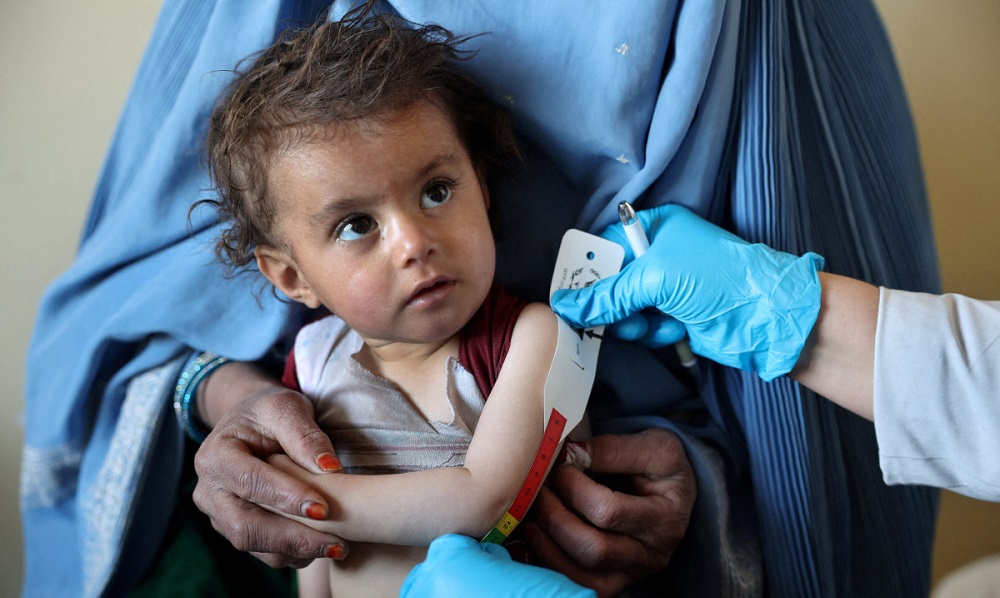
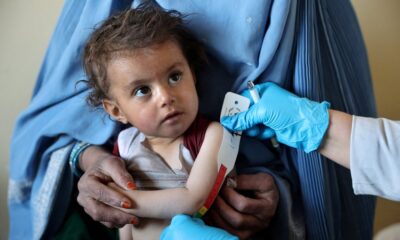
Afghanistan’s child malnutrition crisis has reached an alarming level, with an estimated 3.7 million children across the country suffering from acute malnutrition, according to a report by Arab News.
Around one million of these children are experiencing severe malnutrition, a life-threatening condition requiring urgent treatment and care.
Tajudeen Oyewale, UNICEF’s representative in Afghanistan, told Arab News that limited dietary diversity, poverty, disease, declining humanitarian assistance and growing pressure on health services are among the key factors driving the crisis.
He said access to diverse, nutritious foods and proper child-feeding practices remains a major challenge for Afghan families.
Oyewale also noted that the return of more than six million people from Iran and Pakistan since 2023 has placed additional pressure on Afghanistan’s health services, food supplies and water resources.
According to UNICEF, its child nutrition programme in Afghanistan requires around $180 million in 2026, but only 22 percent of the required funding has been secured so far.
The UNICEF representative said the organization has the knowledge, capacity and access needed to address malnutrition, but stressed that flexible and sustained funding is essential to expand services and reach vulnerable children.


TAPI pipeline nears first gas sales in Afghanistan

Wali Khan urges Pakistan to resolve tensions with Afghanistan through diplomacy

Afghanistan, Malaysia discuss expanding defense cooperation

One million Afghan children face severe malnutrition, UNICEF warns

Tajikistan to receive military equipment to strengthen Afghan border

Pakistan’s governance system has ‘collapsed’: Mohsin Naqvi

AFC confirms clubs for 2026/27 competitions; draw set for August 18

Only two days to go before Afghanistan and Ireland begin ODI series

Four mediators struggle to secure lasting Pakistan-Afghanistan ceasefire

Afghanistan invites Iranian investors to expand economic cooperation

Tahawol: Fifth anniversary of America’s defeat in Afghanistan discussed

Saar: Ongoing expulsion of Afghans from Iran and Pakistan discussed

Tahawol: Calls for US engagement with the Islamic Emirate discussed

Saar: Call for dialogue to resolve issues with Afghanistan discussed

Tahawol: Aisha Wahab’s emphasis on US ties with IEA
-
 Business4 days ago
Afghanistan’s trade diversification challenges Pakistan
-
 Latest News4 days ago
SCO summit to be held without confirmed Afghan invitation
-

 Sport4 days ago
Afghanistan squad announced for three-match T20I series against India
-

 Latest News4 days ago
Former US ambassador says Washington could eventually reopen embassy in Kabul
-

 Regional4 days ago
Iran says new sanctions threatened by ‘desperate’ US will fail
-
 Latest News4 days ago
Afghanistan’s polio cases rise to 19 in 2026, WHO says
-

 Latest News3 days ago
First deportation flight to Haiti arrives as US ends temporary protected status
-

 International Sports3 days ago
Watford face Peterborough in EFL Cup; ATN to bring live action to Afghan fans