
Latest News
Malaysian Red Crescent urges respect for humanitarian law in Middle East conflicts
MRCS National Chairman Tan Sri Tunku Puteri Intan Safinaz Sultan Abdul Halim Mu’adzam Shah stressed the importance of allowing humanitarian organizations to operate without obstruction.

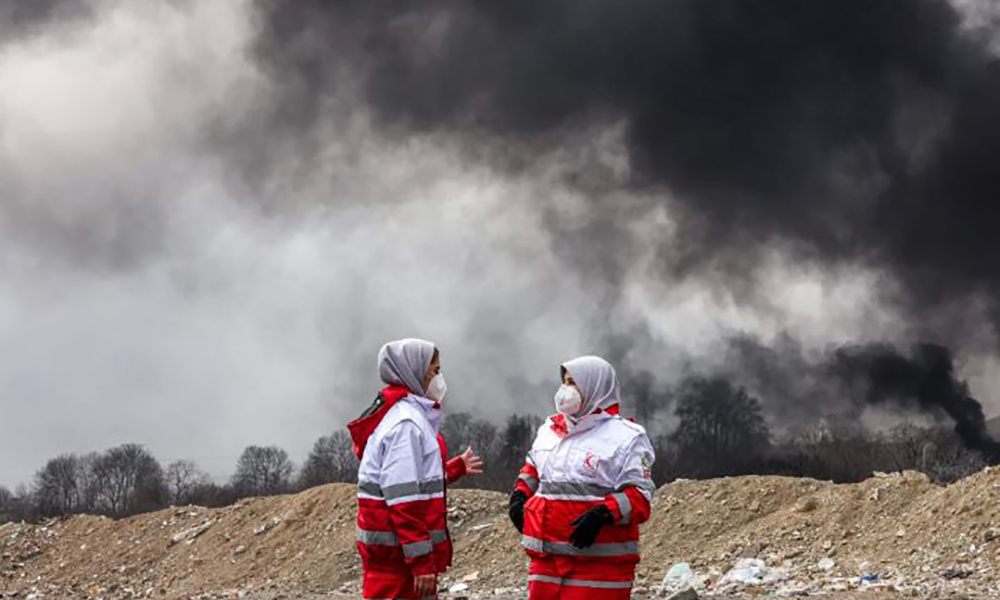
The Malaysian Red Crescent Society (MRCS) has called on all parties involved in conflicts across the Middle East and in rising tensions between Afghanistan and Pakistan to respect international humanitarian law and ensure the protection of civilians and aid workers.
In a statement issued in Kuala Lumpur, the organization warned that escalating military operations risk worsening the humanitarian situation for vulnerable communities already affected by violence and instability.
MRCS echoed concerns raised by the International Committee of the Red Cross (ICRC), which has cautioned that increased hostilities pose a serious threat to civilians caught in conflict zones.
The society reminded all parties of their obligations under international humanitarian law to safeguard non-combatants, medical workers, and essential infrastructure such as hospitals and health facilities.
Red Cross and Red Crescent teams continue to provide humanitarian assistance in affected areas wherever access is possible.
Their work includes delivering emergency medical care, supporting communities in crisis, and strengthening local preparedness for further humanitarian challenges.
The International Federation of Red Cross and Red Crescent Societies (IFRC) is also coordinating with national societies across the region to monitor urgent humanitarian needs and support relief operations.
MRCS National Chairman Tan Sri Tunku Puteri Intan Safinaz Sultan Abdul Halim Mu’adzam Shah stressed the importance of allowing humanitarian organizations to operate without obstruction.
“Our thoughts and prayers are with all those affected by this conflict,” she said in the statement.
She urged all parties to respect international humanitarian law, protect civilians, and allow humanitarian teams to deliver urgently needed assistance without interference.
MRCS also emphasized that civilians, humanitarian personnel, public infrastructure, and the Red Cross and Red Crescent emblem must be respected and protected at all times under international law.


Latest News
Afghan woman charged in Nevada over alleged illegal voting in US election
Both individuals face one count of voting by an alien. If convicted, each could face up to one year in prison, a fine of up to $100,000, or both.
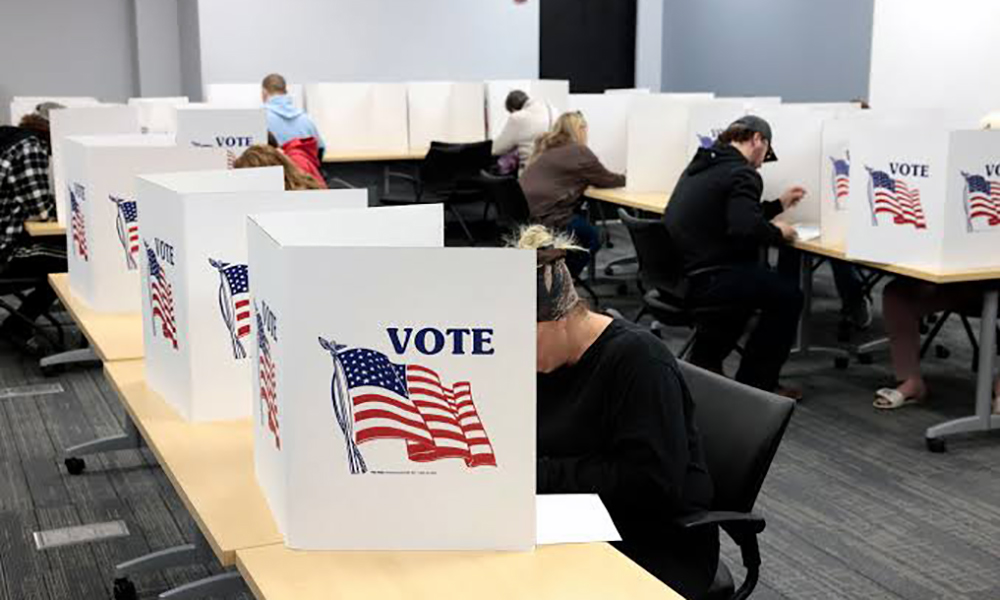
A woman from Afghanistan and a man from Sudan have been charged with allegedly voting illegally in the 2024 US federal election, according to the US Attorney’s Office for the District of Nevada.
In a statement released on October 28, 2026, prosecutors identified the Afghan national as Khalida Safi, a lawful permanent resident of the United States. She is accused of voting in the November 5, 2024 election, which included contests for president, vice president and members of Congress.
In a separate case, Moneir Elzobier Ali Yousif, a Sudanese national and lawful permanent resident, is accused of voting in an election held on October 29, 2024.
Both individuals face one count of voting by an alien. If convicted, each could face up to one year in prison, a fine of up to $100,000, or both.
The Federal Bureau of Investigation (FBI) and Homeland Security Investigations (HSI) investigated the cases.
Authorities said initial court appearances had not yet been scheduled as of the announcement.
Latest News
Trial of eight Afghan men accused of child sexual exploitation moved to London
All eight men have denied the charges. They are being prosecuted following a police investigation into alleged group-based child exploitation in Norwich.
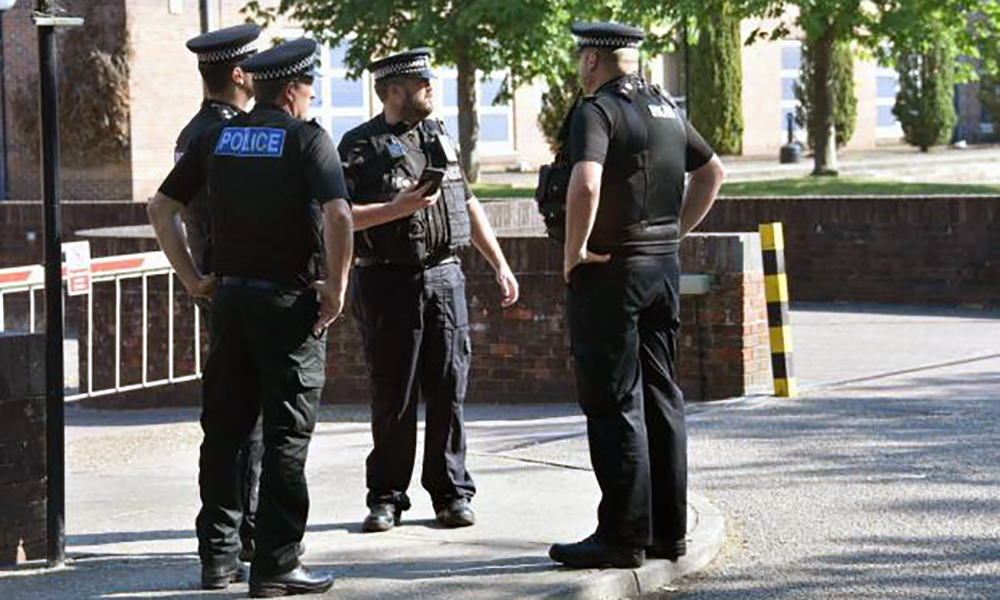
The trial of eight Afghan men accused of 42 offences against two teenage girls in Norwich, England, has been moved to London, with proceedings now expected to begin in May 2027.
The defendants face charges including rape, conspiracy to rape and human trafficking in connection with alleged offences spanning August 2023 to May 2025. The girls were in their early to mid-teens at the time of the alleged offences.
The 12-week trial was originally scheduled to begin at Norwich Crown Court on January 11, 2027. It will now take place at Southwark Crown Court from May 4, 2027, at the earliest.
The relocation follows concerns about Norwich Crown Court’s ability to accommodate all eight defendants, who remain in custody. The trial date and presiding judge have yet to be confirmed.
All eight men have denied the charges. They are being prosecuted following a police investigation into alleged group-based child exploitation in Norwich.
The defendants are Jamil Khalil, 21, of Dumbarton, Scotland; Ahmadin Ahmadzai, 21; Qais Kaker, 20; Fazal Auryakhel, 20; Mohammed Farooq Sinwary, 20; Ali Ahamad, 21; Sayed Wahid Daviodzai, 20, all of Norwich; and Bilal Shinwari, 20, of Bowthorpe.
The charges vary between defendants, ranging from individual rape allegations to multiple counts of rape, human trafficking and conspiracy. Shinwari was arrested in Ireland and returned to the United Kingdom in July.
According to the information provided by authorities, six of the men entered the UK in small boats, while the other two arrived concealed in vehicles.
Norfolk Police has stressed that none of the accused men lived in asylum hotels in Norfolk and that none of the alleged offences took place at such facilities.
Detective Superintendent Stacey Murray has said the safety and wellbeing of the victims remain the investigation’s primary concern.
She said a dedicated team was examining all available lines of inquiry and gathering evidence while taking account of the traumatic experiences of the victims.
The case is expected to be heard over approximately three months, with proceedings now scheduled to begin no earlier than May 2027.
Latest News
East Libya imposes entry ban on Afghans and Iranians
The latest restrictions follow similar measures introduced by the eastern administration in June, when it barred nationals of Sudan, Eritrea, Ethiopia and Somalia.
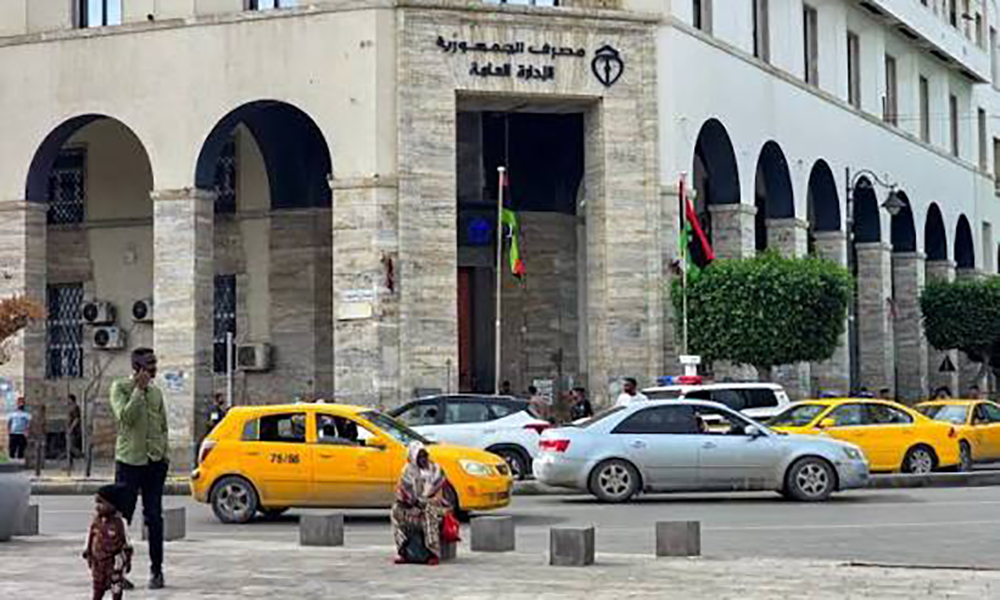
The government based in eastern Libya has banned Afghan and Iranian nationals from entering areas under its control through land, sea and air entry points, according to Reuters.
The decision was announced late Wednesday, although authorities did not provide a reason for the restrictions.
The eastern administration has instructed its Interior Ministry to enforce the ban and deport Afghan and Iranian nationals who do not possess valid residence permits.
Exemptions will apply to members of accredited diplomatic and consular missions and their families. Afghans and Iranians working in the medical and education sectors may also qualify for exemptions, provided they hold valid work authorizations.
The latest restrictions follow similar measures introduced by the eastern administration in June, when it barred nationals of Sudan, Eritrea, Ethiopia and Somalia.
Libya has served as a major transit route for migrants attempting to reach Europe across the Mediterranean since the 2011 overthrow of longtime leader Muammar Gaddafi. The country has remained divided between rival administrations in the east and west since 2014.
According to United Nations data collected in June, more than 900,000 migrants are living in Libya.

Afghan woman charged in Nevada over alleged illegal voting in US election
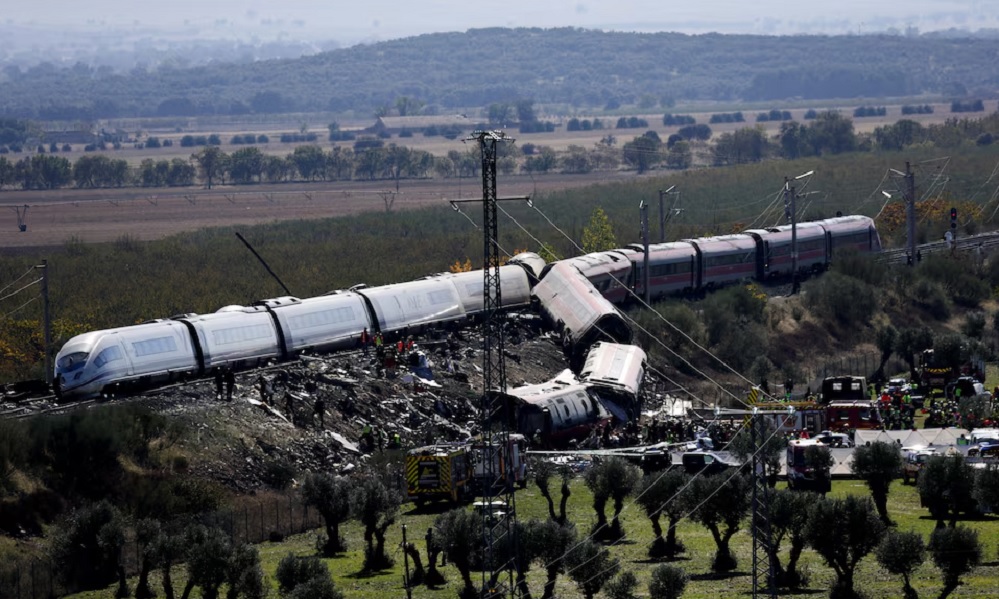
At least 68 people dead in Spain’s second major train crash this year

Afghanistan beat Namibia 6-2 at FIFA U-15 World Cup & Festival
Trial of eight Afghan men accused of child sexual exploitation moved to London
East Libya imposes entry ban on Afghans and Iranians

Cricket Bonanza: Afghanistan set for packed international schedule

ACB announces Afghanistan squads for Bangladesh, Zimbabwe series

Afghanistan to face Pakistan, India and Australia at 2027 Cricket World Cup

Four members of one family killed in Helmand in Pakistan airstrike

US imposes sanctions on 13 tied to Iran weapons procurement
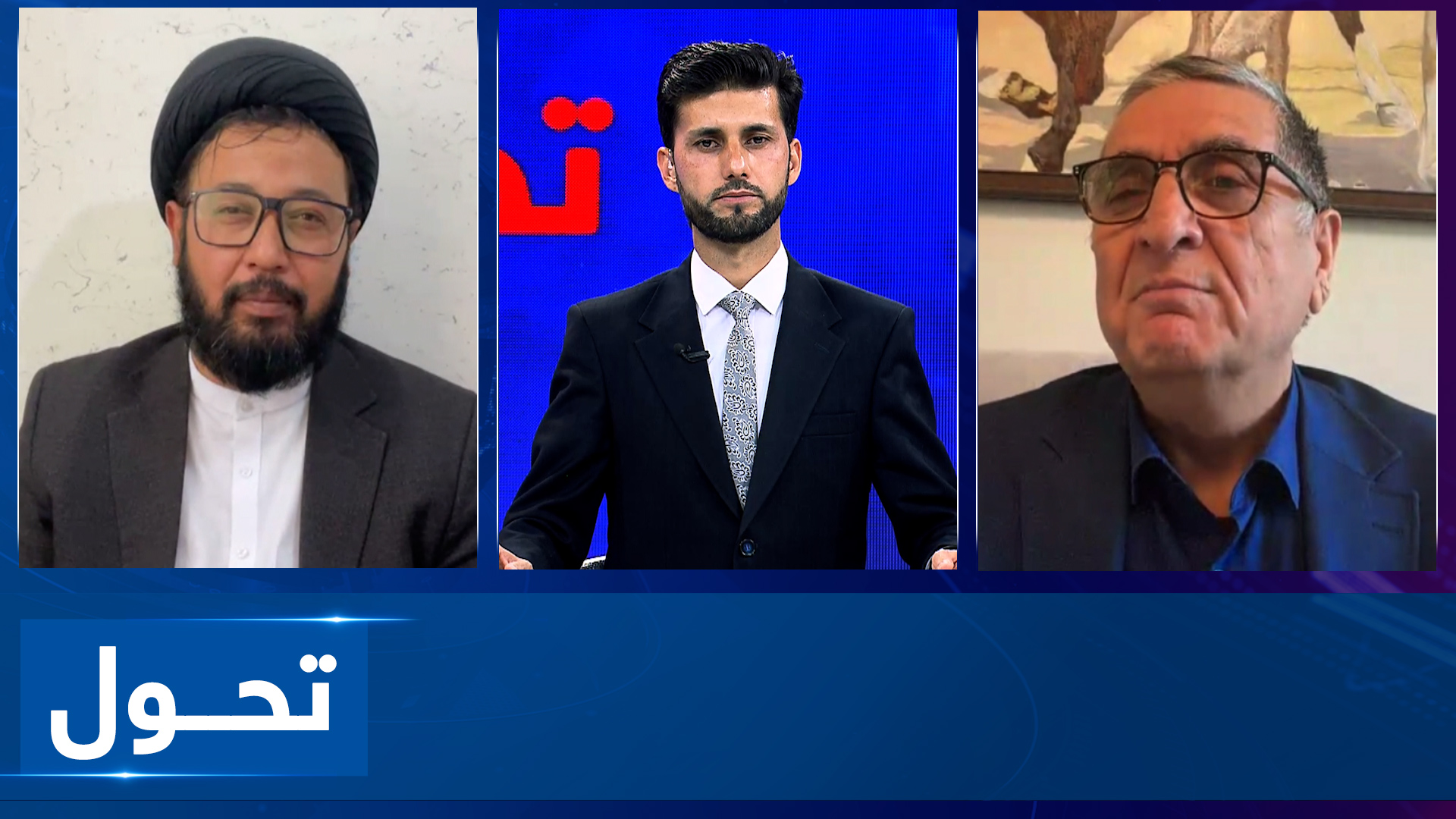
Tahawol: Interest in joining pro-Russian forces discussed
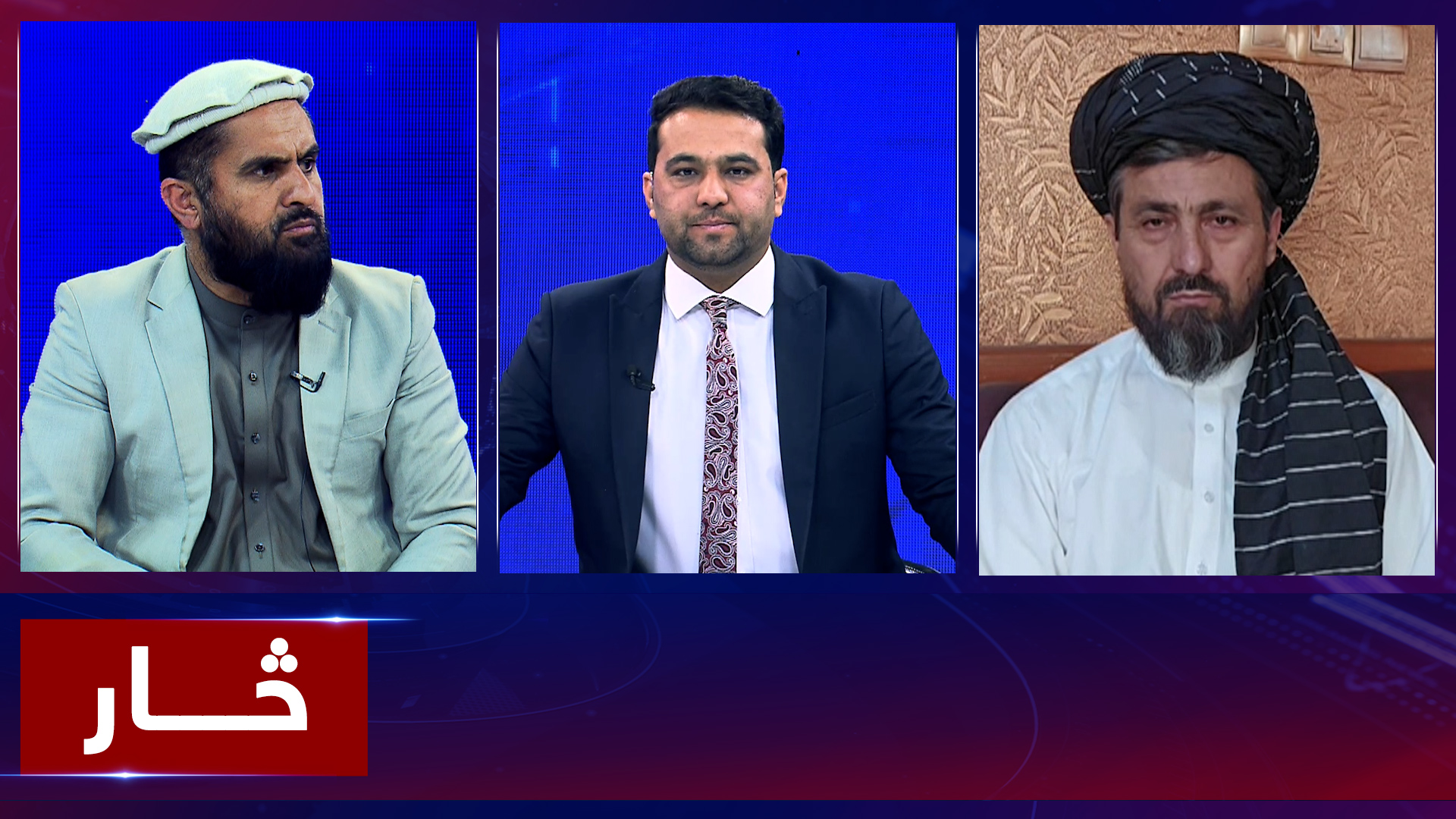
Saar: Refugee returns to Afghanistan ahead of winter discussed
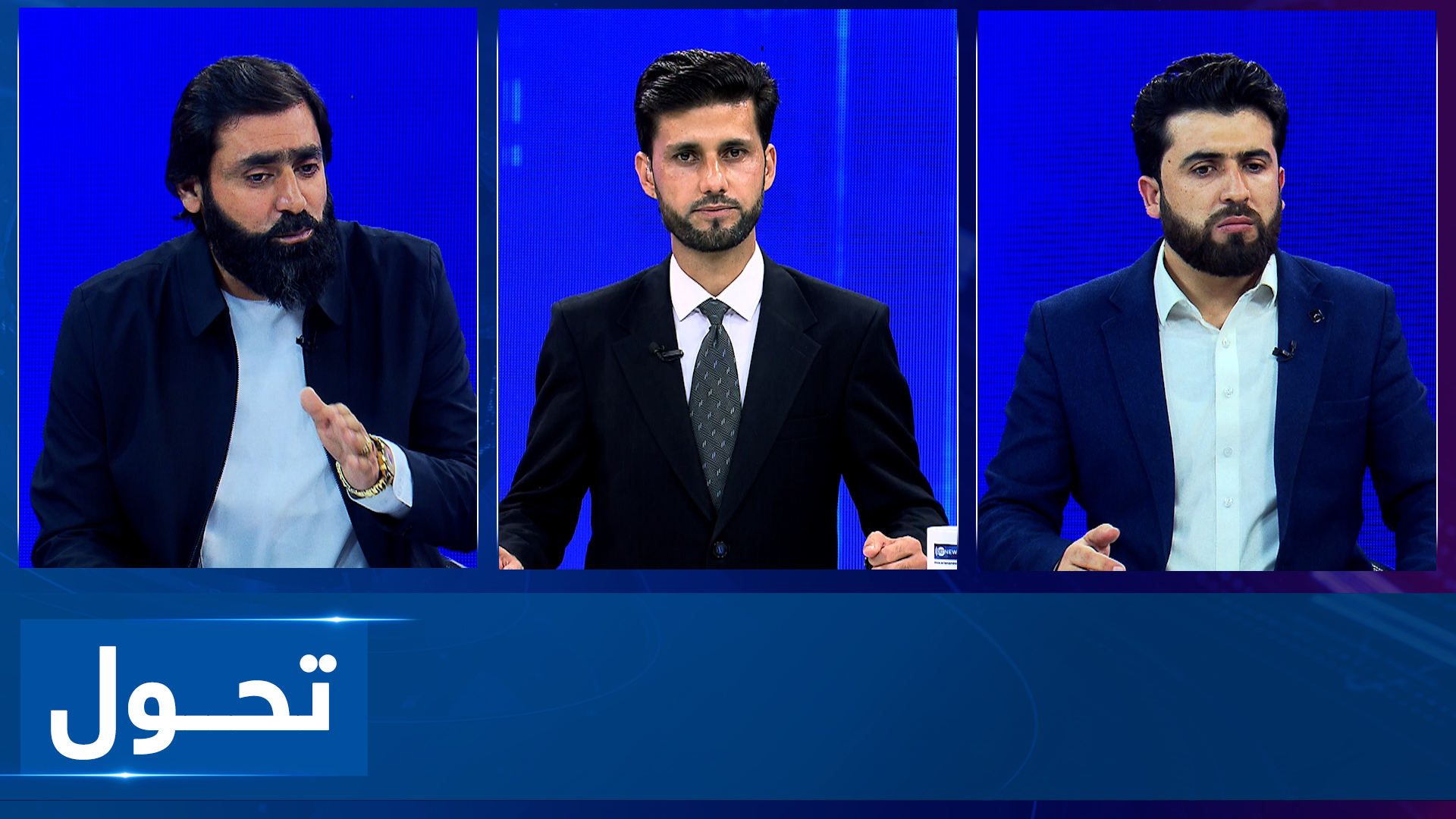
Tahawol: Emphasis on security cooperation at Tehran talks discussed
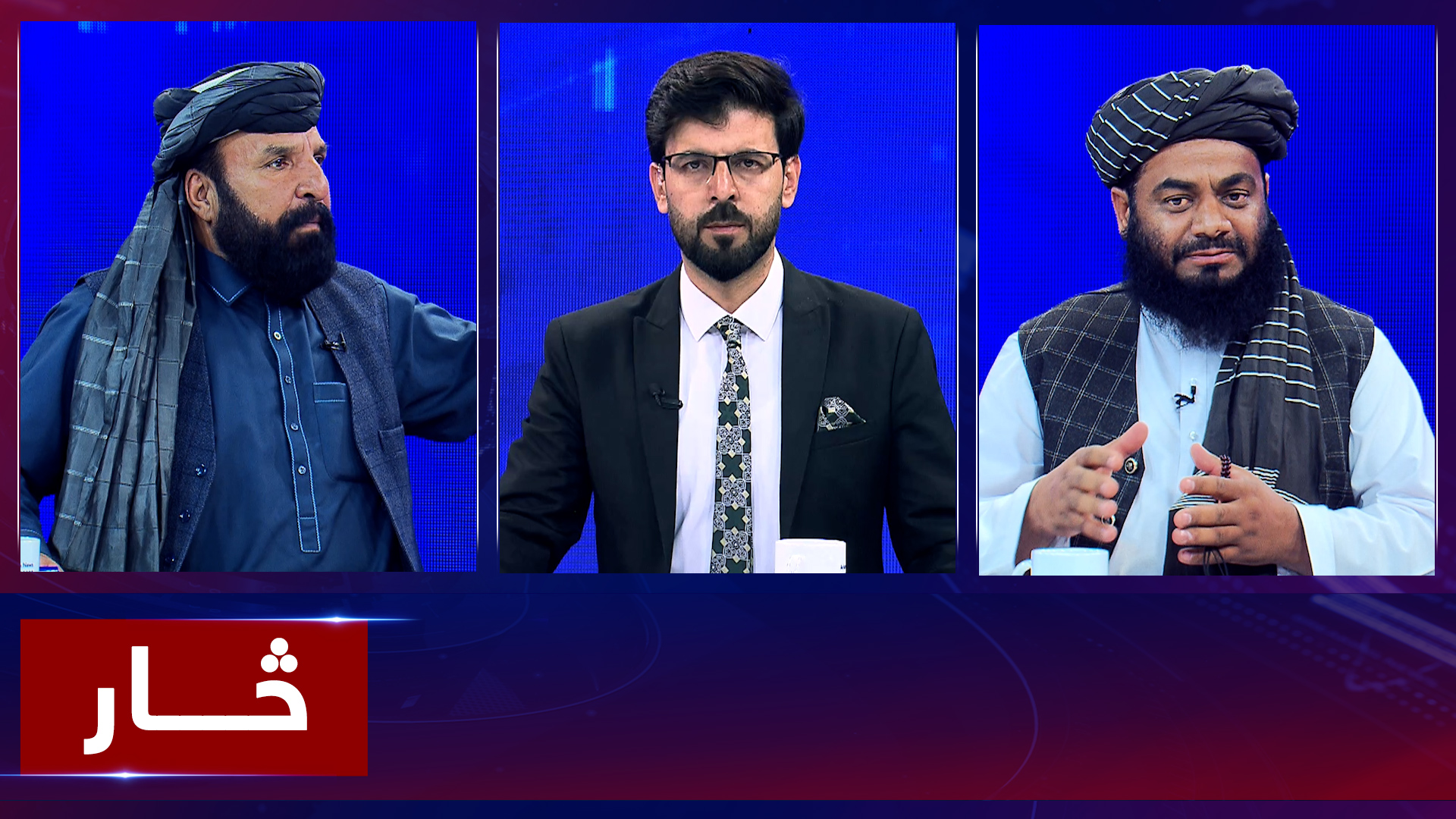
Saar: Pakistan threatening strikes on Afghanistan

Iran says outcome of Israeli elections ‘makes no difference’
-
 Business5 days ago
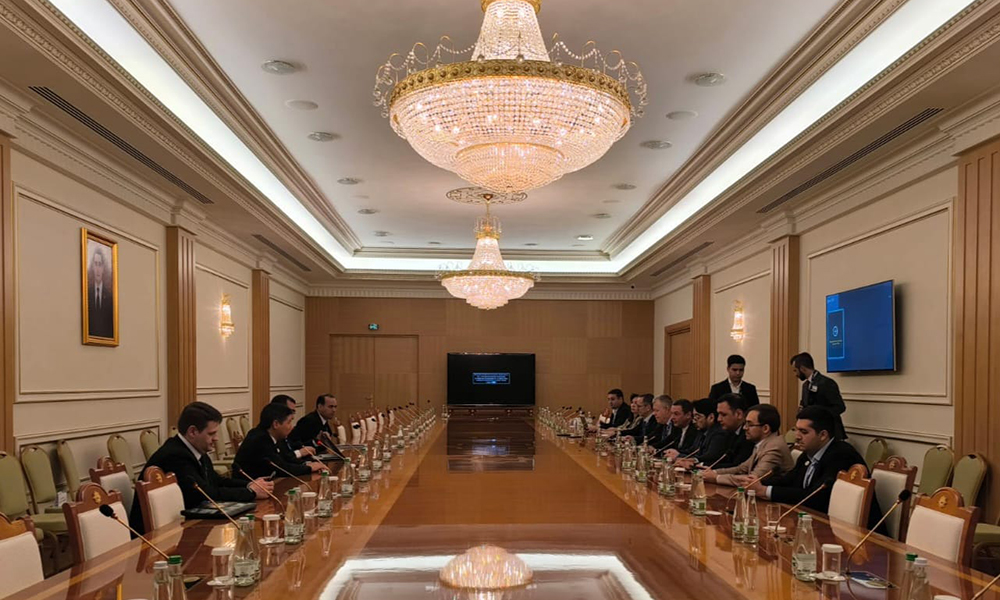
Turkmenistan targets 80 billion cubic meters of gas production in 2026
-
 Sport4 days ago
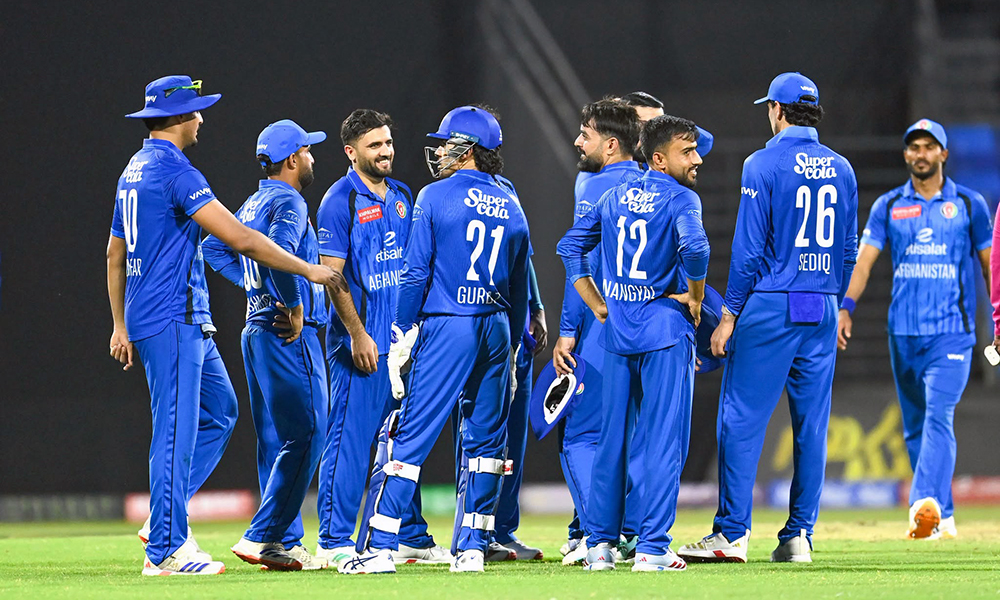
Afghanistan rise above England to match their highest-ever ODI ranking
-
 Business4 days ago
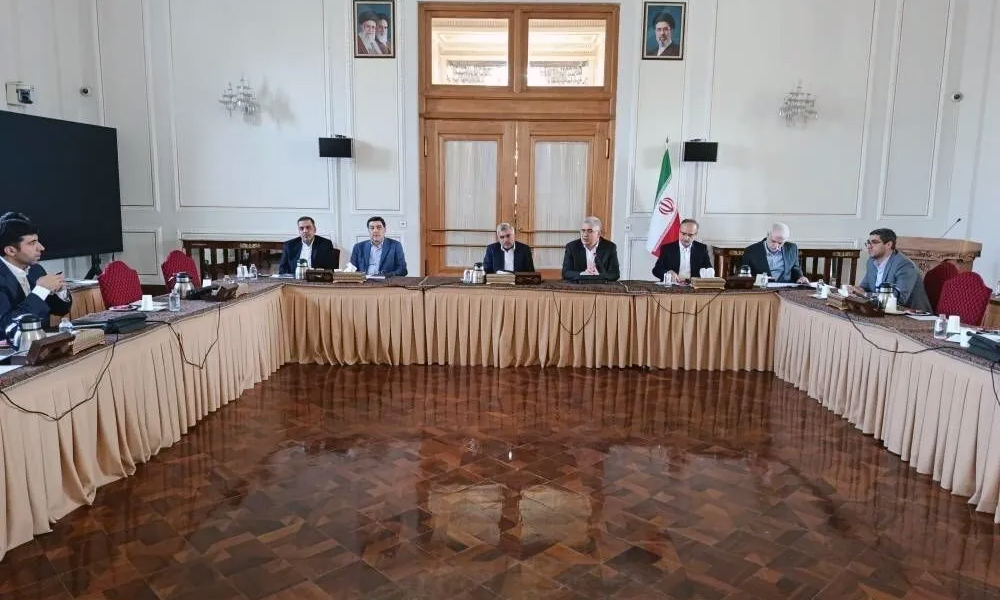
Iran moves to ease export barriers to Afghanistan, Pakistan and Iraq
-
 Latest News4 days ago
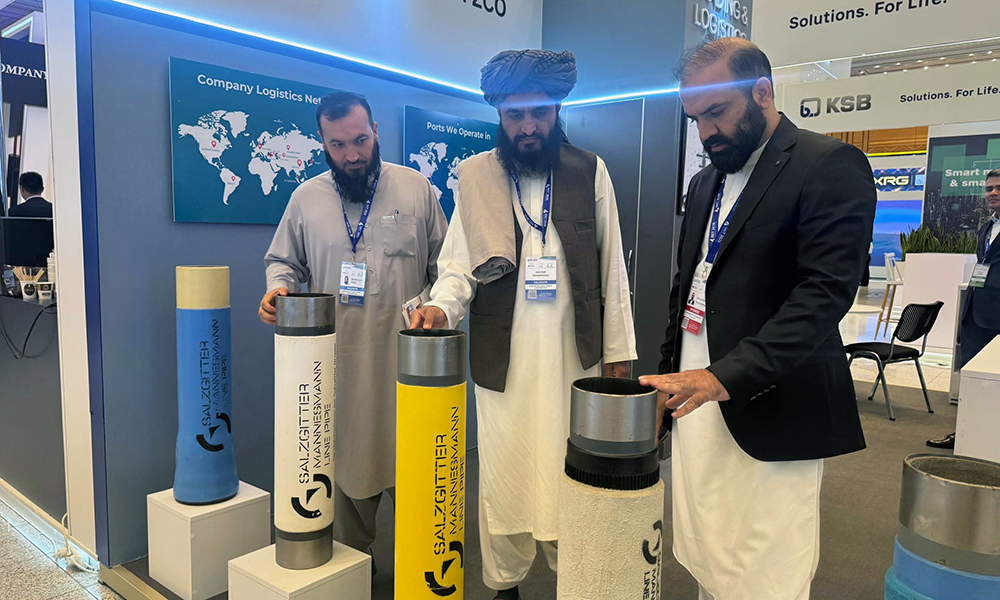
Afghanistan, Turkmenistan discuss Herat gas pipeline expansion and distribution networks
-
 Latest News4 days ago
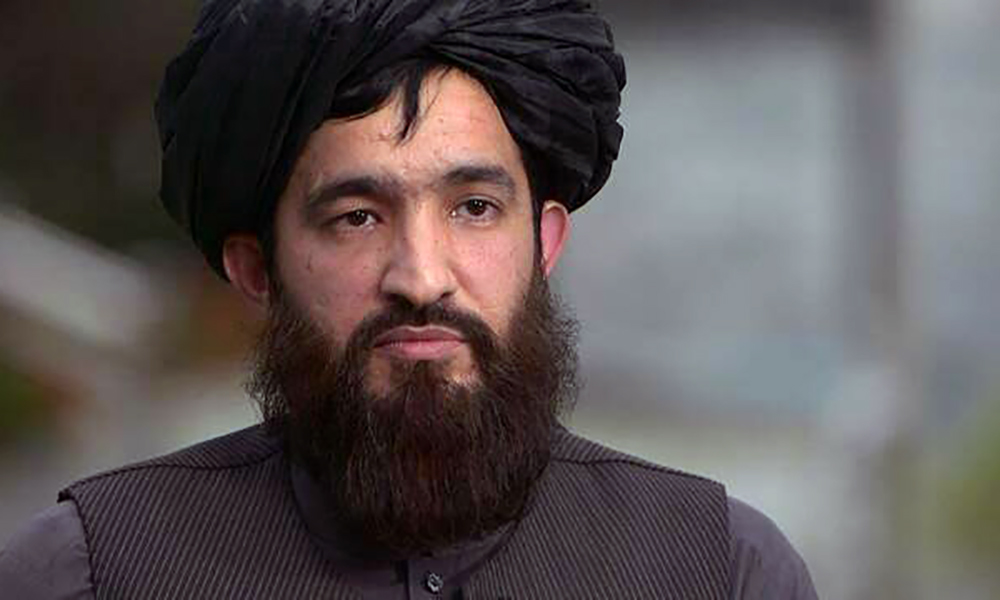
Balkhi: 1,119 Afghan civilians killed or injured in Pakistani attacks since 2022
-
 International Sports4 days ago
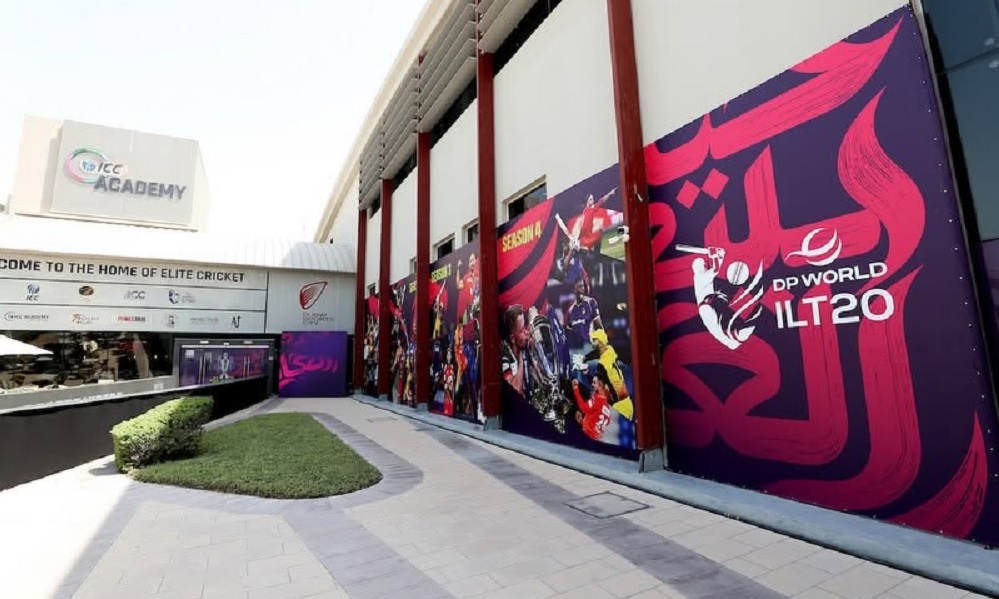
ATN secures exclusive rights to broadcast ILT20 Season 5 in Afghanistan
-
 Regional3 days ago
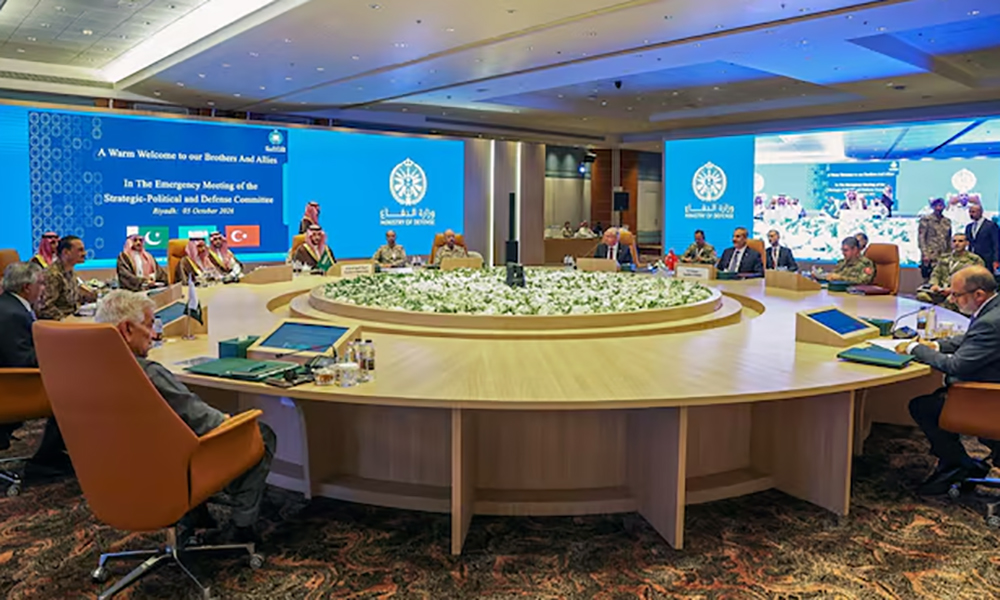
Officials from Mecca pact countries to meet Iranian officials in Tehran
-
 World4 days ago
Four ways US foreign policy could change if Democrats win in November