
Latest News
Hajj Pilgrims perform stoning ritual at Jamrat al-Aqaba in smooth operation
Over the decades, the Hajj pilgrimage has faced several major tragedies, largely linked to crowd crushes, extreme heat, and tent fires during peak rituals.

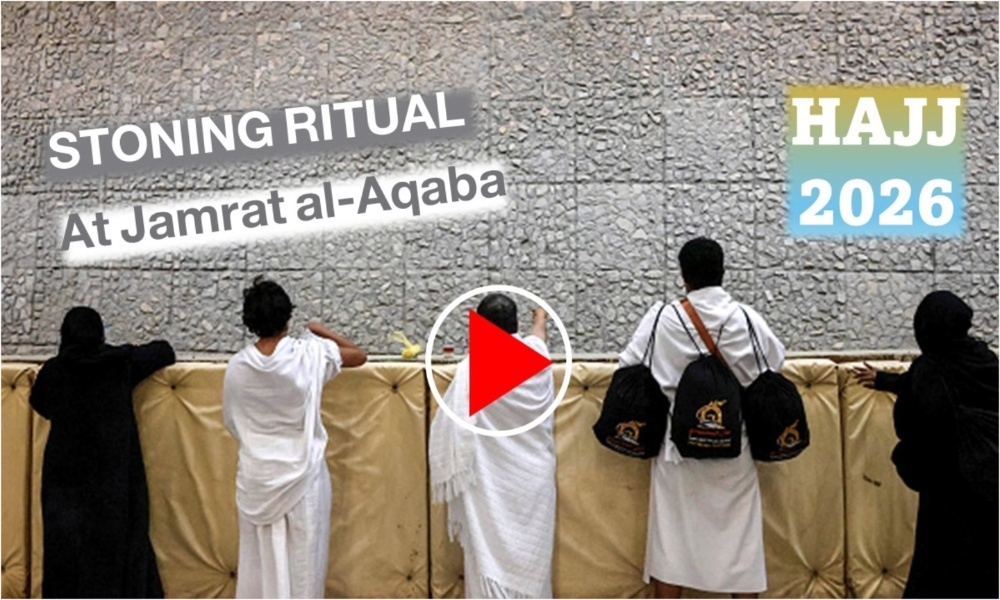
Large numbers of Hajj pilgrims began performing the stoning ritual in Mina from the early hours of the first day of Eid al-Adha, casting seven pebbles at the largest pillar, Jamrat al-Aqaba, amid smooth and orderly movement in line with the approved crowd-management plan.
Pilgrims carried out the ritual in an organised manner across the levels of the Jamarat Bridge, with no overcrowding or pushing reported. Security, medical, ambulance, sanitation, and civil defence teams were fully deployed throughout the area, while security personnel regulated the flow of pilgrims at entrances, exits, and surrounding routes.
Movement toward the Jamarat Bridge and surrounding courtyards remained gradual and well-coordinated, with pilgrims travelling in managed groups distributed across different levels according to the operational plan.
After completing the ritual, they returned smoothly to their accommodation sites, while roads across Mina experienced steady and flexible traffic flow for both vehicles and pedestrians throughout the day.
Careful crowd control
Over the decades, the Hajj pilgrimage has faced several major tragedies, largely linked to crowd crushes, extreme heat, and tent fires during peak rituals. In response, Saudi authorities have invested heavily in expanding infrastructure and improving crowd-management systems to reduce risks and enhance pilgrim safety.
One of the deadliest incidents occurred in 1990, when 1,426 pilgrims died in a stampede inside a pedestrian tunnel in Mina due to overcrowding and ventilation failure.
In 2015, another major disaster struck during the stoning ritual at Jamarat, where at least 2,000 pilgrims were killed in a crowd crush, making it one of the worst incidents in Hajj history.
Extreme weather has also taken a heavy toll. During the 2024 Hajj season, more than 1,300 pilgrims reportedly died amid an intense heatwave, with temperatures exceeding 50°C, leading to widespread cases of heatstroke and dehydration.
Earlier disasters also prompted major safety reforms, including the Mina tent fires of 1975 and 1997.
The 1975 blaze, triggered by a gas cylinder explosion, killed around 200 people, while the 1997 fire claimed more than 340 lives.
Following these incidents, authorities replaced traditional tents with modern fire-resistant structures as part of broader safety upgrades.





Latest News
UNICEF expands aid to millions of Afghan children after flash floods
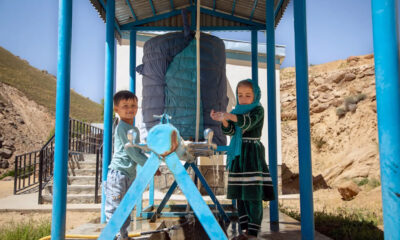
In Parun, the capital of Nuristan province, 23 people were killed in flooding, while water services for around 1,000 families were disrupted.
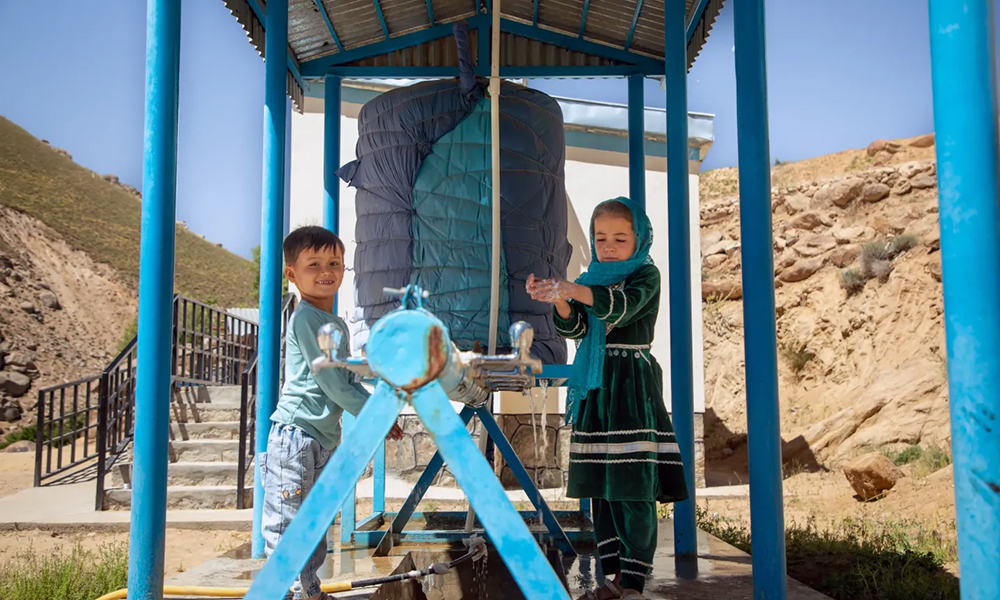
Flash floods affected more than 1,100 families across 14 provinces of Afghanistan in July, damaging or destroying over 1,100 homes, according to UNICEF’s latest humanitarian situation report covering July 1–31.
UNICEF said 1,168 families were affected by the floods, while 1,164 homes were damaged or destroyed.
In Parun, the capital of Nuristan province, 23 people were killed in flooding, while water services for around 1,000 families were disrupted.
Despite the ongoing humanitarian challenges, UNICEF said it continued supporting essential health services across the country through 2,393 static health facilities and 16 mobile facilities.
The UN agency also responded to 245 disease outbreaks during July, while approximately 183,000 children under the age of five received measles vaccinations.
Access to clean water and sanitation also remained a key focus. During the month, around 96,300 people gained access to safe drinking water, while 89,061 people received basic sanitation services. Essential WASH supplies were also provided to 180,814 people.
Child malnutrition remained another major concern. UNICEF and its partners screened approximately 1.1 million children for wasting during July, with 104,602 children admitted for treatment.
In addition, 10.3 million children aged 6–59 months received vitamin A supplementation as part of efforts to prevent malnutrition and protect child health.
UNICEF said its humanitarian response remains focused on ensuring vulnerable children and families across Afghanistan can access essential health, nutrition, water and sanitation services amid continued humanitarian needs.
Latest News
Lahore High Court halts expulsion of 13 Afghan medical students
The latest order means the 13 students cannot be expelled while the court considers their petitions and awaits responses from the relevant authorities.
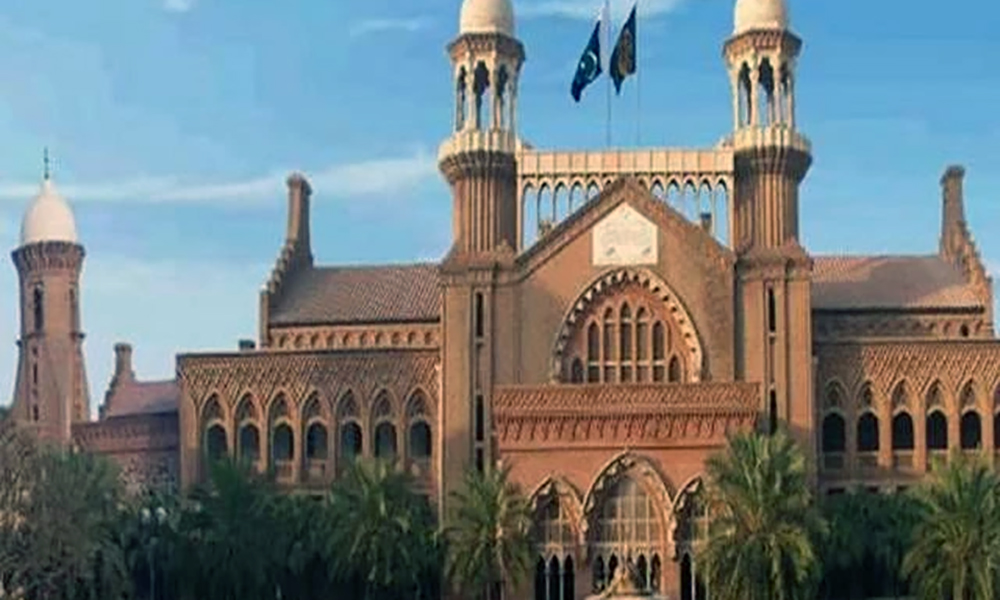
The Lahore High Court has temporarily stopped authorities from expelling 13 Afghan medical students from colleges in Punjab, directing the University of Health Sciences (UHS), Pakistan Medical and Dental Council (PMDC) and the concerned medical colleges to respond at the next hearing.
Justice Khalid Ishaq issued the interim order while hearing petitions filed by the students, including Sabiha Daftani and Waheeda Asad Rasool, challenging directives seeking their removal from medical colleges.
The petitioners told the court that they are enrolled in medical colleges across Punjab, with several already in their fourth and fifth years of MBBS.
The court’s intervention comes amid wider uncertainty facing Afghan medical students in Pakistan. Last month, the Lahore High Court suspended the operation of directives issued by the PMDC requiring Afghan medical students to return to Afghanistan.
The latest order means the 13 students cannot be expelled while the court considers their petitions and awaits responses from the relevant authorities.
The case highlights the difficulties faced by Afghan students pursuing medical education in Pakistan, where changes to immigration and education policies have created uncertainty over their ability to complete their studies.
The court is expected to consider the responses from the UHS, PMDC and the medical colleges at the next hearing.
Latest News
Kyrgyz, Afghan foreign ministers discuss expanding trade and investment ties
The two foreign ministers discussed current issues of bilateral cooperation, with particular emphasis on expanding trade, economic and investment ties, the ministry said.

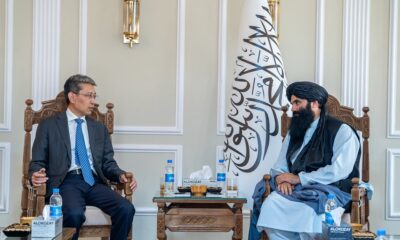
Kyrgyzstan’s Foreign Minister Zheenbek Kulubaev held a telephone conversation with Afghanistan’s Foreign Minister Amir Khan Muttaqi on September 14, focusing on strengthening practical cooperation between the two countries, according to the Ministry of Foreign Affairs of the Kyrgyz Republic.
The two foreign ministers discussed current issues of bilateral cooperation, with particular emphasis on expanding trade, economic and investment ties, the ministry said.
“Particular attention was paid to enhancing further trade, economic and investment cooperation,” the Kyrgyz Foreign Ministry said in a statement.
During the call, the Afghan side also congratulated Kyrgyzstan on the successful organization of the Shanghai Cooperation Organization (SCO) Summit and the 6th World Nomad Games.
Afghanistan further congratulated Kyrgyzstan on its election as a non-permanent member of the United Nations Security Council, according to the statement.
The conversation comes as Kabul and Bishkek seek to expand economic and diplomatic engagement, with trade and investment emerging as key areas of potential cooperation.


UNICEF expands aid to millions of Afghan children after flash floods

Lahore High Court halts expulsion of 13 Afghan medical students

Kyrgyz, Afghan foreign ministers discuss expanding trade and investment ties

North Korea’s Kim vows to expand ties with Russia, backs victory in ‘sacred war’

Tahawol: Houthis’ return to regional power dynamics

Four mediators struggle to secure lasting Pakistan-Afghanistan ceasefire

Juma Khan Fateh surrenders to IEA forces in Badakhshan

Afghanistan’s trade diversification challenges Pakistan

Syria and Saudi Arabia condemn Kabul bombing, express solidarity with Afghanistan

Saudi energy group signs major Afghanistan deals covering gas exploration and pipeline plans
Tahawol: Houthis’ return to regional power dynamics

Tahawol: Calls for U.S. engagement with Afghanistan

Saar: End of Chinese ambassador’s mission in Kabul

Tahawol: Norwegian delegation’s call for engagement with Afghanistan discussed

Saar: Pakistan’s dual policy towards Afghanistan reviewed
-

 Sport4 days ago
Omar Zawak, Toofan Herat secure victories in Afghanistan Champions League
-
 Latest News2 days ago
Khalilzad warns US risks losing influence in Afghanistan to China and Russia
-

 Sport2 days ago
Zadran calls on Afghan fans to rally behind team against India
-

 Regional3 days ago
Saudis shut down oil pipeline as Houthis tighten grip on Red Sea shipping
-

 Latest News4 days ago
Kabul to host tripartite meeting on Afghan migrants’ problems
-

 Latest News4 days ago
Pakistan court blocks expulsion of Afghan medical students
-
 Business2 days ago
EU and FAO launch €5m programme to strengthen Afghanistan’s agrifood sector
-
 World2 days ago
Houthi advance in Yemen puts U.S. in a new bind