
Latest News
Mujahid: Afghanistan’s borders secure, territory will not be used against other countries
Mujahid said the country’s border forces are fully responsible for safeguarding Afghanistan’s territorial integrity and national interests.

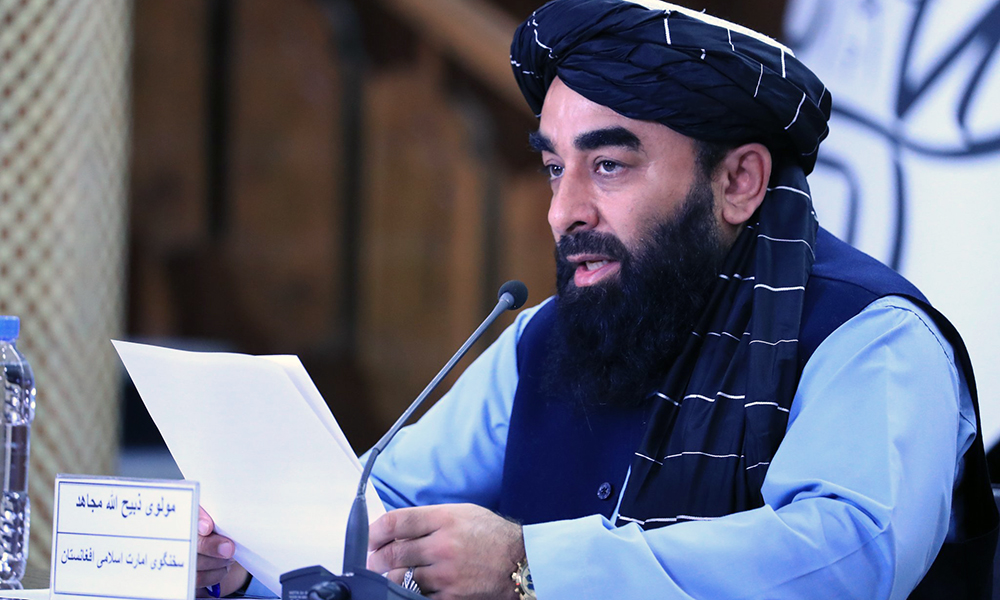
Islamic Emirate spokesman Zabihullah Mujahid says Afghanistan’s border security remains under control, stressing that attempts by smugglers and what he described as “criminal elements” to create instability are swiftly neutralized by border forces.
Speaking at the “Government Program Through the Lens of the Media” briefing on Tuesday, Mujahid said the country’s border forces are fully responsible for safeguarding Afghanistan’s territorial integrity and national interests, adding that the security situation along the borders is stable and reliable.
He said smugglers and “criminal elements” occasionally attempt to create security challenges in border areas, but maintained that such incidents are brought under control within minutes by Islamic Emirate forces.
Mujahid also highlighted the performance of the Ministry of Borders, Ethnicities and Tribes, saying it has made significant progress in strengthening national unity and resolving disputes over the past year.
According to him, the ministry settled 432 disputes during the past year and organized 33 major tribal and public gatherings across the country’s provinces aimed at promoting reconciliation and social cohesion.
Reiterating the Islamic Emirate’s foreign policy, Mujahid said the government follows an economy-oriented and connectivity-based approach and seeks positive relations with all countries in the region and beyond.
He also reaffirmed that Afghan territory will not be used against any other country, describing the policy as a key principle of the Islamic Emirate’s engagement with the international community.

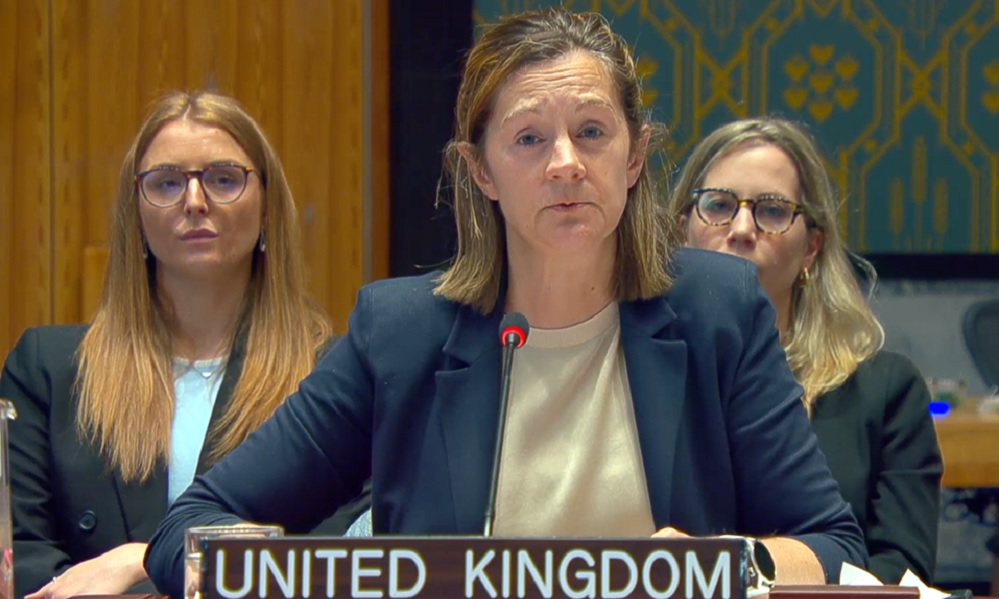
The United Kingdom, the United States and senior United Nations officials have called for Afghan women and girls to have a greater role in shaping their country’s future, criticizing restrictions on their rights and exclusion from public life.
Speaking at a UN Security Council meeting on Women, Peace and Security on October 27, UK Deputy Permanent Representative to the United Nations Ambassador Kate Foster said women and girls in Afghanistan had been systematically excluded from public life and decision-making.
“Their voices must be central to discussions about the country’s future,” Foster said, stressing that lasting peace cannot be achieved while half of the population is excluded from decisions that shape society.
UN Secretary-General António Guterres also highlighted restrictions on women and girls in Afghanistan, alongside Mali, Yemen and Somalia, saying they were facing further crackdowns on their rights.
Sima Bahous, executive director of UN Women, said Afghan women and girls continued to be systematically excluded from public life and denied a voice in determining their country’s future.
Tammy Bruce, the US deputy representative to the United Nations, said the Islamic Emirate of Afghanistan continued to deny young Afghan women opportunities to pursue education, secure employment and receive training.
“Over the past five years, the Taliban (IEA) have systematically reversed decades of hard-won progress on women’s participation in peace and security,” Bruce said. “These practices are unacceptable and must cease immediately.”
The Islamic Emirate of Afghanistan has imposed restrictions on women and girls’ access to education, employment and public life since returning to power in August 2021. These measures have drawn repeated criticism from the United Nations and international human rights organizations.
The Islamic Emirate has maintained that restrictions are internal matters for Afghanistan and has called on other countries and organizations not to interfere in the country’s domestic affairs.
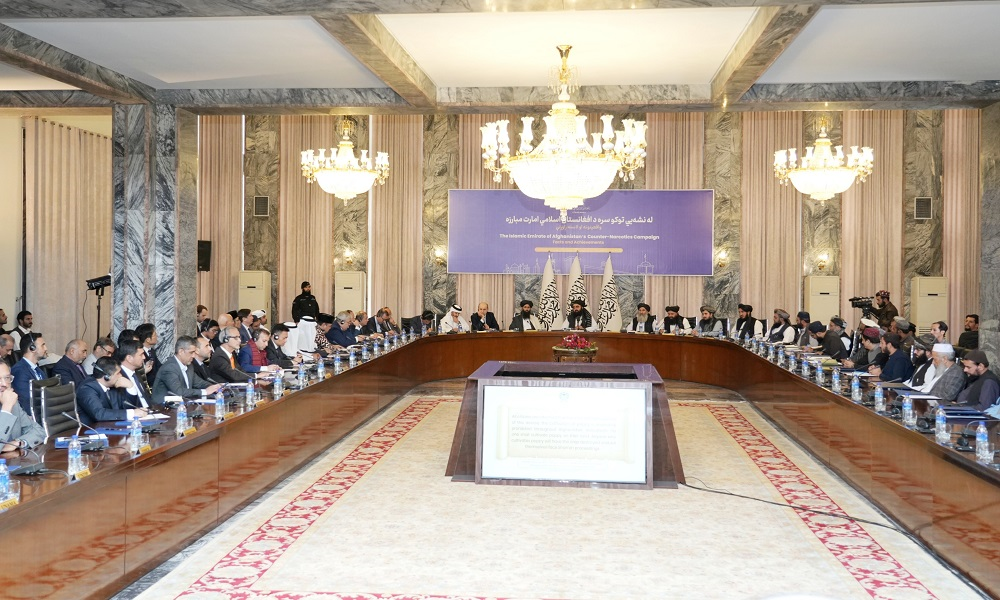
Afghanistan’s Ministry of Foreign Affairs says more than 25,000 anti-drug operations have been conducted in the country in 2026, resulting in the destruction of 26,500 hectares of poppy and cannabis crops and the arrest of 10,065 suspects.
The figures were announced at a meeting in Kabul titled “The Islamic Emirate of Afghanistan’s Fight Against Drugs: Facts and Achievements,” hosted by the Ministry of Foreign Affairs and attended by Islamic Emirate officials, foreign diplomats and representatives of international organizations.
Abdul Rahman Munir, deputy minister for counter-narcotics at the Ministry of Interior, said the operations also led to the discovery and closure of 301 drug-processing laboratories, two chemical pill factories and 15 alcohol-producing factories.
Foreign Minister Amir Khan Muttaqi said the enforcement of the decree banning drug cultivation, production, processing, trafficking and use reflected the authorities’ position on combating narcotics.
Muttaqi also raised concerns over widespread drug cultivation in Afghanistan’s neighboring countries and the trafficking of narcotics from those areas. He said international cooperation was necessary for the anti-drug campaign to achieve its objectives.
Meanwhile, Mohammad Naeem, the Foreign Ministry’s deputy minister for finance and administration, stressed the need to provide alternative livelihoods for farmers, support health centers, strengthen technical assistance and improve regional coordination to sustain progress in counter-narcotics efforts.
The meeting concluded with calls for continued efforts to combat drugs, expand alternative livelihood opportunities for farmers and strengthen regional and international cooperation.
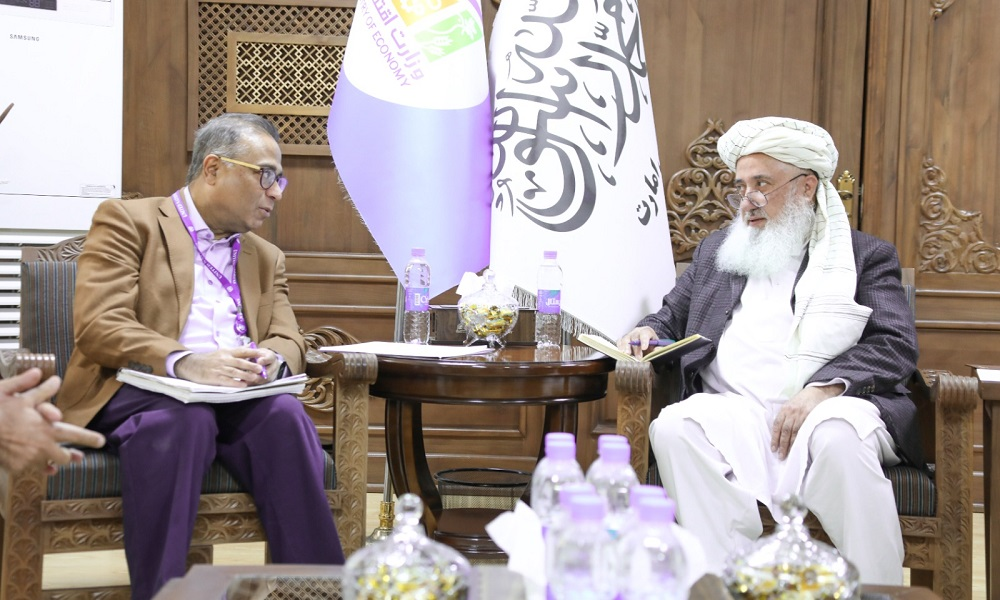
Afghanistan’s Minister of Economy, Din Mohammad Hanif, met on Tuesday with Turhan Saleh, the United Nations Development Programme (UNDP) Resident Representative in Afghanistan, to discuss expanding development cooperation, supporting the private sector and implementing development projects.
According to the Ministry of Economy, Hanif said sanctions, the freezing of Afghanistan’s foreign exchange reserves, the United Nations’ non-recognition of the Islamic Emirate and the suspension of international development assistance had affected the country’s economic development.
He also highlighted economic growth, increased domestic production, efforts to combat drug cultivation and water resource management. Hanif identified climate change and the large-scale return of migrants as additional factors putting pressure on the country’s economy and society.
The minister said providing shelter and building roads, schools, clinics and water supply networks for returnees were among the government’s priorities. He added that infrastructure and production projects could help create jobs, increase household incomes, reduce poverty and support sustainable economic growth.
Meanwhile, Saleh welcomed Afghanistan’s economic achievements over the past five years and reaffirmed UNDP’s commitment to continuing development cooperation with the country.
He also expressed the organization’s readiness to support efforts to combat drug cultivation, construct check dams, implement development projects, provide training programmes and support small businesses and the private sector.
The meeting concluded with both sides emphasizing the need for stronger coordination and continued cooperation to expand economic opportunities, create jobs and promote sustainable development in Afghanistan.

UK, UN and US urge greater role for Afghan women in shaping their country’s future
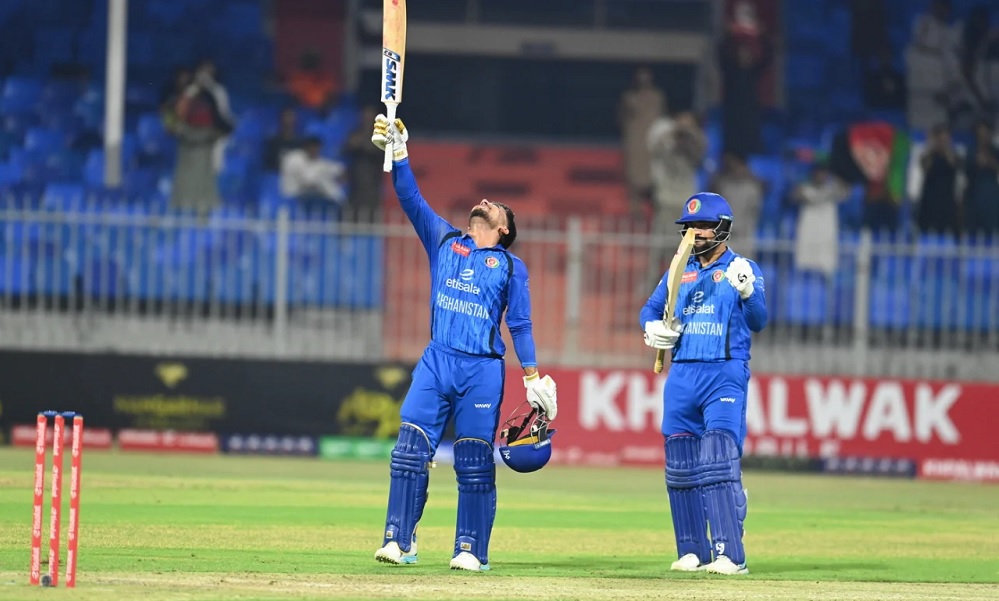
Ahmadzai, Rashid and Farooqi lead Afghanistan to 37-run win over Zimbabwe
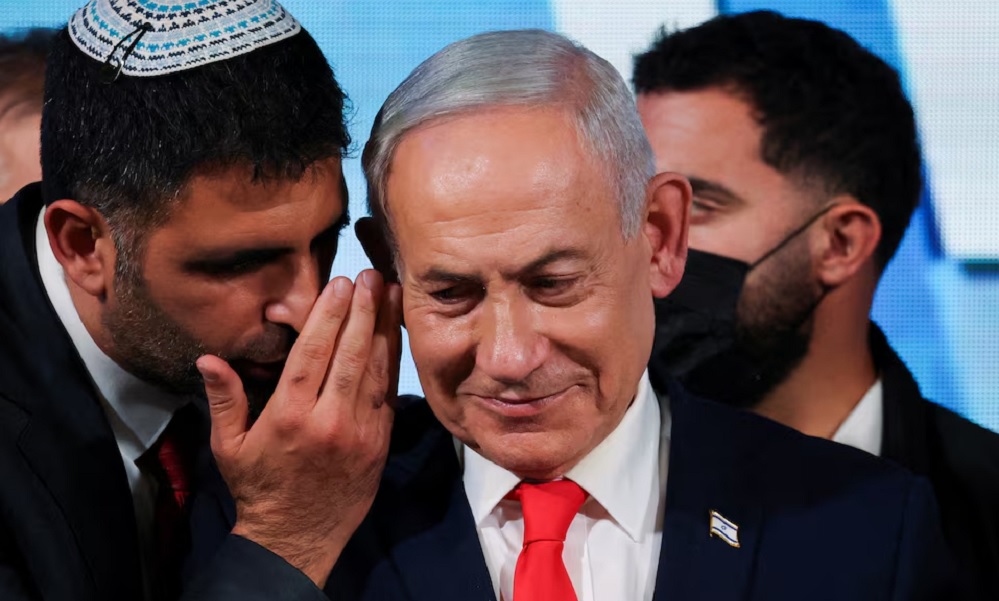
Netanyahu, Eisenkot stake rival claims to lead Israel after deadlocked vote
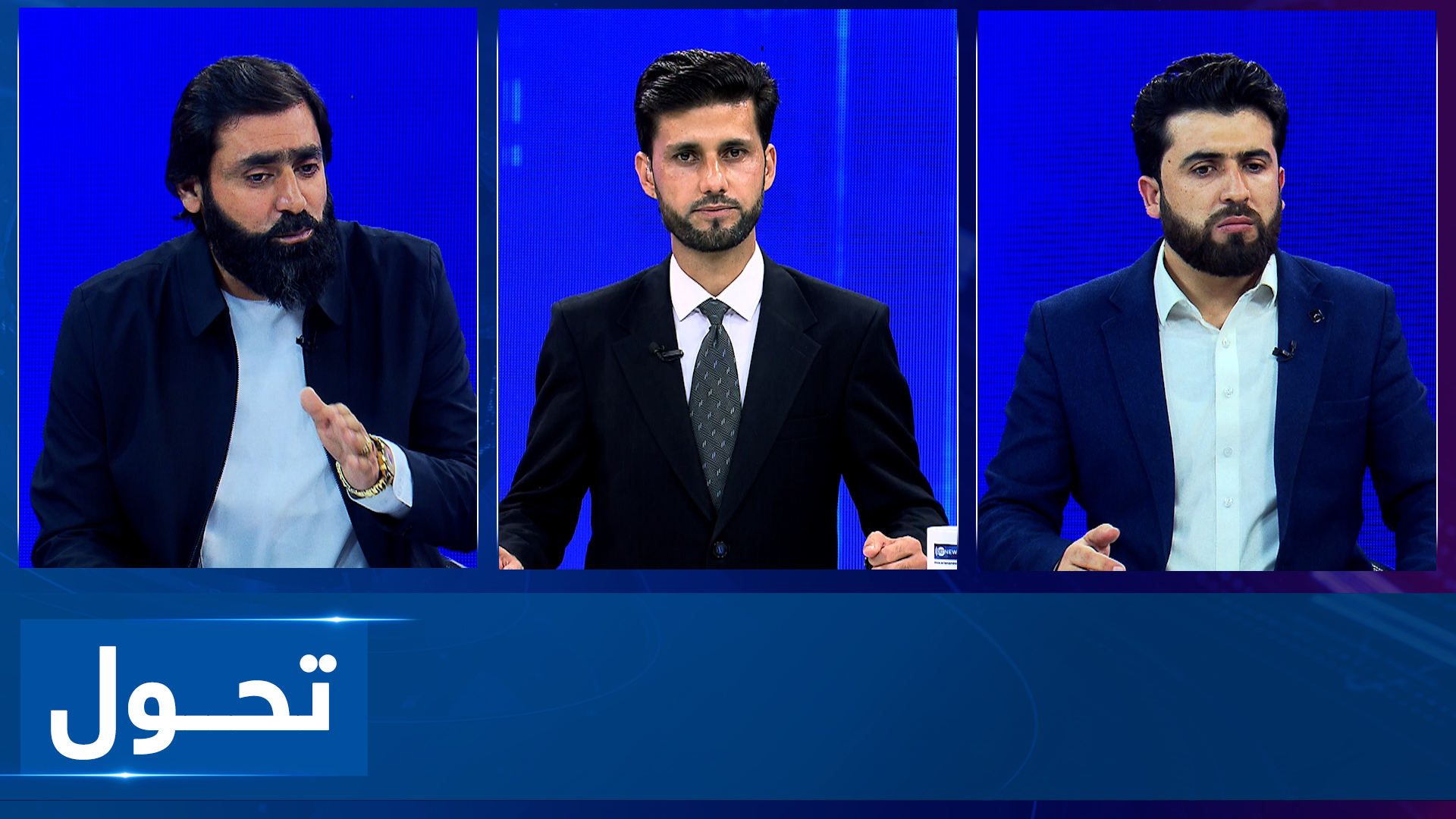
Tahawol: Emphasis on security cooperation at Tehran talks discussed
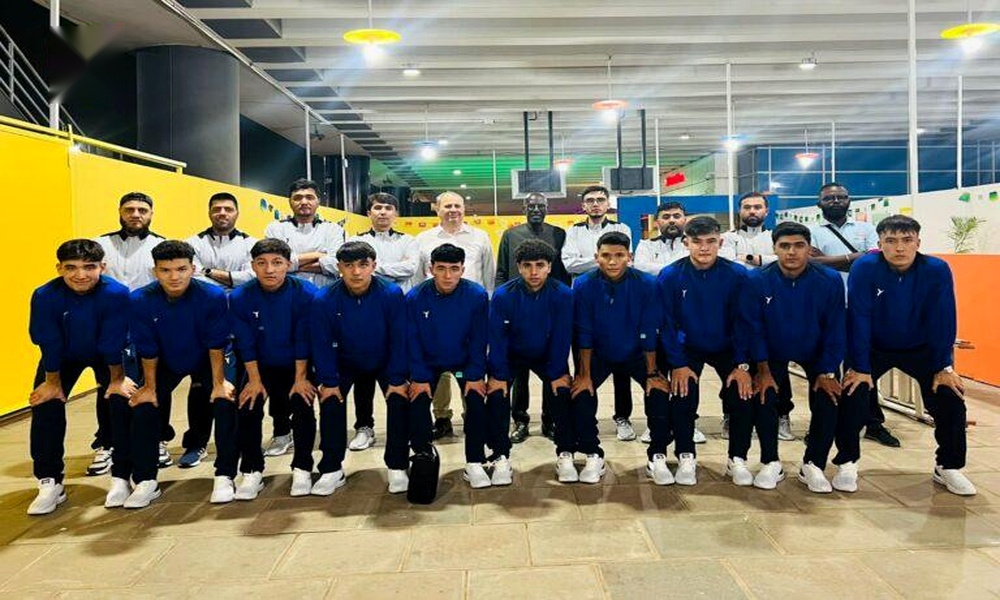
Afghanistan U-18 futsal team in Senegal ahead of Youth Olympic Games

Cricket Bonanza: Afghanistan set for packed international schedule

Afghanistan on climate front line as Kabul faces groundwater warning

ACB announces Afghanistan squads for Bangladesh, Zimbabwe series

Afghanistan to face Pakistan, India and Australia at 2027 Cricket World Cup

Four members of one family killed in Helmand in Pakistan airstrike
Tahawol: Emphasis on security cooperation at Tehran talks discussed
Saar: Pakistan threatening strikes on Afghanistan

Iran says outcome of Israeli elections ‘makes no difference’
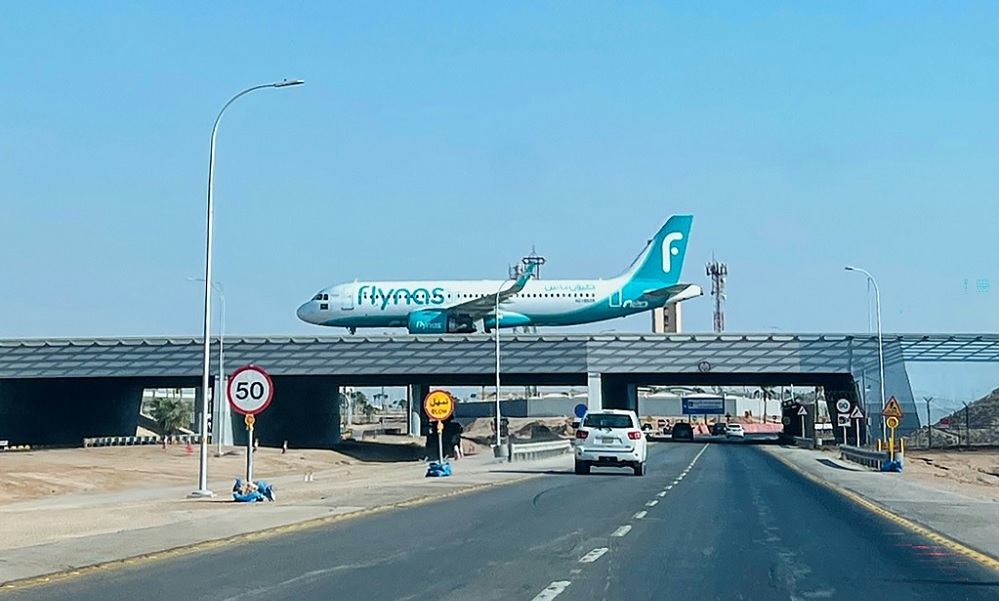
Houthis attack Saudi Arabia before high-stakes talks in Tehran
Tahawol: Ukraine war and ongoing peace efforts
-
 Latest News4 days ago
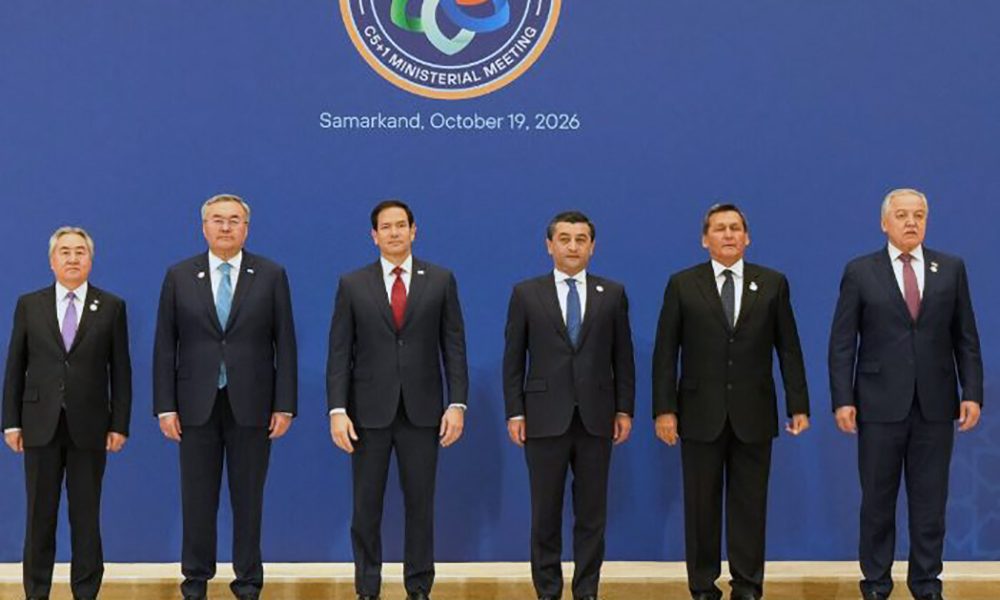
US Central Asia strategy faces challenges linked to Afghanistan’s political and security situation
-
 Sport4 days ago
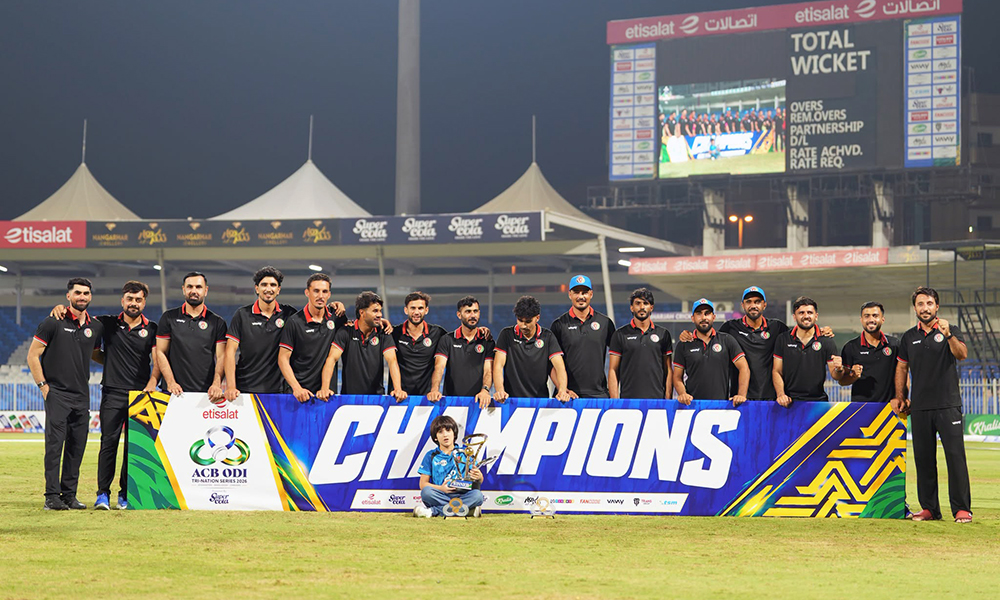
Afghanistan defeat Zimbabwe to win Tri-Series ahead of 2027 Cricket World Cup
-

 Business5 days ago
IMF forecasts 1.3 percent regional economic contraction in 2026
-
 Business4 days ago
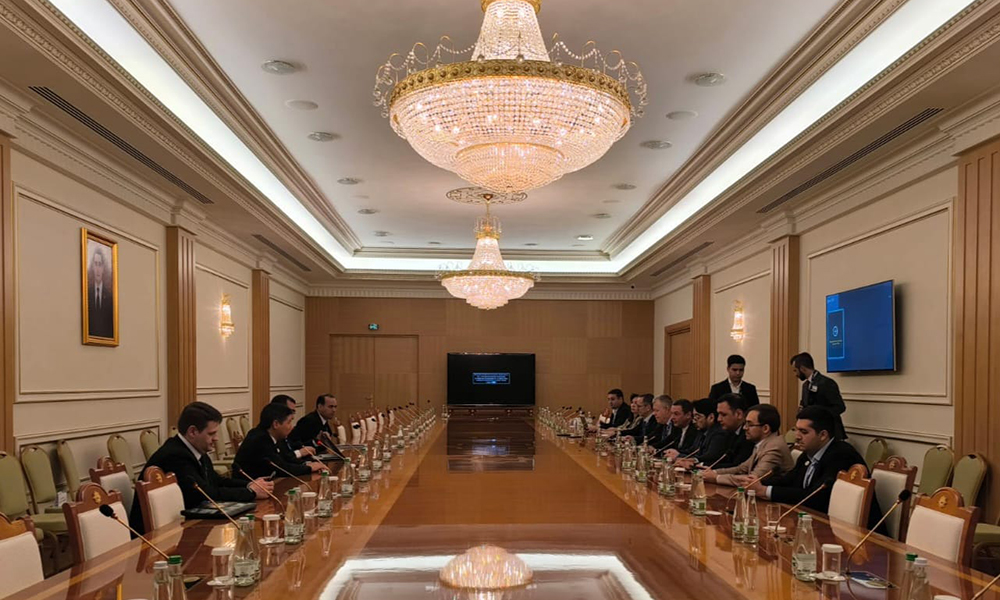
Turkmenistan targets 80 billion cubic meters of gas production in 2026
-
 Latest News5 days ago
Khalilzad warns of worsening relations between Afghanistan and Pakistan
-
 Sport3 days ago
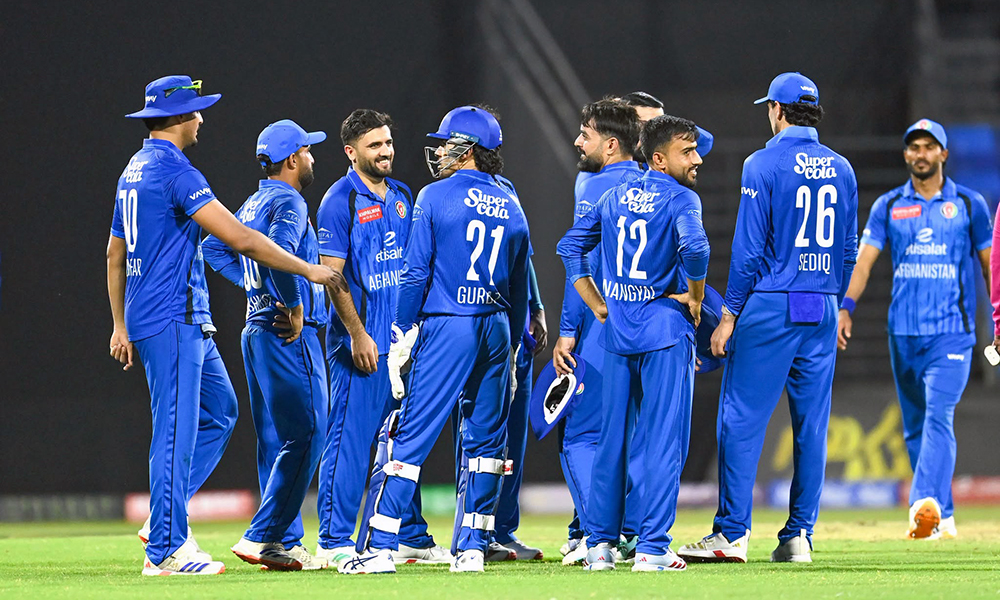
Afghanistan rise above England to match their highest-ever ODI ranking
-
 Business3 days ago
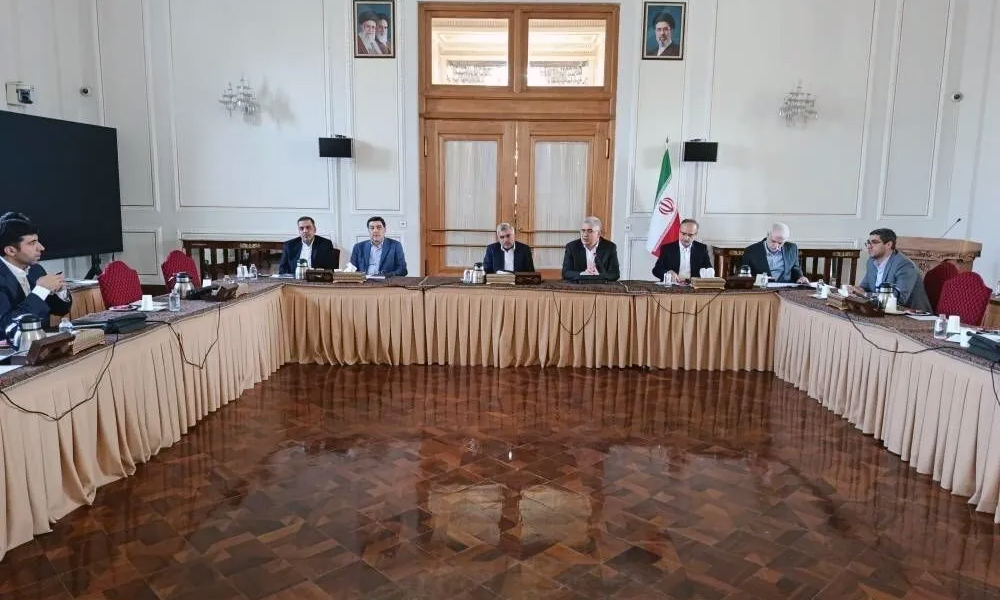
Iran moves to ease export barriers to Afghanistan, Pakistan and Iraq
-
 Latest News5 days ago
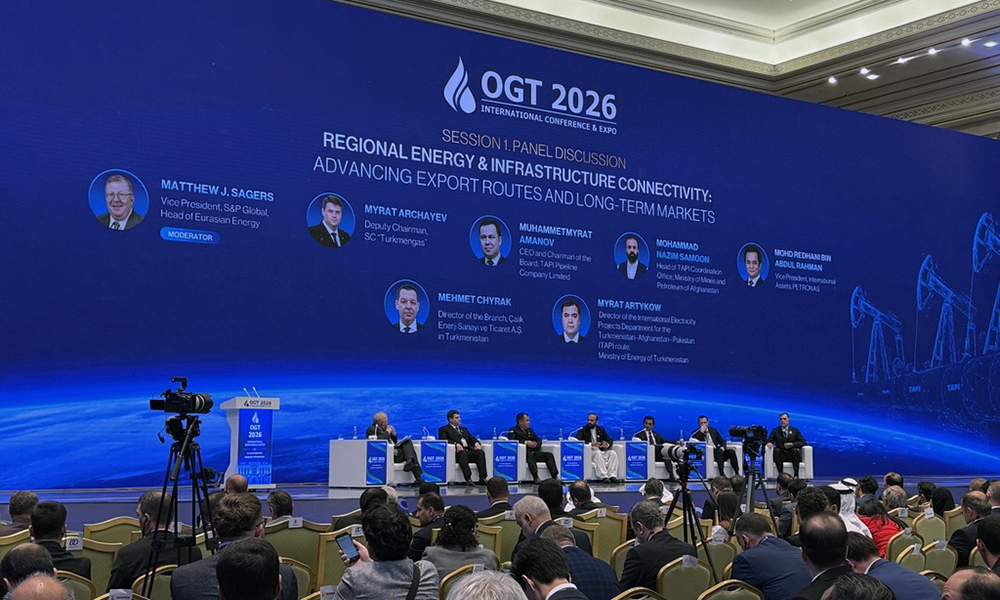
Turkmenistan says Kerki–Kabul power line could supply up to 800 MW to Afghanistan