
Latest News
Muttaqi defends Afghanistan’s policies, calls for stronger international ties
Muttaqi argued that the situation in Afghanistan is now better than during the decades of conflict, including the 20 years of the US and NATO-led war.

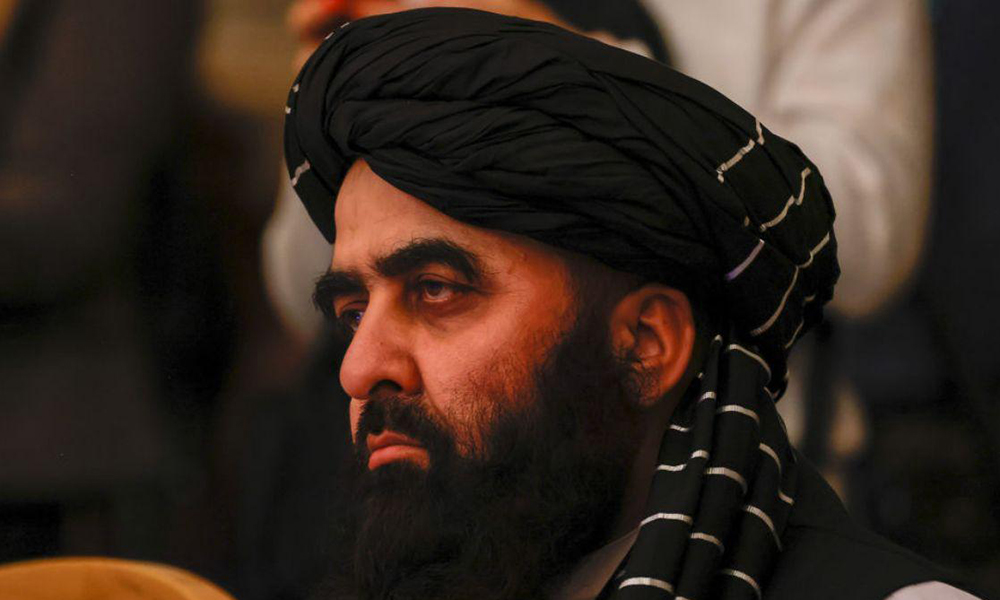
Afghanistan’s Foreign Minister Amir Khan Muttaqi has defended the Islamic Emirate’s policies on women and girls, sanctions and security, while calling for stronger relations with the United States and other countries.
In a BBC interview this week, Muttaqi was asked why Afghan women and girls face restrictions on education, work and public life. He rejected criticism of Afghanistan’s human rights situation and said sanctions against the country were politically motivated.
“This is an injustice to Afghans. It’s an excuse. There are no sensible reasons for sanctions being imposed on Afghanistan,” he said.
Muttaqi argued that the situation in Afghanistan is now better than during the decades of conflict, including the 20 years of the US and NATO-led war.
He said Afghanistan had endured around 40 years of war and that the Islamic Emirate was now seeking to strengthen relations with countries in both the East and West.
“Our relationships have developed a lot with regional and eastern countries, in terms of economy, politics, relationships and investments,” he said, adding that there had also been developments with European countries.
On recent “technical talks” in Belgium on the issue of Afghan migrants, he described the development as positive and said the Islamic Emirate hoped for a good future.
Muttaqi acknowledged that formal international recognition is important, but described Russia’s recognition of the Islamic Emirate as a positive development.
Asked about restrictions on women, he said Afghanistan’s policies should be viewed through Afghan cultural and social values rather than Western standards.
“The conduct with women shouldn’t be looked at through the glasses of Western culture and tradition. Afghan values should be considered,” he said.
Muttaqi claimed that more than three million girls are currently studying in schools and madrassas, and said female students at religious schools also study modern subjects.
He said more than three million girls below Grade 6 are attending school, with female teachers involved in their education.
However, he acknowledged concerns raised by foreign diplomats and organisations that the continued exclusion of girls from secondary education could eventually create shortages of female teachers and doctors.
“This really is a problem. And it will be considered,” he said, while adding that Afghanistan does not currently face such shortages and that the authorities would seek to prevent them in the future.
Muttaqi also rejected claims that al-Qaeda or other foreign militant groups are operating in Afghanistan.
He said the Islamic Emirate would not allow groups to use Afghan territory to plan attacks against other countries, arguing that allegations about the presence of foreign militants were part of propaganda.
“So far no one has presented any proof,” he said.
Muttaqi also pointed to the elimination of poppy cultivation and improvements in security as developments he said should be recognised.
Seeking normal ties with Washington
On relations with the United States, Muttaqi said the Islamic Emirate wants positive and normal relations with Washington but would not accept the presence of foreign military forces in Afghanistan.
He said Afghanistan is a developing country with investment opportunities in many sectors, although the Islamic Emirate does not know how much interest US investors currently have in the country.
He said the return of around six million Afghans had placed pressure on the country, but claimed that returnees had been taken back to their home areas. He added that many were skilled workers who were already contributing to Afghanistan’s development.
Despite continuing international concerns over women’s rights, humanitarian needs and Afghanistan’s economic situation, Muttaqi said the Islamic Emirate wants to deepen diplomatic and economic engagement with the international community.



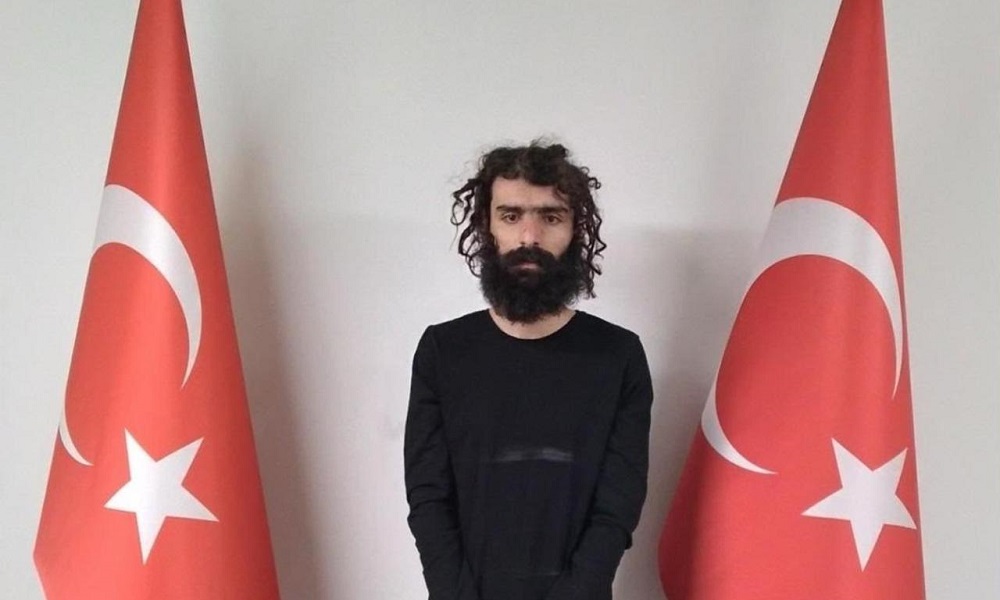
Türkiye’s National Intelligence Organization (MIT) has captured a suspected member of the Daesh terrorist group operating in the Afghanistan-Pakistan region and transferred him to Türkiye, Turkish security sources said.
According to a report by Daily Sabah, the suspect, identified as Uğur Bahadır, also known by the alias Abdullah, allegedly joined Daesh’s Khorasan branch (ISKP) in 2024 after travelling from Türkiye to the region.
The report said Bahadır received training at several terrorist camps and carried out various assignments for the group.
Following intelligence operations, MIT located and arrested him in the Afghanistan-Pakistan region before transferring him to Türkiye for questioning.
During interrogation, Bahadır reportedly provided information about Daesh’s recruitment networks, training programmes, operational activities and organizational structure in the region.
He also disclosed details of his links with other Daesh members, including Özgür Altun, known as Abu Yasir al-Turki, who was captured in early 2025 and allegedly facilitated the transfer of recruits from Türkiye to the region.
The report further said Bahadır had connections with Ahmet Kazancı, also known as Abu Ubeyde and Abu Ibrahim, who was captured in early 2026 and allegedly worked in the group’s media unit.
According to Turkish intelligence findings cited by Daily Sabah, the operation helped uncover Daesh’s recruitment networks and alleged plans to carry out attacks in Türkiye.
Latest News
OCHA: 15.9 million Afghans face severe food insecurity ahead of winter
The agency said nearly one in three Afghans is facing severe hunger, warning that food insecurity could worsen further during the coming winter months.
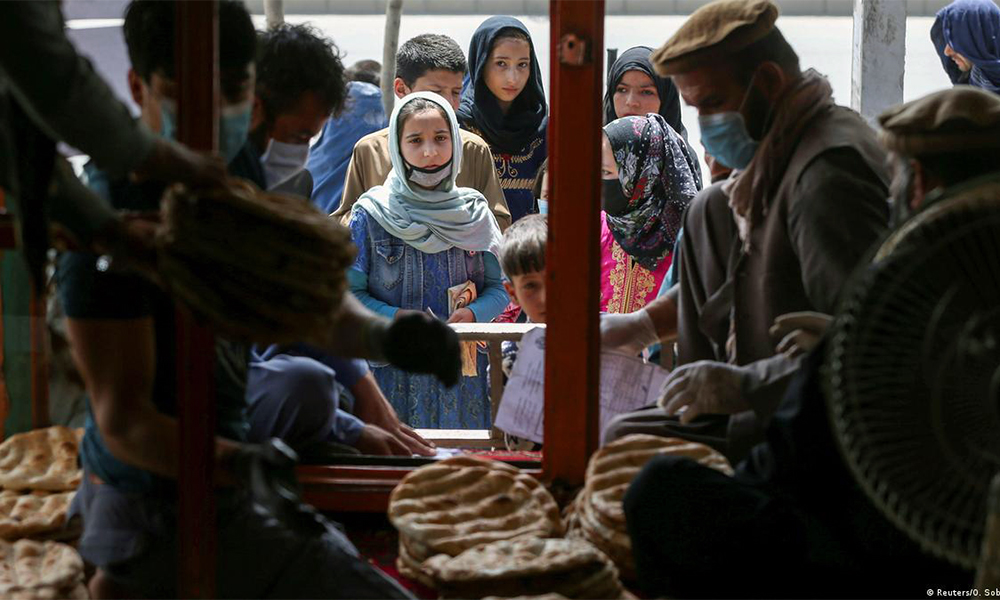
The United Nations Office for the Coordination of Humanitarian Affairs (OCHA) has warned that 15.9 million people in Afghanistan are expected to face crisis-level food insecurity or worse as winter approaches, raising concerns over the country’s worsening humanitarian situation.
In a statement posted on X, OCHA said that despite food being available in markets across Afghanistan, millions of people cannot afford to purchase it due to widespread poverty, economic hardship and limited household incomes.
The agency said nearly one in three Afghans is facing severe hunger, warning that food insecurity could worsen further during the coming winter months.
OCHA also raised concerns over child malnutrition, saying more than four million children aged between six months and five years could require treatment for malnutrition in 2027.
The UN agency stressed that humanitarian assistance remains critical to saving lives, but said addressing the crisis requires longer-term investment in livelihoods, essential services and economic opportunities.
OCHA called for urgent international support ahead of winter to help vulnerable families meet their basic needs and prevent further deterioration in food security.
The agency emphasized that combining immediate humanitarian assistance with sustained investment in communities’ resilience is essential to addressing Afghanistan’s ongoing hunger crisis and reducing the impact of future economic and humanitarian shocks.
Latest News
Afghanistan’s refugee minister meets new UNAMA chief over returnees, humanitarian aid
The minister further urged the United Nations to help provide essential services in settlements established for returning Afghan refugees.
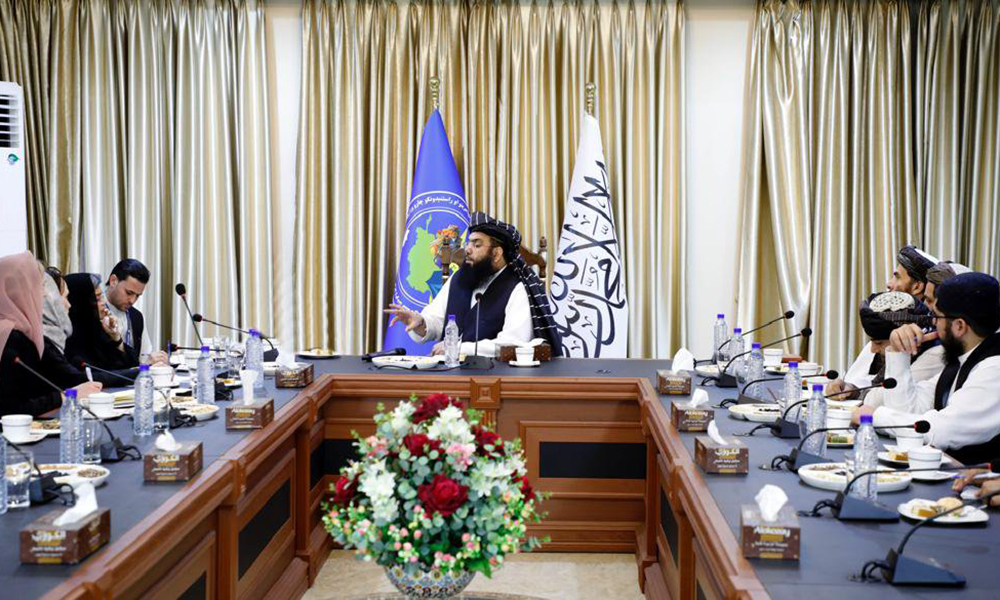
Afghanistan’s Minister of Refugees and Repatriation, Mawlawi Abdul Kabir, has met with Rabab Fatima, the UN Secretary-General’s Special Representative and newly appointed head of the United Nations Assistance Mission in Afghanistan (UNAMA), to discuss the challenges facing returning Afghan refugees and the delivery of humanitarian assistance.
According to a statement from the Ministry of Refugees and Repatriation, the meeting focused on providing humanitarian support to vulnerable Afghans, ensuring permanent shelter, creating employment opportunities and facilitating the social reintegration of returnees.
Fatima reportedly assured the Afghan authorities that the United Nations would continue cooperation with them and support efforts to provide humanitarian assistance, sustainable housing and livelihood opportunities for returning refugees.
She also highlighted mobilizing humanitarian aid, expanding international engagement with Afghanistan and addressing human rights concerns as key priorities.
Abdul Kabir, meanwhile, said the Afghan government seeks positive relations with the international community based on the principles of Islamic Sharia, calling on other countries to respect Afghanistan’s Islamic system and territorial integrity.
He also said security had been established across the country and development projects were underway.
The minister further urged the United Nations to help provide essential services in settlements established for returning Afghan refugees.
give me english tag words with comma, also less and viral english hashtags without comma plz

Turkish intelligence captures suspected Daesh operative in Afghanistan-Pakistan region
Afghanistan to launch nationwide polio vaccination campaign

OCHA: 15.9 million Afghans face severe food insecurity ahead of winter
Afghanistan’s refugee minister meets new UNAMA chief over returnees, humanitarian aid

Fazlur Rehman calls for international probe into treatment of Afghan refugees in Pakistan

Cricket Bonanza: Afghanistan set for packed international schedule

ACB announces Afghanistan squads for Bangladesh, Zimbabwe series

Afghanistan to face Pakistan, India and Australia at 2027 Cricket World Cup

Four members of one family killed in Helmand in Pakistan airstrike

Afghanistan finish runners-up after 6-0 defeat to Brazil in futsal final
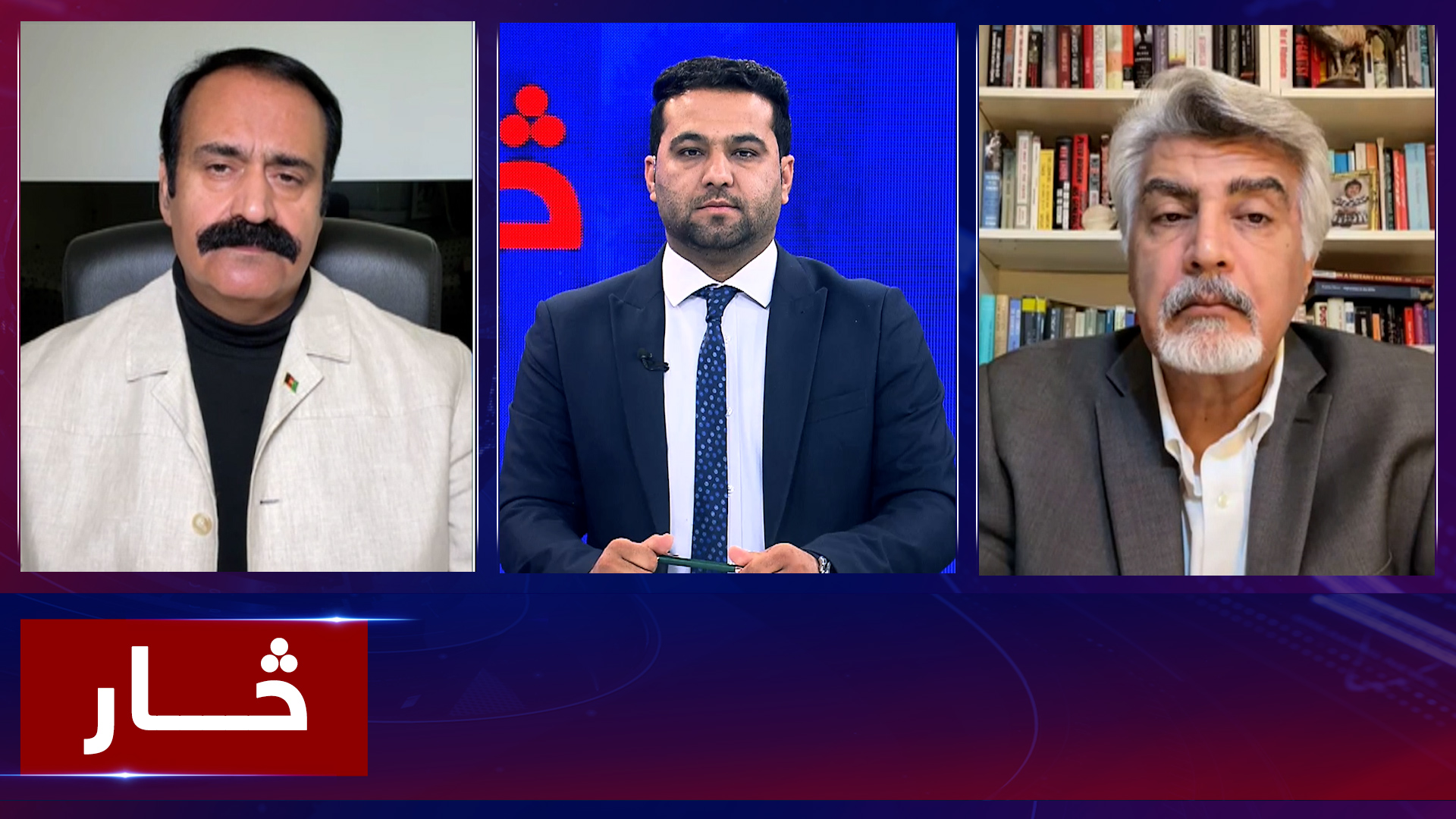
Saar: Regional coalition against Israel-US discussed
Tahawol: Interest in joining pro-Russian forces discussed
Saar: Refugee returns to Afghanistan ahead of winter discussed
Tahawol: Emphasis on security cooperation at Tehran talks discussed
Saar: Pakistan threatening strikes on Afghanistan
-
 Sport3 days ago
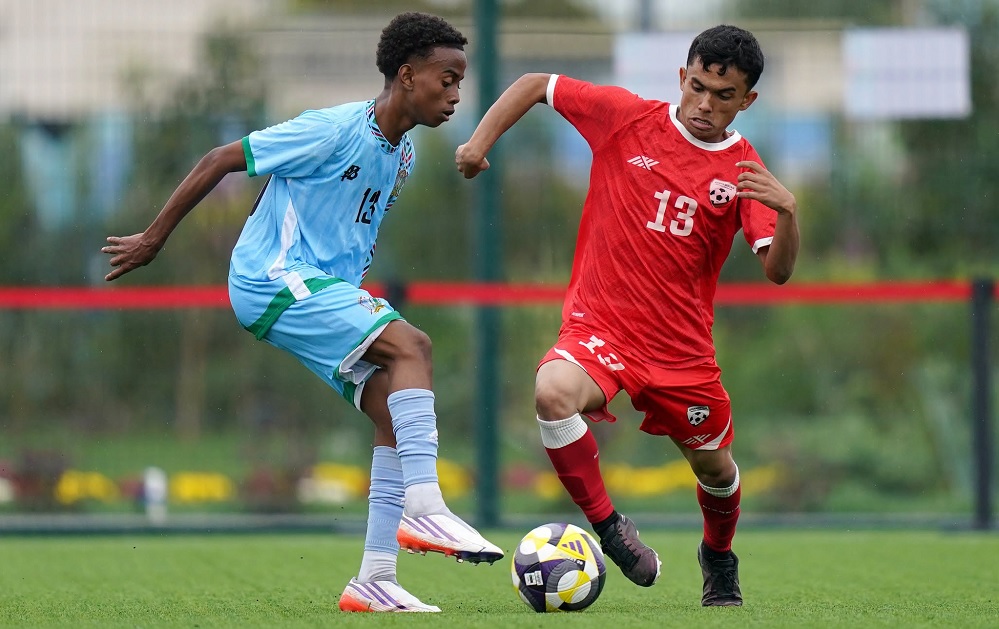
Afghanistan advance to Tier C at FIFA U-15 World Cup and Festival
-
 Regional4 days ago
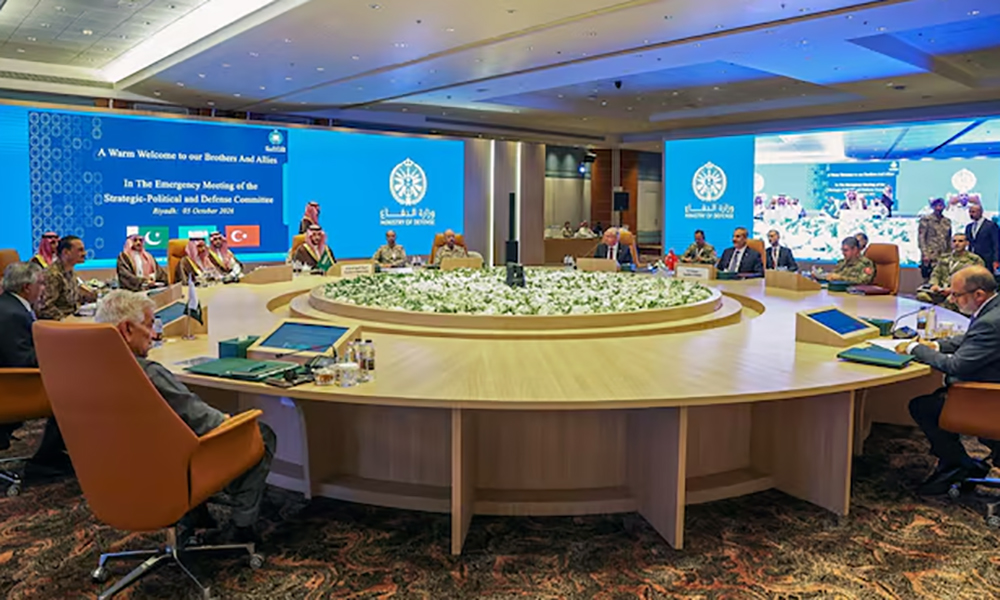
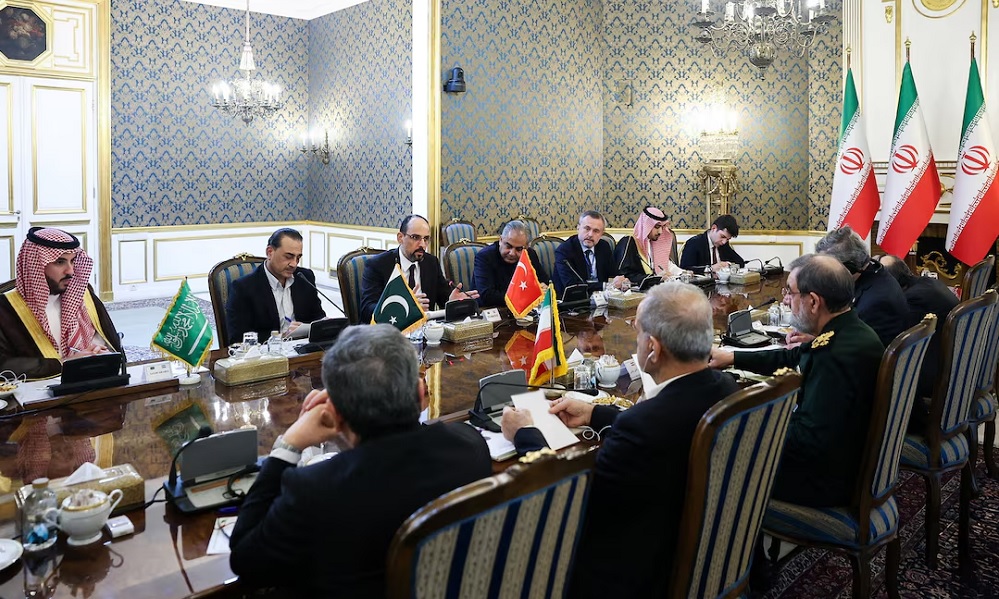
Officials from Mecca pact countries to meet Iranian officials in Tehran
-
 Climate Change4 days ago
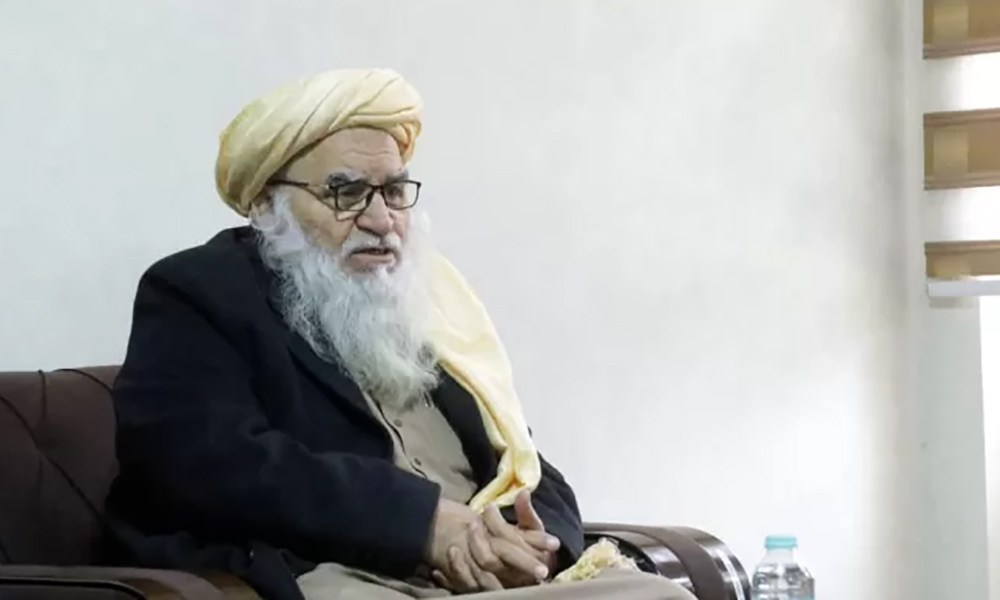
Afghanistan’s environmental protection chief travels to Malaysia for global education conference
-
 World4 days ago
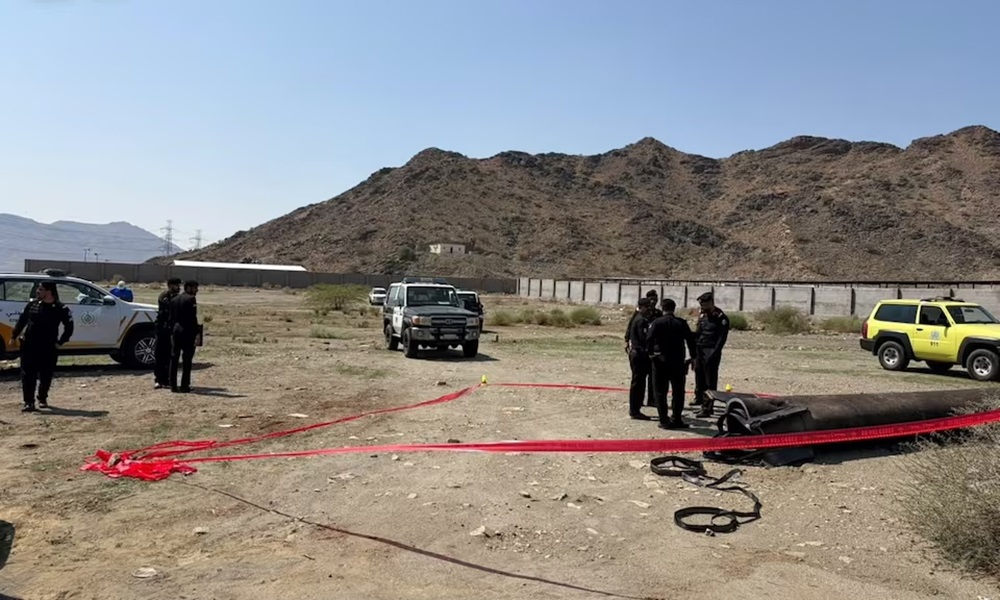
Houthis say they attacked Saudi oil pumping stations, Riyadh airport as fighting intensifies
-
 Regional3 days ago
Saudi defence pact countries push for peace in Tehran as Houthis launch more attacks
-

 Business4 days ago
WFP report notes high food and fuel costs continue to pressure Afghan households
-
 Latest News4 days ago
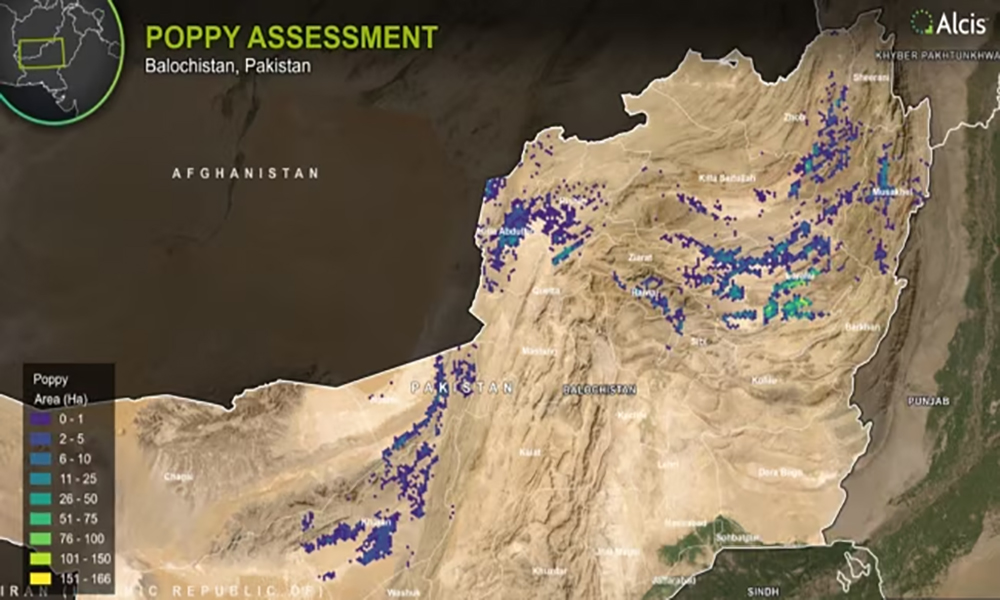
Afghanistan opium ban shifts cultivation to Pakistan and Iran, experts warn
-
 World4 days ago
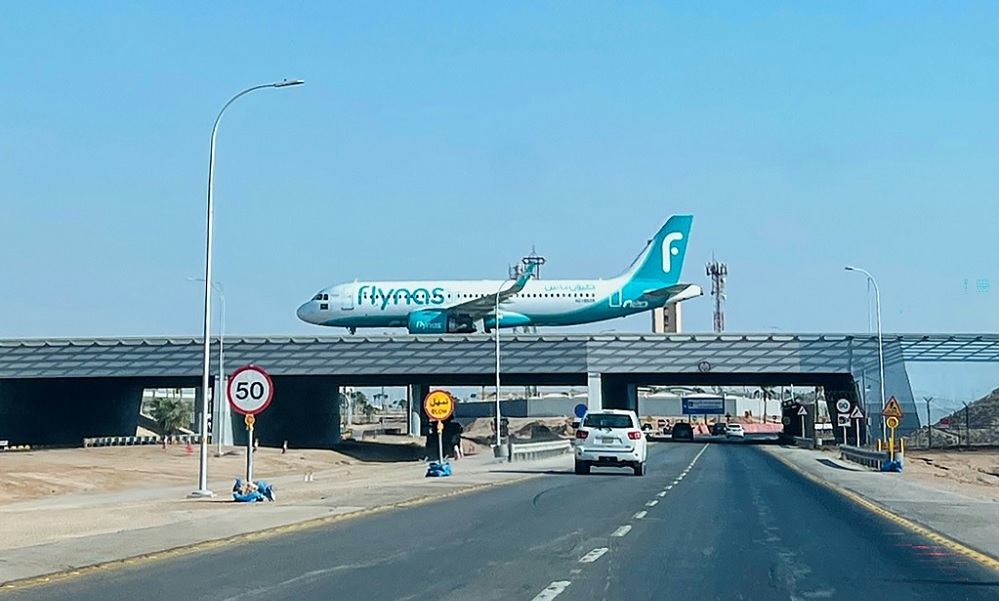
Houthis attack Saudi Arabia before high-stakes talks in Tehran