
Latest News
Khalilzad claims IEA was in breach of Doha deal by harboring al-Zawahiri

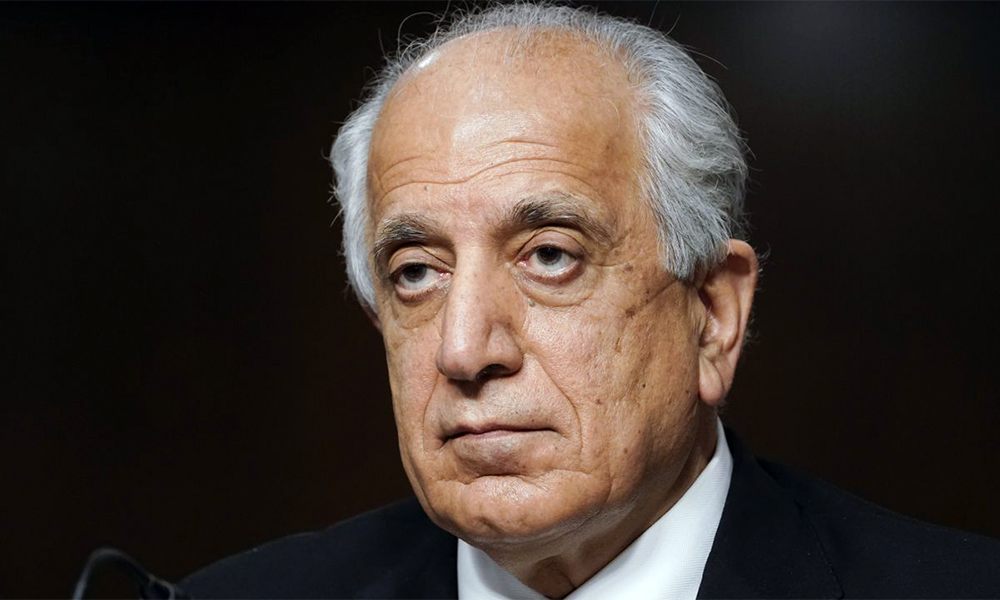
The United States’ former special envoy for Afghanistan Zalmay Khalilzad said Thursday that by allowing the head of al-Qaeda to be in Afghanistan, the Islamic Emirate of Afghanistan (IEA) was in violation of the Doha agreement.
This comes just days after a US drone strike reportedly killed al-Qaeda’s leader Ayman al-Zawahiri on Sunday morning in Kabul.
Speaking to NPR, Khalilzad said the IEA had signed the Doha agreement, a text in two parts.
He said: “Part one specifically in general terms says that the Taliban (IEA) would not allow the territory of Afghanistan to be used by groups or individuals, especially al-Qaeda – and that was our demand because of 9/11 – to threaten the security of the United States and our allies.
“And then the annex, great details of how we would evaluate Taliban (IEA) performance or compliance. So the (US) secretary of state is quite right to say that allowing the head of al-Qaeda in Afghanistan, in Kabul was a gross violation of that agreement.”
“We hold them accountable to the agreement that they made. But at the same time, we wanted to maintain and have maintained that capability to respond to the presence of al-Qaeda or other terrorists that would threaten the United States.
“Our commitment, the bipartisan commitment, has been that we would not allow Afghanistan to become a safe haven for terrorists who would threaten the United States. And we demonstrated a few days ago that even though we don’t have a large number of troops or any troops in Afghanistan, we have the capability and the will to execute and deliver on the commitment that we have made,” he said.
The IEA however condemned the airstrike and in turn said it was against international principles and against the Doha agreement.
Mujahid also said that such action will severely damage relations between the two sides and have bad consequences.
Khalilzad meanwhile told NPR that “allowing someone to plot and plan, attack – someone who plotted and planned the 9/11 attack, was – carried out other attacks on the United States to stay in Kabul and issue a statement threatening the security of the United States is a clear beyond any doubt violation of the Doha agreement.”
Khalilzad also said that “it’s very likely that some Taliban knew (al-Zawahiri was in Afghanistan), but that their leadership as a whole knew it, I’m not sure. But certainly, it looks like the Haqqani network, which is an important element of the Taliban, did know.”
He did however say that it was possible the IEA did not know of al-Zawahiri’s presence. “It is possible. I will not rule it out. And maybe there was a disagreement or anger even, and that the – some elements were violating the agreement that was negotiated between the United States and the Taliban, and that this action by the Haqqanis would have put that the rest of the gains that they had made and lessons that they had learned that by supporting al-Qaida the last time cost them a lot.”
He also said he “would not be surprised that some elements of the Taliban may have helped us, that tipped us off in terms of the location.”
US President Joe Biden confirmed on Monday that al-Zawahiri had been killed in a drone strike.
Al-Zawahiri, an Egyptian surgeon who had a $25 million bounty on his head, helped coordinate the September 11, 2001, attacks that killed nearly 3,000 people.
“No matter how long it takes, no matter where you hide, if you are a threat to our people, the United States will find you and take you out,” Biden said Monday.
US intelligence determined with “high confidence” through multiple intelligence streams that the man killed was Zawahiri, one senior administration official told reporters. He was killed on the balcony of a “safe house” in Kabul, Sherpur neighborhood. He reportedly shared the house with other members of his family.
The drone attack is the first known US strike inside Afghanistan since US troops and diplomats left the country in August 2021.





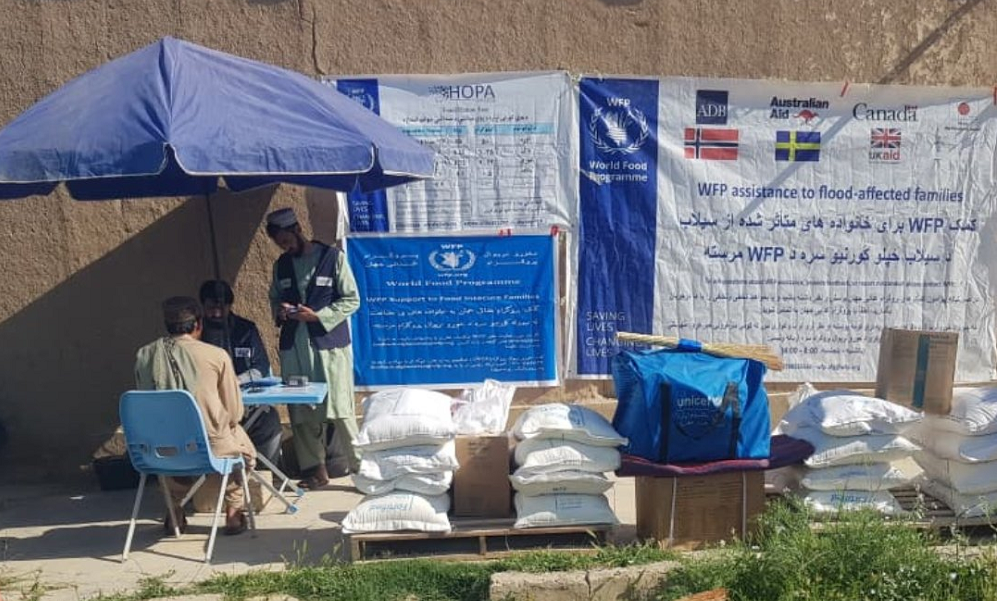
Afghanistan has received more than $11 billion in humanitarian assistance since the Islamic Emirate returned to power in August 2021, according to United Nations figures cited by the BBC.
Despite the substantial aid, the gap between humanitarian needs and available funding remains wide, with the United Nations warning that millions of Afghans continue to require assistance.
The decline in international funding, a growing number of people in need and the return of millions of Afghan migrants from neighboring countries have added pressure to the country’s humanitarian situation.
Afghanistan’s humanitarian crisis deepened following the collapse of the previous government in August 2021. The depreciation of the national currency, the loss of hundreds of thousands of jobs and reductions in some international support programs further strained the economy and living conditions.
UN data shows that Afghanistan received about $5.2 billion in humanitarian assistance in 2021, followed by around $3.8 billion in 2022 and nearly $2 billion in 2023.
For 2024 and 2025, the United Nations appealed for more than $3 billion to address humanitarian needs in Afghanistan. However, funding fell short of the amounts requested.
The assistance has largely been directed toward food, healthcare, support for returnees and other urgent humanitarian needs.
The United Nations continues to classify Afghanistan as one of the world’s largest humanitarian crises, stressing that sustained international support remains essential for millions of Afghans who continue to need assistance.
The Islamic Emirate of Afghanistan (IEA) has expressed deep sorrow over a powerful earthquake that struck eastern Indonesia, killing at least 53 people and forcing around 5,000 others to evacuate.
A magnitude-7.7 earthquake struck Flores Island and surrounding areas on Saturday, blocking roads and triggering landslides, Indonesian authorities said.
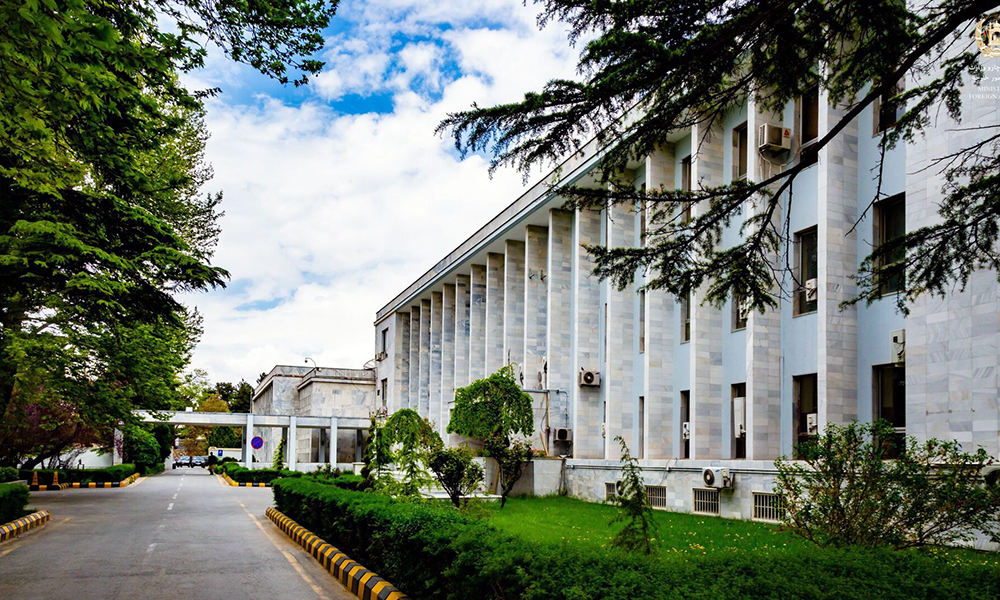
In a statement, Afghanistan’s Ministry of Foreign Affairs conveyed its sympathy and condolences to the government and people of Indonesia over the casualties caused by the earthquake.
It also wished a speedy recovery to those injured in the incident.
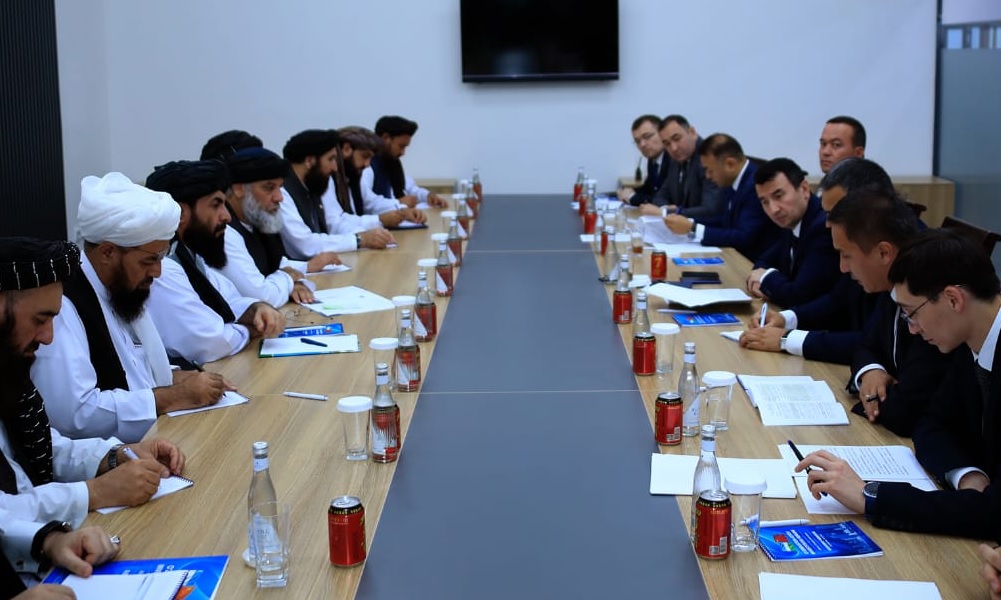
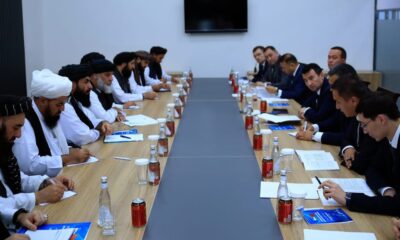
Afghanistan’s Minister of Industry and Commerce, Nooruddin Azizi, met with Uzbekistan’s Deputy Prime Minister Jamshed Khojaev in the city of Termez to discuss expanding economic cooperation and joint investment.
The meeting, held on Saturday at the Termez Trade Center, focused on cooperation in the electricity, mining and agriculture sectors, Afghanistan’s Ministry of Industry and Commerce said in a statement.
Uzbek officials expressed interest in investing in various sectors in Afghanistan. The Afghan delegation welcomed the interest and emphasized its readiness to create the necessary conditions for expanding economic cooperation and joint investment.
Mohammad Yousuf Wafa, governor of Balkh, and Abdul Ghaffar Bahr, Afghanistan’s ambassador to Tashkent, also attended the meeting.


Polio vaccination campaign set to roll out in five Afghan provinces amid new cases

Trump wants more economic pressure on Iran

Tahawol: U.S. non-recognition of IEA

Saar: Tensions between Iran and the United States

Afghanistan received more than $11 billion in humanitarian aid over the past five years

Pakistan’s governance system has ‘collapsed’: Mohsin Naqvi

Spain sweep FIFA World Cup player awards after historic triumph

First Chinese transit shipment arrives in Herat via Iran’s railway corridor

Afghanistan exports first stone shipment to US in $100,000 trade milestone

AFC confirms clubs for 2026/27 competitions; draw set for August 18
Tahawol: U.S. non-recognition of IEA
Saar: Tensions between Iran and the United States

Debate with Nooruddin Azizi, Minister of Industry and Commerce

Saar: Marking IEA’s fifth anniversary in Afghanistan discussed

Tawsia: $420M investment in TAPI gas distribution network in Herat discussed
-

 Latest News4 days ago
HesabPay unveils new visa card and digital payment app in Kabul
-

 International Sports4 days ago
AFC Champions League Elite draw nears as Al-Nassr seeded above Al-Hilal
-
 Latest News4 days ago
Afghan envoy invites Fazlur Rehman to embassy event marking IEA’s return to power
-
 Sport5 days ago
Afghanistan face Ireland with series win in sight
-
 World5 days ago
US military operations killed 153 civilians in 2025, Pentagon assessment shows
-
 Sport5 days ago
Kabul Premier League: Abasin Defenders thrash Band-e Amir Stars by 163 runs
-
 Regional4 days ago
Iran says no progress on reviving interim peace deal with US
-

 Sport4 days ago
Afghanistan clinch Ireland series with record ODI score