
Latest News
Muttaqi urges Pakistan to reconsider its calculations

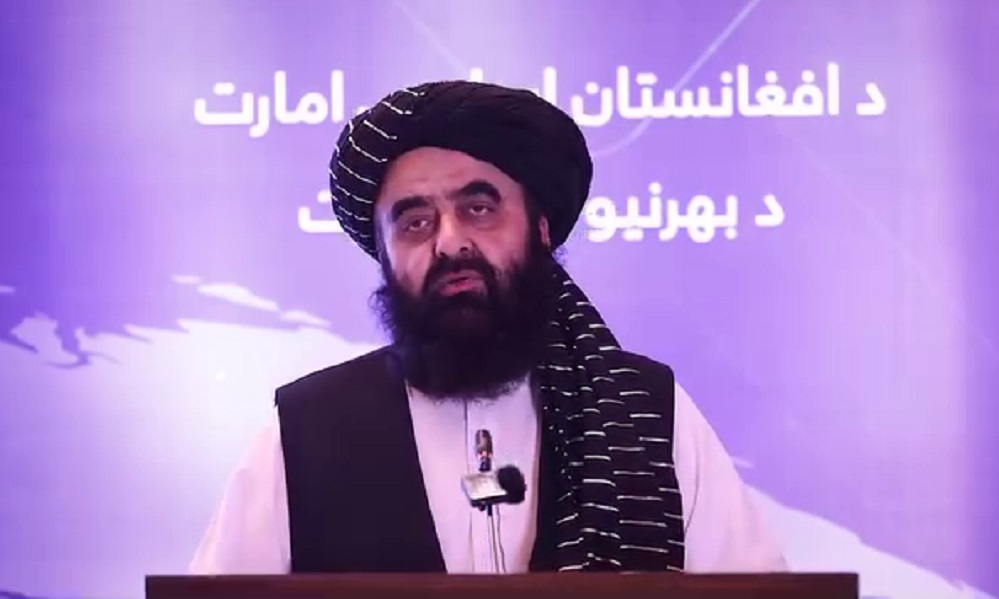
Amir Khan Muttaqi, the Foreign Minister of the Islamic Emirate of Afghanistan, says Pakistan’s military leadership is attempting to impose its demands through pressure, but the Afghan people will not yield.
Speaking on Sunday at an iftar gathering for ambassadors of several countries in Kabul, Muttaqi said Pakistan has “very ruthlessly” expelled Afghan migrants, blocked trade routes, violated Afghanistan’s sovereignty, and launched propaganda against the country in international meetings.
He stressed, however, that “the people of Afghanistan have never surrendered to pressure throughout history and will not hesitate to make any sacrifice for the freedom of their country.”
Pakistani officials have repeatedly claimed that attacks inside Pakistan are carried out by militants operating from Afghanistan, particularly members of the Tehreek-e-Taliban Pakistan (TTP).
Muttaqi said the TTP is not a new phenomenon and that the group emerged years before the Islamic Emirate’s return to power, due to specific underlying factors.
“Instead of addressing their internal challenges, Pakistani generals have put the security of the entire region at risk,” he said.
According to Muttaqi, Pakistan’s military leadership is in conflict with the country’s politicians, religious scholars, and its people, and is attempting to resolve issues through confrontation and pressure rather than dialogue. He warned that such pressure would only strengthen resistance.
The foreign minister also referred to the ongoing conflict in the Middle East, stressing that the sovereignty of states must be respected and that disputes should be resolved through diplomacy.



Latest News
Japan welcomes decline in Afghanistan’s poppy cultivation, calls for sustained anti-drug efforts
The Embassy of Japan in Afghanistan made the remarks in response to a recent report by the United Nations Office on Drugs and Crime (UNODC) on the country’s narcotics situation.

Japan has welcomed Afghanistan’s efforts to combat narcotics, describing the reported decline in poppy cultivation since 2022 as a significant development while calling for continued anti-drug measures and sustainable alternative livelihoods for farmers.
The Embassy of Japan in Afghanistan made the remarks in response to a recent report by the United Nations Office on Drugs and Crime (UNODC) on the country’s narcotics situation.
In a statement, the embassy said Japan highly values Afghanistan’s continued counter-narcotics efforts, emphasizing that lasting progress requires not only reducing poppy cultivation but also providing alternative sources of income for farmers previously dependent on opium production.
Japan also stressed the importance of creating sustainable economic opportunities to help former poppy farmers maintain their livelihoods and prevent a return to narcotics cultivation.
However, the latest UNODC report points to a significant increase in poppy cultivation in 2026 compared with the previous year. According to the report, cultivation rose more than fourfold, reaching approximately 43,300 hectares.
Opium production also increased from around 300 metric tons in 2025 to approximately 1,500 metric tons in 2026, the report said.
Meanwhile, Afghanistan’s Ministry of Interior has rejected the UNODC findings, arguing that the figures and assessments do not correspond with official information and evidence collected in the field.
Latest News
Afghanistan rejects UN report showing fourfold rise in poppy cultivation
According to the latest report by the United Nations Office on Drugs and Crime (UNODC), opium poppy cultivation in Afghanistan reached an estimated 43,300 hectares this year, up more than fourfold from 2025.
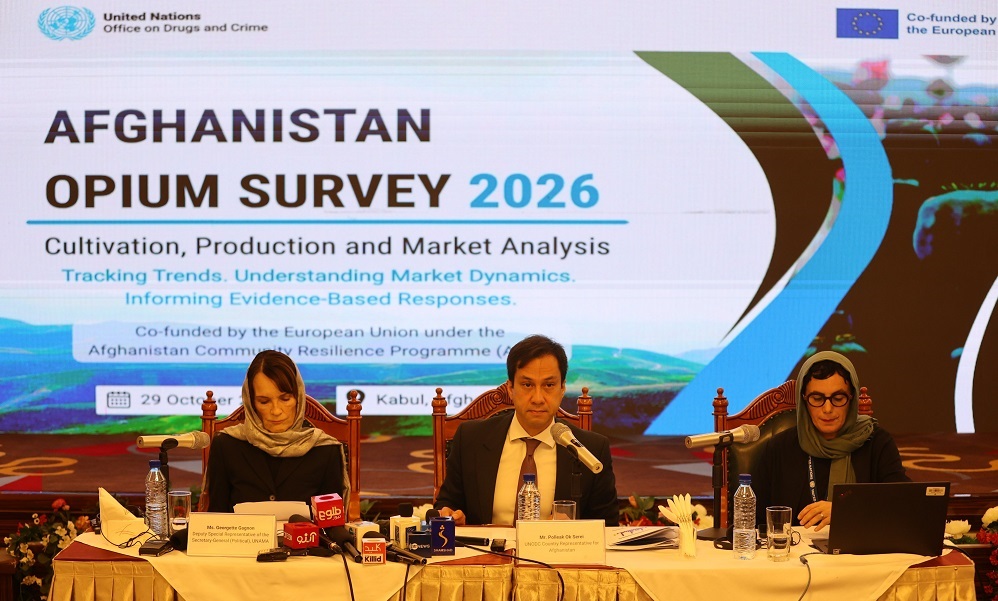
Afghanistan’s Ministry of Interior has rejected a United Nations report estimating that opium poppy cultivation in the country more than quadrupled in 2026, arguing that the findings contradict its official data and field evidence.
Abdul Mateen Qani, the ministry’s spokesperson, said the UN report had failed to accurately reflect conditions on the ground and overlooked the Islamic Emirate’s efforts to eradicate narcotics-producing crops.
According to the latest report by the United Nations Office on Drugs and Crime (UNODC), opium poppy cultivation in Afghanistan reached an estimated 43,300 hectares this year, up more than fourfold from 2025. Opium production also increased from around 300 metric tons to approximately 1,500 metric tons.
Despite the sharp rise, cultivation remains well below the 2021 level, when about 177,000 hectares of land were used to grow opium poppies.
The report also noted that IEA forces cleared more than 26,000 hectares of land in poppy-growing provinces of narcotics-producing plants this year.
The Interior Ministry said in a statement that satellite imagery and estimates alone cannot provide a sufficient basis for definitive conclusions unless eradication operations and field evidence are also taken into account. It also questioned the use of unofficial information in calculating cultivation and production figures.
The ministry called on the UNODC to ensure that its assessments accurately reflect conditions on the ground, while emphasizing that sustained efforts to combat narcotics require more than law enforcement.
It said support for farmers, the development of alternative livelihoods, the expansion of legal agriculture and treatment for people with drug addiction were also essential to tackling the problem.
The ministry urged international organizations to support Afghanistan’s anti-narcotics efforts through what it described as accurate assessments and practical cooperation.


Japan welcomes decline in Afghanistan’s poppy cultivation, calls for sustained anti-drug efforts
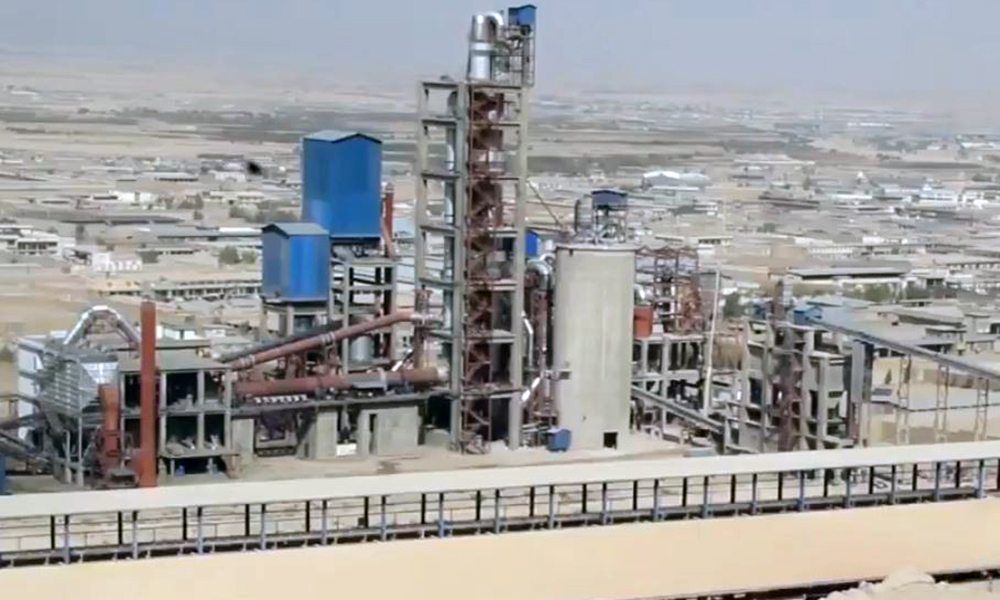
Afghanistan inaugurates first phase of Kandahar cement factory

Rashid Khan makes history as first-ever bowler to claim 200 T20I wickets
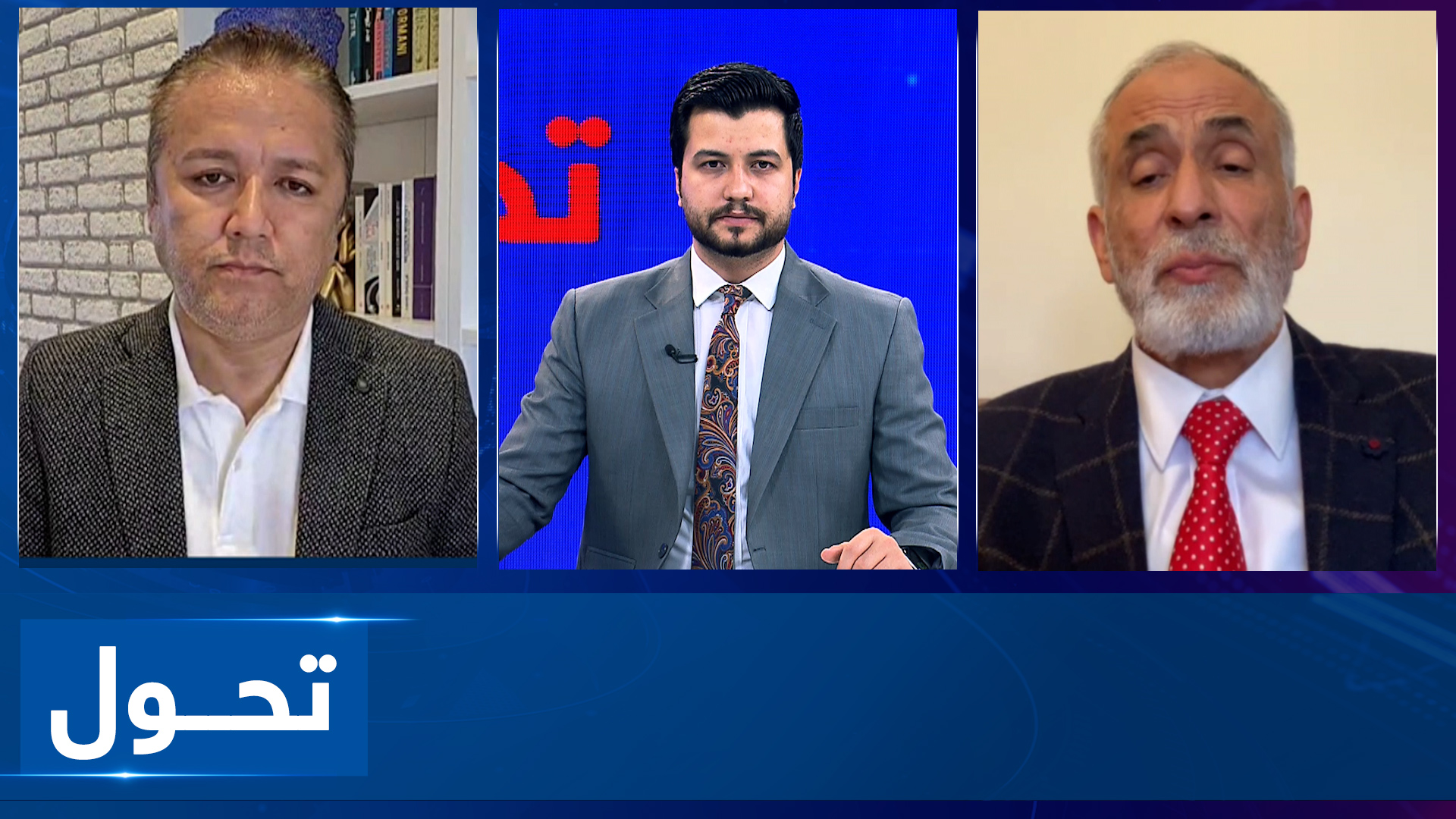
Tahawol: Pashto as bridge to Kabul–Islamabad reconciliation discussed
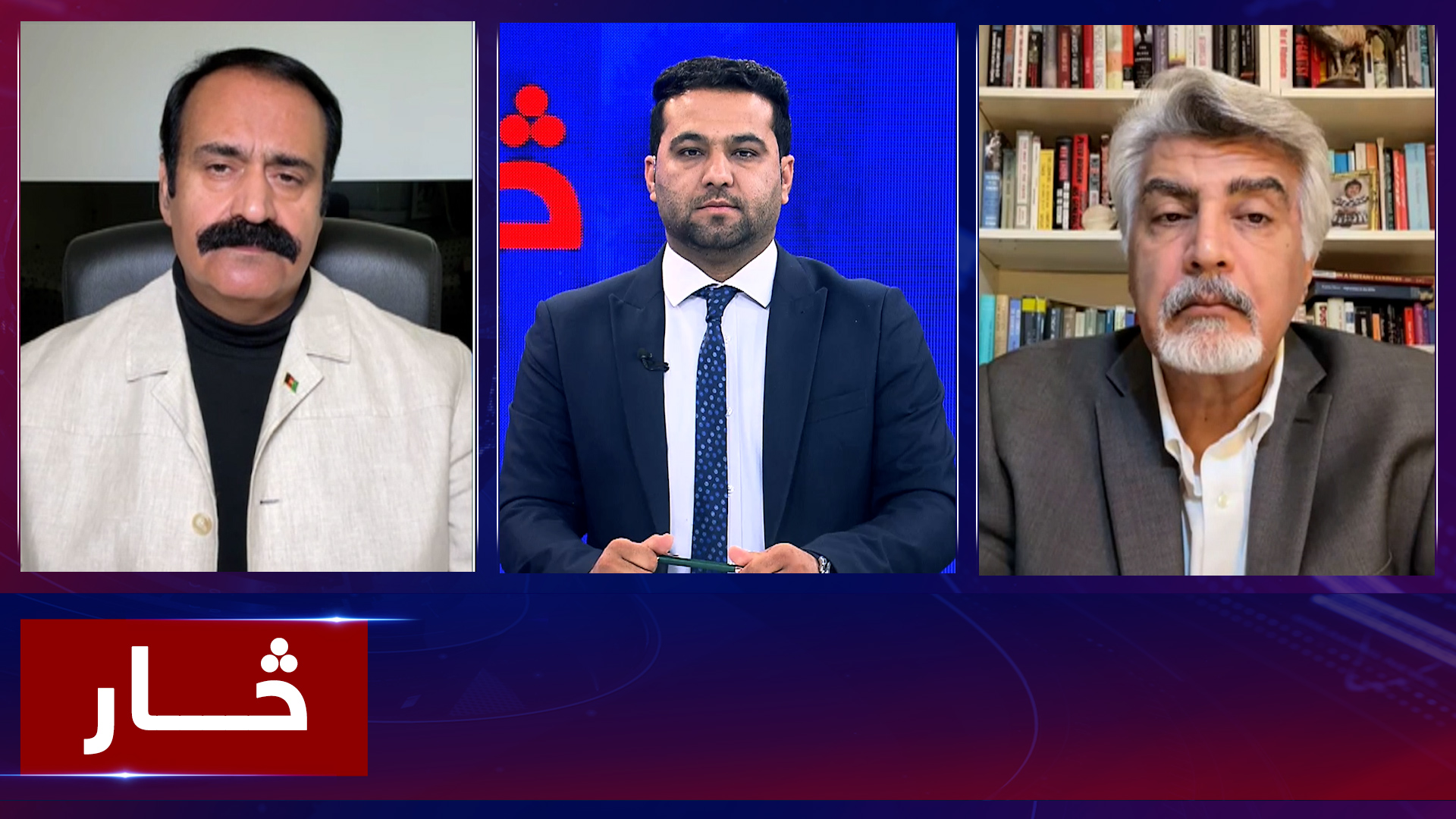
Saar: Regional coalition against Israel-US discussed

Cricket Bonanza: Afghanistan set for packed international schedule

ACB announces Afghanistan squads for Bangladesh, Zimbabwe series

Afghanistan to face Pakistan, India and Australia at 2027 Cricket World Cup

Four members of one family killed in Helmand in Pakistan airstrike

Afghanistan finish runners-up after 6-0 defeat to Brazil in futsal final
Saar: Regional coalition against Israel-US discussed
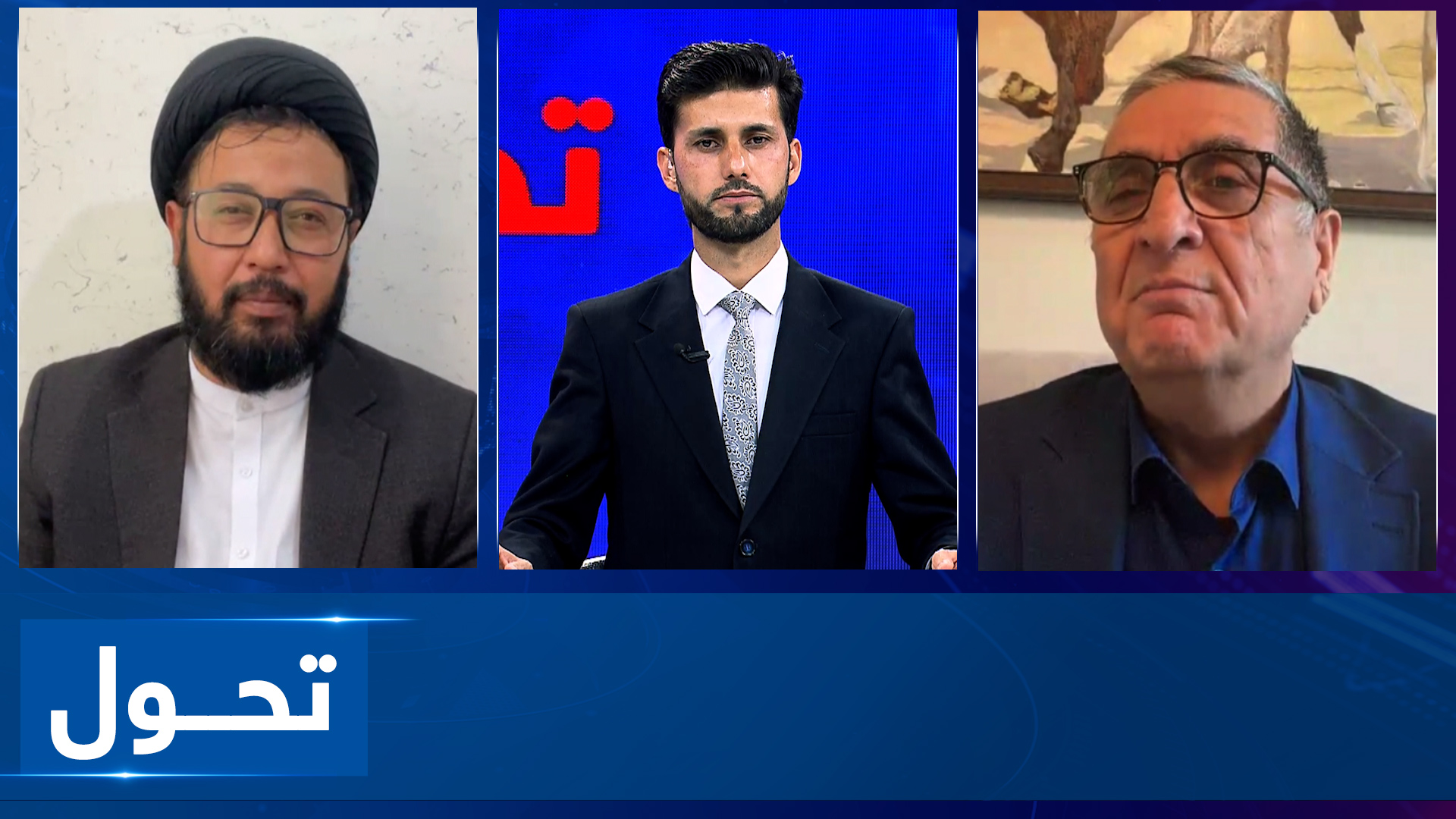
Tahawol: Interest in joining pro-Russian forces discussed
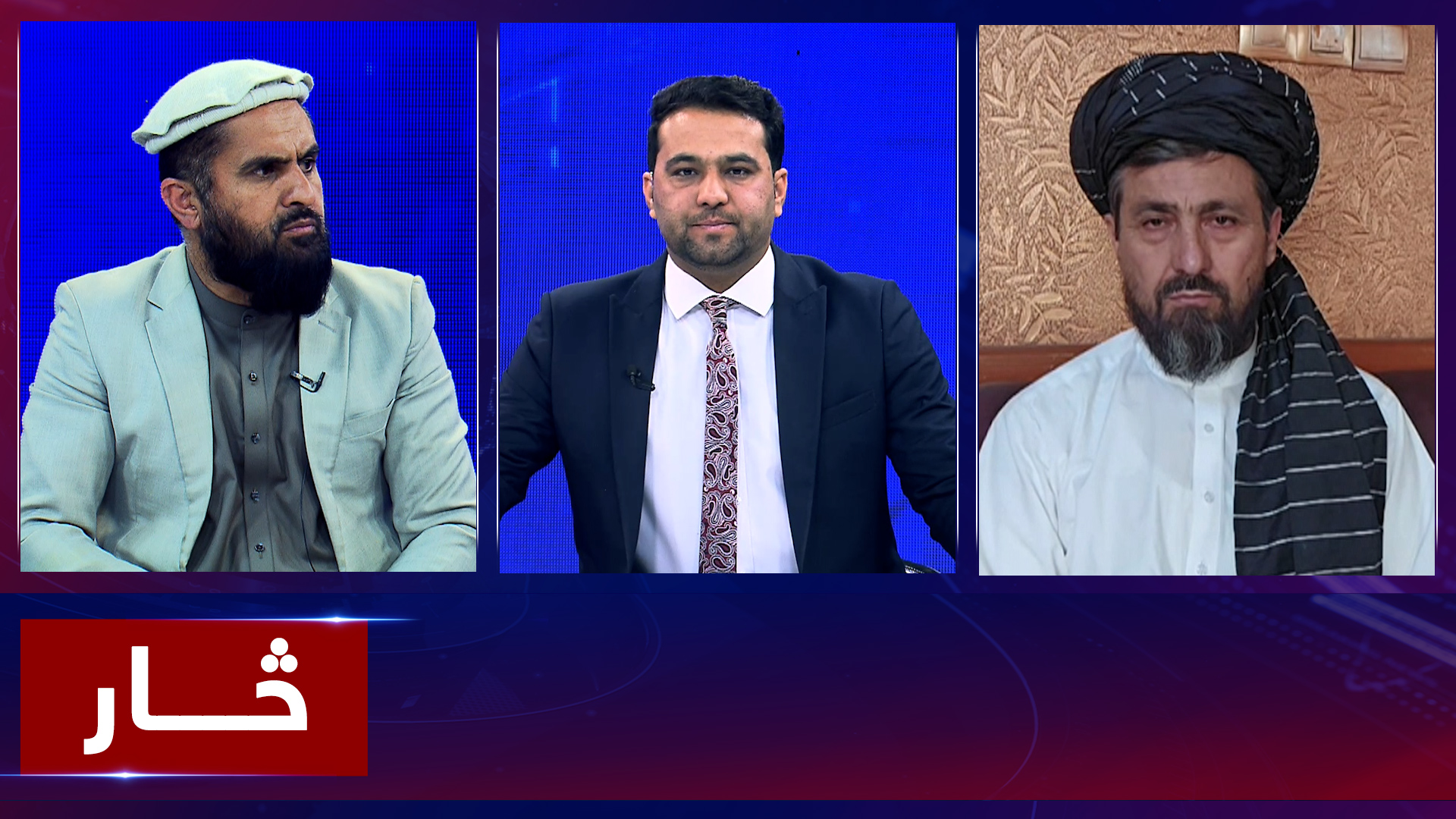
Saar: Refugee returns to Afghanistan ahead of winter discussed

Tahawol: Emphasis on security cooperation at Tehran talks discussed
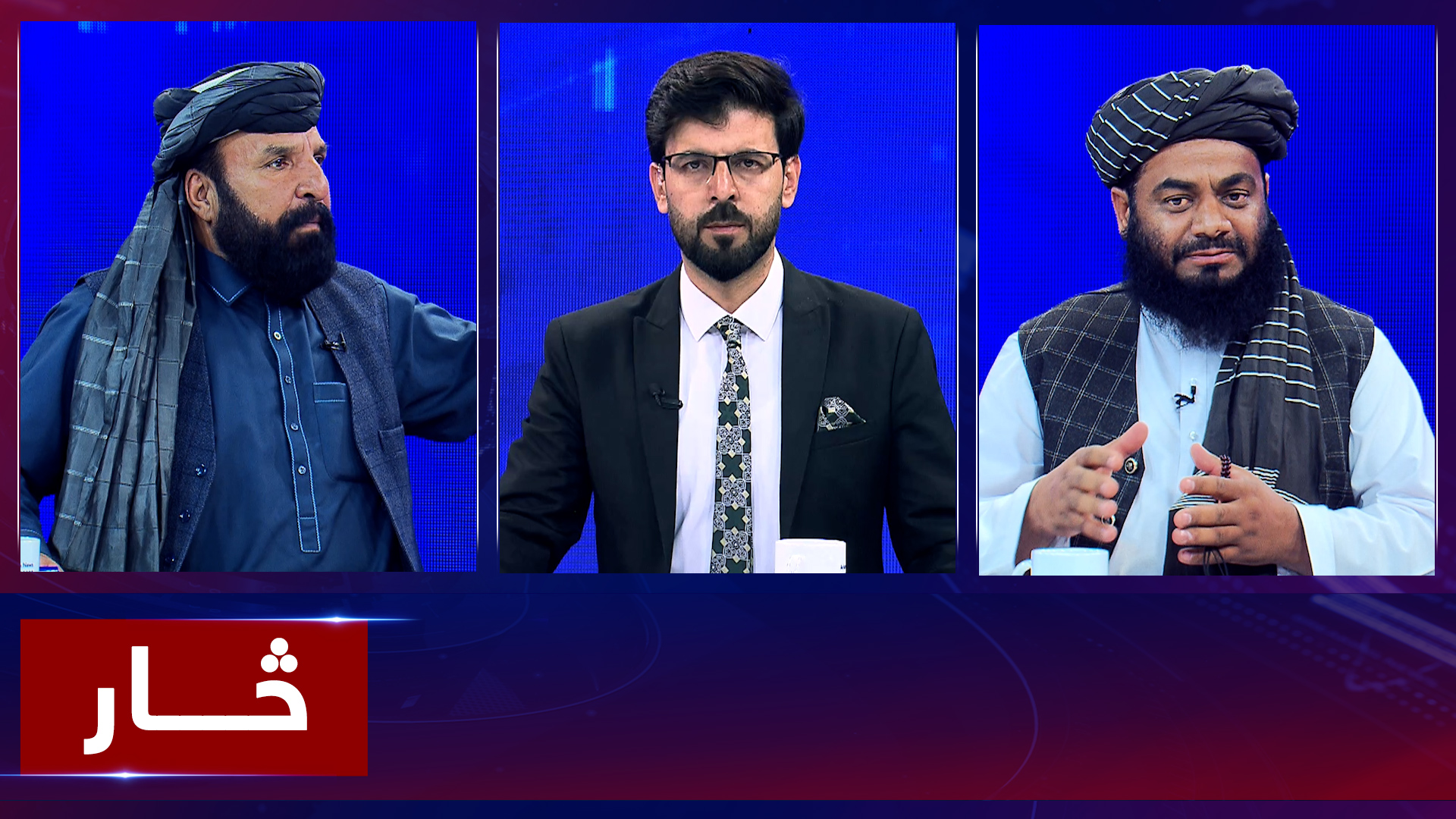
Saar: Pakistan threatening strikes on Afghanistan
-
 Sport3 days ago
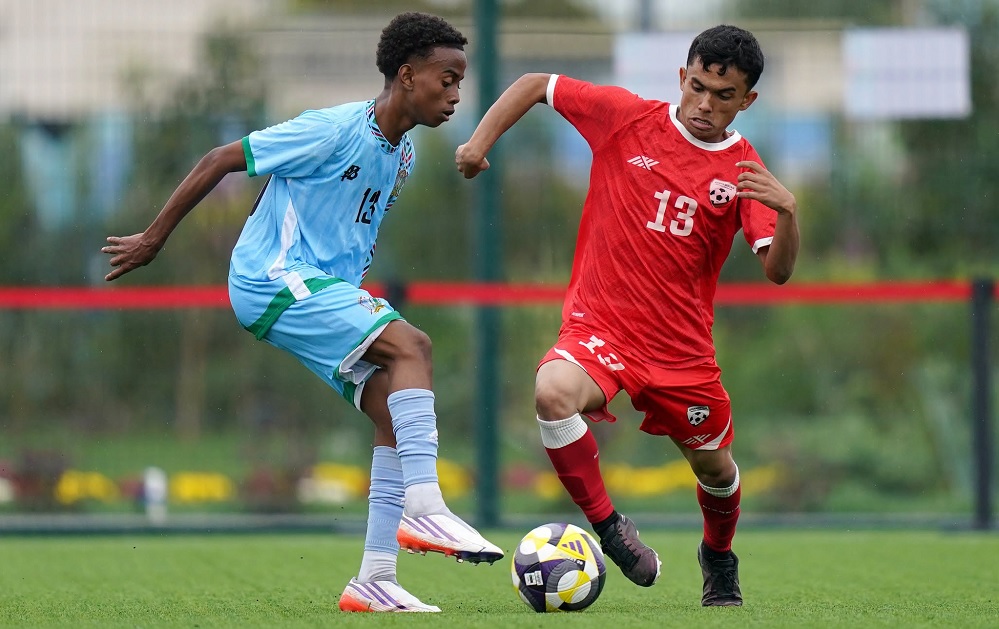
Afghanistan advance to Tier C at FIFA U-15 World Cup and Festival
-
 Regional4 days ago
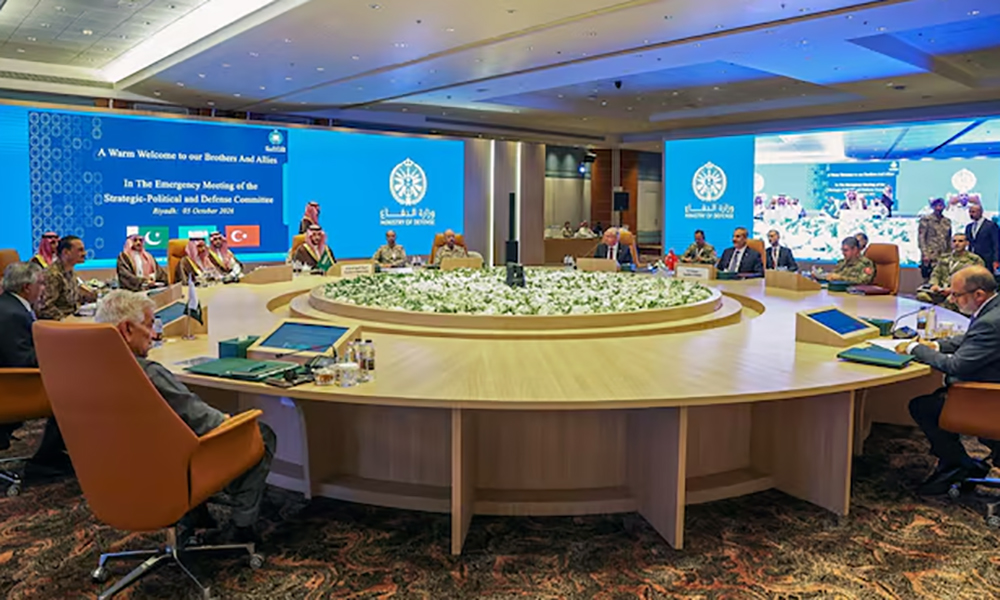
Officials from Mecca pact countries to meet Iranian officials in Tehran
-
 International Sports5 days ago
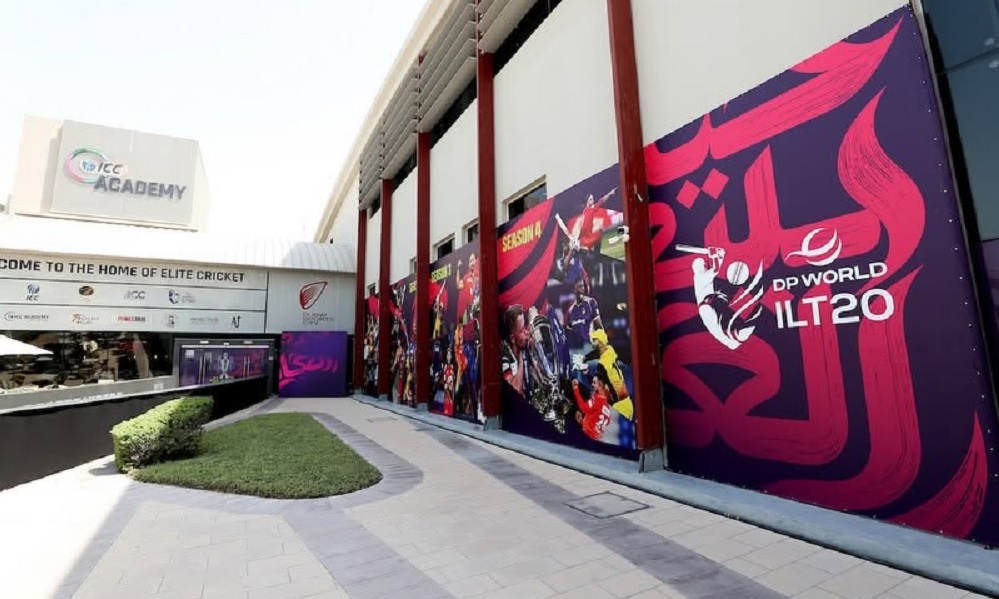
ATN secures exclusive rights to broadcast ILT20 Season 5 in Afghanistan
-
 World5 days ago
Four ways US foreign policy could change if Democrats win in November
-
 Climate Change4 days ago
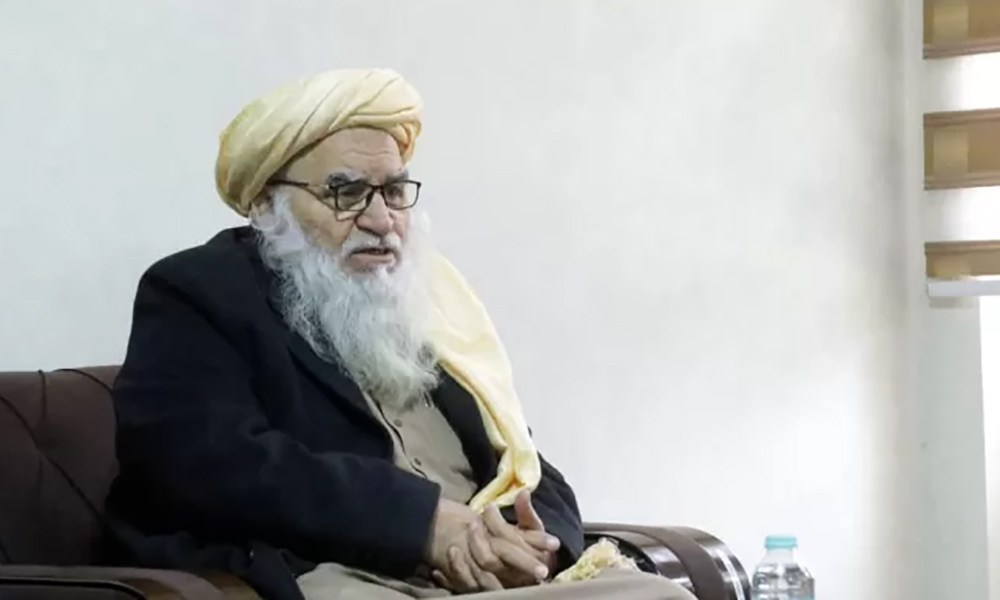
Afghanistan’s environmental protection chief travels to Malaysia for global education conference
-
 World4 days ago
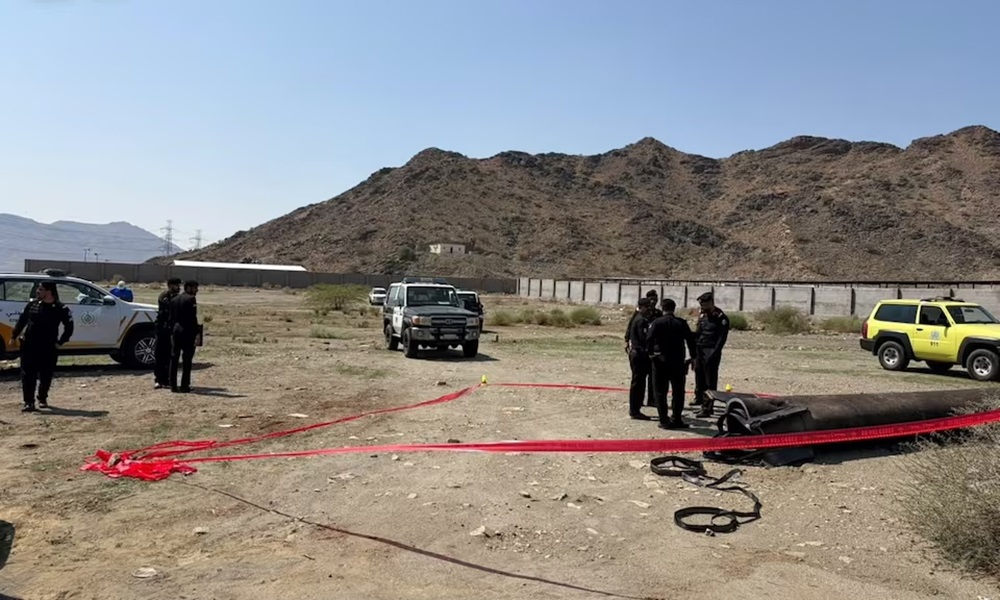
Houthis say they attacked Saudi oil pumping stations, Riyadh airport as fighting intensifies
-
 Regional3 days ago
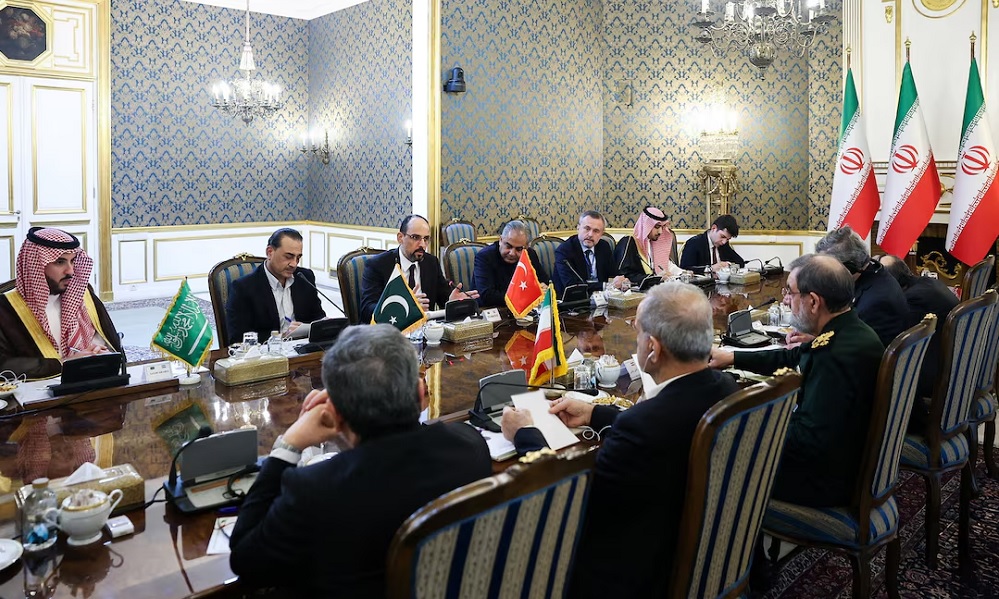
Saudi defence pact countries push for peace in Tehran as Houthis launch more attacks
-
 Latest News5 days ago
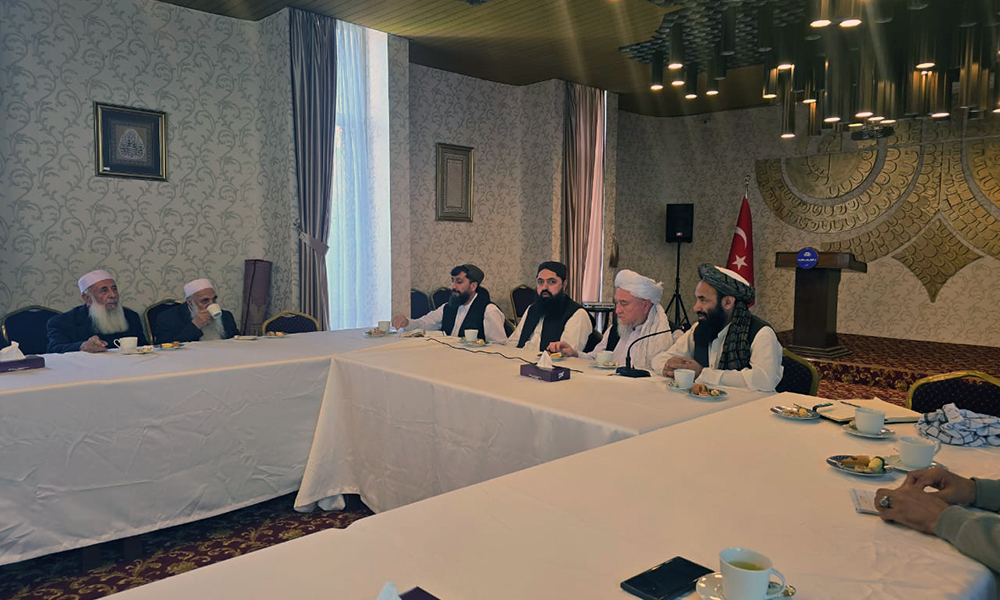
Afghan migrants in Türkiye seek solutions to residency and consular challenges