
Latest News
US announces more than $266 million in new Afghanistan aid

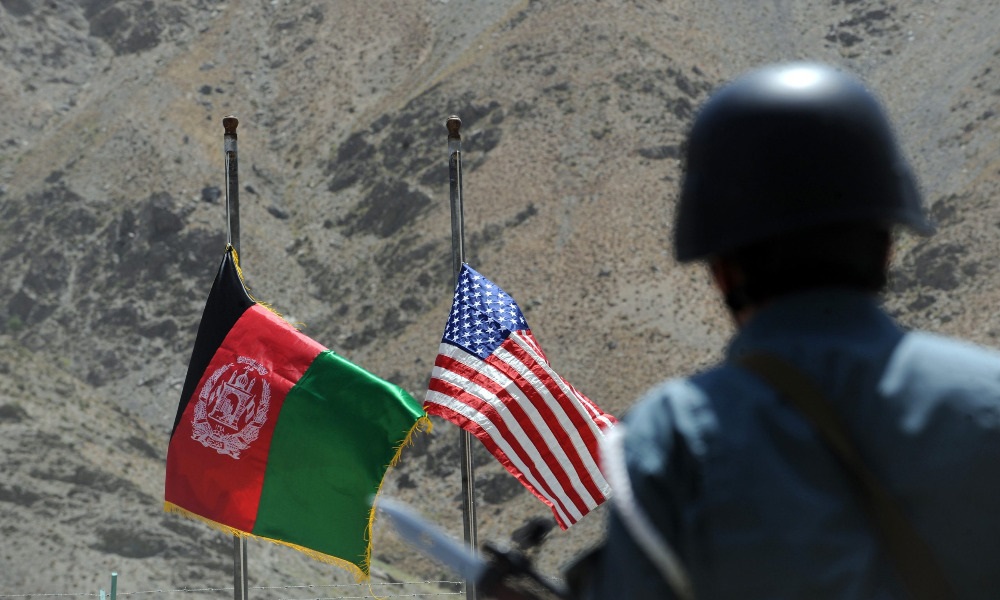
With the U.S. troop withdrawal well underway, the United States on Friday announced more than $266 million in new humanitarian aid for Afghanistan as part of what it called an enduring U.S. commitment to the war-torn country.
The announcement comes amid unrelenting violence and a stalled peace process that are fueling fears that the departure of U.S.-led international forces is putting Afghanistan on a path to all-out civil war that could restore Taliban rule two decades after the Islamists were driven from power.
Officials of the administration of U.S. President Joe Biden, who ordered an end to the 20-year U.S. troop presence by Sept. 11, have vowed to continue U.S. military and civilian aid to Kabul. But they warned it could be suspended if there is backtracking on progress made in human rights, especially those of women and girls.
“As the United States withdraws military forces from Afghanistan, our enduring commitment is clear. We remain engaged through our full diplomatic, economic, and assistance toolkit to support the peaceful, stable future the Afghan people want and deserve,” the State Department said in a statement.
The $266 million in new assistance brings to nearly $3.9 billion the total amount of such aid provided by the United States since 2002, the statement said.
The funds will help support some of the estimated 18 million Afghans in need, including more than 4.8 million who are internally displaced, 115,000 of whom have been driven from their homes by fighting this year alone, it said.
The funds, it continued, will go to providing shelter, job opportunities, basic healthcare, emergency food, water, sanitation, and hygienic services in response to the COVID-19 pandemic.
It also will support protection programs for “the most vulnerable Afghans,” including women and girls “facing particular risks, including gender-based violence,” it said.



Latest News
Khalilzad calls for end to Pakistan’s ‘double game’, urges new chapter with Afghanistan
“Playing this double game must stop,” Khalilzad wrote, adding that it was time for Afghanistan and Pakistan to “turn a new page.”
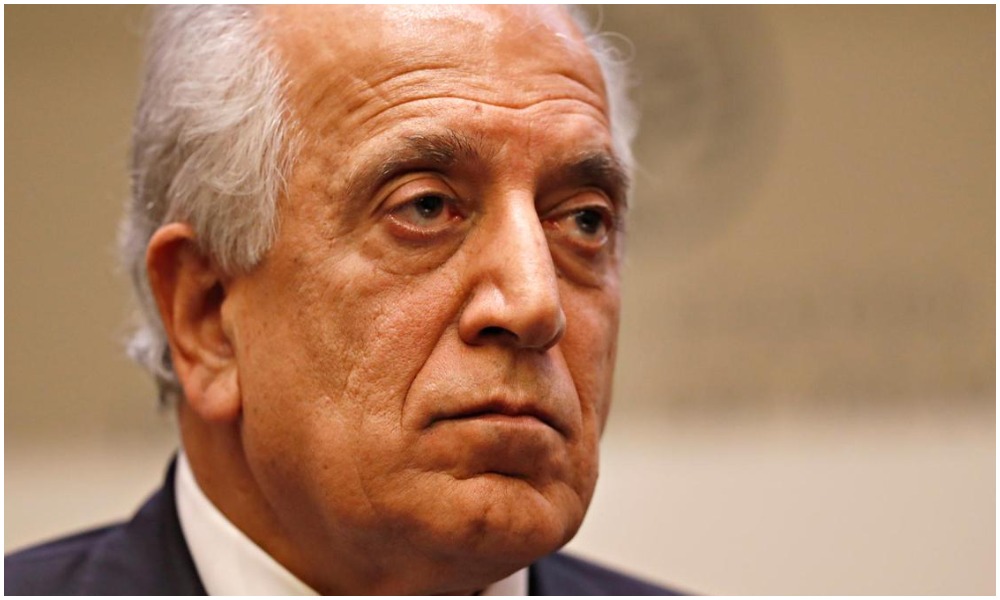
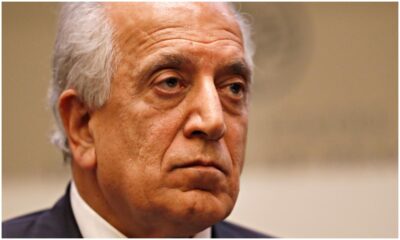
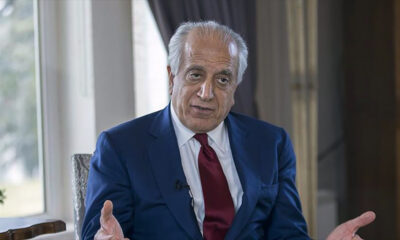
Former U.S. Special Representative for Afghanistan Reconciliation Zalmay Khalilzad has called for an end to what he described as Pakistan’s “double game” over its alleged support for militant groups operating in Afghanistan, urging the two neighbouring countries to open a new chapter in their relations.
In a post on X, Khalilzad said he believed the past 30 years had demonstrated a significant gap between Pakistan’s public statements and its actions regarding armed groups involved in fighting in Afghanistan.
Referring to the period of the U.S. military presence in Afghanistan, Khalilzad alleged that Pakistan provided sanctuary and support to militants fighting U.S. and Afghan forces while publicly denying doing so.
“Playing this double game must stop,” Khalilzad wrote, adding that it was time for Afghanistan and Pakistan to “turn a new page.”
He called for greater economic cooperation and development between the two countries and said they should agree not to allow their respective territories to be used to threaten each other’s security.
Khalilzad’s comments come amid renewed tensions between Kabul and Islamabad over cross-border militancy and security allegations.
Pakistan has repeatedly accused the Islamic Emirate of Afghanistan of allowing Tehreek-e-Taliban Pakistan (TTP) and other militant groups to operate from Afghan territory. Kabul has denied providing sanctuary to groups planning attacks against Pakistan.
The dispute has increasingly spilled into military confrontation. Pakistan carried out airstrikes in Afghanistan on September 21, saying it had targeted militant positions, while Afghan officials and the United Nations said three civilians, including a woman and a girl, were killed. Pakistan said the strikes killed 28 militants.
Islamabad has also continued to accuse Kabul of failing to prevent attacks originating from Afghan territory. Pakistani authorities have said their military actions are carried out in response to security threats and in self-defence.
Pakistan, meanwhile, has rejected recent Afghan allegations that its security forces or intelligence agencies were involved in violence in Afghanistan’s Nuristan province, calling the claims baseless.
Against this backdrop, Khalilzad said improved relations should focus on economic cooperation, development and mutual security guarantees, with neither country allowing its territory to be used against the other.
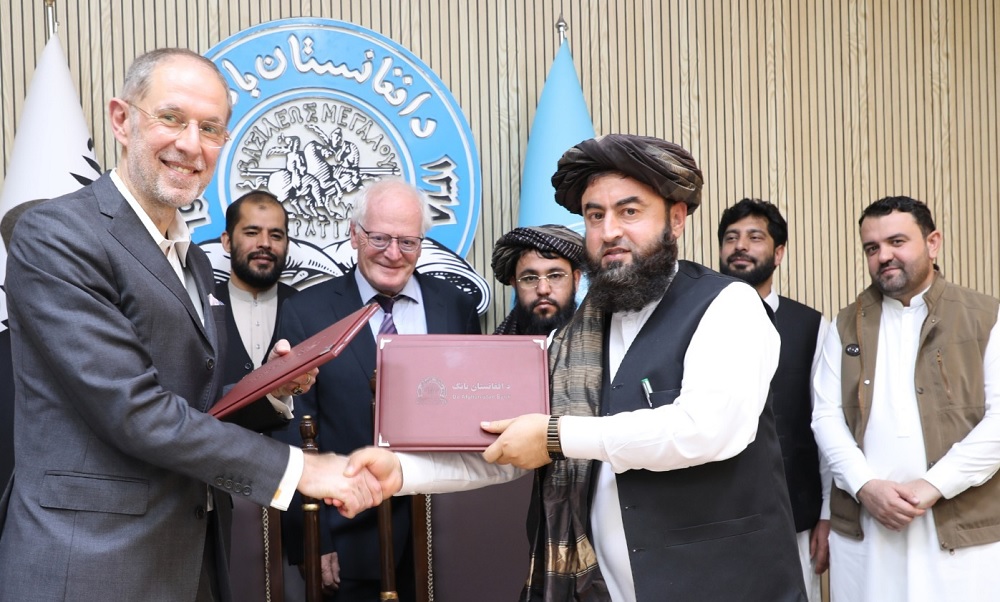
Da Afghanistan Bank (DAB) and the Afghan Credit Guarantee Foundation (ACGF) have signed a cooperationmemorandum of understanding (MoU) aimed at strengthening the financial sector and expanding access to financial resources for small, medium and large businesses.
The agreement was signed during a ceremony at the DAB Supreme Council Hall, where DAB First Deputy Governor Sediqullah Khalid said such agreements create opportunities to provide suitable and diverse Islamic financial services to citizens and expand access to financing for small and medium-sized enterprises.
Khalid said that under the agreement, banks and financial institutions will initially receive technical and professional support. He added that five banks and one microfinance institution will receive grants worth around $1 million in the first phase to support financing for small and medium-sized businesses.
He said other banks and financial institutions that meet the required criteria would benefit from the grants and related facilities in later phases.
Khalid also said that attention would be given to facilitating the creation and financing of small businesses for Afghans returning from other countries.
Under the agreement, the two sides will cooperate on strengthening the financial sector, expanding access to financial resources for businesses, promoting Islamic financial services and building the capacity of financial institutions.
Technical and professional assistance, training programs and capacity-building opportunities will also be provided to banking and non-banking financial institutions.
Roger Thomas Piltzer, chairman of the ACGF Board of Trustees, also welcomed the agreement and stressed the importance of continuing and expanding cooperation with Da Afghanistan Bank.
The agreement aims to establish a framework for cooperation between the two sides to strengthen Afghanistan’s financial sector, expand access to Islamic financial services and provide financial resources for small and medium-sized businesses.
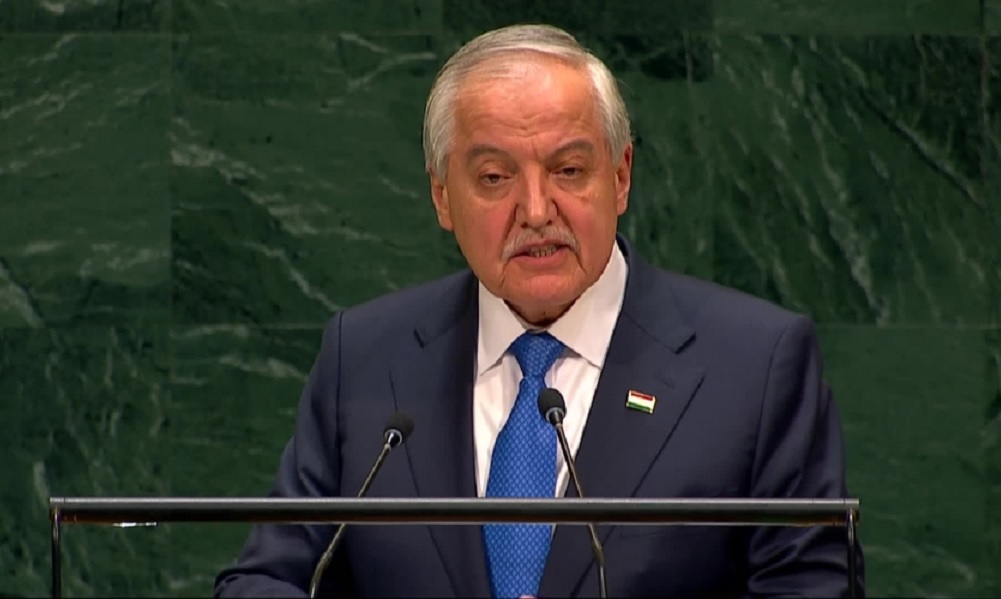
Tajikistan has reaffirmed its support for the Afghan people, stressing that peace, stability and economic opportunities in Afghanistan are closely linked to security and sustainable development in the region.
Speaking at the 81st session of the United Nations General Assembly in New York on Saturday, Tajik Foreign Minister Sirodjiddin Muhriddin said lasting security and sustainable development in the region are closely connected to the situation in Afghanistan.
“Afghanistan needs peace, stability and economic opportunity,” Muhriddin said.
He added that Tajikistan would continue to support the Afghan people and constructive regional cooperation aimed at achieving a peaceful and stable Afghanistan.
“When Tajikistan speaks about peace, we also speak from experience,” Muhriddin said.


Health minister visits Belarus to expand medical cooperation

Afghanistan vs India Asian Games quarter-final abandoned without a toss

Afghanistan raises import tariffs on several goods to support domestic industry

Khalilzad calls for end to Pakistan’s ‘double game’, urges new chapter with Afghanistan

Afghanistan-Kazakhstan trade reaches $581 million in six months

Saudi energy group signs major Afghanistan deals covering gas exploration and pipeline plans

Trump floats idea of renaming Atlantic or Pacific Ocean

Nepal flood rescue mission enters critical phase as thousands remain missing

Iranian clubs to face Gulf opponents at neutral venues in Asian Champions League Elite

Khalilzad: Afghanistan ready to attract major investment

Saar: Afghanistan’s image at UNGA

Saar: Concerns over Pakistan’s political crisis discussed

Exclusive interview with Abdul Latif Mansoor, Minister of MRRD

Tawsia: Overview of Afghanistan’s iron mines

Tahawol: Discussion on fresh Pakistani airstrikes on Afghanistan
-

 Latest News5 days ago
Ariana Afghan Airlines ranks seventh among 45 Central Asian airlines
-

 Regional4 days ago
Iran airlines cancel flights as US sanctions hit
-

 Sport4 days ago
Afghanistan open Asian Games cricket campaign with win over Japan
-
 World4 days ago
Trump welcomes Chinese President Xi as US-China summit gets underway
-

 Latest News1 day ago
Afghanistan says 28 killed, 32 captured in Nuristan operation
-
 World1 day ago
Trump rejects Iranian proposal to open Hormuz and end fighting
-
 Latest News4 days ago
Khalilzad warns Pakistan-Afghanistan tensions likely to worsen after fresh airstrikes
-

 Sport1 day ago
Afghan bodybuilder Ali Bilal finishes runner-up at Mr Olympia for third straight year