
Latest News
WFP sounds alarm over global food crisis, including Afghanistan

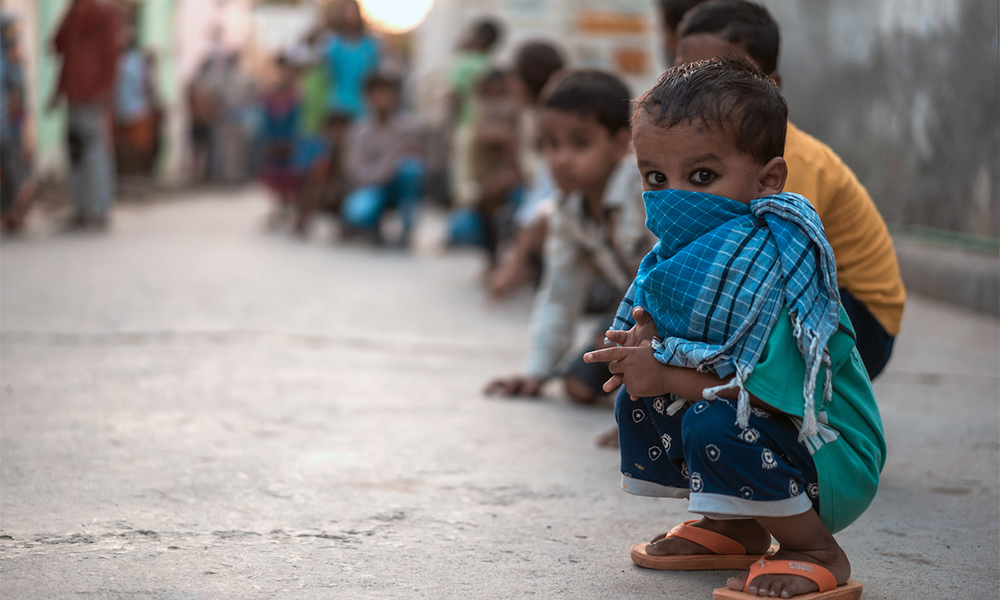
A record-high number of people across six countries are either already starving or on the brink of disaster, a new report warned this week.
The latest Hunger Hotspots report, produced by the World Food Programme (WFP) and the Food and Agriculture Organization of the United Nations (FAO), reveals that Afghanistan, Ethiopia, Nigeria, South Sudan, Somalia, and Yemen remain at the ‘highest alert’ as hotspots alone account for almost a million people facing catastrophic levels of hunger.
The report calls for urgent humanitarian action for 19 hunger hotspots in total, to prevent huge loss of life between October 2022 and January 2023.
It lays out country-specific recommendations for action – short-term protective measures in advance of new humanitarian needs materializing, and emergency response to address the current situation.
According to the report, in Afghanistan, the severity of food insecurity suggests that significant loss of life may already be occurring in the outlook period, as nearly 6 million people are expected to be in Emergency conditions by November.
After this, the risk of extreme food insecurity and significant loss of life will likely grow as another harsh winter coincides with the lean season.
The report stated that one of the driving forces behind the crisis was the ongoing La Niña weather event, which has been recurring since late 2020, and is expected to continue through December 2022 before transitioning to El Niño.
This La Niña event will continue to negatively impact agricultural activities, causing crop and livestock losses in many parts of the world including Afghanistan, Western and Eastern Africa, and the Syrian Arab Republic.
In Afghanistan, the ongoing La Niña is likely to result in below‑average rainfall during the upcoming September to February period, coinciding with the wheat‑planting and mid‑growing season.
In addition, expected warmer‑than‑average temperatures and a potential low snowpack in winter could reduce water availability for irrigation, the report stated.
This will come on top of two consecutive dry seasons since late 2020.
The report stated the economic contraction that followed the collapse of the former government, coupled with the impact of below‑average harvests, is increasing levels of hunger across the country.
WFP and FOA say concerns remain at the highest level for Afghanistan, as the country is also dealing with the effects of a deep economic crisis, exacerbated by increasing food, fuel and agricultural input prices, the freeze of Afghan assets and very high levels of accumulated household debt.
However, the report states that decreased conflict levels in Afghanistan have slightly improved the access of humanitarian organizations to people in need, but the presence of landmines, improvised explosive devices and explosive remnants of war, operatio all challenges, and poor infrastructure continue to constrain humanitarian access.




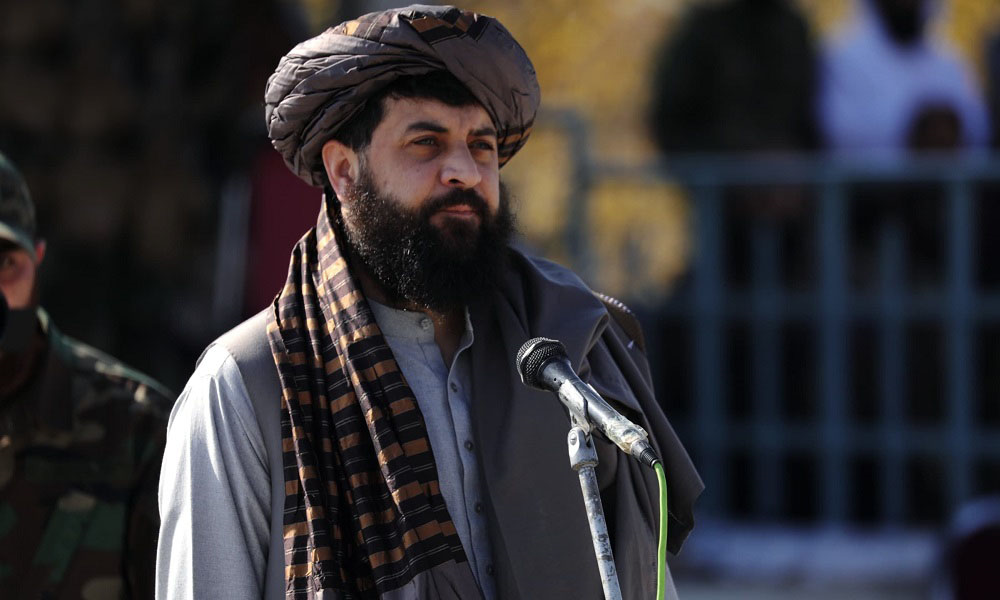
Mohammad Yaqoob Mujahid, the Minister of Defense of the Islamic Emirate, says that Afghanistan currently has a unified central government, and that no groups engaging in destructive activities are present in the country. He added that they will not allow anyone to undermine the country’s security.
According to a statement issued by the Ministry of Defense, Mujahid made these remarks at a graduation ceremony for commandos of the Special Forces Division. The ceremony was attended by Khalifa Sirajuddin Haqqani, the Minister of Interior; several cabinet ministers; foreign ambassadors and military attachés; special representatives; and a number of officials and military personnel.
Addressing the commandos, Yaqoob Mujahid said: “In the service you perform, make the pleasure of Almighty Allah your sole intention, because Almighty Allah will reward you for such an intention in this world and the hereafter. There is now a unified central government in the country, and no groups engaging in destructive activities are present. We will also not allow anyone to undermine security.”
He also added: “I assure our people that these forces will defend the lives, property, and territory of their beloved country with full courage and wisdom. I tell all foreign countries that Afghanistan is now secure, and there is no enemy in this country, whether from within or outside, that poses a threat to others.”
At the ceremony, Khalifa Sirajuddin Haqqani also said: “For half a century, Afghanistan did not have an independent army. However, now, it has an organized army and other security forces. You are not a ceremonial army, nor do you operate to serve the interests of others; rather, you are an organized and independent army. Although we may be materially weak, we are stronger than others in terms of morale and spirituality. We must maintain high morale, avoid acting emotionally in military affairs, and respond to the enemy at the appropriate time. We are not a threat to anyone; rather, we are defenders of our own land.”
It is worth noting that 1,000 young commandos of the Special Forces Division of the Ministry of Defense graduated from the eighth training course after completing six months of professional, ideological, and commando training.
During the ceremony, the graduating commandos, in cooperation with the Air Force, demonstrated coordinated practical and military exercises using various types of unmanned aircraft.
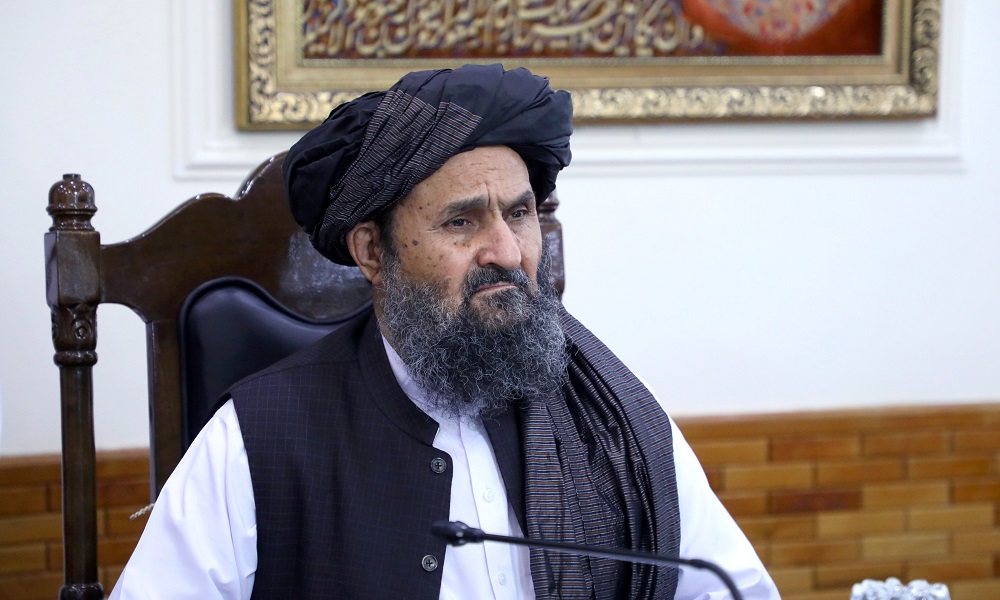
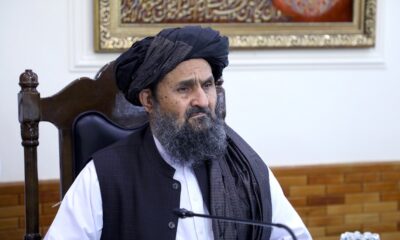
The action plan for establishing special economic zones across the country was approved on Wednesday by Mullah Abdul Ghani Baradar, Deputy Prime Minister for Economic Affairs.
According to a decree issued by the Supreme Leader of the Islamic Emirate, these special economic zones will be established in the provinces of Kabul, Balkh, Nangarhar, Kandahar, Herat, Paktia, and Kunduz.
Under the plan, the Ministry of Industry and Commerce, in cooperation with other relevant ministries and government agencies, will identify the land required for these zones, determine the necessary sectoral activities and services, and create the conditions needed to attract investment.
The establishment of these special economic zones is aimed at attracting new investments, achieving a relative balance between exports and imports, and expanding production activities in a suitable environment, paving the way for a new phase of economic development in the country.
Latest News
Russian deputy prime minister to visit Kabul with high-level economic delegation
The visit aims to strengthen economic and trade relations between Afghanistan and Russia, explore investment opportunities and discuss potential joint economic projects.

Russian Deputy Prime Minister Alexei Overchuk is scheduled to visit Kabul on Thursday, leading a high-level economic delegation, Afghanistan’s Ministry of Foreign Affairs has announced.
According to a statement by the ministry, the visit aims to strengthen economic and trade relations between Afghanistan and Russia, explore investment opportunities and discuss potential joint economic projects.
The visit is expected to provide an opportunity for officials from both countries to discuss ways of expanding bilateral economic cooperation and identifying new areas for trade and investment.
The ministry did not provide further details about the delegation’s programme or the specific projects expected to be discussed during the visit.

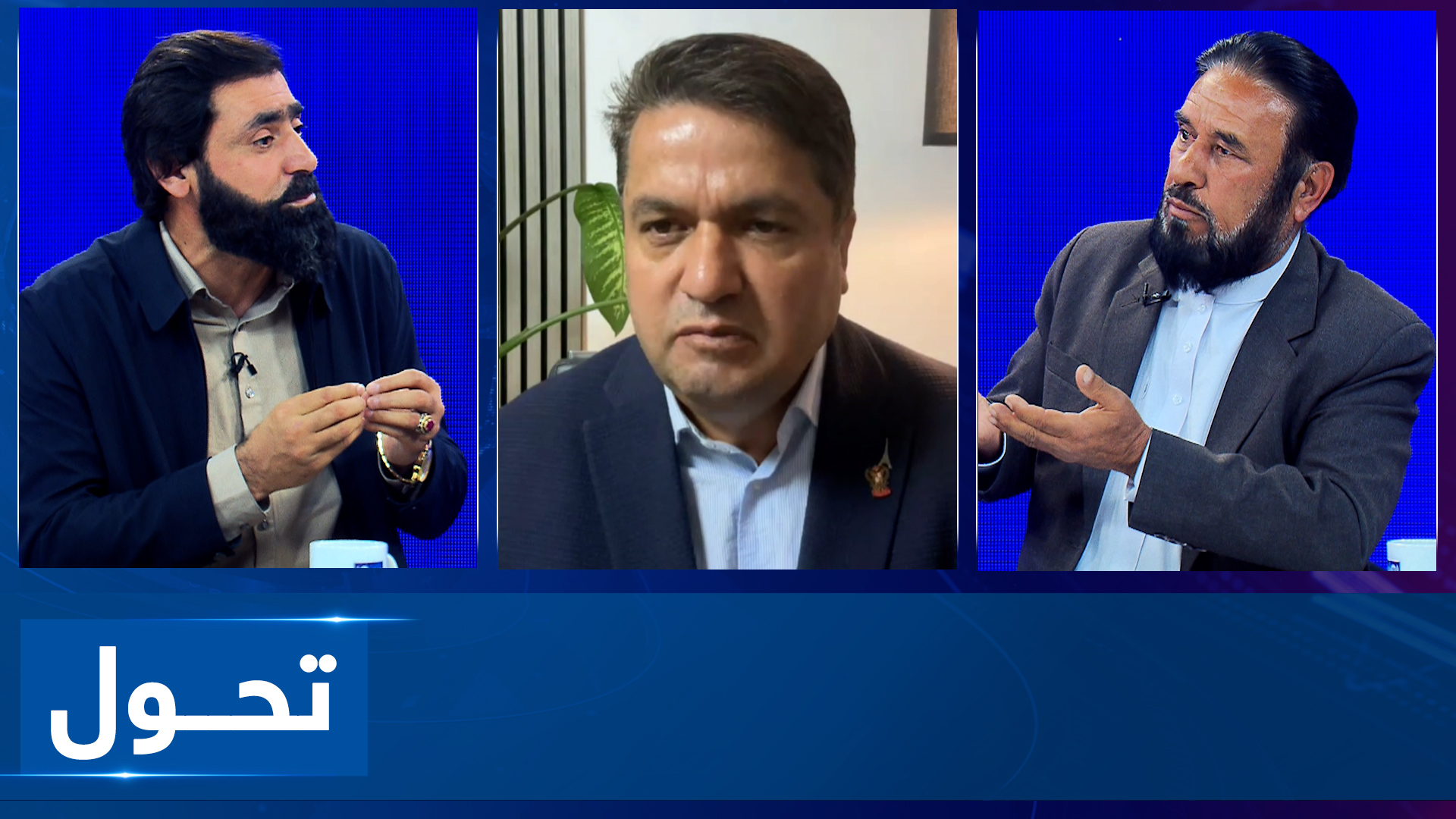
Tahawol: High-level Russian delegation’s visit to Kabul discussed
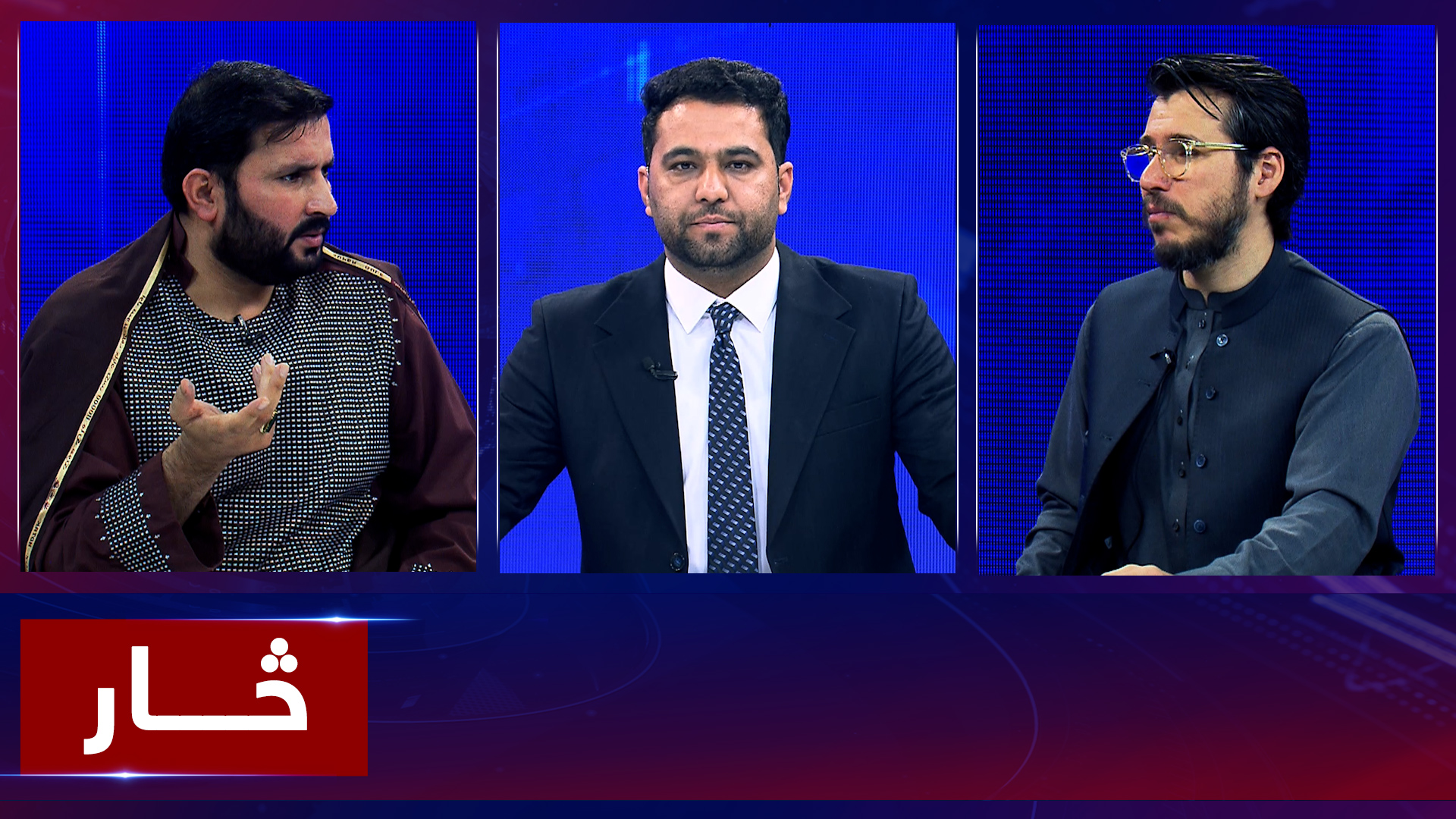
Saar: Afghanistan’s situation in focus at CSTO discussed

Abu Muslim Farah edge Arman FC with 1-0 victory in ACL match
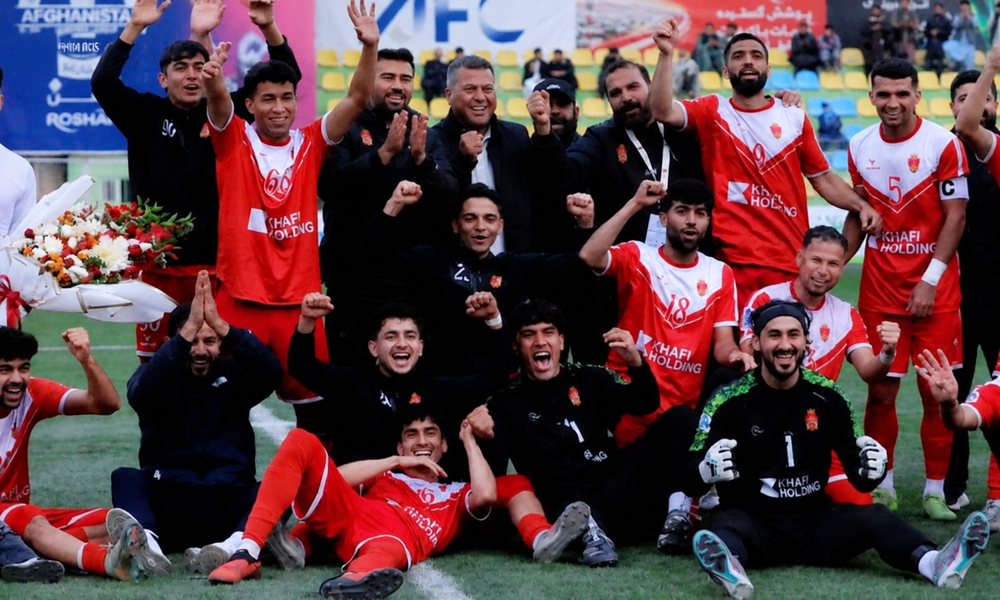
Sorkh Poshan Khafi secures ACL title with crushing 7-0 win over Khurasan Faryab
Afghanistan now has unified central government: IEA defense minister

Afghanistan finish runners-up after 6-0 defeat to Brazil in futsal final

Trump says US may strike Iran’s ‘Pickaxe Mountain’ nuclear facility

Afghan futsal coach: Brazil tournament is first step towards new goals and World Cup

Violent protests spread across Europe as Albanian PM blames ‘foreign hand’

Rubio heads to Central Asia while other US officials hit foreign policy hot spots
Tahawol: High-level Russian delegation’s visit to Kabul discussed
Saar: Afghanistan’s situation in focus at CSTO discussed
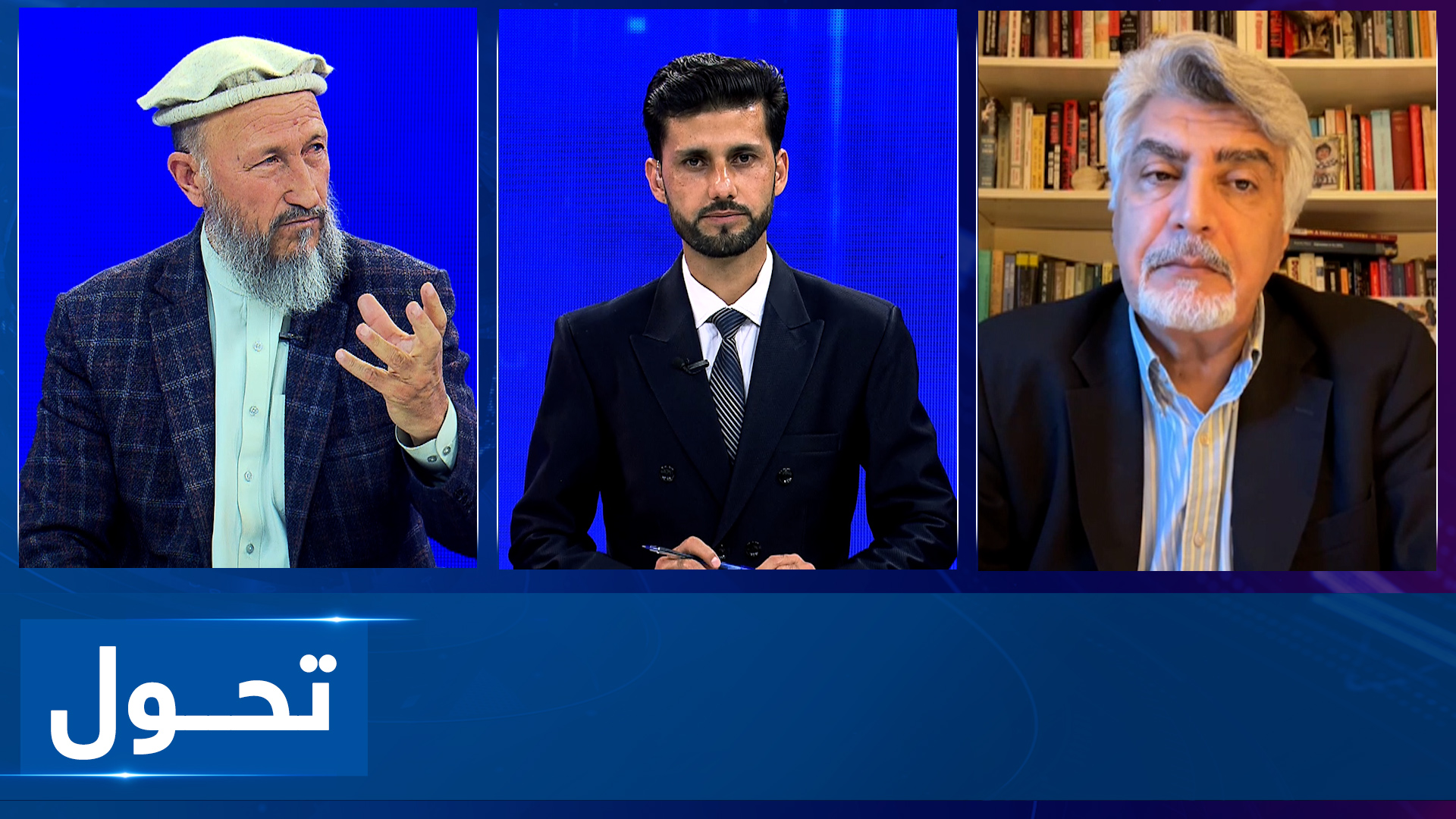
Tahawol: Efforts to halt deportation of Afghan refugees from US discussed
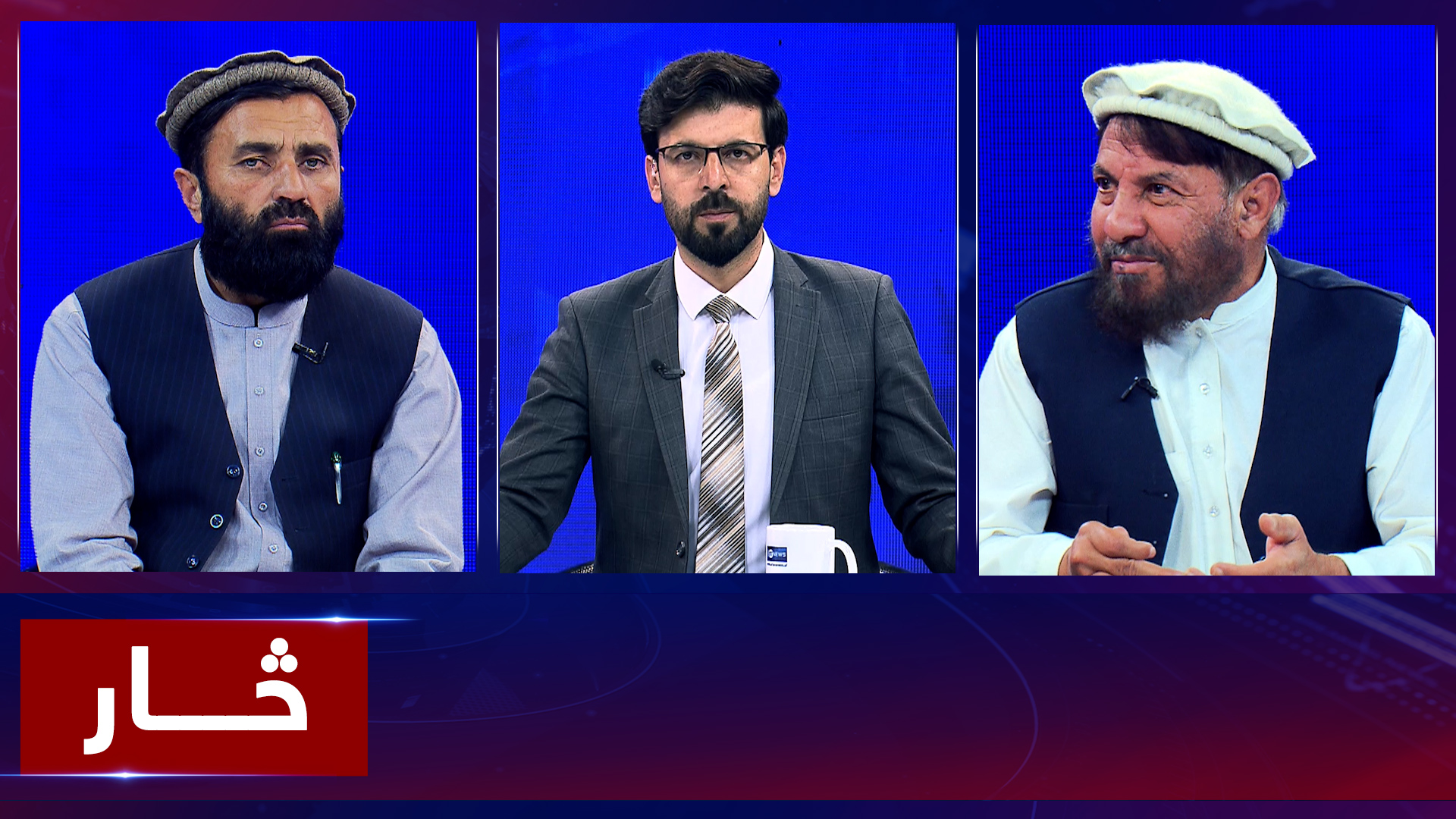
Saar: Russia’s stance on Afghanistan discussed

Trump says further US attacks on Iran ‘highly unlikely’ as peace talks gain momentum
-
 World3 days ago
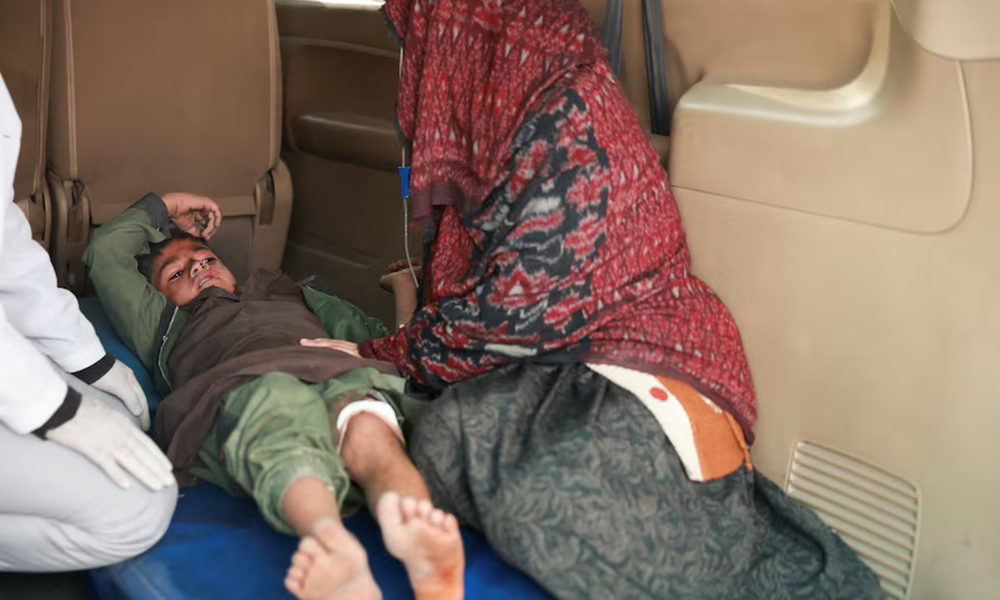
Houthi-run health ministry says airstrikes kill 33 near Yemen capital
-
 Sport3 days ago
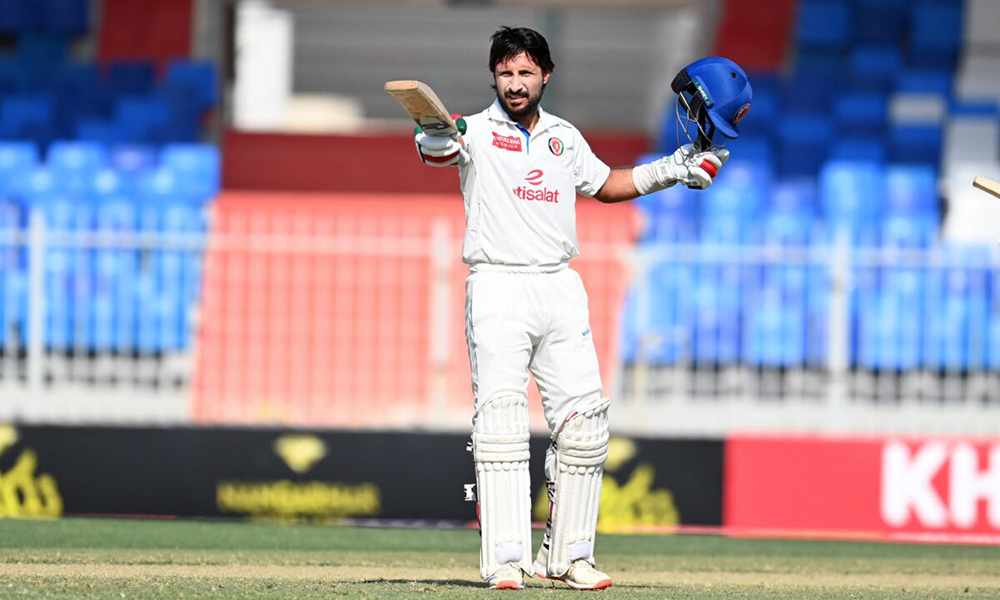
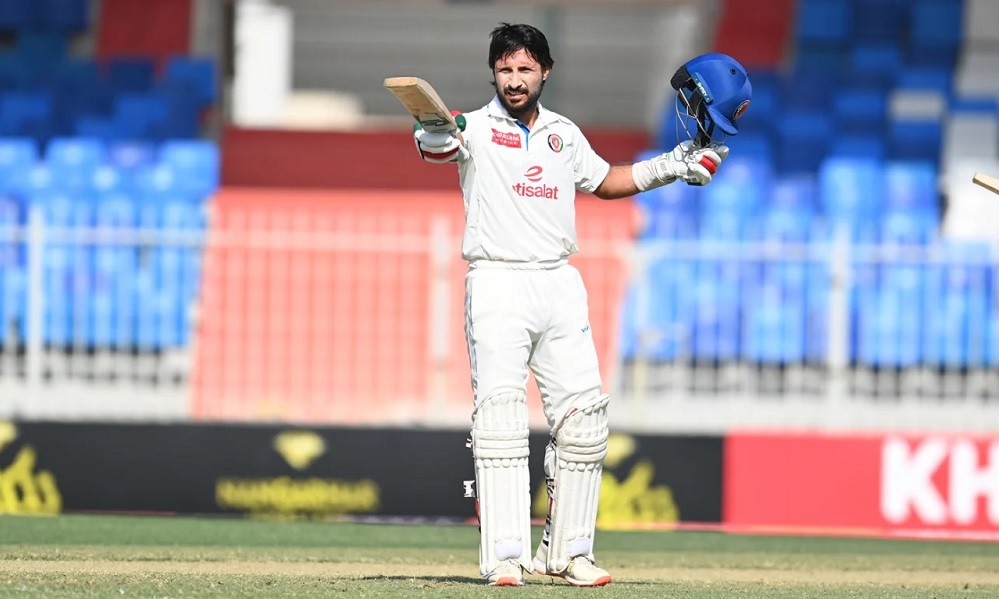
Afghanistan’s record partnership highlights fourth day of Test against Zimbabwe
-
 Sport4 days ago
Toofan Herat defeat Arman FC 2–0 in Afghanistan Champions League
-
 Sport3 days ago
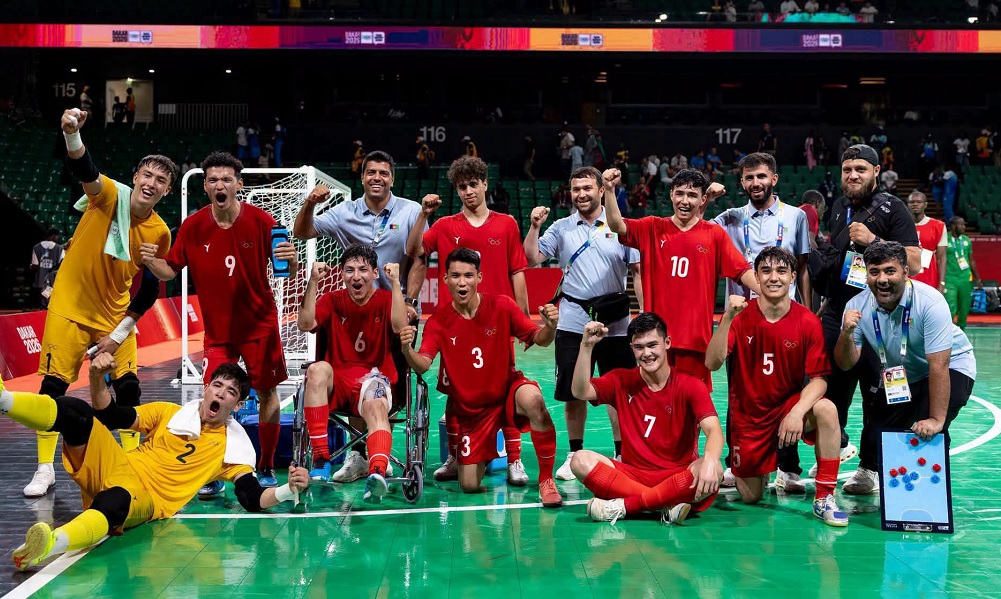
Afghanistan thrash Senegal 6-0 to reach Dakar Youth Olympics futsal semi-finals
-
 Regional5 days ago
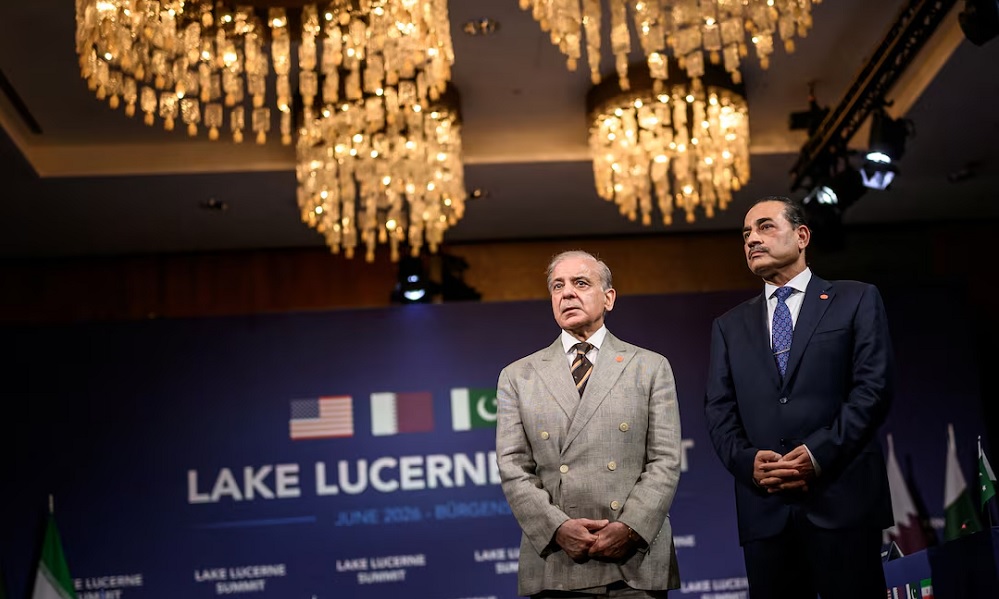
Pakistan’s leaders dread US Democrats’ win but its households are praying for it
-
 Sport2 days ago
Portugal beat Afghanistan 2-0 in Dakar Youth Olympics futsal semi-finals
-
 Regional4 days ago
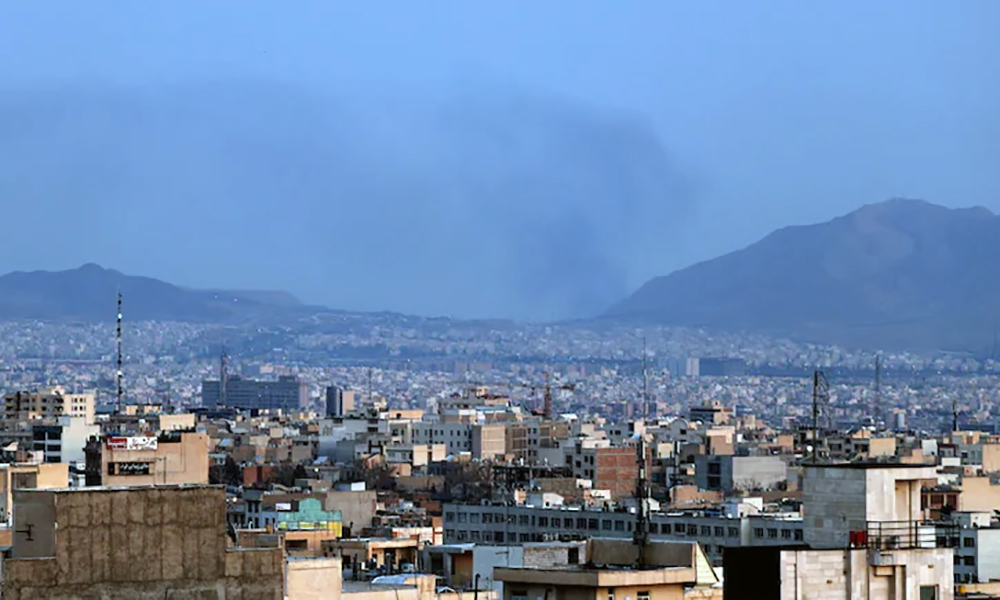
Explosions heard in areas in southern Iran, Iranian media report
-
 Business4 days ago
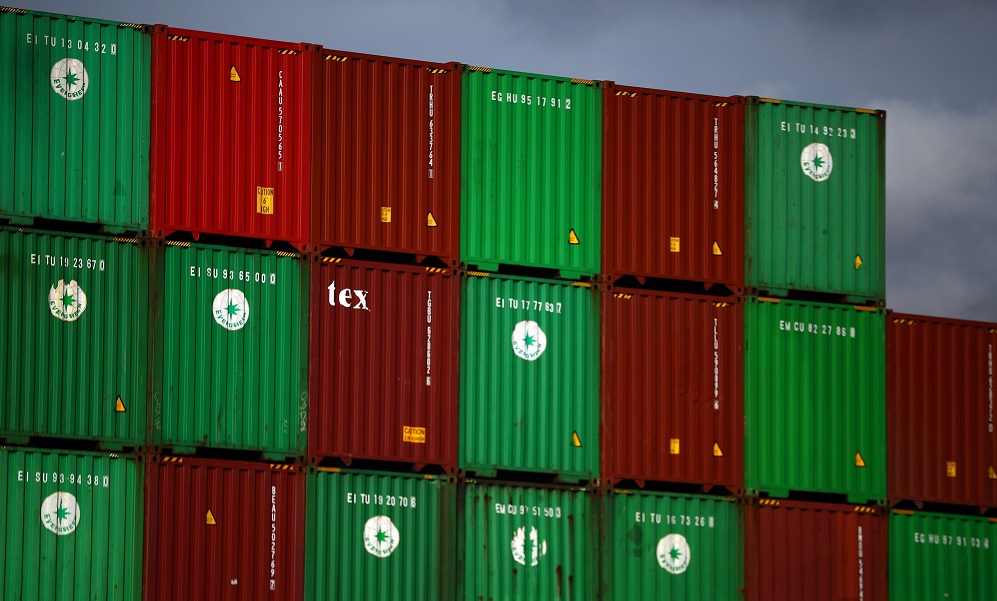
UK-Afghanistan trade falls 16.7% to £70 million over 12 months