
Latest News
Covid outbreak at US Embassy in Kabul grows to 159 cases

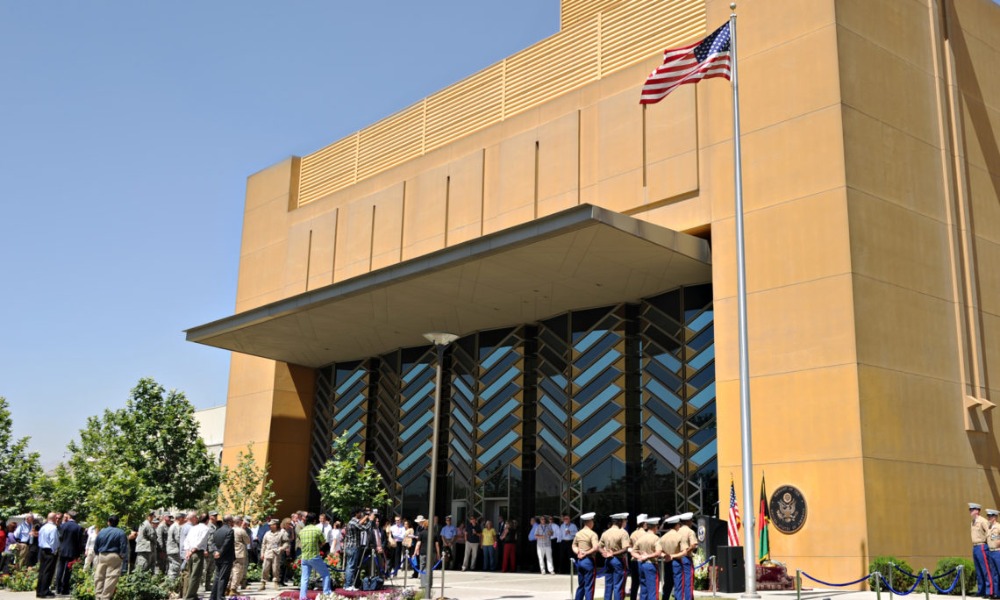
The COVID-19 outbreak at the US Embassy in Kabul has grown to 159 cases, according to a diplomatic cable sent Tuesday, CNN reported.
This comes amid a devastating third wave of the deadly disease in Afghanistan.
CNN reported that a source familiar with the cable said it noted that several people at the diplomatic mission are on oxygen or have been medically evacuated from the post, which was put under immediate lockdown last week to try to stem the spread of the coronavirus.
However, the growing outbreak at the embassy has reportedly prompted frustration among some in the diplomatic community over the lack of a vaccine mandate for those posted abroad, which they argue hampers the United States’ ability to conduct effective foreign policy.
CNN reported that an embassy management notice dated June 17 warned that “COVID-19 is surging in the Mission,” noting that there were 114 people with coronavirus and in isolation, one death and several medical evacuations.
“Military hospital ICU resources are at full capacity, forcing our health units to create temporary, on-compound COVID-19 wards to care for oxygen-dependent patients,” the notice said.
CNN reported that according to the embassy notice, “95% of our cases are individuals who are unvaccinated or not fully vaccinated,” and it called for those coming to the embassy to be vaccinated before arrival, noting that “failure to do this puts everyone in the community at risk.”
The surge in cases has fueled tensions in Kabul, sources told CNN, with some pointing the blame at unvaccinated contractors. Most American diplomats, third country nationals and locally employed staff have been vaccinated — the rate is more than 90% of staff in the latter two categories, according to the management notice, CNN reported..
According to an official at a major international security provider for the US in Afghanistan, almost 50% of its American staff in Afghanistan have been vaccinated and nearly all of its non-American staff have been.
State Department spokesperson Ned Price acknowledged the outbreak last week but would not provide specific numbers, saying the embassy had “adjusted its operations to do all we can to ensure the continued safety, security, and health of our staff as they continue to advance U.S. interests and our relationship with the Government and the people of Afghanistan.”
“This includes requiring all staff to telework and to adhere to physical distancing and masking requirements and other applicable regulations,” he said, adding that they “expect that normal embassy operations will resume once embassy leadership is confident that chain of transmission has been broken.”











Kazakhstan’s Foreign Minister Mukhtar Tileuberdi has called for pragmatic and coordinated international engagement with Afghanistan, saying the country’s long-term stability is closely linked to the security and sustainable development of Central Asia.
Speaking during the general debate of the 81st session of the United Nations General Assembly in New York on Friday, Tileuberdi said humanitarian assistance to Afghanistan remains essential but alone cannot break the cycle of poverty, displacement and dependency.
He said Kazakhstan supports a “pragmatic, coordinated and step-by-step” approach to international engagement with Afghanistan, with the United Nations playing a central role.
Tileuberdi also said Kazakhstan is working with the UN to operationalize the United Nations Regional Centre for the Sustainable Development Goals for Central Asia and Afghanistan in Almaty.
He said the success of the centre should be measured by the results and assistance it delivers to the region.


Abu Muslim Farah defeat Khurasan Faryab 2-0 in ACL season six

Saar: Concerns over Pakistan’s political crisis discussed

Afghanistan Champions League: Omar Zawak Herat beat Toofan Herat 1-0

Blast in Pakistan’s Dera Ismail Khan kills 11, injures 30

Ariana Afghan Airlines increases Kabul-Delhi cargo flights

Saudi energy group signs major Afghanistan deals covering gas exploration and pipeline plans

Trump floats idea of renaming Atlantic or Pacific Ocean

US hits Egyptian bank branches with Iran sanctions as war marks six months

Nepal flood rescue mission enters critical phase as thousands remain missing

Iranian clubs to face Gulf opponents at neutral venues in Asian Champions League Elite
Saar: Concerns over Pakistan’s political crisis discussed

Exclusive interview with Abdul Latif Mansoor, Minister of MRRD

Tawsia: Overview of Afghanistan’s iron mines

Tahawol: Discussion on fresh Pakistani airstrikes on Afghanistan

Saar: Calls for international support for Afghanistan discussed
-

 World5 days ago
CNN, MS NOW and Politico sue Trump, challenging White House ban
-

 Latest News3 days ago
Ariana Afghan Airlines ranks seventh among 45 Central Asian airlines
-

 Latest News5 days ago
UN reiterates call for respect for international law after Kunar airstrikes
-

 Regional4 days ago
US and Iran hold first talks since June after Trump’s ‘annihilation’ threat
-

 Latest News3 days ago
Silk Road highway in Wakhan corridor now reaches the China border
-

 Latest News5 days ago
Afghan Official: Pakistan’s airstrikes will not go unanswered
-

 Sport4 days ago
Afghan boxing referee heads to China for international festival
-
 Regional5 days ago
G7 foreign ministers call on Iran to stop arming Houthis