
Latest News
Pakistan ends ‘drive’ to issue smartcards to registered Afghan refugees

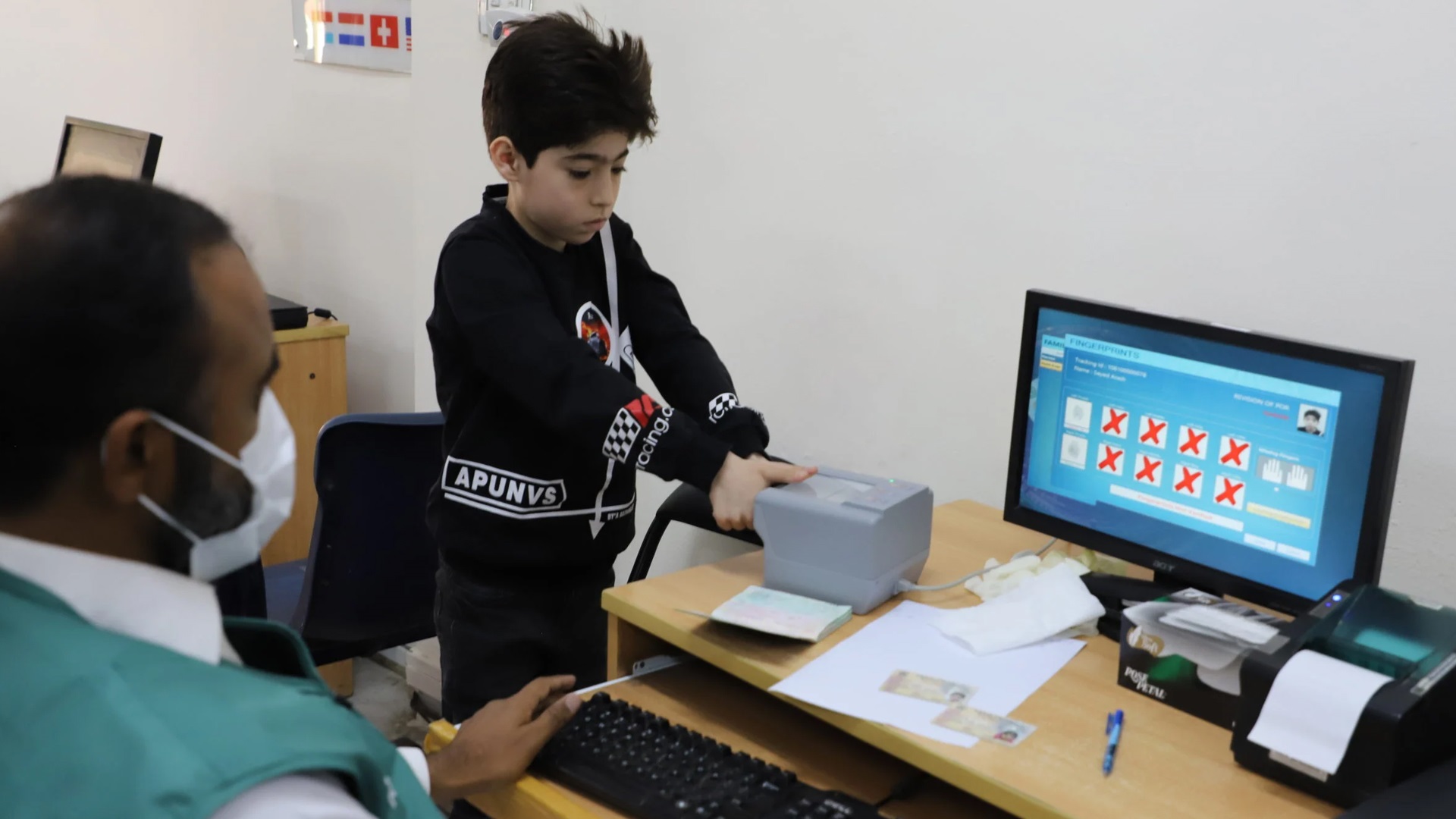
The Pakistan government has concluded its country-wide campaign to verify and update the data of an estimated 1.4 million registered Afghan refugees and to issue them with smart identity cards, UNHCR, the UN Refugee Agency, said Sunday.
Following a short pilot, the campaign, supported by UNHCR, began on 15 April 2021 and ended on 31 December 2021. It was the first large-scale verification of refugees in Pakistan in the last 10 years.
According to early provisional results, the data of 1.25 million Afghan refugees was updated and expanded as a result of the campaign, officially known as the documentation renewal and information verification exercise (DRIVE).
Among them were 200,000 children under the age of five who were registered by their refugee parents.
More than 700,000 new smart identity cards have also been issued to date. The remaining cards will be printed and distributed in early 2022.
These cards, which will be valid until 30 June 2023, contain biometric data and are technologically compatible with systems used in Pakistan to authenticate the identities of nationals.
The new smart identity cards are an essential protection tool for Afghan refugees and give them faster and safer access to health and education facilities and to banking services, UNHCR said in a statement.


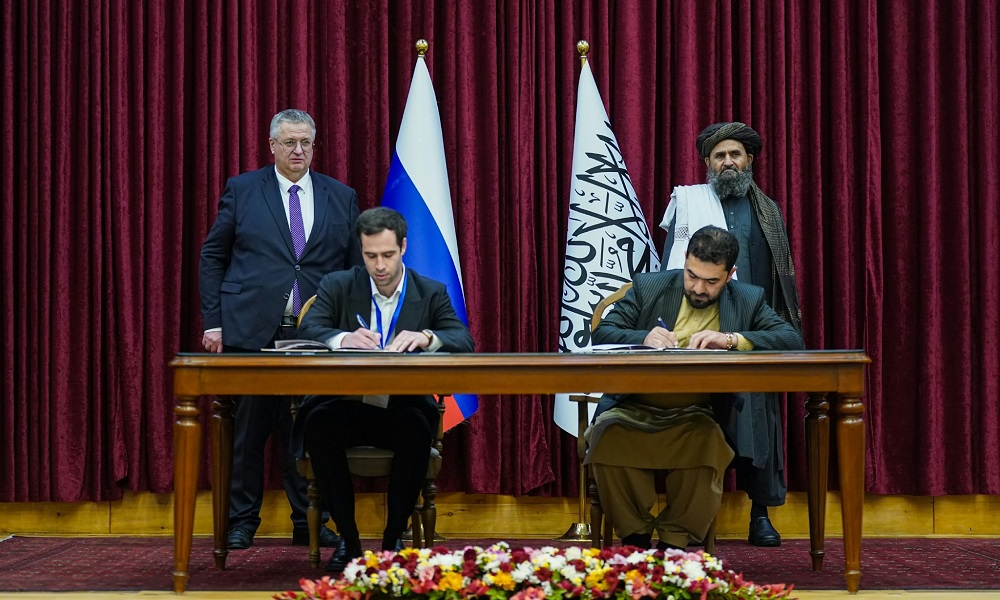
Afghanistan’s private sector and the Russian Federation have signed 15 economic cooperation agreements worth a total of $103 million.
The agreements were signed in the presence of Mullah Abdul Ghani Baradar, Deputy Prime Minister for Economic Affairs, and Alexey Overchuk, Russia’s Deputy Prime Minister.
Under the agreements, the two sides will cooperate in importing medicines, wheat, flour, and cooking oil into Afghanistan, as well as exporting fresh Afghan fruits, particularly pomegranates, to Russia.
Expanding bilateral trade relations and developing economic cooperation in various sectors are also among the key areas covered by the agreements.
According to officials, the agreements will facilitate two-way exports and imports between the two countries.
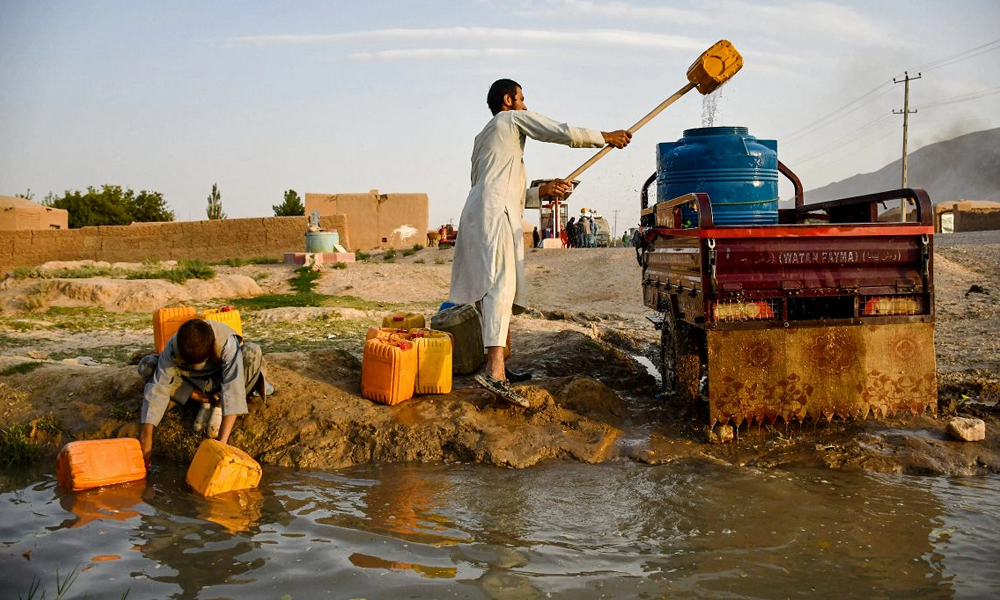
The United Nations has warned of worsening water shortages, the impacts of climate change and inadequate infrastructure in Afghanistan’s central highland regions, highlighting growing challenges facing communities in remote areas.
Rabab Fatima, the UN Secretary-General’s Special Representative in Afghanistan, raised the concerns during a visit to Bamyan province, where she assessed the living conditions and challenges facing local communities.
Fatima said poor road networks and inadequate infrastructure in remote areas have made it increasingly difficult for residents to access essential services, including healthcare and education.
During her visit to the mountainous central regions of Afghanistan from November 2 to 4, she met with local communities to discuss their daily challenges, as well as opportunities for improving livelihoods and access to basic services.
She also stressed the need to expand healthcare services, establish more medical facilities in underserved areas and strengthen support for girls’ education.
Fatima praised the enthusiasm of students in Bamyan for education and highlighted the growing participation of women in business, describing these developments as encouraging signs for the region’s future.
She called for equal educational and economic opportunities for girls and women, emphasizing the importance of ensuring that remote communities are not left behind.
The visit comes as Afghanistan’s central highlands continue to face significant challenges linked to climate change, water scarcity and limited infrastructure, underscoring the need for sustained support and investment in essential services.
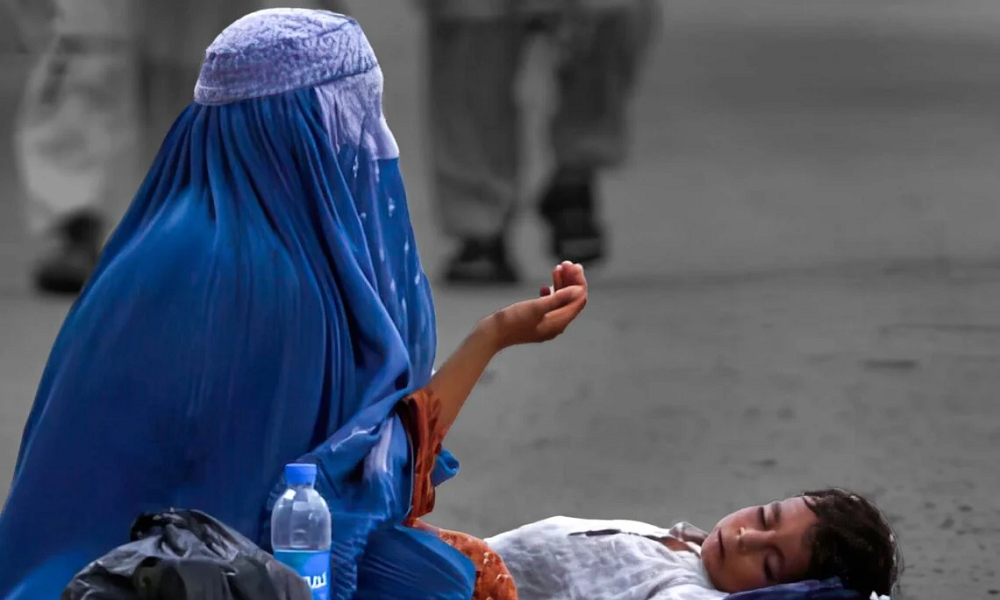
The Office of the Deputy Prime Minister for Economic Affairs has held a coordination meeting with representatives of international organizations and humanitarian institutions to discuss ways to address begging in Afghanistan.
The meeting, organized by the office’s Directorate of Public Relations on November 11, 2026, focused on the root causes of begging, sustainable solutions and strengthening cooperation between the Islamic Emirate, international organizations and humanitarian agencies.
During the discussions, participants stressed the importance of creating sustainable and dignified livelihood opportunities for people involved in begging rather than relying solely on short-term assistance.
Proposed measures included vocational training, conditional cash assistance and economic empowerment programmes aimed at helping vulnerable individuals become financially self-reliant and reducing the prevalence of begging across the country.
At the conclusion of the meeting, the Office of the Deputy Prime Minister for Economic Affairs presented a comprehensive proposal to representatives of international organizations and humanitarian institutions to improve the management of the issue.
According to the office, the proposal was welcomed by participating organizations and institutions.
Officials emphasized the importance of coordinated efforts between government institutions and international partners in addressing the social and economic challenges contributing to begging and providing sustainable support for vulnerable communities.


Argentina clinch futsal gold after defeating Portugal in Dakar 2026 final
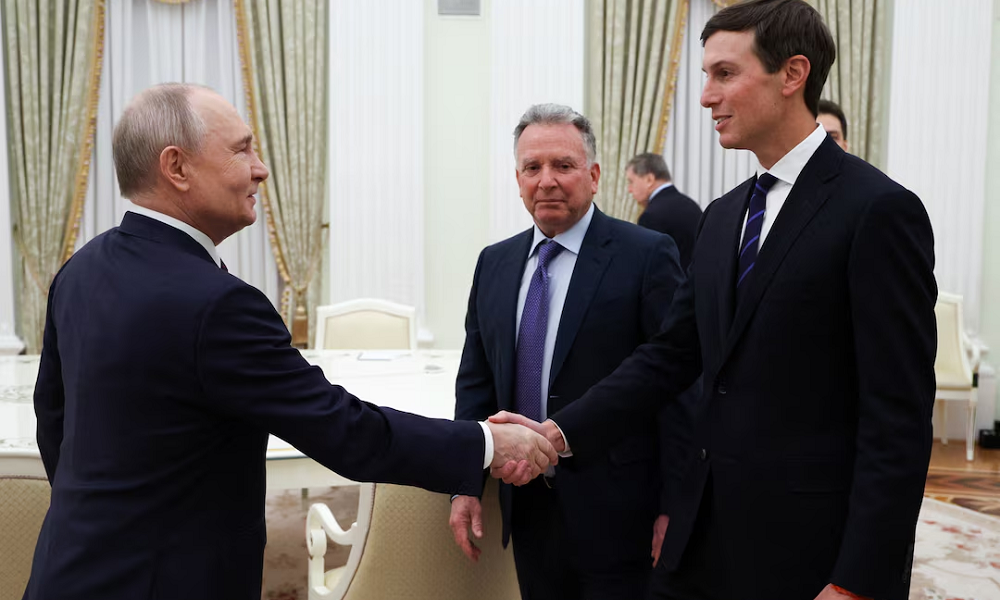
Putin agrees to European role in Ukraine peace talks as Zelenskiy welcomes move
Afghanistan and Russia sign 15 economic cooperation agreements worth $103 million
UN warns of deepening water crisis in central Afghanistan amid climate change
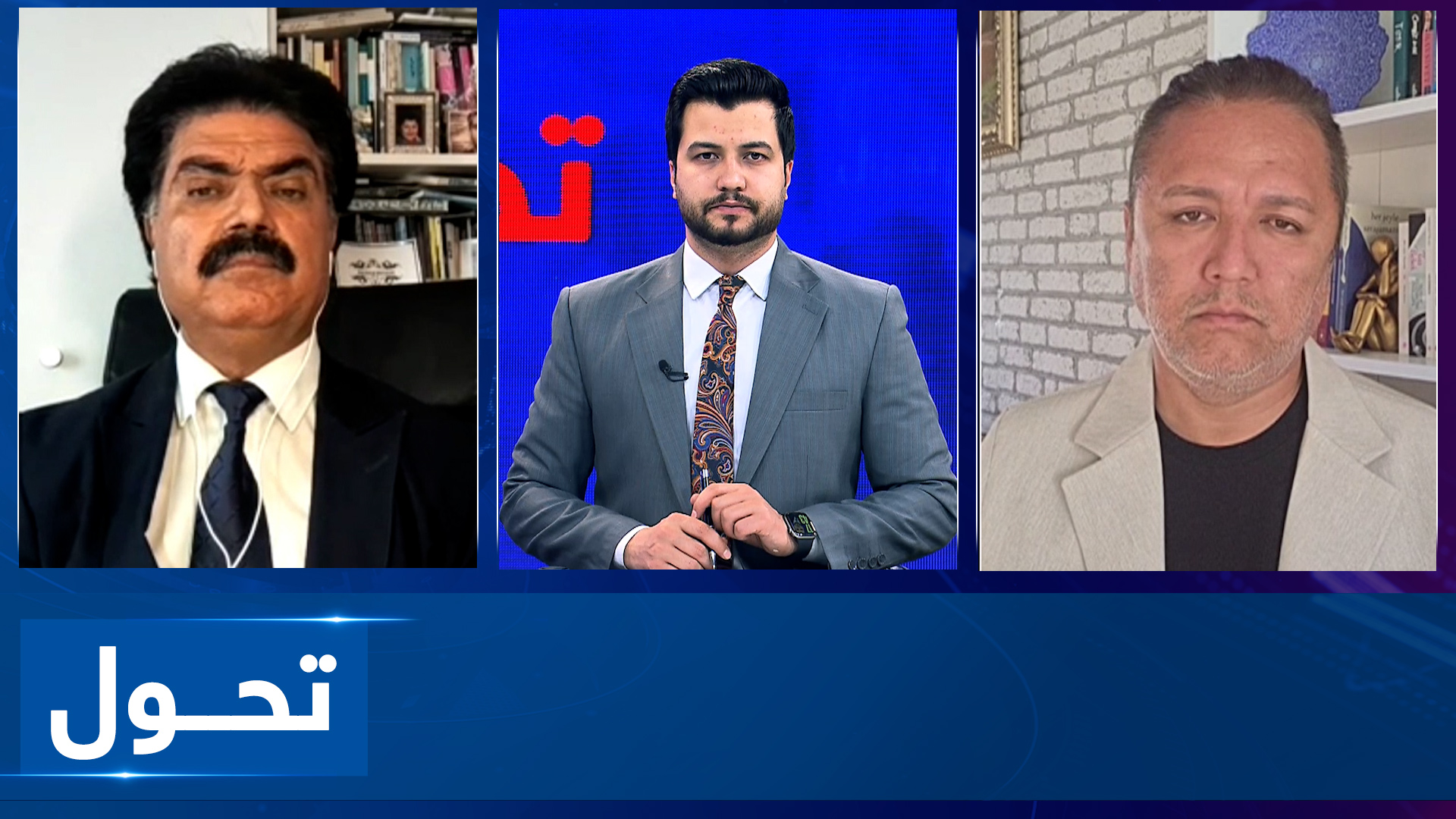
Tahawol: Russia’s special attention to situation in Afghanistan discussed

Afghanistan finish runners-up after 6-0 defeat to Brazil in futsal final

Trump says US may strike Iran’s ‘Pickaxe Mountain’ nuclear facility

Afghan futsal coach: Brazil tournament is first step towards new goals and World Cup

Rubio heads to Central Asia while other US officials hit foreign policy hot spots

Violent protests spread across Europe as Albanian PM blames ‘foreign hand’
Tahawol: Russia’s special attention to situation in Afghanistan discussed
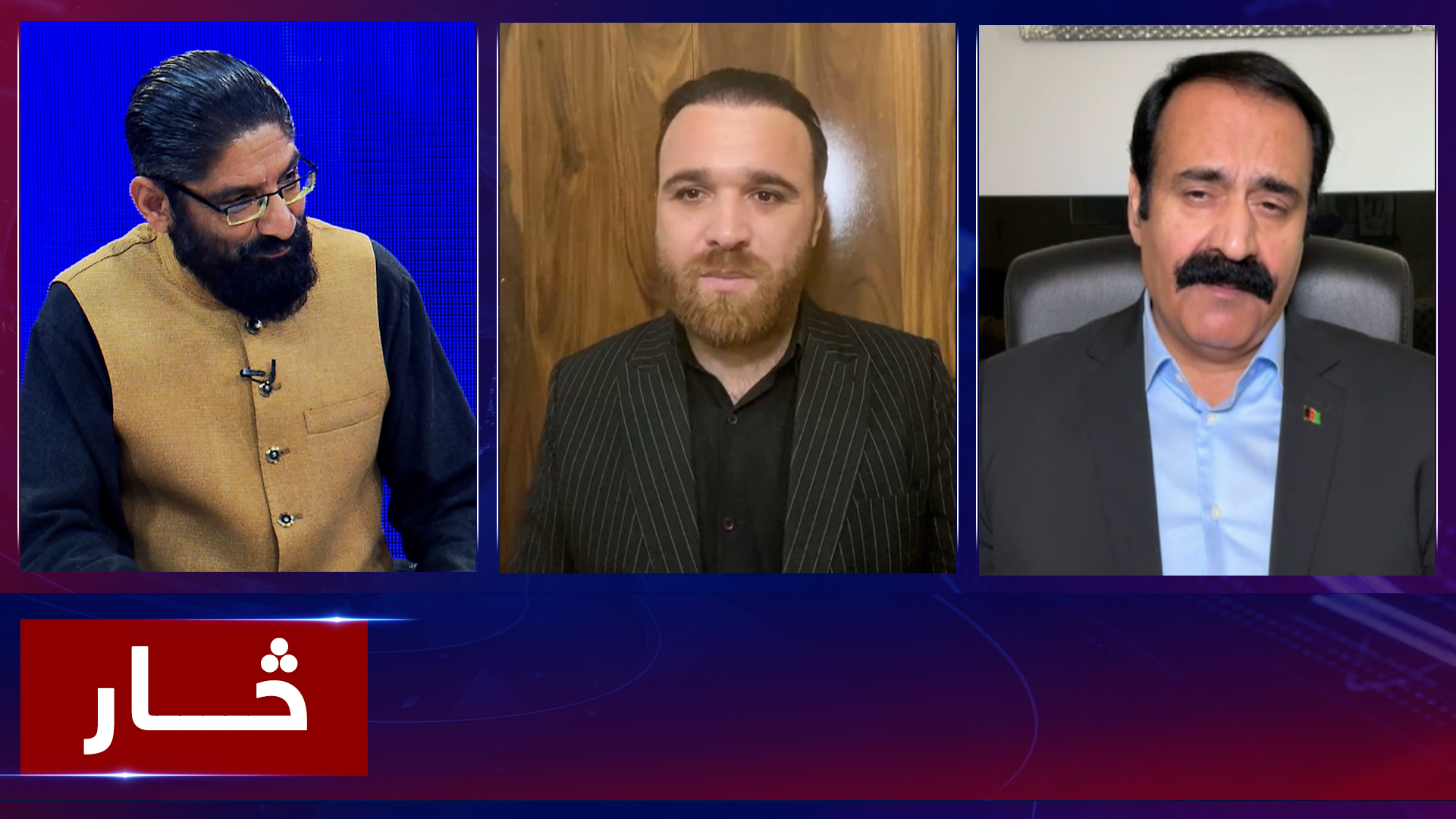
Saar: Discussion on US’s humiliating defeat in Afghanistan
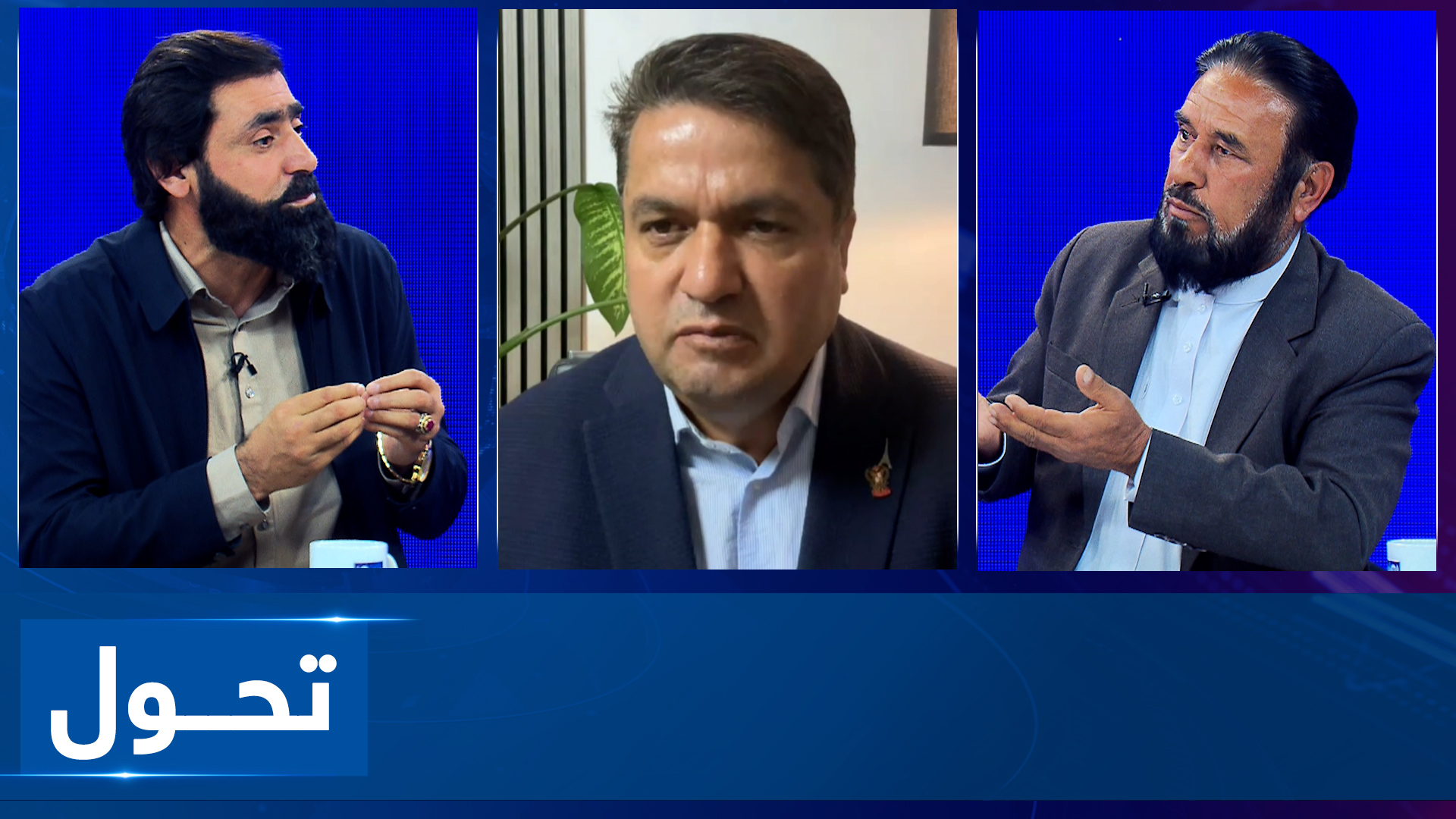
Tahawol: High-level Russian delegation’s visit to Kabul discussed
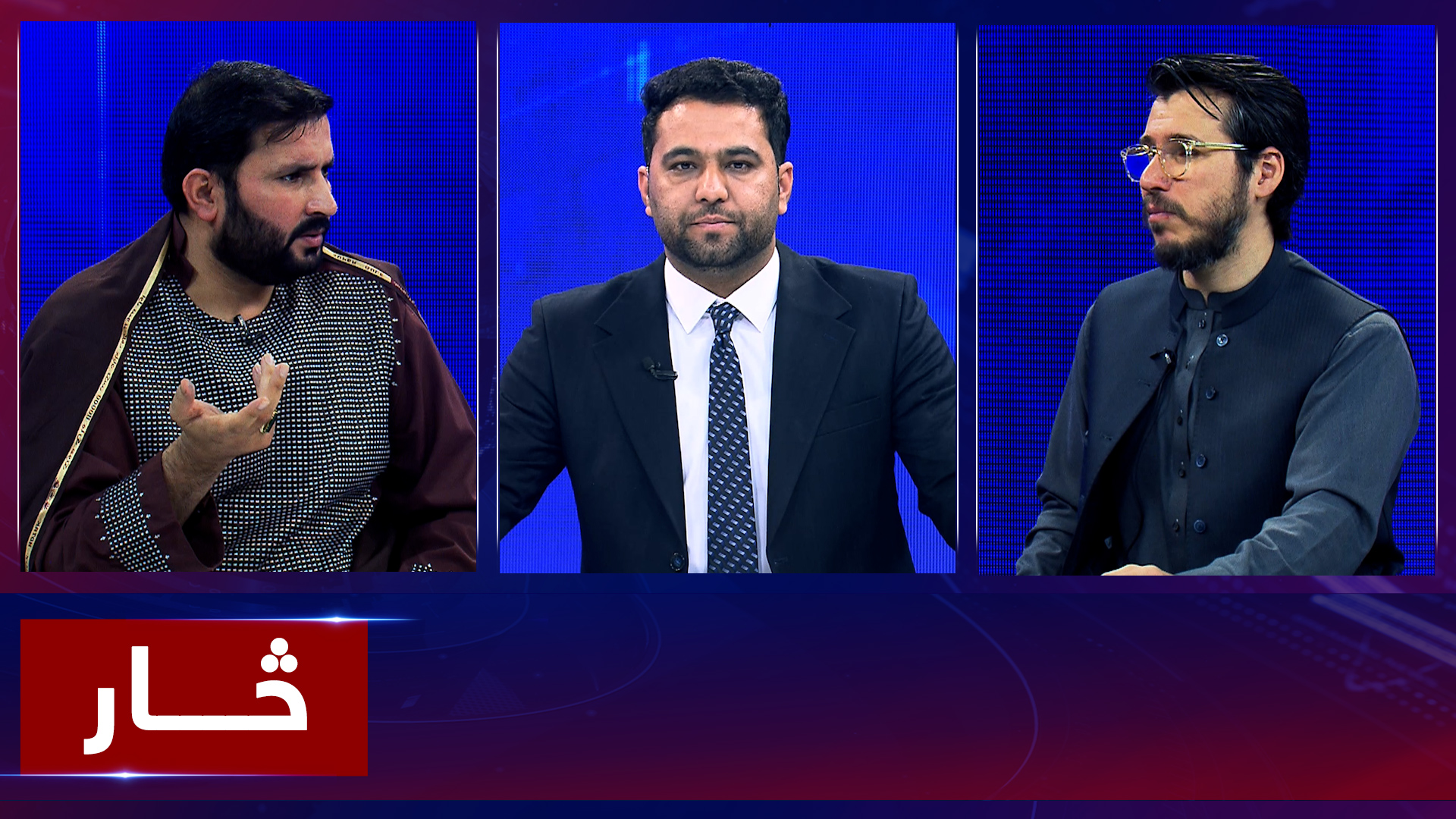
Saar: Afghanistan’s situation in focus at CSTO discussed
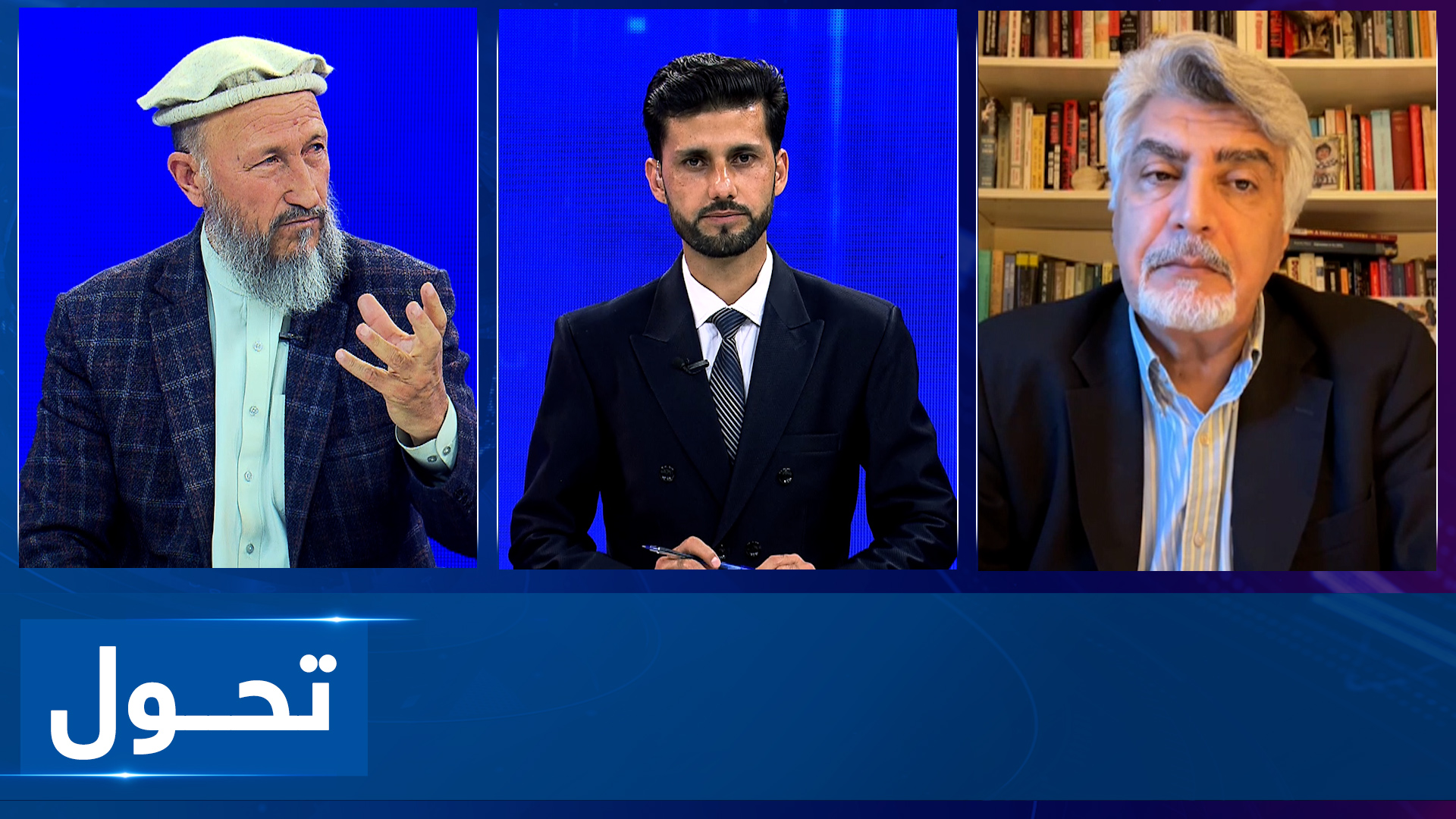
Tahawol: Efforts to halt deportation of Afghan refugees from US discussed
-
 Sport4 days ago
Portugal beat Afghanistan 2-0 in Dakar Youth Olympics futsal semi-finals
-
 Sport5 days ago
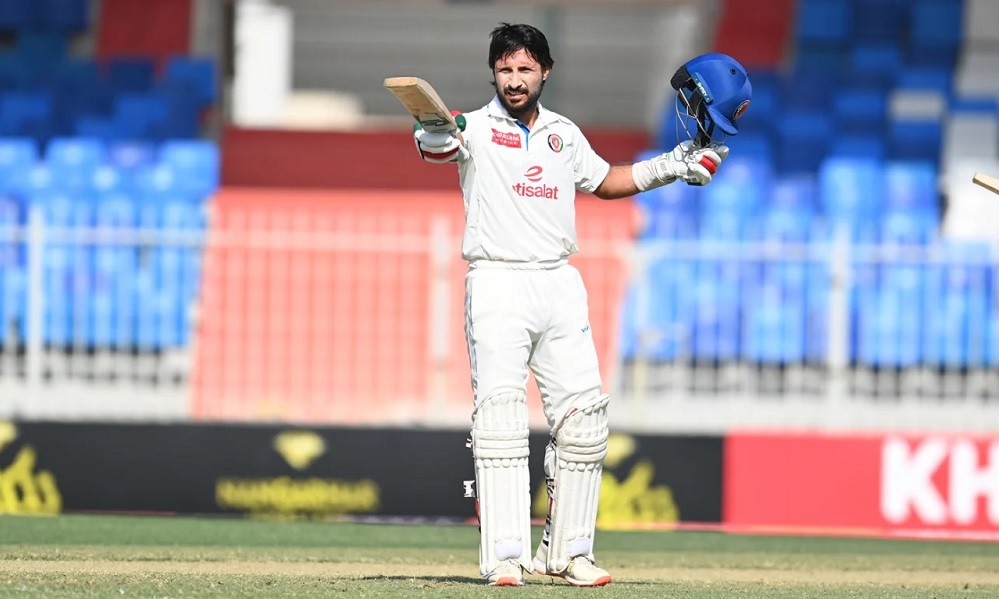
Afghanistan’s record partnership highlights fourth day of Test against Zimbabwe
-
 World5 days ago
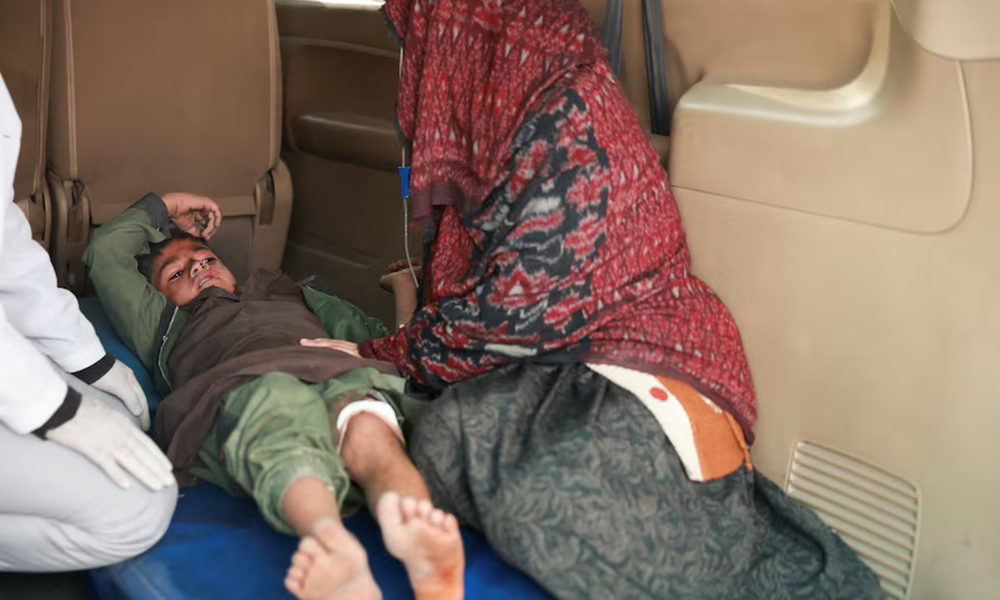
Houthi-run health ministry says airstrikes kill 33 near Yemen capital
-
 Sport5 days ago
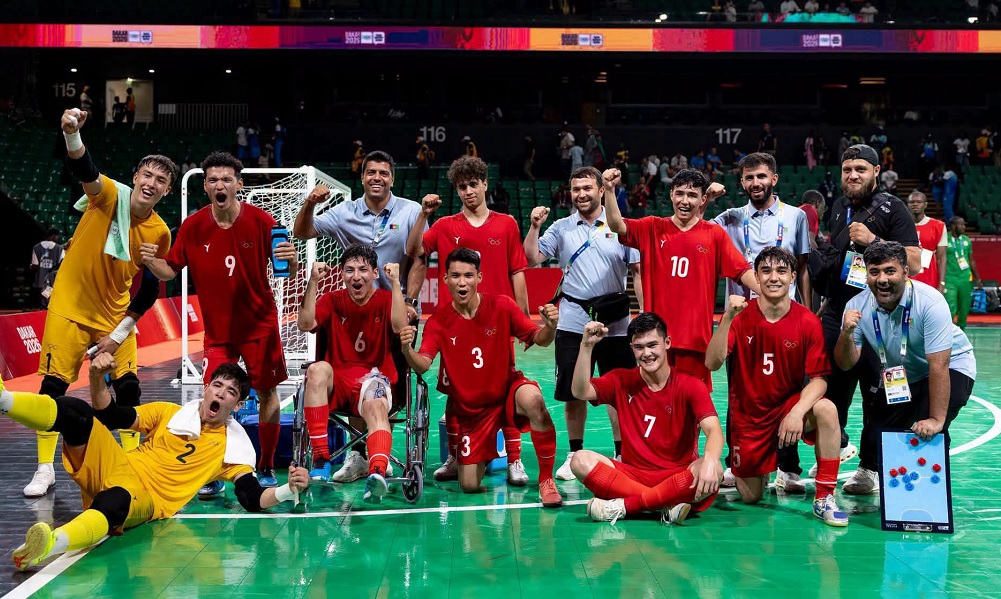
Afghanistan thrash Senegal 6-0 to reach Dakar Youth Olympics futsal semi-finals
-
 World4 days ago
First Muslim US senator-elect El-Sayed calls for review of aid to Pakistan
-
 Regional4 days ago
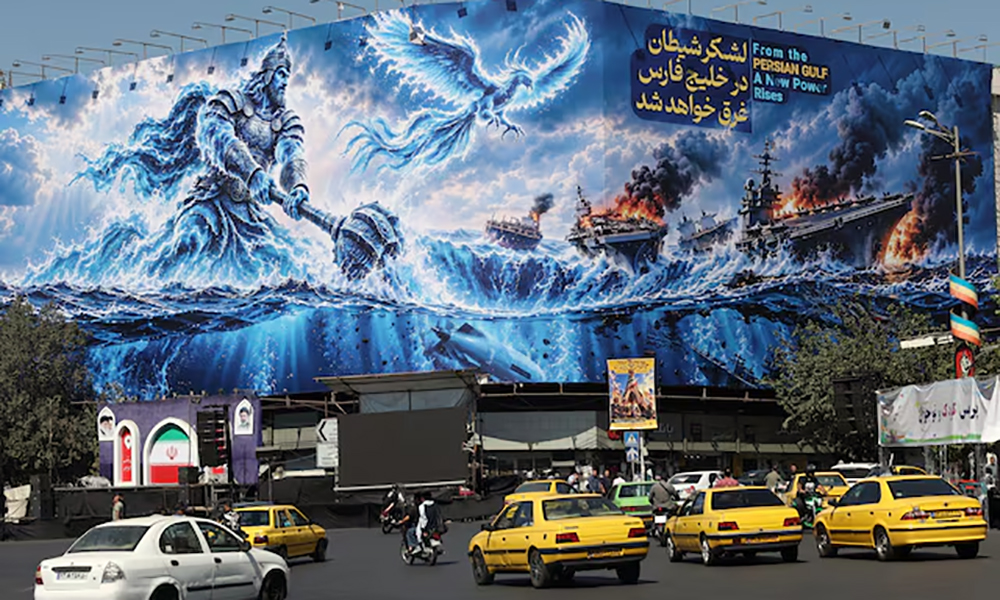
Iran defends two-day proposal for peace talks after US rejects conditions
-
 Climate Change5 days ago
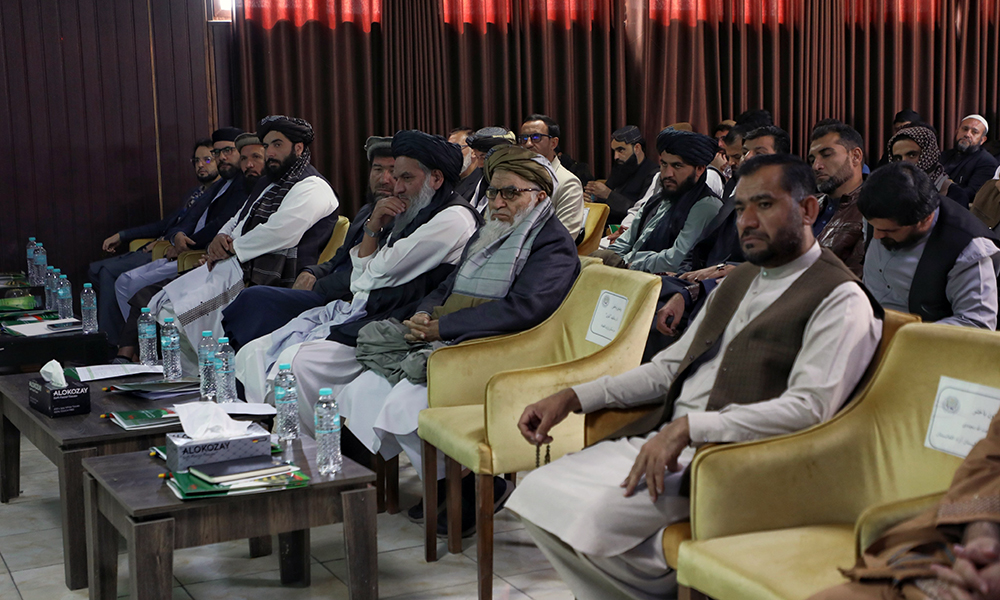
Afghanistan among world’s five most climate-vulnerable countries
-
 Business4 days ago
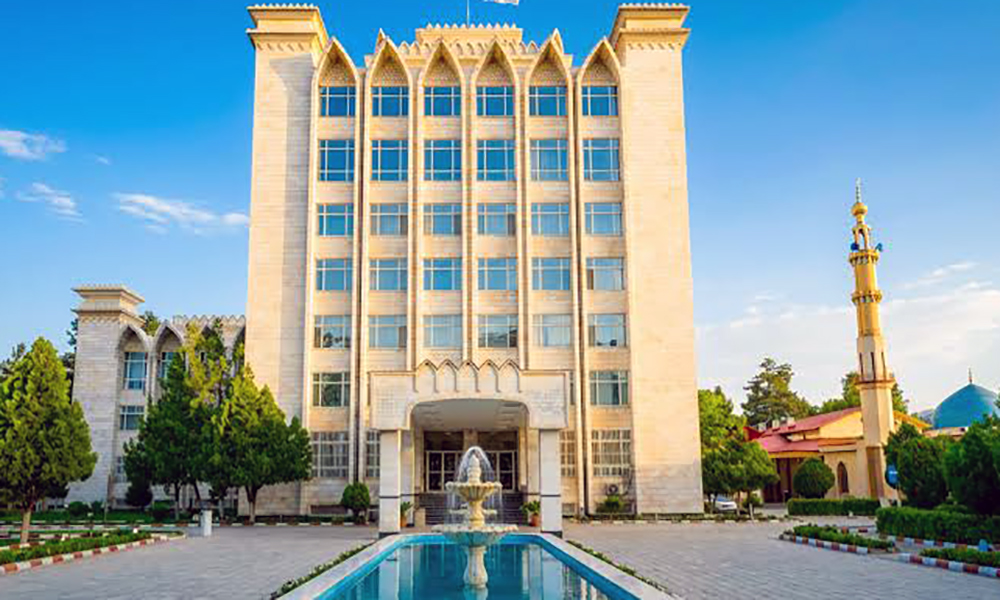
Afghanistan approves new foreign investment policy in bid to attract international investors