
Latest News
Lavrov opens Moscow Format talks, calls for end to West’s ‘hostile policy’ toward Afghanistan
WATCH – Russian Foreign Minister Sergey Lavrov’s full speech

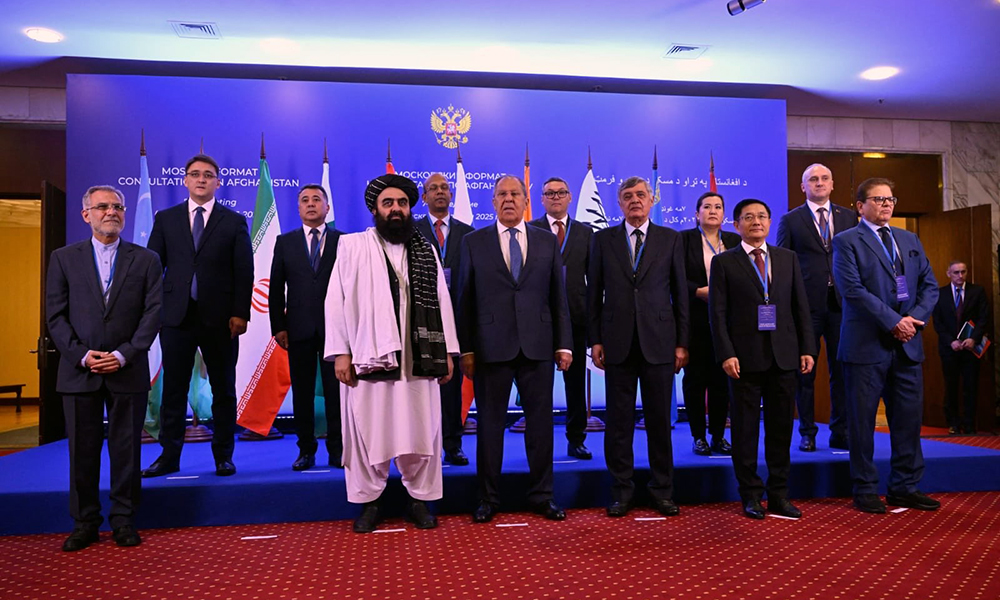
Russian Foreign Minister Sergey Lavrov opened the 7th Moscow Format Consultations on Afghanistan on Tuesday, urging regional countries to strengthen cooperation with Kabul and condemning what he described as the “hostile policy” of Western nations toward Afghanistan.
Lavrov said the Moscow Format — which brings together Russia, China, Iran, India, Pakistan, and the Central Asian republics — had evolved into a “high-profile international platform” uniting key regional stakeholders.
“It gives me great pleasure to open the 7th session of the Moscow Format consultations on Afghanistan,” he began. “It is encouraging that this format has turned into a high-profile international platform that brings together key states of the region.”
He emphasized that regional powers were genuinely committed — “not in word but indeed” — to helping Afghanistan become an independent state that lives in peace with its neighbors and “enjoys the respect of the whole international community.”
For the first time, Afghanistan’s acting Foreign Minister Amir Khan Muttaqi is attending the Moscow Format as an official participant. Lavrov thanked the Afghan delegation for engaging in the discussions, noting that “addressing issues that have to do with Afghanistan is not possible without the Afghans.”
Lavrov confirmed that he had met with Muttaqi ahead of the meeting to discuss the future of Russia-Afghanistan relations, as well as “tasks that the regional states face… to facilitate conditions for our common prosperity.” He said Moscow viewed Afghanistan’s inclusion in regional political and economic processes as essential to the broader security and development of Central and South Asia.
The Russian foreign minister reiterated Moscow’s position following its formal recognition of the Islamic Emirate government in July — a move that made Russia the first country to establish official diplomatic relations with Kabul’s new rulers.
“We announced the official recognition of the Islamic Emirate of Afghanistan (IEA) and lifted restrictions for interstate cooperation,” Lavrov said, adding that Russia planned to expand efforts to combat terrorism, curb drug trafficking, and strengthen business ties with Afghanistan.
Lavrov also sharply criticized Western governments, accusing them of continuing to “seize sovereign Afghan financial assets” and maintain sanctions on the country’s banking system.
“We once again strongly urge them to adjust their confrontation policy, to give back what was taken, and to assume responsibility for post-conflict recovery — for compensating the damage done to the Afghan economy and infrastructure over the past decades,” he said.
He warned against any attempt to establish foreign military bases in Afghanistan or neighboring states, saying such moves would risk new instability. “The military presence of non-regional actors could lead to destabilization and new conflicts,” Lavrov cautioned.
The Moscow Format consultations — created in 2017 — aim to coordinate regional approaches to Afghanistan’s political reconciliation, counterterrorism, and economic cooperation. Tuesday’s session marks the first since Russia’s recognition of the IEA government and is expected to conclude with a joint statement outlining regional priorities for engagement with Kabul.
WATCH LAVROV’S FULL SPEECH HERE:









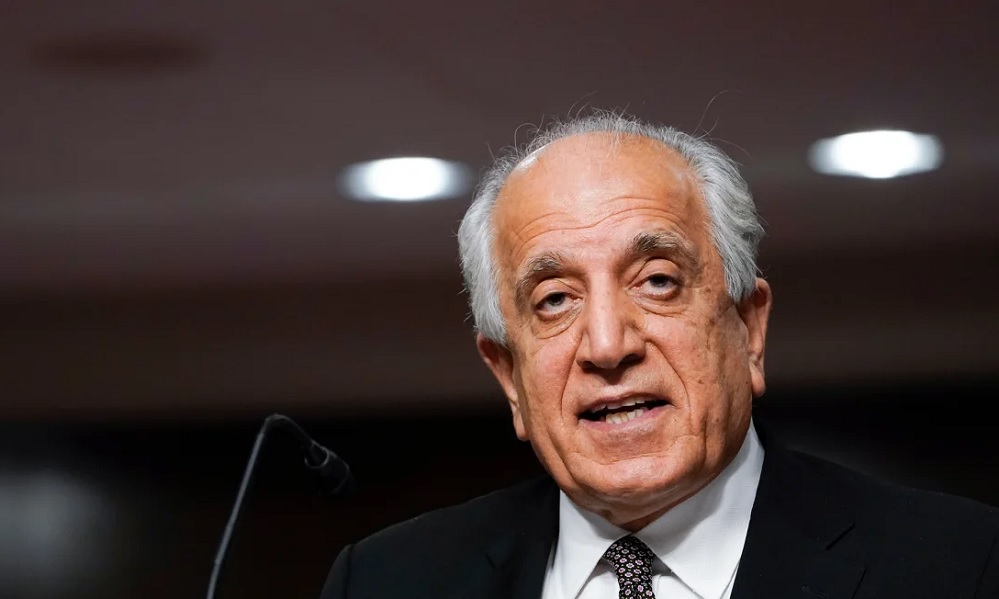
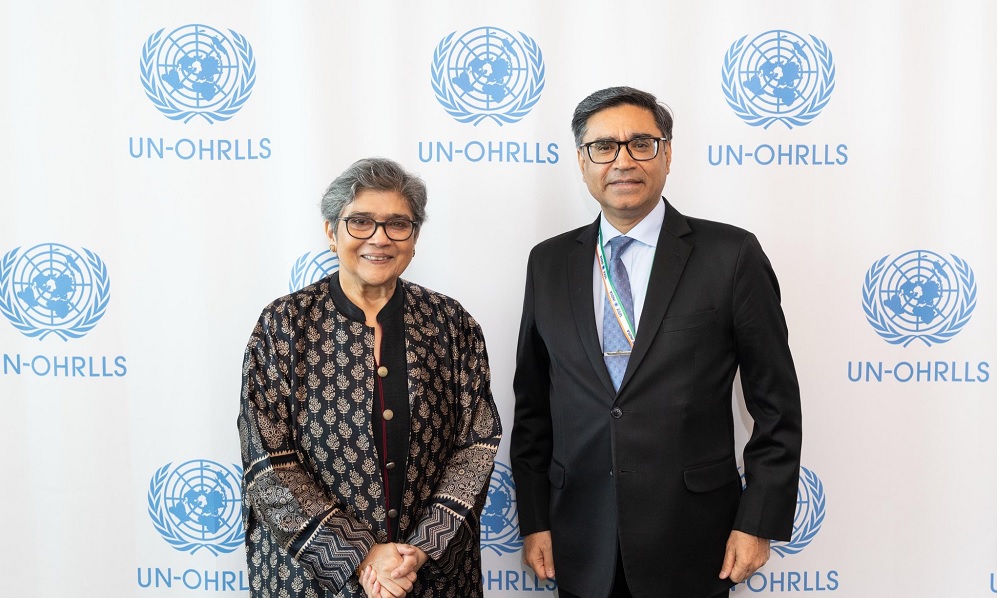
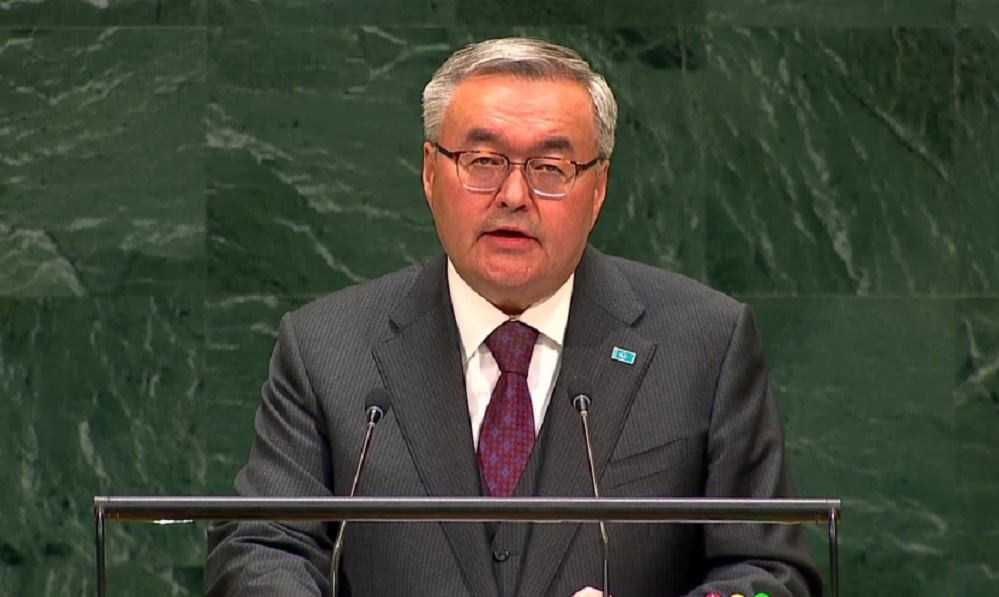
Kazakhstan’s Foreign Minister Mukhtar Tileuberdi has called for pragmatic and coordinated international engagement with Afghanistan, saying the country’s long-term stability is closely linked to the security and sustainable development of Central Asia.
Speaking during the general debate of the 81st session of the United Nations General Assembly in New York on Friday, Tileuberdi said humanitarian assistance to Afghanistan remains essential but alone cannot break the cycle of poverty, displacement and dependency.
He said Kazakhstan supports a “pragmatic, coordinated and step-by-step” approach to international engagement with Afghanistan, with the United Nations playing a central role.
Tileuberdi also said Kazakhstan is working with the UN to operationalize the United Nations Regional Centre for the Sustainable Development Goals for Central Asia and Afghanistan in Almaty.
He said the success of the centre should be measured by the results and assistance it delivers to the region.


Abu Muslim Farah defeat Khurasan Faryab 2-0 in ACL season six

Saar: Concerns over Pakistan’s political crisis discussed

Afghanistan Champions League: Omar Zawak Herat beat Toofan Herat 1-0

Blast in Pakistan’s Dera Ismail Khan kills 11, injures 30

Ariana Afghan Airlines increases Kabul-Delhi cargo flights

Saudi energy group signs major Afghanistan deals covering gas exploration and pipeline plans

Trump floats idea of renaming Atlantic or Pacific Ocean

US hits Egyptian bank branches with Iran sanctions as war marks six months

Nepal flood rescue mission enters critical phase as thousands remain missing

Iranian clubs to face Gulf opponents at neutral venues in Asian Champions League Elite
Saar: Concerns over Pakistan’s political crisis discussed

Exclusive interview with Abdul Latif Mansoor, Minister of MRRD

Tawsia: Overview of Afghanistan’s iron mines

Tahawol: Discussion on fresh Pakistani airstrikes on Afghanistan

Saar: Calls for international support for Afghanistan discussed
-

 World5 days ago
CNN, MS NOW and Politico sue Trump, challenging White House ban
-

 Latest News3 days ago
Ariana Afghan Airlines ranks seventh among 45 Central Asian airlines
-

 Latest News5 days ago
UN reiterates call for respect for international law after Kunar airstrikes
-

 Regional4 days ago
US and Iran hold first talks since June after Trump’s ‘annihilation’ threat
-

 Latest News3 days ago
Silk Road highway in Wakhan corridor now reaches the China border
-

 Latest News5 days ago
Afghan Official: Pakistan’s airstrikes will not go unanswered
-
 Sport4 days ago
Afghan boxing referee heads to China for international festival
-

 Regional5 days ago
G7 foreign ministers call on Iran to stop arming Houthis