
Latest News
UNICEF expands aid to millions of Afghan children after flash floods
In Parun, the capital of Nuristan province, 23 people were killed in flooding, while water services for around 1,000 families were disrupted.

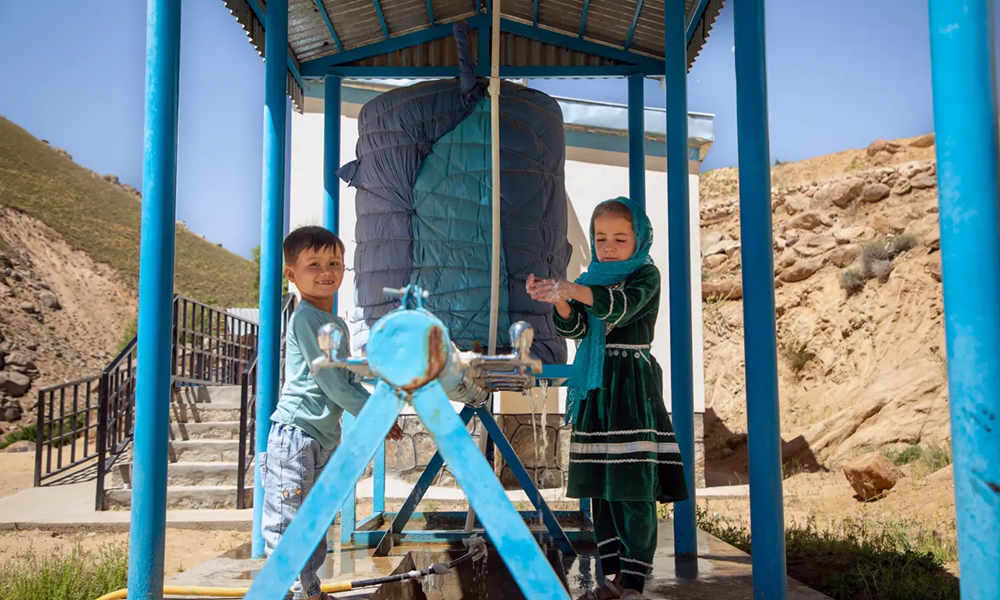
Flash floods affected more than 1,100 families across 14 provinces of Afghanistan in July, damaging or destroying over 1,100 homes, according to UNICEF’s latest humanitarian situation report covering July 1–31.
UNICEF said 1,168 families were affected by the floods, while 1,164 homes were damaged or destroyed.
In Parun, the capital of Nuristan province, 23 people were killed in flooding, while water services for around 1,000 families were disrupted.
Despite the ongoing humanitarian challenges, UNICEF said it continued supporting essential health services across the country through 2,393 static health facilities and 16 mobile facilities.
The UN agency also responded to 245 disease outbreaks during July, while approximately 183,000 children under the age of five received measles vaccinations.
Access to clean water and sanitation also remained a key focus. During the month, around 96,300 people gained access to safe drinking water, while 89,061 people received basic sanitation services. Essential WASH supplies were also provided to 180,814 people.
Child malnutrition remained another major concern. UNICEF and its partners screened approximately 1.1 million children for wasting during July, with 104,602 children admitted for treatment.
In addition, 10.3 million children aged 6–59 months received vitamin A supplementation as part of efforts to prevent malnutrition and protect child health.
UNICEF said its humanitarian response remains focused on ensuring vulnerable children and families across Afghanistan can access essential health, nutrition, water and sanitation services amid continued humanitarian needs.




Latest News
OCHA: 15.9 million Afghans face severe food insecurity ahead of winter
The agency said nearly one in three Afghans is facing severe hunger, warning that food insecurity could worsen further during the coming winter months.
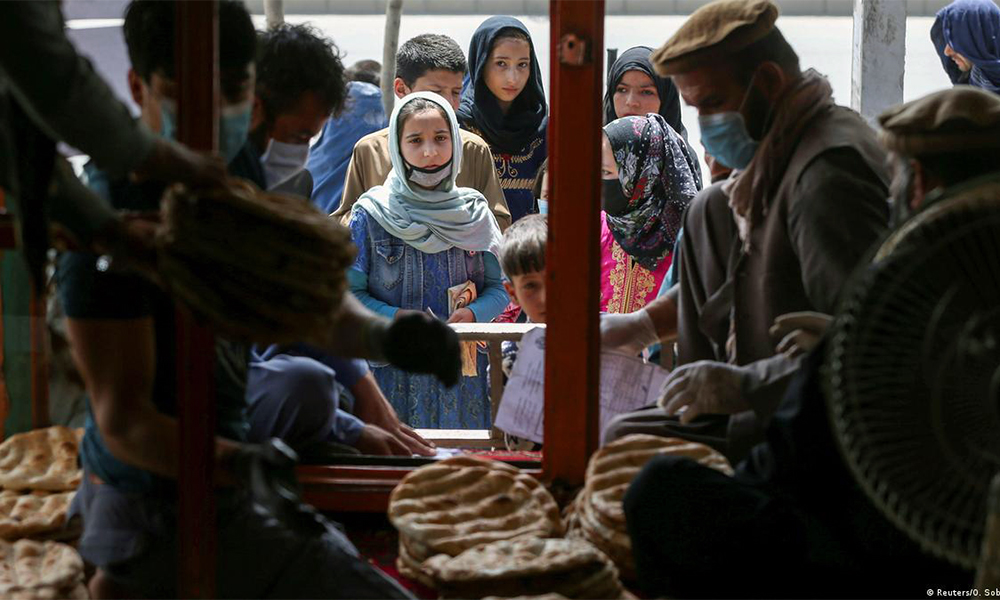
The United Nations Office for the Coordination of Humanitarian Affairs (OCHA) has warned that 15.9 million people in Afghanistan are expected to face crisis-level food insecurity or worse as winter approaches, raising concerns over the country’s worsening humanitarian situation.
In a statement posted on X, OCHA said that despite food being available in markets across Afghanistan, millions of people cannot afford to purchase it due to widespread poverty, economic hardship and limited household incomes.
The agency said nearly one in three Afghans is facing severe hunger, warning that food insecurity could worsen further during the coming winter months.
OCHA also raised concerns over child malnutrition, saying more than four million children aged between six months and five years could require treatment for malnutrition in 2027.
The UN agency stressed that humanitarian assistance remains critical to saving lives, but said addressing the crisis requires longer-term investment in livelihoods, essential services and economic opportunities.
OCHA called for urgent international support ahead of winter to help vulnerable families meet their basic needs and prevent further deterioration in food security.
The agency emphasized that combining immediate humanitarian assistance with sustained investment in communities’ resilience is essential to addressing Afghanistan’s ongoing hunger crisis and reducing the impact of future economic and humanitarian shocks.
Latest News
Afghanistan’s refugee minister meets new UNAMA chief over returnees, humanitarian aid
The minister further urged the United Nations to help provide essential services in settlements established for returning Afghan refugees.
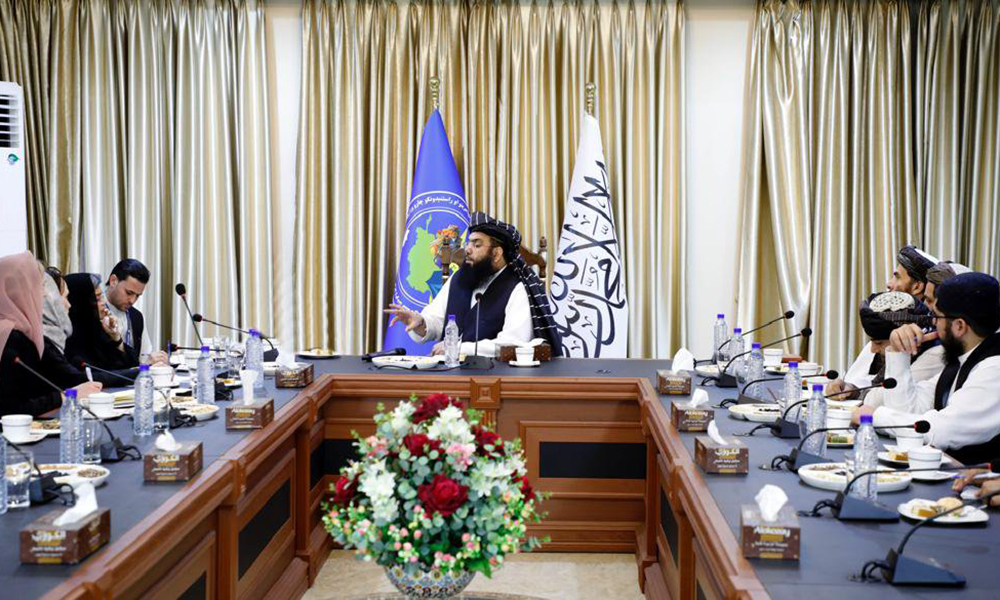
Afghanistan’s Minister of Refugees and Repatriation, Mawlawi Abdul Kabir, has met with Rabab Fatima, the UN Secretary-General’s Special Representative and newly appointed head of the United Nations Assistance Mission in Afghanistan (UNAMA), to discuss the challenges facing returning Afghan refugees and the delivery of humanitarian assistance.
According to a statement from the Ministry of Refugees and Repatriation, the meeting focused on providing humanitarian support to vulnerable Afghans, ensuring permanent shelter, creating employment opportunities and facilitating the social reintegration of returnees.
Fatima reportedly assured the Afghan authorities that the United Nations would continue cooperation with them and support efforts to provide humanitarian assistance, sustainable housing and livelihood opportunities for returning refugees.
She also highlighted mobilizing humanitarian aid, expanding international engagement with Afghanistan and addressing human rights concerns as key priorities.
Abdul Kabir, meanwhile, said the Afghan government seeks positive relations with the international community based on the principles of Islamic Sharia, calling on other countries to respect Afghanistan’s Islamic system and territorial integrity.
He also said security had been established across the country and development projects were underway.
The minister further urged the United Nations to help provide essential services in settlements established for returning Afghan refugees.
give me english tag words with comma, also less and viral english hashtags without comma plz
Latest News
Fazlur Rehman calls for international probe into treatment of Afghan refugees in Pakistan
He emphasized the need for independent international monitoring to ensure that refugees’ concerns and rights receive appropriate attention.

Maulana Fazlur Rehman, chief of Pakistan’s Jamiat Ulema-e-Islam-Fazl (JUI-F), has called on international organizations to investigate the treatment of Afghan refugees in Pakistan, urging them to visit the country and assess the situation firsthand.
His remarks come amid reports of police raids, harassment and administrative pressure on Afghan refugees, which have reportedly made daily life increasingly difficult for many Afghan families.
Fazlur Rehman urged international organizations to independently examine the situation and document the treatment of Afghan refugees by Pakistani police and government institutions.
He emphasized the need for independent international monitoring to ensure that refugees’ concerns and rights receive appropriate attention.
The treatment of Afghan refugees in Pakistan remains a humanitarian concern, particularly amid ongoing challenges related to their security, legal status and living conditions.
His call has renewed attention to the need for international oversight and the protection of Afghan refugees in line with humanitarian and human rights principles.

Afghanistan to launch nationwide polio vaccination campaign

OCHA: 15.9 million Afghans face severe food insecurity ahead of winter
Afghanistan’s refugee minister meets new UNAMA chief over returnees, humanitarian aid

Fazlur Rehman calls for international probe into treatment of Afghan refugees in Pakistan

Afghanistan announces Hajj 2026 registration schedule

Cricket Bonanza: Afghanistan set for packed international schedule

ACB announces Afghanistan squads for Bangladesh, Zimbabwe series

Afghanistan to face Pakistan, India and Australia at 2027 Cricket World Cup

Four members of one family killed in Helmand in Pakistan airstrike

Afghanistan finish runners-up after 6-0 defeat to Brazil in futsal final
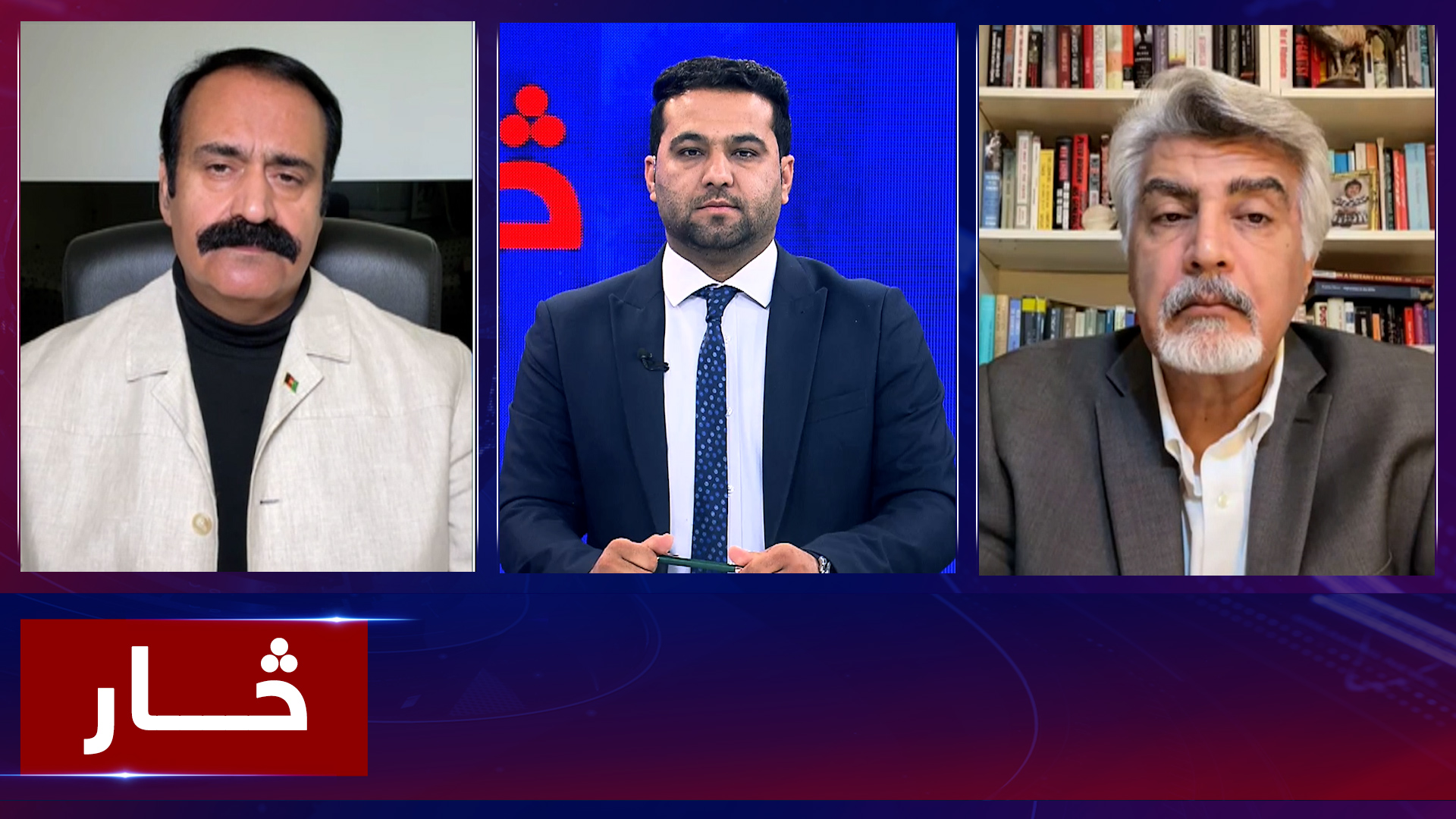
Saar: Regional coalition against Israel-US discussed

Tahawol: Interest in joining pro-Russian forces discussed
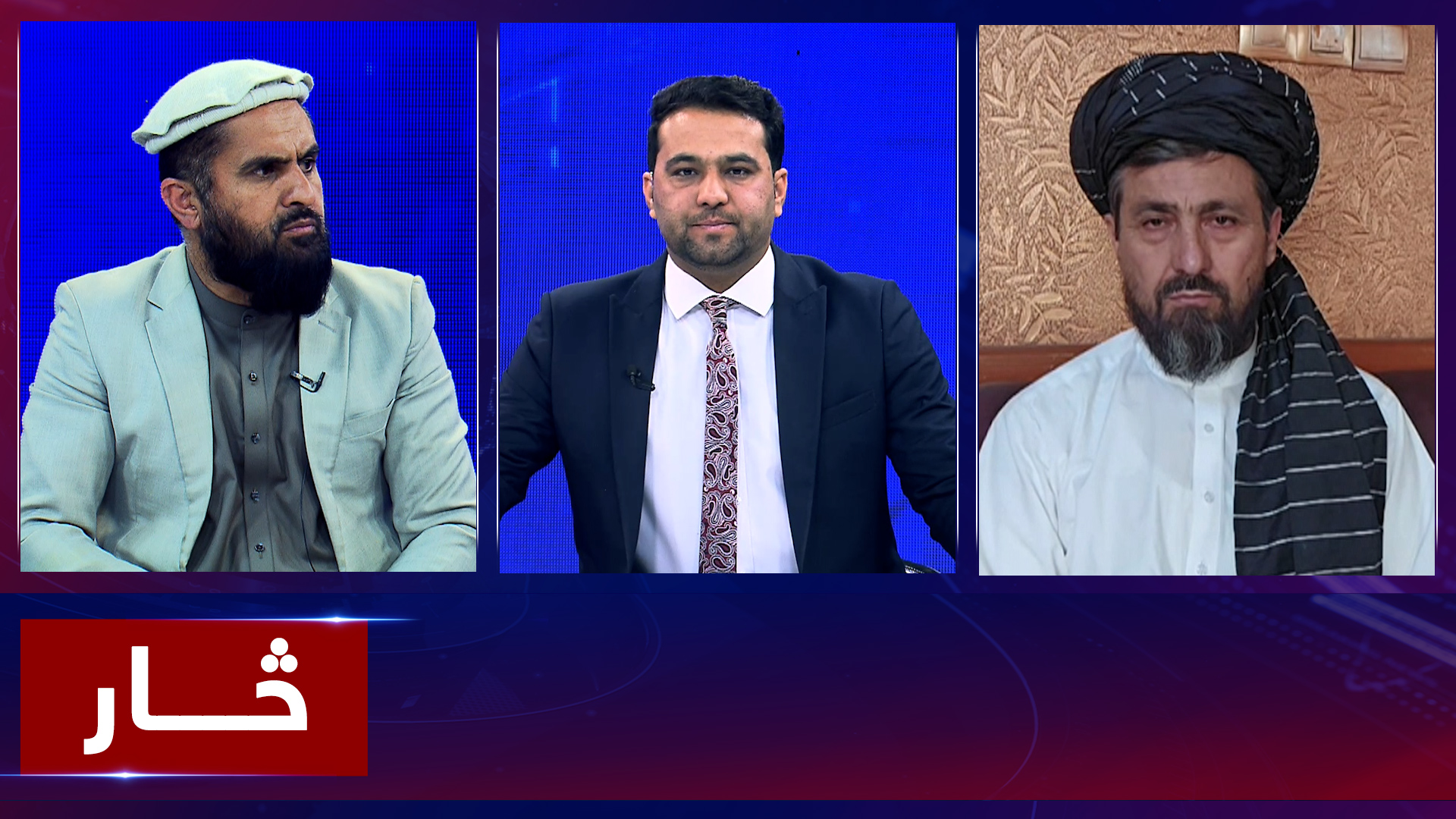
Saar: Refugee returns to Afghanistan ahead of winter discussed

Tahawol: Emphasis on security cooperation at Tehran talks discussed
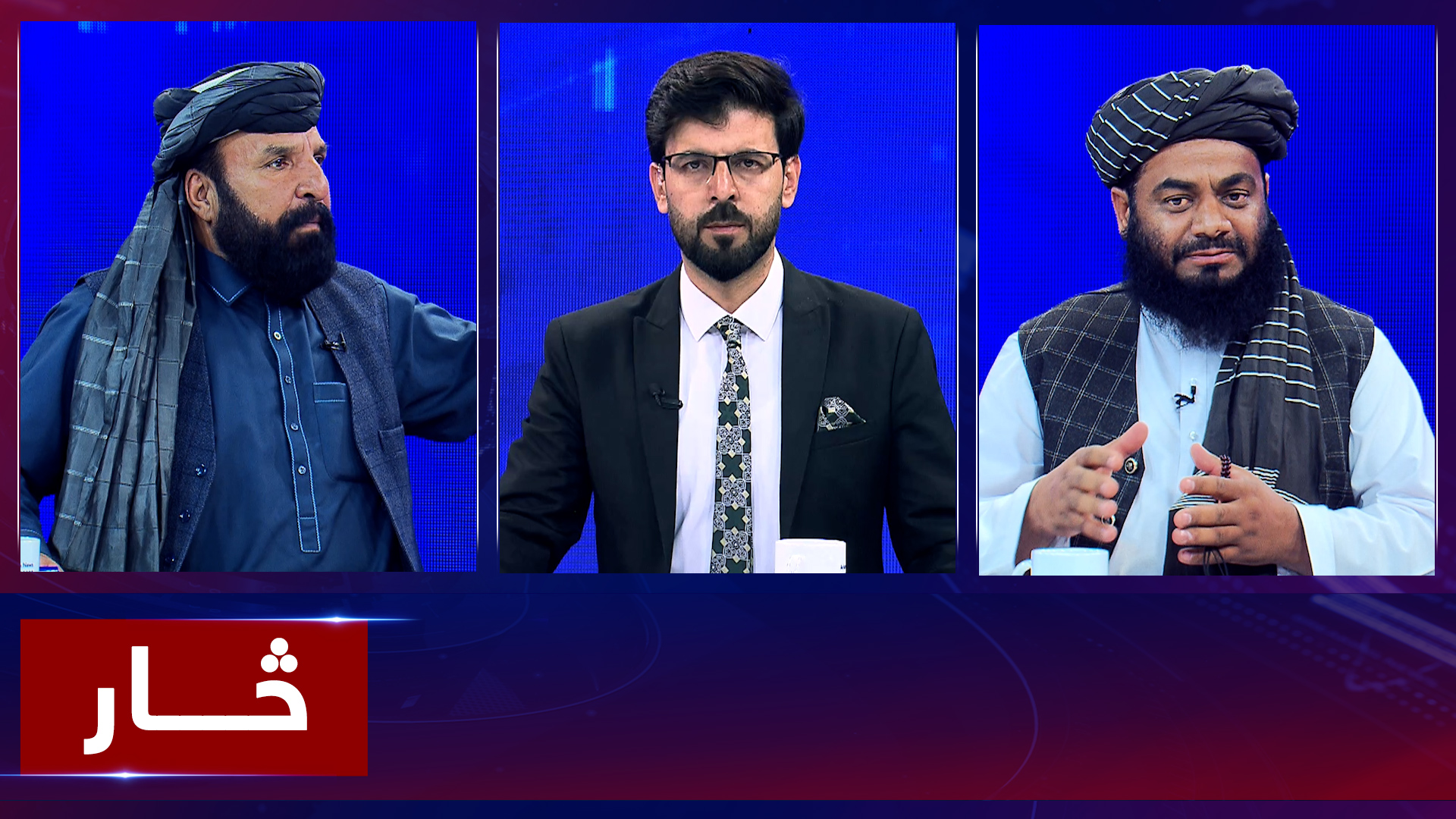
Saar: Pakistan threatening strikes on Afghanistan
-
 Sport3 days ago
Afghanistan advance to Tier C at FIFA U-15 World Cup and Festival
-
 Regional4 days ago
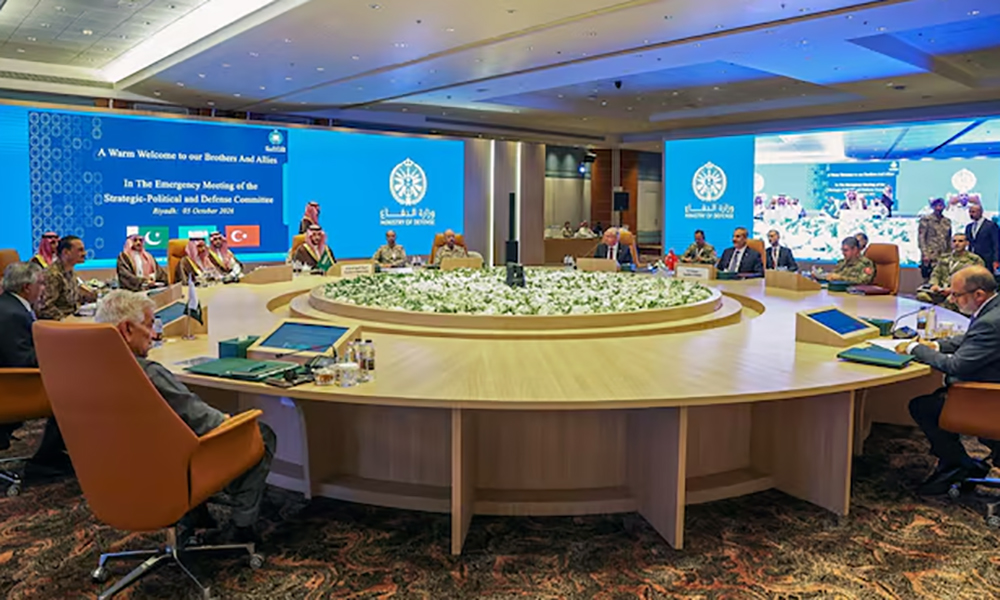
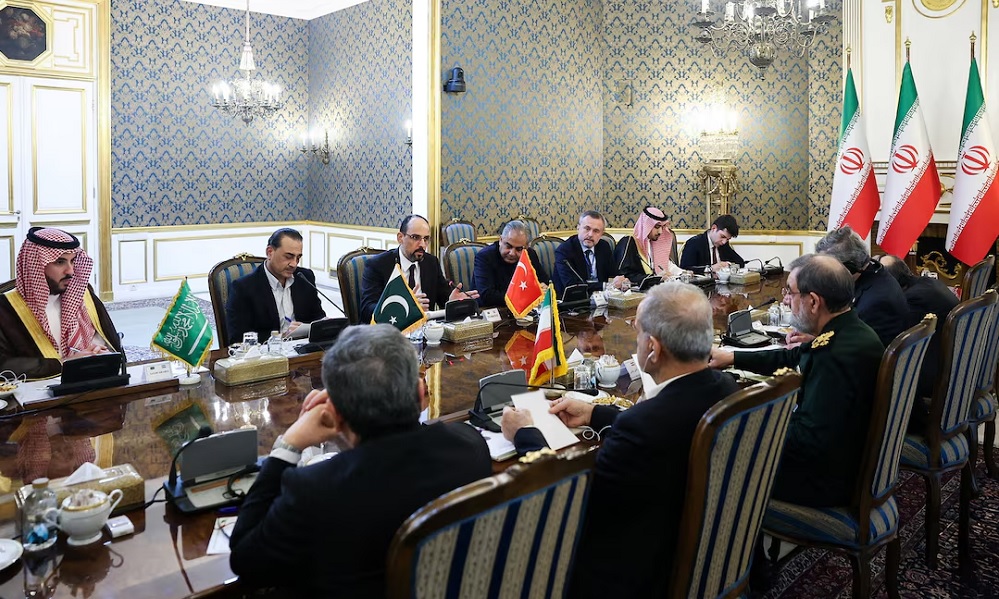
Officials from Mecca pact countries to meet Iranian officials in Tehran
-
 World5 days ago
Four ways US foreign policy could change if Democrats win in November
-
 Climate Change4 days ago
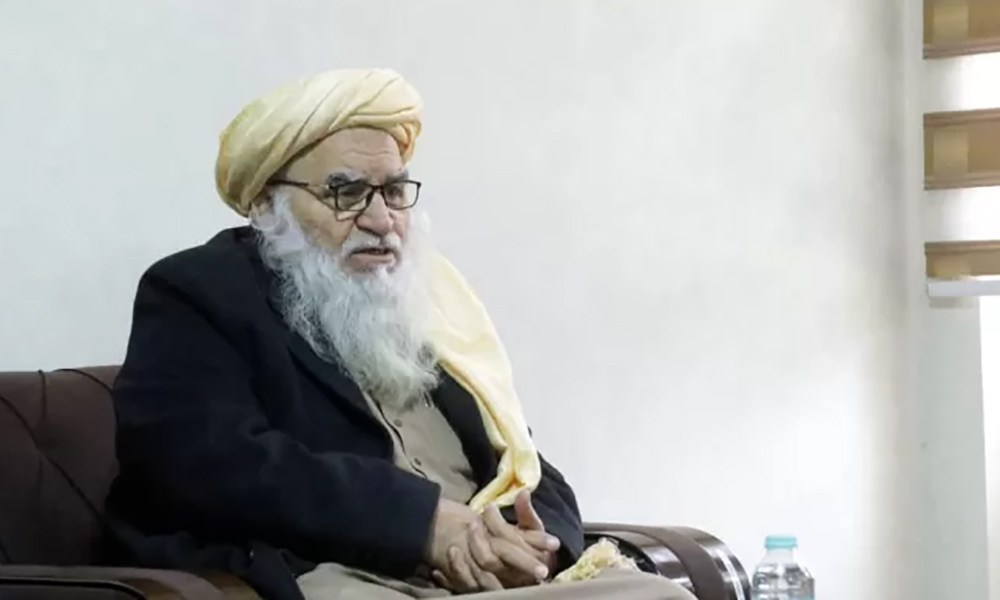
Afghanistan’s environmental protection chief travels to Malaysia for global education conference
-
 World4 days ago
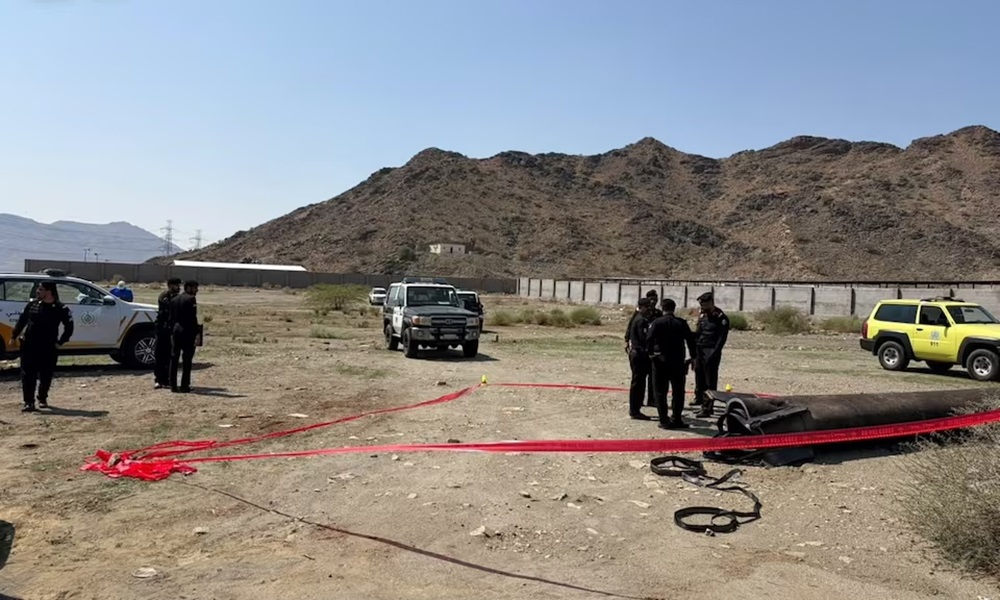
Houthis say they attacked Saudi oil pumping stations, Riyadh airport as fighting intensifies
-
 Regional3 days ago
Saudi defence pact countries push for peace in Tehran as Houthis launch more attacks
-

 Business4 days ago
WFP report notes high food and fuel costs continue to pressure Afghan households
-
 Latest News4 days ago
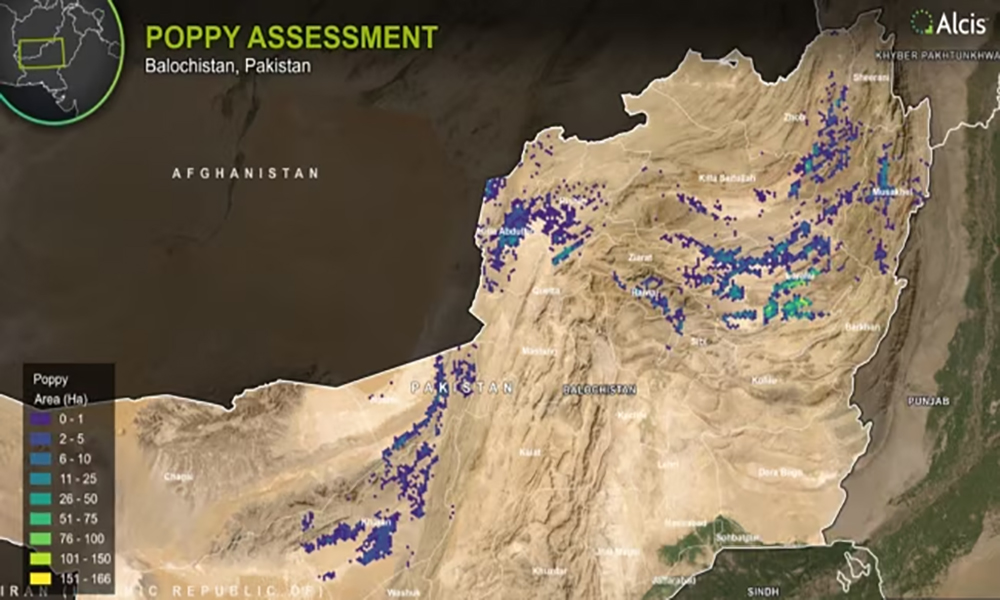
Afghanistan opium ban shifts cultivation to Pakistan and Iran, experts warn