
Latest News
Afghanistan now ranks 2nd on crisis committee’s Emergency Watchlist

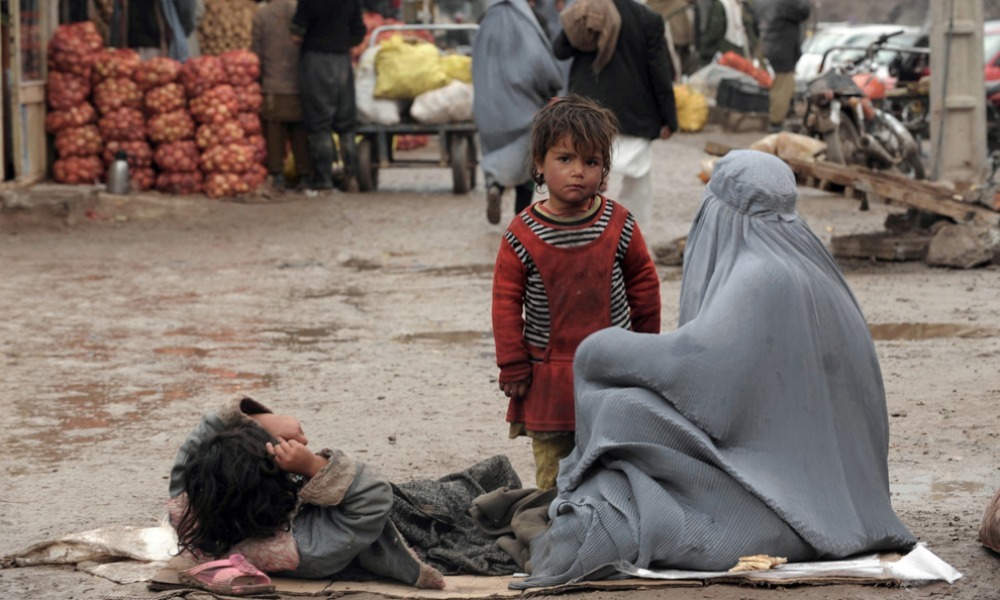
Afghanistan has risen to second on the UK’s International Rescue Committee’s annual Emergency Watchlist due to a triple threat of conflict, COVID-19 and climate change.
In its latest report, issued on Tuesday, IRC said the number of people in need for 2021 nearly doubled compared to early 2020, and Afghanistan rose from sixth to second on the IRC’s Emergency Watchlist.
According to the IRC, as peace talks between the Afghan government and the Taliban fail to make progress, Afghans remain under continued threat of violence, with many fleeing their homes in search of safety. Amid this volatility, women and girls are also at greater risk of experiencing violence within their own homes.
“When Afghans cannot provide for their family, we see a surge in violence against the most vulnerable family members,” says Vicki Aken, country director for the IRC in Afghanistan.
“This forces many families, including children, to risk their lives in desperate attempts to leave Afghanistan and seek safer, better lives elsewhere. A peaceful resolution to the ongoing conflict is the only sustainable solution to meeting chronic need in Afghanistan.”
The IRC stated that among the reasons Afghanistan is one of the countries most at risk of humanitarian catastrophe in 2021 is because of political uncertainty which “is likely to drive conflict between the Taliban and Afghan government forces”.
The organization stated that fighting in late 2020 alone forced 35,000 people from their homes and could indicate a larger escalation in conflict yet to come.
The report also found that ongoing conflict makes it difficult for many Afghans to access health care.
In line with this, ongoing conflict also forced 38 health facilities to close in 2020, making it difficult for many Afghans to receive lifesaving care during the COVID-19 pandemic, and preventing aid workers from meeting increased humanitarian needs.
COVID-19 has also pushed Afghans into poverty, making food insecurity likely to continue to grow in 2021, the IRC reported adding that as the pandemic continues, an additional six million Afghans are at risk of poverty and 42 percent are expected to face crisis levels of food insecurity.
The IRC also stated that reports of early marriages and violence against women have increased in the wake of ongoing conflict and women continue to be targeted by armed groups.
In addition to this, increasing natural disasters are uprooting families and driving greater humanitarian needs.
The organization reported that natural disasters and extreme weather conditions continue to plague Afghanistan, partly due to climate change. “In fact, the country is ranked one of the top 10 most vulnerable to climate change across the globe,” the report stated.
Over one million people remain displaced due to natural disasters and around half of the districts in Afghanistan experienced a natural disaster in 2020, affecting over 110,000 people, read the report.
“Impending drought this year threatens much of the country, posing further displacement and widespread hunger. Already, 42 percent of the population is experiencing food insecurity, and this will increase as the drought takes hold,” read the report.
The International Rescue Committee has been working in Afghanistan since 1988, reaching over one million people each year with emergency aid and recovery programmes.
The annual Emergency Watchlist is a global list of humanitarian crises the IRC expects to significantly deteriorate over the course of the coming year.




Latest News
US Afghanistan War Commission meets Asim Munir over Pakistan’s role in conflict
The commission is examining the military, diplomatic, intelligence and foreign assistance aspects of the US engagement.
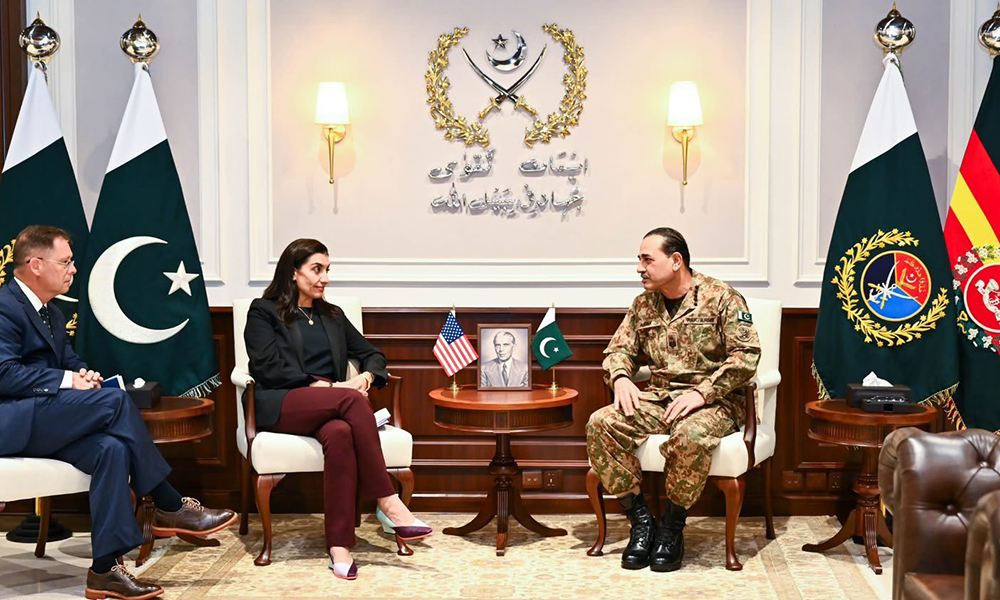
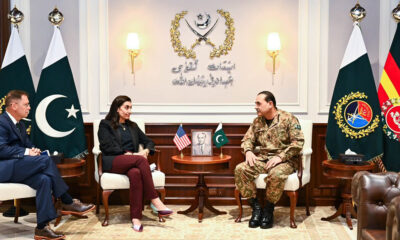
A delegation from the US Afghanistan War Commission met Pakistan’s army chief, Field Marshal Asim Munir, in Rawalpindi on Monday as the commission reviews the United States’ 20-year engagement in Afghanistan.
The delegation, led by commission co-chairs Shamila N. Chaudhary and Colin F. Jackson, met Munir at General Headquarters, according to Pakistan’s military.
Discussions covered Pakistan’s support during the Afghanistan conflict, the regional security environment and developments in Afghanistan, with a focus on issues relevant to the commission’s review.
Munir presented Pakistan’s perspective on the security dynamics that shaped the conflict and highlighted the challenges faced by the country during the prolonged war in neighbouring Afghanistan.
He also stressed the importance of incorporating the regional perspective and Pakistan’s experience when assessing the strategic, diplomatic and operational dimensions of the conflict, according to the military statement.
The delegation acknowledged Pakistan’s “longstanding role and sacrifices” during the conflict and appreciated what it described as the country’s continued contribution to regional peace and stability.
The Afghanistan War Commission was established by the US Congress in 2021 to conduct an independent review of US decisions and actions during the Afghanistan war from June 2001 to August 2021. The commission is examining the military, diplomatic, intelligence and foreign assistance aspects of the US engagement.
US forces completed their withdrawal from Afghanistan on August 30, 2021, ending nearly two decades of US military involvement in the country.
Pakistan was a key regional actor throughout the conflict, sharing a long border with Afghanistan and providing logistical and other support to US-led operations while also facing significant security challenges linked to the war.
The commission’s meeting with Munir comes as it gathers regional perspectives on the decisions and events that shaped the US engagement in Afghanistan. Its final report is expected to examine the broader strategic, diplomatic and operational lessons of the conflict.
Latest News
EU appoints Nicola Bellomo as new chargé d’affaires in Afghanistan
Bellomo announced his appointment on X, saying he was taking on the assignment with “great pride” and would represent the European Union’s interests and values in Afghanistan.
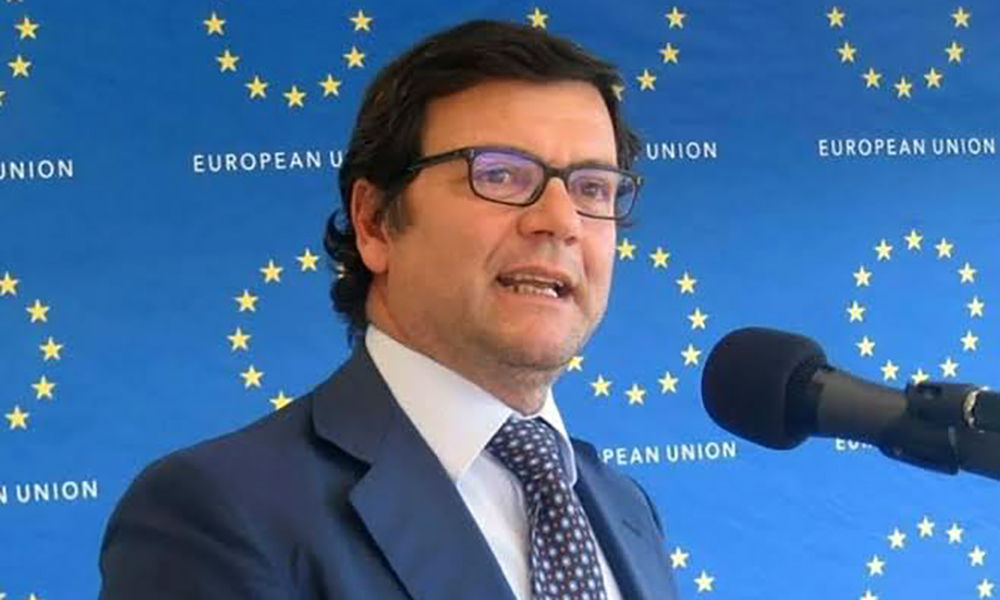
Italian diplomat Nicola Bellomo has taken up his new post as chargé d’affaires of the European Union delegation in Afghanistan, succeeding Veronika Boskovic Pohar, who had held the position since September 2024.
Bellomo announced his appointment on X, saying he was taking on the assignment with “great pride” and would represent the European Union’s interests and values in Afghanistan.
Before his new posting, Bellomo headed the Pan-African Affairs division at the European External Action Service (EEAS). He previously served as the EU ambassador to Rwanda.
His appointment comes as the European Union continues its diplomatic engagement with Afghanistan while not formally recognizing the Islamic Emirate of Afghanistan (IEA).
The EU remains one of Afghanistan’s major international donors and has recently announced funding for programmes supporting economic resilience, returnees, agriculture and climate adaptation.
Latest News
UN agency warns funding crisis could leave 8.3 million people without aid
UNHCR expects the population under its mandate to reach 131.2 million by year end, up from 129.4 million at the end of last year.
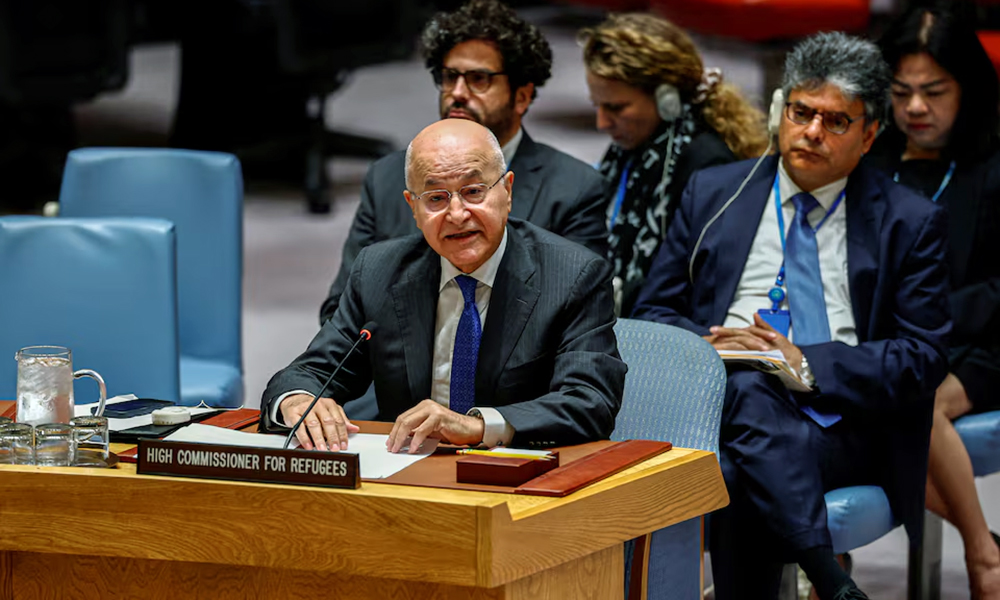
A deepening funding crisis could leave nearly 8.3 million refugees and forcibly displaced people without access to assistance this year, and push protection systems in some countries towards collapse, the United Nations refugee agency warned on Tuesday, Reuters reported.
UNHCR is facing one of its worst-ever funding crises following aid cuts by the United States and other countries. It faces a $5.789 billion funding gap, according to a new report by the agency, after money available to the agency fell 24% between 2024 and 2025.
As of July, UNHCR had received only 32% of the $8.505 billion it required in 2026, while the number of forcibly displaced and stateless people globally remains near record levels.
UNHCR expects the population under its mandate to reach 131.2 million by year end, up from 129.4 million at the end of last year.
“Below a certain threshold, the system doesn’t shrink, it fails,” the agency said in the 26-page report outlining the impact of budget cuts on refugee registration, child protection programmes and services for survivors of gender-based violence.
The report highlighted severe consequences in countries hosting large displaced populations. In Chad, where refugees have fled conflict in neighbouring Sudan, 319,000 people face registration delays while 200,000 women and girls could lose access to safe spaces and prevention programmes.
In Sudan — which the UN considers the world’s worst displacement crisis due to the civil war that entered its fourth year in April — about 140,000 refugees and asylum-seekers remained unregistered by mid-year after registration activities were suspended for the first five months of 2026.
In Afghanistan, UNHCR grants given to people returning to the country have been slashed from $375 to $170 per person, while the country has received over one million people this year alone, due to forced or voluntary returns from neighbouring countries including Iran and Pakistan, read the report.
UNHCR said that further cost-saving measures could not compensate for funding shortfalls, after having already cut its workforce by 33% in 2025, closed offices in 140 locations and discontinued operations in 15 countries compared with 2024.
The agency also said a growing share of donor funding is tightly earmarked, rising to 51% in 2026 from 19% five years earlier, limiting its ability to shift resources to the most urgent priorities.
UNHCR warned that reduced funding was gradually eroding the protection system, increasing the risk that refugees remain undocumented and that survivors of gender-based violence are left without the support they need.


Kazakhstan grain shipments to Afghanistan rise over 4-fold

Kandahar Red Crescent: More than 3,000 mental health patients treated in five years

Russia accuses West of double standards over deportation of Afghans

Afghanistan on climate front line as Kabul faces groundwater warning

US Afghanistan War Commission meets Asim Munir over Pakistan’s role in conflict

Saudi energy group signs major Afghanistan deals covering gas exploration and pipeline plans

Iranian clubs to face Gulf opponents at neutral venues in Asian Champions League Elite

Khalilzad: Afghanistan ready to attract major investment

Ariana Television Network secures exclusive rights to Afghanistan’s 2026/27 cricket series

Afghanistan drawn in Group A of AFC U17 Asian Cup qualifiers

Saar: Afghanistan’s image at UNGA

Saar: Concerns over Pakistan’s political crisis discussed

Exclusive interview with Abdul Latif Mansoor, Minister of MRRD

Tawsia: Overview of Afghanistan’s iron mines

Tahawol: Discussion on fresh Pakistani airstrikes on Afghanistan
-

 Sport2 days ago
Afghan bodybuilder Ali Bilal finishes runner-up at Mr Olympia for third straight year
-

 Latest News2 days ago
Afghanistan says 28 killed, 32 captured in Nuristan operation
-

 World2 days ago
Trump rejects Iranian proposal to open Hormuz and end fighting
-
 Sport3 days ago
Afghanistan to face India in Asian Games cricket quarter-final
-
 Latest News5 days ago
Khalilzad warns Pakistan-Afghanistan tensions likely to worsen after fresh airstrikes
-

 Latest News3 days ago
Khalilzad questions Pakistan’s commitment to Afghan welfare
-

 Sport4 days ago
Afghanistan Champions League: Arman FC and Aino Mina play out goalless draw
-
 World3 days ago
Iran awaits US move after WSJ report says Trump rejects peace plan