
Latest News
Afghanistan’s Farooqi leads T20 World Cup pack so far with most wickets
Afghanistan’s next match will be against Papua New Guinea (PNG) on Friday, June 14.


Afghanistan’s Fazalhaq Farooqi is currently the top wicket-taker in the T20 World Cup 2024. With nine scalps from two games, Farooqi is leading the pack.
If Farooqi keeps on the same path, he will join fellow Afghanistan cricketer Mohammad Nabi as top wicket-taker at a T20 World Cup.
Nabi scooped his accolade at the 2016 T20 World Cup.
Twenty-three year old Farooqi, who hails from Baghlan, has risen to relative fame over the past few years, after having played his debut T20I in March 2021 against Zimbabwe in Abu Dhabi.
Farooqi’s monumental achievements in the Uganda and New Zealand matches are however a new take on Afghanistan’s original stance.
For years, the team’s blueprint was Mujeeb Ur Rahman with the new ball, Mohammad Nabi after the powerplay, and Rashid Khan later on. This was especially applicable to T20s.
The three played such a big role that Afghanistan became synonymous with spinners.
Of late, though, it is becoming more and more evident that Afghanistan are no longer just about their spinners.
For the second successive match at T20 World Cup 2024, Afghanistan’s victory was set up by their openers Rahmanullah Gurbaz and Ibrahim Zadran, and left-arm seamer Farooqi.
In the first match against Uganda, Gurbaz and Ibrahim added 154 in just 14.3 overs to help Afghanistan post 183 for 5. Later, Farooqi dismantled Uganda with a career-best 5 for 9.
If one overlooked their performance by saying it came against an inexperienced side in Uganda, the trio did a repeat against New Zealand on Friday evening.
Apart from being playful, Farooqi is however, someone who is extremely confident in his ability as a bowler.
Talking about Farooqi’s bowling, skipper Rashid Khan said after Saturday’s match: “He is giving us the base we want. Especially in T20s, the powerplay is very important. And the way Farooqi has bowled in the last two games is amazing. He is a very skilful bowler.
“He still needs to improve a lot of things but once he understands how skillful he is, he is going to be very dangerous in future.”
Afghanistan’s next match will be against Papua New Guinea (PNG) on Friday, June 14.
The match starts at 5pm Kabul time and will be broadcast live on Ariana Television.
Fans can however tune in at 4.30pm to watch the pre-match show.
RELATED STORIES
Rashid thanks fans at home for all their ‘support, love and prayers’
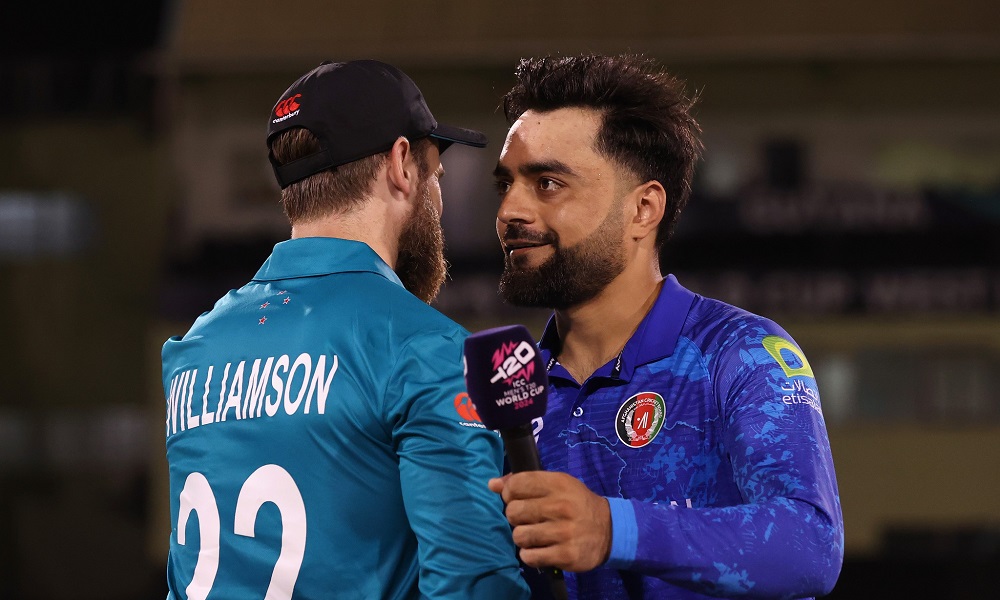
Afghanistan shock New Zealand by 84 runs for first win in history



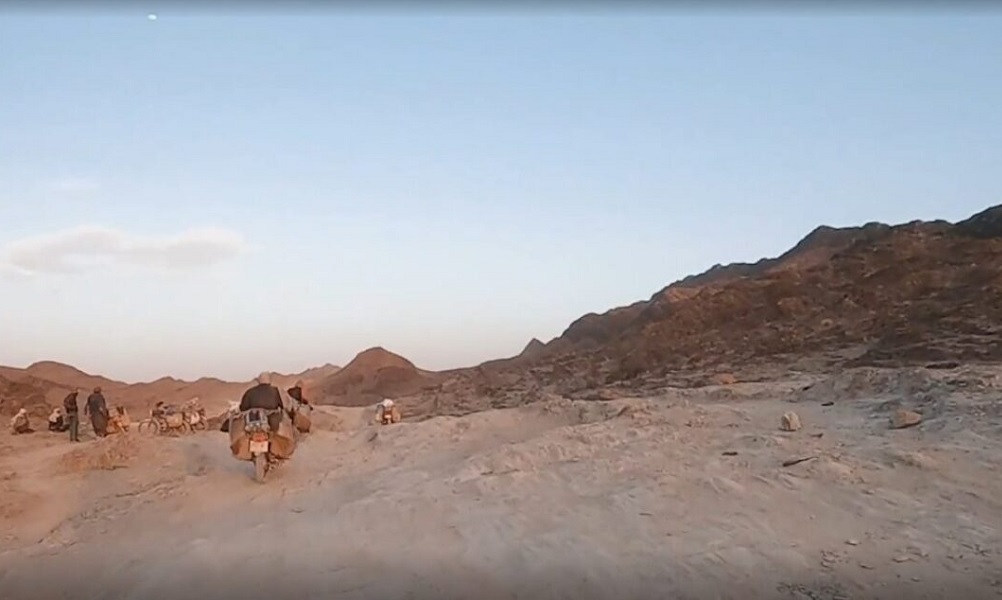
Three Afghan migrants, including a woman and a child, have been killed in a shooting by Iranian forces in Iran’s southeastern Sistan and Baluchestan province, according to the human rights organization Haalvsh.
The incident took place on Friday, November 20, in the Kalleh-Gan area of Saravan. Haalvsh said all three victims were shot in the head.
Citing local sources and eyewitnesses, the organization reported that the bodies were covered with a pile of stones after the shooting. Other Afghan migrants passing through the area later discovered the bodies.
The identities of the victims have not yet been established.
Latest News
OIC contact group discusses roadmap for phased engagement with Afghanistan’s authorities
Participants further discussed the importance of maintaining direct and constructive dialogue with Afghanistan’s authorities on issues of shared interest.
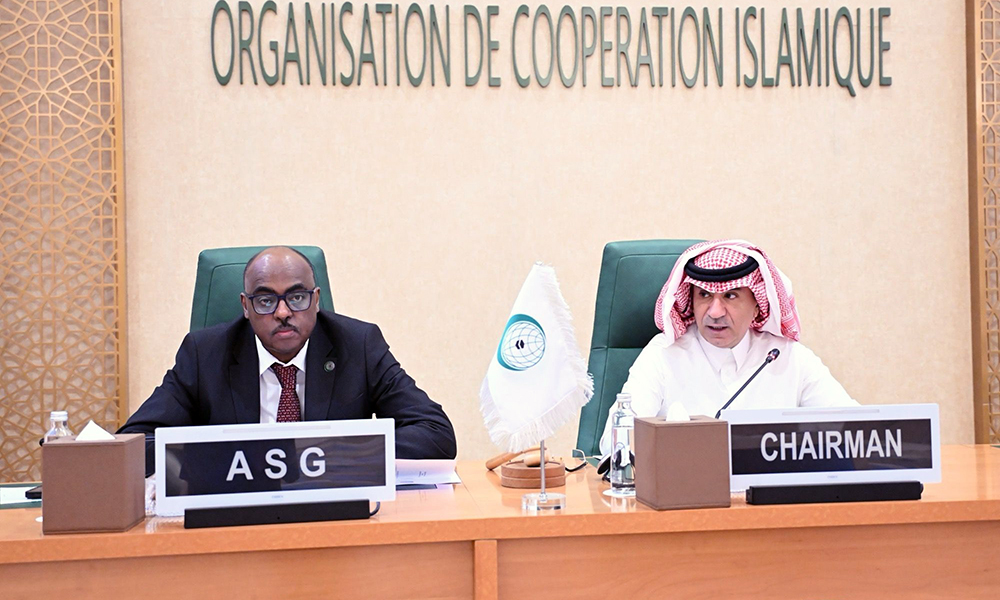
The Ministerial Contact Group of the Organization of Islamic Cooperation (OIC) on Afghanistan has held a preparatory technical meeting in Jeddah to discuss a roadmap outlining a structured and phased approach to engagement with Afghanistan’s authorities.
During the meeting, participants reviewed key issues concerning the OIC’s position on Afghanistan’s evolving political and humanitarian situation and explored ways to establish a systematic framework for communication and engagement with the country’s current authorities.
According to the OIC, the proposed roadmap is intended to guide the Contact Group’s engagement in a manner that serves the interests of the Afghan people while contributing to stability and development in the country.
The meeting also focused on identifying priority areas for the Group’s work, particularly the implementation of relevant resolutions adopted by the OIC Council of Foreign Ministers.
Participants further discussed the importance of maintaining direct and constructive dialogue with Afghanistan’s authorities on issues of shared interest.
The meeting forms part of the OIC’s efforts to establish a coordinated approach to its engagement with Afghanistan amid ongoing political and humanitarian challenges.
Latest News
Islamic Emirate disputes UN report on Afghanistan opium cultivation
The Islamic Emirate has repeatedly maintained that its ban on narcotics remains in force and that counter-narcotics operations are continuing across the country.
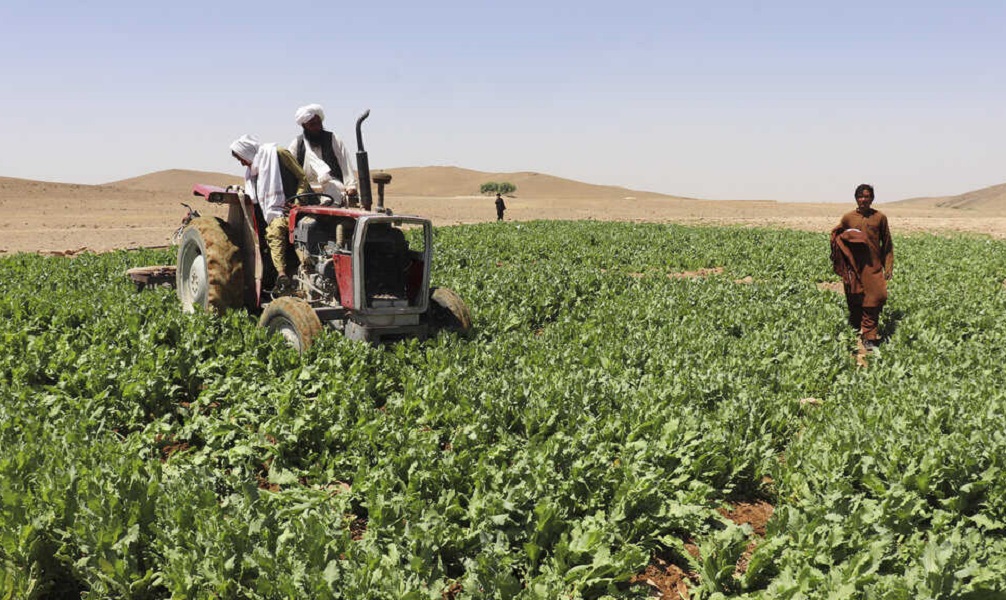
The Islamic Emirate of Afghanistan has disputed a new United Nations report estimating a sharp increase in opium poppy cultivation in 2026, saying the findings do not accurately reflect the results of its nationwide counter-narcotics operations.
The Afghanistan Opium Survey 2026, published by the United Nations Office on Drugs and Crime (UNODC), estimates that poppy cultivation has increased to more than 43,000 hectares, compared with approximately 10,000 hectares in 2025.
The report also estimates that opium production has risen to nearly 1,500 tonnes, up from around 300 tonnes last year. It identifies northeastern Afghanistan, particularly Badakhshan and Takhar, as major cultivation centres.
However, the Ministry of Interior has challenged the figures, arguing that the survey does not adequately account for eradication operations carried out by Afghan authorities.
The ministry said its counter-narcotics campaign had resulted in the destruction of poppy cultivation across approximately 23,000 hectares of land during 2026, maintaining that its own assessments show cultivation has been reduced to almost zero.
The UNODC report attributes the reported increase partly to economic pressures on farming communities and limited alternative livelihood opportunities. It also notes that cultivation remains significantly below pre-ban levels, when more than 200,000 hectares were planted with opium poppy.
The Islamic Emirate has repeatedly maintained that its ban on narcotics remains in force and that counter-narcotics operations are continuing across the country.
The differing assessments highlight a gap between the UN’s estimates and the figures presented by Afghan authorities, as Afghanistan continues its efforts to eliminate narcotics cultivation while addressing the economic challenges facing rural communities.

Three Afghan migrants, including woman and child, killed in Iran border shooting

Saar: Pakistan FM’s remarks on Afghanistan
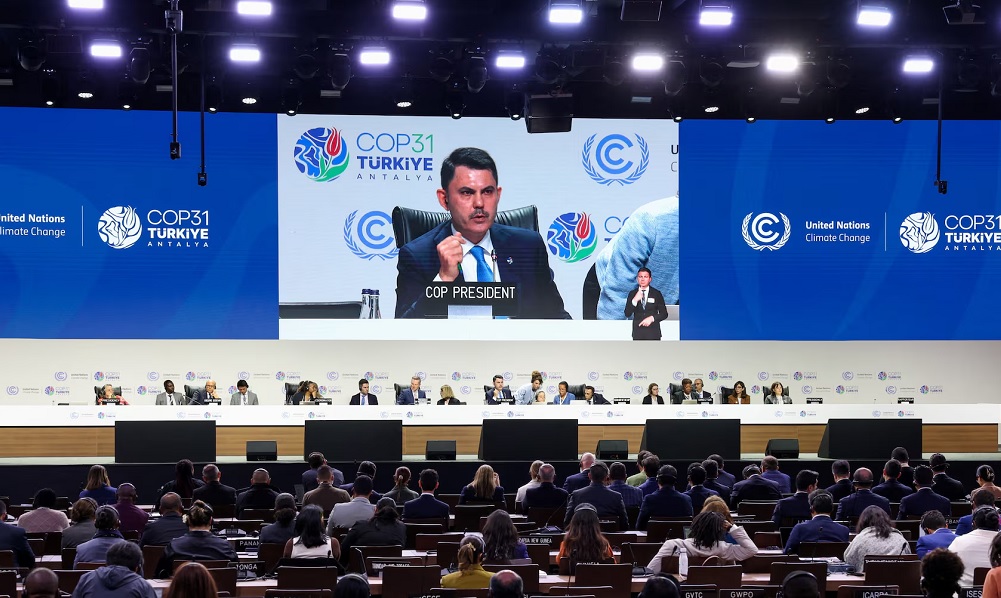
COP31 climate talks collapse as EU and others reject deal
OIC contact group discusses roadmap for phased engagement with Afghanistan’s authorities
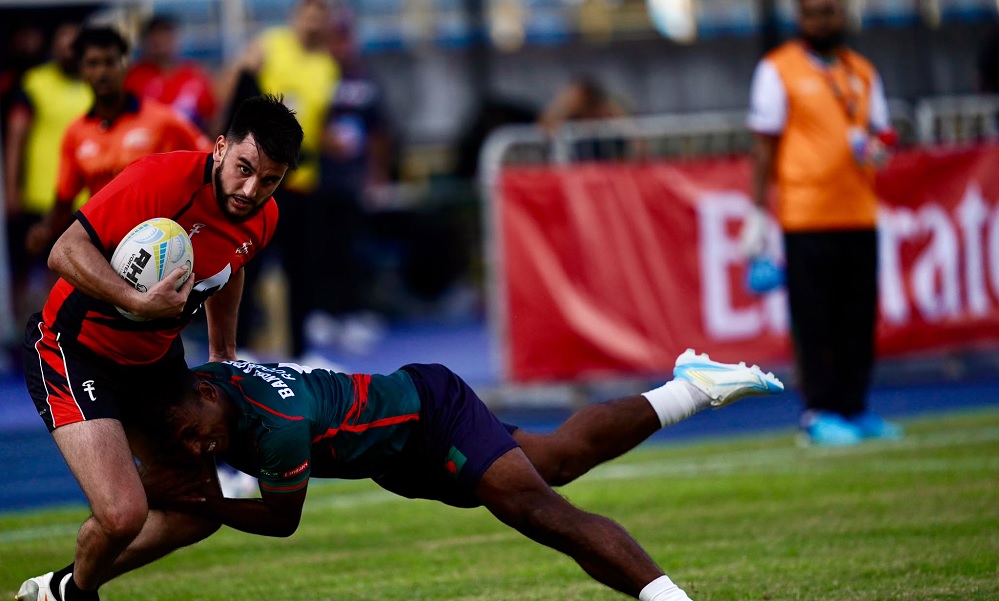
Afghanistan wins bronze at Asia Rugby Sevens Trophy 2026

US sanctions and blockade measures disrupt Iran’s trade with Afghanistan and regional neighbors
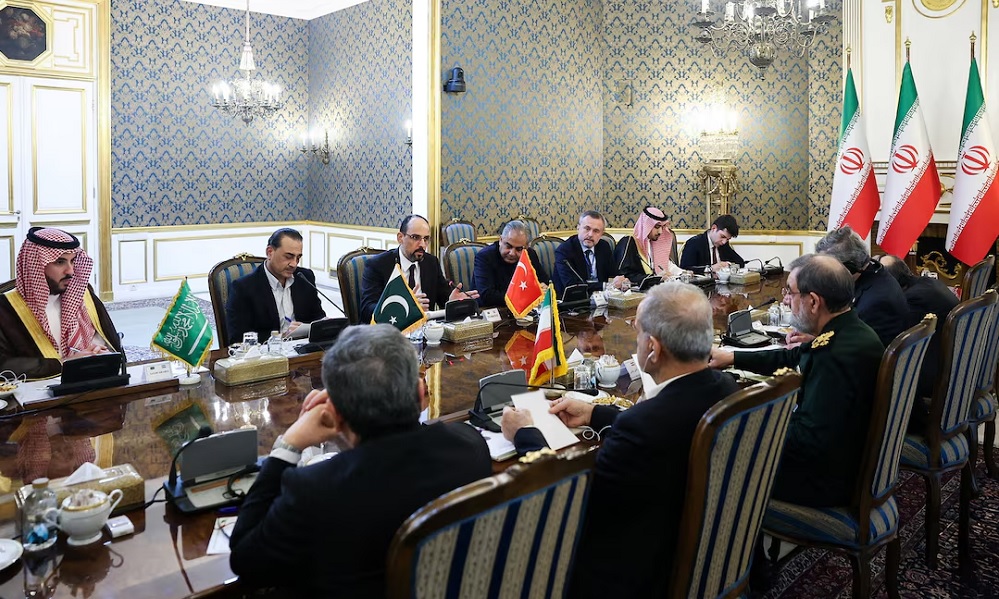
Saudi defence pact countries push for peace in Tehran as Houthis launch more attacks

England forward Kane crowned Ballon d’Or winner

Afghanistan to launch nationwide polio vaccination campaign

Afghanistan urges polio vaccination as cases reach 42
Saar: Pakistan FM’s remarks on Afghanistan
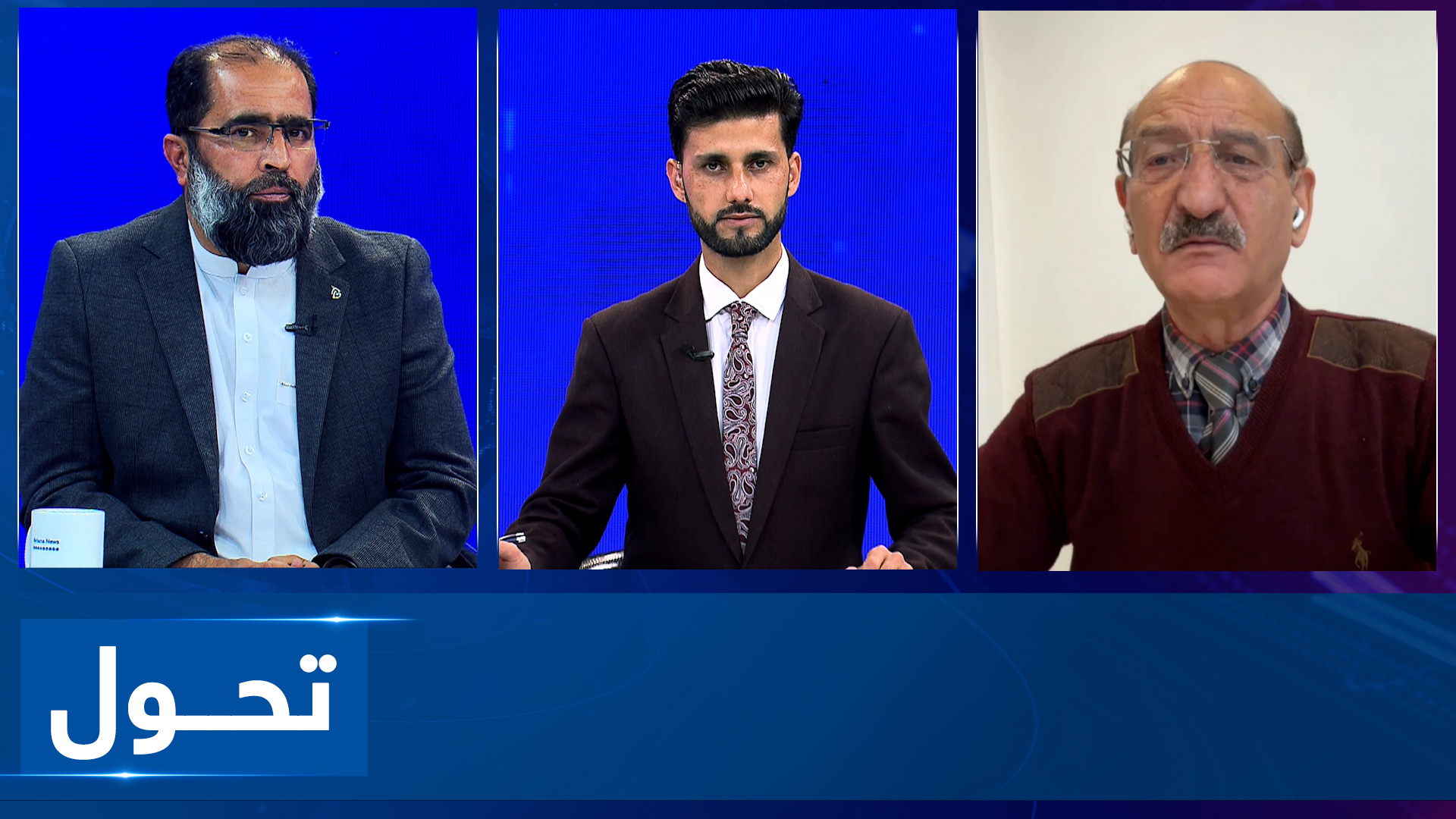
Tahawol: World Television Day discussed
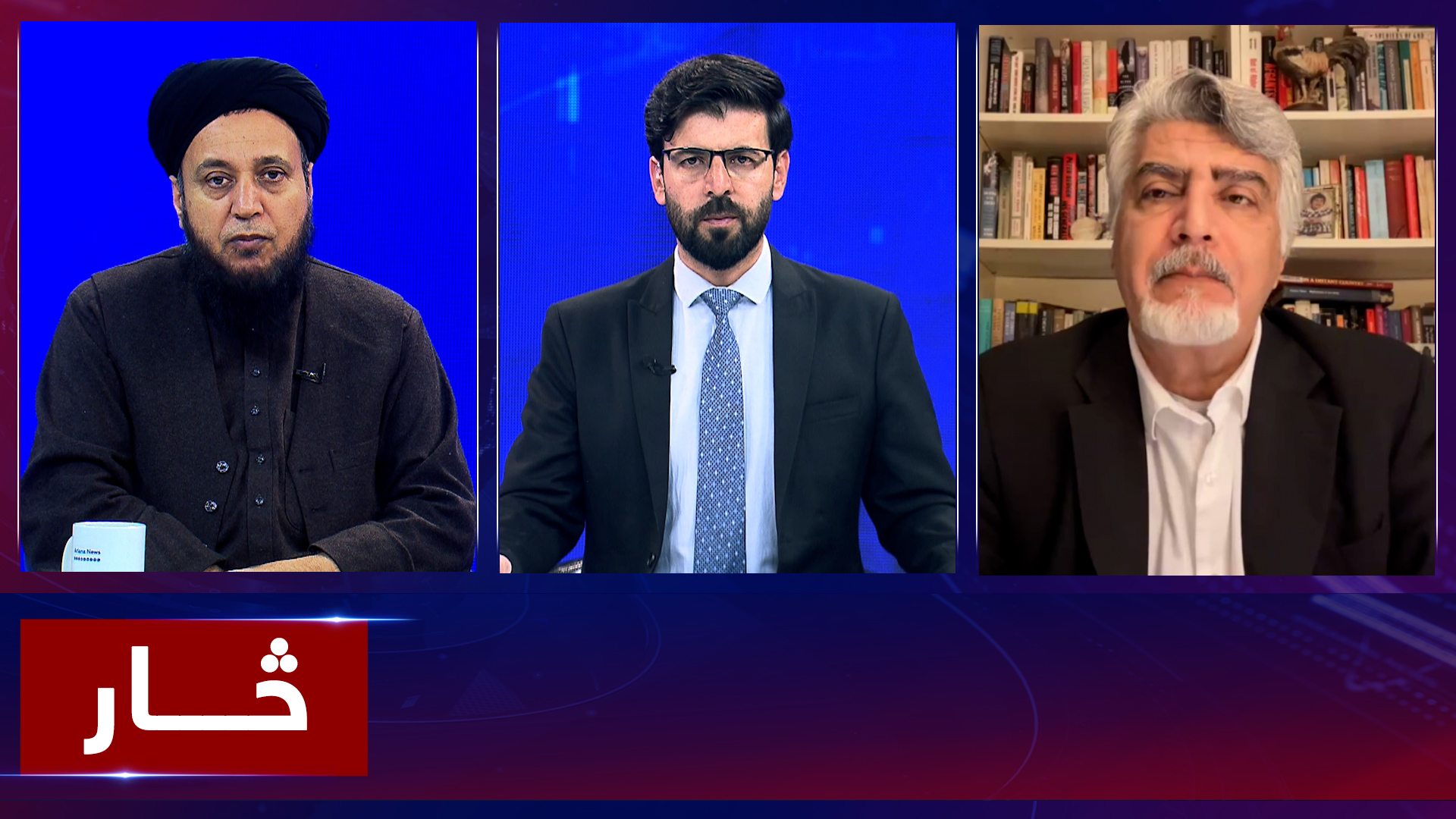
Saar: Efforts to resolve Afghanistan-Pakistan tensions in Moscow reviewed
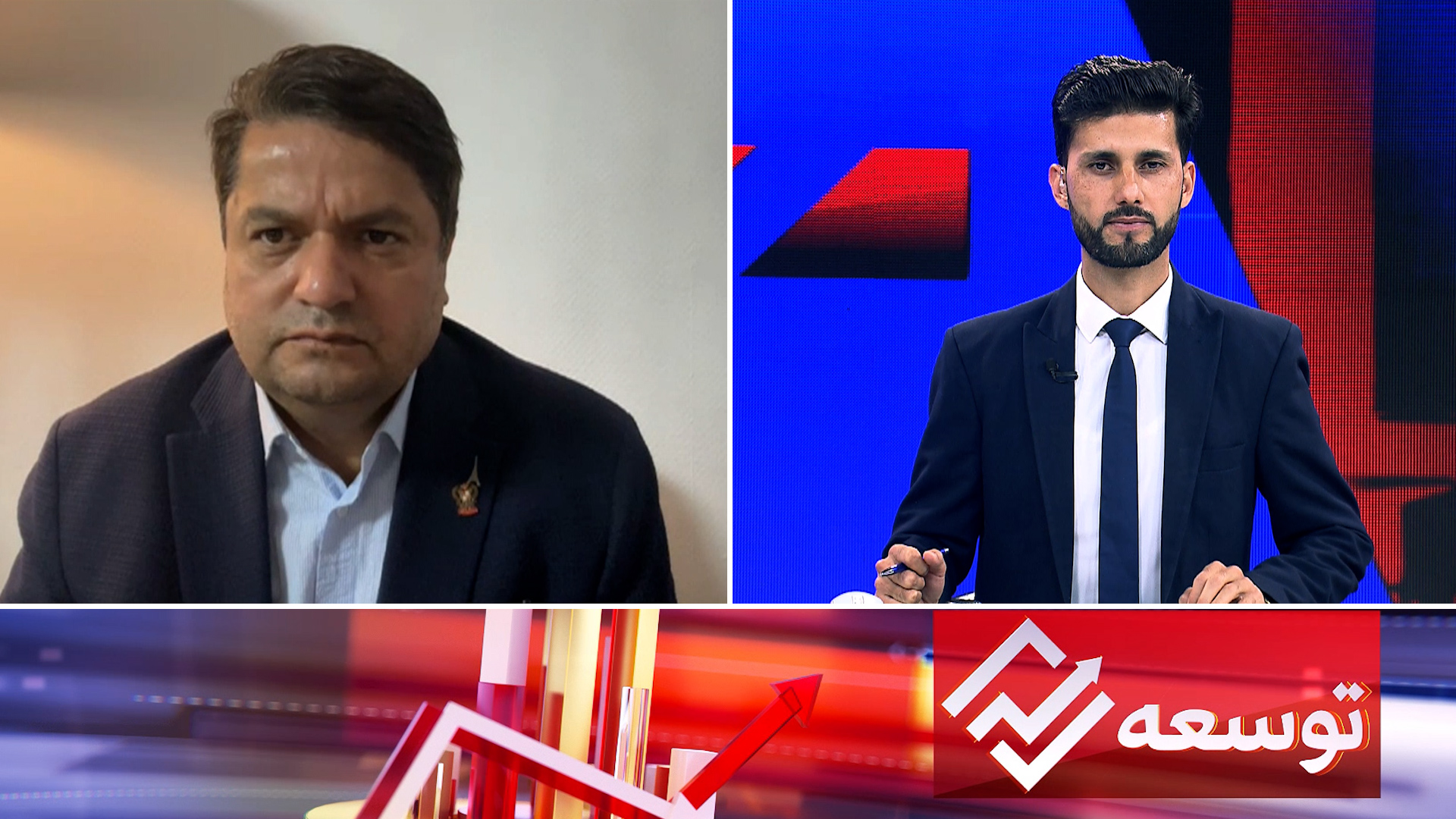
Tawsia: Afghanistan’s key economic highlights of the week discussed
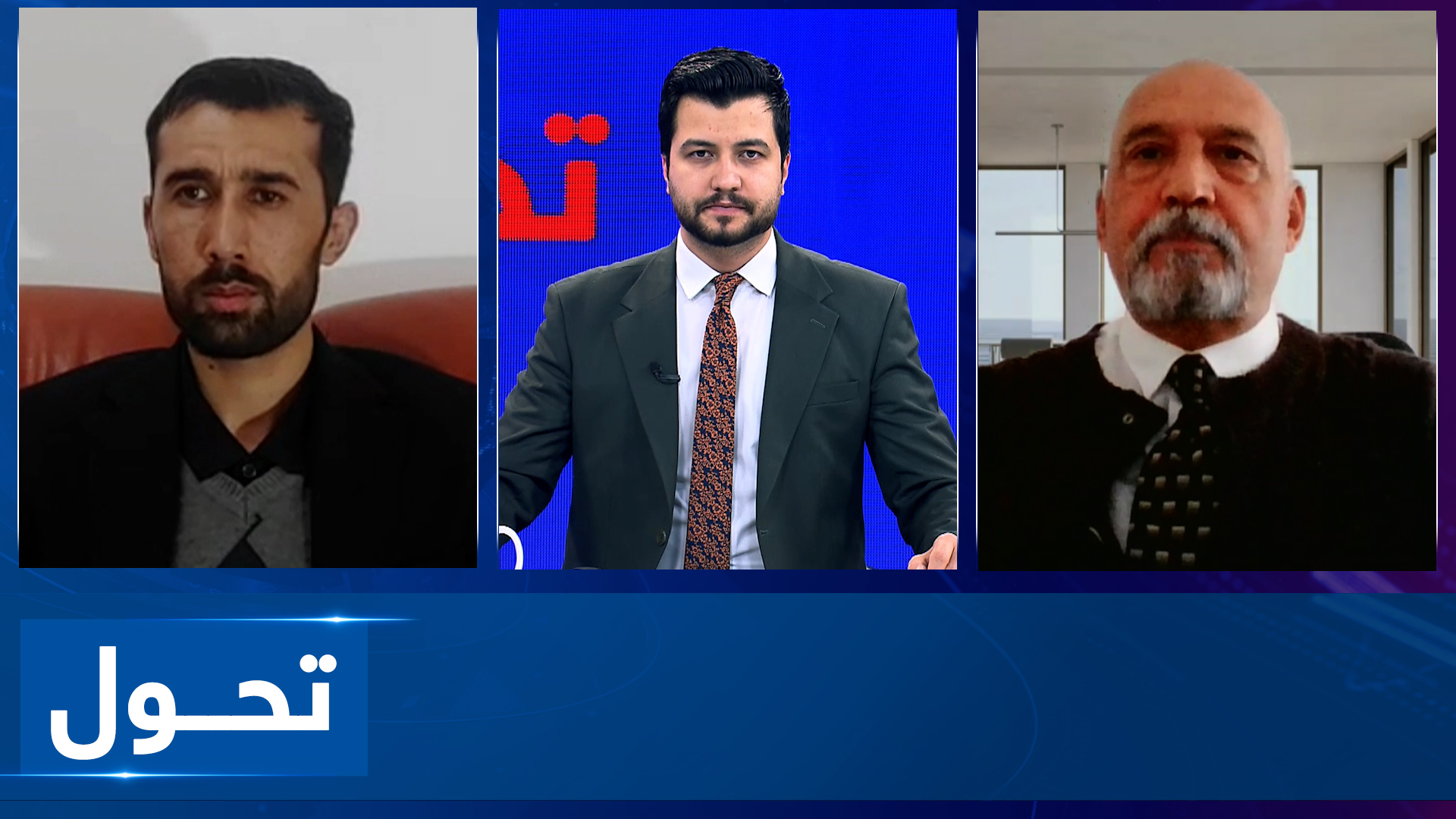
Tahawol: Kazakhstan’s call for practical international engagement with Afghanistan
-
 Sport5 days ago
ATN to broadcast AFC Awards honoring Asia’s football stars
-
 Regional5 days ago
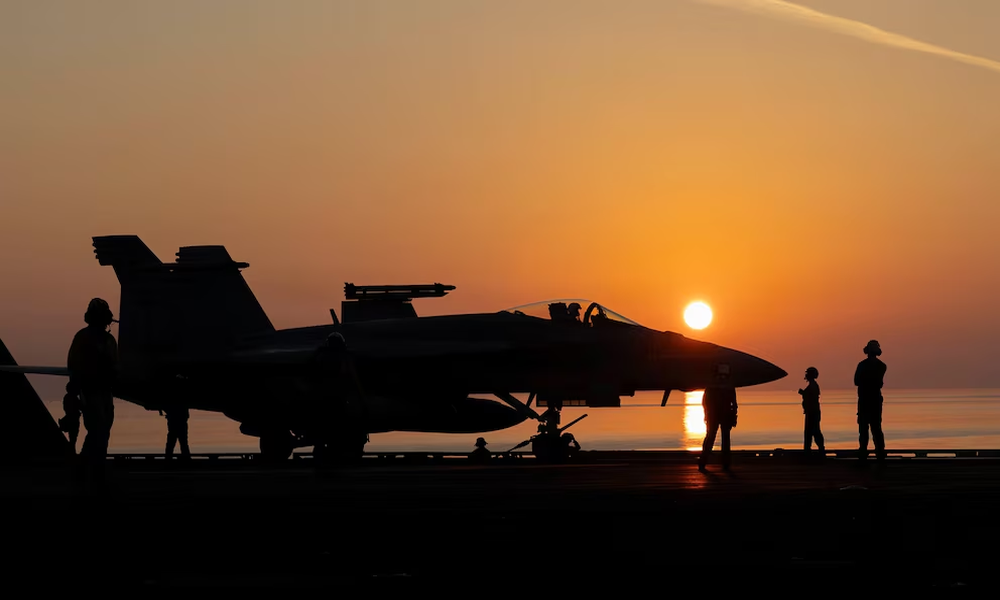
US strikes Iranian military site as Gulf states report fresh attacks
-
 Latest News5 days ago
Afghanistan’s economy grows despite rising food insecurity and water crisis: World Bank
-
 Latest News4 days ago
Two Afghan nationals convicted over sexual assault of 14-year-old girl on UK train
-
 Business5 days ago
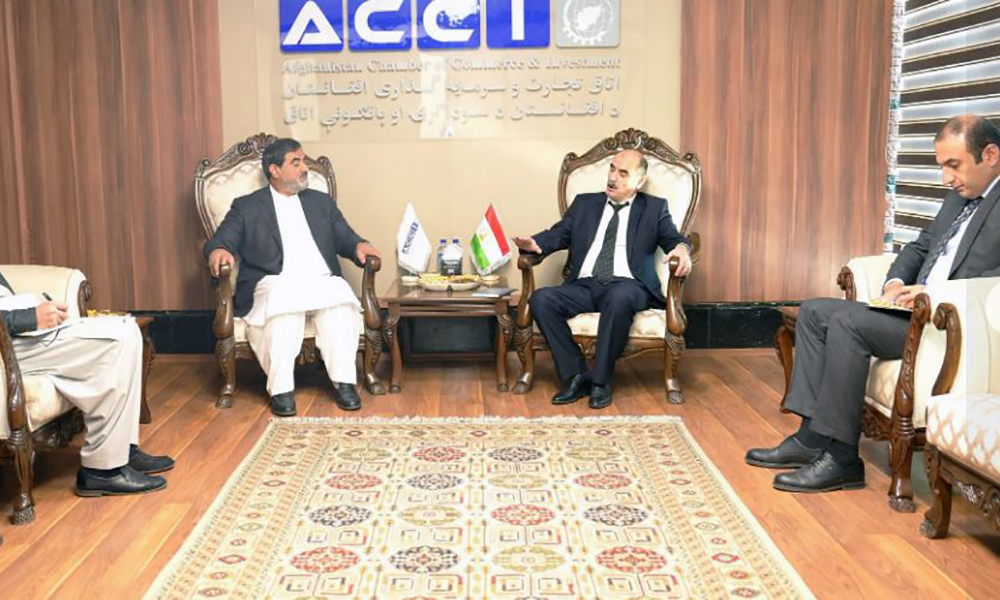
Tajikistan seeks to establish joint market along border with Afghanistan
-

 Latest News5 days ago
Pakistan invites Turkmenistan to join CASA-1,000 power project
-
 Sport4 days ago
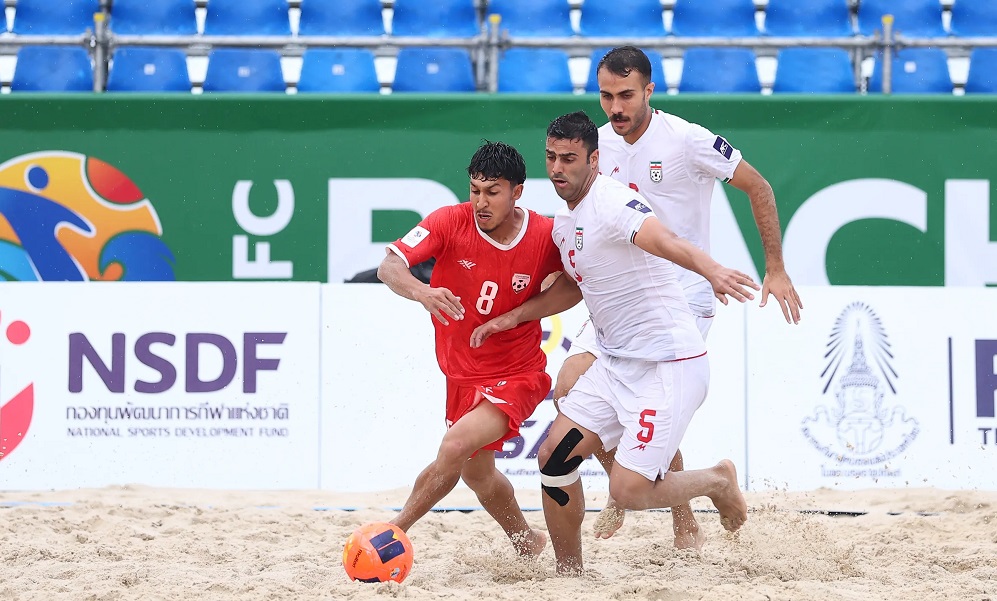
Afghanistan suffer 9-2 defeat to Iran in Beach Soccer Asian Cup opener
-
 Business4 days ago
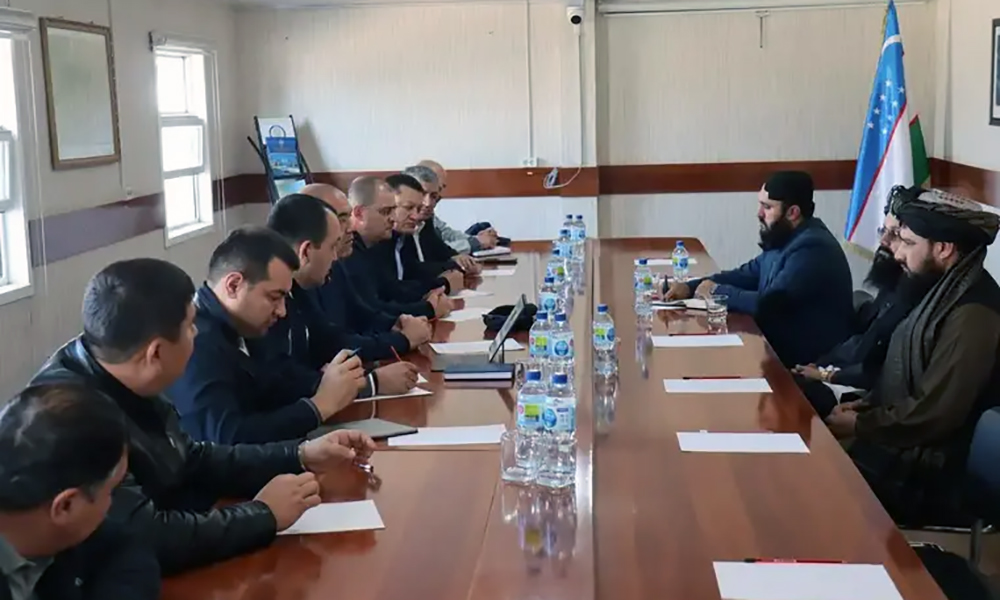
Afghanistan and Uzbekistan agree to expand railway cooperation and boost freight traffic