
Latest News
Female government employees not fired, still getting salaries

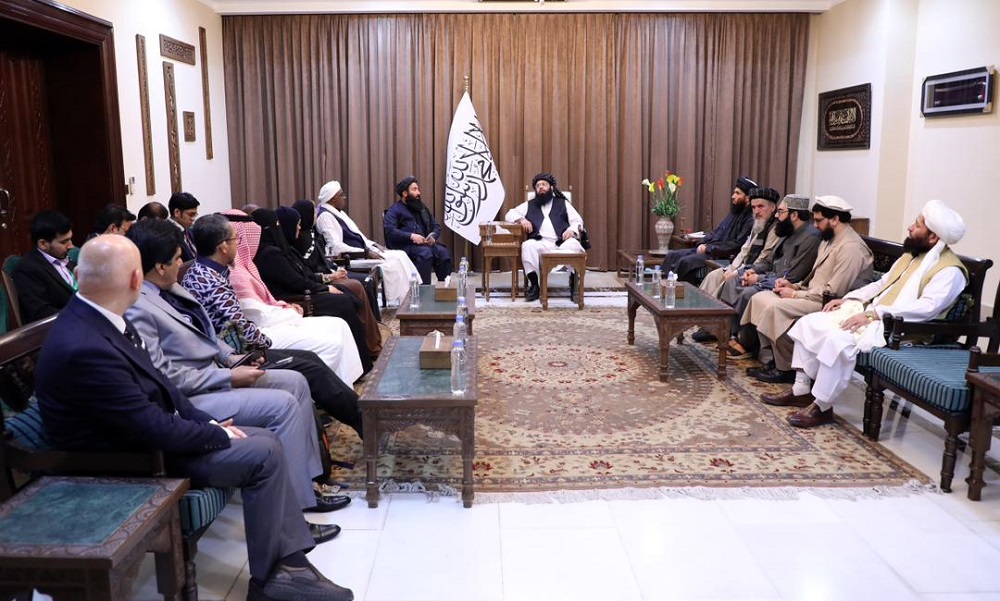
Mawlawi Abdul Kabir, political deputy prime minister, told a visiting delegation from the Organization of Islamic Cooperation (OIC) on Sunday that female government employees have not been dismissed, but still receive their salaries while at home.
According to a statement released by Arg, Abdul Kabir emphasized the need for continued humanitarian aid to Afghans and said that he expects OIC to play a positive role in the expansion of Afghanistan’s relations with other countries.
He pointed out that the Islamic Emirate has eliminated Daesh in Afghanistan in less than three years and does not allow anyone to use Afghanistan’s soil against other countries.
Abdul Kabir said that a fully Islamic and independent government is ruling Afghanistan, and wants good relations with all countries, especially Islamic countries. He also said the government wants to increase cooperation, engagement and stability in the region.
He added that Afghanistan has religious, cultural, historical and political commonalities with Islamic countries and it is expected that cooperation in various fields will continue in order to strengthen these commonalities.
Abdul Kabir invited investors of the Islamic world to invest in Afghanistan, to take advantage of the existing opportunities, stating there has been a lot of progress in Afghanistan in less than three years.
He pointed out that according to the decree of the supreme leader of the Islamic Emirate, *Baad practice, depriving women of their inheritance and forced marriages are prohibited. He said this decree is enforced.
Referring to the Gaza crisis, Abdul Kabir said that Islamic countries should continue to support the oppressed Palestinians and not allow this scenario to be repeated in other parts of the Islamic world.
Tariq Ali Bakheet OIC’s Assistant Secretary-General for Humanitarian, Cultural, Family and Social Affairs and special envoy for Afghanistan assured the IEA that the Islamic world and the OIC are committed to helping and cooperating with Afghanistan, adding a fund has been set up in this regard, according to the Arg’s statement.
He emphasized that the OIC does not have a secret agenda for Afghanistan, but seeks to pave the ground for helping Afghans and for Afghanistan’s engagement with the world.
The envoy appreciated the efforts of the Islamic Emirate in the fight against Daesh, adding that the efforts of the Islamic Emirate in launching infrastructure projects and strengthening Afghanistan’s economy are remarkable.
He emphasized that Afghanistan’s neighboring countries, which have concerns in some areas, should talk closely with the Islamic Emirate to solve them.
*Baad: a method of settlement and compensation whereby a female from a criminal’s family is given to the victim’s family as a servant or a bride.



Latest News
Sindh court allows Afghan medical students to resume classes
The court ordered the university to restore the students’ access and ensure their education is not disrupted before the next hearing.
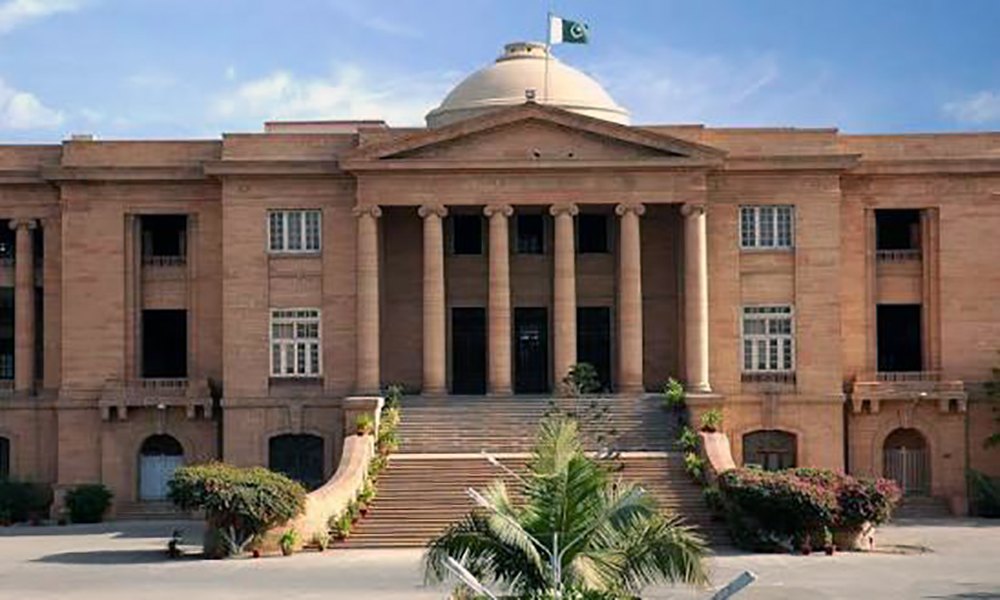
The Sindh High Court has ordered a medical university in Pakistan’s southern Sindh province to allow Afghan students to resume classes, extending temporary protection for students challenging a directive requiring them to return to Afghanistan.
The Pakistan Medical and Dental Council (PMDC), which regulates medical education, recently directed medical colleges to arrange for enrolled Afghan students to return to Afghanistan and barred new admissions or placements for Afghan nationals during the current academic year.
Pakistan’s Foreign Office, however, has said Afghan students holding valid visas and enrolled in recognized programmes can complete their education, raising questions over the application of the PMDC directive to existing students.
The case comes amid Pakistan’s ongoing campaign to return Afghan nationals, which began in 2023 with a deadline for undocumented foreigners to leave the country.
Islamabad has cited immigration enforcement and security concerns. More than two million Afghans have returned to Afghanistan from Pakistan since the campaign began, including voluntary returnees and deportees.
The Sindh High Court suspended the PMDC directive for the students challenging it on September 14.
During Tuesday’s hearing, lawyers for the students told the court that Jinnah Sindh Medical University had prevented Afghan students from attending classes, disabled their biometric access and moved to evict them from university hostels.
The court ordered the university to restore the students’ access and ensure their education is not disrupted before the next hearing.
Advocate Iftikhar Shah, who represents some of the students, said the court’s earlier protection remained in place, allowing the students to continue their studies and remain in their university accommodation.
Shah said the relief covered 29 students in one petition and three in another, although the final number will be confirmed once the written court order is issued.
According to Shah, a lawyer representing the medical regulator told the court that the PMDC had not received copies of the petitions. The court directed that the documents be provided and adjourned the case pending the regulator’s response, without setting a new hearing date.
Afghan students and trainee doctors have also sought legal protection in other parts of Pakistan.
Courts in Punjab and Khyber Pakhtunkhwa have granted temporary relief in some cases, while the Balochistan High Court dismissed a petition by Afghan nationals seeking to continue their medical education and training.
An Islamabad court has separately granted protection to an Afghan doctor undergoing postgraduate training. The differing court rulings have yet to resolve the status of Afghan medical students across Pakistan.
Some of the Sindh petitioners are studying under a Pakistani government scholarship programme for Afghan nationals.
Two women expecting to graduate from a Karachi medical college in 2027 have argued that being forced to leave Pakistan before completing their degrees would end their medical education.
The issue is particularly significant for female Afghan students, as the Islamic Emirate of Afghanistan (IEA) authorities prohibit women from attending universities, including medical training programmes.
Latest News
Afghanistan, Tajikistan discuss higher electricity imports and 500kV transmission line
The two sides agreed that their technical and commercial teams would continue negotiations and work toward practical outcomes on the issues discussed.
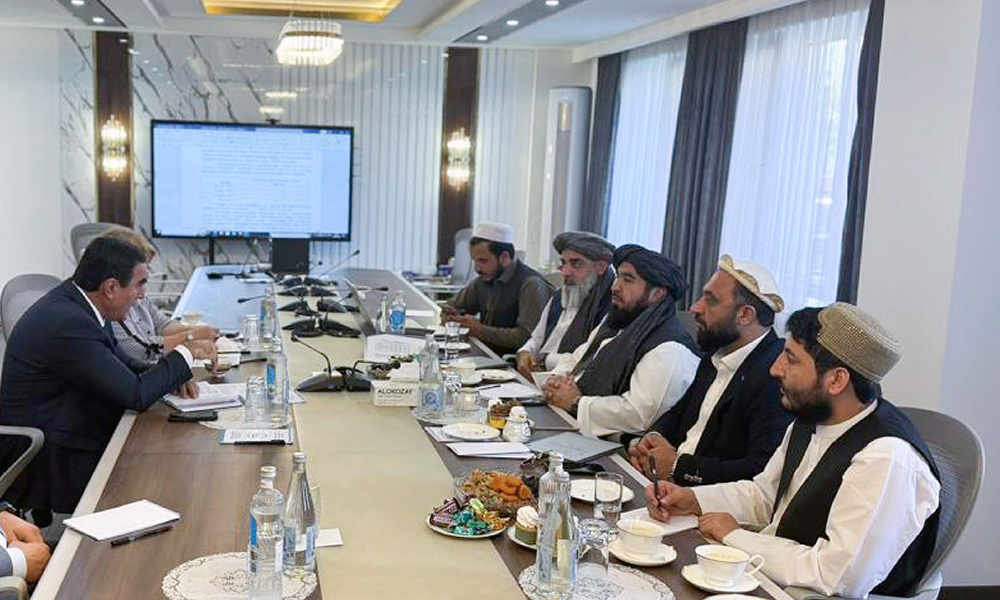
Afghanistan and Tajikistan have discussed increasing electricity imports and expanding cooperation in the energy sector, including plans for a new 500-kilovolt transmission line.
The discussions took place during a meeting between Da Afghanistan Breshna Sherkat (DABS) CEO Abdul Haq Hamkar and Muhammad Umar Asuzoda, chairman of Tajikistan’s state electricity company Barq Tajik.
The two sides discussed increasing the volume of electricity supplied by Tajikistan to Afghanistan, expanding transmission infrastructure and improving the quality and voltage of electricity.
They also discussed electricity tariffs, investment opportunities, technical training and longer-term cooperation in the energy sector.
Tajik officials briefed the Afghan delegation on plans to construct a 500kV electricity transmission line and expressed readiness to consider Afghanistan’s request for increased electricity supplies.
The two sides agreed that their technical and commercial teams would continue negotiations and work toward practical outcomes on the issues discussed.
DABS said it remains committed to maintaining strong relations with Tajikistan, adding that greater energy cooperation, increased electricity exchanges and practical infrastructure projects could benefit people in both countries.
Latest News
WATCH: Woman rescued after 14 years of alleged confinement in Helmand
Four people have been arrested in connection with the case, including the woman’s father and three brothers, according to the official.
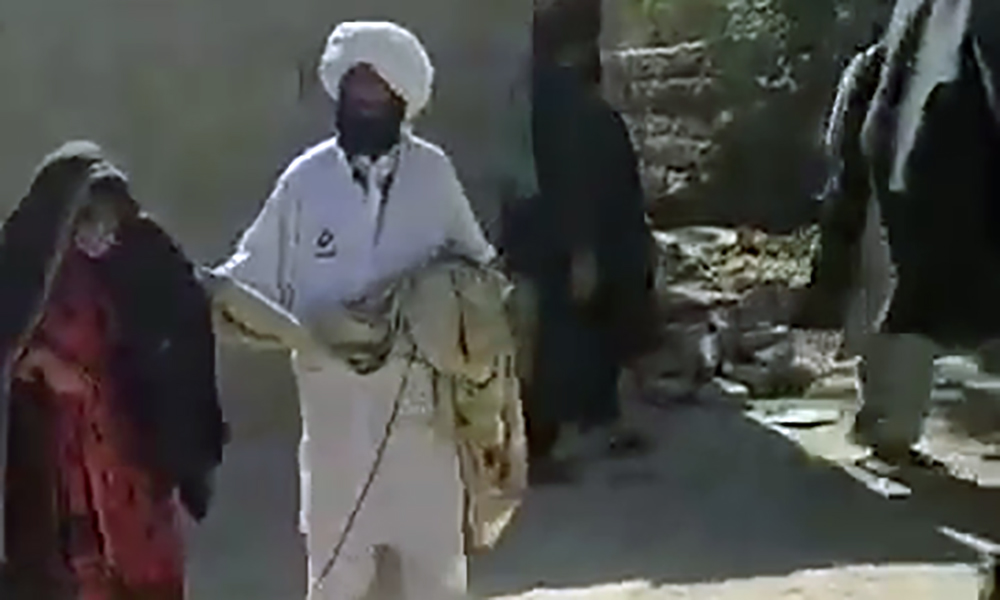
A woman has been rescued in Afghanistan’s southern Helmand province after allegedly spending 14 years confined inside a home, according to local officials.
The woman was discovered in the Kupka area of Garmser district during a joint security operation based on intelligence information, Helmand governor’s spokesperson Mohammad Qasim Riyaz told Ariana News.
Riyaz said security forces found the woman restrained with chains inside the house.
She was rescued from the property and taken to hospital for medical treatment.
Four people have been arrested in connection with the case, including the woman’s father and three brothers, according to the official.
Local authorities said an investigation is underway to establish the circumstances surrounding the woman’s alleged confinement and the events that led to her being held for so many years.
Officials said that once the investigation is completed, the case will be handed over to the relevant authorities for legal action.
The authorities have not disclosed further details about the woman’s condition or the circumstances of her alleged confinement. However, the woman appears in a video as being extremely frail.


Sindh court allows Afghan medical students to resume classes

Afghanistan, Tajikistan discuss higher electricity imports and 500kV transmission line

WATCH: Woman rescued after 14 years of alleged confinement in Helmand

Afghanistan, Tajikistan seek stronger trade and investment ties

Afghanistan publishes regulations governing Ulema Council

Saudi energy group signs major Afghanistan deals covering gas exploration and pipeline plans

Iranian clubs to face Gulf opponents at neutral venues in Asian Champions League Elite

Khalilzad: Afghanistan ready to attract major investment

Ariana Television Network secures exclusive rights to Afghanistan’s 2026/27 cricket series

Pakistan, Saudi Arabia and Türkiye strengthen new Mecca Defence Alliance

Tahawol: Absence of Afghanistan’s envoy at UNGA discussed

Saar: Assessment of war between Afghanistan and US discussed

Saar: Afghanistan’s image at UNGA

Saar: Concerns over Pakistan’s political crisis discussed

Exclusive interview with Abdul Latif Mansoor, Minister of MRRD
-

 Sport3 days ago
Afghan bodybuilder Ali Bilal finishes runner-up at Mr Olympia for third straight year
-

 Latest News3 days ago
Afghanistan says 28 killed, 32 captured in Nuristan operation
-

 World3 days ago
Trump rejects Iranian proposal to open Hormuz and end fighting
-
 Sport4 days ago
Afghanistan to face India in Asian Games cricket quarter-final
-

 Sport4 days ago
Afghanistan Champions League: Omar Zawak Herat beat Toofan Herat 1-0
-
 World4 days ago
Iran awaits US move after WSJ report says Trump rejects peace plan
-

 Latest News4 days ago
Khalilzad questions Pakistan’s commitment to Afghan welfare
-

 Sport5 days ago
Afghanistan Champions League: Arman FC and Aino Mina play out goalless draw