
Latest News
Hillary Clinton warns of ‘huge consequences’ once troops withdraw

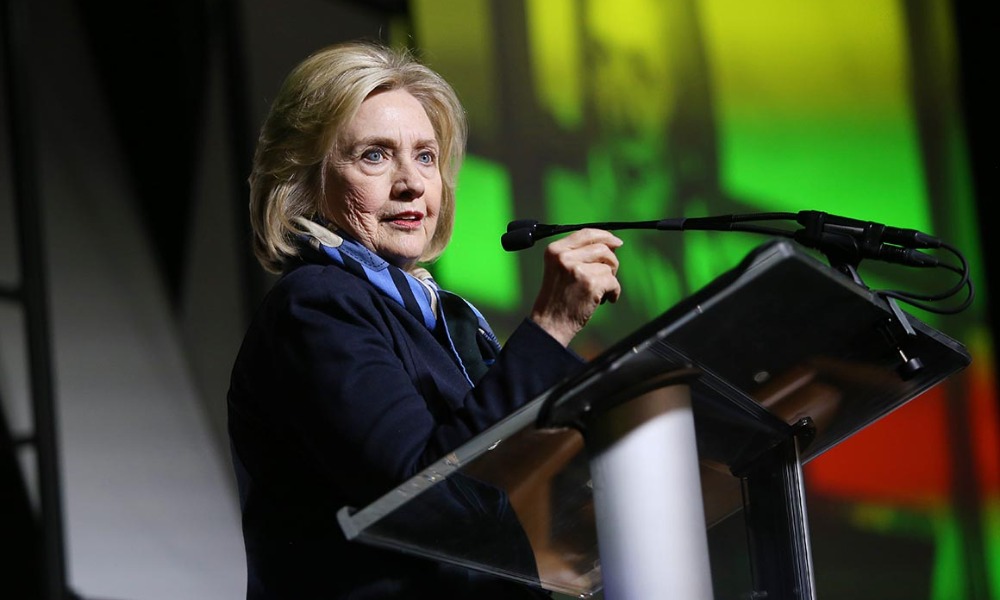
Hillary Clinton has for the first time publicly voiced her disapproval with US President Joe Biden’s decision to withdraw troops from Afghanistan.
In an interview with CNN on Sunday night, Clinton said the US should be prepared for “two huge consequences”.
The first, she said, is a collapse of the Afghan government and Taliban takeover, and the second would be an outpouring of refugees should civil war break out.
Her comments came just a day after the US officially launched its final withdrawal of about 2,500 troops from Afghanistan.
CNN also reported that Clinton reportedly appeared before Congress on Friday to warn against the withdrawal.
Clinton, the former US secretary of state, voiced her concerns to CNN a day after the US formally passed control of Camp Antonik in the southern Helmand province to Afghan forces on Saturday.
But explaining the two consequences she foresaw to CNN, Clinton said: “One, the potential collapse of the Afghan government and a takeover of Afghanistan by the Taliban, probably with a resumption of civil war in certain parts of the country, but a largely Taliban-run government at some point in the not-too-distant future.
“How do we help and protect the many, many thousands of Afghans who worked with the United States and NATO, who worked with American and other NATO-connected contractors who stood up and spoke out for women’s rights and human rights,” she asked.
“I hope that the administration in concert with the Congress will have a very large visa program and will begin immediately to try to provide that channel for so many Afghans to utilize so that they are not left in danger.
“There will also be, I fear, a huge refugee outflow. And of course, the second big set of problems revolves around a resumption of activities by global terrorist groups, most particularly al-Qaeda and the Islamic State (Daesh).”
She said: “It’s one thing to pull out troops that have been supporting security in Afghanistan, supporting the Afghan military, leaving it pretty much to fend for itself, but we can’t afford to walk away from the consequences of that decision.”
As secretary of state in the Obama administration, Clinton supported a surge of 30,000 US troops to Afghanistan to counter gains made in the country by the Taliban.
Clinton was also a fierce supporter of regime change in Libya.
Rice was the chief foreign policy adviser to Bush, and the architect of the American “war on terror” after the September 11, 2001, terrorist attacks.

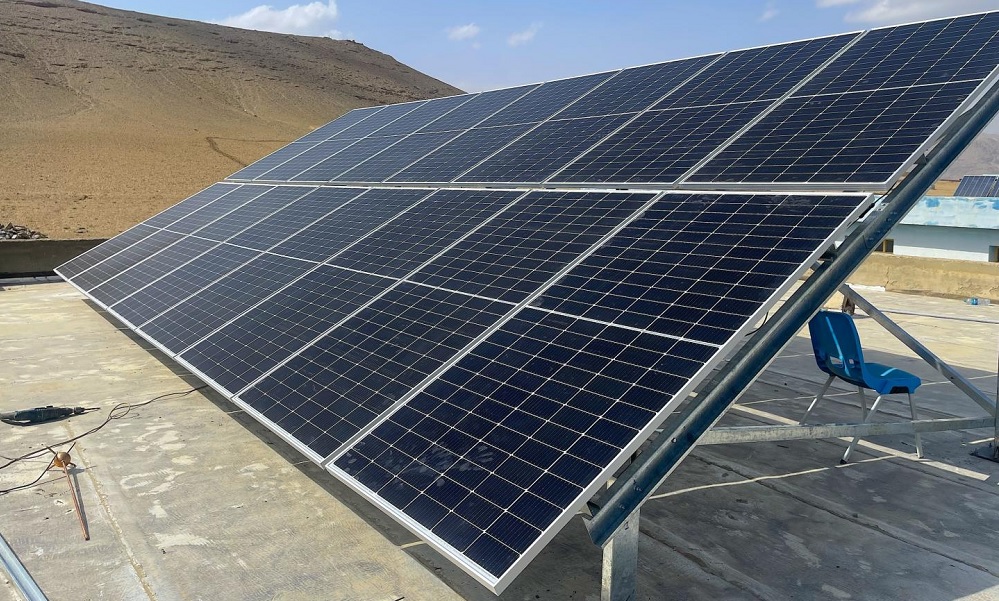
Afghanistan has the potential to generate up to 220 gigawatts of electricity from solar energy, yet it spends more than $280 million annually on electricity imports, the United Nations Development Programme (UNDP) says.
In a post on social media platform X on Thursday, UNDP said tapping into the country’s solar energy potential could reduce its reliance on imported electricity and expand public access to clean and sustainable energy.
According to the agency, more than 80 percent of Afghanistan’s electricity needs are currently met through imports, despite the country’s estimated solar power generation potential of up to 220 gigawatts.
Afghanistan imports most of its electricity from Tajikistan, Uzbekistan, Turkmenistan and Iran. Despite having considerable solar, wind and hydropower resources, the country has remained heavily dependent on foreign electricity supplies.
UNDP said that since 2021, its projects have helped more than 5.5 million people in Afghanistan gain access to clean energy.
The agency stressed the need for greater investment and cooperation among relevant institutions to harness Afghanistan’s solar energy potential and expand sustainable domestic electricity generation.
Latest News
More than half of Afghan primary school-age children out of school: UN report
The report, titled Afghanistan Education Situation 2026, warns that the country’s education system is struggling to meet growing demand amid population growth, recurring emergencies, insufficient investment and the large-scale return of Afghan migrants from Pakistan and Iran.
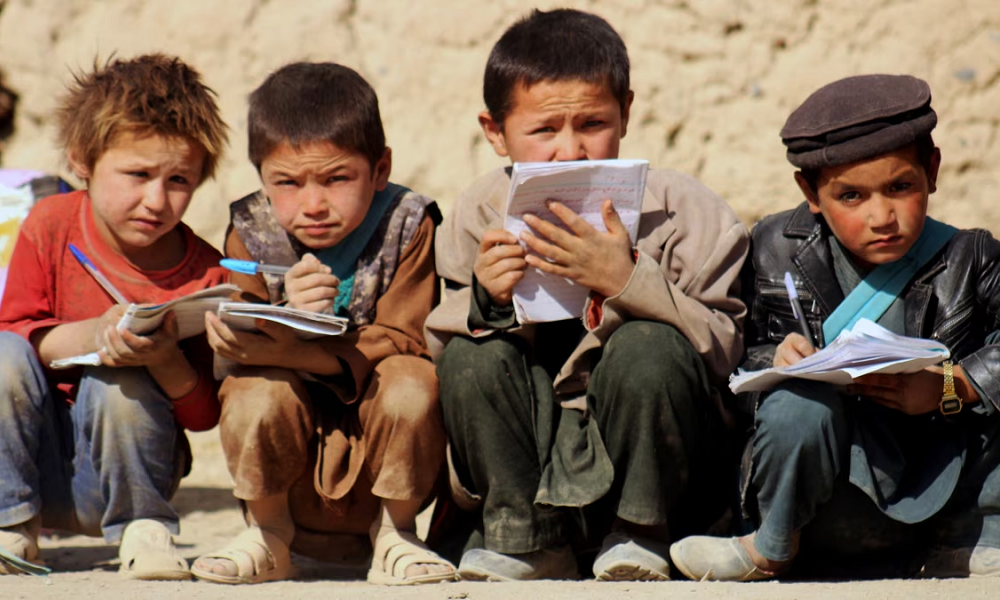
More than half of Afghanistan’s primary school-age children remain outside formal education, while more than 2.6 million girls are unable to continue their studies beyond the sixth grade, according to a new report by the United Nations Educational, Scientific and Cultural Organization (UNESCO) and UNICEF.
The report, titled Afghanistan Education Situation 2026, warns that the country’s education system is struggling to meet growing demand amid population growth, recurring emergencies, insufficient investment and the large-scale return of Afghan migrants from Pakistan and Iran.
According to the report, Afghanistan’s school-age population, comprising children and young people aged seven to 18, increased from approximately 10.4 million in 2019 to 11.5 million in 2024, putting additional pressure on schools, teachers and education services.
More than one million Afghans returned from neighbouring countries this year, including over 245,000 children, further increasing the demand for educational services.
The report highlights significant disparities in access to education, particularly for girls, noting that more than 2.6 million girls have been unable to attend school beyond grade six since August 2021.
It says alternative learning opportunities, including community-based classes, literacy programmes, distance education and private tutoring, remain insufficient to meet the educational needs of teenage girls.
Although around 5,300 community-based classes provide learning opportunities to approximately 162,000 students, with girls accounting for 64 percent of participants, the UN agencies stress that these programmes cannot replace formal, in-person education.
The report also points to declining school participation among boys, estimating that around 53 percent of primary school-age children are currently outside formal general education. Participation rates at lower and upper secondary levels stand at 67 percent and 79 percent, respectively.
Despite these challenges, Afghan families continue to seek educational opportunities for their children.
Around 6.6 million children enrolled in public primary schools last year, approximately 560,000 more than in 2022. However, the report says enrolment growth has not kept pace with the increasing school-age population.
It also raises concerns about the quality of education, noting that a nationwide assessment found fewer than half of fourth-grade students had achieved minimum proficiency in language skills.
Meanwhile, Afghanistan’s higher education sector remains significantly smaller than before 2021. Around 208,000 students are enrolled in universities this year, compared with 189,000 in 2024 and approximately 430,000 in 2020.
UNESCO and UNICEF have called for the full restoration of girls’ and women’s right to education and increased investment in teachers, learning materials and education services.
The agencies warn that without urgent action to address the challenges facing the sector, an entire generation of Afghans risks being left behind, with serious consequences for the country’s future recovery and development.
International Sports
Cristiano Ronaldo announces international retirement
In an Instagram post, Ronaldo said he would “hand back the number 7 shirt” following the international break.

Cristiano Ronaldo has announced his retirement from international football, bringing an end to an extraordinary 23-year career with Portugal.
The 41-year-old forward said on Thursday that he would step away from the national team after Portugal’s November fixtures, signalling the end of an era for one of football’s greatest players.
In an Instagram post, Ronaldo said he would “hand back the number 7 shirt” following the international break.
Portugal are scheduled to face Denmark on November 14 before travelling to Wales three days later.
A record-breaking career
Ronaldo retires as the leading goalscorer in men’s international football, with 146 goals in 234 appearances for Portugal.
Since making his international debut against Kazakhstan in August 2003, he has established himself as one of the most decorated players in the history of the game.
He captained Portugal to their first major international trophy at Euro 2016 and later helped the team secure UEFA Nations League titles in 2019 and 2025.
The five-time Ballon d’Or winner also made history at the 2026 FIFA World Cup, becoming the first player to score at six editions of the men’s tournament. Portugal were eliminated in the round of 16 by eventual champions Spain.
Tensions with Portugal coach
Ronaldo’s announcement follows a reported dispute with Portugal coach Jorge Jesus during the September international window.
The forward left the national team camp after being left on the bench against Norway. He subsequently apologised to supporters and teammates but accused the coach of breaking promises regarding his playing time.
Ronaldo had previously indicated that he remained available for selection, even if disciplinary action was taken against him by the Portuguese Football Federation.
He also revealed that he had prepared a retirement letter following the 2026 World Cup but was persuaded to continue by federation president Pedro Proenca.
His decision marks the end of his international career, but not his involvement in professional football. Ronaldo is expected to continue playing at club level for Saudi Arabian side Al Nassr.

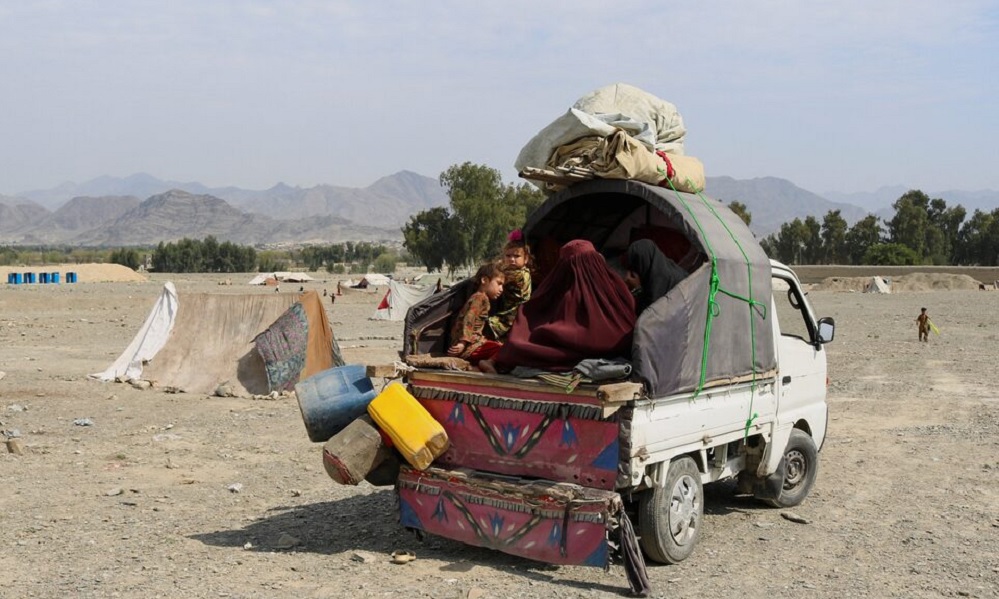
90 million displaced people at risk from climate threats, UN refugee agency says
Afghanistan has potential to generate 220 GW of solar power: UNDP
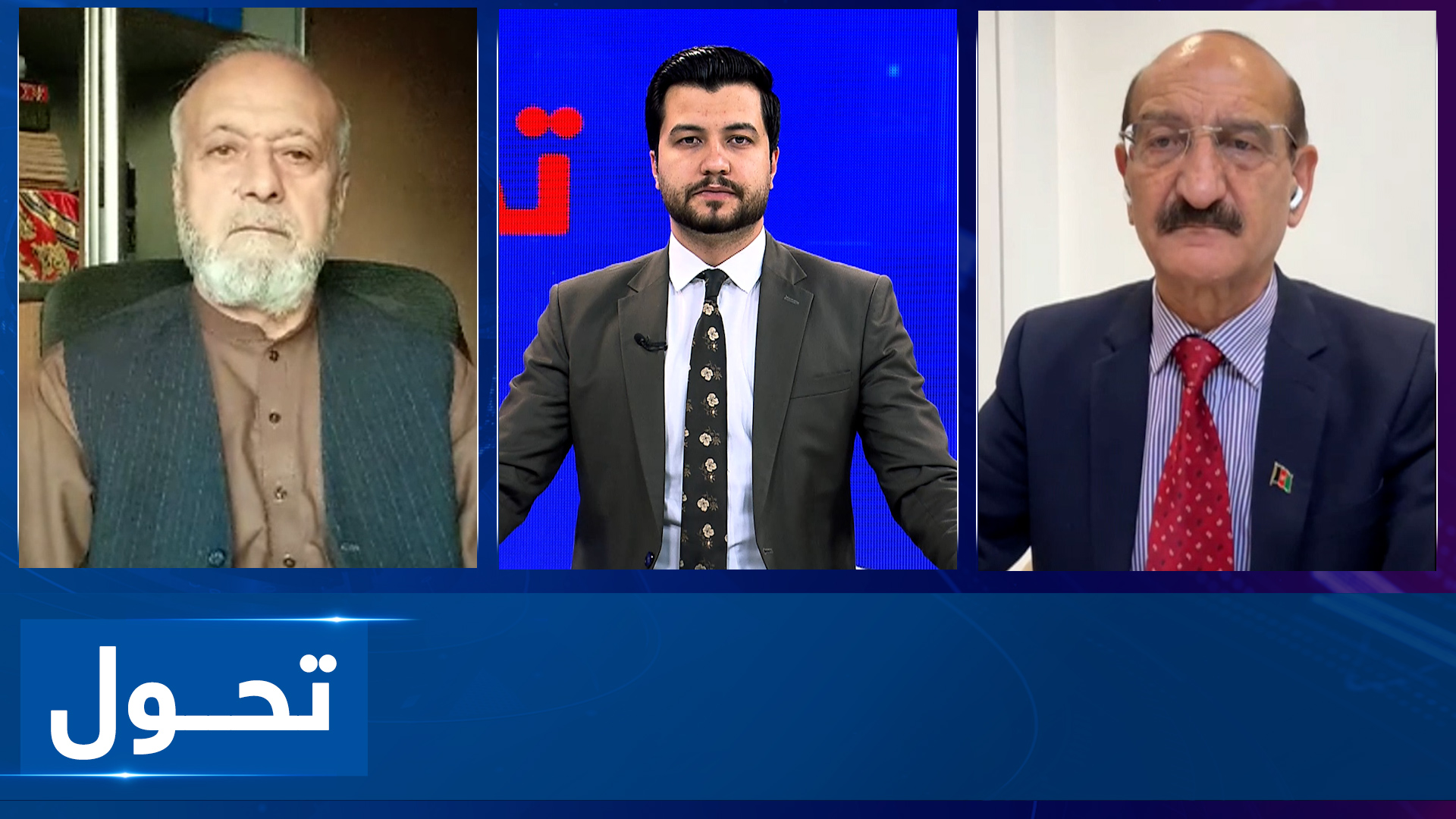
Tahawol: Calls for stronger joint action against terrorism discussed
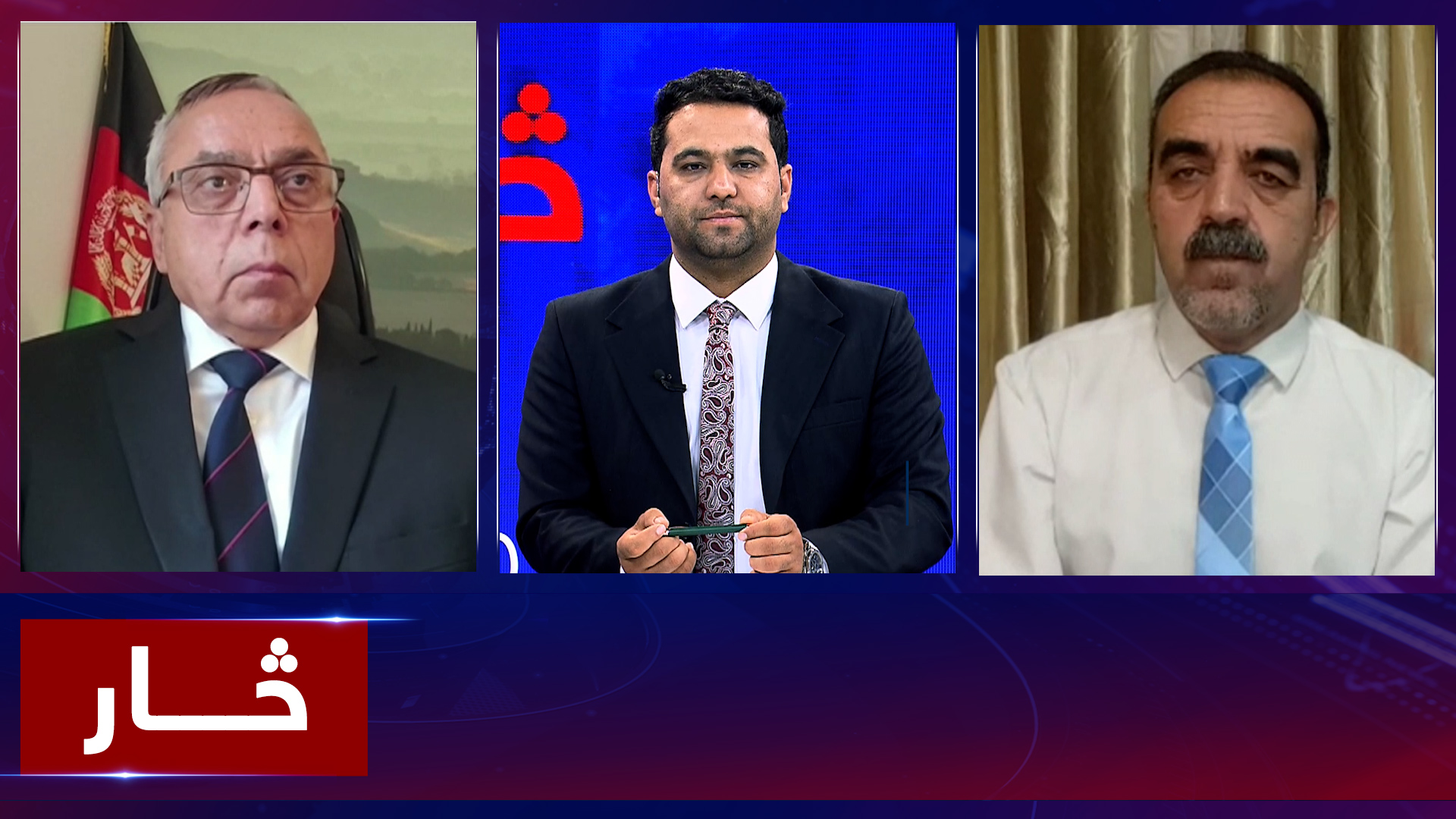
Saar: Impact of closing trade routes between Kabul-Pakistan discussed
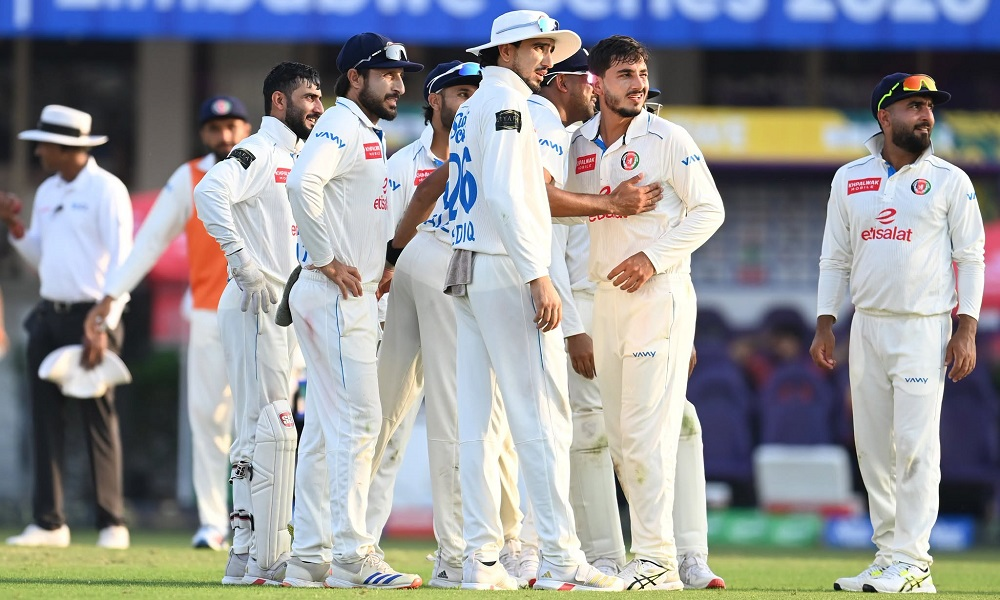
Brendan Taylor century puts Zimbabwe in control against Afghanistan on day one

Afghanistan finish runners-up after 6-0 defeat to Brazil in futsal final

Trump says US will not attack Iran before midterm elections in November

Afghan futsal coach: Brazil tournament is first step towards new goals and World Cup

Trump says US may strike Iran’s ‘Pickaxe Mountain’ nuclear facility

WHO calls for greater mental health support in Afghanistan
Tahawol: Calls for stronger joint action against terrorism discussed
Saar: Impact of closing trade routes between Kabul-Pakistan discussed
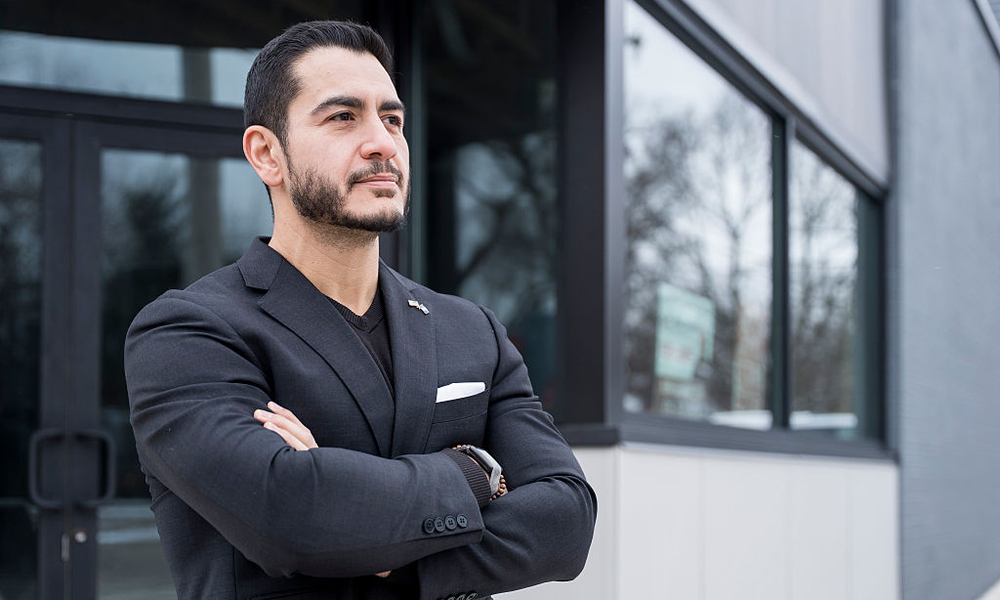
El-Sayed’s historic victory opens a new chapter for Muslim Americans
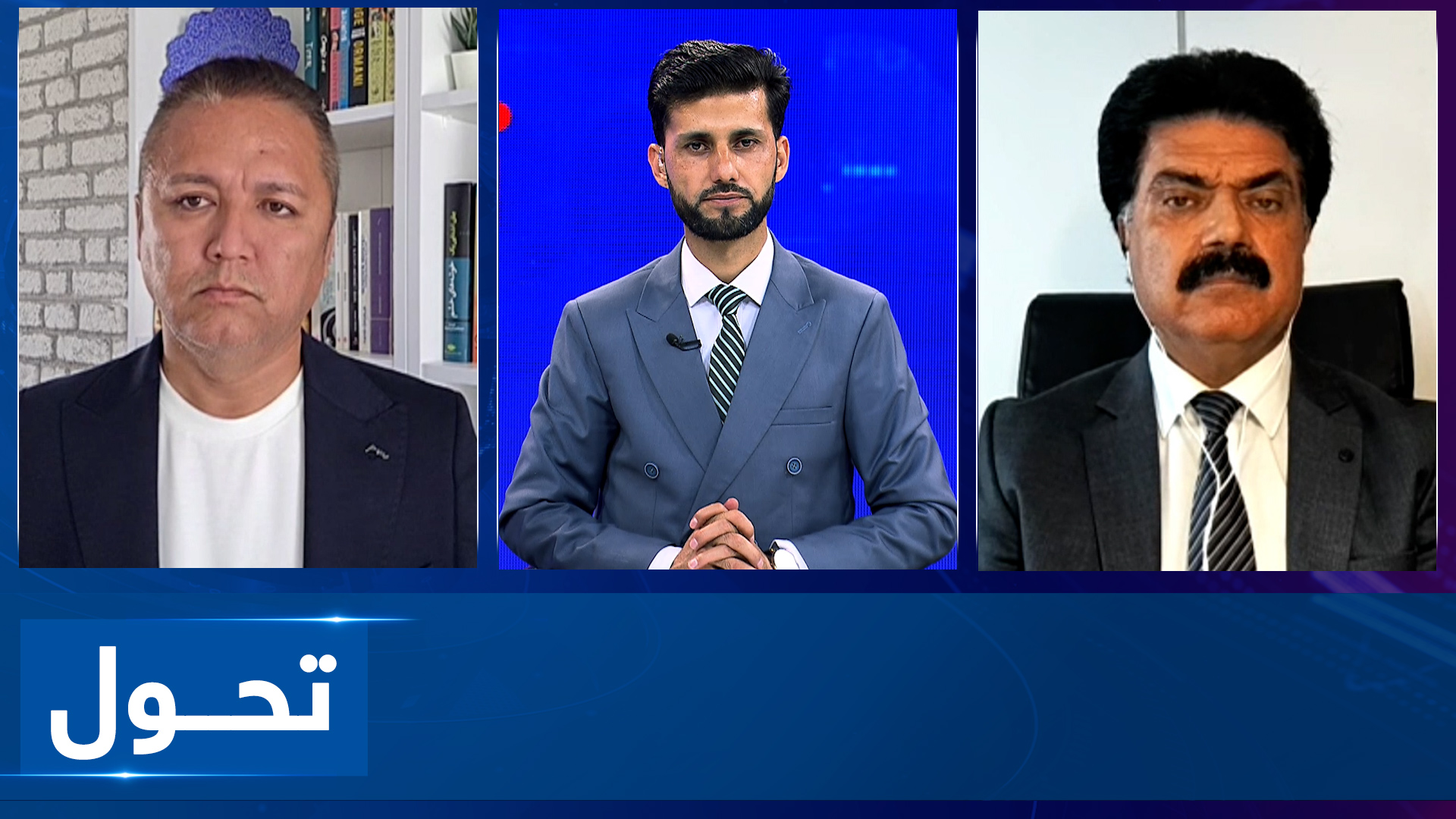
Tahawol: Russia’s Moscow Format for Afghan issues discussed
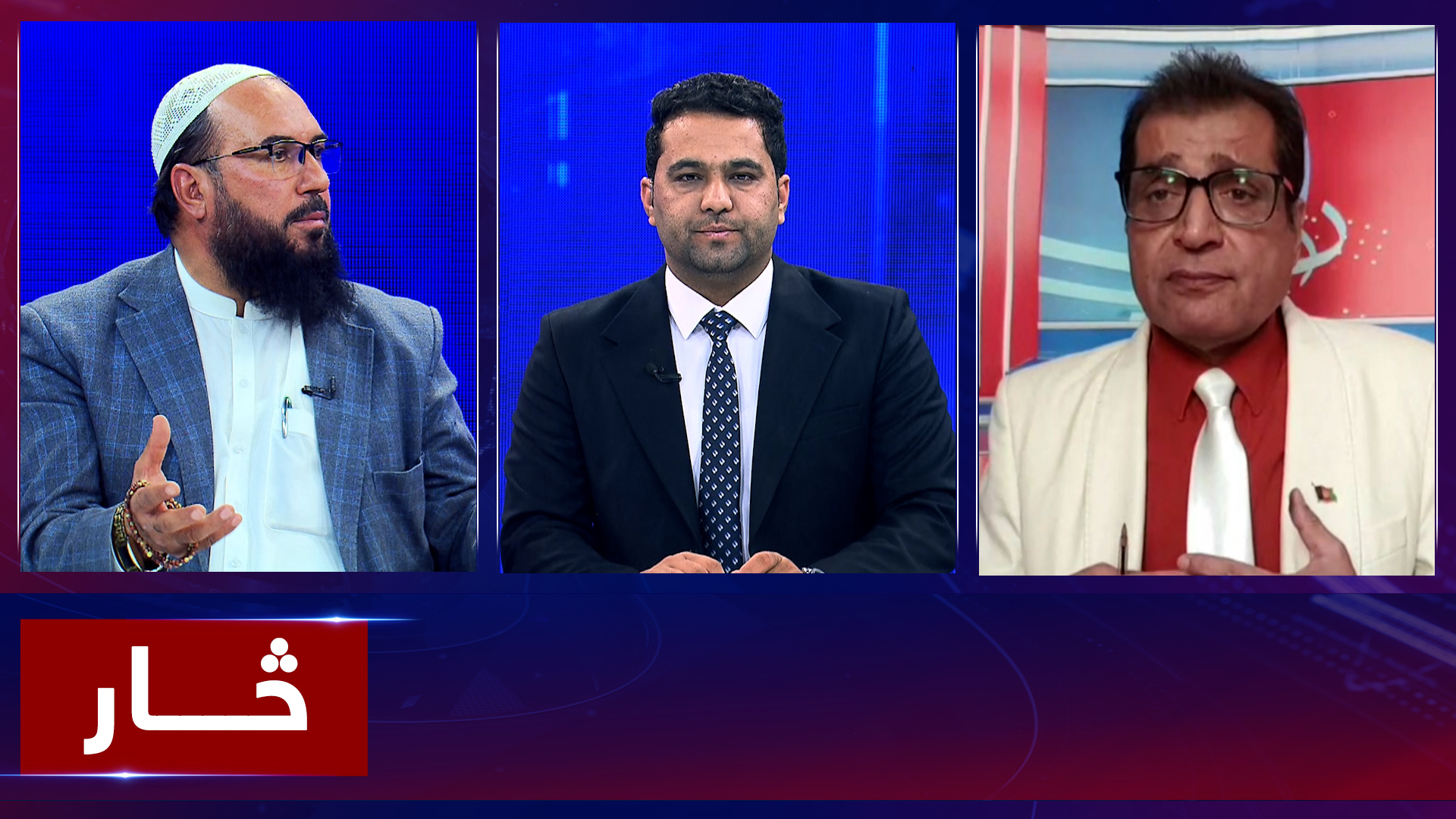
Saar: Afghanistan’s second invitation to Global Climate Summit discussed
-
 Sport5 days ago
Afghanistan crowned 2026 Hong Kong Sixes champions after beating Australia in final
-
 Sport4 days ago
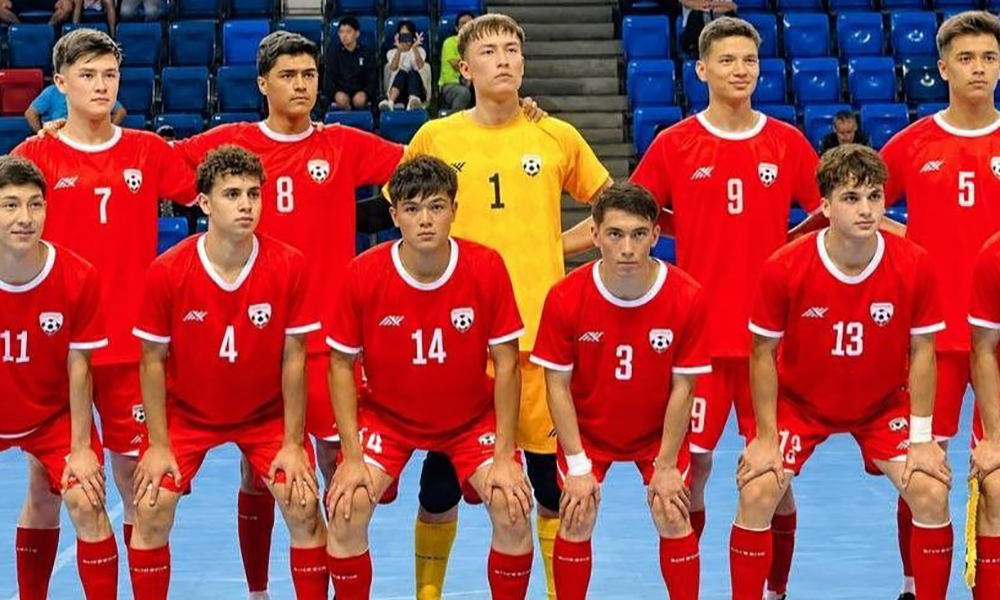
Afghanistan futsal team thrash Panama 5-0 in flying start to Dakar Youth Olympics
-
 Sport4 days ago
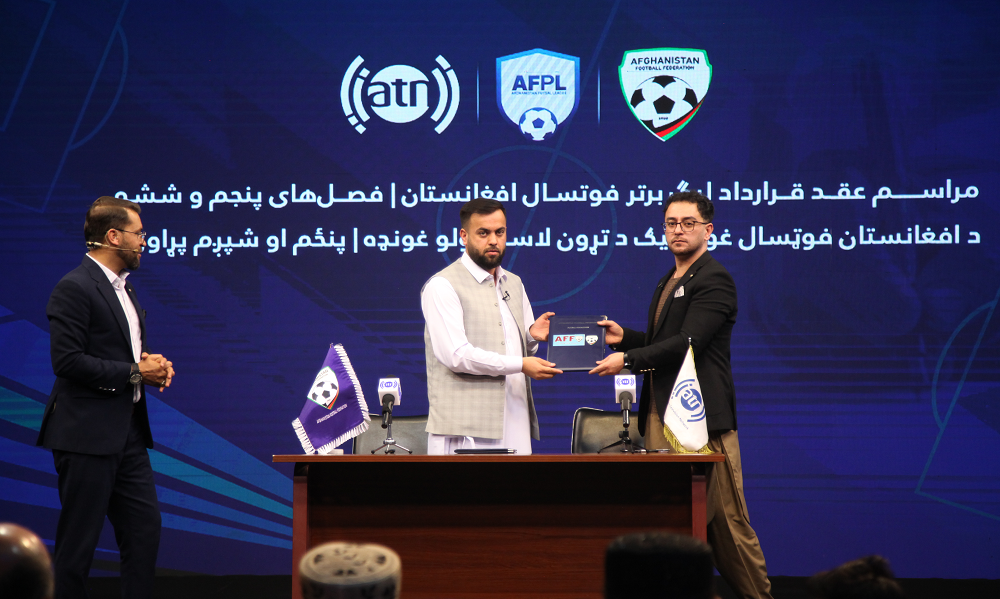
ATN signs deal to broadcast Afghanistan Futsal Premier League seasons 5 and 6
-
 Sport5 days ago
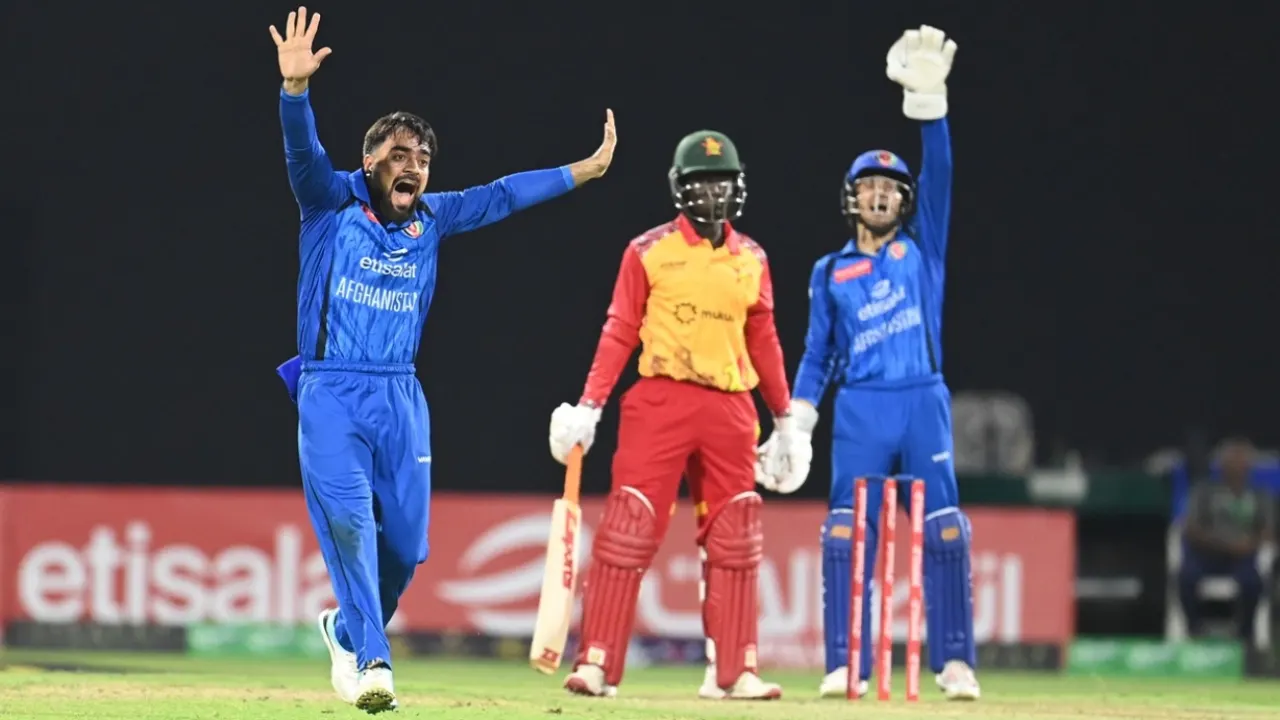
Afghanistan target T20I clean sweep against Zimbabwe in Sharjah
-
 World3 days ago
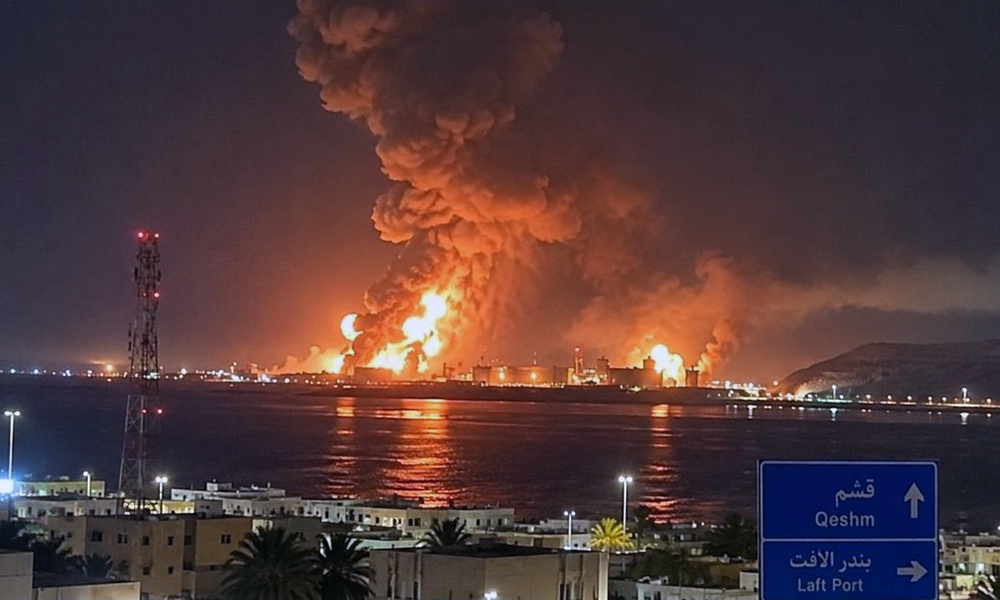
US carries out ‘defensive’ strikes on Iran’s Qeshm Island, officials say
-
 Sport4 days ago
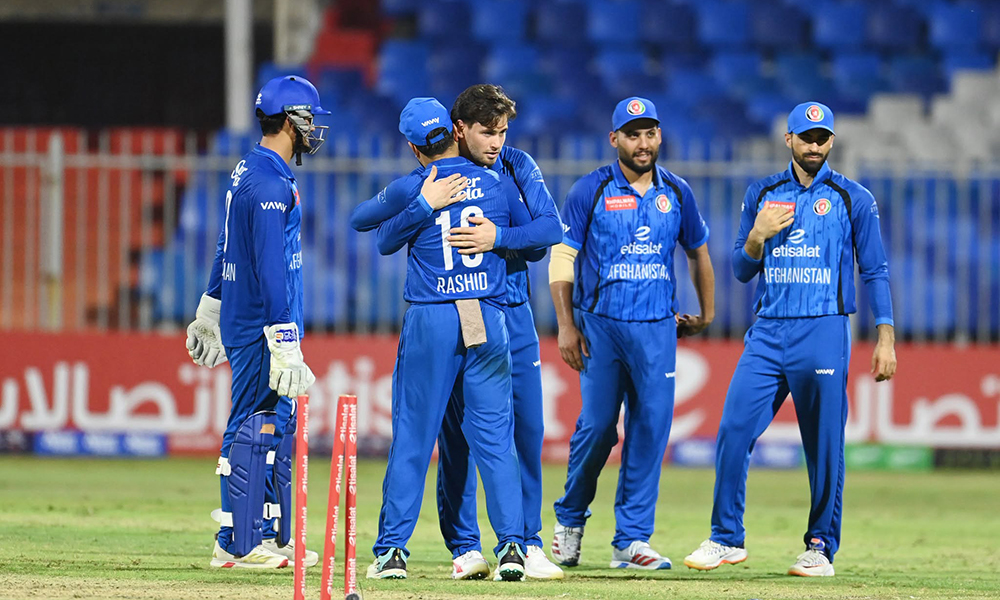
Afghanistan achieve their highest ICC Men’s ODI team ranking
-

 Latest News5 days ago
Pakistan welcomes US offer to facilitate dialogue with Afghanistan, while Kabul rejects Islamabad’s allegations
-
 Latest News4 days ago
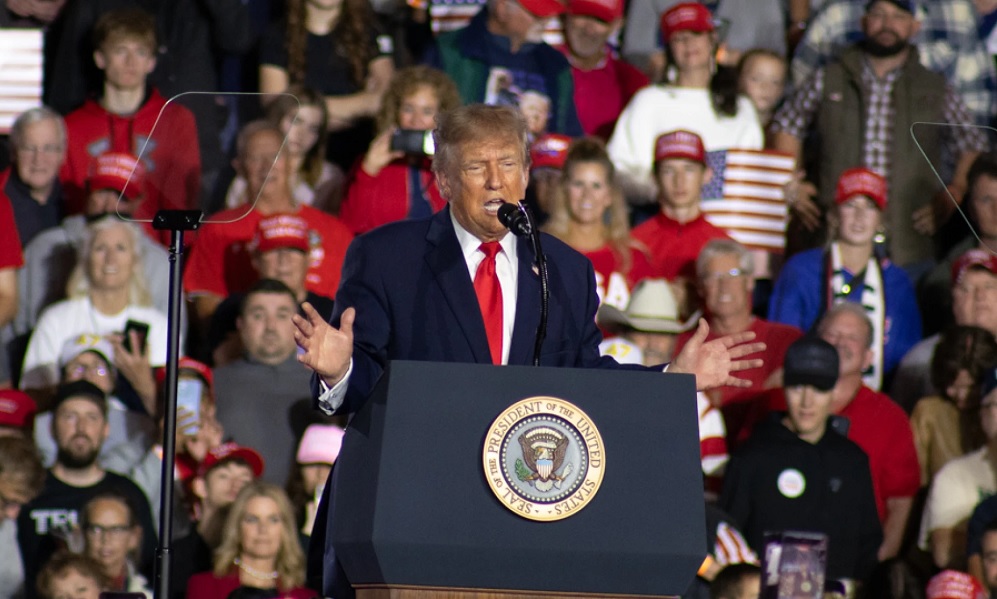
Trump claims he could have won Afghanistan war in three weeks