
Latest News
IEA leader issues Eid message, invites Afghans to return home

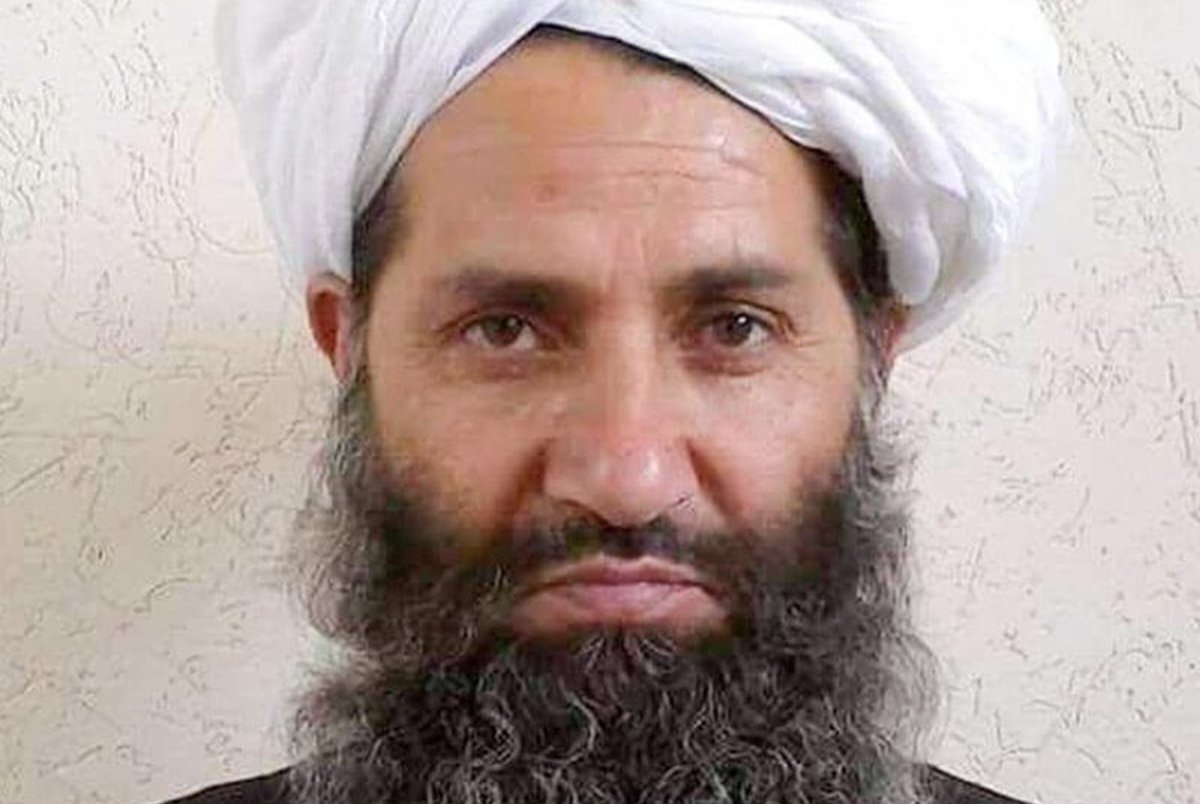
Hebatullah Akhundzada, the supreme leader of the Islamic Emirate of Afghanistan (IEA), issued a message Friday on the occasion of the upcoming Eid-ul-Fitr and called on Afghans to return to their country and on the international community to recognize the government.
Akhundzada reiterated that the IEA has granted a general amnesty to all opposition and has implemented the order.
“On the basis of this amnesty, I once again invite all Afghans to come to their country and live peacefully,” Akhundzada said.
“This country is no longer capable of carrying out any conspiracy,” he said.
He warned that if anyone violates the amnesty and “try to start a war in the country, then they will face a harsh and severe reaction and the nation will allow none to disturb peace and security of the country through foreign encouragement.”
In the message, Akhundzada also emphasized the need for the full implementation of the Doha agreement and to move forward “in the spirit of cooperation instead of pressure.”
“The Islamic Emirate has implemented its commitments and will continue to do so,” he said.
Citing the world’s need for peace and security, Akhundzada called on the world to recognize IEA “so that we may address our problems formally and within diplomatic norms and principles.”
He also called on the neighboring countries to give Afghan refugees time and permission to return to their homeland voluntarily and with dignity.
“Violation of human rights is not in the interest of anyone, rather it causes constant hatred and animosity between the nations,” Akhundzada said.
He said that IEA respects and is committed to all the Sharia rights of men and women in Afghanistan and “no one should worry about it and do not use this humanitarian and emotional issue as a tool for political ends.”
Akhundzada also said that the IEA is working to strengthen education and learning and is committed to taking further steps in this regard as “education is the key to rescue our compatriots and pave the way towards country’s development and prosperity.”












Kazakhstan’s Foreign Minister Mukhtar Tileuberdi has called for pragmatic and coordinated international engagement with Afghanistan, saying the country’s long-term stability is closely linked to the security and sustainable development of Central Asia.
Speaking during the general debate of the 81st session of the United Nations General Assembly in New York on Friday, Tileuberdi said humanitarian assistance to Afghanistan remains essential but alone cannot break the cycle of poverty, displacement and dependency.
He said Kazakhstan supports a “pragmatic, coordinated and step-by-step” approach to international engagement with Afghanistan, with the United Nations playing a central role.
Tileuberdi also said Kazakhstan is working with the UN to operationalize the United Nations Regional Centre for the Sustainable Development Goals for Central Asia and Afghanistan in Almaty.
He said the success of the centre should be measured by the results and assistance it delivers to the region.


Abu Muslim Farah defeat Khurasan Faryab 2-0 in ACL season six

Saar: Concerns over Pakistan’s political crisis discussed

Afghanistan Champions League: Omar Zawak Herat beat Toofan Herat 1-0

Blast in Pakistan’s Dera Ismail Khan kills 11, injures 30

Ariana Afghan Airlines increases Kabul-Delhi cargo flights

Saudi energy group signs major Afghanistan deals covering gas exploration and pipeline plans

Trump floats idea of renaming Atlantic or Pacific Ocean

US hits Egyptian bank branches with Iran sanctions as war marks six months

Nepal flood rescue mission enters critical phase as thousands remain missing

Iranian clubs to face Gulf opponents at neutral venues in Asian Champions League Elite
Saar: Concerns over Pakistan’s political crisis discussed

Exclusive interview with Abdul Latif Mansoor, Minister of MRRD

Tawsia: Overview of Afghanistan’s iron mines

Tahawol: Discussion on fresh Pakistani airstrikes on Afghanistan

Saar: Calls for international support for Afghanistan discussed
-

 World5 days ago
CNN, MS NOW and Politico sue Trump, challenging White House ban
-

 Latest News3 days ago
Ariana Afghan Airlines ranks seventh among 45 Central Asian airlines
-

 Latest News5 days ago
UN reiterates call for respect for international law after Kunar airstrikes
-

 Regional4 days ago
US and Iran hold first talks since June after Trump’s ‘annihilation’ threat
-

 Latest News3 days ago
Silk Road highway in Wakhan corridor now reaches the China border
-

 Latest News5 days ago
Afghan Official: Pakistan’s airstrikes will not go unanswered
-

 Regional3 days ago
Iran airlines cancel flights as US sanctions hit
-

 Sport4 days ago
Afghan boxing referee heads to China for international festival