
Latest News
Iran receives 417 million cubic meters of water from Afghanistan this year

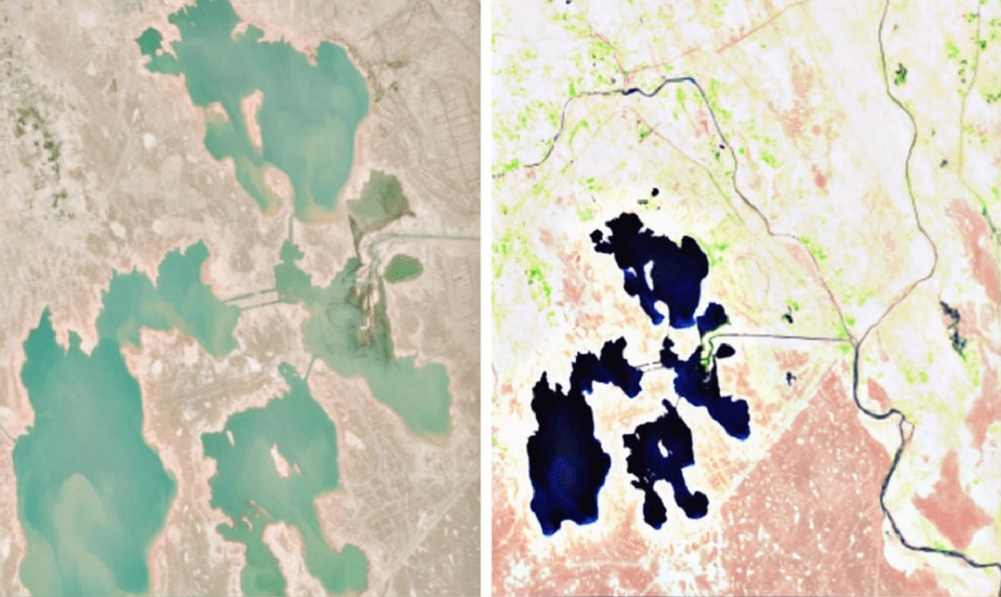
Iran has received 417 million cubic meters of water from Afghanistan since the start of the current water year, according to Iran’s Fars News Agency, a figure that remains below half of the volume Tehran is entitled to under the 1973 Helmand River water-sharing treaty during normal water conditions.
The report said the water has flowed into Iran’s Sistan and Baluchestan Province despite Afghanistan experiencing one of its wettest periods in recent years.
Under the treaty, Iran is entitled to 850 million cubic meters of water annually from the Helmand River in years of normal hydrological conditions.
Fars reported that inflows into the Chah Nimeh reservoirs in Sistan and Baluchestan doubled between April 11 and May 30, indicating increased water releases from Afghanistan.
Water-sharing from the Helmand River has long been a sensitive issue between Kabul and Tehran, with Iranian officials frequently raising concerns over water deliveries, particularly during drought periods.
The Islamic Emirate has repeatedly said it remains committed to implementing the 1973 agreement and providing Iran’s allocated share of water. Afghan officials have also emphasized that releases depend on rainfall, drought conditions, and available water resources within the country.






Football fans across Afghanistan can watch Tottenham Hotspur take on Charlton Athletic live on Ariana Television Network (ATN) tonight, Wednesday, August 26, with coverage beginning at 23:15 Kabul time.
The two London clubs meet in the second round of the EFL Cup, with Tottenham looking to progress while Charlton will aim to produce an upset against their Premier League opponents.
Tottenham enter the match as favourites on paper, with their greater top-flight experience expected to make them the stronger side. However, cup football can produce surprises, and Charlton will be looking to take advantage of any opportunity at their disposal.
The match provides Tottenham with another chance to build momentum early in the season, while Charlton will see the tie as an opportunity to test themselves against one of England’s biggest clubs.
The EFL Cup remains an important route to silverware for clubs across the English football pyramid, with teams aiming to advance through each round toward the final at Wembley.
Afghanistan fans can watch Tottenham Hotspur vs Charlton Athletic live tonight on Ariana Television, from 23:15 Kabul time.
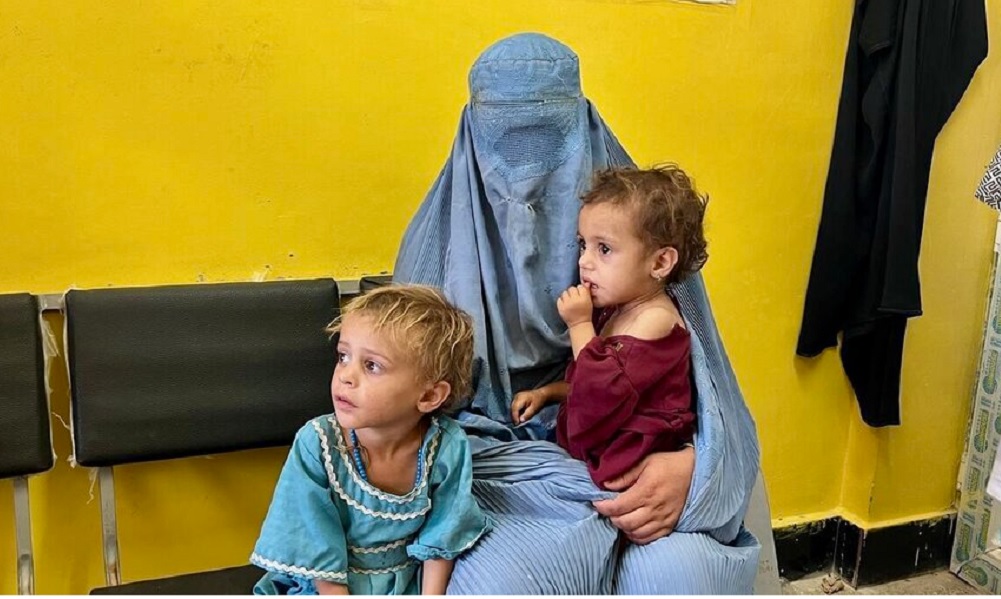
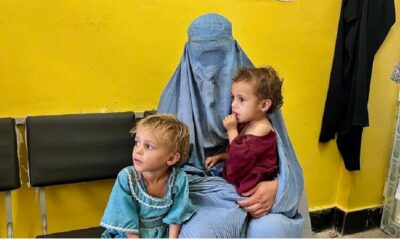
The United Nations has warned that around one million children in Afghanistan are suffering from life-threatening severe acute malnutrition and could die without urgent treatment.
UNICEF said on Tuesday that about 3.7 million children across Afghanistan are suffering from wasting, a condition caused by acute malnutrition.
Tajudeen Oyewale, UNICEF’s representative in Afghanistan, said around one million of these children are suffering from severe acute malnutrition, which is considered the most dangerous form of acute hunger.
“If there is no treatment and we are not able to act fast, that one million number are at risk of dying,” Oyewale said during a media briefing in Geneva, speaking from Kabul.
He said the nutrition crisis is worsening across the country, with more than 500,000 children requiring hospital care so far this year for moderate and severe wasting.
According to UNICEF, nearly 40 percent of children admitted to hospitals with severe wasting and medical complications are babies younger than six months. Children under the age of two account for more than 80 percent of severe acute malnutrition cases.
Oyewale said malnutrition is playing a major role in the increasing number of deaths among very young children in Afghanistan.
The situation has also placed growing pressure on hospitals. In July last year, around 6,000 severe malnutrition cases were recorded, while the number rose by about one-third to more than 8,000 cases by July this year.
“In parts of southern Afghanistan, some hospitals are now seeing three or four severely malnourished children for every available bed,” Oyewale said.


Tottenham face Charlton as ATN brings live EFL Cup action to Afghan fans

Trump administration issues pause on visa appointments for applicants worldwide

UNICEF warns one million Afghan children at risk of death from malnutrition

US spy chief visits Russia for meetings, media reports

Bagrami, Chahar Asyab set to become part of Kabul city

Pakistan’s governance system has ‘collapsed’: Mohsin Naqvi

Afghanistan exports first stone shipment to US in $100,000 trade milestone

AFC confirms clubs for 2026/27 competitions; draw set for August 18

Only two days to go before Afghanistan and Ireland begin ODI series

Four mediators struggle to secure lasting Pakistan-Afghanistan ceasefire

Tahawol: Aisha Wahab’s emphasis on US ties with IEA

Saar: Guterres’s concern regarding global conflicts discussed

Saar: Afghanistan’s uncertain future in SCO

Tahawol: IEA seeking Afghanistan seat at UN

Saar: U.S. sanctions against Iran
-
 Latest News3 days ago
Four mediators struggle to secure lasting Pakistan-Afghanistan ceasefire
-

 Latest News4 days ago
Syria and Saudi Arabia condemn Kabul bombing, express solidarity with Afghanistan
-

 Latest News4 days ago
US judge strikes down Trump visa suspension for 75 countries, including Afghanistan
-

 Sport4 days ago
Afghanistan-India T20I series could see major schedule change
-
 Latest News4 days ago
Achakzai urges Pakistan to end hostility towards Afghanistan
-
 Business2 days ago
Afghanistan’s trade diversification challenges Pakistan
-

 Latest News3 days ago
AfghanEvac warns US court ruling does not reopen door for Afghans
-

 Sport5 days ago
Abaseen Defenders clinch Khan Hospital Kabul Premier League Season 4 title