
Business
Kabul restaurants hope for better business

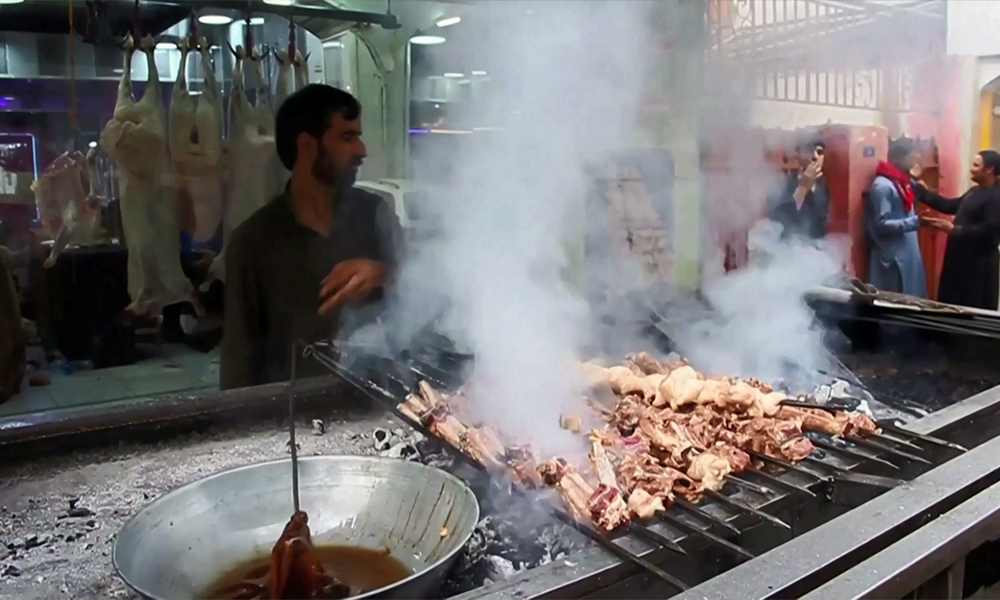
Although many businesses are struggling in Afghanistan amid fears that the economy could collapse, some small restaurant owners are hopeful that business will soon improve, Reuters reported.
The power shift in Afghanistan has affected many aspects of local life.
In the first few days after the Islamic Emirate’s takeover, the impact was considerable in the country’s capital city Kabul, which was famous for restaurants serving local and international cuisines.
“We used to sell 60 to 70 kilos of meat per day. Now, that has dropped to 30 to 40 kilograms. We’ve lost half our business. Whenever we ask someone, they don’t have money – their money is stuck in the banks. There was no business in the first days of the new regime, but now it’s a bit better,” said Ajmal Khan, manager of Shinwari Restaurant.
According to the report the quality and prices of food in restaurants have been minimally impacted. Customers are satisfied with the services, however, the overall economic situation and uncertainties do not allow many to dine out.
“There is no change in the prices. Prices are the same, and so are the services. Everything is the same as before; only the bazaar has slowed down. Hopefully it gets better. Yes, I don’t come frequently now because most of the people have no steady source of income, so they can’t eat out and enjoy the company of family and friends,” said Abdul Rashid, a diner.
Government officials, bank employees and NGO workers were the main customers at restaurants. Since the Islamic Emirate takeover, many of them have stopped going to their offices. Still, restaurant owners are hopeful that the situation will get back to normal once people get back to their jobs, and banks start normal operations again, Reuters reported.
“We still have 30 percent of our customers. In front of our restaurant, there are banks, offices and directorates. Their employees don’t come here anymore. They are either at home or have left the country,” said Abdullah, a restaurant owner.




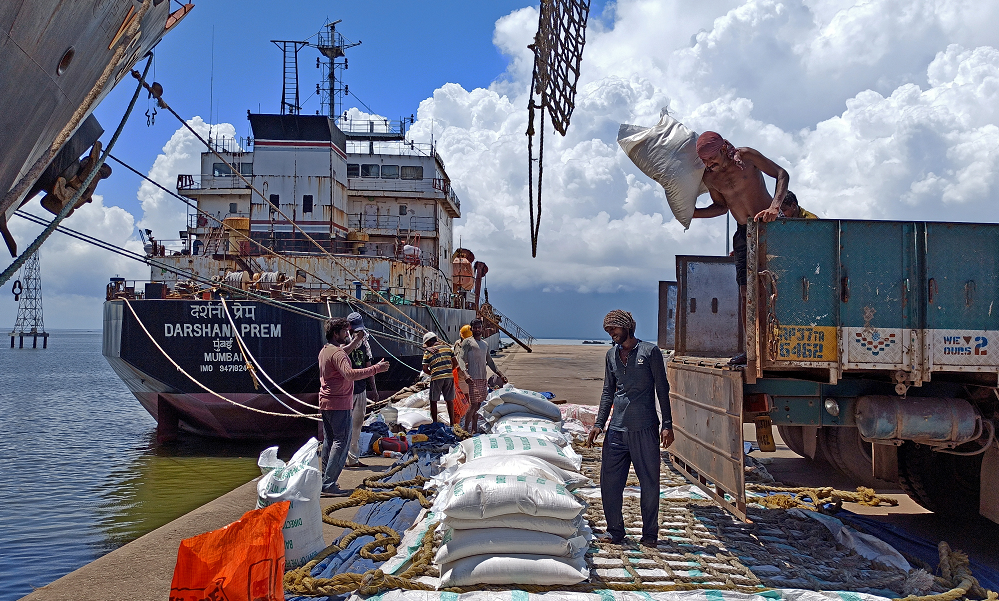
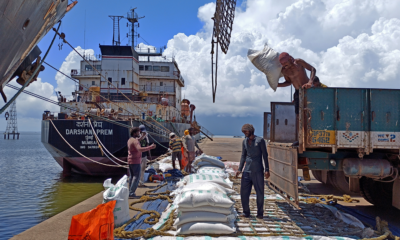
Afghanistan is exploring direct imports of Basmati rice from India as it seeks to diversify its supply sources amid ongoing tensions with Pakistan, according to a report by The Hindu.
The report said Indian exporters and Afghan importers are expected to meet next month to discuss expanding direct trade in Basmati rice, following preliminary talks between officials from both countries held last week with the facilitation of the PHD Chamber of Commerce and Industry.
Afghanistan consumes nearly 500,000 tonnes of Basmati rice annually and has traditionally relied on imports from neighboring Pakistan. However, industry sources told The Hindu that recent strains in Afghanistan-Pakistan relations have encouraged Kabul to seek alternative suppliers, including India.
Representatives of Afghanistan’s diplomatic mission in New Delhi reportedly took part in the discussions and expressed interest in increasing purchases of Indian Basmati rice. At present, some Indian rice reaches Afghanistan indirectly through traders in Iran and Dubai, a route that adds to transportation and transaction costs.
One proposal under consideration is to transport rice through Iran’s Bandar Abbas Port, subject to agreements between the two governments. The discussions are also expected to cover logistics, payment mechanisms, and the possibility of barter trade, with Afghanistan’s dried fruit exports to India seen as a potential component of future trade arrangements.
According to The Hindu, a direct trade arrangement could help India expand its share of Afghanistan’s Basmati market, which has historically been dominated by Pakistani suppliers.
Business
Afghanistan, Kyrgyzstan establish trade council to boost economic cooperation
The two sides signed a memorandum of understanding to establish the Afghanistan-Kyrgyzstan Trade Council.
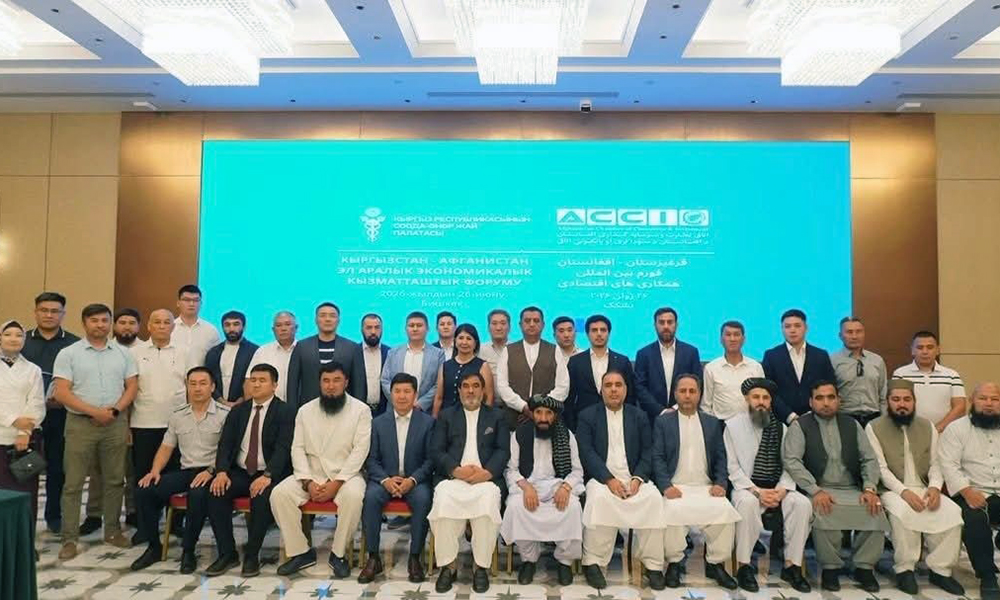
The Embassy of the Islamic Emirate of Afghanistan in Kyrgyzstan says the Afghanistan-Kyrgyzstan Business Forum has been held with the participation of officials from both countries.
According to a statement issued by the embassy, Acting Ambassador Abdul Shakoor Haqqani said Afghanistan supports strengthening bilateral trade relations and promoting joint economic initiatives between the two countries.
The statement added that the two sides signed a memorandum of understanding to establish the Afghanistan-Kyrgyzstan Trade Council. The council aims to strengthen ties between business communities, coordinate joint initiatives, and expand and support economic projects.
Meanwhile, Sayed Karim Hashemi, Chairman of the Afghanistan Chamber of Commerce and Investment, arrived in Kyrgyzstan on Saturday at the head of a trade delegation to participate in the forum.
Business
Afghanistan invites Turkish investors to expand joint investments
Participants stressed the importance of increasing private sector cooperation and creating new opportunities to boost trade and investment between Afghanistan and Türkiye.
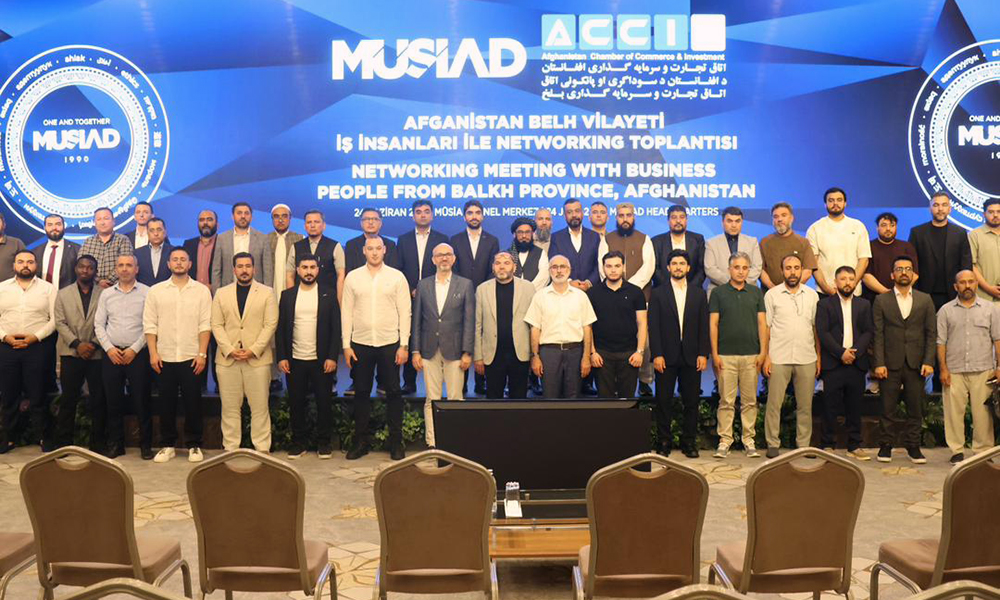
A high-level Afghan business delegation, led by the Chairman of the Balkh Chamber of Commerce and Investment, Mohammad Ibrahim Ghazanfar, participated in the Afghanistan–Türkiye Joint Business Council meeting in Istanbul, calling for expanded joint investment and stronger economic cooperation between the two countries.
According to a statement from the Balkh Chamber of Commerce and Investment, Ghazanfar invited Turkish investors and industrialists to explore investment opportunities across various sectors in Afghanistan, emphasizing the country’s potential for mutually beneficial partnerships.
The meeting brought together business leaders, investors, and private sector representatives from both Afghanistan and Türkiye to discuss ways to strengthen bilateral trade and economic ties.
During the event, several cooperation agreements were signed between Afghan and Turkish economic institutions. The agreements are aimed at expanding commercial relations, promoting joint investment projects, and enhancing economic cooperation between the two countries.
The meeting was chaired by Süleyman Güllü, Chairman of the Türkiye–Afghanistan Joint Business Council, and was attended by Mohammad Akbar Azimi, the Islamic Emirate of Afghanistan’s Consul General in Istanbul, along with a number of businessmen and investors from both countries.
Participants stressed the importance of increasing private sector cooperation and creating new opportunities to boost trade and investment between Afghanistan and Türkiye.


China resumes work on highway project in Tajikistan close to Afghan border

Hanafi says war is not the solution, calls for regional cooperation and investment

Iran insists on keeping control over Hormuz, senior Iranian sources say

Russia urges Pakistan and Afghanistan to resolve disputes through diplomacy

Haaland fires Norway into World Cup Round of 16 with late winner

Norway’s Viking-inspired World Cup team photo goes viral

TAPI project advances in Afghanistan as 84kms of pipeline laid

Afghanistan’s trade with Central Asia records sharp growth

Gaikwad set to replace injured Kohli for Afghanistan ODI Series

Iran banks hit by major cyber attack

Tahawol: Reactions to Pakistan’s attacks on Afghanistan discussed

Saar: Reaction to Pakistan’s airstrikes on Afghan soil discussed

Tahawol: Pakistan’s attacks on civilians in Afghanistan

Saar: Pakistani airstrikes on Afghanistan

Tahawol: Calls for diplomacy between Kabul, Islamabad
-
 Business3 days ago
Afghanistan eyes direct Basmati rice imports from India amid tensions with Pakistan
-

 International Sports4 days ago
FIFA World Cup: Iran held by Egypt after controversial late goal Is disallowed
-

 Latest News4 days ago
Delawar says Afghanistan has achieved security and unity after 47 years
-
 Latest News4 days ago
EU announces major funding to support Afghan small businesses
-
 Latest News3 days ago
Afghan minister says ‘outsiders’ should not claim to support Afghanistan’s independence
-

 Sport3 days ago
Afghanistan, Uzbekistan set for friendly cricket clash in Khost
-

 International Sports3 days ago
FIFA World Cup group stage wraps up; moves into high-stakes knock out round
-

 International Sports2 days ago
Canada makes World Cup history with late goal to eliminate South Africa