
Latest News
RSF speaks out over arrests and interrogations of Afghan journalists

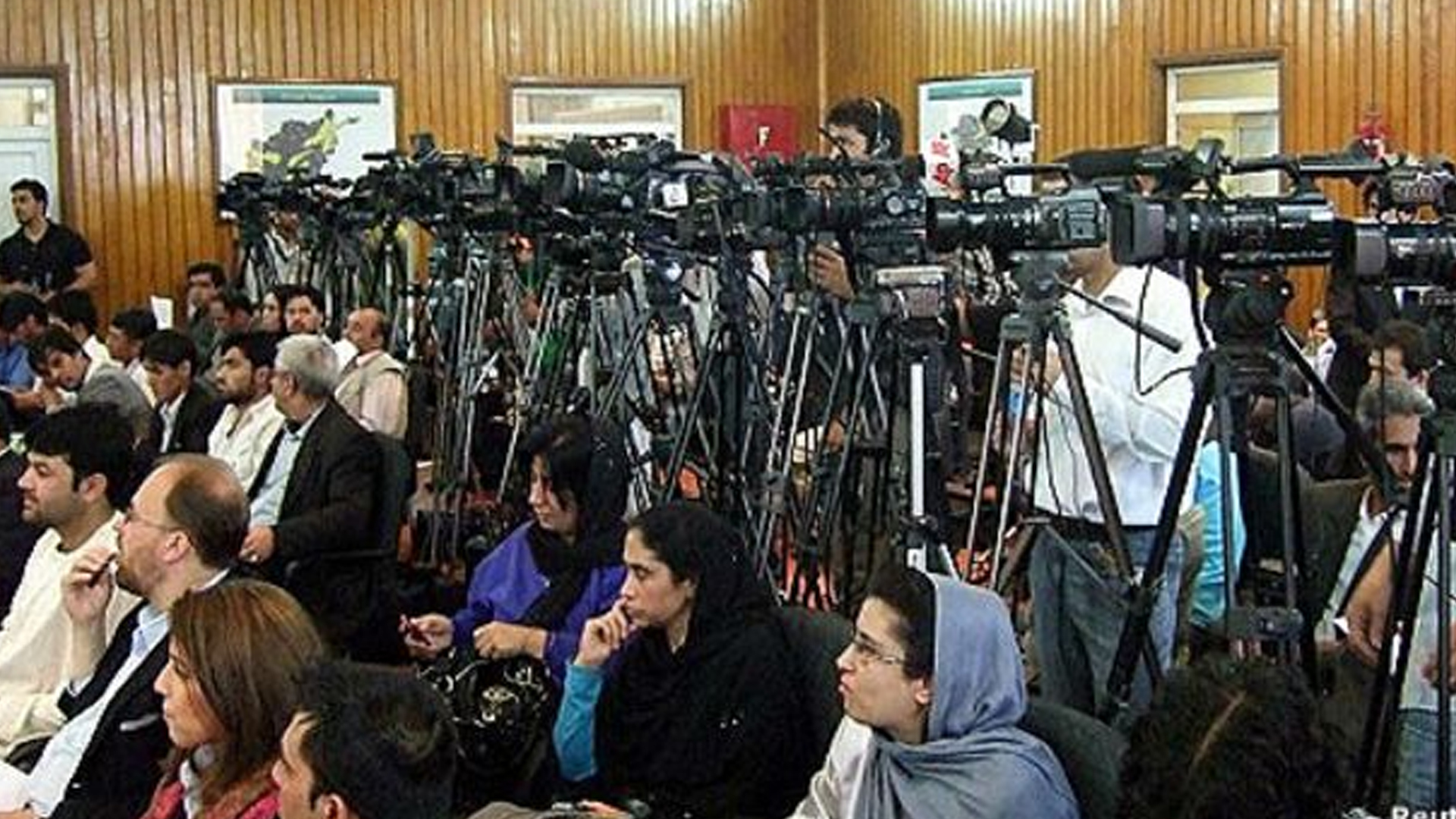
Reporters Without Borders (RSF) on Friday condemned the recent surge in arrests and interrogations of Afghan journalists by the Islamic Emirate of Afghanistan’s (IEA) intelligence agency known as the “Istikhbarat” and the Ministry for Promoting Virtue and Suppressing Vice.
The RSF also said such actions violate Afghanistan’s press law, which came into effect in 2015, and which is, according to IEA spokesman Zabihullah Mujahid, still valid.
RSF’s statement comes on the heels of the arrest and subsequent release of two Ariana News staff. Aslam Hijab and Waris Hassra were both arrested on Monday and held for 48 hours before being released unharmed.
According to RSF, since August 15, the day the IEA took control of Afghanistan, at least 50 journalists and media workers have been detained briefly or arrested by the police or Istikhbarat.
These arrests have lasted from several hours to nearly a week.
RSF stated that Istikhbarat has replaced the former republic’s National Directorate of Security (NDS) and while not just directly involved in arresting journalists, the agency is also believed to have made threatening phone calls and given out summonses for questioning in recent weeks.
Javad Sargar, the senior Istikhbarat official in charge of Department 53, which handles the media, recently horrified journalists by “inviting” them to stop covering certain subjects and stop asking certain journalists to participate in TV discussions, “if you don’t want me to rip your tongue out,” RSF reported.
“Threatening to rip out journalists’ tongues in order to prevent them from covering certain subjects is completely unacceptable,” said Reza Moini, the head of RSF’s Iran-Afghanistan desk.
“Journalists must be able to practice their profession without being under a permanent threat of arrest and torture. These unlawful threats, which violate Afghanistan’s media legislation, are all the more horrifying for coming at a time of growing harassment and increasingly restrictive rules for the right to news and information,” he said.












Kazakhstan’s Foreign Minister Mukhtar Tileuberdi has called for pragmatic and coordinated international engagement with Afghanistan, saying the country’s long-term stability is closely linked to the security and sustainable development of Central Asia.
Speaking during the general debate of the 81st session of the United Nations General Assembly in New York on Friday, Tileuberdi said humanitarian assistance to Afghanistan remains essential but alone cannot break the cycle of poverty, displacement and dependency.
He said Kazakhstan supports a “pragmatic, coordinated and step-by-step” approach to international engagement with Afghanistan, with the United Nations playing a central role.
Tileuberdi also said Kazakhstan is working with the UN to operationalize the United Nations Regional Centre for the Sustainable Development Goals for Central Asia and Afghanistan in Almaty.
He said the success of the centre should be measured by the results and assistance it delivers to the region.


Trump rejects Iranian proposal to open Hormuz and end fighting

Abu Muslim Farah defeat Khurasan Faryab 2-0 in ACL season six

Saar: Concerns over Pakistan’s political crisis discussed

Afghanistan Champions League: Omar Zawak Herat beat Toofan Herat 1-0

Blast in Pakistan’s Dera Ismail Khan kills 11, injures 30

Saudi energy group signs major Afghanistan deals covering gas exploration and pipeline plans

Trump floats idea of renaming Atlantic or Pacific Ocean

US hits Egyptian bank branches with Iran sanctions as war marks six months

Nepal flood rescue mission enters critical phase as thousands remain missing

Iranian clubs to face Gulf opponents at neutral venues in Asian Champions League Elite
Saar: Concerns over Pakistan’s political crisis discussed

Exclusive interview with Abdul Latif Mansoor, Minister of MRRD

Tawsia: Overview of Afghanistan’s iron mines

Tahawol: Discussion on fresh Pakistani airstrikes on Afghanistan

Saar: Calls for international support for Afghanistan discussed
-

 Latest News4 days ago
Ariana Afghan Airlines ranks seventh among 45 Central Asian airlines
-

 Latest News5 days ago
UN reiterates call for respect for international law after Kunar airstrikes
-

 Regional4 days ago
US and Iran hold first talks since June after Trump’s ‘annihilation’ threat
-

 Latest News4 days ago
Silk Road highway in Wakhan corridor now reaches the China border
-

 Regional3 days ago
Iran airlines cancel flights as US sanctions hit
-

 Latest News5 days ago
Afghan Official: Pakistan’s airstrikes will not go unanswered
-

 Regional5 days ago
G7 foreign ministers call on Iran to stop arming Houthis
-

 Sport5 days ago
Afghan boxing referee heads to China for international festival