
World
Trump links Greenland push to Nobel snub as EU readies response
Donald Trump said he no longer felt obliged to think “purely of peace” after the 2025 Peace Prize went to Venezuelan opposition leader Maria Corina Machado rather than to him.


U.S. President Donald Trump has linked his renewed push to take control of Greenland to his failure to win the Nobel Peace Prize, as tensions with Europe mount and the European Union prepares possible retaliatory trade measures.
In comments reported by Reuters, Trump said he no longer felt obliged to think “purely of peace” after the Nobel Committee awarded the 2025 Peace Prize to Venezuelan opposition leader Maria Corina Machado rather than to him. The remarks came amid growing controversy over his insistence that the United States should gain “complete and total control” of Greenland, a semi-autonomous Danish territory.
Trump declined to say whether he would use force to seize the Arctic island but reiterated threats to impose tariffs on several European countries if no agreement is reached. He has accused Denmark of being unable to protect Greenland from Russia or China, a claim rejected by Copenhagen and other European leaders.
The dispute has strained relations within NATO and raised fears of a renewed transatlantic trade war.
EU officials say Brussels is considering countermeasures, including tariffs on up to 93 billion euros ($108 billion) worth of U.S. imports, should Washington move ahead with its plans. EU leaders are expected to discuss their options at an emergency summit this week.
Denmark’s Foreign Minister Lars Lokke Rasmussen said Greenland’s future must be decided by its own people, stressing that “you don’t trade people.”
Greenland’s Prime Minister Jens-Frederik Nielsen echoed that stance, saying the territory would not be pressured and would stand by dialogue and international law.
The row has unsettled European markets and industry, with investors wary of a repeat of the volatility seen during previous trade disputes. Trump is expected to attend the World Economic Forum in Davos this week, where several European leaders have indicated they will seek talks in an effort to defuse tensions.

Yemen’s Houthis have kept up their attacks on Saudi Arabia as senior officials from the kingdom, Turkey and Pakistan are due to hold high-stakes talks with Iran in Tehran on Monday, following warnings of a return to war, AFP reported.
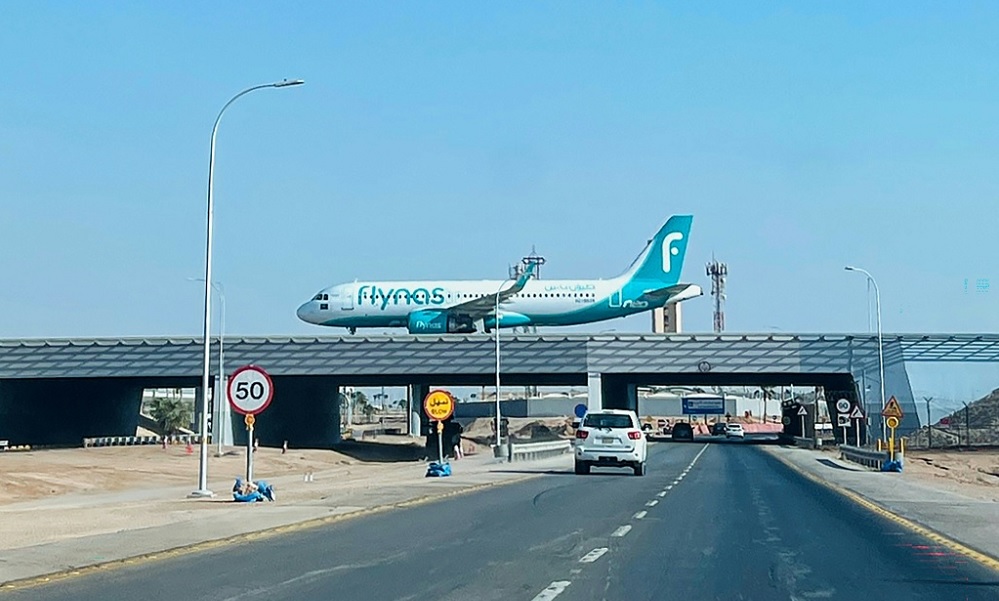
Fresh explosions rattled Riyadh overnight, along with a text message warning to residents, after the Iran-allied Houthis claimed a new attack on the Saudi capital’s international airport on Sunday.
Saudi Arabia, the world’s top oil exporter, has become deeply embroiled in the eight-month war since hostilities in its long-running conflict with the Iran-allied Houthis resumed in July.
Defence Minister Prince Khalid bin Salman is among the delegations travelling to Tehran, made up of officials from the three countries that signed a defence alliance in Mecca in August.
Their visit follows warnings by the United States, Iran and Israel that hostilities could resume.
Tensions have increased ahead of Israel’s pivotal election on Tuesday and next week’s US mid-terms, where US President Donald Trump’s Republicans are battling to keep control of both chambers of the US Congress.
Iran’s security chief Mohsen Rezaei will take part in Monday’s meeting with Prince Khalid, Pakistani army chief General Asim Munir and Turkish intelligence chief Ibrahim Kalin, the deputy secretary of Iran’s Supreme National Security Council, Ali Bagheri Kani, told state TV.
“This historic meeting in Tehran may be the last chance before escalation spirals out of control, an attempt to impose a path of de-escalation before it’s too late,” Hesham Alghannam, a Saudi security analyst and researcher, posted on X.
“The presence of military and security figures at this level together means that the remaining time is extremely limited.”
‘Serious tensions’
On Sunday, as blasts rang out over Riyadh and authorities sent texts warning residents of a “hostile aerial threat”, the Saudi-led coalition fighting the Houthis said it struck missile launchers and storage facilities in Yemen.
The Houthis said they had attacked Riyadh’s King Khalid International Airport once again. The repeatedly targeted facility has been largely closed since 13 people were killed and more than 300 wounded in a major attack this month.
Mediation efforts between the US and Iran have been led by Qatar and Pakistan. A Qatari delegation visited Tehran on Sunday, Iran’s foreign ministry spokesman Esmaeil Baqaei said.
“Our region is in the grip of serious tensions, and neighbouring countries are striving to convey a message and put forward initiatives,” Baqaei said on Monday.
Andreas Krieg of London-based risk consultancy MENA analytica said Prince Khalid’s presence in Tehran was “hugely significant”, calling him the “strategic mastermind of Saudi Arabia”.
Prince Khalid, brother of Saudi de facto ruler Crown Prince Mohammed bin Salman, has emerged as one of Saudi Arabia’s key diplomatic interlocutors, dispatched on sensitive regional missions.
“For him to go to Iran directly in this very sensitive time is a very, very strong signal that the kingdom is not just… sitting and waiting for things, events to unfold,” Krieg told AFP.
“There’s a clear effort by the Mecca alliance to signal to Iran that they’re ready to work together to defend the kingdom and defend the kingdom’s borders,” he added.
“And so should Iran think to escalate, which they will likely do if Israel and the US strikes, and they will most likely strike Saudi Arabia, Iran will have to bear the consequences.”
‘Don’t test us’
Comments by senior officials have raised speculation about renewed hostilities.
Iran’s Foreign Minister Abbas Araghchi said on Sunday “there has been talk of a new war” but that Tehran’s policies remain unchanged.
Trump said on Friday that Washington “may do another little Epic Fury”, referring to the US-Israeli campaign against Iran that began on February 28.
On Sunday, Israeli Prime Minister Benjamin Netanyahu warned that Iran may try to disrupt the Israeli elections, where he is in a close-fought race to stay in power.
“We have intelligence signs that our enemies, Iran and its proxies, could challenge us with attacks in order to disrupt the elections,” Netanyahu said.
“Don’t test us. You will suffer disproportionate blows,” added Netanyahu, who has campaigned heavily on his security credentials.
The remarks came as Israel’s Channel 12, citing unnamed sources, reported a confrontation between Netanyahu and army chief Eyal Zamir over an unspecified new directive in the war with Iran, which the premier denied.
World
Houthis say they attacked Saudi oil pumping stations, Riyadh airport as fighting intensifies
The Houthis have been firing ballistic missiles and drones at Saudi airports, ports and oil installations, turning US ally Saudi Arabia into a pressure point in the wider war.
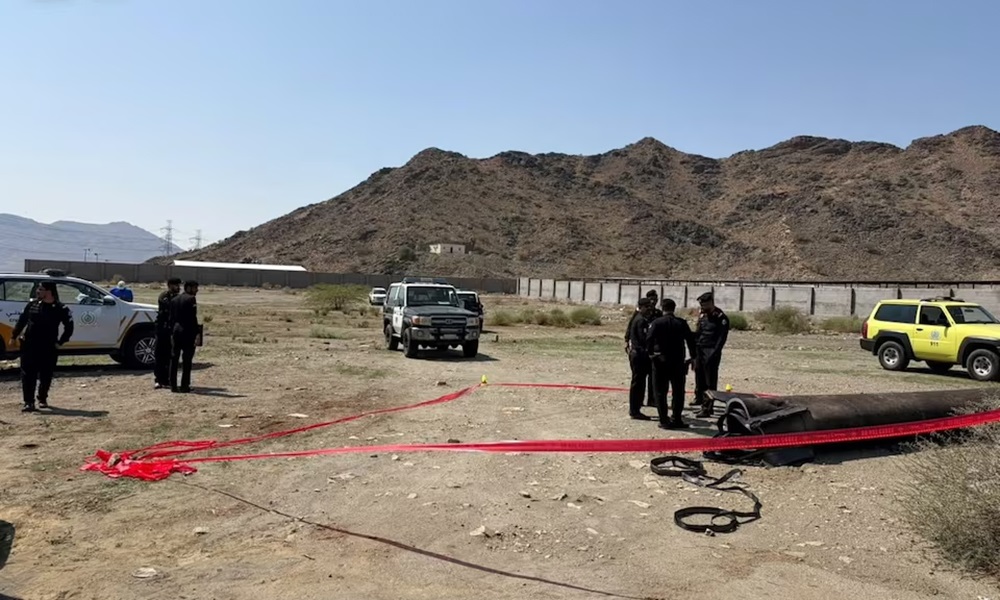
Yemen’s Iran-aligned Houthis said on Monday they had attacked Saudi Arabia’s East-West crude oil pumping stations and Riyadh airport, as rising hostilities choke oil supplies and threaten to erupt into a larger conflict, Reuters reported.
The Saudi-led coalition in Yemen said earlier it had destroyed two ballistic missile launchers in the capital Sanaa, including one used to fire a missile towards Riyadh that the coalition said it had intercepted.
There was no immediate Saudi confirmation of the Houthi attacks.
The Houthis have been firing ballistic missiles and drones at Saudi airports, ports and oil installations, turning US ally Saudi Arabia into a pressure point in the wider war.
The Houthis also said they had struck Riyadh’s King Khalid International Airport, which resumed operations at two terminals on Sunday after an attack claimed by the group earlier this month killed 13 people, the deadliest in the kingdom in more than a decade.
Top officials from the Mecca Pact countries Saudi Arabia, Turkey and Pakistan are set to meet Iranian officials in Tehran on Monday to discuss regional coordination, two people with knowledge of the matter said.
The planned talks would be the first high-level contact between Iran and all members of the three-nation bloc since Saudi Arabia came under escalating attacks from Yemen’s Iran-aligned Houthis, read the report.
Saudi Arabia temporarily shut down its 1,200-km (746-mile) East-West pipeline in September as a precaution after a drone attack that Riyadh and Baghdad said originated in Iraq. The pipeline has served as a key route for Middle East oil exports while the Strait of Hormuz has been largely shut by the war.
The Houthis also said on Saturday they had targeted the East-West pipeline, crude oil pumping stations, an Aramco facility in Yanbu and the Rabigh refinery. There was no Saudi confirmation of those claims.
The Saudi coalition said on Monday it had also carried out a military operation against Houthi targets in Yemen, destroying five tunnels used to store ballistic missiles, four ballistic missile launchers and a missile storage facility.
The operation also targeted Houthi supply lines, fighters and military equipment along front lines inside Yemen, coalition spokesperson Turki al-Maliki said, pledging continued “deterrent operational measures” to protect civilians.
Saudi Arabia has intensified its strikes on the Houthis since the group captured strategic areas along Yemen’s Red Sea coast last month, advancing towards the Bab el-Mandeb Strait, a key global shipping route for Gulf oil producers on the other side of the Arabian Peninsula from the Strait of Hormuz, Reuters reported.
The latest fighting has effectively ended a UN-brokered truce that had largely held since 2022. Saudi Arabia led a coalition into Yemen’s civil war in 2015 to back the internationally recognised government, a year after the Houthis seized the capital Sanaa.
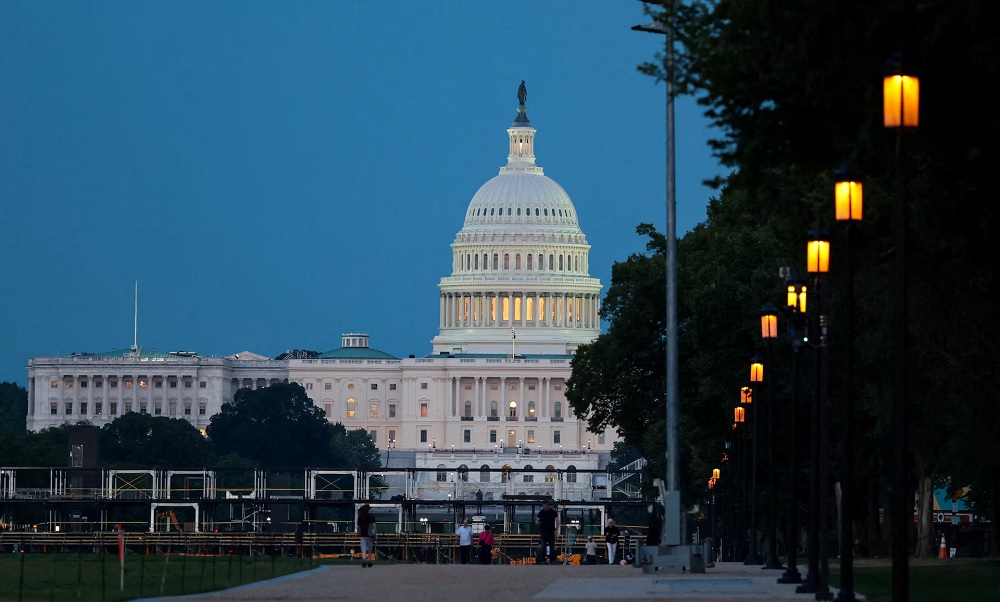
Nonpartisan analysts say Democrats stand a good chance of winning the US House of Representatives and possibly the Senate in the November 3 midterm elections, which would give them a slice of power in Washington after two years of Republican control.
Democrats argue that Republicans have allowed President Donald Trump’s administration to declare war and control spending, even though the US Constitution reserves those powers for lawmakers, according to Reuters.
Here are some ways a Democratic Congress could hem in Trump’s foreign policy.
CURB THE IRAN WAR
Trump did not secure approval from Congress before he launched the war with Iran on February 28, and Democrats have voted repeatedly to end the fighting unless he does so. One of these resolutions passed with support from a handful of Republicans, but Trump’s administration ignored it.
With control of the House or the Senate, Democrats could cut defense spending to pressure Trump to obtain permission from Congress to continue the war. They could also require administration officials to testify publicly about their plans.
FRESH SUPPORT FOR UKRAINE
Trump has largely halted direct US financial and military aid to Ukraine, despite broad support from Democratic and Republican lawmakers as it fights a Russian invasion.
Most recently, he has angered members of Congress, including many Republicans, by lifting sanctions on Russian diesel and waiving sanctions on Russian energy only weeks after signing them into law.
With a victory in both chambers in November, Democrats would be able to decide what gets voted on and when.
That could allow them to approve new aid to Ukraine, which likely would pass with the two-thirds majorities needed to overcome a Trump veto.
They could also target other Trump activities. For example, Representative Gregory Meeks of New York, who could head the House Foreign Affairs Committee if Democrats win control, has introduced bipartisan legislation to block Trump’s plan to bring Russian diesel back into the global market.
END MILITARY AID TO ISRAEL
Support for Israel has plummeted among Democrats over its conduct in the Gaza war, which has killed tens of thousands of Palestinian civilians. The ongoing violence in the Israeli-occupied West Bank and Israeli Prime Minister Benjamin Netanyahu’s close alliance with Republicans have also been factors.
Democrats could limit or end military aid to Israel, which amounted to $3.8 billion in the most recent fiscal year. That is more than was provided to any other country.
Nearly half of House Democrats voted this summer to cut off aid to Israel. Some of those who voted against that effort, such as Meeks, have backed limits on providing weapons like heavy bombs to Israel.
LIMIT MILITARY SPENDING AND RESTORE FOREIGN AID
Democrats are far more likely than Trump’s Republicans to limit military spending. Trump asked for an unprecedented 67% increase in the military budget this year, to $1.5 trillion, but Democrats blocked it in the Senate, citing his refusal to consult Congress about the Iran war and his steep cuts to social programs.
Trump has also withheld or canceled billions of dollars in foreign aid approved by Congress. Many Democrats have been angered by the cuts and say they will try to restore funding.

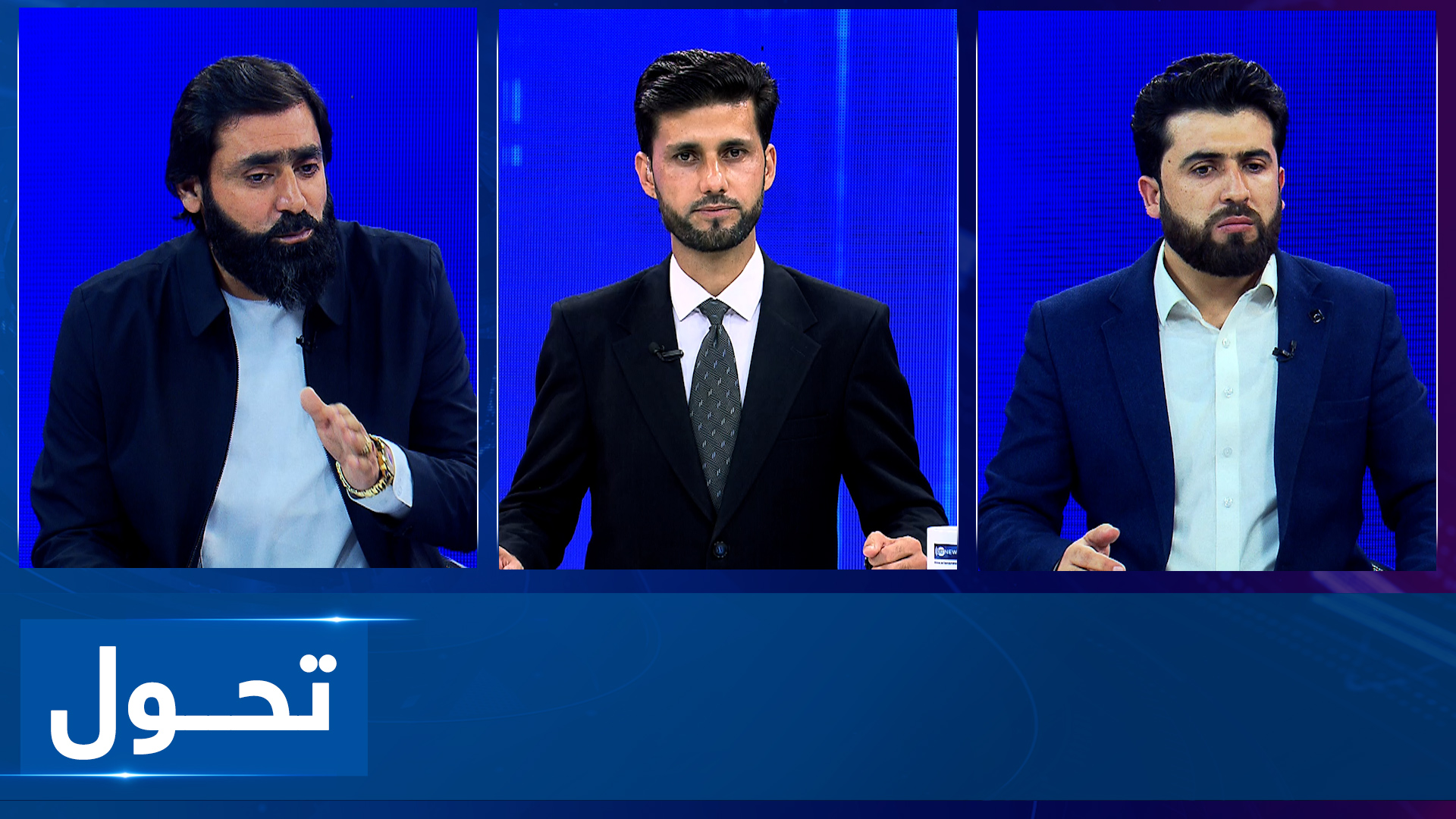
Tahawol: Emphasis on security cooperation at Tehran talks discussed

Afghanistan U-18 futsal team in Senegal ahead of Youth Olympic Games
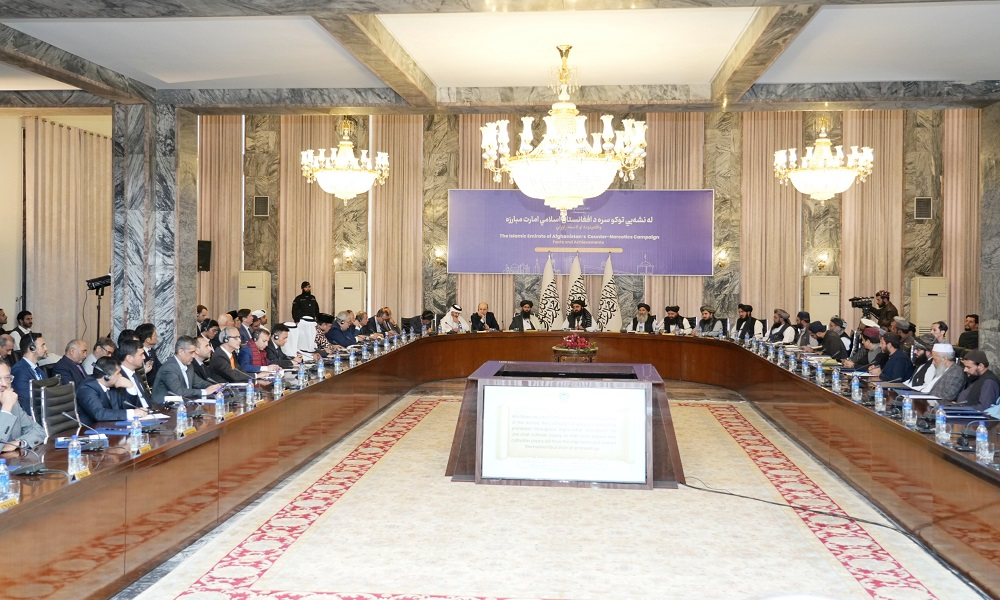
Afghanistan reports over 25,000 anti-drug operations in 2026

Sorkh Poshan Khafi cruise to 3–0 win over Toofan Herat in ACL season six
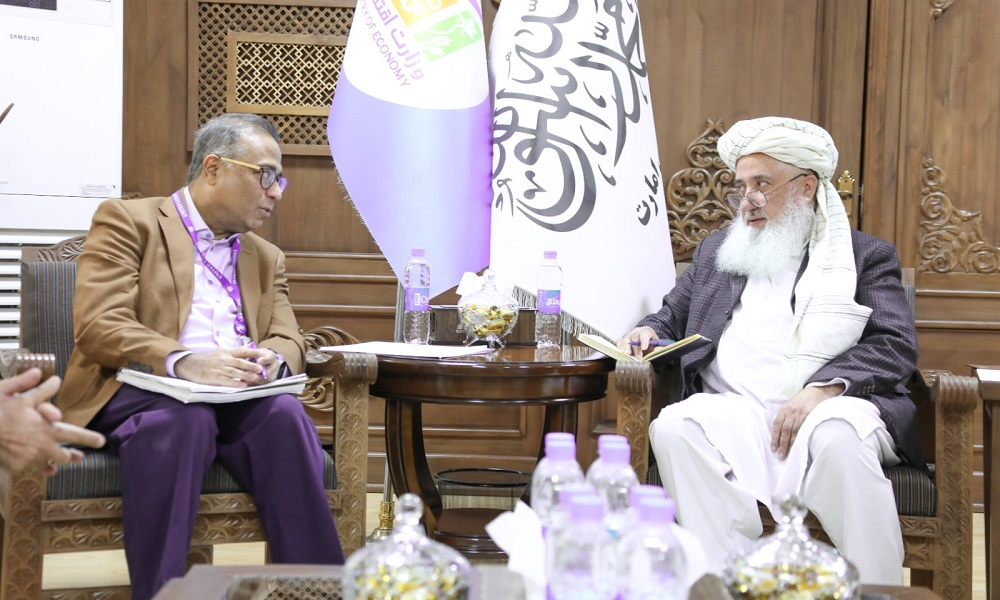
Afghanistan’s economy minister, UNDP representative discuss development cooperation

Cricket Bonanza: Afghanistan set for packed international schedule

Afghanistan on climate front line as Kabul faces groundwater warning

ACB announces Afghanistan squads for Bangladesh, Zimbabwe series

Afghanistan to face Pakistan, India and Australia at 2027 Cricket World Cup

Four members of one family killed in Helmand in Pakistan airstrike
Tahawol: Emphasis on security cooperation at Tehran talks discussed
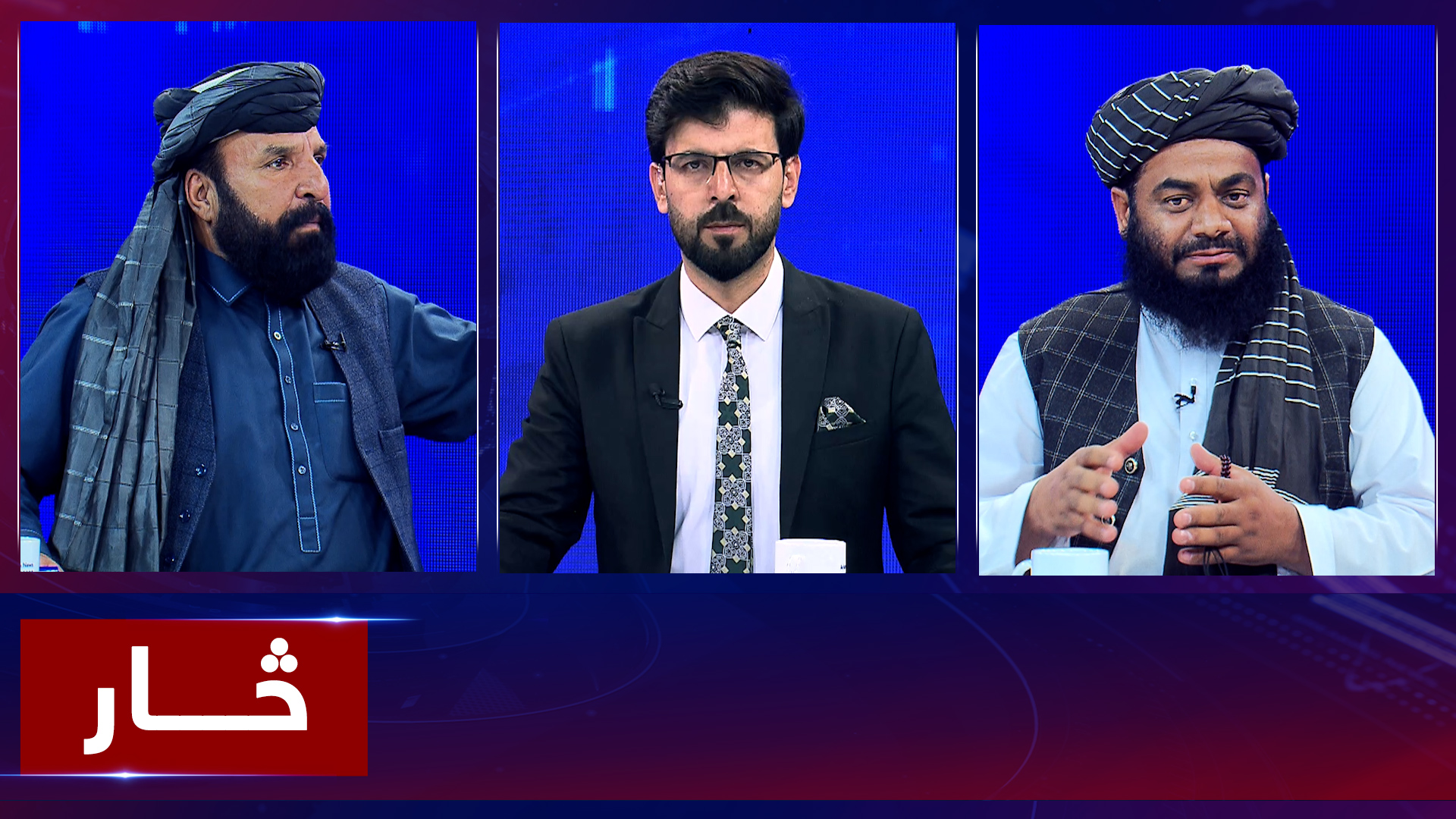
Saar: Pakistan threatening strikes on Afghanistan

Iran says outcome of Israeli elections ‘makes no difference’
Houthis attack Saudi Arabia before high-stakes talks in Tehran
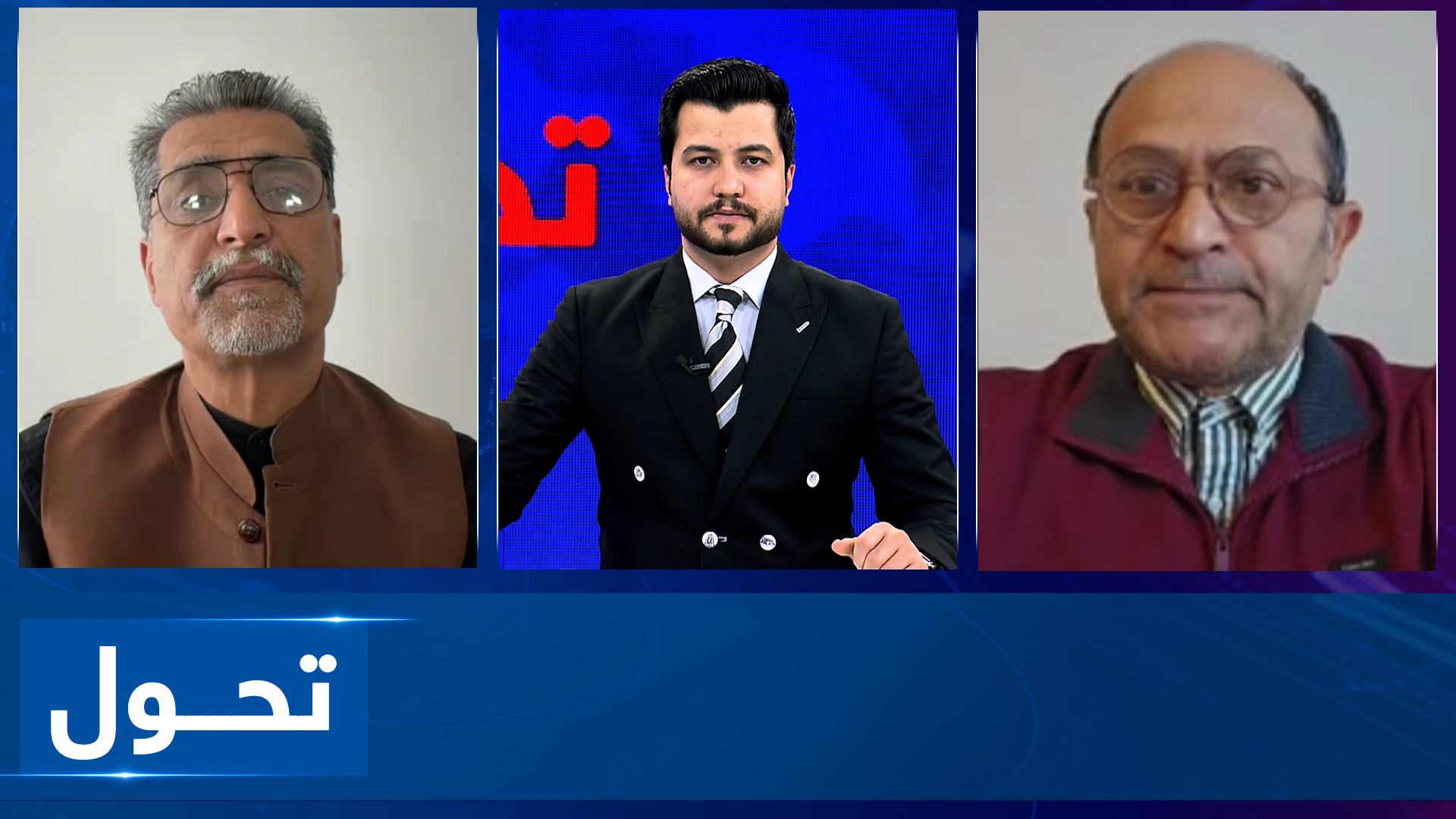
Tahawol: Ukraine war and ongoing peace efforts
-
 Latest News3 days ago
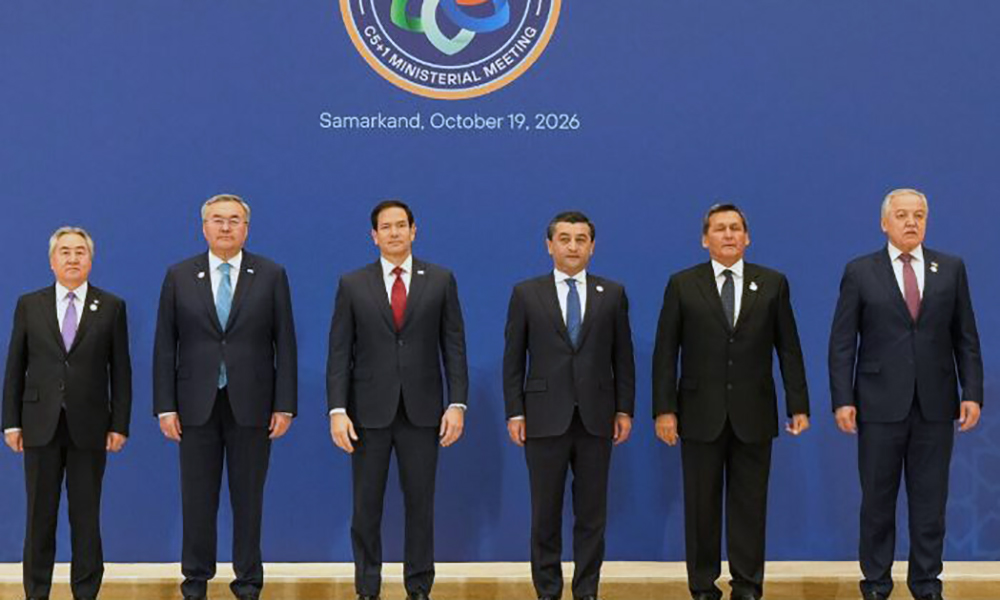
US Central Asia strategy faces challenges linked to Afghanistan’s political and security situation
-
 Business5 days ago
Pakistan exporters suffer billions in losses as Afghanistan trade halt continues
-
 Sport4 days ago
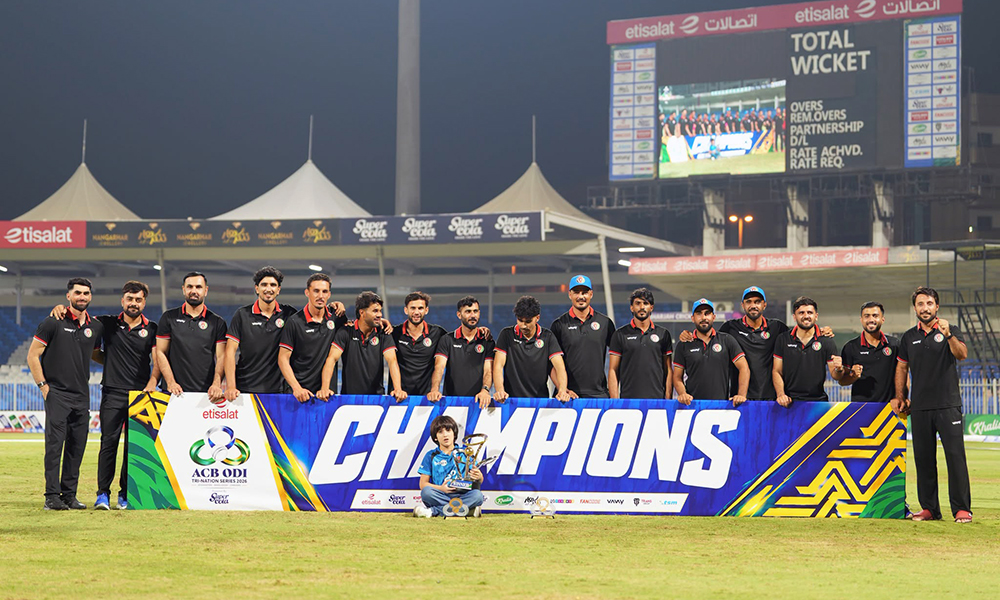
Afghanistan defeat Zimbabwe to win Tri-Series ahead of 2027 Cricket World Cup
-

 Business4 days ago
IMF forecasts 1.3 percent regional economic contraction in 2026
-
 Business3 days ago
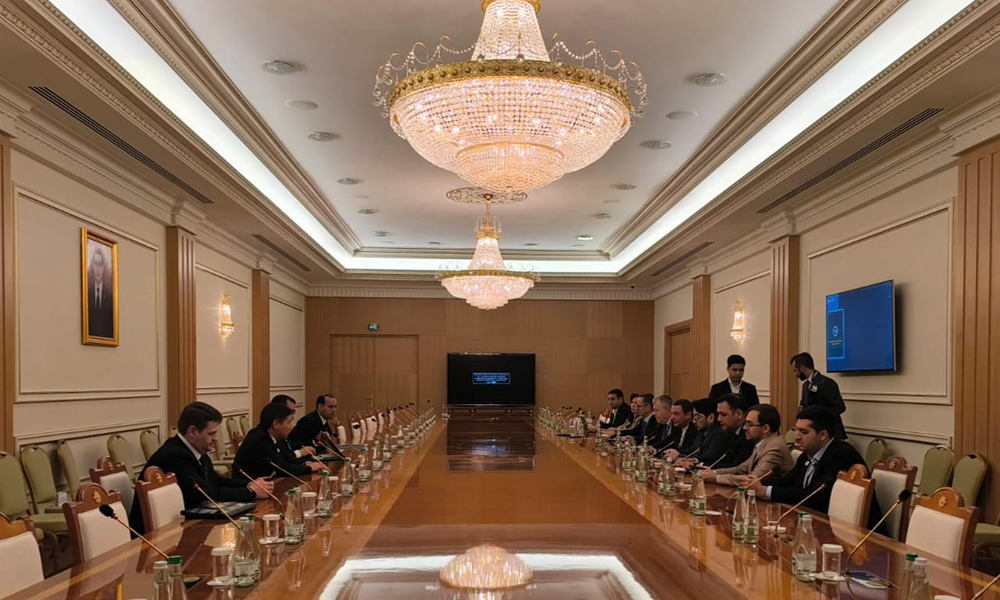
Turkmenistan targets 80 billion cubic meters of gas production in 2026
-
 Latest News4 days ago
Khalilzad warns of worsening relations between Afghanistan and Pakistan
-
 Sport3 days ago
Afghanistan rise above England to match their highest-ever ODI ranking
-
 Latest News4 days ago
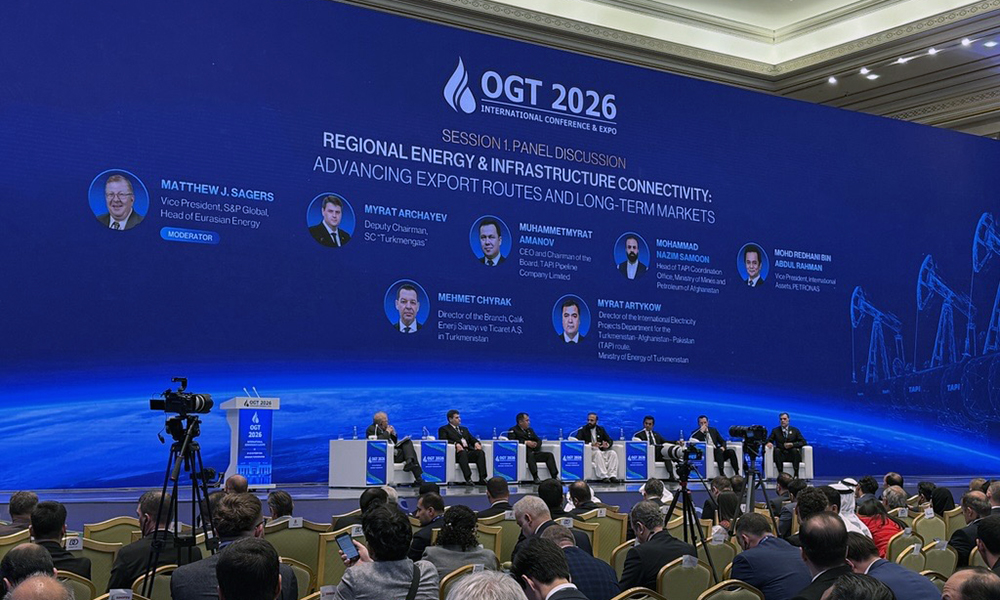
Turkmenistan says Kerki–Kabul power line could supply up to 800 MW to Afghanistan