
Latest News
UN Security Council to review Afghanistan situation as UNAMA mandate nears expiry
According to the Security Council, Afghanistan remains one of the world’s most severe humanitarian crises, with an estimated 21.9 million people requiring assistance this year.

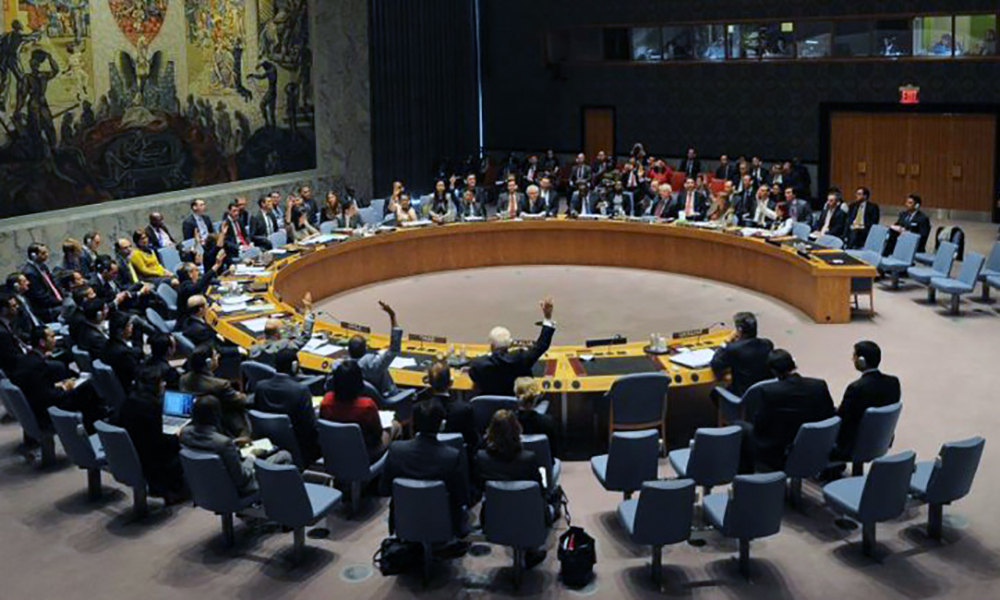
The United Nations Security Council will hold its quarterly meeting on Afghanistan on Monday, with members set to assess recent developments in the country and discuss the future of international engagement.
During the session, the head of the United Nations Assistance Mission in Afghanistan (UNAMA) is expected to present the UN Secretary-General’s latest report, outlining political, humanitarian and social developments over the past three months.
The discussions are expected to focus on key issues including the humanitarian situation, political developments, and the rights of women and girls, particularly access to education.
According to the Security Council, Afghanistan remains one of the world’s most severe humanitarian crises, with an estimated 21.9 million people requiring assistance this year.
While council members broadly support an Afghanistan free of terrorism, governed inclusively and committed to international obligations, differences remain over how best to achieve those goals.
Analysts say the meeting could offer important indications of the Security Council’s assessment of Afghanistan and the international community’s future approach toward the country. The talks are also expected to address UNAMA’s role in facilitating engagement between Afghanistan and the wider international community.
Officials of the Islamic Emirate have repeatedly urged the United Nations and other international actors to present what they describe as a balanced and impartial picture of Afghanistan, while acknowledging developments on the ground.
The meeting comes ahead of the expiration of UNAMA’s current mandate on June 16. The Security Council is expected to decide on the mission’s extension the same day.
UNAMA remains the United Nations’ primary presence in Afghanistan, coordinating humanitarian assistance, monitoring human rights issues and supporting diplomatic efforts aimed at fostering dialogue between Afghanistan and the international community.


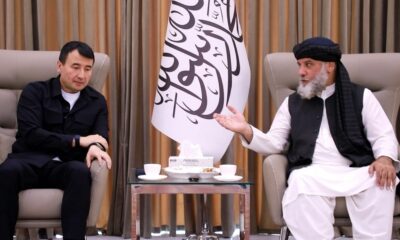



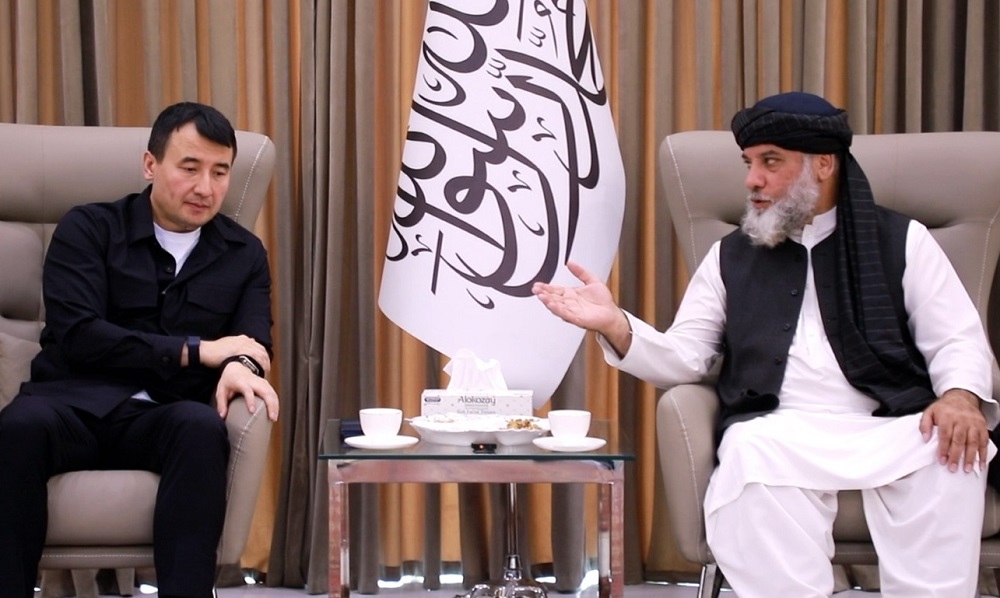
Afghanistan’s Ministry of Industry and Commerce has announced that a high-level delegation from Uzbekistan, comprising government officials and private sector representatives, led by Jamshid Khojaev, Deputy Prime Minister of Uzbekistan, arrived in Kabul on Saturday.
According to the ministry’s statement, the delegation was welcomed at Kabul International Airport by Nooruddin Azizi, Minister of Industry and Commerce.
The Ministry of Industry and Commerce added that the purpose of the Uzbek delegation’s visit to Kabul is to hold meetings and discussions with officials of the Islamic Emirate and representatives of Afghanistan’s private sector, as well as to participate in the trade forum.
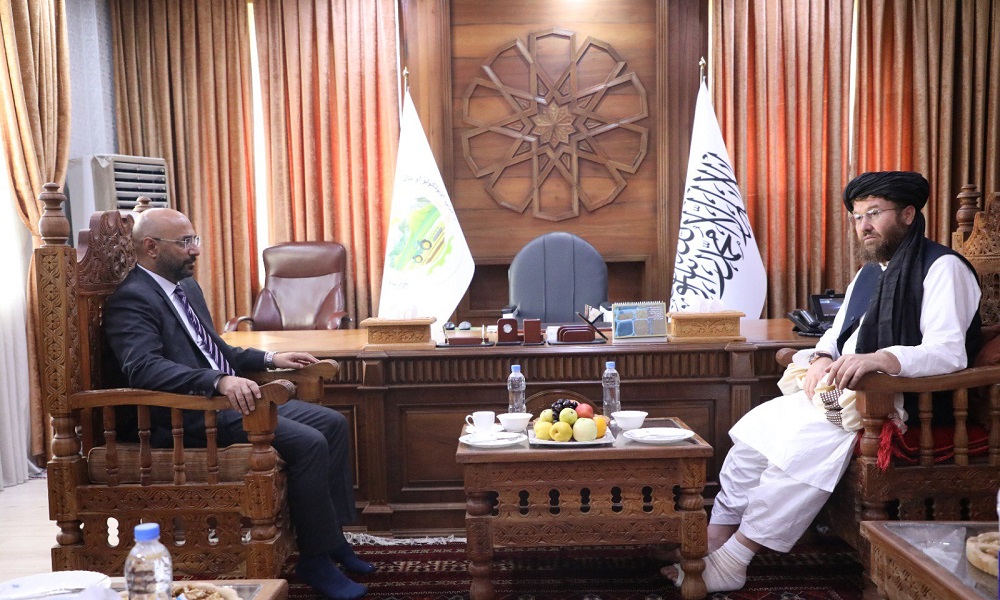
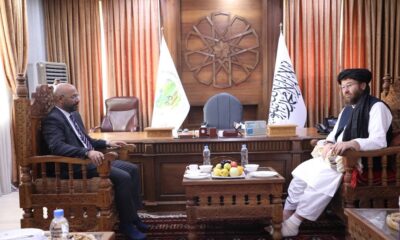
Sadin Ayyıldız, Chargé d’Affaires of the Turkish Embassy in Kabul, held a courtesy meeting on Saturday with Attaullah Omari, Minister of Agriculture, Irrigation and Livestock of the Islamic Emirate of Afghanistan.
The Turkish Embassy in Kabul said in a post on X that during the meeting, the two sides held constructive and fruitful discussions on expanding cooperation in the agriculture sector.
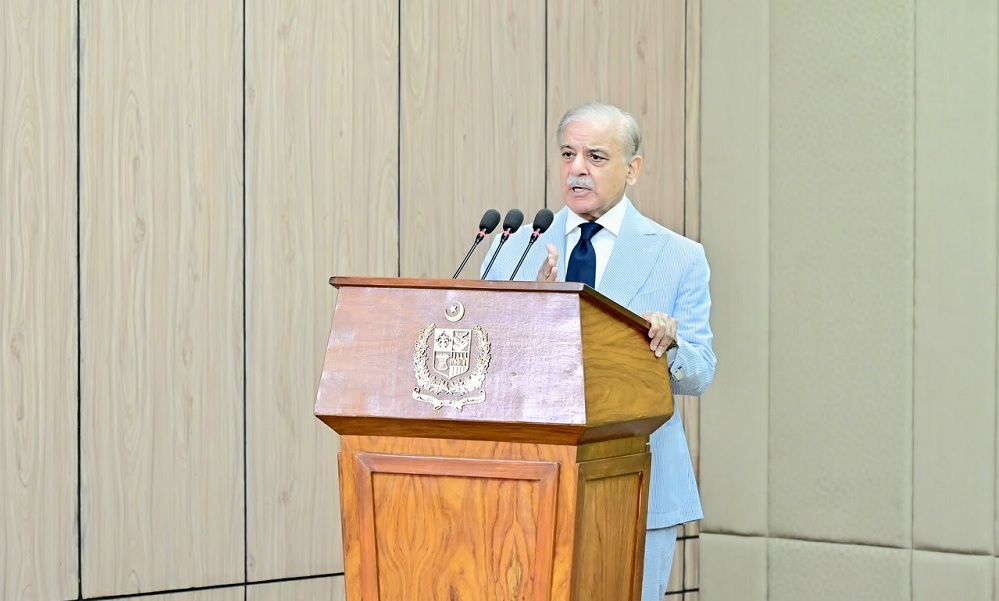
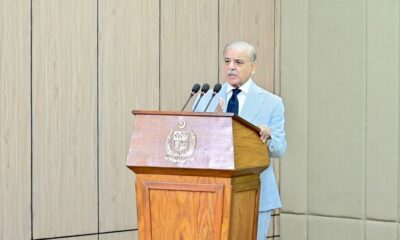
Pakistan Prime Minister Shehbaz Sharif on Friday renewed his call for Afghanistan to take action against militant groups, saying Afghan territory should not be used to launch attacks against Pakistan.
“Pakistan shares over 2,600-kilometre border with its neighbour and has repeatedly urged the Afghan authorities to act against terrorist organisations and prevent Afghan territory from being used against Pakistan,” Sharif said speaking at an event in Balochistan province. “However, the Afghan interim government has failed to take effective action against these groups.”
Pakistan has repeatedly accused the Islamic Emirate of Afghanistan of failing to curb the activities of militant groups that Islamabad says carry out attacks inside Pakistan. The Islamic Emirate has consistently rejected the allegations, insisting that Afghan territory is not used against any country and calling on Pakistan to address its own security challenges internally.


US pauses strikes on Iran as diplomatic efforts gather pace amid regional tensions

Hundreds of thousands flee as devastating wildfires rage across France and Spain

Tahawol: New developments ahead in the Middle East discussed

Saar: Rising tensions between Kabul and Islamabad discussed

Uzbekistan delegation arrives in Kabul to attend trade forum

Afghanistan eyes direct Basmati rice imports from India amid tensions with Pakistan

India offers 1,000 online scholarships for Afghan students for 2026-27 academic year

TAPI project sees rapid progress in Afghanistan

Cricket world pays tribute to Afghanistan fast bowler Shapoor Zadran

Turkey spent over $120 million to prepare airport for Qatar-donated U.S. presidential aircraft
Tahawol: New developments ahead in the Middle East discussed
Saar: Rising tensions between Kabul and Islamabad discussed

Tawsia: Factors behind rising fuel prices in Afghanistan discussed

Tahawol: US-Kabul engagement on security issues discussed

Saar: Continued exchange of attacks between US-Iran discussed
-
 Latest News4 days ago
Germany defends Afghan deportation policy after fatal Trier knife attack
-
 Latest News5 days ago
Fazlur Rehman accuses Pakistan of enabling US strikes on Afghanistan
-
 Sport4 days ago
FIFA updates world rankings; Spain climbs to No. 1, Afghanistan ranked 171st
-
 Latest News4 days ago
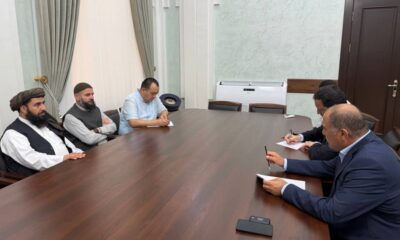
Afghanistan and Uzbekistan advance railway cooperation, discuss Trans-Afghan project
-
 Latest News5 days ago
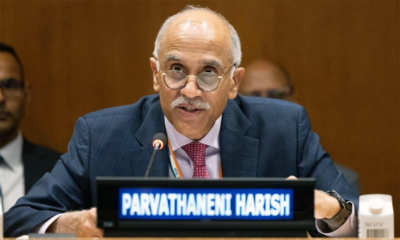
India says UN sanctions on Afghanistan no longer effective
-
 Latest News5 days ago
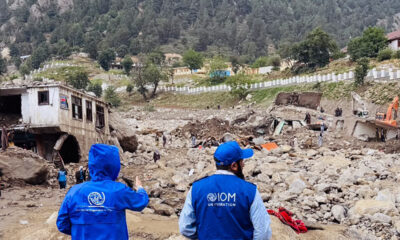
Widespread reaction to Nuristan floods; from messages of sympathy to requests for urgent assistance
-
 World4 days ago
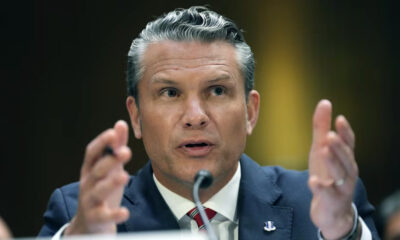
War in Iran has cost the US $37.5 billion so far, Pentagon says
-
 Latest News4 days ago
Amnesty International calls for probe into Pakistan airstrike on Kabul rehabilitation centre