
Latest News
7-year-old takes global stage with TED talk on how Peek-A-Boo can change the world


A ground-breaking TED Talk by a 7-year-old girl is set to change the way parents and caregivers around the world view early childhood brain development and how adults interact with the globe’s newest citizens.
Molly Wright, a Grade 2 student from Queensland, Australia, today became one of the youngest TED speakers in history after delivering the important message to parents and caregivers the world over.
Overseen by internationally acclaimed filmmaker Michael Gracey (Director of The Greatest Showman and Producer of Rocketman), Molly’s TED Talk demonstrates the simple yet life-changing things we can all do to help children thrive.
Molly’s TED Talk was brought to life by Minderoo Foundation, one of Australasia’s largest philanthropic organisations, and aligns with Minderoo’s Thrive by Five initiative.
In the lead up to today’s global launch, Molly’s TED Talk has been shown to new parents in maternity wards in Australia (through Ramsay Health Care) and Afghanistan (via Bayat Foundation) as part of a pilot – with further plans to roll it out in hospitals around the world.
Leading philanthropist and Minderoo Foundation Co-chair Nicola Forrest AO said it was Thrive by Five’s mission to ensure every child, no matter where they grow up or who their parents are, has an equal chance to reach their full potential.
“We believe every child can, and should, thrive by the age of five,” Mrs Forrest said. “Science tells us that the volume of a child’s brain has reached 90 per cent by the age of five so we want to help set parents up for success and increase awareness of the importance of having positive interactions with children – early and often.
“Molly beautifully delivers this universal truth – that the early years are the most critical period for shaping a child’s life now, and in their future.”
Head of TED Chris Anderson said Molly’s message would resonate around the globe.
“I absolutely love this talk,” Mr Anderson said. “Ideas can come from anywhere. To hear a powerful idea like this spoken so eloquently by a child … Wow! This deserves a huge audience.”
During the pilot a survey of parents, nurses, maternal health experts, GPs and practitioners revealed positive feedback, including Professor Desiree Silva, Head of Paediatrics, Joondalup Health Campus (Perth, Australia); Ms Mariam Bayat, Director, The Bayat Foundation; and Mr Justin Graham, Group CEO, M&C Saatchi AUNZ
“Molly’s TED Talk draws on the five top tips of connect, play, talk, healthy home and community, focusing on the simple and fun things we can do in a child’s first five years that will have a profound impact on their brain development and wellbeing,” Mrs Forrest said.
“Not only is this important information to share amongst parents and carers, but policymakers and world leaders.”
Professor Desiree Silva, Head of Paediatrics, Joondalup Health Campus (Perth, Australia) meanwhile said: “The opportunity for us to share the film with patients in our Joondalup and Glengarry maternity wards and early parenting centre has been a real joy.
“The message to connect and play, early and often with children from birth to age five is vital in their development and overall wellbeing.
“New parents at our hospitals found the video educational, entertaining and inspiring.
“Molly’s TED Talk has the potential to improve the health outcomes for children on a global scale.”
Ms Mariam Bayat, Director, The Bayat Foundation also stated: “Maternal and early childhood health has been a priority for the Bayat Foundation since our inception, and the opportunity to work in partnership with the Minderoo Foundation to launch the Thrive By Five TED talk highlighting the importance of early childhood education in Afghanistan is a unique privilege for us and serves a compelling need in our country.
Sharing Molly’s TED Talk and the important lessons about positive engagement between parents and children in the critical early years of life will inspire Afghan mothers, fathers, and families to further instil critical thinking, emotional intelligence, inclusive communication, and collaborative problem-solving skills with their young children.”
“We believe that this presentation will help give rise to thousands of Afghan ‘Mollys’ in the years ahead — talented, confident, compassionate, positive, and emotionally secure Afghan children who will grow into the nation’s future doctors, educators, lawyers, and leaders, a tremendous resource for Afghanistan and a lasting tribute to the impact that passionate philanthropic organisations – Afghan and Australian – can achieve in the near and medium-term despite the daily challenges in our nation today.”
Mr Justin Graham, Group CEO, M&C Saatchi AUNZ, another partner, said: “The M&C Saatchi Group is incredibly proud to be a part of this initiative with Minderoo, Australia’s largest philanthropic agency, and the talented team at Finch Sydney.
Molly’s TED Talk will be launched via social media, in hospitals around the world, and will be supported by a global launch strategy to connect the content to the right people at the right moments.
“Minderoo is an organisation that is creating change on a global level, and we are delighted that we are able to partner with them to realise their ambitions through creative thinking.”

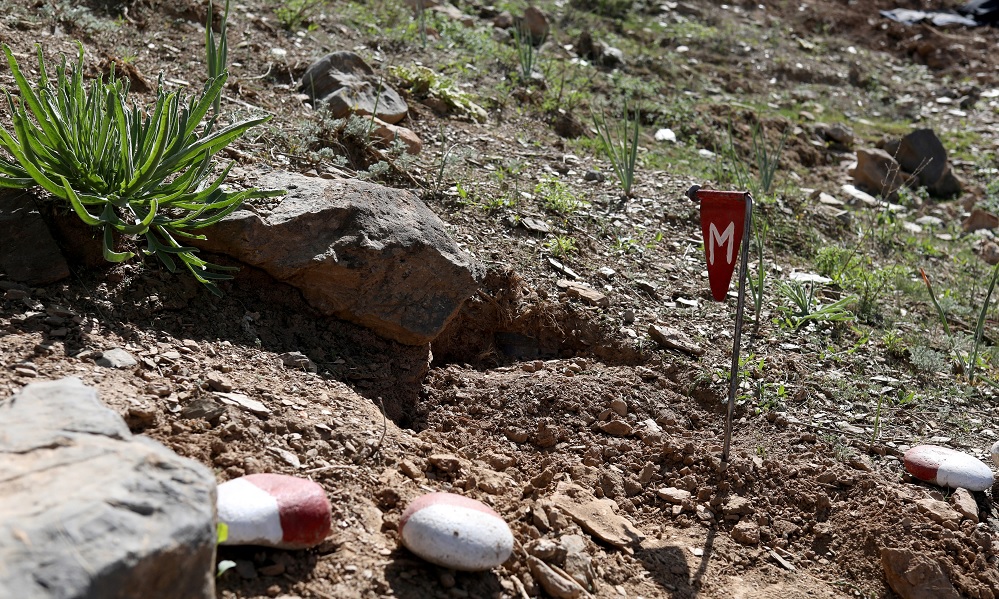
Around 901 square kilometres of land across Afghanistan is contaminated with unexploded ordnance, posing a continuing threat to civilians, particularly children, Afghanistan National Disaster Management Authority said.
Mohammad Yousuf Hammad, spokesperson for the Afghanistan National Disaster Management Authority, made the remarks in an interview with Afghanistan’s state-controlled national broadcaster.
Hammad said explosions involving landmines and unexploded remnants of war continue to kill and injure large numbers of Afghans every year.
He added that, with financial support from the United Nations Special Trust Fund for Afghanistan, more than 73,000 square metres of contaminated land had been cleared in Kunduz and Baghlan provinces by December 2025.
According to available figures, approximately 1,026 people were killed or injured in Afghanistan in landmine and unexploded ordnance explosions in 2021.
Decades of conflict have left large quantities of explosive remnants of war scattered across the country, creating persistent dangers for civilians.
Children remain particularly vulnerable, as unexploded devices can be mistaken for ordinary objects or encountered while playing and travelling through affected areas.
The reported contamination highlights the continuing need for mine-clearance operations, humanitarian assistance and public awareness programmes to protect communities and prevent further civilian casualties.
Latest News
Afghanistan and Uzbekistan sign trade deals worth more than $151 million
Meanwhile, Yarqin Malikov, Chairman of the Uzbekistan Exporters Association, said trade relations between the two countries had expanded significantly.
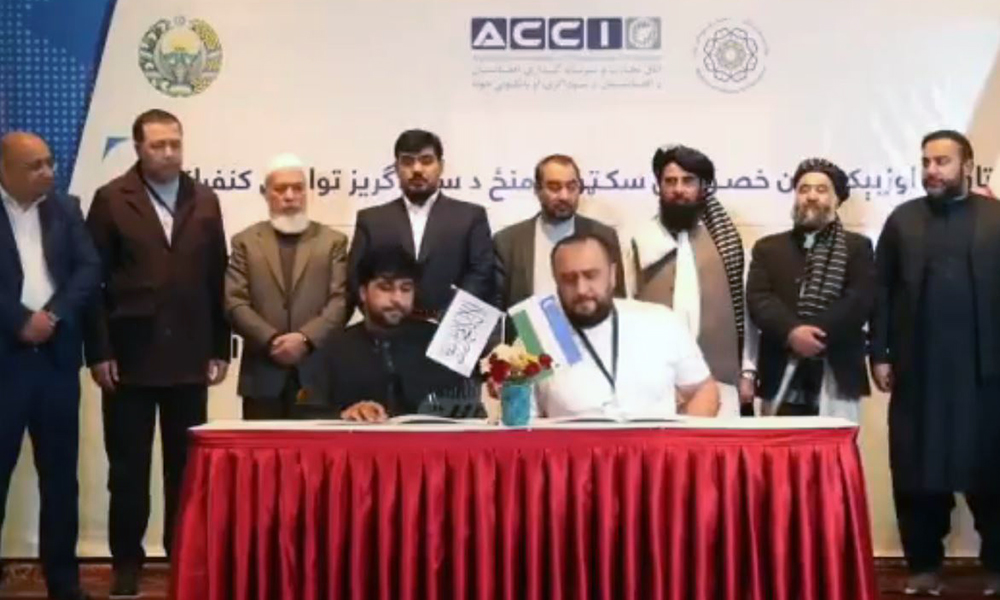
Private sector representatives from Afghanistan and Uzbekistan have signed dozens of trade agreements worth a combined $151.16 million during a business meeting in Kabul, as both countries seek to expand economic cooperation and strengthen bilateral trade ties.
The agreements were signed by representatives of around 80 companies from both countries across various economic and commercial sectors.
Speaking at the meeting, Mojib Rahman Shirzad, Deputy Head of the Afghanistan Chamber of Commerce and Investment, described expanding trade and economic relations between Kabul and Tashkent as important for both countries.
He said increased exchanges of government and private-sector delegations in recent months had created opportunities for direct engagement between business communities, helping pave the way for stronger commercial cooperation.
Meanwhile, Yarqin Malikov, Chairman of the Uzbekistan Exporters Association, said trade relations between the two countries had expanded significantly.
According to Malikov, bilateral trade, which previously stood at around $80 million, has now exceeded $1.8 billion.
He attributed the growth to stronger relations between the two countries and increasing mutual trust among Afghan and Uzbek business communities.
Malikov also said Uzbek investors and business representatives were exploring Afghanistan’s commercial potential and considering opportunities to establish joint ventures in the country.
He noted that trade figures during 2024 and 2025, particularly the first seven months of 2026, demonstrated significant growth in economic relations between the neighbouring countries.
The signing of the agreements comes as an Afghan delegation, led by the Deputy Minister of Agriculture and Livestock, travelled to Uzbekistan on Saturday.
The delegation is expected to meet Uzbek officials to discuss expanding bilateral cooperation in several sectors, particularly agriculture.
The latest business agreements are expected to create further opportunities for private-sector cooperation, investment and increased trade between Afghanistan and Uzbekistan.
Latest News
Afghanistan needs strong, modern and independent army, says defence chief
He said those who returned could live in the country with dignity but warned that anyone continuing armed activities would face the country’s security forces.
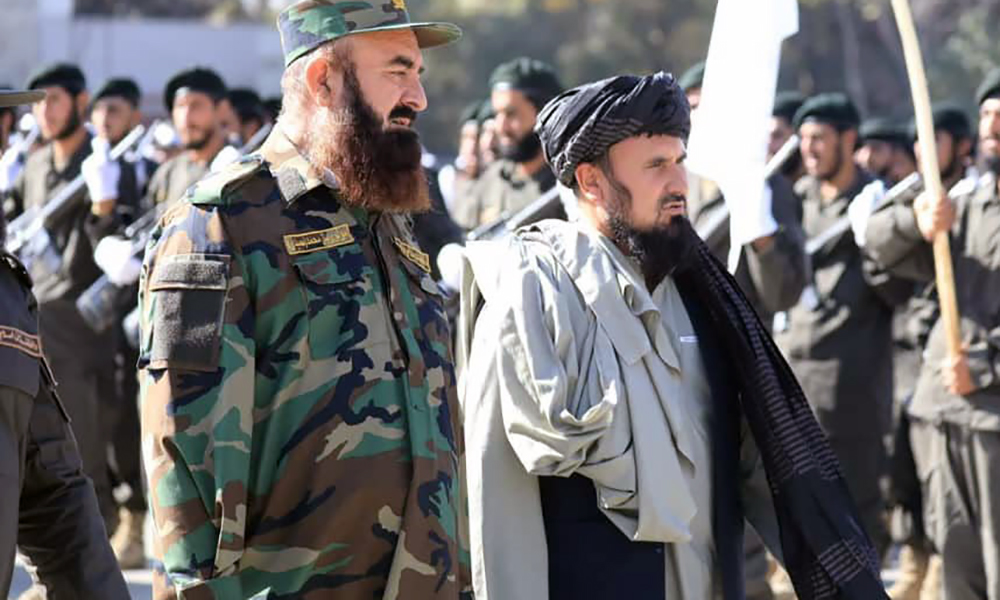
Afghanistan needs a strong, professionally trained and well-equipped army to safeguard its sovereignty and territorial integrity, the country’s Chief of Staff of the Armed Forces, Fasihuddin Fitrat, has said.
Fitrat said the armed forces were prepared to defend Afghanistan against internal and external threats, stressing that military strength was essential to preserving the country’s independence.
He said Afghanistan’s independence had been achieved through years of struggle and sacrifice by the Mujahideen, adding that maintaining it required a modern military equipped with advanced weapons and properly trained personnel.
According to Fitrat, strengthening the military was not about threatening neighbouring countries or pursuing territorial expansion, but about protecting Afghanistan from aggression, pressure and foreign interference.
He said a capable armed force would also help the Islamic Emirate maintain security and provide an environment in which Afghans could live in peace.
Military independence a priority
Fitrat emphasised the need to build an independent and professional military, criticising the former Afghan National Defence and Security Forces for their reliance on foreign support.
He argued that the previous military lacked the ability to operate independently and blamed former government officials for its collapse following the withdrawal of international forces.
He said military and economic independence remained central priorities for the Islamic Emirate, adding that while Afghanistan wanted friendly relations with other countries, it would not accept foreign control over its economy or natural resources.
Fitrat criticises Pakistan’s border restrictions
Turning to tensions with Pakistan, Fitrat criticised Islamabad over restrictions at border crossings, accusing it of closing routes during Afghanistan’s export season while reopening them when imports were required.
He said the Islamic Emirate had responded to the restrictions and insisted that Afghanistan would not remain dependent on other countries for its defence requirements.
Fitrat also claimed that Afghanistan had experienced five years of peace and security and made progress in several sectors, alleging that some countries were unwilling to accept these developments.
Warning to armed opposition groups
Fitrat issued a warning to armed opposition groups, urging individuals he accused of operating under foreign direction to return to Afghanistan and surrender to the judicial authorities.
He said those who returned could live in the country with dignity but warned that anyone continuing armed activities would face the country’s security forces.
He stressed that no individual or group would be allowed to threaten public safety or disrupt the lives of ordinary Afghans.
Denies opposition presence in Badakhshan
Addressing reports of opposition fighters operating in Badakhshan, Fitrat dismissed claims and footage allegedly showing fighters in the province’s mountainous areas.
He claimed that some footage circulating as evidence of opposition activity in Badakhshan had actually been filmed in Pakistan’s Chitral region.
Fitrat insisted that no opposition fighters were present in the mountains of Badakhshan, adding that Afghanistan’s security and intelligence forces were active throughout the country.
He also dismissed opposition groups as largely symbolic organisations, claiming their members were based in Pakistan and operating under foreign influence.
Fitrat concluded by assuring the public that the armed forces would continue working to prevent security threats and protect the country’s population.

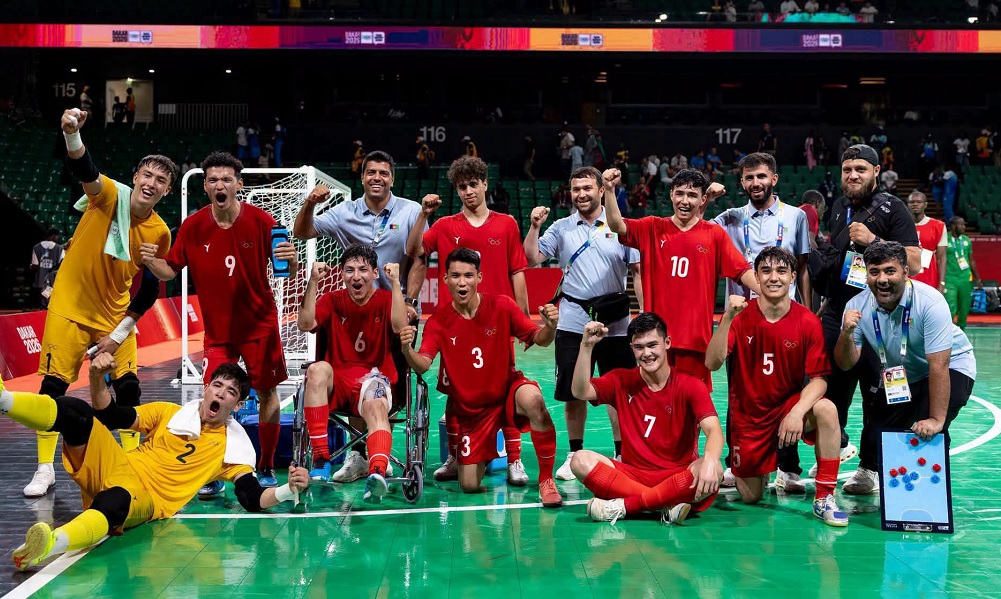
Afghanistan thrash Senegal 6-0 to reach Dakar Youth Olympics futsal semi-finals
Unexploded ordnance contaminates 901 square kms of land in Afghanistan
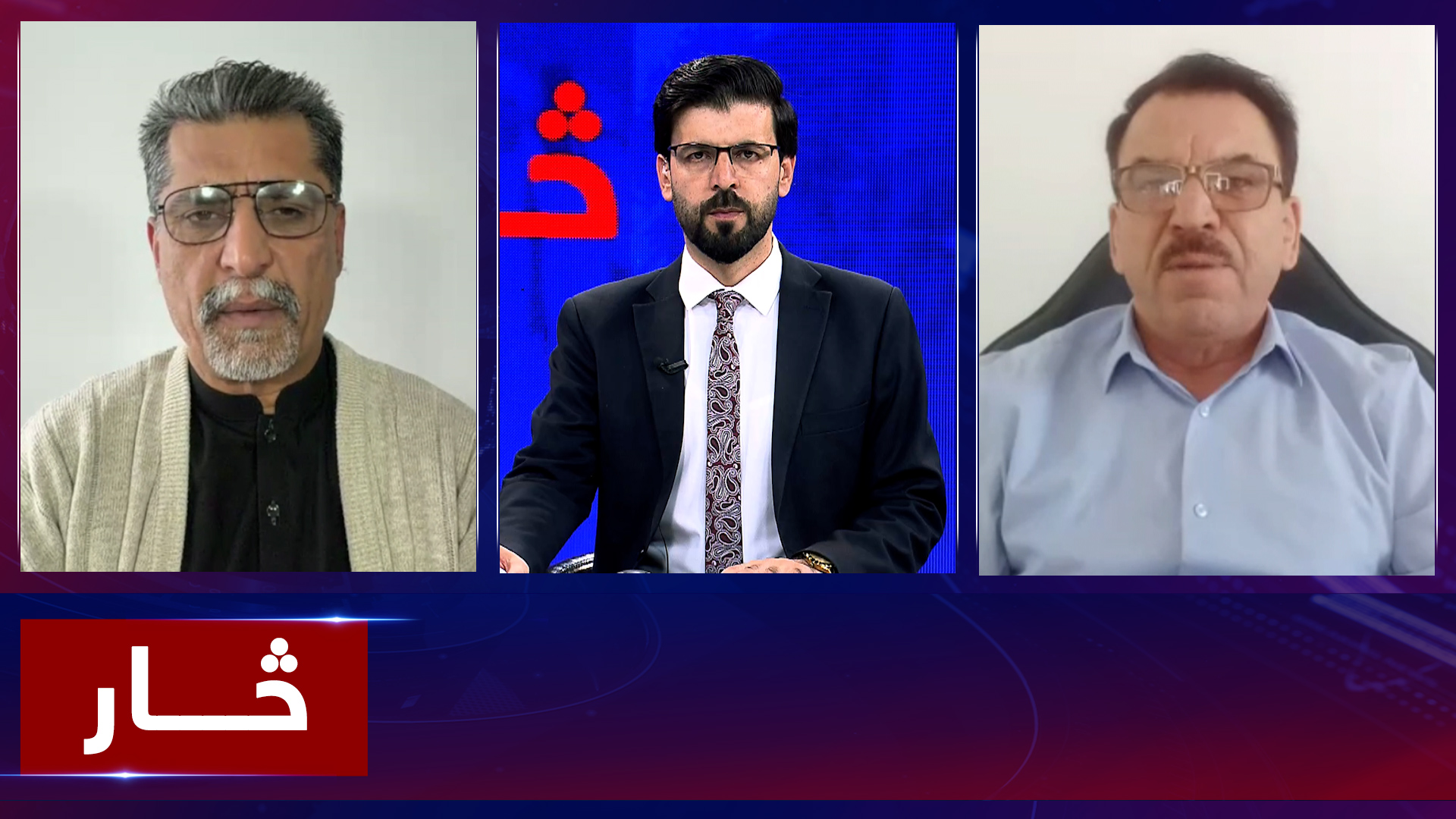
Saar: EU’s engagement with Afghanistan
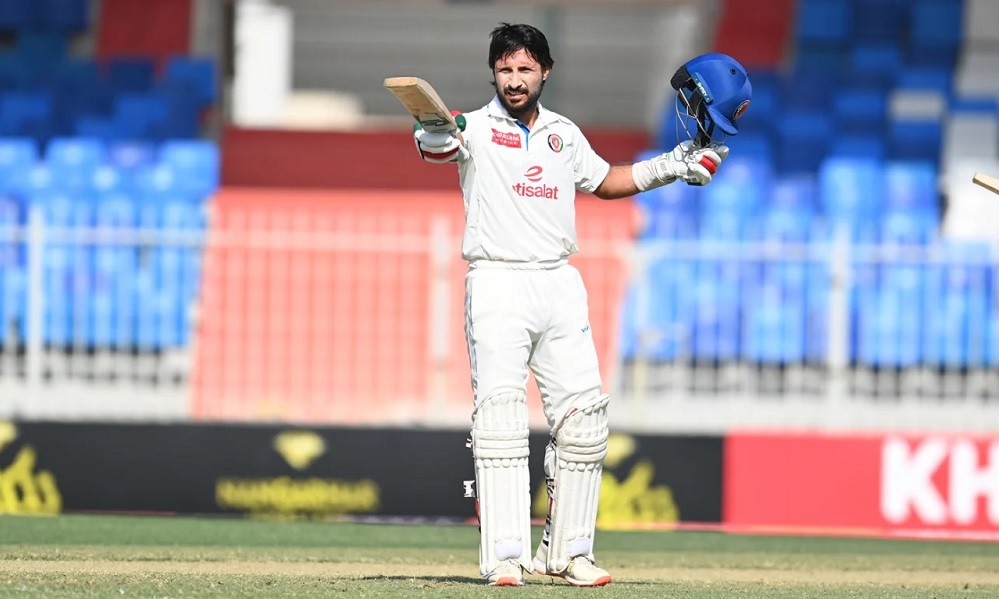
Afghanistan’s record partnership highlights fourth day of Test against Zimbabwe
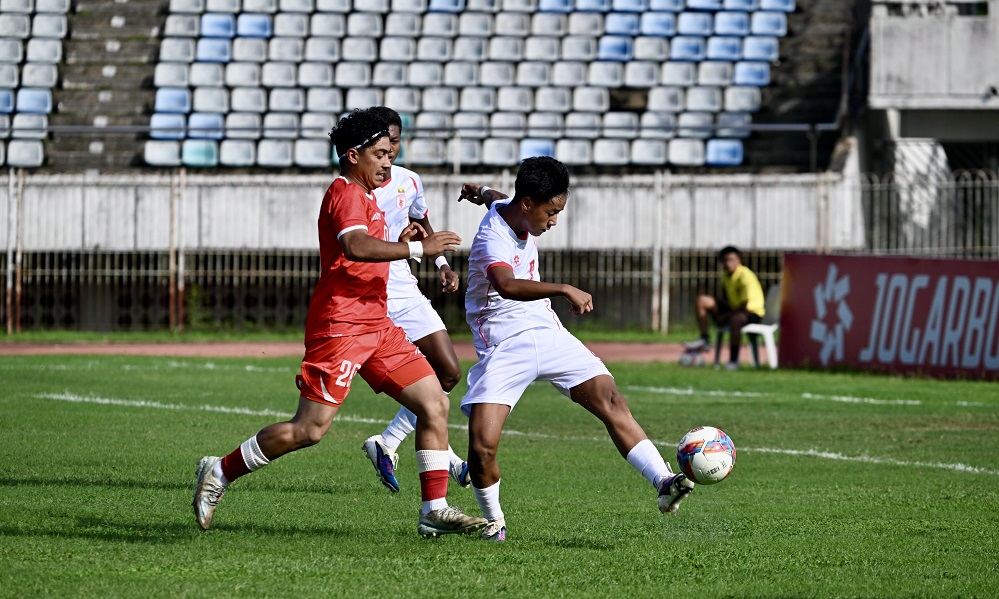
Afghanistan begin AFC U17 Asian Cup qualifying campaign with 4-1 win over Myanmar

Afghanistan finish runners-up after 6-0 defeat to Brazil in futsal final

Trump says US may strike Iran’s ‘Pickaxe Mountain’ nuclear facility

Afghan futsal coach: Brazil tournament is first step towards new goals and World Cup

WHO calls for greater mental health support in Afghanistan

Houthis warn airlines to avoid Saudi airports after deadly Riyadh attack
Saar: EU’s engagement with Afghanistan
Tahawol: Afghanistan’s participation in Shanghai Plus security meeting discussed
Saar: Afghanistan’s declining humanitarian aid funding discussed
Tahawol: Calls for stronger joint action against terrorism discussed
Saar: Impact of closing trade routes between Kabul-Pakistan discussed
-
 Sport3 days ago
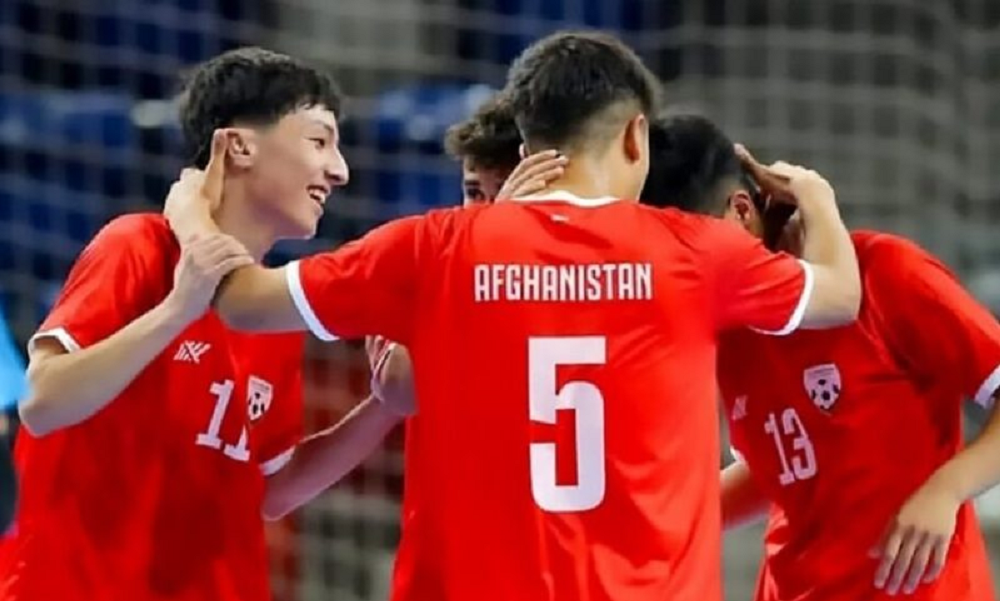
Afghanistan suffer narrow defeat against Argentina at Dakar Youth Olympics
-
 Latest News4 days ago
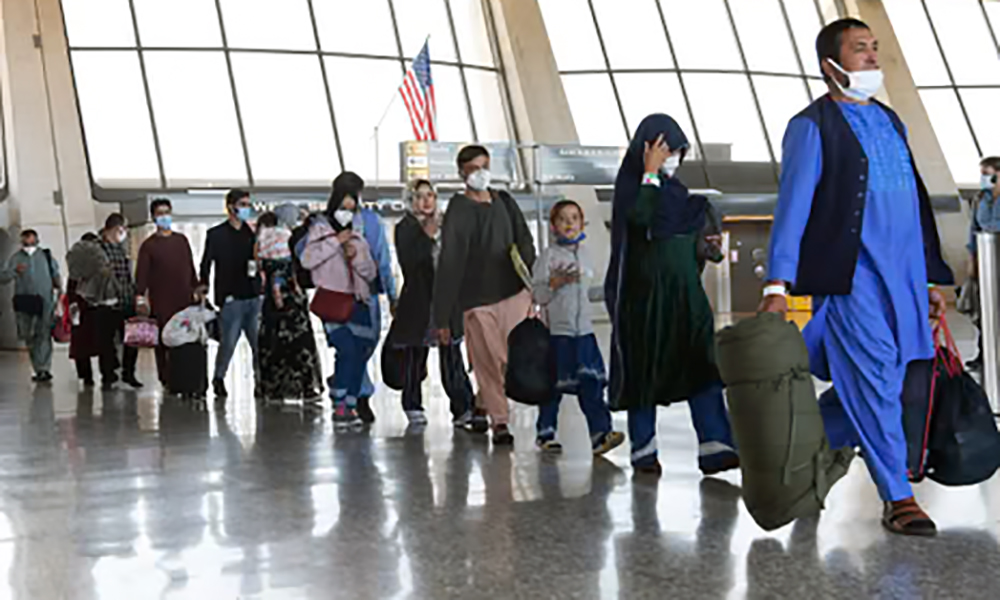
US judge temporarily blocks deportation of detained Afghans
-
 Climate Change4 days ago
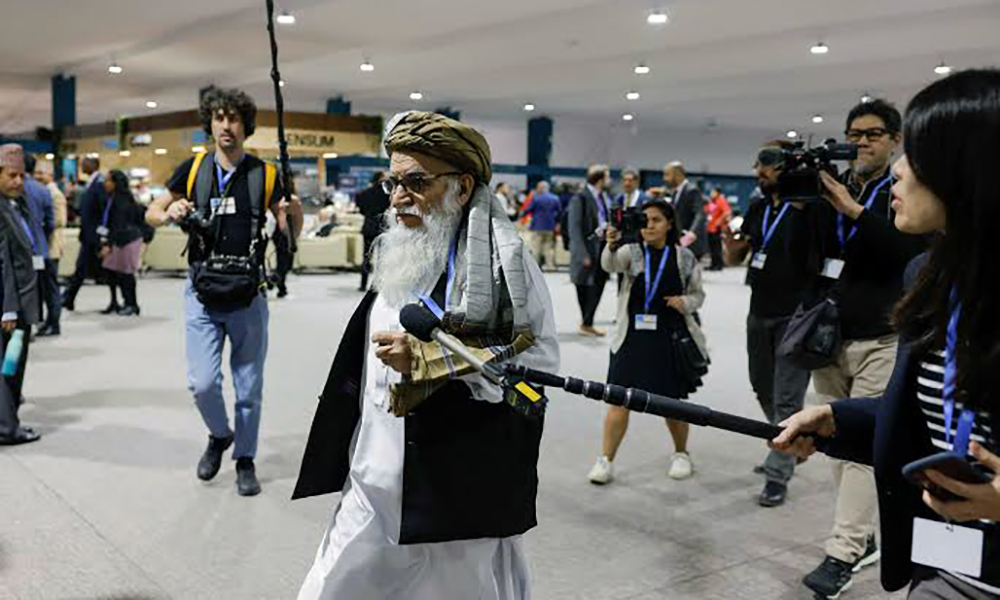
IEA to attend UN climate summit for second time since returning to power
-
 World4 days ago
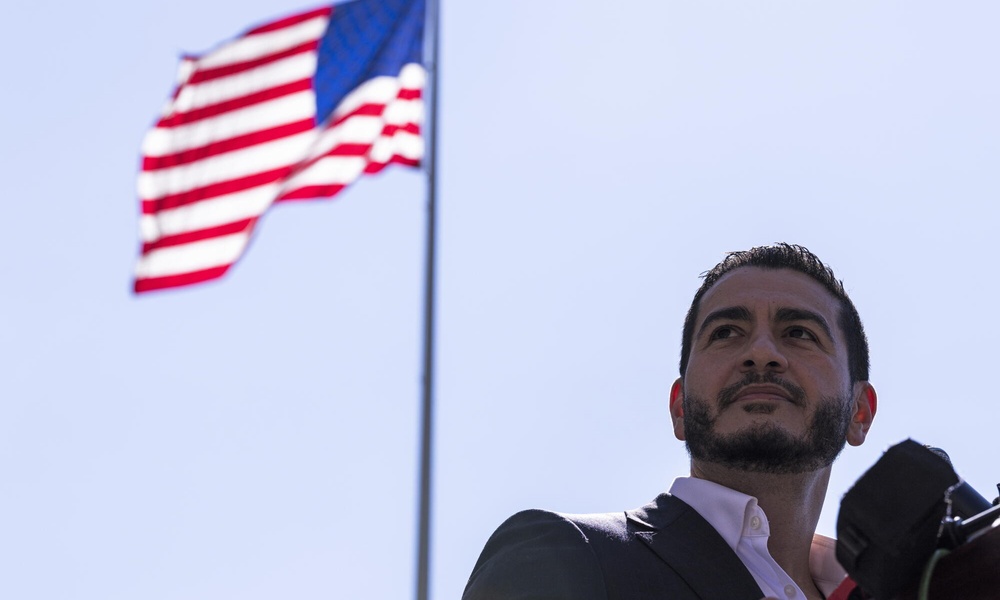
Democrat Abdul El-Sayed becomes first Muslim elected to US Senate
-
 Business4 days ago
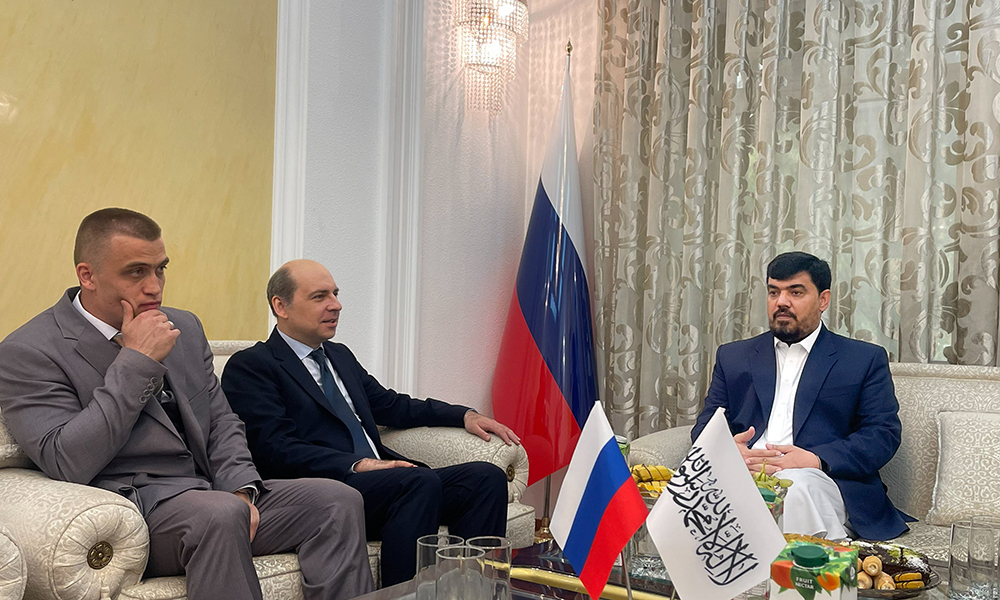
Afghanistan and Russia discuss expanding trade and investment ties
-
 Latest News5 days ago
Lavrov says Moscow Format remains key platform for Afghanistan talks
-
 Latest News4 days ago
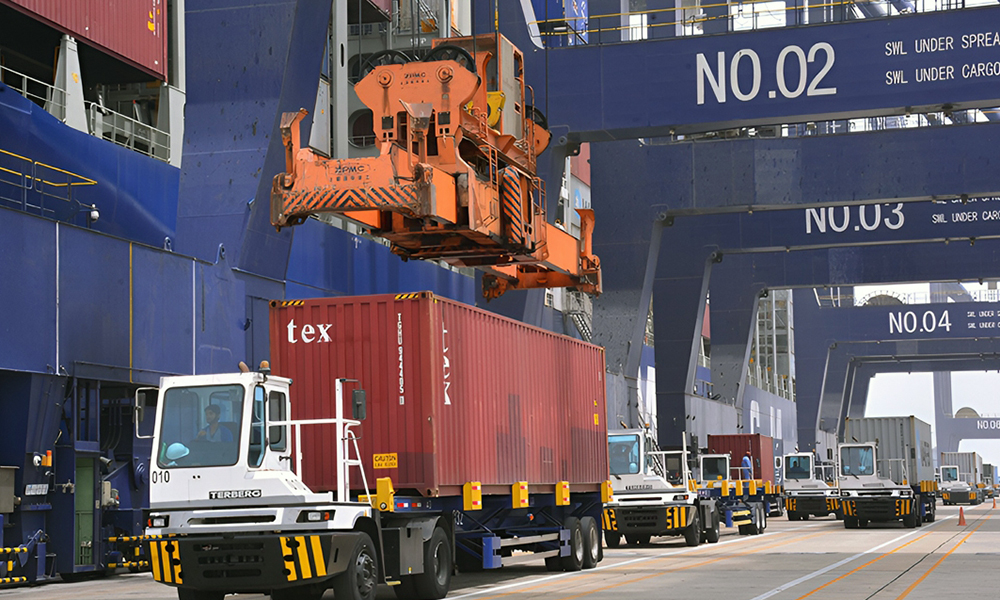
Afghanistan-Pakistan tensions threaten Central and South Asian trade ambitions
-
 World4 days ago
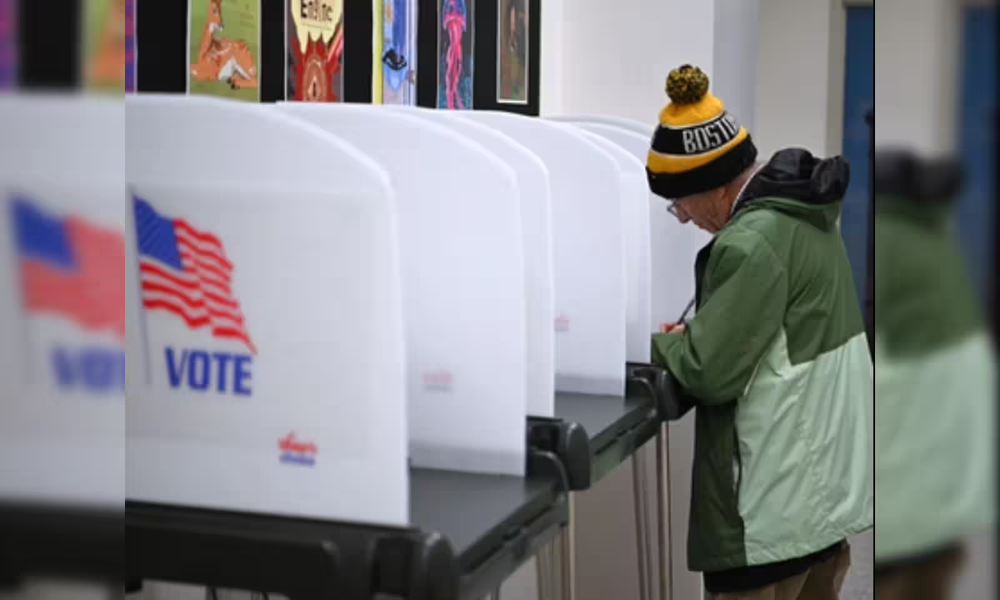
Democrats seize control of Congress in major setback for Trump