
Latest News
Mitch McConnell accuses Biden of ‘abandoning’ Afghanistan

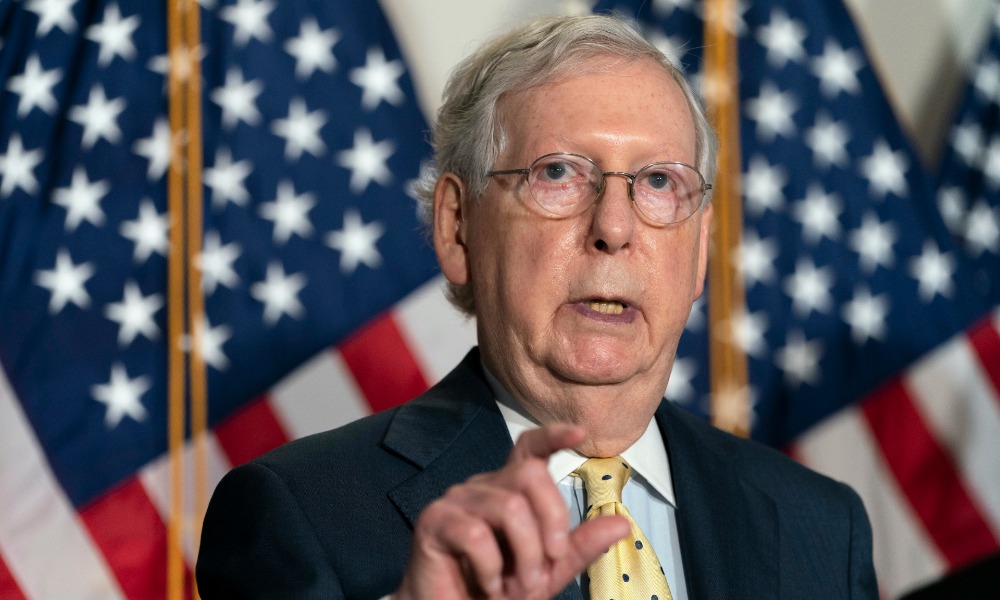
Senator Minority Leader Mitch McConnell was on Tuesday critical of US President Joe Biden’s decision to withdraw U.S. forces in Afghanistan by September 11 and warned that this decision is not underpinned by a clear plan to mitigate the risks once troops have withdrawn.
Addressing the U.S. Senate, McConnell said Biden’s decision was “dangerous, wishful thinking”.
He said the decision “is not underpinned by a coherent plan to mitigate the geopolitical and humanitarian risk that our departure will create.”
“When we are gone, after we leave, there’s every reason to believe al-Qaeda will regroup in its historic safe haven.
“Giving up the high ground while the enemy is still on the battlefield is not a strategic move. Neither is banking on conducting so-called over the horizon counterterrorism missions without presence on the ground,” he said.
McConnell said the U.S. had learned that in order to fight terrorists, it was important to have reliable access and local partnerships.
He said the U.S. military currently flies both reconnaissance and strike missions against terrorists from within Afghanistan – adding that the country is not easy to get to as the neighboring countries are Iran, Pakistan and Russian-influenced Central Asian nations.
“They aren’t exactly likely to let the U.S. base significant counterterrorism units in their country. So where will we be basing these forces? How will we maintain sorties from thousands of miles away?,” he asked.
He also said: “How many forces will be required to secure our embassy if a pro-Taliban mob threatens to overrun it. What will we do to protect it? Where will a quick reaction force be based if not in Afghanistan?”
McConnell said Washington had learned about the “tyranny of distance” from the 2012 Benghazi attack against two United States government facilities in Libya , which claimed the lives of the U.S. ambassador to Libya and another diplomat.
“If the Taliban takes Kabul, will the Biden administration recognize it as the legitimate government of Afghanistan?,” he asked, adding “will we shutter our embassy and our aid programs?”
The reality, he said, was “they don’t know. They can’t say. There’s no plan.”
He went on to state that the U.S. was in fact “abandoning” Afghanistan.
“It’s not courageous to abandon our allies,” he said.
“The horrific, horrific reports of the Taliban beginning to reimpose their version of Sharia Law are just a taste of the catastrophes facing our friends in Afghanistan who have borne the brunt of the fight.
“Human rights, women’s rights, counterterrorism, refugee flows – as far as I can tell, the administration has no plan,” he said.
He stated the world “will see it for what it is – retreating from the fight; abandoning our partners.
“This is the president’s decision. He chose a precipitous withdrawal from Afghanistan. Unbelievably, he even chose the anniversary of September 11 as the deadline.”
In conclusion, McConnell said he hopes once Biden’s team has confronted the president with the risks, he hopes “the president will think again and reconsider”.



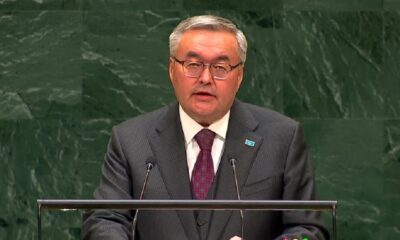





Kazakhstan’s Foreign Minister Mukhtar Tileuberdi has called for pragmatic and coordinated international engagement with Afghanistan, saying the country’s long-term stability is closely linked to the security and sustainable development of Central Asia.
Speaking during the general debate of the 81st session of the United Nations General Assembly in New York on Friday, Tileuberdi said humanitarian assistance to Afghanistan remains essential but alone cannot break the cycle of poverty, displacement and dependency.
He said Kazakhstan supports a “pragmatic, coordinated and step-by-step” approach to international engagement with Afghanistan, with the United Nations playing a central role.
Tileuberdi also said Kazakhstan is working with the UN to operationalize the United Nations Regional Centre for the Sustainable Development Goals for Central Asia and Afghanistan in Almaty.
He said the success of the centre should be measured by the results and assistance it delivers to the region.


Khalilzad questions Pakistan’s commitment to Afghan welfare

India, UN envoy discuss Afghanistan’s humanitarian needs

Kazakhstan calls for coordinated international engagement with Afghanistan

Pakistan PM, UN chief discuss Afghanistan amid rising Kabul-Islamabad tensions

Afghanistan to face India in Asian Games cricket quarter-final

Saudi energy group signs major Afghanistan deals covering gas exploration and pipeline plans

Trump floats idea of renaming Atlantic or Pacific Ocean

US hits Egyptian bank branches with Iran sanctions as war marks six months

Nepal flood rescue mission enters critical phase as thousands remain missing

Iranian clubs to face Gulf opponents at neutral venues in Asian Champions League Elite

Exclusive interview with Abdul Latif Mansoor, Minister of MRRD

Tawsia: Overview of Afghanistan’s iron mines

Tahawol: Discussion on fresh Pakistani airstrikes on Afghanistan

Saar: Calls for international support for Afghanistan discussed

Tahawol: Opening of the 81st UN General Assembly Session
-

 Sport5 days ago
Afghanistan to face Japan and Nepal in Asian Games cricket group stage
-

 World4 days ago
CNN, MS NOW and Politico sue Trump, challenging White House ban
-

 Health5 days ago
Four-day polio vaccination campaign begins across Afghanistan
-

 Latest News3 days ago
Ariana Afghan Airlines ranks seventh among 45 Central Asian airlines
-

 Latest News4 days ago
UN reiterates call for respect for international law after Kunar airstrikes
-
 Latest News5 days ago
Khalilzad condemns Pakistan airstrikes, says current strategy is not working
-

 Regional3 days ago
US and Iran hold first talks since June after Trump’s ‘annihilation’ threat
-

 Latest News3 days ago
Silk Road highway in Wakhan corridor now reaches the China border