
Latest News
Thousands flee in Greece as wildfires sweep through Mediterranean

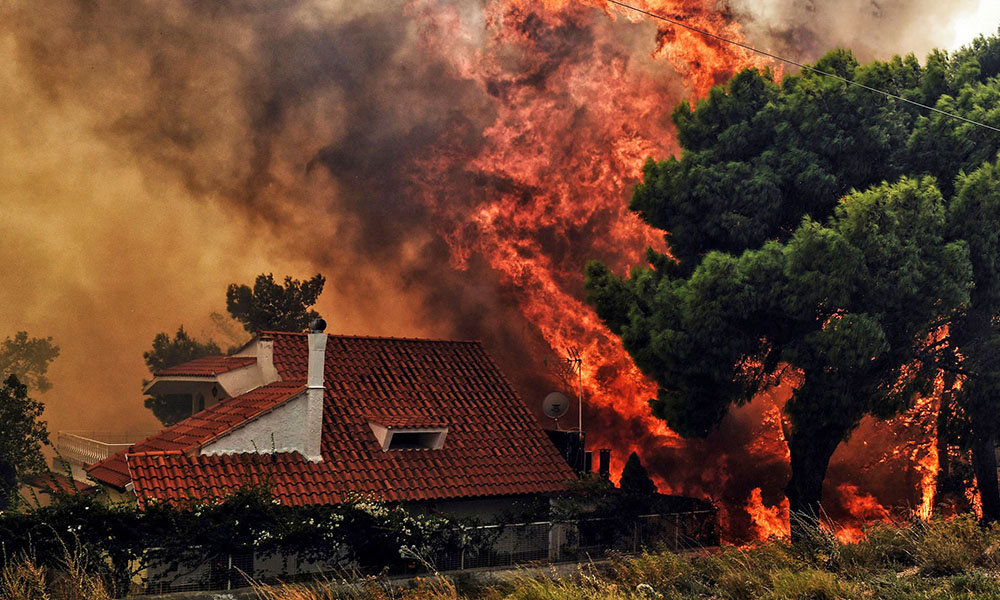
Thousands of people fled their homes on the outskirts of Athens on Friday as emergency crews struggled to stop wildfires from spreading to more towns while scorching winds fueled blazes across Greece for the fourth day.
Like elsewhere in Europe, Greece has been grappling with extreme weather this summer and a week-long heatwave – its worst in 30 years – has sparked simultaneous wildfires in many parts of the country, burning homes and killing animals as flames tear through thousands of acres of land.
There were 56 active fronts across Greece on Friday, from the Peloponnese to the island of Evia near the capital, where hundreds of people had to be evacuated by boat as flames burned through forestland to the shore.
“We are continuing our efforts, hour by hour, to tackle multiple fires today,” Deputy Civil Protection Minister Nikos Hardalias said, as authorities ordered the evacuation of more suburbs north of Athens, where wildfires on the foothills of Mount Parnitha burst back into life late on Thursday.
“Conditions are extremely dangerous,” he said.
The fire, which first broke out on Tuesday, burned around the main highway linking the capital to northern Greece and hundreds of firefighters with water-bombing aircraft were engaged in a “titanic effort” to prevent the flames reaching the nearby town of Marathon, Hardalias said.
“We might have to spend the night in the car if we don’t find a friend to host us,” said Yorgos, 26, who had to leave his home in the suburb of Polydendri.
In neighbouring Turkey, authorities are battling the country’s worst ever wildfires, and flames sweeping through its southwestern coastal regions forced the evacuation of tens of thousands of people. In Italy, hot winds fanned flames on the island of Sicily this week.
‘A CATASTROPHE’
Athenians were told to stay indoors again to avoid toxic fumes as the blaze, fuelled by winds and explosions on high-voltage power lines, sent a cloud of smoke over the capital.
Temperatures have been over 40 degrees Celsius (107 Fahrenheit) all week and no let up was expected on Friday with gale force winds expected to spread the flames further.
The Athens power grid operator announced staggered power cuts in the surrounding region to ensure there were no major outages in mainland Greece.
On Evia, coastguard vessels assisted by tourist boats have picked up 631 people since late Thursday from three beaches on the island, where the flames have burned through a vast area of pine forest since Tuesday and reached the sea.
The island’s deputy governor, George Kelaiditis, called it “the biggest catastrophe in Evia in 50 years,” with hundreds of damaged houses and thousands of acres of burned forest land.
In the Peloponnese, where firefighters saved Ancient Olympia, the site of the first Olympic Games, from a raging fire this week, the flames left behind scorched earth and dead animals.
“A catastrophe,” said farmer Marinos Anastopoulos. “The fire came around midday with swirling winds and homes were burned, a lot of animals burned to death. Rabbits, sheep, dogs, everything.”
Joining firefighters from countries including France, Cyprus and Sweden, Israel said it was sending a team of 16 firefighters to Greece.







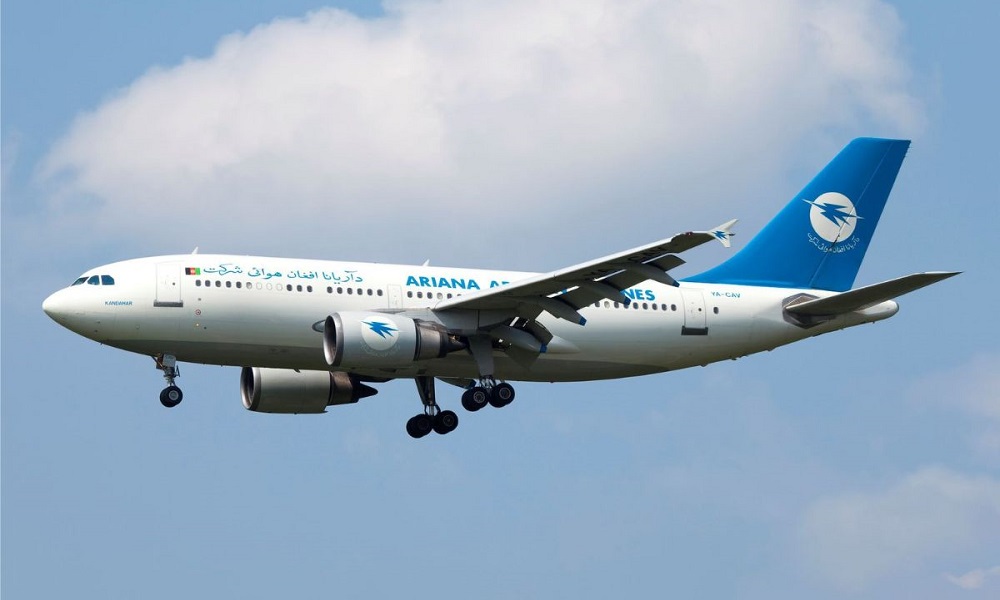
Ariana Afghan Airlines has ranked seventh among 45 airlines in Central Asia in Skytrax’s 2026 rankings.
Company officials say Ariana Afghan ranked eighth on the list in 2025, but moved up one place this year following improvements in service quality and the expansion of its operations.
According to the officials, in 2026 the airline met criteria including service quality, flight safety, professional cabin crew, and experience in the aviation sector, placing it among the top 10 airlines in Central Asia.
Skytrax is an international organization that evaluates and ranks the quality of services in the aviation industry and airlines, assessing and ranking carriers annually based on specific criteria.
Latest News
Silk Road highway in Wakhan corridor now reaches the China border
The road is expected to be officially opened for use in the near future, potentially improving connectivity through the remote Wakhan Corridor.
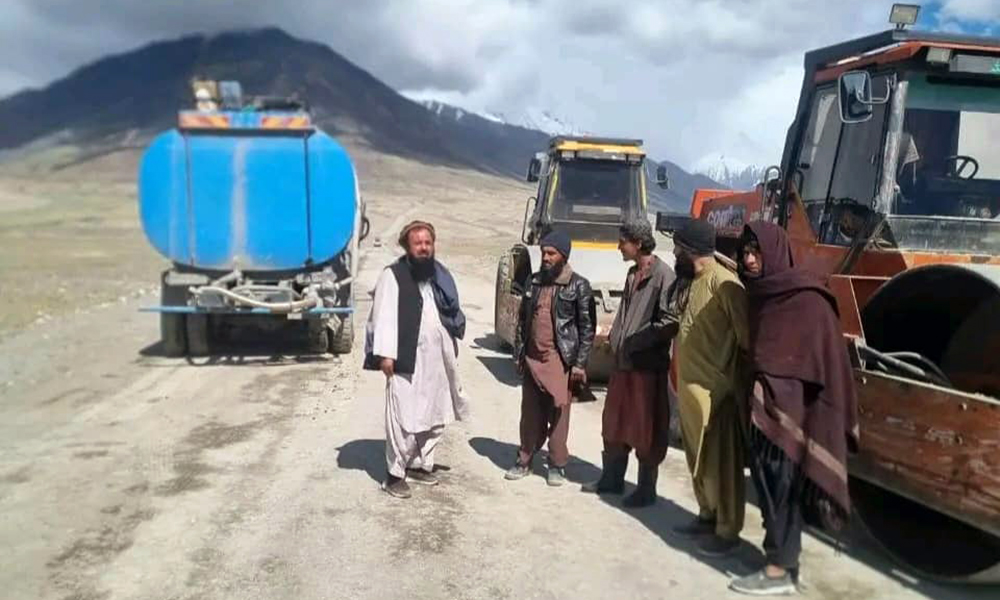
The construction of the Silk Road Highway in Afghanistan’s Wakhan Corridor has been fully completed after five years of work, officials in Badakhshan province said.
Amanullah Chehra, head of Rural Rehabilitation and Development in Badakhshan, said the 121.13-kilometre road begins in the Barghil area and stretches to Bzai Gonbad near the Chinese border.
According to officials, the road is between 7 and 10 metres wide and includes three major bridges, each measuring approximately 20 to 22 metres in length. Numerous smaller drainage structures have also been built along the route to facilitate the flow of water.
The road is expected to be officially opened for use in the near future, potentially improving connectivity through the remote Wakhan Corridor.
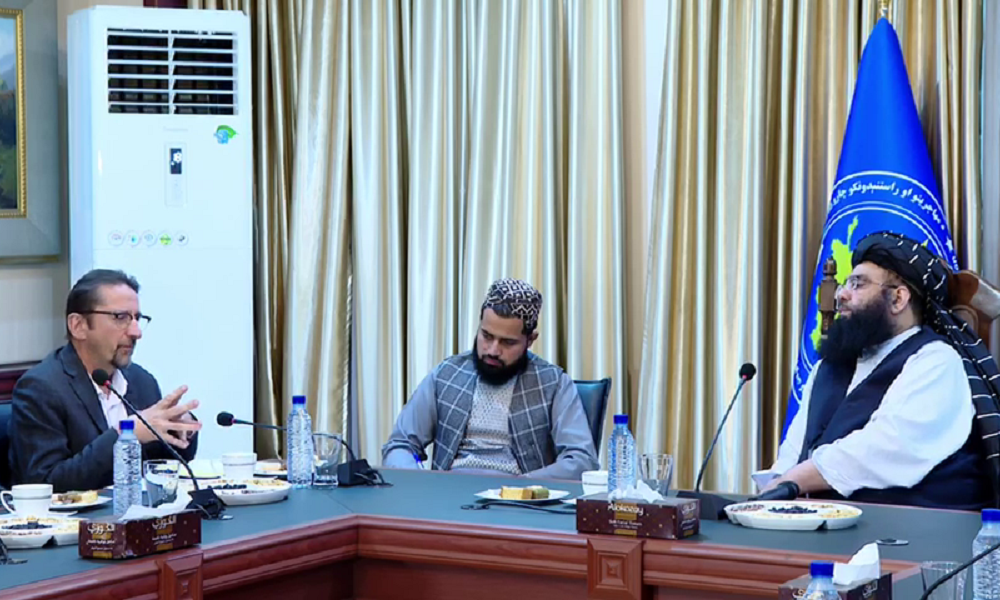
Afghanistan’s Minister of Refugees and Repatriation, Mawlawi Abdul Kabir, met on Wednesday with Bruno Lemarquis, UNAMA’s Deputy Head for Humanitarian Affairs, to discuss the situation of Afghan returnees and humanitarian assistance.
The Ministry of Refugees and Repatriation said Lemarquis briefed the minister on assessments conducted by UN agencies during visits to several provinces to identify the needs of returnee families.
Lemarquis said joint cooperation between UN agencies and the Islamic Emirate is needed to support and resettle returnees. He added that UN agencies are currently assisting thousands of families and called for the expansion of humanitarian assistance.
He also said the international community should pay greater attention to the needs of Afghans, adding that UNAMA is ready to cooperate in addressing challenges facing returnees.
Abdul Kabir welcomed UNAMA’s support and thanked the United Nations for its assistance to Afghans. He said various government institutions have been tasked with addressing returnees’ needs.
The minister also called on aid organizations to continue supporting returnee families, saying a program to resettle thousands of internally displaced families is also underway.
Kabir further said the necessary facilities have been provided for UN agencies to operate and that the Islamic Emirate welcomes UNAMA’s humanitarian cooperation.


Tahawol: Opening of the 81st UN General Assembly Session

Saar: OIC Assessment of Afghanistan’s humanitarian and development situation discussed

Ariana Afghan Airlines ranks seventh among 45 Central Asian airlines

Silk Road highway in Wakhan corridor now reaches the China border

Refugees minister, UNAMA deputy discuss challenges facing returnees

Saudi energy group signs major Afghanistan deals covering gas exploration and pipeline plans

ATN secures exclusive rights to broadcast T20I series in India across Afghanistan

China evacuates thousands as Typhoon Narra brings torrential rain

Trump floats idea of renaming Atlantic or Pacific Ocean

US hits Egyptian bank branches with Iran sanctions as war marks six months
Tahawol: Opening of the 81st UN General Assembly Session
Saar: OIC Assessment of Afghanistan’s humanitarian and development situation discussed

Tahawol: Reactions to Pakistan’s attacks on Afghanistan discussed

Saar: Uncertain fate of Afghanistan’s seat at UN discussed

Tahawol: Uncertain future of Afghanistan’s permanent UN seat
-

 Sport3 days ago
Afghanistan to face Japan and Nepal in Asian Games cricket group stage
-

 World5 days ago
US and Denmark reach deal on Greenland, Trump says
-
 Latest News3 days ago
Pakistan says Kohat attackers had roots in Afghanistan
-
 Latest News5 days ago
Afghanistan condemns mosque attack in Khyber Pakhtunkhwa
-
 Latest News4 days ago
OIC to hold Afghanistan Contact Group meeting on sidelines of UN General Assembly
-

 Latest News5 days ago
Afghan official meets Iranian oil minister to discuss energy cooperation
-
 Regional4 days ago
Flames, smoke seen near Riyadh airport; Houthis claim attacks on Saudi capital
-

 Regional3 days ago
Iran and US trade threats after Houthi attacks escalate regional conflict