
Latest News
US to grant $80 million aid to boost Afghanistan food production


The US Agency for International Development’s new $80 million grant to Afghanistan will boost food production which will generate more income into the war-torn country and revive rural markets, the UN’s Food and Agriculture Organization (FAO), said in a statement on Thursday.
The grant comes as the country’s agricultural sector struggles to produce food, achieve food security and build resilience in the face of continuing drought and a worsening economic crisis.
“Agriculture is the backbone of Afghanistan’s economy, people’s livelihoods, food production and food security. Almost half the total population face acute food insecurity – hunger on a daily basis – reaching over 70 percent in many rural areas. USAID’s generous support will help Afghanistan’s farmers to begin seeing beyond the current crisis and start laying foundations for future recovery” the FAO’s Representative in Afghanistan Richard Trenchard said.
The five-year contribution from USAID will support the country’s urgent need for emergency intervention, to help farmers and build more climate-smart and resilient livelihoods through an increase in the production of nutritious foods and fostering an environmentally friendly practices, the FAO said in a statement.
According to the statement the fresh funding from USAID will be implemented in eight provinces around the country – Nimroz, Ghor, Daykundi, Jawzjan, Badakhstan, Nuristan, Paktika and Prawan – all of which are facing acute food insecurity according to the latest IPC assessment.
The UN agency is also implementing an “unprecedented humanitarian [program] to protect rural livelihoods” of more than nine million people across 34 of Afghanistan’s provinces this year during this difficult time.
The FAO said it will create some producer groups to enhance linkages to local markets and create microfinancing opportunities which will target various products including dairy, crops, and livestock and provide people with tools such as micro solar dryers, and zero-energy cold storages, among other equipment.
The agency expects significant environmental benefits such as afforestation, climate-smart pastures, riverbank management and the reduction of soil erosion to be achieved.


Latest News
UN deputy chief: Afghan women and girls must not be abandoned
Its spokesman, Zabihullah Mujahid, has said the government remains committed to ensuring women’s rights in accordance with Sharia and that there is no cause for concern.
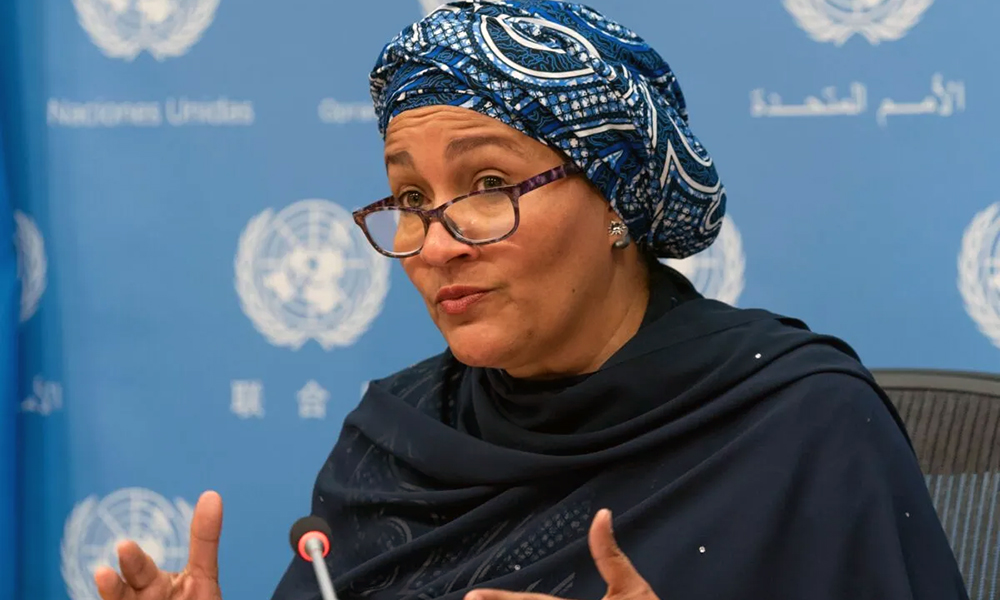
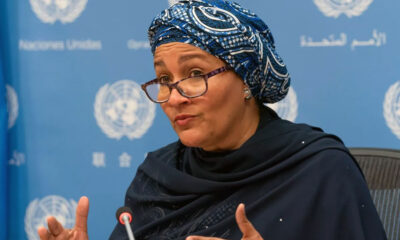
UN Deputy Secretary-General Amina Mohammed has called on the international community to continue supporting Afghan women and girls, saying they must not be abandoned as restrictions on their rights persist.
In a message marking the fifth anniversary of the Islamic Emirate’s return to power, Mohammed said Afghan women and girls continue to bear the burden of restrictions while their hopes and aspirations for the future remain on hold.
“Afghan women must not be left behind,” she said, stressing the importance of supporting their efforts to build a better future.
The Islamic Emirate, however, maintains that women’s rights are protected within the framework of Islamic Sharia.
Its spokesman, Zabihullah Mujahid, has said the government remains committed to ensuring women’s rights in accordance with Sharia and that there is no cause for concern.
Afghan analysts and activists say disagreements between Kabul and the international community over women’s and girls’ rights remain a major obstacle to improving Afghanistan’s relations with the outside world.
The comments come as the United Nations and other international organizations continue to cite restrictions on women and girls as a major challenge facing Afghanistan, while urging countries to maintain support for programs benefiting Afghan women and girls.
Latest News
IEA’s leader: We will not accept ‘un-Islamic’ demands
The supreme leader made the remarks on Saturday evening during a gathering at Kandahar’s military airfield.
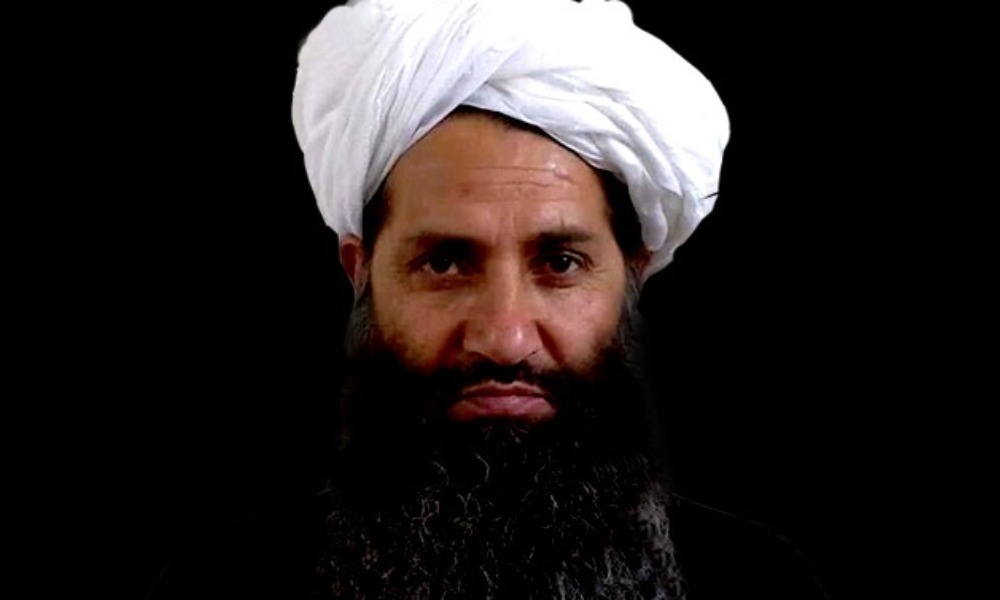
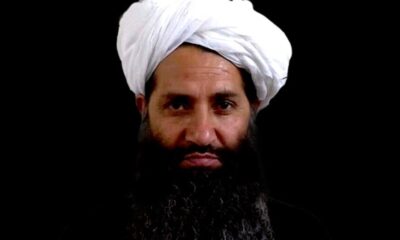
Islamic Emirate leader Sheikh Hibatullah Akhundzada says he will not accept what he described as “un-Islamic” demands, stressing his commitment to what he called the religious and divine rights of the Afghan people.
According to a statement from the Kandahar Information and Culture Directorate, the supreme leader made the remarks on Saturday evening during a gathering at Kandahar’s military airfield.
He again called for unity and obedience, urging Afghans not to be influenced by what he described as “malicious propaganda” by the country’s enemies.
A number of senior civilian and military officials from Kandahar also attended the gathering.
Latest News
Iran eyes Afghanistan as key economic opportunity amid sanctions
Araghchi said dedicated systems and procedures should be developed for health tourism to make it easier for eligible Afghan visitors to enter Iran.
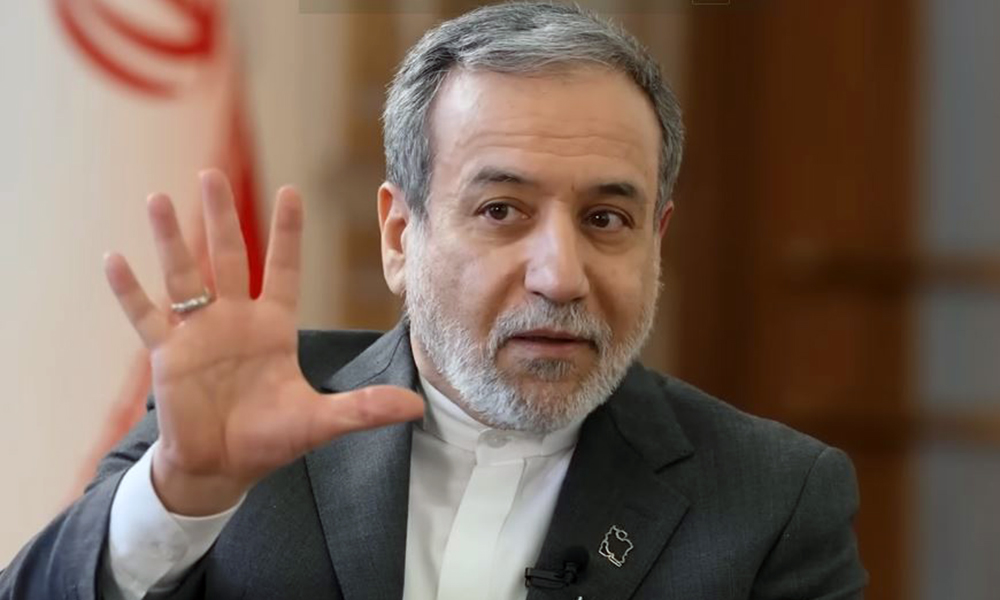
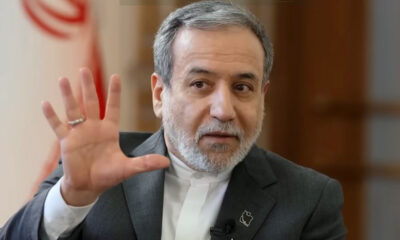
Iranian Foreign Minister Abbas Araghchi has described neighboring countries, including Afghanistan, as a major economic opportunity for Iran as the country continues to face international sanctions.
Speaking at a meeting with tourism and handicrafts investors in Razavi Khorasan province, Araghchi said neighboring states represent Iran’s “greatest opportunity” for expanding foreign policy and economic cooperation.
He highlighted the potential for health tourism between Iran and Afghanistan, saying the Foreign Ministry faces no obstacle to issuing visas to Afghan nationals and is ready to facilitate the process for genuine applicants, particularly those seeking medical treatment.
Araghchi said dedicated systems and procedures should be developed for health tourism to make it easier for eligible Afghan visitors to enter Iran, adding that the Foreign Ministry is prepared to cooperate with relevant authorities.
He also called for greater powers for provincial governments to address economic and cross-border issues, saying Iran’s president supports strengthening local decision-making to resolve problems more quickly.
Referring to Iran’s experience with “provincial diplomacy,” Araghchi said many issues with neighboring countries, particularly those involving border regions, could be addressed more efficiently through local authorities.
He cited the Iran-Afghanistan border as an example, saying a problem between Razavi Khorasan and Afghanistan could potentially be resolved more quickly through officials on both sides rather than being referred to Tehran and Kabul for negotiations.


UN deputy chief: Afghan women and girls must not be abandoned

IEA’s leader: We will not accept ‘un-Islamic’ demands

Iran eyes Afghanistan as key economic opportunity amid sanctions

US Midwest reels from deadly storms and historic floods

Pakistan allows 724 humanitarian aid trucks into Afghanistan via Torkham

Pakistan’s governance system has ‘collapsed’: Mohsin Naqvi

Spain sweep FIFA World Cup player awards after historic triumph

First Chinese transit shipment arrives in Herat via Iran’s railway corridor

Afghanistan, India discuss ways to boost trade and investment ties

Afghanistan exports first stone shipment to US in $100,000 trade milestone

Debate with Nooruddin Azizi, Minister of Industry and Commerce

Saar: Marking IEA’s fifth anniversary in Afghanistan discussed

Tawsia: $420M investment in TAPI gas distribution network in Herat discussed

Tahawol: Trade cooperation between Afghanistan and Iran discussed

Saar: Discussion on Islamic Emirate’s five-year journey
-
 Latest News3 days ago
HesabPay unveils new visa card and digital payment app in Kabul
-

 International Sports3 days ago
AFC Champions League Elite draw nears as Al-Nassr seeded above Al-Hilal
-

 Sport4 days ago
Afghanistan to host India for three-match T20I series in Delhi
-
 Latest News3 days ago
Afghan envoy invites Fazlur Rehman to embassy event marking IEA’s return to power
-
 Sport4 days ago
Afghanistan face Ireland with series win in sight
-
 World4 days ago
US military operations killed 153 civilians in 2025, Pentagon assessment shows
-
 Sport4 days ago
Kabul Premier League: Abasin Defenders thrash Band-e Amir Stars by 163 runs
-
 Regional3 days ago
Iran says no progress on reviving interim peace deal with US