
Regional
Iranians mourn Hamas leader Haniyeh’s assassination
Vowing to retaliate, Ali Akbar Ahmadian, the secretary of Iran’s Supreme National Security Council, said: “All fronts of the resistance will take revenge for Haniyeh’s blood.”

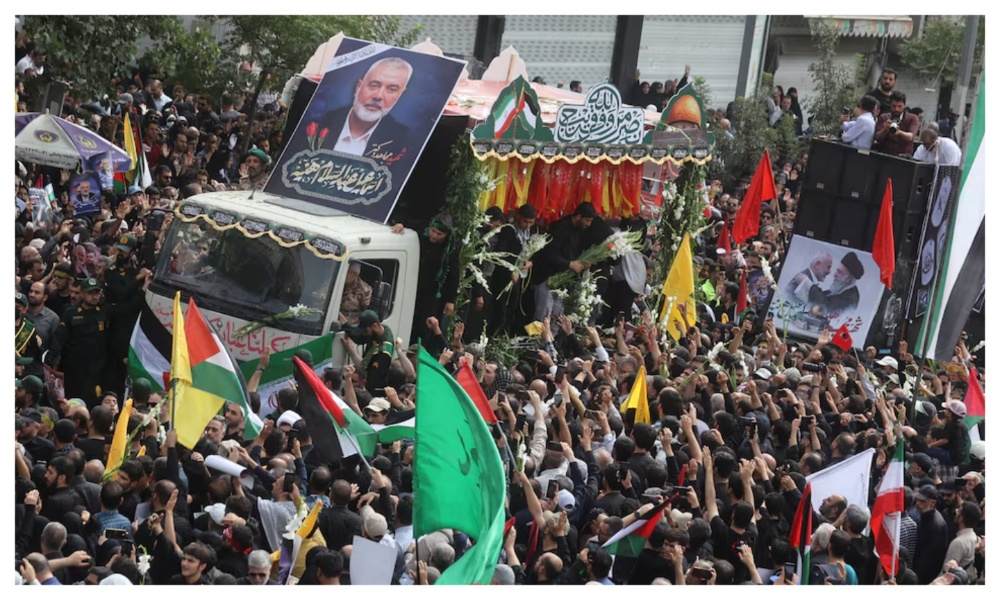
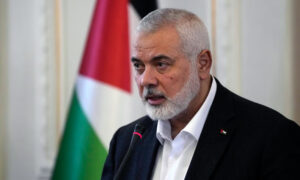
Iranians turned out to mourn Hamas political leader Ismail Haniyeh on Thursday, a day after he was assassinated in Iran’s capital in an attack that has heightened fears of a direct conflict between Tehran and its arch-enemy Israel.
State TV broadcast live images of Supreme Leader Ayatollah Ali Khamenei leading prayers at Haniyeh’s funeral at Tehran University, where thousands of mourners dressed in black chanted “Death to Israel” and “Death to America”.
His body will be flown to Qatar, where Haniyeh was usually based, for burial on Friday, Reuters reported.
“Rest in peace, Abu Al-Abed Ismail Haniyeh. Our nation, Iran, the Axis of Resistance, your people, your fighters … are united in the choice of resistance to end the Zionist occupation,” said Hamas deputy chief in Gaza Khalil Al-Hayya in a televised speech at Tehran University.
The Axis of Resistance is an alliance built over four decades of Iranian support to resist Israeli and U.S. influence in the Middle East.
Iran and the Palestinian Islamist militant group have accused Israel of carrying out the strike that killed Haniyeh hours after he attended the inauguration of Iran’s new president in Tehran on Wednesday.
But Israeli officials have not claimed responsibility for the attack that drew threats of revenge on Israel and fuelled further concern that the Israel-Hamas conflict in Gaza was turning into an all-out war in the Middle East. 
‘MAJOR REPERCUSSIONS’
Hamas’ armed wing has said in a statement Haniyeh’s killing would “take the battle to new dimensions and have major repercussions”.
Vowing to retaliate, Iran declared three days of national mourning on Wednesday and said the U.S. bore responsibility because of its support for Israel.
“All fronts of the resistance will take revenge for Haniyeh’s blood,” Ali Akbar Ahmadian, the secretary of Iran’s Supreme National Security Council, told Iran’s semi-official Mehr news agency. .
The Axis includes Hamas, the Palestinian group that ignited the war in Gaza by attacking Israel on Oct. 7, the Hezbollah movement in Lebanon, the Houthi movement in Yemen and various Shi’ite armed groups in Iraq and Syria.
The region faces a risk of widened conflict between Israel, Iran and its proxies after Haniyeh’s assassination and the killing of Hezbollah’s senior commander on Tuesday in an Israeli strike on the outskirts of the Lebanese capital Beirut.
On April 13, Iran launched a barrage of missiles and drones at Israel in what it said was retaliation for Israel’s suspected deadly strike on its embassy compound in Damascus on April 1, but almost all were shot down.
“We want revenge because Israel killed Haniyeh, who was our guest,” an Iranian woman, who attended a rally after the ceremony at Tehran University, told state TV.
RELATED STORIES
Islamic Emirate of Afghanistan extends condolences over Hamas leader’s death

Hamas chief Ismail Haniyeh killed in Iran, Hamas says






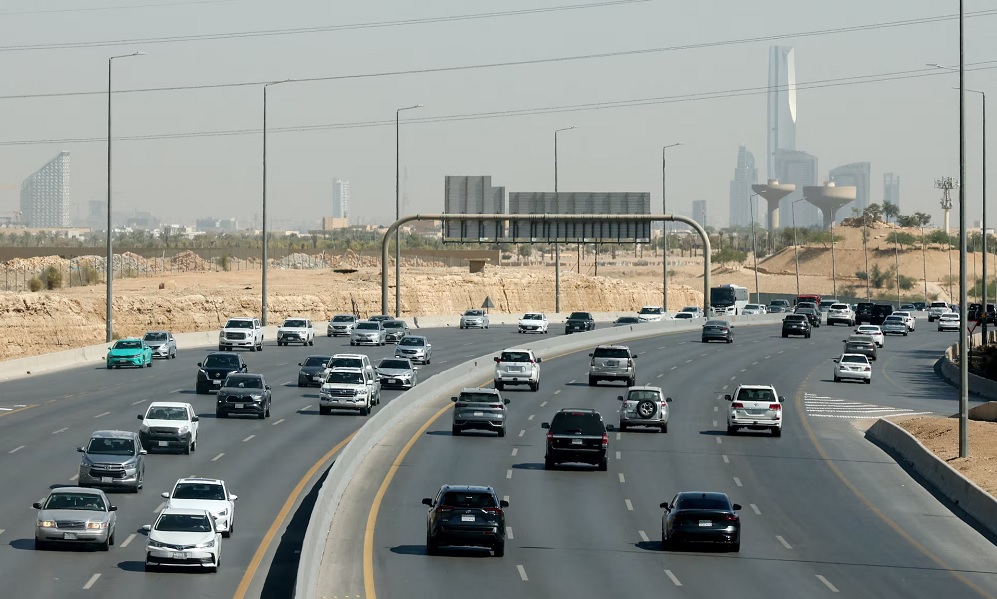
The Saudi-led coalition fighting Yemen’s Iran-aligned Houthis said on Sunday it had intercepted two Houthi ballistic missiles launched towards the Saudi capital Riyadh and three drones in the kingdom’s oil-rich Eastern Province.
The Houthis, who control most of the populous parts of Yemen, have intensified attacks on the Saudi capital in recent days. A Houthi attack last week damaged an administrative building of the state oil company Saudi Aramco in Riyadh’s financial hub, Reuters reported.
The Eastern Province, the economic powerhouse of Saudi Arabia, has been subject to multiple attacks by Houthis in the past few weeks.
It contains the majority of the kingdom’s oil and gas reserves and is home to Aramco’s headquarters, which suffered extensive damage in an attack in October.
The Houthis have stepped up strikes on Saudi airports, ports and oil facilities, while Saudi Arabia has ramped up airstrikes on Houthi targets in Yemen in response.
Regional
Saudi Arabia says debris from intercepted missiles falls in Mecca region
The missiles were launched towards the region and intercepted and destroyed, Saudi Arabia’s civil defence said in a statement.
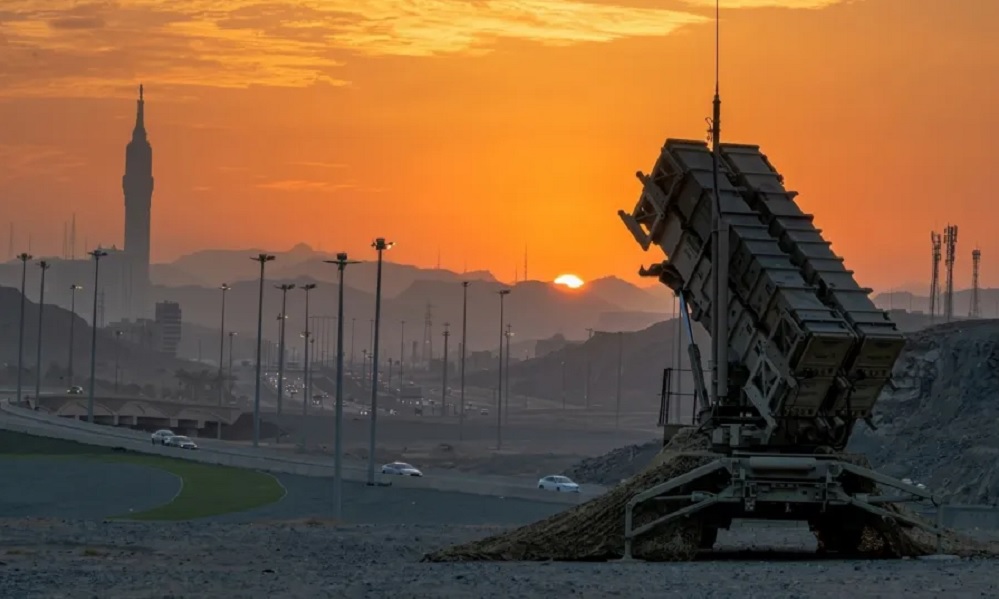
Saudi Arabia said debris from two ballistic missiles intercepted by its air defences fell in the Mecca region on Wednesday, as the kingdom and Yemen’s Iran-aligned Houthis continued to trade attacks in an escalating conflict.
Saudi state television identified the locations as Sabuhah village, about 35 km (22 miles) northeast of the Grand Mosque in Mecca, and Wadi al-Maghmas, about 21 km east of the mosque, Reuters reported.
The missiles were launched towards the region and intercepted and destroyed, Saudi Arabia’s civil defence said in a statement.
The Houthis have repeatedly denied Saudi accusations that they target Mecca and Medina, Islam’s two holiest cities, saying their military operations are directed at military and strategic targets elsewhere in Saudi Arabia.
Mecca, home to sites sacred to Muslims worldwide, is the focal point of the annual hajj pilgrimage, one of the five pillars of Islam, which millions of Muslims undertake each year.
“This hostile targeting of civilian objects constitutes a flagrant violation of international humanitarian law and reflects the dangerous hostile approach pursued by the Houthi militia,” Saudi Arabia’s civil defence said early on Thursday.
The Houthis seized Yemen’s capital Sanaa in 2014, prompting Saudi Arabia to intervene militarily the following year in support of the internationally recognised government.
A UN-brokered truce in 2022 largely froze the conflict, but hostilities resumed earlier this year, with the Houthis launching missile and drone attacks on Saudi territory and Riyadh carrying out airstrikes in Yemen.
The latest escalation has threatened the strategic Bab el-Mandeb Strait, a key shipping route linking the Red Sea and the Gulf of Aden.
Regional
Iran defends two-day proposal for peace talks after US rejects conditions
Iran defended a proposal on Monday to restart peace talks in as few as two days as the most reasonable offer on the table, after US Secretary of State Marco Rubio called some of Iran’s conditions “outrageous and ridiculous”.
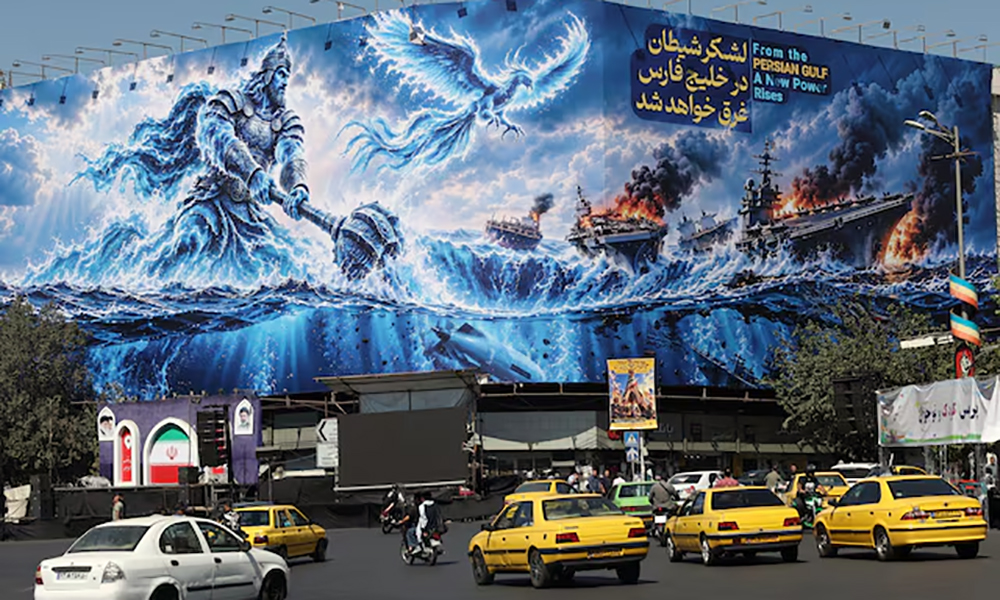
Iran defended a proposal on Monday to restart peace talks in as few as two days as the most reasonable offer on the table, after US Secretary of State Marco Rubio called some of Iran’s conditions “outrageous and ridiculous”, Reuters reported.
“Is it unreasonable that Iran demands that US illegal sanctions and its naval blockade must be lifted before negotiations start and that the war should end on all fronts?” Foreign Ministry spokesman Esmaeil Baghaei told a weekly press conference in response to Rubio’s remarks.
Iran defended a proposal on Monday to restart peace talks in as few as two days as the most reasonable offer on the table, after US Secretary of State Marco Rubio called some of Iran’s conditions “outrageous and ridiculous”.
“Is it unreasonable that Iran demands that US illegal sanctions and its naval blockade must be lifted before negotiations start and that the war should end on all fronts?” Foreign Ministry spokesman Esmaeil Baghaei told a weekly press conference in response to Rubio’s remarks.


Sorkh Poshan Khafi crowned ACL champions after unbeaten campaign
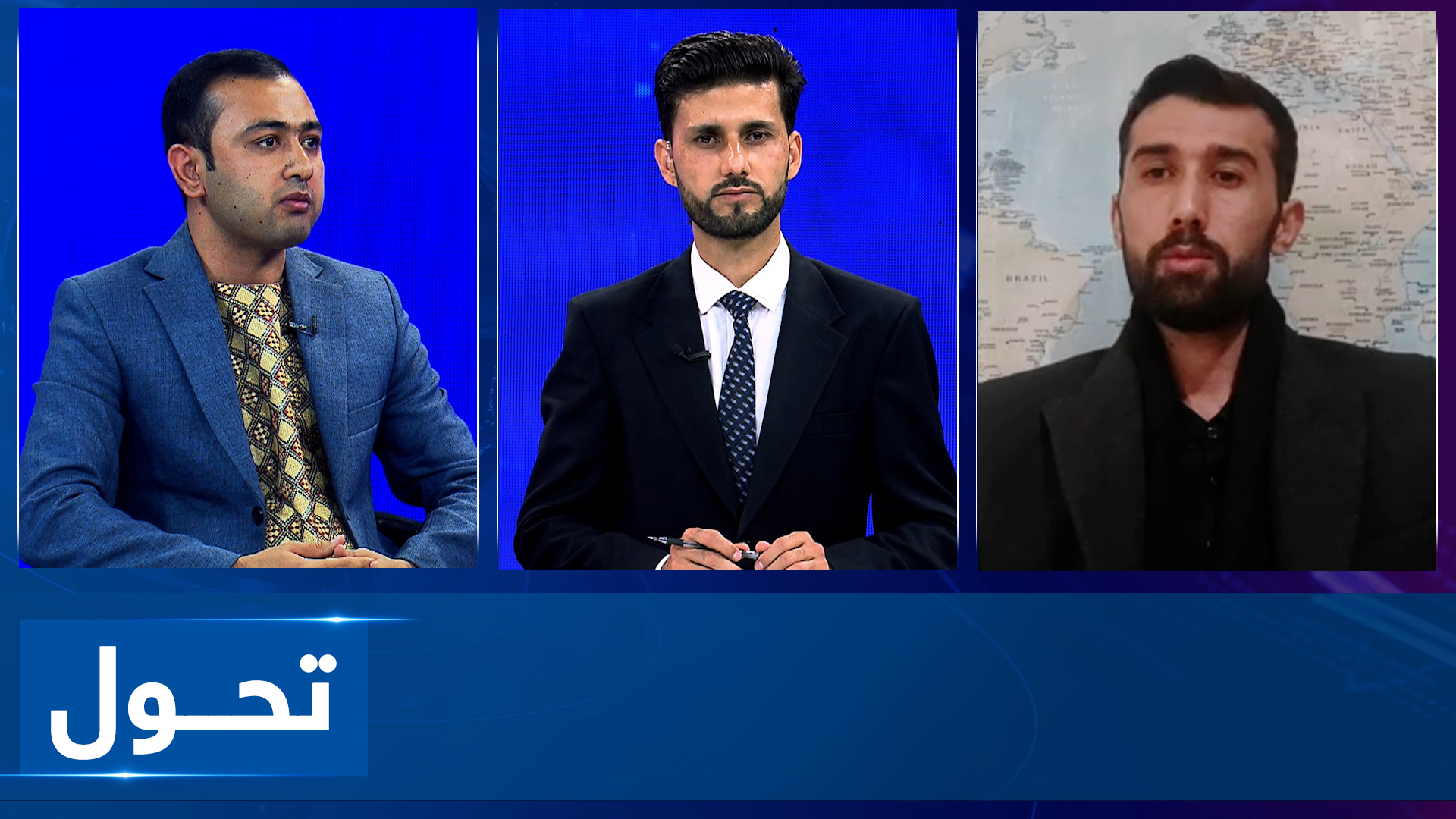
Tahawol: Afghanistan absent from ECO meeting
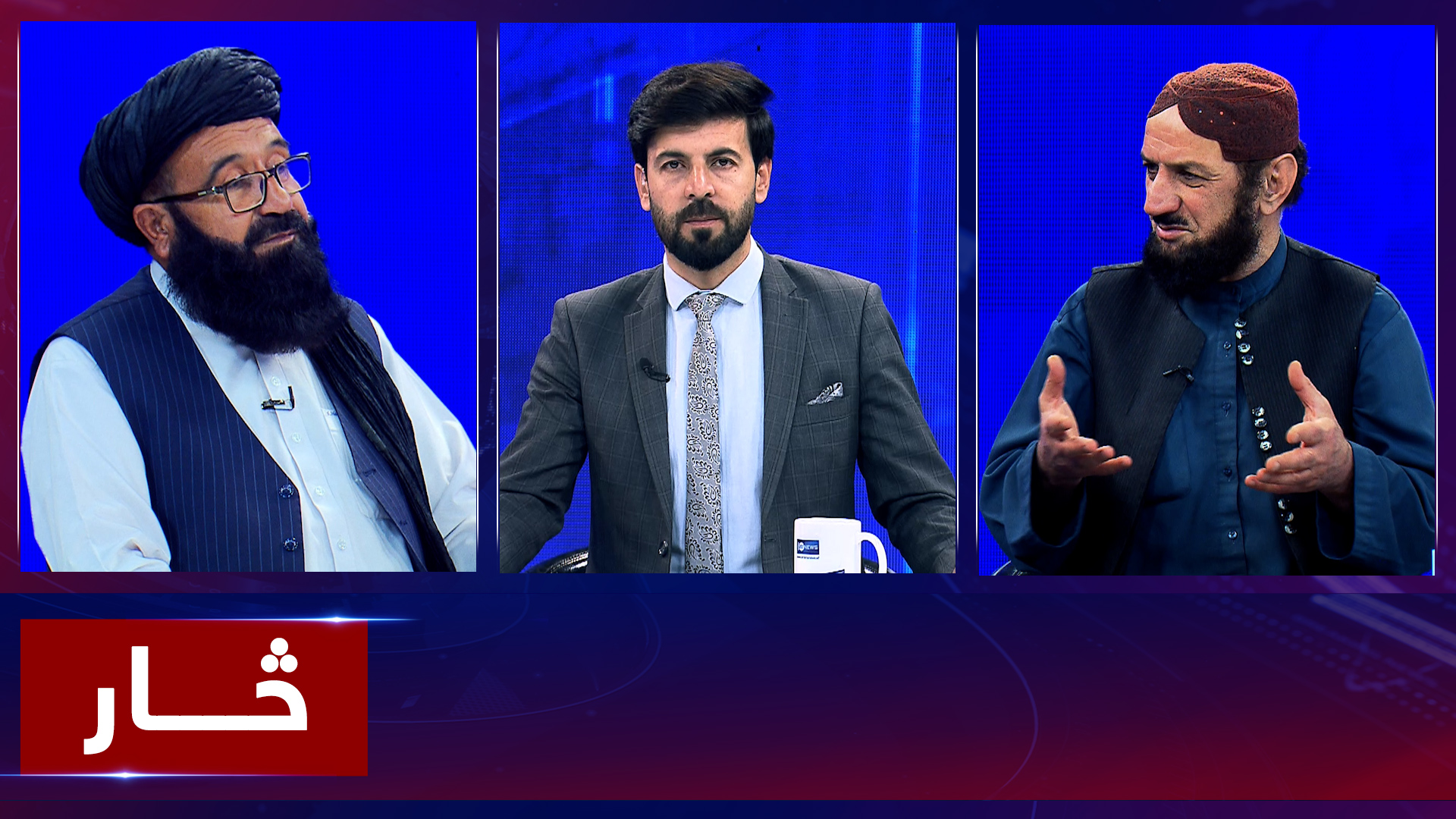
Saar: ECO meeting kicks off in Islamabad

IEA intelligence officials highlight Sharia-based operations at research conference
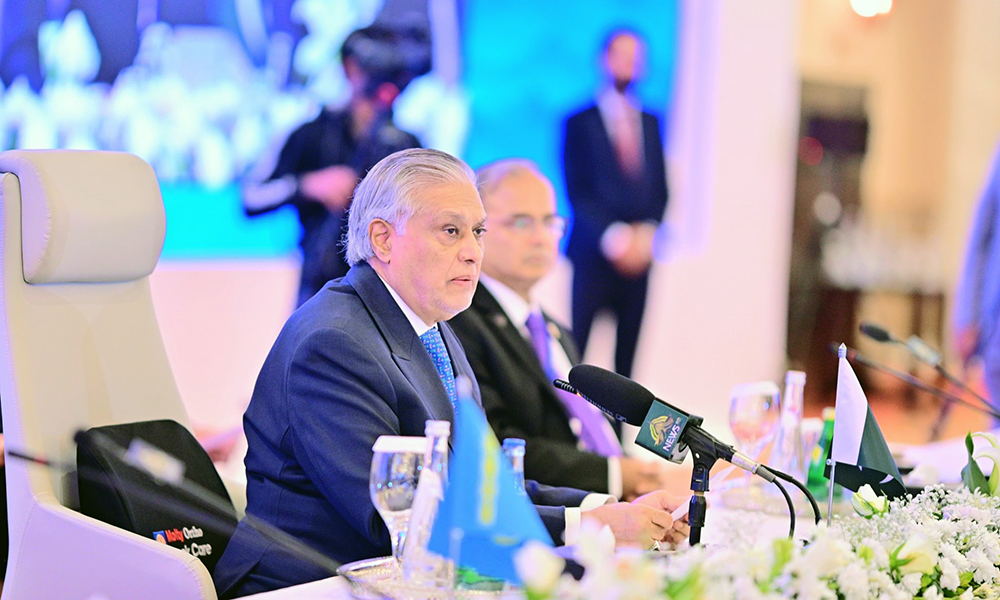
Pakistan FM urges Afghanistan to address security concerns of neighbors

Afghanistan finish runners-up after 6-0 defeat to Brazil in futsal final

Rubio heads to Central Asia while other US officials hit foreign policy hot spots

Violent protests spread across Europe as Albanian PM blames ‘foreign hand’

Governments take websites offline as critical cyber flaws trigger global alert

Afghanistan reach Brazil futsal tournament final after beating Cape Verde 4-2
Tahawol: Afghanistan absent from ECO meeting
Saar: ECO meeting kicks off in Islamabad
Tahawol: UK seeks to ease Kabul–Islamabad tensions
Saar: Iran–US tensions: an uncertain future
Tahawol: Concerns grow over worsening regional humanitarian crises discussed
-
 Business4 days ago
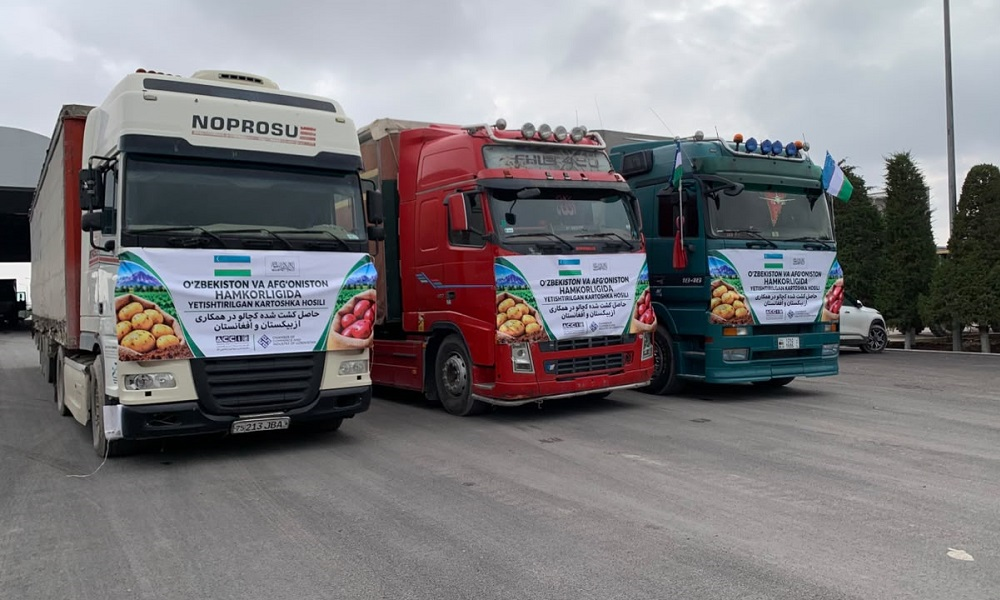
Afghanistan and Uzbekistan agree on export of 100,000 tons of Bamyan potatoes
-
 Latest News5 days ago
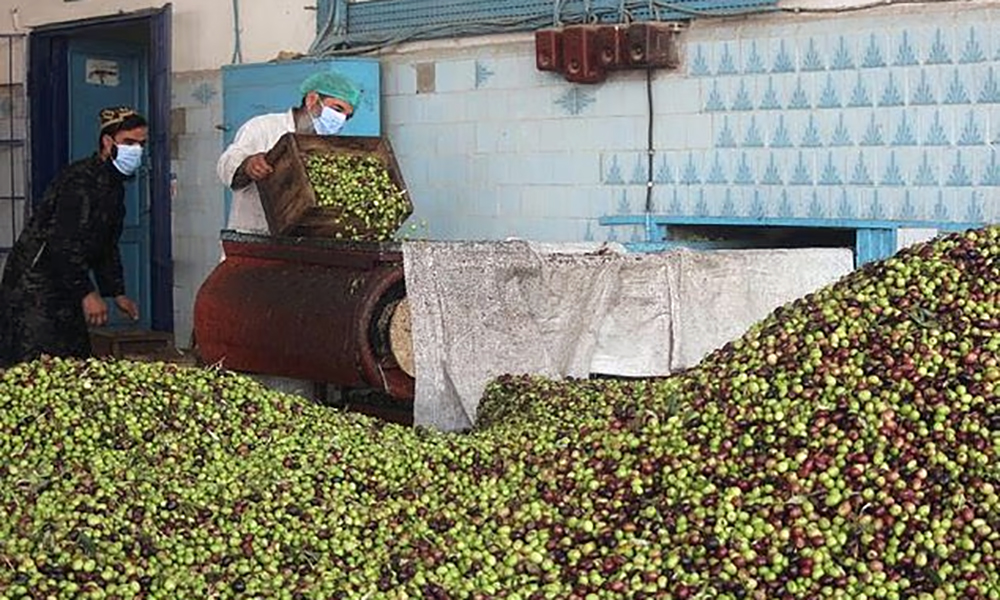
Olive farming offers new hope to Afghan farmers amid growing climate challenges
-
 Sport4 days ago
Afghanistan falls just short of Bronze at Dakar 2026 Youth Olympic Games
-

 Latest News5 days ago
Putin says CSTO closely monitoring Afghanistan’s security situation
-
 Latest News3 days ago
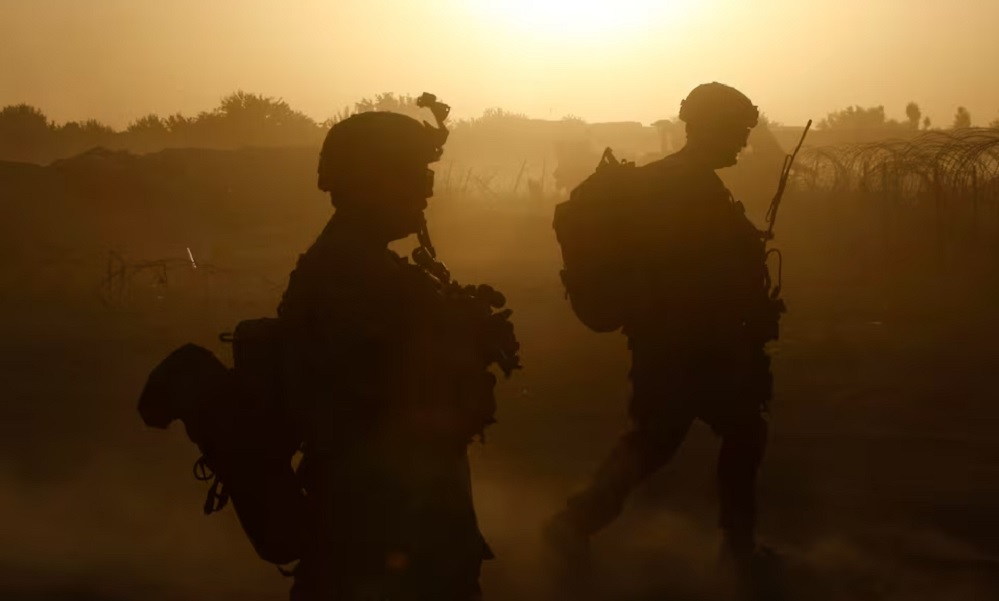
ICC halts probe into alleged crimes by US troops in Afghanistan
-
Regional5 days ago
Saudi Arabia says debris from intercepted missiles falls in Mecca region
-
 Business5 days ago
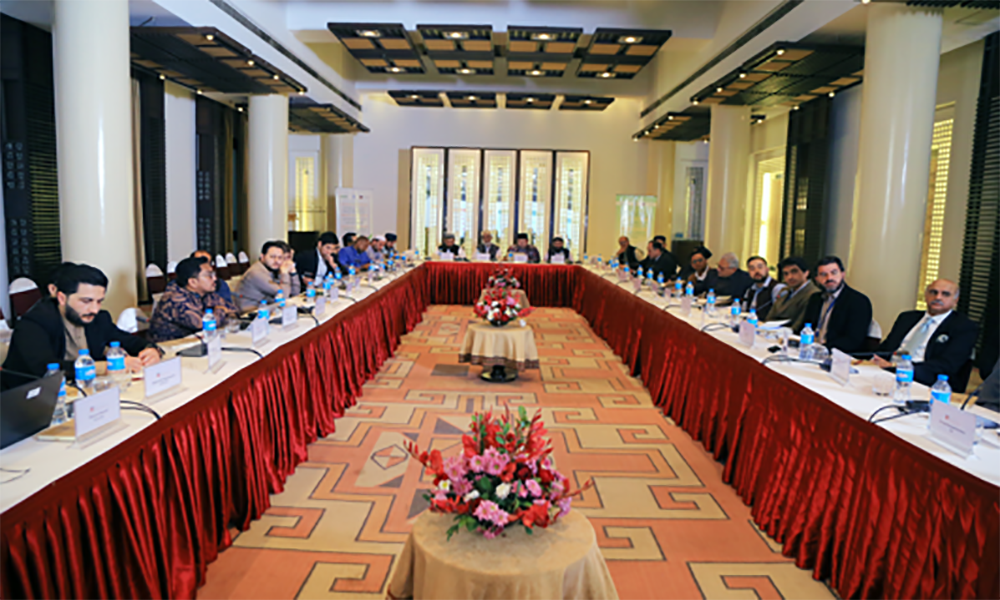
Afghanistan hosts dialogue on Islamic microfinance to expand access to Sharia-compliant financial services
-
 Sport4 days ago
Argentina clinch futsal gold after defeating Portugal in Dakar 2026 final