
Latest News
Afghan woman deported from US in first use of secretive terrorism court


An Afghan woman accused of supporting the Islamic State has been deported from the United States in the first case to be pursued by the U.S. Department of Justice through a little-known court created 30 years ago to deport “alien terrorists.”
Nazira Haji Zada, a 47-year-old who had been residing in Texas as a lawful permanent resident of the United States, was deported after agreeing not to continue to fight against her removal in the Alien Terrorist Removal Court following her arrest in July, the department said on Friday, Reuters reported.
The Justice Department had accused her of helping conceal a failed, Islamic State-inspired plot to commit a mass shooting on Election Day 2024. She was never charged with any crime, but her son and son-in-law pleaded guilty to related charges last year.
Her case had been filed in a court that had gone unused in the decades since its creation by Congress in 1996. That court allows the government to rely on classified evidence in deportation cases.
Her attorney initially argued the secretive process violated her due process rights. Defendants in such cases are not allowed to review the classified evidence used against them.
But according to court documents unsealed on Friday, Haji Zada agreed last month that she was an “alien terrorist” subject to removal. The court’s chief judge, Joan Ericksen, subsequently approved her deportation, opens new tab.
“This landmark case, resulting in the prompt removal of this alien terrorist to her country of origin, is a win for national security and the rule of law,” U.S. Attorney General Todd Blanche said in a statement.
The case marked the latest in a series of aggressive moves by President Donald Trump’s administration to carry out deportations as part of an immigration crackdown.
It was unclear, though, whether the Justice Department would use the obscure court again anytime soon.
Matthew Farley, a public defender who represented Haji Zada, in a statement said her “choice to consent to removal should not be seen as an endorsement of this court’s legitimacy.”
“Dragging lawful permanent residents into court but refusing to show them or their attorneys the evidence that will be used against them is a plain violation of due process,” he said. “We are confident that the Alien Terrorist Removal Court will be struck down as unconstitutional as soon as a judge is asked to address the issue.”


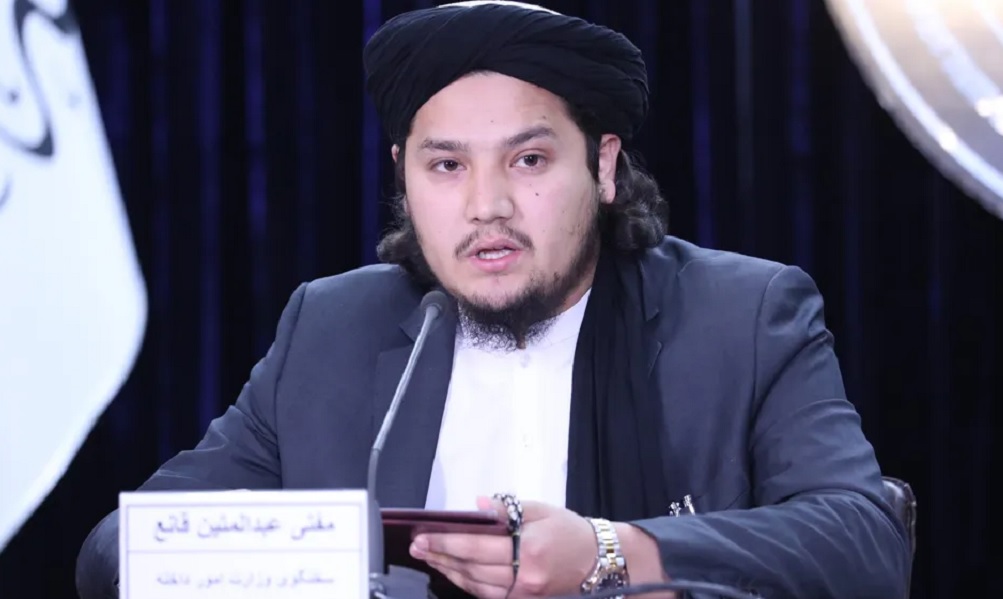
Afghanistan’s Ministry of Interior Affairs has called on the United Nations and the international community to condemn drug cultivation and production in Pakistan, saying that narcotics grown and processed in Balochistan are smuggled to other countries, including Afghanistan.
Ministry spokesperson Abdul Mateen Qani told Ariana News on Tuesday that thousands of hectares in Pakistan’s Balochistan province are used to cultivate narcotic crops. He also claimed that drugs produced in Pakistan are of low quality and pose serious risks to human health.
Qani urged international bodies to take action to prevent drug cultivation, production and trafficking.
A recent report by Radio Free Europe/Radio Liberty, citing satellite analysis by British firm Alcis, said that more than 9,000 hectares of land were under poppy cultivation in Balochistan, particularly in Loralai and Killa Abdullah.
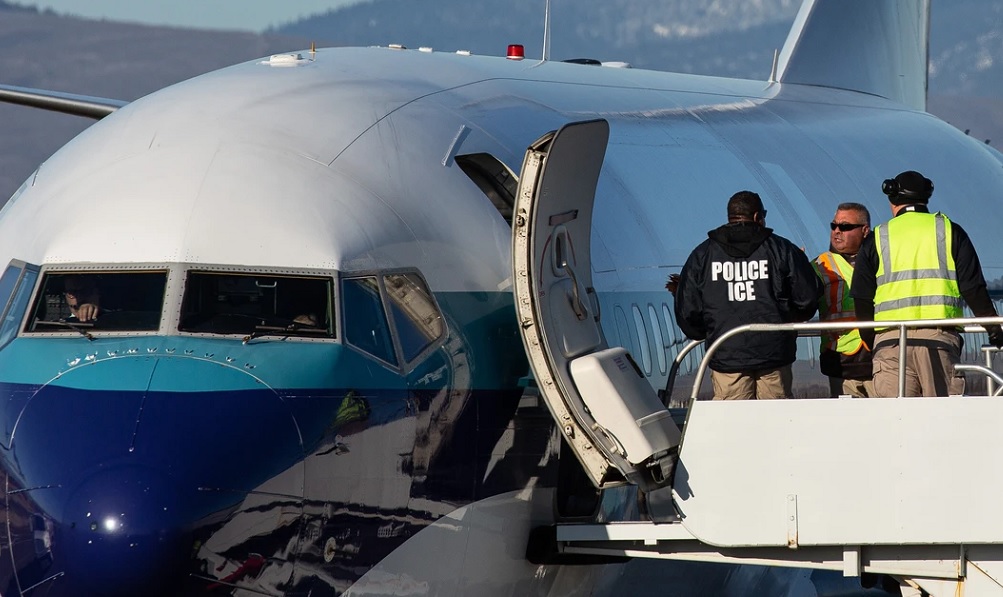
Bloomberg News has reported that the US government is planning to deport some detained Afghan migrants to Pakistan, including relatives of Afghans who worked with US forces.
Bloomberg reported on Monday, citing a US federal government official, immigration lawyers and advocacy organizations, that some detained Afghans had been informed they could be deported to Pakistan in the coming weeks.
According to the report, US officials have not yet publicly commented on the plan, and it remains unclear how many Afghans would be included in the potential flight.
AfghanEvac, an organization that supports Afghans who worked with US forces, said it had received information indicating that a special flight was being considered to transfer some detained Afghans from the state of Louisiana.
According to the organization, some detainees had been told they would be sent to Pakistan, while others had been informed that Afghanistan was their destination. Citing its sources within the US government, AfghanEvac added that Pakistan could potentially be used as a transit route to send these individuals to Afghanistan.
The reported plan comes after the United States previously deported a group of migrants, including 12 Afghan nationals, to the Central African Republic. Among those deported was a young Afghan man whose brothers had worked with US forces.
Latest News
Afghanistan signs AFN 1 billion water supply deal to benefit 50,000 Kabul families
The initiative aims to strengthen water supply infrastructure in the 17th district and improve residents’ access to drinking water.
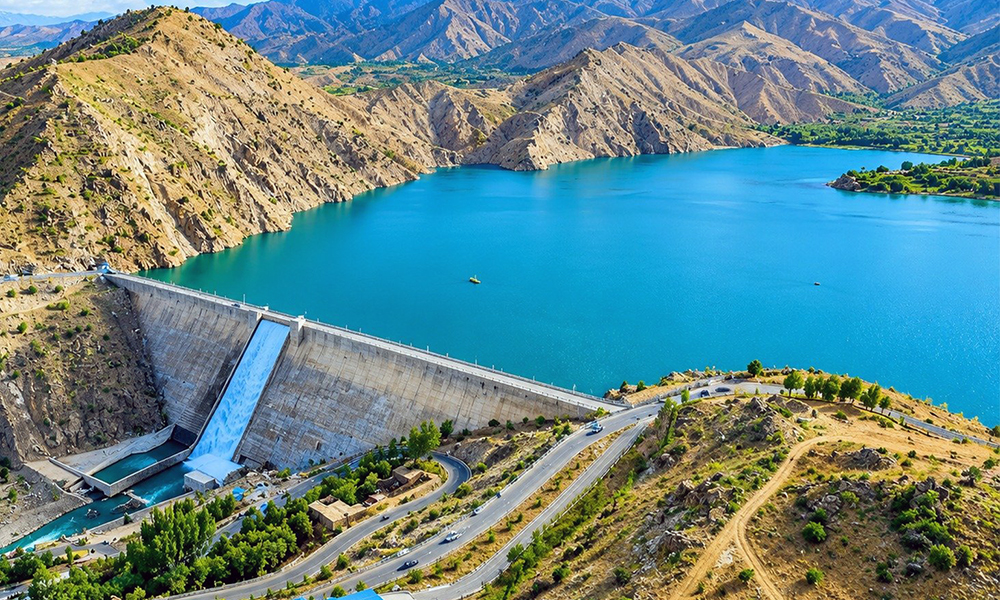
Afghanistan’s state-owned Urban Water Supply and Sewerage Corporation has signed a AFN 1 billion contract with private company Paktia Mawoj to develop a water supply project expected to benefit around 50,000 families in Kabul’s 17th Police District.
Mohammad Nabi Bahar, spokesperson for the General Directorate of State-Owned Companies, said the project will combine surface water from the Shah wa Arus Dam with supplies from five deep wells.
The system is designed to provide a total of 200 litres of water per second, comprising 100 litres per second from the dam and another 100 litres per second from the wells.
Bahar said the project is expected to be completed and handed over for public use within three years.
The initiative aims to strengthen water supply infrastructure in the 17th district and improve residents’ access to drinking water.
With an estimated investment of AFN 1 billion, the project represents a major planned infrastructure development for the Afghan capital.

Afghanistan calls for action against drug production in Pakistan
US plans to deport some Afghan migrants to Pakistan: Bloomberg

Afghanistan advance to Tier C at FIFA U-15 World Cup and Festival
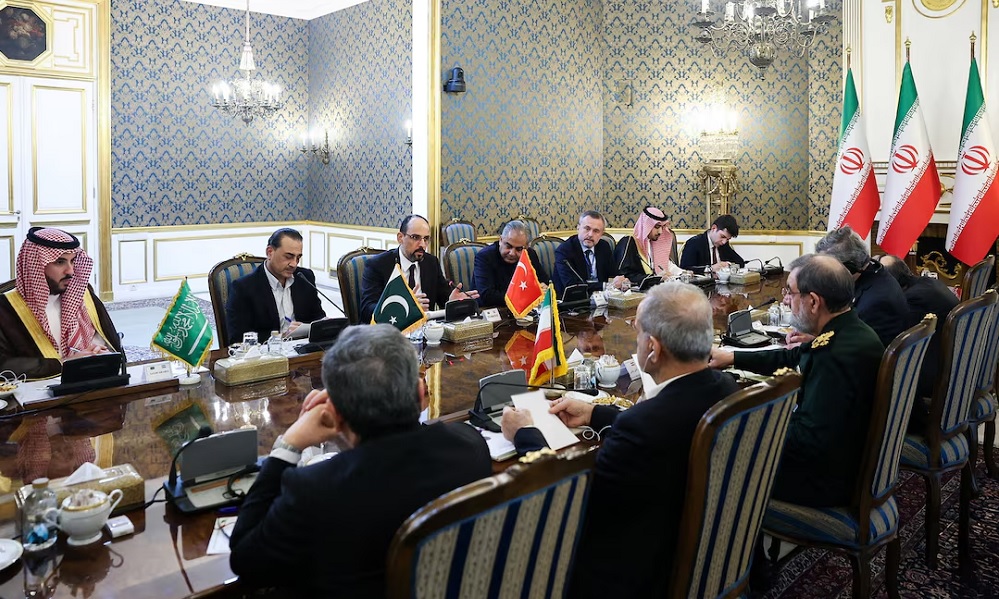
Saudi defence pact countries push for peace in Tehran as Houthis launch more attacks

Saar: Pakistan threatening strikes on Afghanistan

Cricket Bonanza: Afghanistan set for packed international schedule

Afghanistan on climate front line as Kabul faces groundwater warning

Afghanistan says 28 killed, 32 captured in Nuristan operation

ACB announces Afghanistan squads for Bangladesh, Zimbabwe series

Afghanistan to face Pakistan, India and Australia at 2027 Cricket World Cup
Saar: Pakistan threatening strikes on Afghanistan

Iran says outcome of Israeli elections ‘makes no difference’
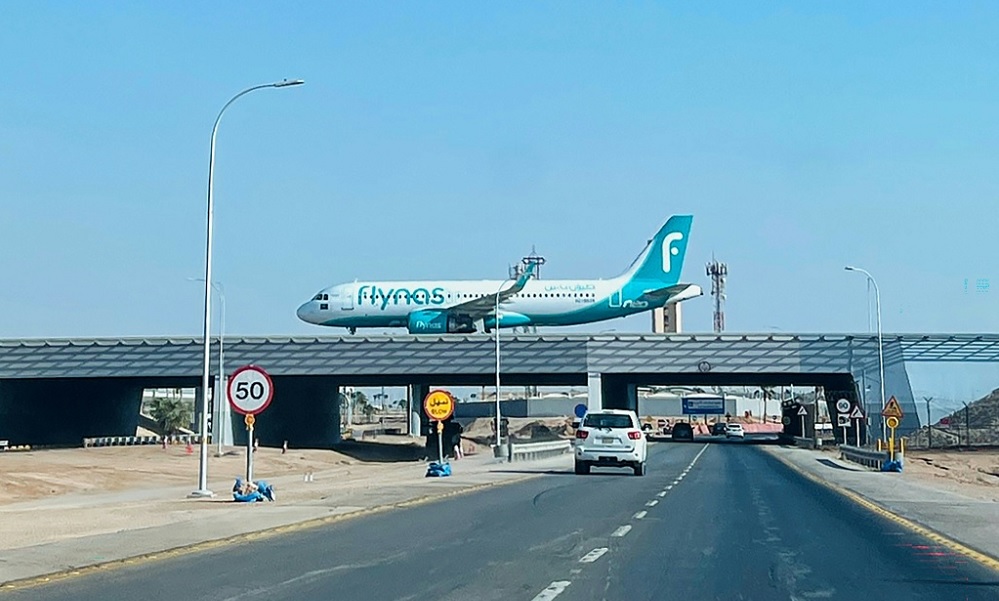
Houthis attack Saudi Arabia before high-stakes talks in Tehran

Tahawol: Ukraine war and ongoing peace efforts
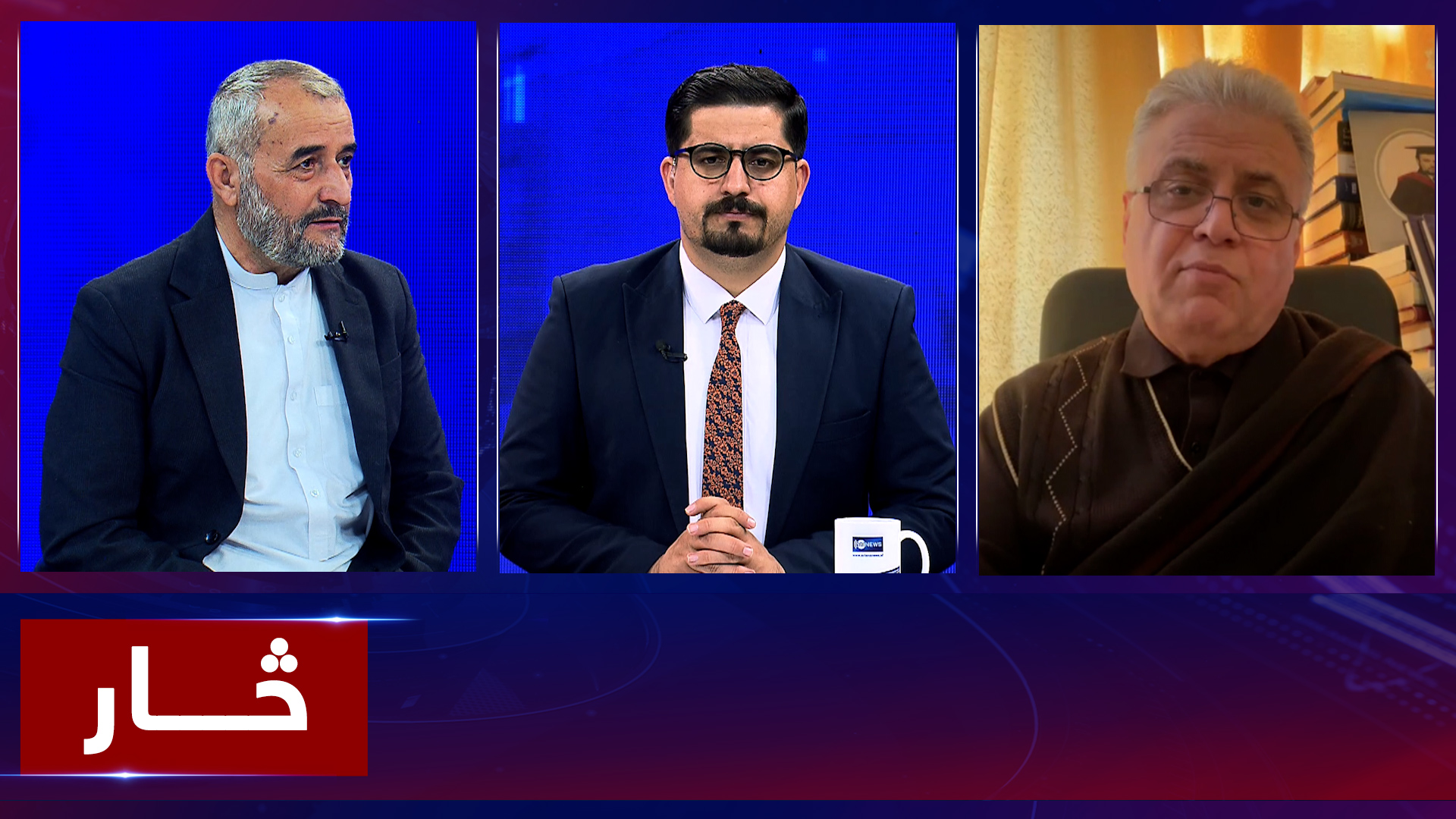
Saar: Obama’s remarks on Iran war
-
 Latest News5 days ago
Afghanistan’s new Wakhan road to China faces major hurdles
-
 Latest News3 days ago
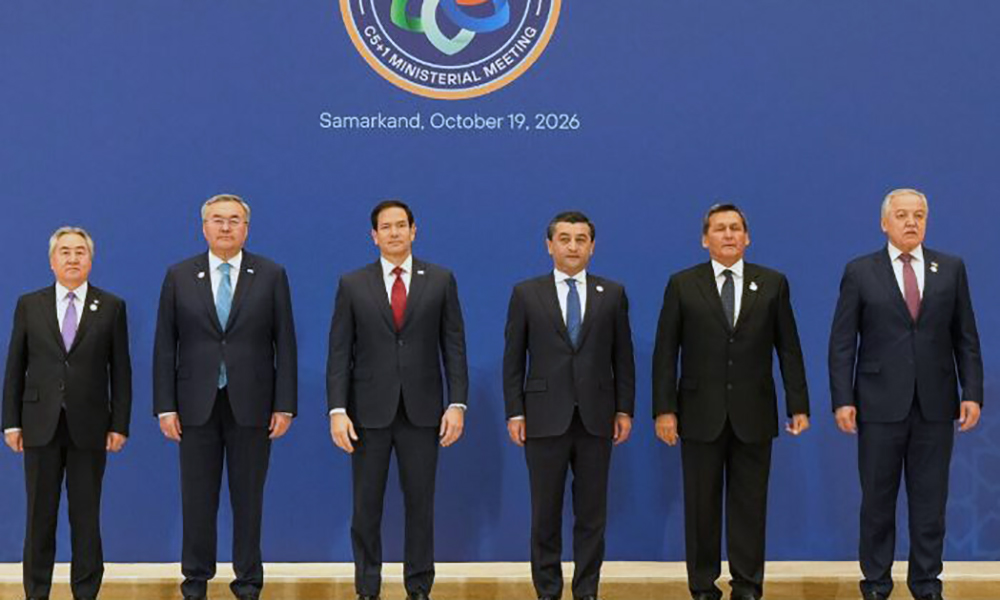
US Central Asia strategy faces challenges linked to Afghanistan’s political and security situation
-

 Latest News5 days ago
Russia to expand security and defence cooperation with Afghanistan
-
 Business4 days ago
Pakistan exporters suffer billions in losses as Afghanistan trade halt continues
-
 Sport3 days ago
Afghanistan defeat Zimbabwe to win Tri-Series ahead of 2027 Cricket World Cup
-

 Business4 days ago
IMF forecasts 1.3 percent regional economic contraction in 2026
-
 Business3 days ago
Turkmenistan targets 80 billion cubic meters of gas production in 2026
-

 Latest News4 days ago
Khalilzad warns of worsening relations between Afghanistan and Pakistan