
World
Air Busan Airbus plane catches fire at South Korea’s Busan airport
All 169 passengers and seven crew members were evacuated, with three having minor injuries, fire authorities in Busan said.


An Airbus plane belonging to South Korean carrier Air Busan caught fire on Tuesday at Gimhae International Airport in the country’s south while preparing for departure to Hong Kong, fire authorities said.
All 169 passengers and seven crew members were evacuated, with three having minor injuries, fire authorities in Busan said.
The fire service was alerted to the fire which began inside the plane just before 10:30 p.m., it said. South Korea’s Yonhap news agency said it began in the plane’s tail.
Footage aired by local broadcaster YTN shows evacuation slides deployed on both sides of the single-aisle plane, with emergency workers tackling smoke and flames from the jet.
Later footage from Yonhap news showed burned out holes along the length of the fuselage roof, Reuters reported.
It is a month since the deadliest air disaster on South Korean soil when a Jeju Air plane coming from Bangkok crashed on Muan Airport’s runway as it made an emergency belly landing, killing all but two of the 181 people and crew members on board.
Budget airline Air Busan is part of South Korea’s Asiana Airlines, which in December was acquired by Korean Air.
Planemaker Airbus said it was aware of reports about the incident and was liaising with Air Busan.
Air Busan and Asiana did not immediately respond to requests for comment. Korean Air directed inquiries to Air Busan.
The plane is a 17-year-old Airbus A321ceo model with tail number HL7763, according to Aviation Safety Network, a respected database run by the Flight Safety Foundation, read the report.

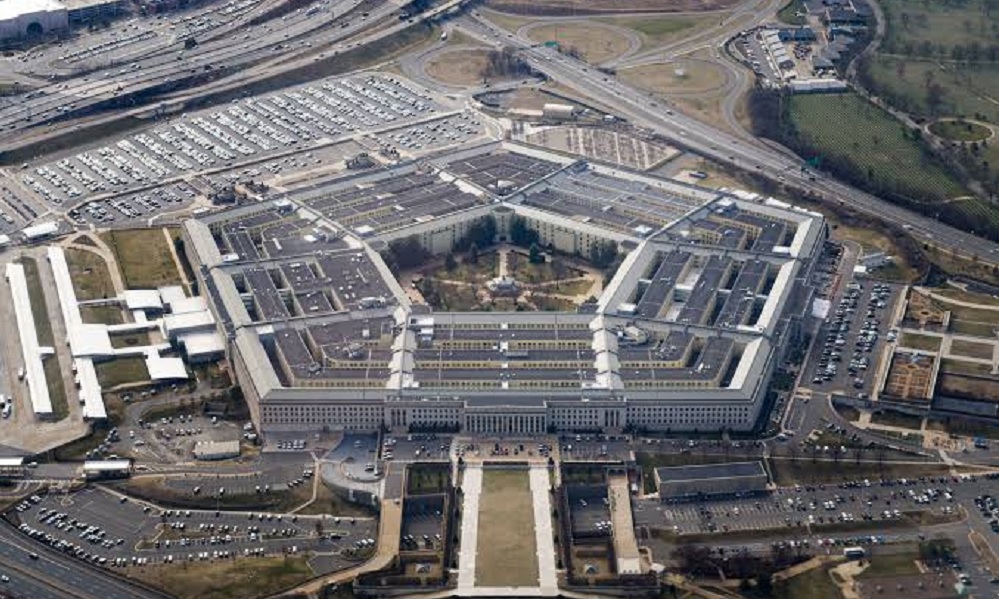
Hackers have breached the US Air Force’s flagship cloud computing platform, three people familiar with the matter told Reuters, in a development that could jeopardize a vast swathe of sensitive tactical, personnel and logistics data.
The intrusion at Cloud One was discovered within the past month or so during work to upgrade the system, two of the people said, adding that the discovery has led to disruption across the platform. Reuters could not establish the identity of the hackers, the full scope of the intrusion or whether any data had been stolen.
In a statement to Reuters, the Air Force said it “does not comment on the security posture, vulnerabilities or operational status of specific networks and systems. We continuously take prudent measures to protect Department (of the Air Force) information, systems and mission capabilities.”
A ONE-STOP SHOP
Initiated in 2017, Cloud One was meant to serve as a one-stop shop for the Air Force’s IT needs, combining the resources of four operators — Microsoft, Amazon, Oracle and Alphabet — to power scores of applications including ones that manage personnel data and pay or logistics and maintenance.
Among them are the Air Force’s Cloud-Based Command and Control, which collates air defense radar and other data feeds from across North America, and the Theater Integrated Combat Munitions System, which tracks bombs and missiles across more than 200 US Air Force locations around the world.
SAIC was the prime contractor for Cloud One until 2026, when Leidos took over. SAIC did not respond to a request seeking comment. Leidos referred questions to the Air Force.
Cloud One is among the US military’s biggest cloud platforms, according to two of the sources.
“A breach here is a big deal,” one of the sources said.
Investigators have called in Cyber Command, the US military’s cyber force, to assess the damage, one of the sources said.
Cyber Command did not respond to requests for comment.
A RANGE OF DISRUPTION
The discovery of the hack led to a range of disruption. Two of the sources, along with a fourth person familiar with the matter, said that efforts to migrate back-office applications to Cloud One, a longstanding military priority, have been paused.
Updates to applications already running on Cloud One were blocked, leaving Air Force personnel unable to apply fixes just as a new batch of serious software vulnerabilities has been disclosed across the technology industry. A fifth source said that some users had their administrator rights revoked.
All five sources spoke on condition of anonymity.
One source said that the cyber intruders exploited a software vulnerability to reach the control plane. That person likened the control plane to a universal remote, as intruders in theory could leverage their access to check the operational status of military aircraft or the movement of spare parts, though it was unclear whether the hackers did so in this case.
Reuters could not identify the specific vulnerability exploited by the hackers.
STRING OF HACKS
News of the breach comes amid heightened anxiety over AI-powered intrusions, a particularly serious problem for cloud-based networks because of the ability of AI models to swiftly detect weaknesses across wide surface areas.
The US government already has been dealing with the fallout from at least six other recently disclosed cyber incidents, including two at the FBI, a previous hack of Pentagon data, a recent leak of Department of Homeland Security personnel information, a breach affecting at least two spy agencies and a hack at the Treasury Department.
Cloud One has long been in the crosshairs of hackers.
In a 2023 commentary carried by the online publication FedScoop, Cloud One’s leadership touted what they called a “100% success rate” in beating back what they said was a “staggering” number of attempts to penetrate the platform.
“There is no room for error when it comes to security,” Cloud One’s leadership wrote.
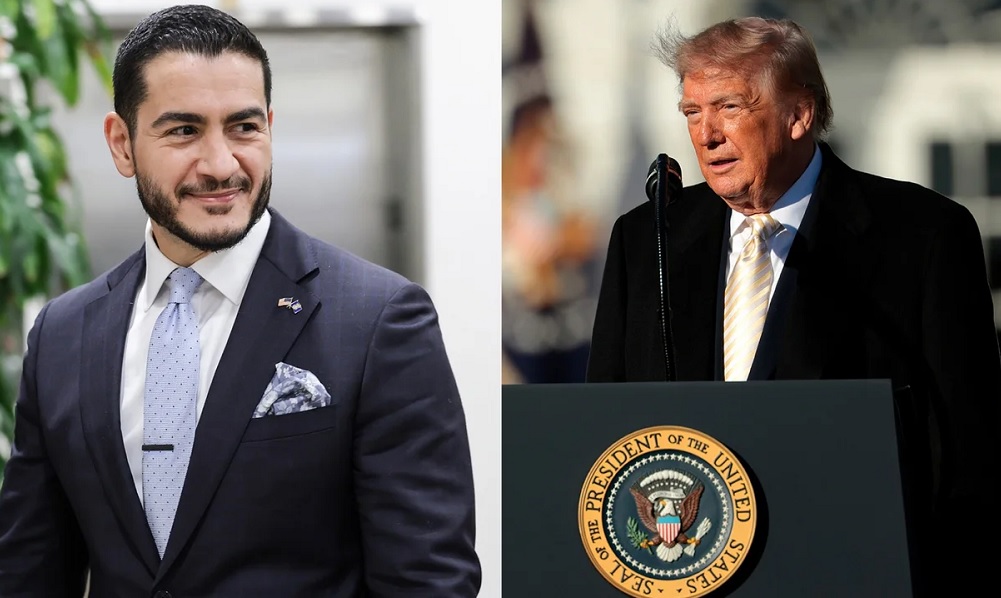
US President Donald Trump says he plans to meet with Michigan Senator-elect Abdul El-Sayed to discuss his proposal for universal healthcare, which the Democrat has suggested renaming “Trumpcare.”
In an interview with the New York Post on Tuesday, Trump described El-Sayed as a “smart guy” and praised his proposal, saying there could be room for compromise between the two sides.
“Maybe there’s some place in the middle that we could go,” Trump said, adding that he expected to meet with the incoming senator.
El-Sayed, who made universal healthcare a central part of his election campaign, recently shared an image of a gold “Trumpcare” card on social media platform X, calling on the president to guarantee healthcare for all Americans, from birth to old age. Trump later reposted the image.
The proposal marks a shift in tone between the two politicians, who exchanged sharp criticism during the election campaign. Trump had previously attacked El-Sayed, while the Michigan Democrat was a vocal critic of the president’s policies.
El-Sayed has also said he is willing to meet with Trump or anyone else, regardless of political affiliation, to advance his healthcare agenda and other campaign promises.
Trump said he believes his administration and the incoming Democratic majorities in Congress could work together on several issues, including healthcare, although he warned that disagreements could initially lead to confrontations.
The meeting comes as Democrats prepare to take control of both chambers of Congress for the final two years of Trump’s presidency.
World
Trump unveils new tariffs over excess industrial capacity, undeterred by midterms defeat
Under the excess factory capacity probe, USTR said China would face the highest capped rate of 20%, which would be added to duties of roughly 25% imposed during Trump’s first term.
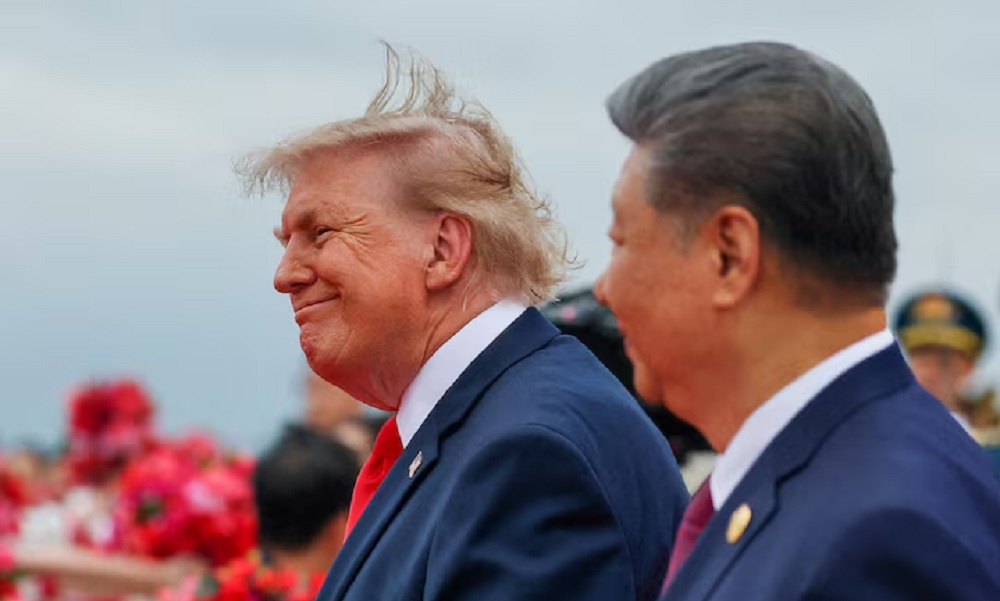
US President Donald Trump fired a new tariff salvo on Wednesday on 14 major trading partners including China, Japan and the European Union, undeterred in his protectionist push by the losses his Republican Party suffered in US midterm elections.
His administration proposed new maximum potential rates of 20% to 40% to counter excess industrial capacity that it says these countries are promoting. But the US Trade Representative’s office said it intends to cap new tariffs at lower levels agreed under trade deals that are completed or still under negotiation, Reuters reported.
In unveiling the results of an eight-month unfair trade practices investigation into excess industrial capacity, USTR aims to more fully rebuild Trump’s tariff leverage after the Supreme Court in February struck down his broad global duties under a national emergencies law.
The effort also seeks to put Trump’s tariffs and associated trade agreements on more solid legal and political grounds by backing them with a court-tested trade law, Section 301 of the Trade Act of 1974, and addressing foreign subsidies and industrial policies that are viewed as major trade problems by both Republicans and Democrats.
Separately, USTR proposed a new 10% tariff on imports of Brazil’s finished Embraer commercial aircraft, and an increase in duties on imports of Brazilian sugar that exceed quotas as part of an effort to push Brasilia to rectify alleged unfair trade practices.
The products were previously exempted from Trump’s 25% tariffs on Brazilian goods that were imposed in July under a separate Section 301 investigation. US Trade Representative Jamieson Greer said he decided to propose the tariff increases after months of talks between the US and Brazil made “no meaningful progress.”
CHINA TOPS EXCESS CAPACITY RATES
Under the excess factory capacity probe, USTR said China would face the highest capped rate of 20%, which would be added to duties of roughly 25% imposed during Trump’s first term.
That rate would comply with a US-China trade truce that expires on January 10. But if the truce unravels, China’s rate would rise to 40%, the USTR said.
Vietnam would face a capped tariff rate of 20% if it reaches a trade agreement with Washington, rising to 35% if negotiations fail.
Greer said the tariffs, which would not take effect until after a January 25 public hearing, were intended to counteract “industrial strategies built on targeting manufacturing, wage and labor suppression, financial and other support, non-market economy inputs, and other market-distorting practices” that undermine the US manufacturing base.
The duties would not stack on top of prior tariffs of 10% or 12.5% imposed under a separate US probe into lax enforcement of anti-forced labor laws in 60 economies, nor would they add to sectoral national security duties on steel, aluminum, autos and other goods.
Greer said the proposed tariffs also would not apply to about $30 billion of Chinese imports under consideration for tariff reductions through a bilateral mechanism known as the Board of Trade.
Washington has long accused China of subsidizing industry and flooding global markets with low-cost exports ranging from steel to electric vehicles and solar products.
A spokesperson for China’s embassy in Washington rejected allegations that China is a source of excess capacity, but stopped short of threatening retaliation.
“The so-called issue of ‘industrial overcapacity’ does not really exist and should not be used as a pretext for political manipulation,” the spokesperson said, urging the two sides to jointly deliver on agreements between Trump and Chinese President Xi Jinping.
LOWER RATES FOR TRADE DEALS
The USTR also proposed capped tariff rates of 18% for imported goods from Cambodia, Indonesia, Malaysia, Thailand and Bangladesh, and 15%, including existing “Most Favored Nation” duties, for Japan, South Korea, Taiwan, the EU and Switzerland.
India, which has yet to reach a trade deal with the Trump administration, would face a 17% tariff rate if an agreement is finalized and a 25% rate if talks fail, the USTR said. Singapore would receive a capped tariff rate of 10%.
Greer told CNBC the proposed caps were consistent with trade agreements reached over the past year that also lowered barriers to US exports.
“We’re sticking to that in terms of our proposals because we think a lot of these deals we made actually solve a lot of the problems we see in excess capacity or can go toward it,” Greer said, adding that the capped rates are no surprise to trading partners.
Mexico and Norway were excluded from the proposals because investigations into their trade practices remain under way, Greer said.
Even so, the prospect of new trade barriers weighed on stock markets on Wednesday amid a renewed selloff in tech stocks. Major US indexes opened down more than 1%, with the tech-heavy Nasdaq composite more than 3%.
“It is another reminder that while the legal justification for tariffs keeps changing, US protectionism is becoming increasingly difficult to unwind,” ING analysts wrote.
MORE SUPPORT, DURABILITY
Trump’s tariffs and their impact on rising living costs were a major issue in Democrats’ sweeping victory in midterm elections. A Reuters/Ipsos opinion poll conducted after Republicans’ midterm losses found 62% of respondents supported efforts by Democrats to repeal them.
US Senator Ron Wyden, an Oregon Democrat who is expected to chair the Senate Finance Committee when the new Congress begins in January, said: “Not even a month after voters rejected his disastrous trade agenda, Trump has decided to yet again increase prices for Americans. As Finance Committee Chair, I will use every tool at my disposal to end Trump’s disastrous tariffs.”
But that won’t be easy, because there is bipartisan support in Congress for countering excess capacity largely centered in China, said Nathaniel Halvorson, a former USTR official who is now a trade partner at Baker Mckenzie.
Undoing the tariffs also could cause some trade deals to collapse, Halvorson said, and Democrats “would have to consider whether they want to undo a settlement that might be working for US interests to some extent.”

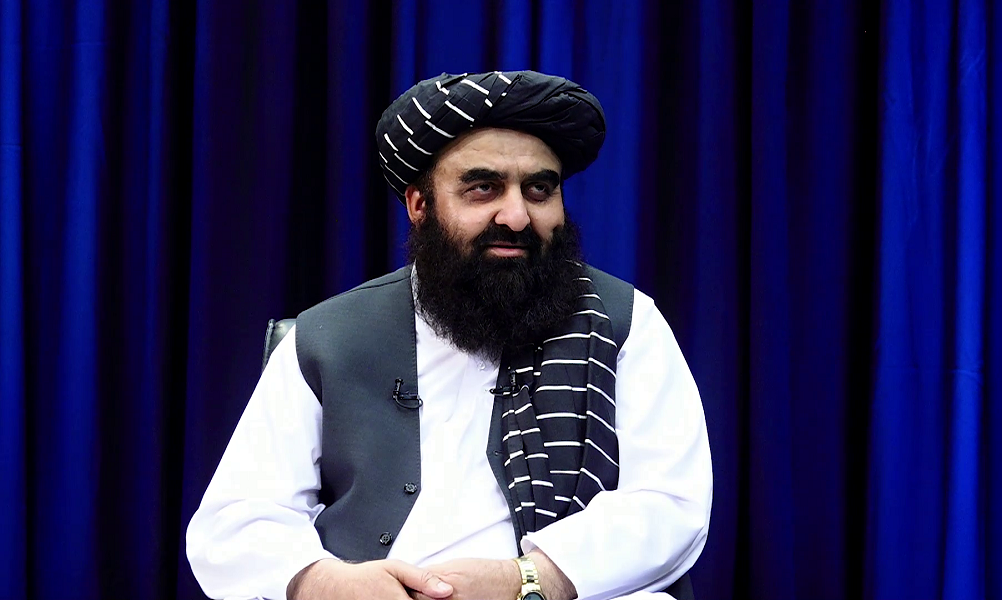
Muttaqi: Pakistan’s policy towards Afghanistan has failed
CIA waterboarded relative of Hekmatyar in Afghanistan
Hackers breach US Air Force flagship Cloud One computing platform
Debate with Amir Khan Muttaqi, Foreign Minister of the Islamic Emirate of Afghanistan
Tawsia: Current economic activities in Afghanistan discussed

US sanctions and blockade measures disrupt Iran’s trade with Afghanistan and regional neighbors

Afghanistan to launch nationwide polio vaccination campaign

Afghanistan futsal team thrash Panama 5-0 in flying start to Dakar Youth Olympics
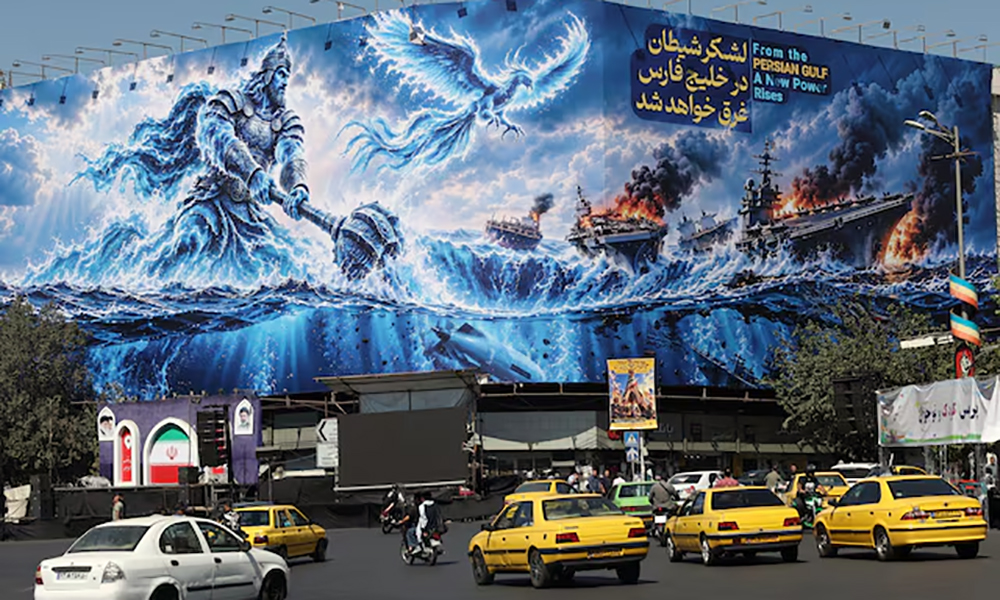
Iran defends two-day proposal for peace talks after US rejects conditions

Suhail unveiled as official mascot for FIBA Basketball World Cup 2027 in Qatar
Debate with Amir Khan Muttaqi, Foreign Minister of the Islamic Emirate of Afghanistan
Tawsia: Current economic activities in Afghanistan discussed

Five killed in Turkish military helicopter crash in western Turkiye
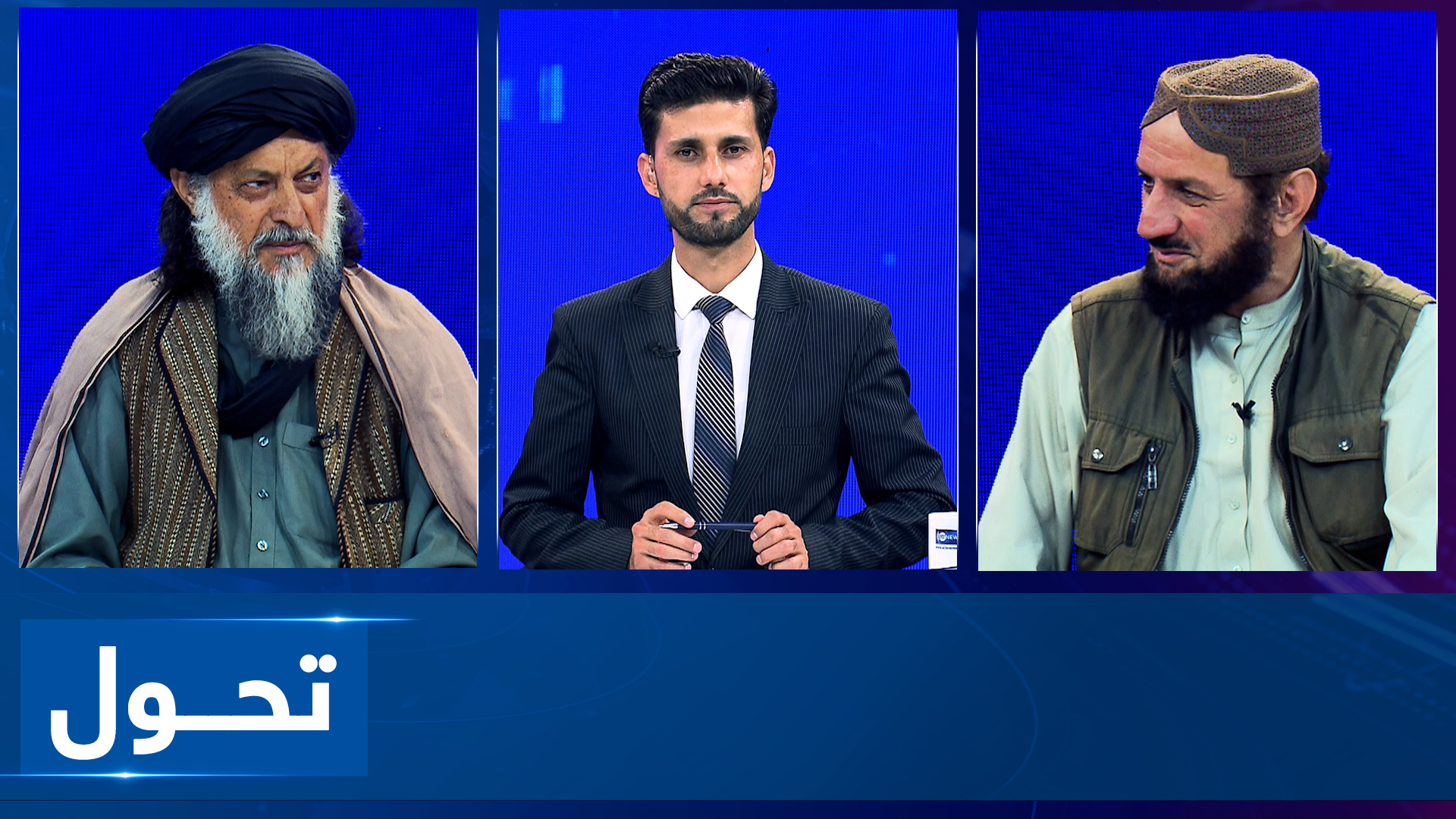
Tahawol: Discussion on shifting views within Pakistan
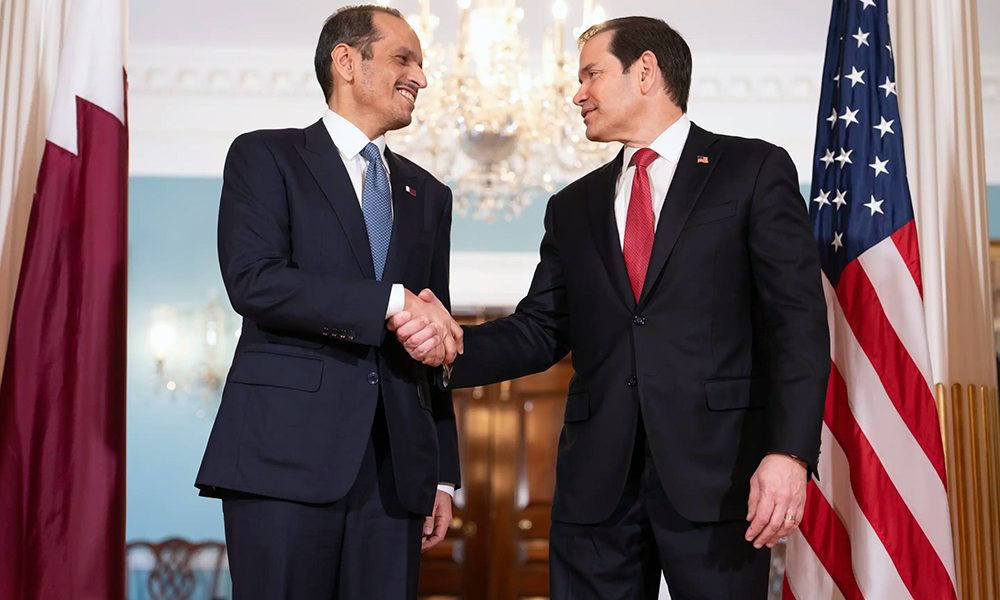
Qatar warns Middle East cannot afford renewed US-Iran escalation
-
 Latest News5 days ago
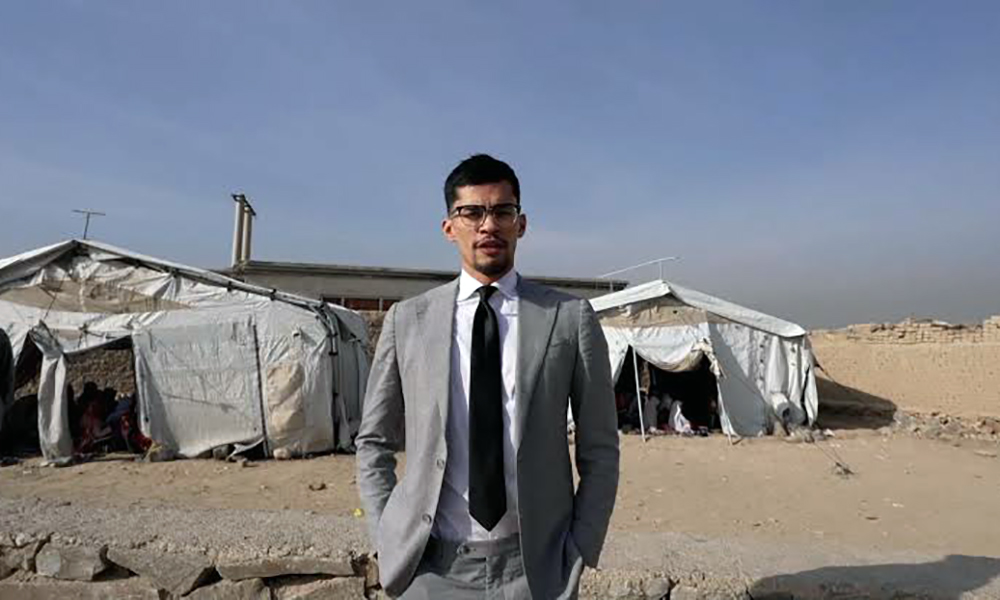
SNEAKO claims US authorities questioned him for eight hours after Afghanistan visit
-
 Latest News5 days ago
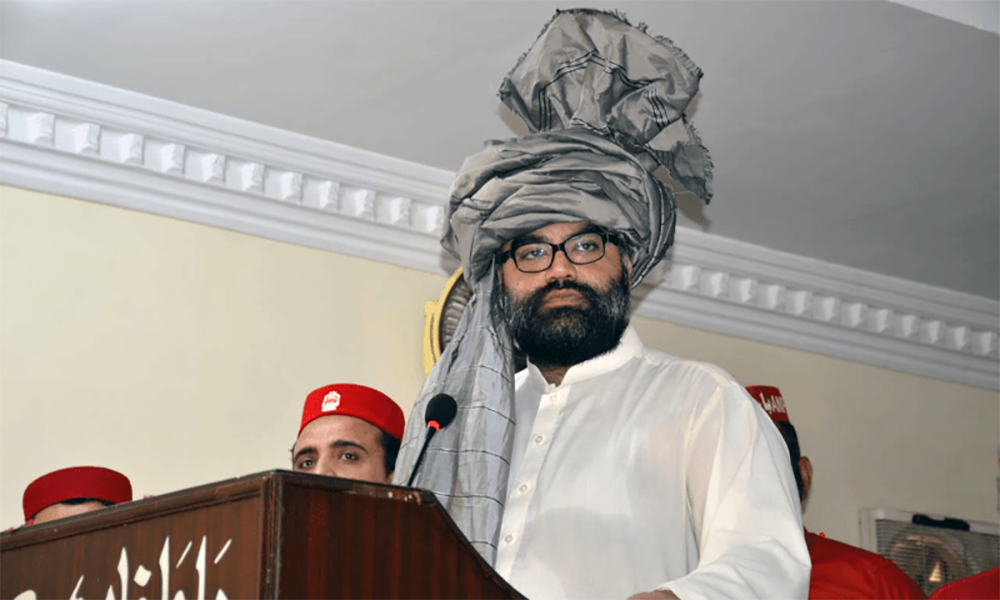
ANP leader calls for reopening of Afghanistan-Pakistan trade routes
-
 Latest News5 days ago
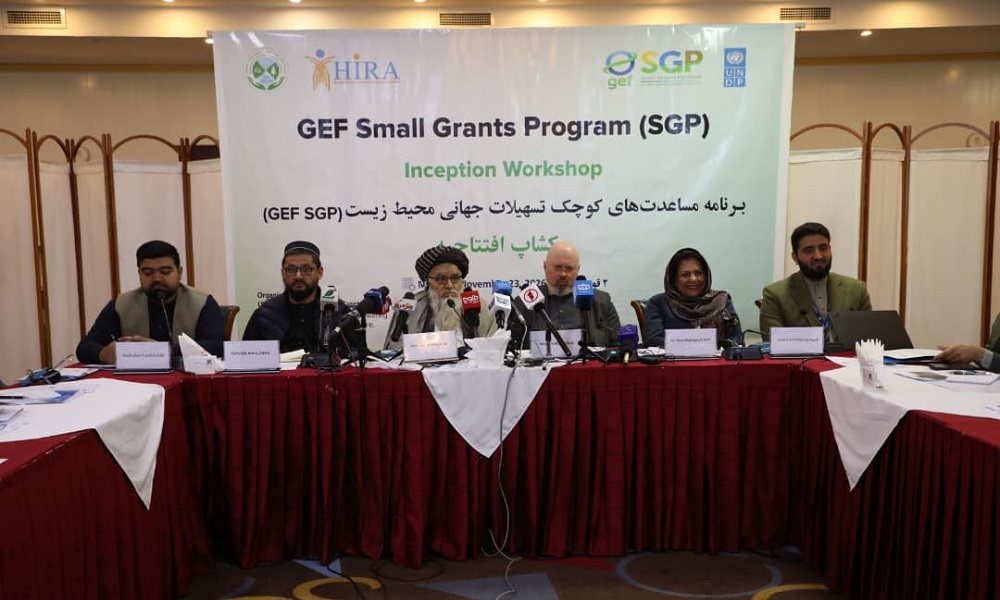
Global environmental grants programme resumes in Afghanistan
-
 Sport5 days ago
Afghanistan A thrash Hong Kong to register first win at Asia Cup Rising Stars
-
 World4 days ago
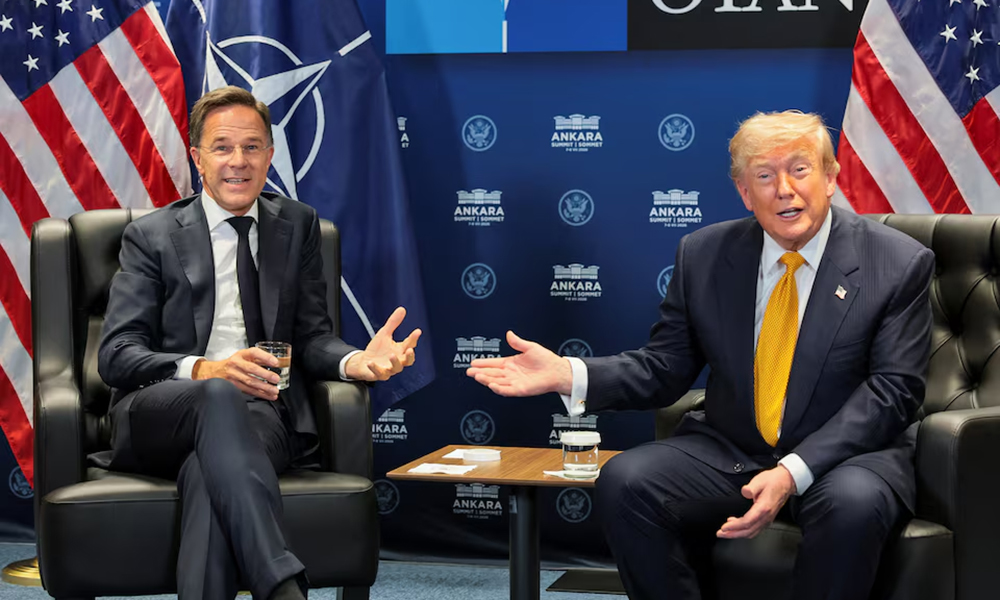
Trump to meet NATO Chief Mark Rutte in Florida amid tensions over Ukraine peace talks
-
Regional4 days ago
Qatar warns Middle East cannot afford renewed US-Iran escalation
-
 World5 days ago
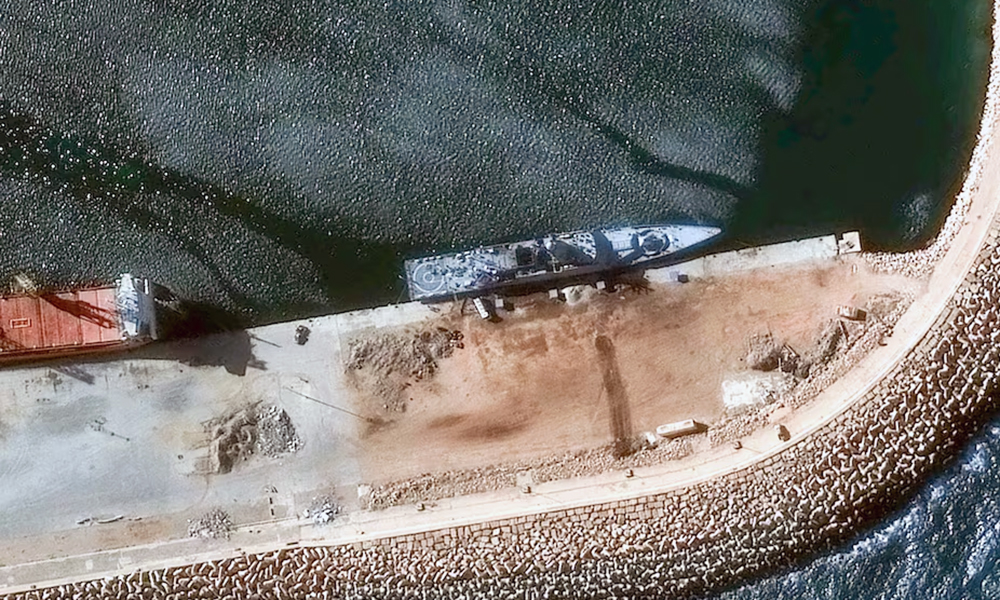
Ukraine sinks Russian warship in Libya as conflict spreads beyond Europe
-
 Sport5 days ago
Afghanistan beat Vietnam 5-2 at Beach Soccer Asian Cup