
Latest News
Bayat Power blazes ahead as it hits the one billion kWh of energy production milestone
From the outset, Bayat Power has tapped into Afghanistan’s abundant natural gas reserves to provide the people with a reliable supply of affordable and sustainable electricity.

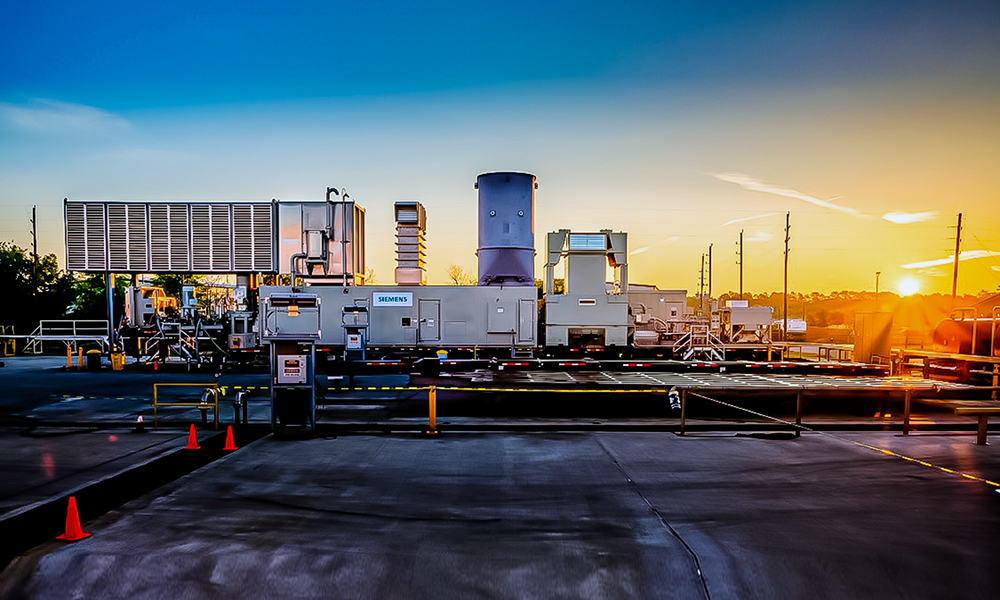
Bayat Power, a pioneer in Afghanistan’s independent power production sector, has reached a milestone in its endeavors to help develop the country, and today, August 23, the company successfully produced 1 billion kWh of electricity since commencing commercial operations in 2019.
Combining creative business vision, bold financing, innovative technology, and dedicated leadership, Bayat Power pioneered Afghanistan’s emerging, independent power production sector in 2019 with the focus on providing the nation with affordable, reliable, and environmentally sustainable electricity that is desperately needed to improve the lives of Afghanistan households, communities, and businesses.
According to the company’s chairman, Dr Ehsanullah Bayat, it is with “immense pride” that the company can announce this achievement of having produced 1 billion kWh of electricity.
“This remarkable achievement, marking the first natural gas-fired power plant in over forty years, is a testament to our beloved Afghanistan’s abundant natural gas resources.
“This monumental success would not have been possible without the relentless dedication of our hardworking team, the steadfast support of the esteemed leadership at Da Afghanistan Breshna Sherkat, the Ministry of Energy and Water, the General Directorate of Afghan Gas Corporation Company and the invaluable contributions of all related organizations and our valued supporters,” Dr Bayat said.
He went on to state that the company is “deeply grateful for its partnerships. Let us celebrate this significant milestone together and look forward to an even brighter future for Afghanistan.”

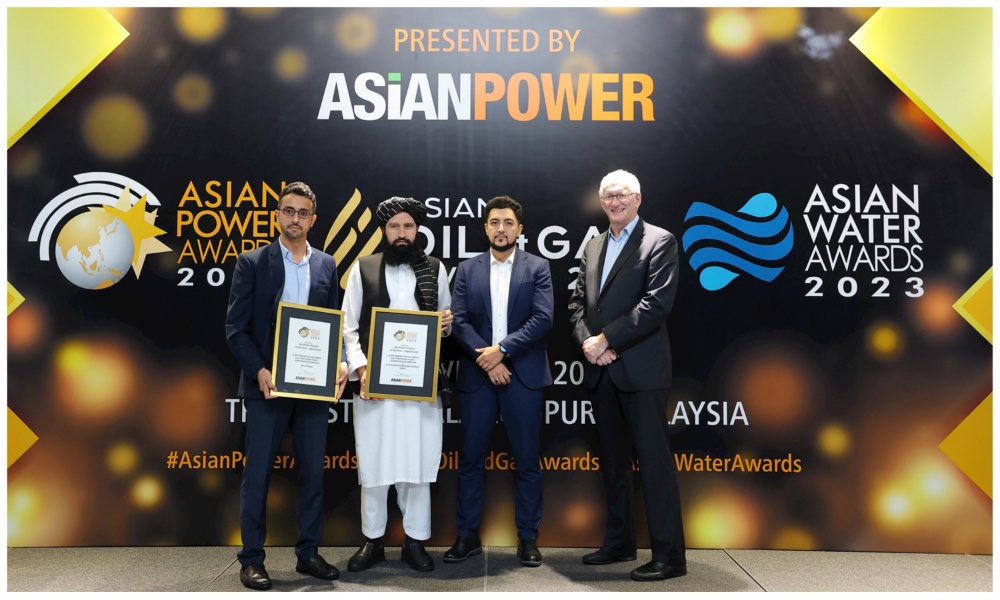
This latest milestone comes just a few months after Bayat Power was awarded the prestigious Asian Power Award for its groundbreaking gas-fired mobile power plant.
Considered a leading award for the power industry in Asia, the awards honor companies that have taken innovative and game-changing steps to address the effects of the climate crisis and meet the growing demand for energy.
From the outset, Bayat Power has tapped into Afghanistan’s abundant natural gas reserves to provide the people with a reliable supply of affordable and sustainable electricity.
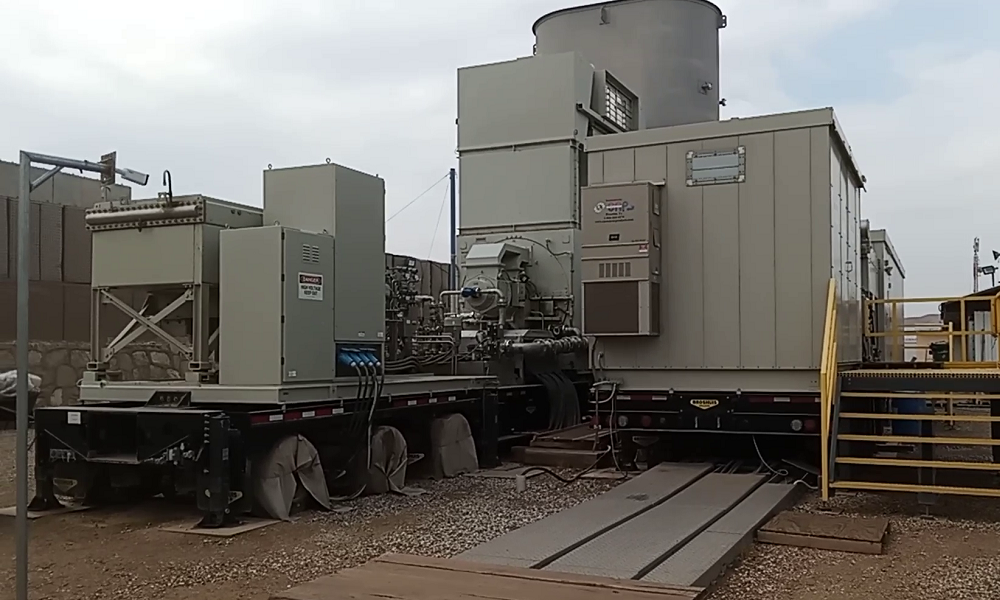
In 2019, Bayat Power took a major step towards realizing their mission when they commenced the start of site work on Bayat Power-1’s 40MW gas-fired turbine, which achieved commercial operation later that year in Sheberghan.
The plant uses Siemens Energy’s SGT-A45 mobile gas turbine for its economic efficiency, flexible deployment, and power density.
The foundation of the project meanwhile is the executed Power Purchase Agreement (PPA) with DABS in which DABS has agreed to purchase the power produced by Bayat Power.
Bayat Power’s CEO Ali Kasemi also remarked on the company’s phenomenal achievement of having produced 1 billion kWh of electricity in only a few years.
He said this achievement was testimony to the hard work and tenacity of Afghans in their quest for energy security.
Kasemi said it is an extremely proud moment for Bayat Power as it relentlessly continues to help improve the lives of Afghans across the country, enabling students to study at night, allowing health workers to provide critical services 24/7, supporting factory production, and lighting up cities, streets, mosques, and homes nationwide.
“We set out to relaunch a critical sector and prove that independent power producers can convert natural gas into electricity and bring light and warmth to Afghanistan and its people,” he said.
Bayat Power was established in 2013 and with its visionary and innovative leadership, the company is establishing the foundations of an emerging independent power producing sector in Afghanistan.

Currently providing electricity to hundreds of thousands of end-users and generating more than 300 million kWh annually, the project was structured as an innovative public-private partnership between Bayat Power, Siemens Energy, and Afghanistan government entities such as the Ministry of Mines and Petroleum, the Ministry of Energy and Water, and the General Directorate of Afghan Gas Corporation Company, Da Afghanistan Breshna Sherkat (DABS), and other international partners.
Dr Bayat meanwhile said: “We are committed to continue investing in Afghanistan’s energy sector to boost new industries, create jobs and train a new generation of Afghan engineers and technical specialists, who will help unlock the country’s vast energy potential.”
Kasemi in turn pointed out that “right now, Afghanistan is ripe for investment and has not seen this level of peace and security in many, many decades,” adding that “it is a great time to join us in investing there, especially in the energy sector as Afghanistan has vast amounts of resources.”
The Bayat Group is the largest private investor in Afghanistan and Bayat Power is currently the only gas-powered plant in Afghanistan and the Siemens Energy’s SGT-A45 mobile gas turbine used by the company is the only one in operation in the world.
Related Stories:
Afghanistan’s Bayat Power the Proud Winner of Asian Power Award 2023
Bayat Power set to launch phase two of its gas to electricity power generating project












Kazakhstan’s Foreign Minister Mukhtar Tileuberdi has called for pragmatic and coordinated international engagement with Afghanistan, saying the country’s long-term stability is closely linked to the security and sustainable development of Central Asia.
Speaking during the general debate of the 81st session of the United Nations General Assembly in New York on Friday, Tileuberdi said humanitarian assistance to Afghanistan remains essential but alone cannot break the cycle of poverty, displacement and dependency.
He said Kazakhstan supports a “pragmatic, coordinated and step-by-step” approach to international engagement with Afghanistan, with the United Nations playing a central role.
Tileuberdi also said Kazakhstan is working with the UN to operationalize the United Nations Regional Centre for the Sustainable Development Goals for Central Asia and Afghanistan in Almaty.
He said the success of the centre should be measured by the results and assistance it delivers to the region.


Abu Muslim Farah defeat Khurasan Faryab 2-0 in ACL season six

Saar: Concerns over Pakistan’s political crisis discussed

Afghanistan Champions League: Omar Zawak Herat beat Toofan Herat 1-0

Blast in Pakistan’s Dera Ismail Khan kills 11, injures 30

Ariana Afghan Airlines increases Kabul-Delhi cargo flights

Saudi energy group signs major Afghanistan deals covering gas exploration and pipeline plans

Trump floats idea of renaming Atlantic or Pacific Ocean

US hits Egyptian bank branches with Iran sanctions as war marks six months

Nepal flood rescue mission enters critical phase as thousands remain missing

Iranian clubs to face Gulf opponents at neutral venues in Asian Champions League Elite
Saar: Concerns over Pakistan’s political crisis discussed

Exclusive interview with Abdul Latif Mansoor, Minister of MRRD

Tawsia: Overview of Afghanistan’s iron mines

Tahawol: Discussion on fresh Pakistani airstrikes on Afghanistan

Saar: Calls for international support for Afghanistan discussed
-

 World5 days ago
CNN, MS NOW and Politico sue Trump, challenging White House ban
-

 Latest News3 days ago
Ariana Afghan Airlines ranks seventh among 45 Central Asian airlines
-

 Latest News4 days ago
UN reiterates call for respect for international law after Kunar airstrikes
-

 Regional3 days ago
US and Iran hold first talks since June after Trump’s ‘annihilation’ threat
-

 Latest News3 days ago
Silk Road highway in Wakhan corridor now reaches the China border
-

 Latest News4 days ago
Afghan Official: Pakistan’s airstrikes will not go unanswered
-

 Sport4 days ago
Afghan boxing referee heads to China for international festival
-
 Regional4 days ago
G7 foreign ministers call on Iran to stop arming Houthis