
Latest News
Diplomatic outcry over shootings of 3 female polio workers

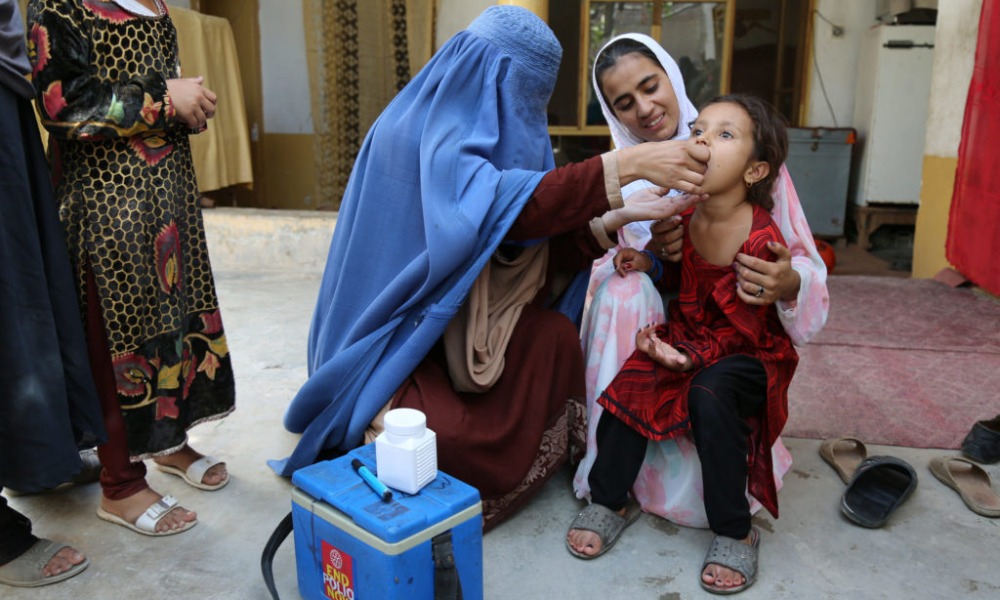
Foreign partners in Afghanistan condemned the “brutal” killing of three female employees of the national polio vaccination campaign who were gunned down in two separate incidents in Nangarhar province on Tuesday.
Chargé d’Affaires of the US Embassy in Kabul Ross Wilson stated that targeting polio campaign workers “demonstrates a total disregard for human life.”
“Such attacks are a direct affront to Afghans’ dream of building a better life for their children. My deepest condolences for the victims’ families as we call for justice,” Wilson said.
“Afghanistan is one of only two countries in the world where polio remains endemic; this campaign is an important step to protect Afghan children from facing an infectious disease that can cause debilitating paralysis. Attacking vaccinators is as heartless as it is inexplicable,” he tweeted.
The EU in turn said the attack was a “brutal breach” of International Humanitarian Law, stating “perpetrators must be brought to justice, health workers kept out of harm’s way & the sanctity of health facilities respected.
“The EU remains a strong supporter of the health sector in Afghanistan & we call on the parties to allow equal access to vaccinations.”
The French Embassy in Kabul also condemned the incident and said: “The horrifying killing of 3 female vaccinators against polio is another step in the targeting of civilians. Such violation of humanitarian law runs contrary to all efforts for peace and for alleviating the sufferings of Afghanistan, one of the countries most hit by polio.”
This comes after the three women were killed in two separate incidents in Jalalabad in Nangarhar on Tuesday morning.
Security sources said two women were killed in PD7 and another one was shot dead in PD4 of the provincial capital Jalalabad.
No group, so far, has claimed responsibility for the attack which prompted a wide outcry in the country.
Afghanistan and Pakistan have widely been the only two countries that still have cases of polio.
However, this week, the World Health Organization stated that as of 18 March, four cases of polio in children had been detected in Tajikistan.

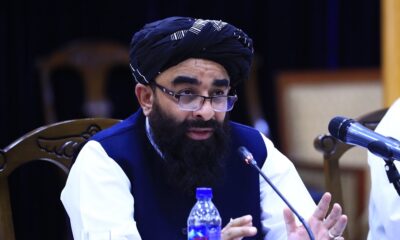





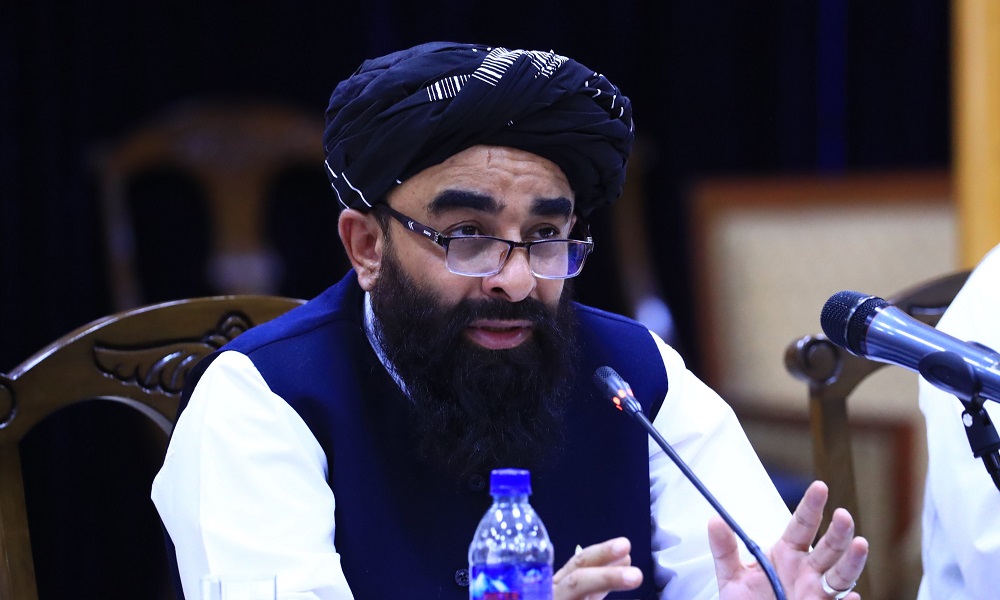
Zabihullah Mujahid, spokesman for the Islamic Emirate of Afghanistan (IEA), has urged spokespersons of all Emirate institutions to intensify efforts aimed at strengthening information dissemination and expanding cooperation with media outlets.
Speaking at a coordination meeting held on Tuesday at the Government Information and Media Center, Mujahid praised the efforts of institutional spokespersons in sharing information and described their role in improving the effectiveness and coordination of public communication as important.
He stressed the need for continued cooperation and called on spokespersons to play a more active role in strengthening government-related content through media platforms and the Parmakhtag website.
Mujahid also highlighted the importance of media in delivering information, raising public awareness, reflecting realities, and strengthening public trust in the government.
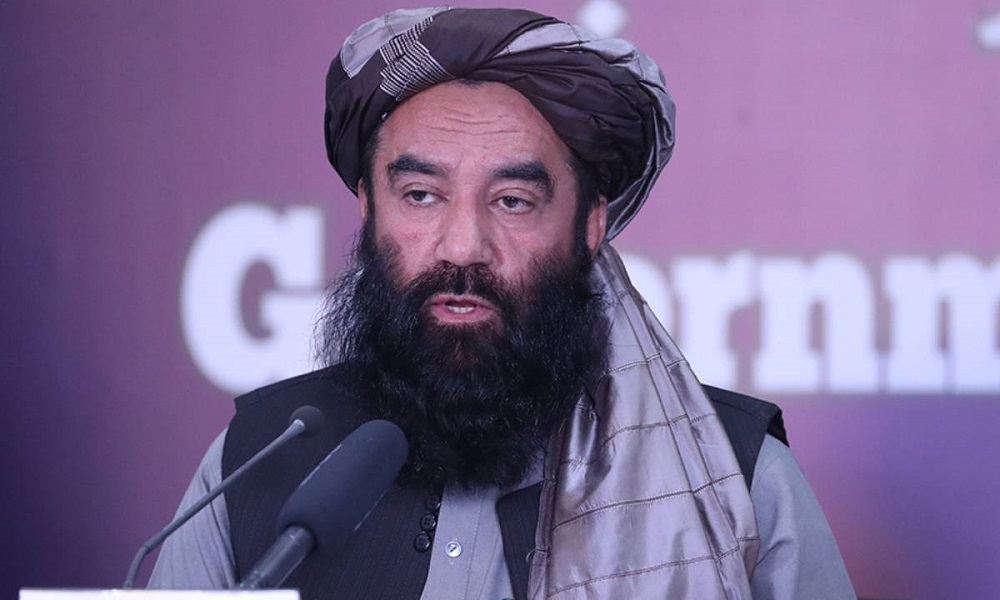
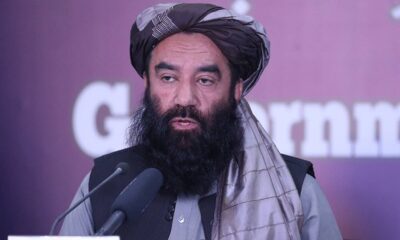
Noorullah Noori, Minister of Borders, Ethnic and Tribal Affairs, says that objectives such as establishing an Islamic system, ensuring security, and achieving national unity in Afghanistan have now been fulfilled, and has called on opponents of the Islamic Emirate living abroad to return to the country.
Speaking at a press conference on Tuesday, Noori addressed opponents of the Islamic Emirate, saying: “If your jihad against the Russians was aimed at establishing an Islamic system, ensuring security, and achieving national unity, then today these objectives have been achieved in Afghanistan. Return to your country and present whatever suggestions or opinions you may have.”
Noori added that opponents of the Islamic Emirate based in Turkey, Pakistan, and several other countries should stop claiming that they seek to “liberate Afghanistan,” because Afghanistan is now a free country. He warned that no one will be given permission or the opportunity to cause bloodshed in the country again.
He urged them to come back to Afghanistan and present any proposals or demands they may have regarding the Islamic Emirate of Afghanistan.
He said: “What is your voice, your message, and your demand? Our country has regained its freedom from occupiers, and today there is not a single foreign soldier present anywhere in Afghanistan. So, from whom do you intend to liberate the country? Return to your homeland and put forward your proposals. The people of Afghanistan have learned from the past. Today, not even a single dead body is seen across Afghanistan, and Afghans neither expect to see coffins again, nor will anyone be given the opportunity to cause bloodshed in this country once more.”
Latest News
Khalilzad urges Pakistan to heed UN call for dialogue with Afghanistan
His comments came after Guterres urged all parties to protect civilians and comply with international humanitarian law following Pakistani airstrikes in Afghanistan’s eastern provinces.
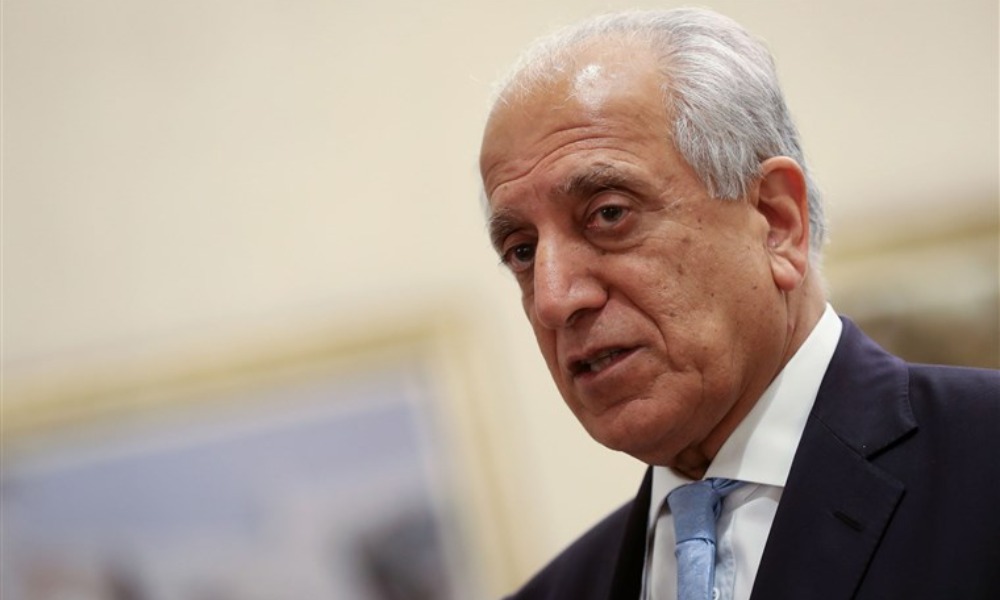
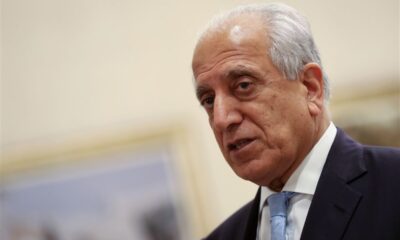
Former US Special Representative for Afghanistan Reconciliation Zalmay Khalilzad has called on Pakistan to respond positively to the United Nations’ appeal for dialogue, saying Afghanistan has consistently sought a diplomatic solution to tensions between the two neighboring countries.
In a post on X, Khalilzad referred to UN Secretary-General António Guterres’ call for Afghanistan and Pakistan to end hostilities and resolve their differences through diplomacy.
He said Afghanistan has repeatedly made clear that it prefers dialogue over conflict and has presented several proposals aimed at reducing tensions.
“Will the Pakistani establishment listen to the UN Secretary-General? I hope so, but I am not optimistic,” Khalilzad wrote.
His comments came a day after Guterres urged all parties to protect civilians and comply with international humanitarian law following Pakistani airstrikes in Afghanistan’s eastern provinces of Paktia, Paktika and Kunar.
Speaking on behalf of the UN chief, spokesperson Stéphane Dujarric said the Secretary-General was deeply concerned by the escalation and called on both countries to settle their differences through diplomatic means.
“We continue to call on all parties to uphold their obligations under international humanitarian law and stress that civilians and civilian infrastructure must be protected at all times,” Dujarric said.
The UN Assistance Mission in Afghanistan (UNAMA) said numerous civilians were killed and injured in the overnight airstrikes, while humanitarian agencies warned that the attacks had also displaced families and created urgent humanitarian needs.
According to Afghan authorities, at least 36 civilians were killed and more than 160 others wounded in the strikes, with women, children and elderly people among the casualties.
The Islamic Emirate of Afghanistan condemned the strikes as a violation of the country’s sovereignty and airspace, describing them as a “crime” and a “cowardly act.”
Relations between Kabul and Islamabad have deteriorated sharply in recent months over Durand Line security and militancy, with both sides accusing each other of failing to prevent cross-frontier attacks. The latest exchange has heightened concerns of further escalation, prompting renewed international calls for restraint and dialogue.


Tahawol: Reactions to Pakistan’s attacks on Afghanistan discussed

Mujahid calls on spokespersons to expand cooperation with media

Saar: Reaction to Pakistan’s airstrikes on Afghan soil discussed

Borders minister says no one will be allowed to reignite conflict in Afghanistan

Afghanistan U-15 team qualifies for FIFA U-15 World Cup

Norway’s Viking-inspired World Cup team photo goes viral

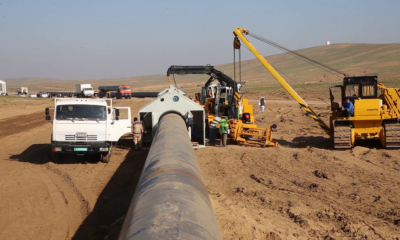
TAPI project advances in Afghanistan as 84kms of pipeline laid

Afghanistan’s trade with Central Asia records sharp growth

Gaikwad set to replace injured Kohli for Afghanistan ODI Series

Iran banks hit by major cyber attack
Tahawol: Reactions to Pakistan’s attacks on Afghanistan discussed
Saar: Reaction to Pakistan’s airstrikes on Afghan soil discussed

Tahawol: Pakistan’s attacks on civilians in Afghanistan

Saar: Pakistani airstrikes on Afghanistan

Tahawol: Calls for diplomacy between Kabul, Islamabad
-
 Latest News4 days ago
TAPI project sees rapid progress in Afghanistan
-
 Business2 days ago
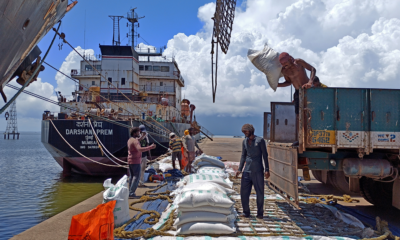
Afghanistan eyes direct Basmati rice imports from India amid tensions with Pakistan
-

 International Sports3 days ago
FIFA World Cup: Iran held by Egypt after controversial late goal Is disallowed
-
 Latest News3 days ago
Delawar says Afghanistan has achieved security and unity after 47 years
-
 Latest News3 days ago
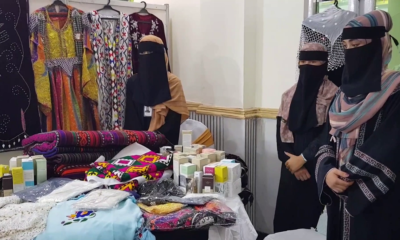
EU announces major funding to support Afghan small businesses
-
 Latest News4 days ago
Ashura observed across Afghanistan with calls for unity and justice
-
 Latest News2 days ago
Afghan minister says ‘outsiders’ should not claim to support Afghanistan’s independence
-
 Sport3 days ago
Afghanistan, Uzbekistan set for friendly cricket clash in Khost