
Latest News
Doha deal failed Afghans, brought terror and horror instead: Official

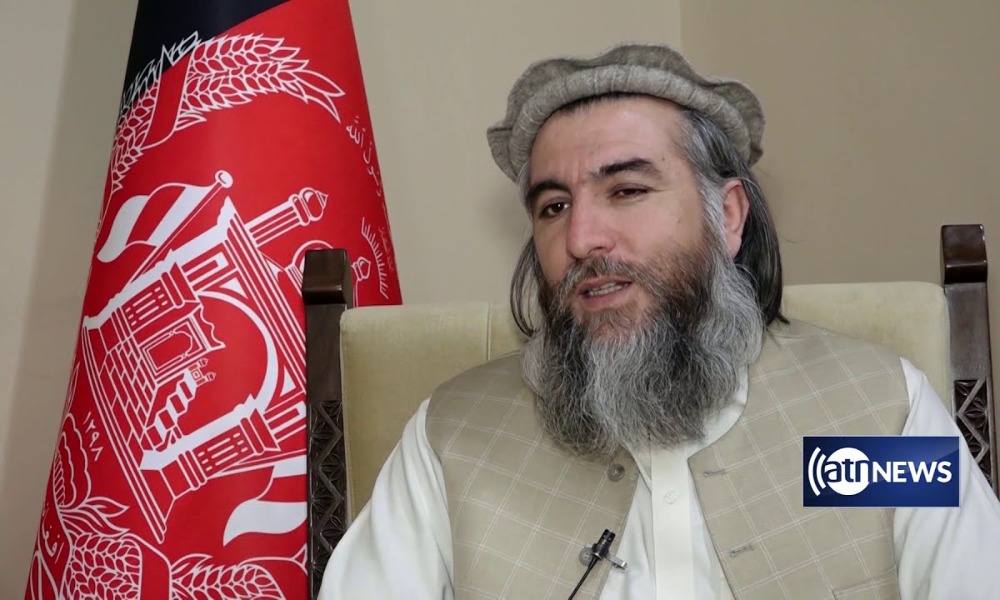
The US-Taliban agreement signed in Doha in February last year has failed Afghans and instead only ensured a ceasefire between the United States and the Taliban, an Afghan National Security Council official said Sunday.
In a post on Facebook, Rahmatullah Andar, the spokesman for the National Security Council, said: “The Doha agreement did not meet the expectations of the Afghans.
“This deal has only ensured [Taliban’s] ceasefire with the US, while relations between the Taliban and the Afghans remained limited to killings, terror and horror.”
He also implied that the Doha agreement has done more harm than good.
“From the perspective of Afghans, the Doha [agreement] has wasted time for peace, inflicted heavy casualties and financial losses on the Afghans,” Andar said.
The agreement signed between the US and Taliban in Doha a year ago failed to include the Afghan government. However, the government has welcomed the decision by President Joe Biden’s administration to review the agreement.
As per the deal, all foreign troops are scheduled to be withdrawn from the country by May 1. However, indications at this stage point towards an extension of US and NATO troop presence.
Marking the one-year anniversary of the US-Taliban deal, the insurgent group on Sunday issued a statement urging Washington to uphold its part of the agreement.
The Taliban also stated that the implementation of the agreement “must be utilized to improve the situation and pushing it in the wrong direction must be avoided.”
The Taliban’s statement comes just three days after US Central Command chief, General Kenneth F. McKenzie said the US still continues to see levels of violence that are way too high.
“I place a large measure of the blame on the Taliban who have continued to mount offensive operations and targeted killings of Afghan officials but the excessive violence has led the government to launch their own defensive operations to protect themselves – the violence while too high on both sides,” McKenzie said.
McKenzie also stressed that there is no sign that the Taliban had severed ties with al-Qaeda, as called for in the US-Taliban agreement.
“In my clear judgment rests largely on the Taliban; we also continue to … look for signs of a Taliban break with al-Qaeda and I have not at this point seen any definitive signs that would lead to believe they’re prepared to or able to honor their obligations,” McKenzie added.






Latest News
Pakistan says Kohat attackers had roots in Afghanistan
The Islamic Emirate has repeatedly rejected Pakistan’s allegations that Afghan territory is being used to launch attacks against Pakistan.
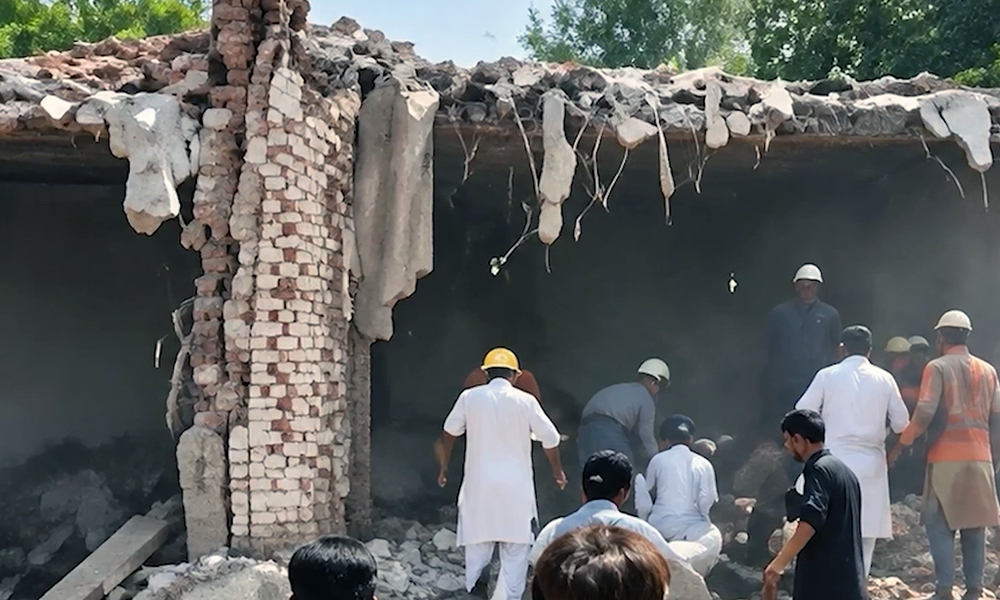
Pakistan has accused militant groups with links to Afghanistan of carrying out Friday’s deadly attack at a mosque inside the Kohat Police Lines in Khyber Pakhtunkhwa, and has called on the Islamic Emirate to take concrete action against armed groups operating from Afghan territory.
Pakistan’s Ministry of Information and Broadcasting said the attackers had “roots in Afghanistan” and urged the Islamic Emirate to dismantle what it described as terrorist networks and sanctuaries operating inside Afghanistan.
The attack took place during Friday prayers when an explosives-laden vehicle was rammed into the police compound near the mosque. Gunmen then attempted to enter the facility, triggering a gun battle with security forces.
The initial death toll was reported at 16, with 57 people injured. Pakistani authorities later said at least 21 people had been killed and more than 100 injured as the rescue and clearance operations continued.
Pakistan has not provided independent evidence establishing that the attack was planned from Afghanistan, but its information ministry said the presence of militant sanctuaries and support networks in Afghanistan posed a direct security threat to Pakistan. It called for “concrete and verifiable” measures against groups it accuses of planning and carrying out attacks inside Pakistan.
The Afghan Ministry of Foreign Affairs condemned the Kohat attack and expressed sympathy with the victims and their families.
The Islamic Emirate has repeatedly rejected Pakistan’s allegations that Afghan territory is being used to launch attacks against Pakistan. Afghan officials have maintained that the issue of the Tehreek-e-Taliban Pakistan (TTP) is an internal security matter for Pakistan.
The attack has further highlighted tensions between Kabul and Islamabad, particularly over the TTP. Pakistan accuses the group of operating from bases in Afghanistan and carrying out attacks inside Pakistan, while Afghan authorities deny providing sanctuary for attacks against neighbouring countries.
The TTP, meanwhile, has denied responsibility for the Kohat attack, although a faction of the group, identified as Ittehadul Mujahideen, later claimed responsibility, according to Al Jazeera.
The latest dispute comes amid continued cross-border tensions and a rise in militant violence in Pakistan’s northwestern regions bordering Afghanistan.
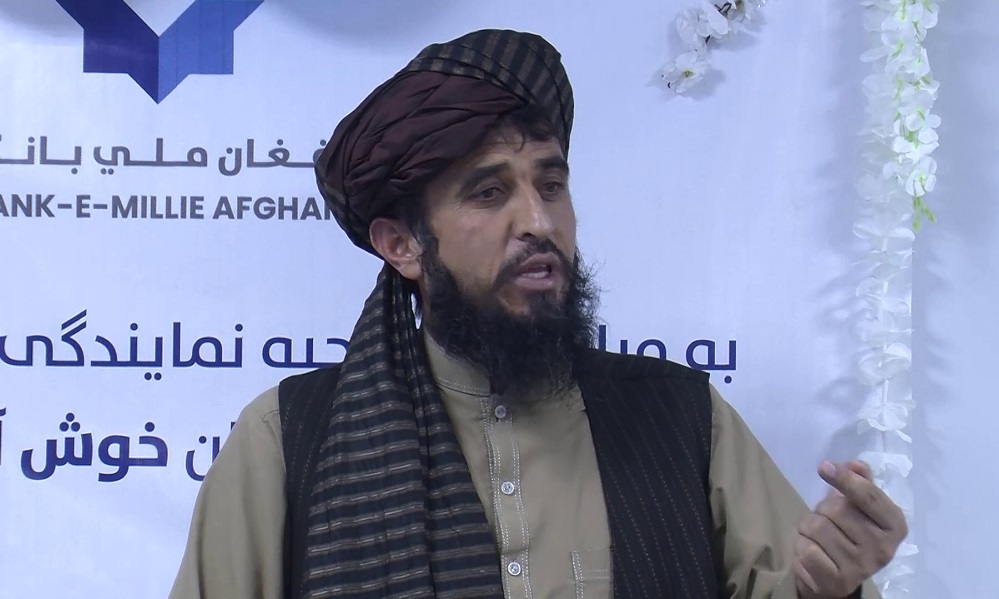
Local officials in Afghanistan’s northeastern Badakhshan province have called on traders to help prevent drug trafficking and invest their capital in legal and productive sectors.
Jamaluddin Haqjo, deputy governor of Badakhshan, made the remarks during the opening of the first branch of the Bank-e-Millie Afghan in Fayzabad, the provincial capital.
Haqjo said thousands of people across Afghanistan are currently addicted to drugs and urged traders not to invest in drug trafficking.
Meanwhile, other local officials attending the ceremony called on people to contribute to the country’s economic development rather than oppose the government.
They said expanding economic activities could help reduce poverty and other challenges affecting thousands of families.
Officials also urged banks and traders to conduct their activities in accordance with Islamic principles.
The newly opened Bank-e-Millie Afghan branch is expected to provide banking services to residents of Badakhshan. Bank officials said government employees receiving their salaries through the bank would also be eligible for loan services in accordance with the bank’s policies.
Residents welcomed the opening of the branch, saying it would make banking services more accessible. They also called for banks to establish branches in remote districts of Badakhshan.
Officials urged traders and government institutions to support the bank by investing and using its services.
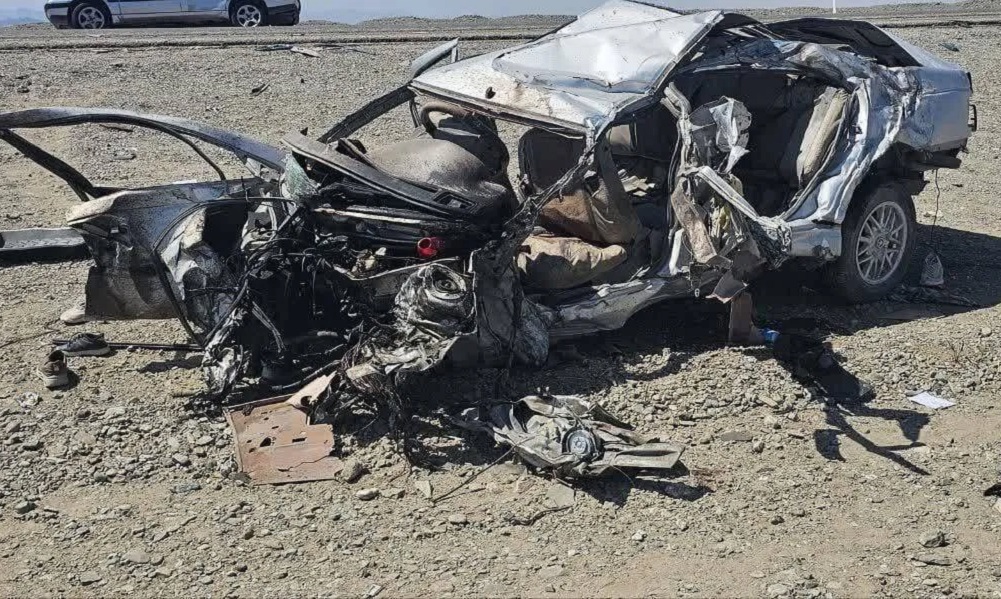
Seven Afghan migrants have been killed after a vehicle carrying Afghan migrants collided with a fuel-carrying vehicle in Iran’s Sistan and Baluchestan province.
According to the human rights organization HalVash, the accident occurred on Friday in the Sarbaz area of Sistan and Baluchestan.
Siyavash Mohbi, the head of Iran’s traffic police in Sistan and Baluchestan, said the Afghan nationals had entered Iran illegally.
He added that nine other people were injured in the incident.
Mohbi attributed the accident to the negligence of the driver of the vehicle carrying the migrants.


Sorkh Poshan Khafi beat Toofan Herat 3-1 in Afghanistan Champions League

ACL: Arman FC fight back to beat Khurasan Faryab 2-1

Tahawol: Impact of middle East war on Afghanistan

Pakistan says Kohat attackers had roots in Afghanistan

Saar: Pakistan blames Afghanistan for deadly attack

Four mediators struggle to secure lasting Pakistan-Afghanistan ceasefire

Syria and Saudi Arabia condemn Kabul bombing, express solidarity with Afghanistan

Afghanistan’s trade diversification challenges Pakistan

Saudi energy group signs major Afghanistan deals covering gas exploration and pipeline plans

ATN secures exclusive rights to broadcast T20I series in India across Afghanistan
Tahawol: Impact of middle East war on Afghanistan
Saar: Pakistan blames Afghanistan for deadly attack

Tahawol: Kabul’s warning over any threat from Pakistan discussed

Debate on Afghanistan and New Investment Opportunities

Tahawol: Reasons behind Qatari, Turkish security officials’ Kabul visit discussed
-
 Latest News5 days ago
UN warns of mounting humanitarian and human rights pressures in Afghanistan
-

 Regional5 days ago
Saudi Arabia calls alleged Mecca attack a ‘red line’ as Houthis deny involvement
-
 Latest News5 days ago
Five Years On: IEA touts economic growth despite international isolation
-

 Sport5 days ago
India take 2-0 lead in 3-match series against Afghanistan
-

 Latest News4 days ago
Five years out of school: Amnesty raises alarm over Afghan girls’ education
-
 Latest News4 days ago
Russia urges dialogue and economic support for Afghanistan, warns against excessive pressure
-

 Sport4 days ago
ACL: Ariana Khost win, Aino Mina and Khurasan Faryab draw
-
 Latest News3 days ago
Afghanistan seeks stronger ties with Saudi Arabia, dialogue with Pakistan: Mujahid