
Latest News
G7 calls for immediate end to violence and durable peace

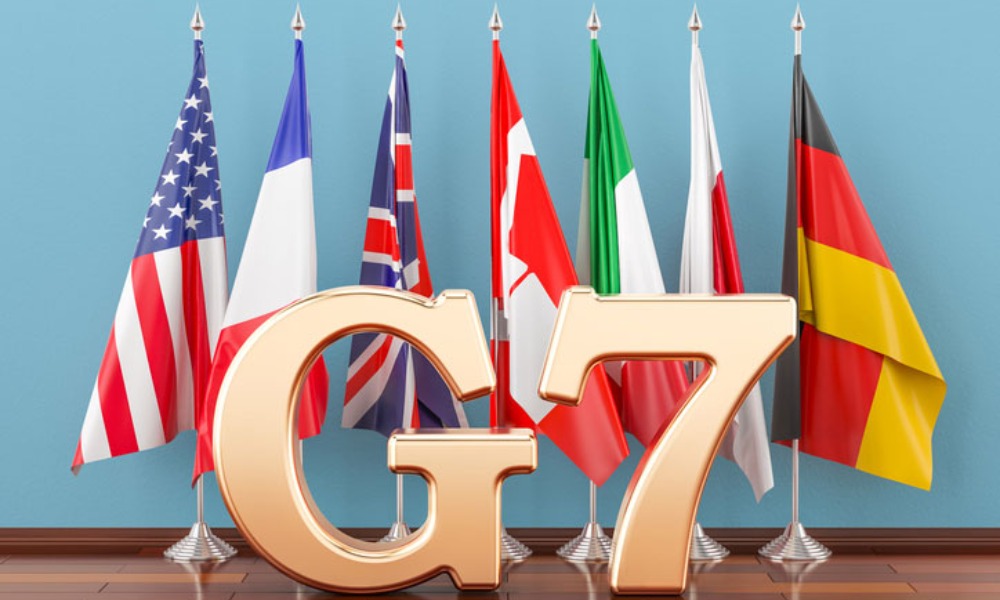
The Group of Seven (G7) said on Wednesday a sustainable, inclusive political settlement is the only way to achieve a just and durable peace in Afghanistan.
In a communique, issued after the G7 Foreign and Development Ministers Meeting on Wednesday in London, the group stated it supports the continuation of the peace negotiations in Doha and efforts to convene a high-level conference on Afghanistan in Istanbul.
“It is important that countries in the region continue to work together to support efforts for peace.”
The G7 called on all Afghan parties to renew their full engagement with the peace process and said it continues to advocate for the meaningful participation and inclusion of the voices of women, young people and those from minority groups in all discussions regarding Afghanistan’s future.
“We also endorse mechanisms that allow the negotiating parties to include the diverse perspectives of Afghan civil society,” .
The group said it will work to protect the rights that all Afghans, including women, young people and minority groups have fought for and come to enjoy and value.
“We support the desire of Afghans to live in peace and prosperity, building on the positive economic, social and political achievements of the last 20 years.
“G7 members commit to using international development assistance, advocacy and diplomacy to support the people of Afghanistan’s aspirations. Current and future support to the Afghan government relies on the adherence to the principles set out in the Afghanistan Partnership Framework and progress towards the outcomes in the Afghanistan National Peace and Development Framework II as decided upon at the November 2020 Geneva donors’ conference,” the communique read.
The G7 members called for an immediate end to attacks on civilians, including the targeted campaign of killings against women, journalists, and human rights activists, for which the Taliban are primarily responsible.
“We call for a significant reduction in violence as a pathway to a comprehensive ceasefire. We urge all parties to allow safe, unhindered humanitarian access to those in need.”




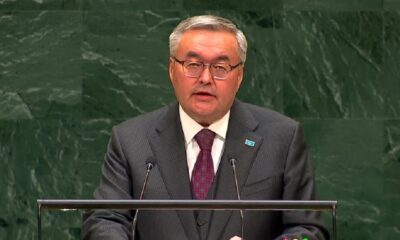




Kazakhstan’s Foreign Minister Mukhtar Tileuberdi has called for pragmatic and coordinated international engagement with Afghanistan, saying the country’s long-term stability is closely linked to the security and sustainable development of Central Asia.
Speaking during the general debate of the 81st session of the United Nations General Assembly in New York on Friday, Tileuberdi said humanitarian assistance to Afghanistan remains essential but alone cannot break the cycle of poverty, displacement and dependency.
He said Kazakhstan supports a “pragmatic, coordinated and step-by-step” approach to international engagement with Afghanistan, with the United Nations playing a central role.
Tileuberdi also said Kazakhstan is working with the UN to operationalize the United Nations Regional Centre for the Sustainable Development Goals for Central Asia and Afghanistan in Almaty.
He said the success of the centre should be measured by the results and assistance it delivers to the region.


Ariana Afghan Airlines increases Kabul-Delhi cargo flights

Khalilzad questions Pakistan’s commitment to Afghan welfare

India, UN envoy discuss Afghanistan’s humanitarian needs

Kazakhstan calls for coordinated international engagement with Afghanistan

Pakistan PM, UN chief discuss Afghanistan amid rising Kabul-Islamabad tensions

Saudi energy group signs major Afghanistan deals covering gas exploration and pipeline plans

Trump floats idea of renaming Atlantic or Pacific Ocean

US hits Egyptian bank branches with Iran sanctions as war marks six months

Nepal flood rescue mission enters critical phase as thousands remain missing

Iranian clubs to face Gulf opponents at neutral venues in Asian Champions League Elite

Exclusive interview with Abdul Latif Mansoor, Minister of MRRD

Tawsia: Overview of Afghanistan’s iron mines

Tahawol: Discussion on fresh Pakistani airstrikes on Afghanistan

Saar: Calls for international support for Afghanistan discussed

Tahawol: Opening of the 81st UN General Assembly Session
-

 Sport5 days ago
Afghanistan to face Japan and Nepal in Asian Games cricket group stage
-

 World4 days ago
CNN, MS NOW and Politico sue Trump, challenging White House ban
-
 Health5 days ago
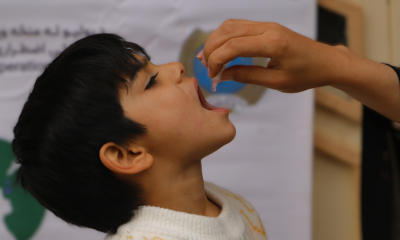
Four-day polio vaccination campaign begins across Afghanistan
-

 Latest News3 days ago
Ariana Afghan Airlines ranks seventh among 45 Central Asian airlines
-

 Latest News4 days ago
UN reiterates call for respect for international law after Kunar airstrikes
-
 Latest News5 days ago
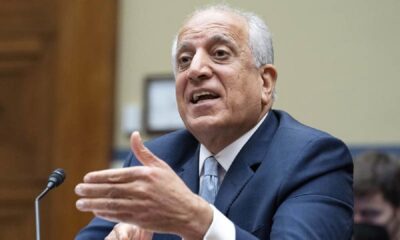
Khalilzad condemns Pakistan airstrikes, says current strategy is not working
-

 Regional3 days ago
US and Iran hold first talks since June after Trump’s ‘annihilation’ threat
-

 Latest News3 days ago
Silk Road highway in Wakhan corridor now reaches the China border