
Latest News
IEA rejects UN chief’s claim of extrajudicial killings of former officials

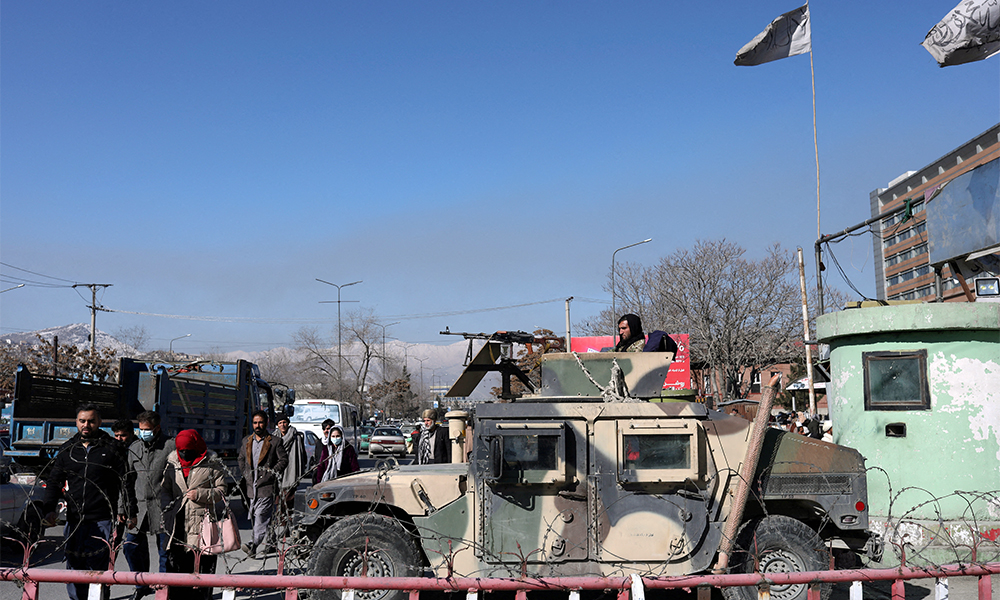
The Islamic Emirate of Afghanistan (IEA) on Monday rejected claims made by UN Secretary General Antonio Guterres that scores of former Afghan officials, security force members, and people who worked with the foreign military have been killed since the withdrawal of US and NATO troops.
IEA deputy spokesman Inamullah Samangani tweeted that the allegations were not true.
“The UN Secretary-General’s information that hundreds of members of the previous government were killed after the rule of the Islamic Emirate is not true,” he said.
According to Samangani, after the general amnesty was declared in August last year, following the collapse of the previous government, “no one is allowed to harm anyone, if anything happened as a result of personal revenge, we investigated it and punished the perpetrators”.
This comes after Reuters reported that a report by Guterres to the UN Security Council states that the IEA and its allies are believed to have killed scores of former Afghan officials, security force members and people who worked with the international military contingent since the U.S.-led pullout.
Guterres’ report painted a picture of worsening living conditions for Afghanistan’s 39 million people despite an end of combat.
“An entire complex social and economic system is shutting down,” Guterres said.
The UN mission “continues to receive credible allegations of killings, enforced disappearances and other violations” against former officials, security force members and people who worked for the US-led international military contingent despite a general amnesty announced by the IEA, the report said.
The mission states that more than 100 of those individuals have been killed – more than two-thirds of them allegedly by the IEA or their affiliates – since August 15.
Guterres stated there are also allegations of the extra-judicial killings of at least 50 people suspected of belonging to Daesh (ISIS-K).



Latest News
Pakistan open to state-to-state dialogue with Afghanistan on terrorism
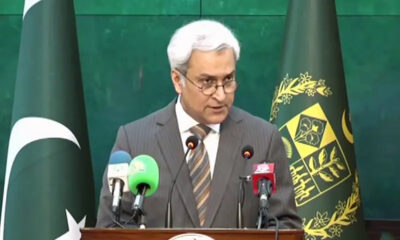
Foreign Office spokesperson Tahir Andrabi said any such mechanism must be supported by “tangible actions rather than mere assurances.”
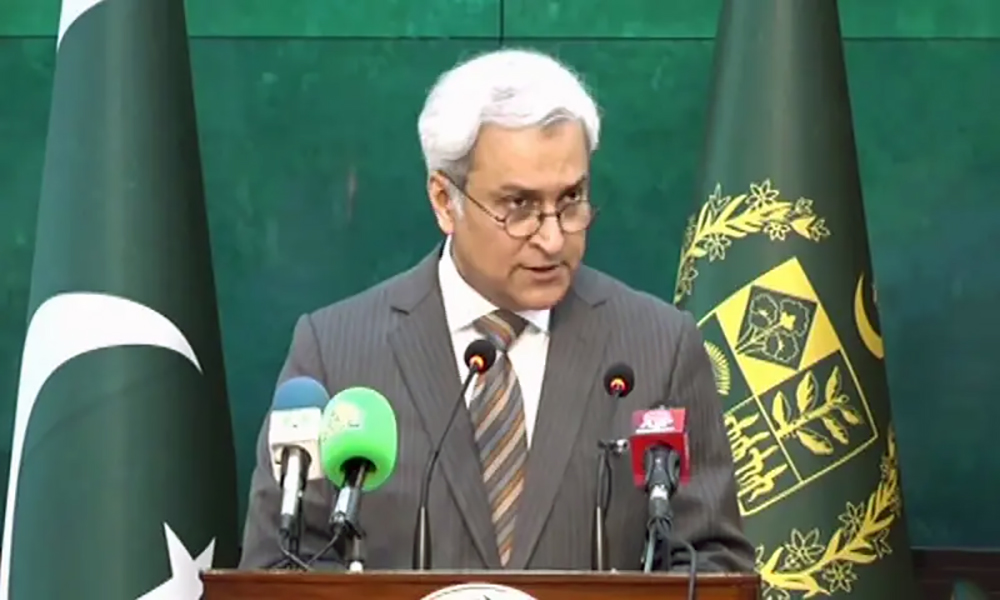
Pakistan says it remains open to state-to-state dialogue with Afghanistan on addressing terrorism, following a call by Afghan Interior Minister Sirajuddin Haqqani for a dialogue mechanism.
Foreign Office spokesperson Tahir Andrabi said any such mechanism must be supported by “tangible actions rather than mere assurances.”
He added that the Afghan authorities must ensure that Afghan soil is not used to carry out terrorist activities against Pakistan.
Pakistan’s remarks come amid renewed calls for dialogue and cooperation between the two neighboring countries on security and counterterrorism issues.
Afghanistan repeatedly said that Afghan soil will not be used against any country and no group will allowed to used Afghanistan’s soil against any countered especially neighbor countries.
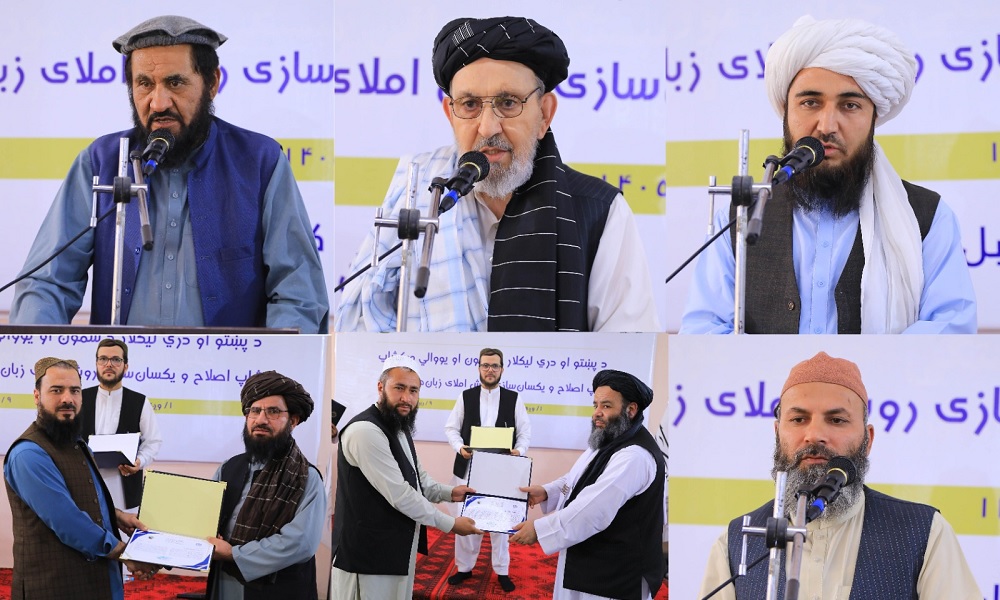
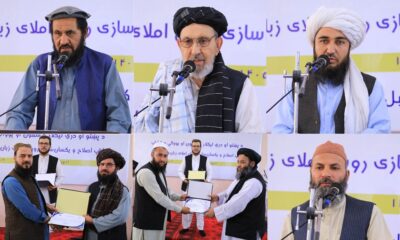
Mujahir Farahi, Deputy Minister of Publications at Afghanistan’s Ministry of Information and Culture, says establishing a clear and consistent writing system for Pashto and Dari is essential.
He made the remarks at the closing ceremony of a scientific and cultural workshop on the “Revision and Standardization of Pashto and Dari Orthography” held at the National Museum in Kabul.
The workshop was organized by the Supreme Council of Languages under the ministry’s Deputy Ministry of Arts and Culture. University professors, researchers, linguists, writers and representatives from the Ministries of Education and Higher Education and the Academy of Sciences attended the event.
Farahi said languages have different dialects and writing practices, and developing a consistent orthographic system could help reduce differences in written language.
He added that such academic gatherings provide an opportunity for professors, researchers and linguists to exchange views and contribute to the development of the languages.
Sheikh Abdul Rahman Tayebi, Deputy Minister of Arts and Culture, also stressed the importance of preserving and strengthening Afghanistan’s languages, culture and literature.
Meanwhile, professors and members of the Supreme Council of Languages said the proposed standardization of Pashto and Dari orthography was developed and finalized with the participation of academics, researchers and linguists.
They said implementing the proposal could reduce spelling differences, improve consistency in writing and promote more standardized use of Pashto and Dari in education, academia, culture and the media.
Latest News
Trump says overnight US withdrawal from Bagram left Afghanistan vulnerable to collapse
He also said he was proud that the ISIS member responsible for the Abbey Gate attack had been apprehended and brought to face justice in the United States.
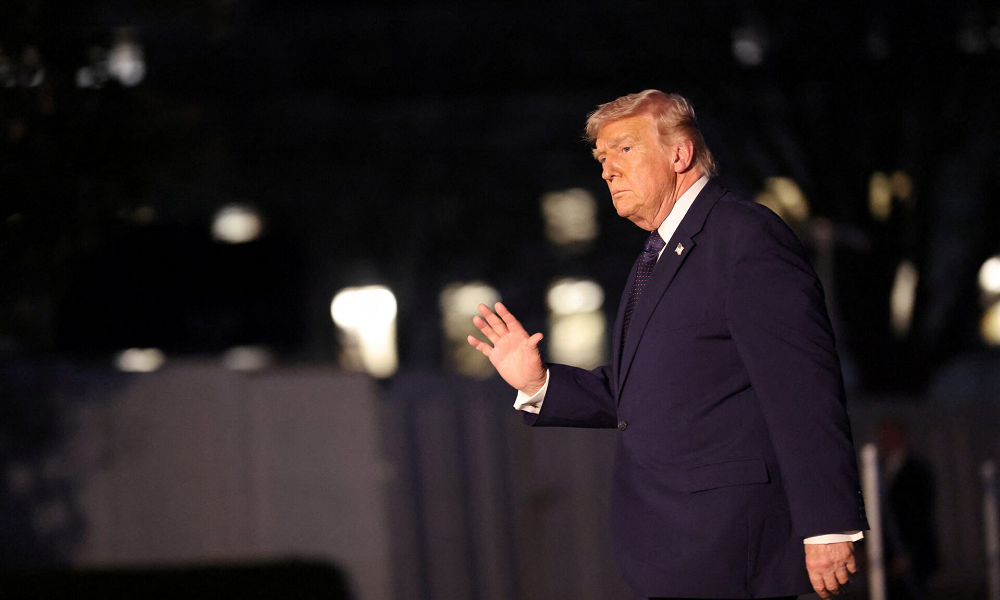
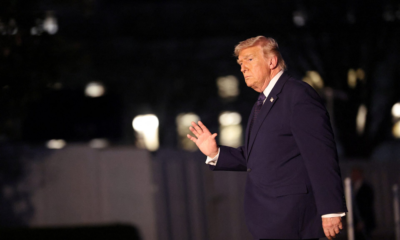
Five years after the deadly Abbey Gate attack in Kabul, US President Donald Trump has criticized the US military withdrawal from Afghanistan in a proclamation marking the fifth anniversary of the bombing.
Trump declared August 26, 2026, a day of commemoration for the 13 US service members killed in the attack.
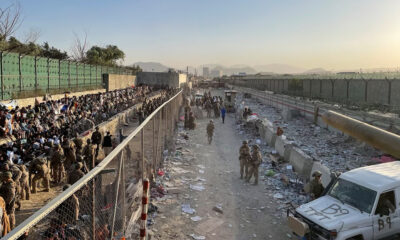
According to the proclamation, at 5:36 p.m. on August 26, 2021, an ISIS member detonated a body-worn bomb after moving into a crowd at Abbey Gate. The blast killed 13 US service members, wounded 45 others and injured more than 160 civilians.
Trump paid tribute to the fallen troops, listing their names and honoring their sacrifice and service.
He said US forces had spent 20 years fighting across Afghanistan to defeat terrorism and remove the Taliban from power. Trump accused former President Joe Biden of squandering those gains through what he described as a rushed and poorly executed withdrawal, calling it one of the worst military disasters in US history.
The proclamation said US forces withdrew from Bagram Airfield in the middle of the night on July 2, 2021, without notifying the Afghan National Defense and Security Forces. Trump said the decision resulted in the loss of the largest US military base in Afghanistan, billions of dollars in military equipment and strategic advantages for remaining US forces.
Trump said the Taliban seized Bagram within weeks and released thousands of prisoners, including people he described as terrorists and criminals. He added that Kabul subsequently fell, forcing US troops to carry out a difficult evacuation from Hamid Karzai International Airport amid the collapse of the Afghan government.
“As Commander in Chief, I will always put America First and defend our sovereignty,” Trump said.
He also said he was proud that the ISIS member responsible for the Abbey Gate attack had been apprehended and brought to face justice in the United States.
Trump pledged continued support for US service members and military families and said the failures that contributed to the Abbey Gate attack must not be repeated.
He concluded by renewing what he called America’s “sacred promise” to the 13 fallen service members and their families: to remember their names, honor their memory and never forget the price they paid for their country.


Saar: Ongoing expulsion of Afghans from Iran and Pakistan discussed

Afghanistan, Russia discuss special economic zone and expanded trade cooperation

Pakistan open to state-to-state dialogue with Afghanistan on terrorism

Standardized orthography for Dari and Pashto languages is essential: official

ATN secures exclusive rights to broadcast T20I series in India across Afghanistan

Pakistan’s governance system has ‘collapsed’: Mohsin Naqvi

Afghanistan exports first stone shipment to US in $100,000 trade milestone

AFC confirms clubs for 2026/27 competitions; draw set for August 18

Only two days to go before Afghanistan and Ireland begin ODI series

Four mediators struggle to secure lasting Pakistan-Afghanistan ceasefire
Saar: Ongoing expulsion of Afghans from Iran and Pakistan discussed

Tahawol: Calls for US engagement with the Islamic Emirate discussed

Saar: Call for dialogue to resolve issues with Afghanistan discussed

Tahawol: Aisha Wahab’s emphasis on US ties with IEA

Saar: Guterres’s concern regarding global conflicts discussed
-
 Latest News4 days ago
Four mediators struggle to secure lasting Pakistan-Afghanistan ceasefire
-
 Business3 days ago
Afghanistan’s trade diversification challenges Pakistan
-
 Latest News4 days ago
AfghanEvac warns US court ruling does not reopen door for Afghans
-
 Latest News3 days ago
SCO summit to be held without confirmed Afghan invitation
-
 Sport3 days ago
Afghanistan squad announced for three-match T20I series against India
-
 Business5 days ago
Afghan, UAE buyers purchase $1.44 million worth of Turkmenistan diesel
-

 Latest News3 days ago
Former US ambassador says Washington could eventually reopen embassy in Kabul
-
 Regional4 days ago
Iran says new sanctions threatened by ‘desperate’ US will fail