
Latest News
IEA welcomes Bhutto-Zardari’s remarks at security summit

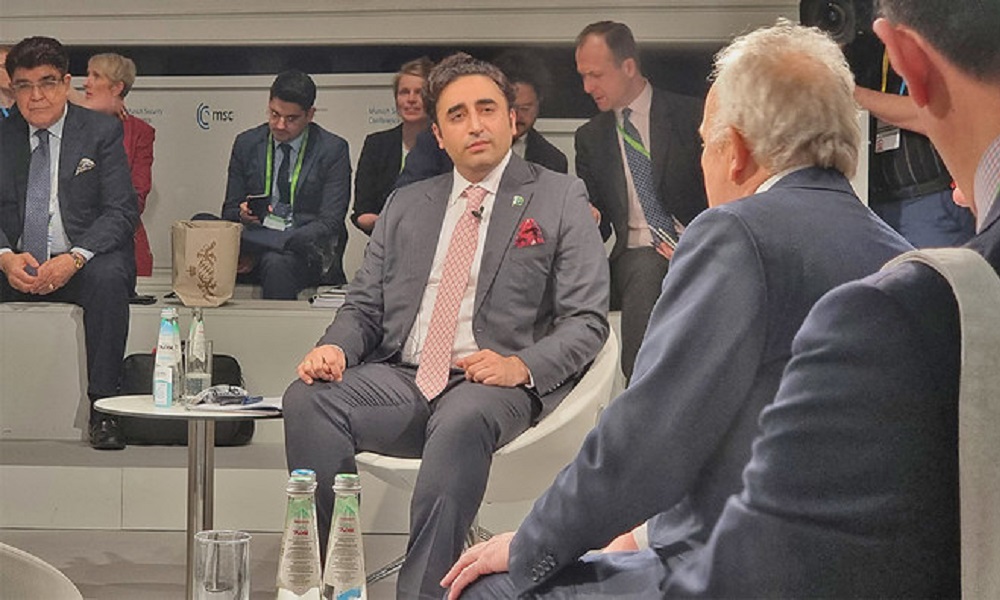
The Islamic Emirate welcomes remarks by the Pakistani Foreign Minister Bilawal Bhutto-Zardari at Munich Security Conference deeming a peaceful Afghanistan vital for regional stability, the Ministry of Foreign Affairs spokesman Abdul Qahar Balkhi tweeted Sunday.
The IEA also welcomed his remarks calling on the international community to help Afghanistan in capacity building, unfreezing Afghanistan’s assets, lifting banking restrictions and continuing humanitarian assistance to Afghans, Balkhi stated.
However, he said certain remarks were untrue. These included his remarks asserting that terrorist groups operate from Afghanistan and if not paid serious attention to by the international community, would not only be an imminent threat to Afghanistan’s neighboring countries like Pakistan but also to the West because the Afghan government lacks standing security forces.
He said the IEA has proven in practice to regional and world countries that, with professional and experienced security forces, it has not allowed anyone to use the territory of Afghanistan against others.
“It should be noted that Afghanistan’s security is now much better than many countries around the world,” he added.
“We would like to draw the attention of regional & world countries to the fact that the Islamic Emirate has taken concrete steps toward strengthening the security of Afghanistan and the region both during the occupation & after coming to power, leading to improvement in the security of not only Afghanistan but the entire region as well as thwarting past threats against regional security,” he said.
According to Balkhi, Pakistan’s recent insecurity is not new but something that has existed for the past two decades and that IEA remains determined not to allow anyone to use Afghanistan’s soil against other countries, particularly against its neighbors.
“Moreover, we advise Pakistan to discuss bilateral issues face-to-face with the Afghan government instead of complaining at international conferences,” Balkhi added.


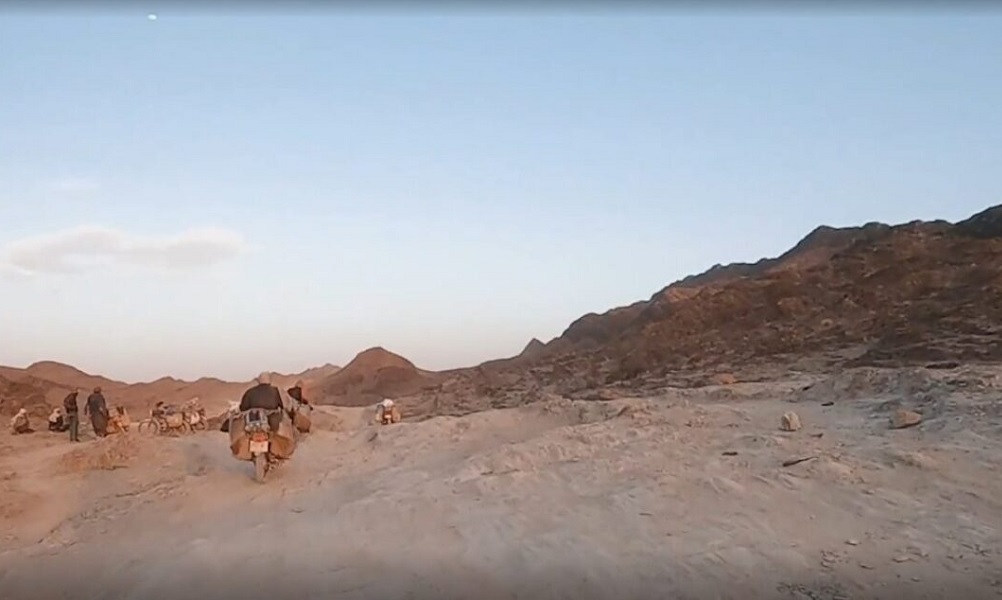
Three Afghan migrants, including a woman and a child, have been killed in a shooting by Iranian forces in Iran’s southeastern Sistan and Baluchestan province, according to the human rights organization Haalvsh.
The incident took place on Friday, November 20, in the Kalleh-Gan area of Saravan. Haalvsh said all three victims were shot in the head.
Citing local sources and eyewitnesses, the organization reported that the bodies were covered with a pile of stones after the shooting. Other Afghan migrants passing through the area later discovered the bodies.
The identities of the victims have not yet been established.
Latest News
OIC contact group discusses roadmap for phased engagement with Afghanistan’s authorities
Participants further discussed the importance of maintaining direct and constructive dialogue with Afghanistan’s authorities on issues of shared interest.
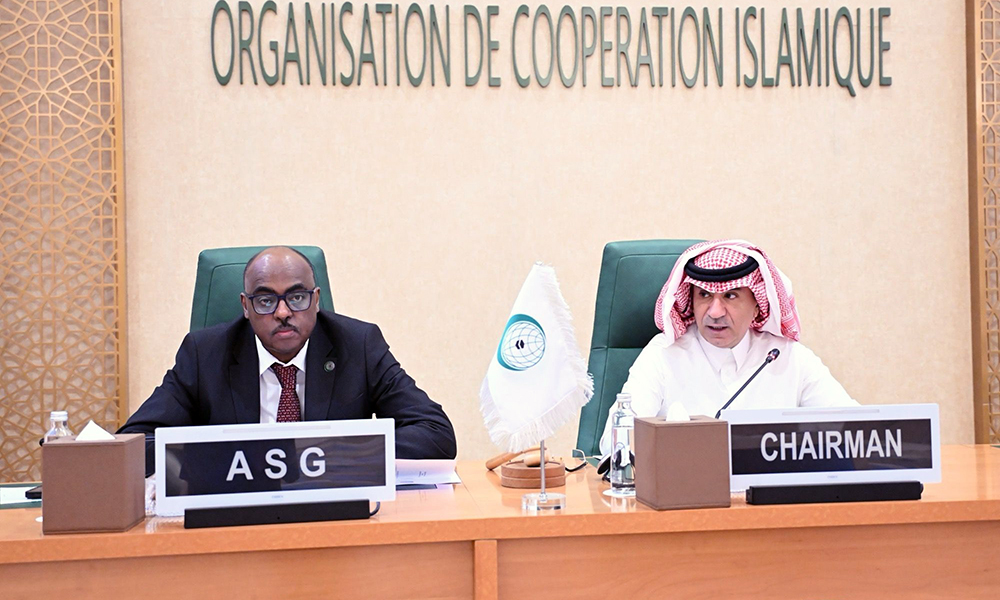
The Ministerial Contact Group of the Organization of Islamic Cooperation (OIC) on Afghanistan has held a preparatory technical meeting in Jeddah to discuss a roadmap outlining a structured and phased approach to engagement with Afghanistan’s authorities.
During the meeting, participants reviewed key issues concerning the OIC’s position on Afghanistan’s evolving political and humanitarian situation and explored ways to establish a systematic framework for communication and engagement with the country’s current authorities.
According to the OIC, the proposed roadmap is intended to guide the Contact Group’s engagement in a manner that serves the interests of the Afghan people while contributing to stability and development in the country.
The meeting also focused on identifying priority areas for the Group’s work, particularly the implementation of relevant resolutions adopted by the OIC Council of Foreign Ministers.
Participants further discussed the importance of maintaining direct and constructive dialogue with Afghanistan’s authorities on issues of shared interest.
The meeting forms part of the OIC’s efforts to establish a coordinated approach to its engagement with Afghanistan amid ongoing political and humanitarian challenges.
Latest News
Islamic Emirate disputes UN report on Afghanistan opium cultivation
The Islamic Emirate has repeatedly maintained that its ban on narcotics remains in force and that counter-narcotics operations are continuing across the country.
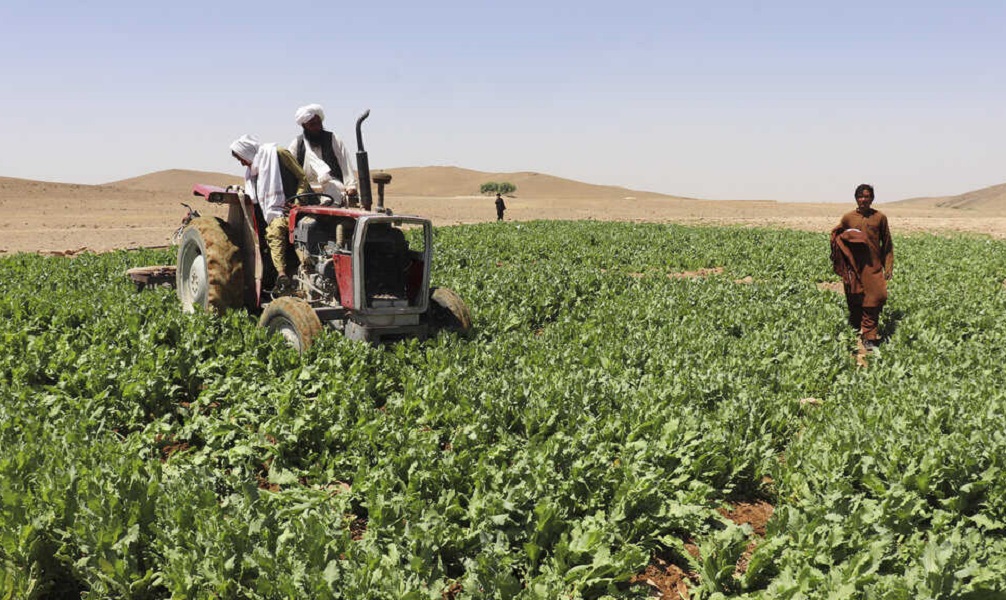
The Islamic Emirate of Afghanistan has disputed a new United Nations report estimating a sharp increase in opium poppy cultivation in 2026, saying the findings do not accurately reflect the results of its nationwide counter-narcotics operations.
The Afghanistan Opium Survey 2026, published by the United Nations Office on Drugs and Crime (UNODC), estimates that poppy cultivation has increased to more than 43,000 hectares, compared with approximately 10,000 hectares in 2025.
The report also estimates that opium production has risen to nearly 1,500 tonnes, up from around 300 tonnes last year. It identifies northeastern Afghanistan, particularly Badakhshan and Takhar, as major cultivation centres.
However, the Ministry of Interior has challenged the figures, arguing that the survey does not adequately account for eradication operations carried out by Afghan authorities.
The ministry said its counter-narcotics campaign had resulted in the destruction of poppy cultivation across approximately 23,000 hectares of land during 2026, maintaining that its own assessments show cultivation has been reduced to almost zero.
The UNODC report attributes the reported increase partly to economic pressures on farming communities and limited alternative livelihood opportunities. It also notes that cultivation remains significantly below pre-ban levels, when more than 200,000 hectares were planted with opium poppy.
The Islamic Emirate has repeatedly maintained that its ban on narcotics remains in force and that counter-narcotics operations are continuing across the country.
The differing assessments highlight a gap between the UN’s estimates and the figures presented by Afghan authorities, as Afghanistan continues its efforts to eliminate narcotics cultivation while addressing the economic challenges facing rural communities.

Three Afghan migrants, including woman and child, killed in Iran border shooting
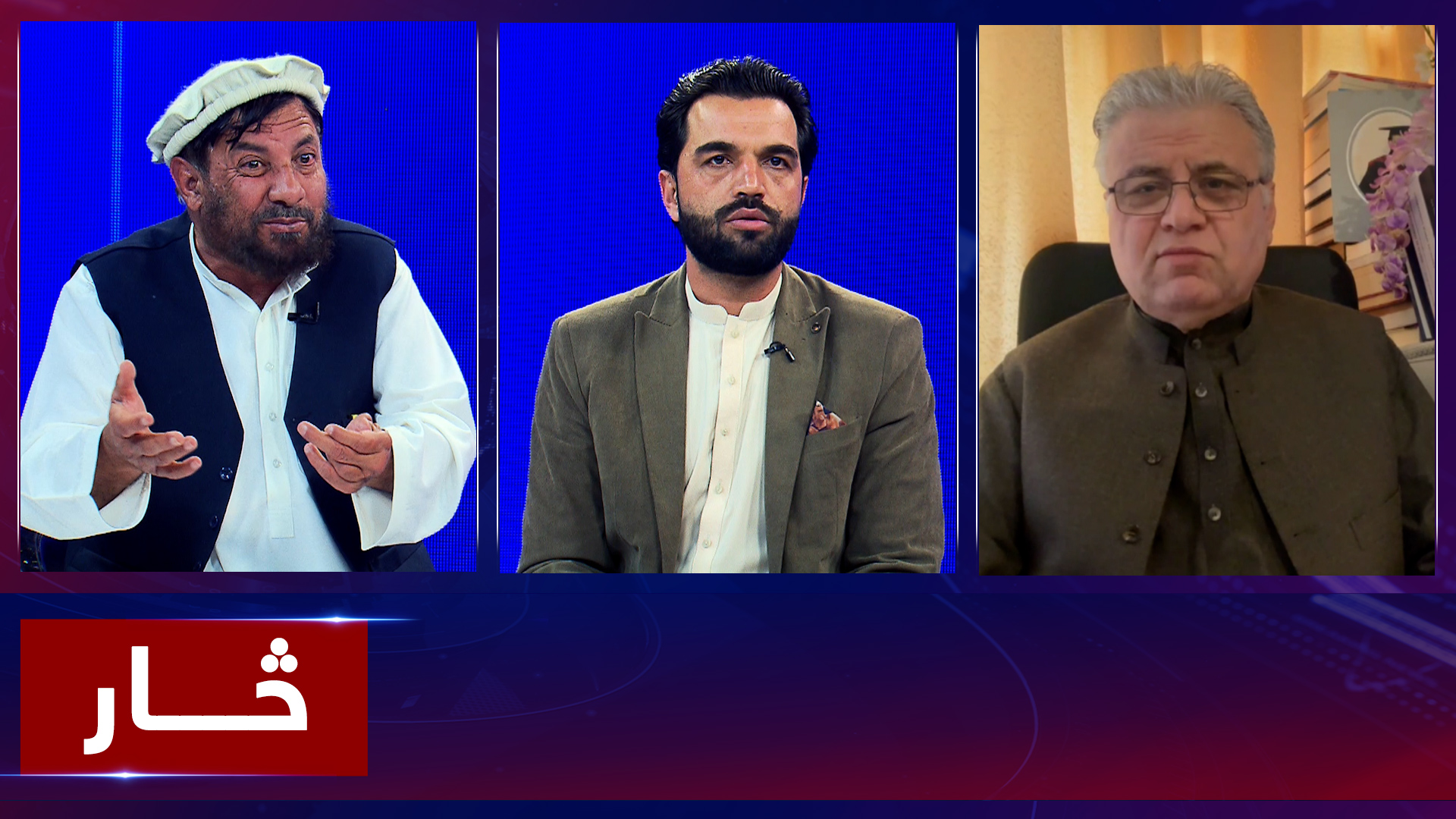
Saar: Pakistan FM’s remarks on Afghanistan
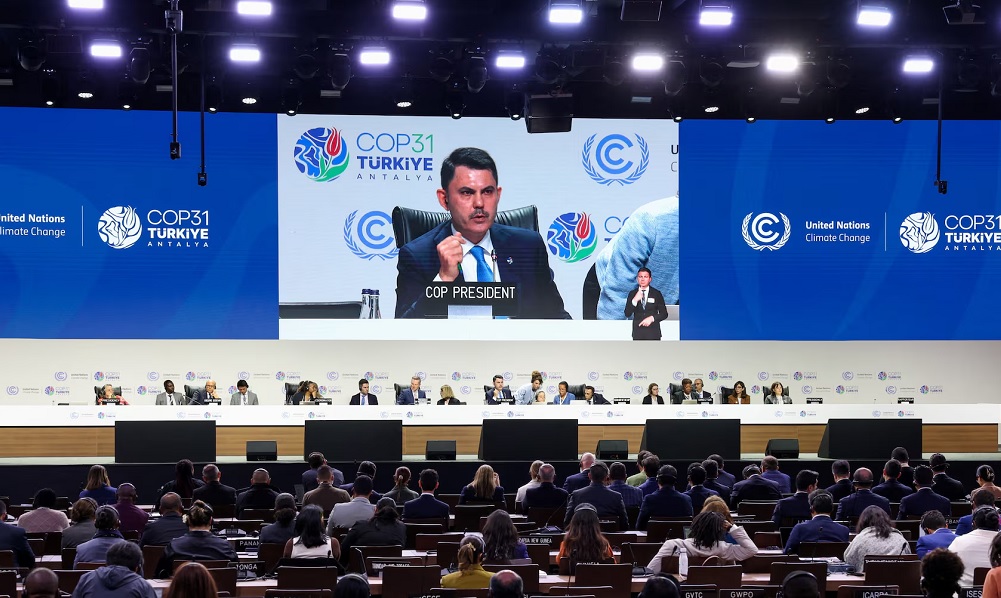
COP31 climate talks collapse as EU and others reject deal
OIC contact group discusses roadmap for phased engagement with Afghanistan’s authorities
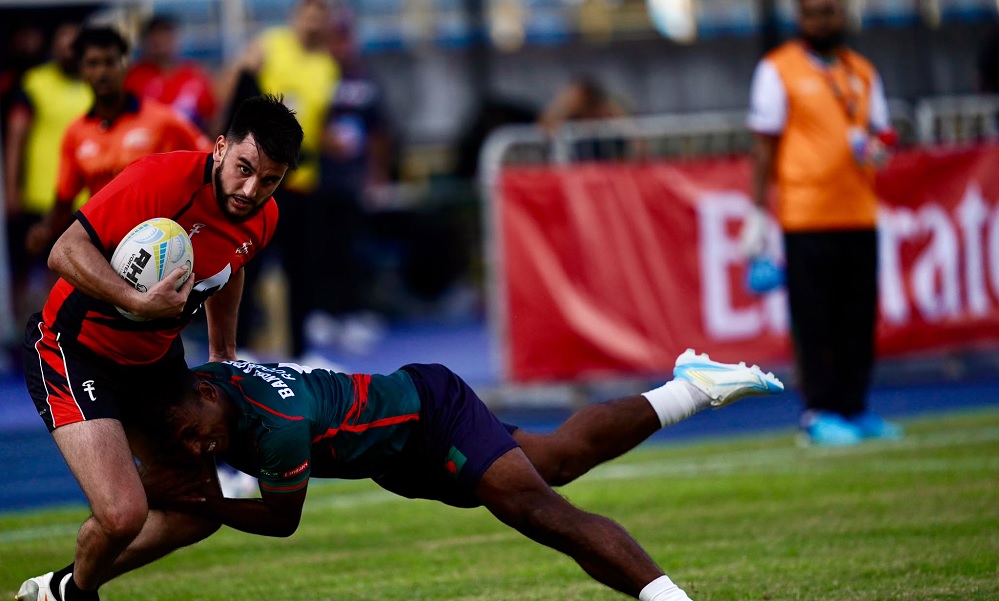
Afghanistan wins bronze at Asia Rugby Sevens Trophy 2026
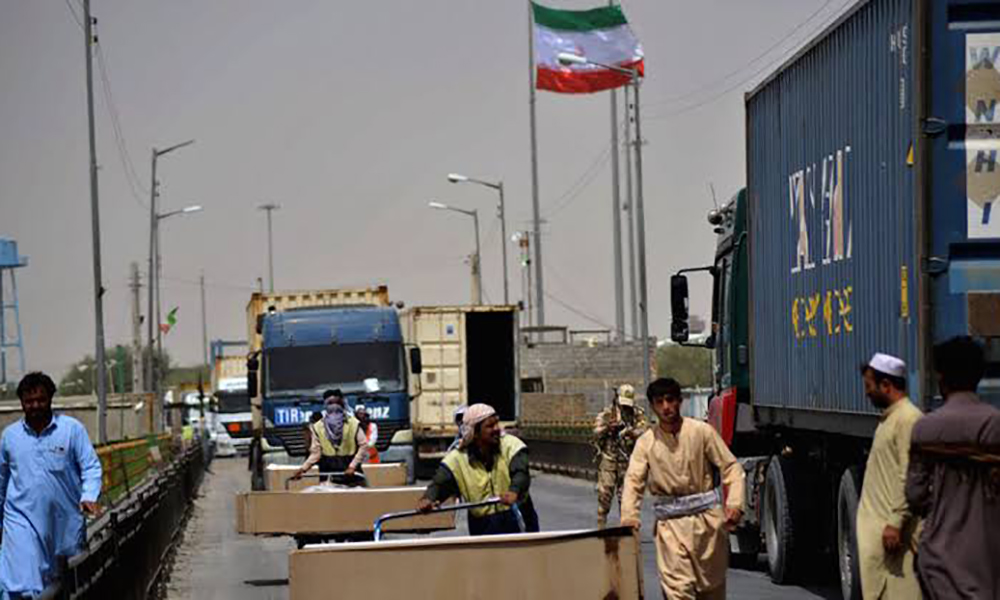
US sanctions and blockade measures disrupt Iran’s trade with Afghanistan and regional neighbors
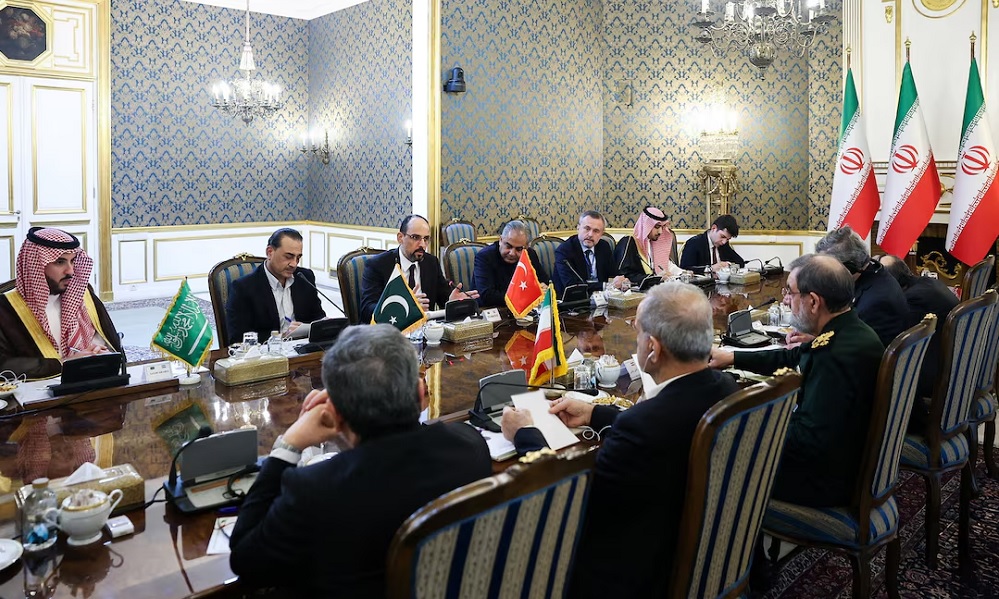
Saudi defence pact countries push for peace in Tehran as Houthis launch more attacks

England forward Kane crowned Ballon d’Or winner
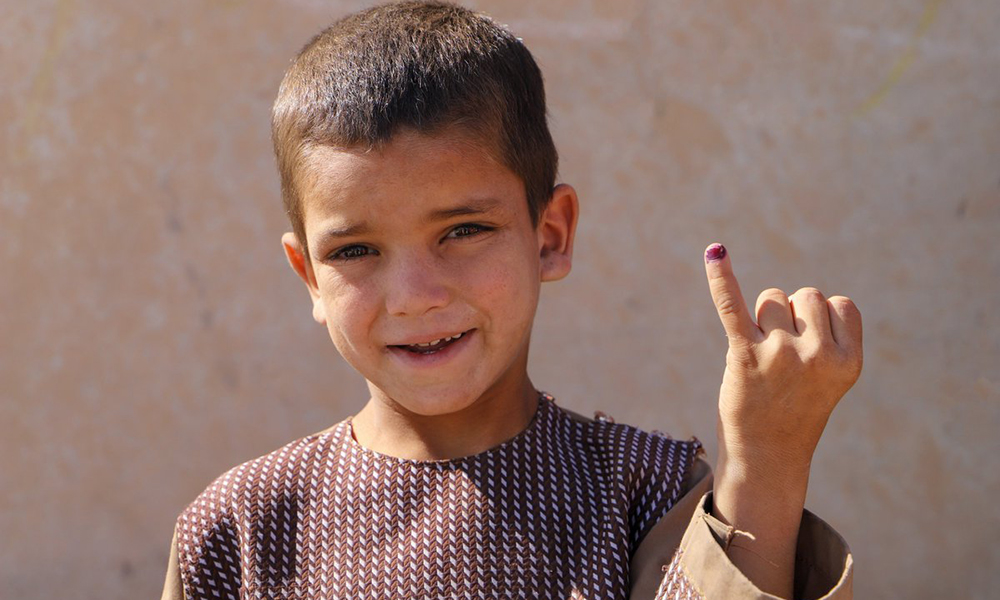
Afghanistan to launch nationwide polio vaccination campaign

Afghanistan urges polio vaccination as cases reach 42
Saar: Pakistan FM’s remarks on Afghanistan
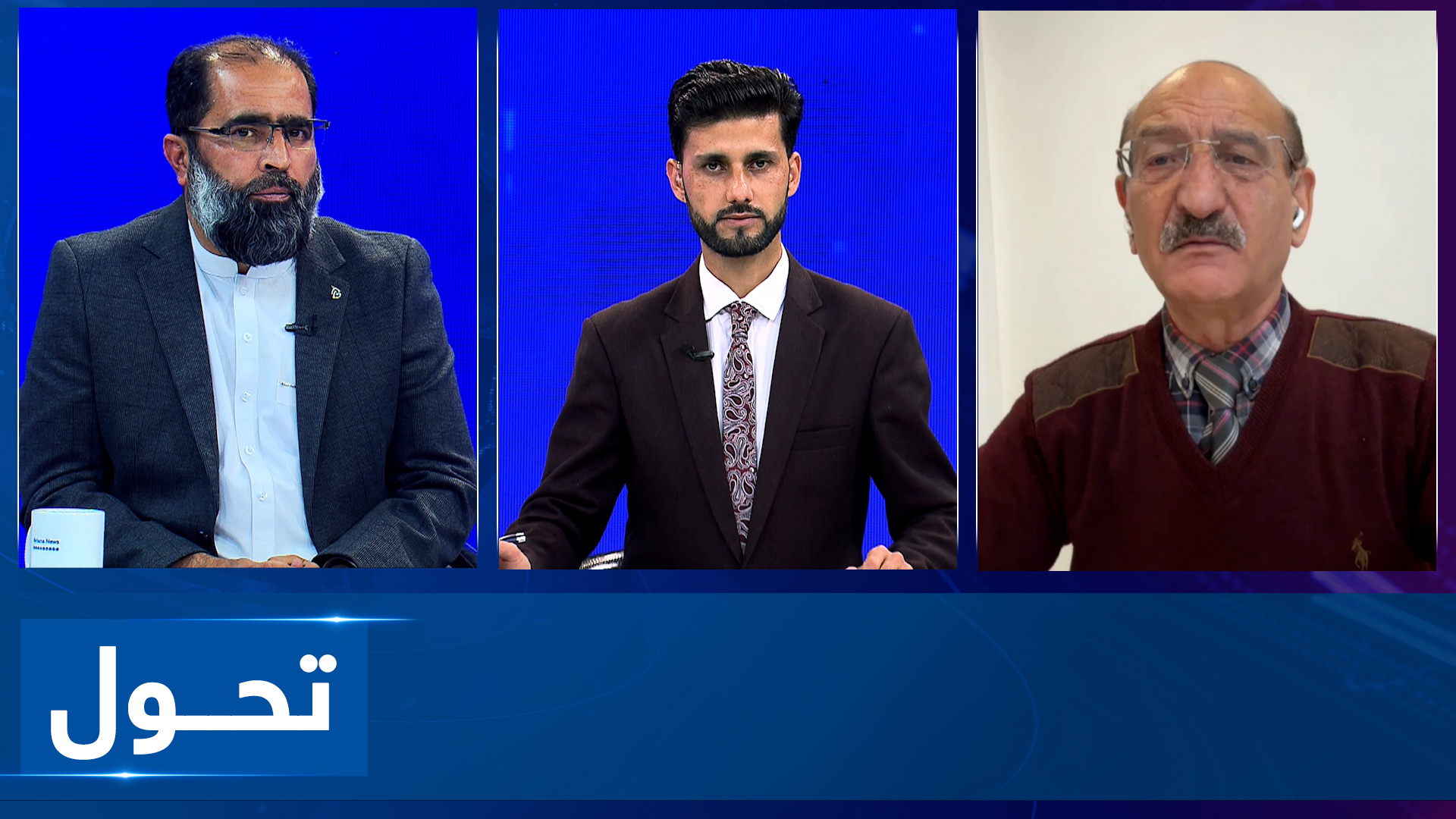
Tahawol: World Television Day discussed
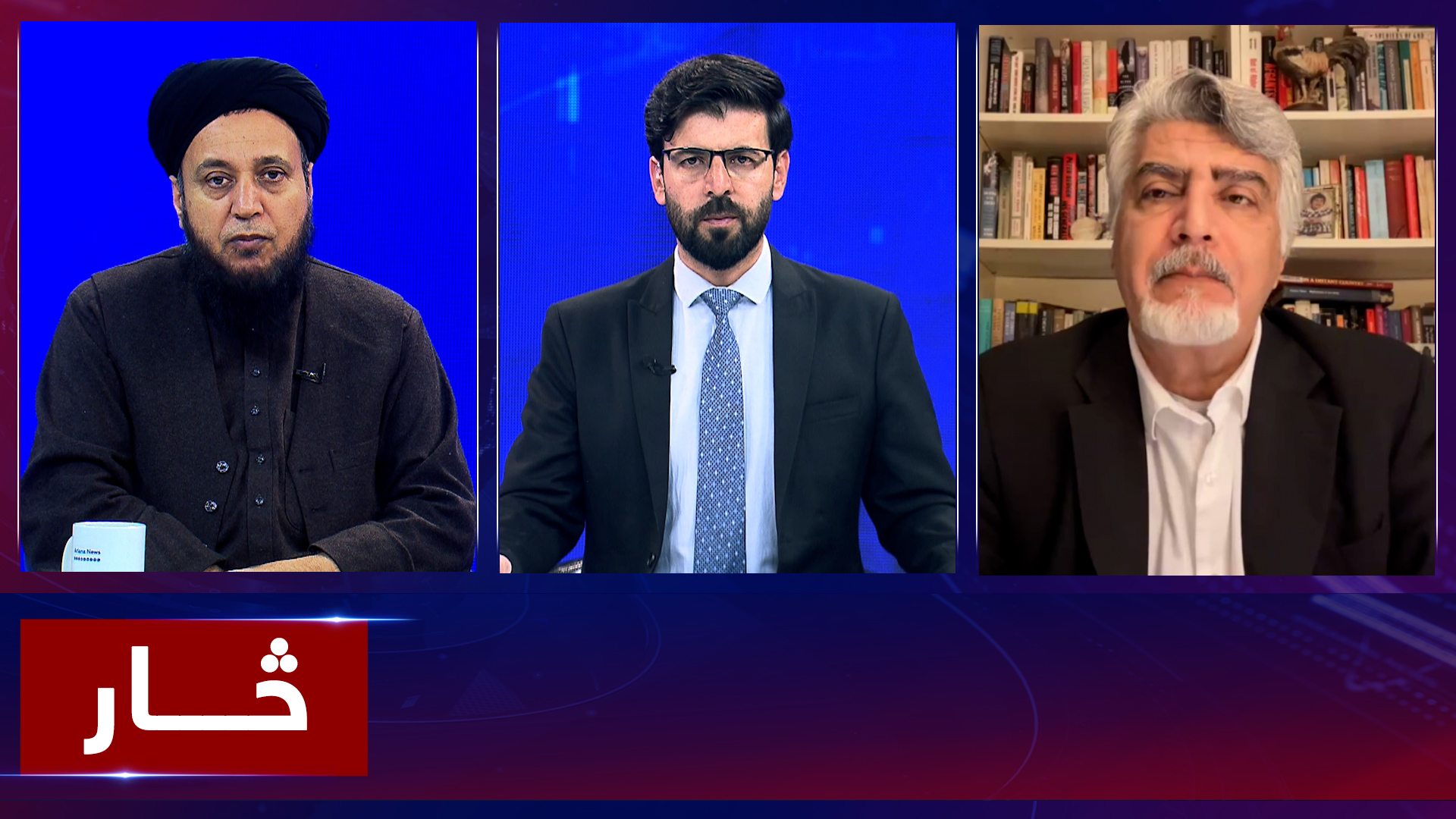
Saar: Efforts to resolve Afghanistan-Pakistan tensions in Moscow reviewed
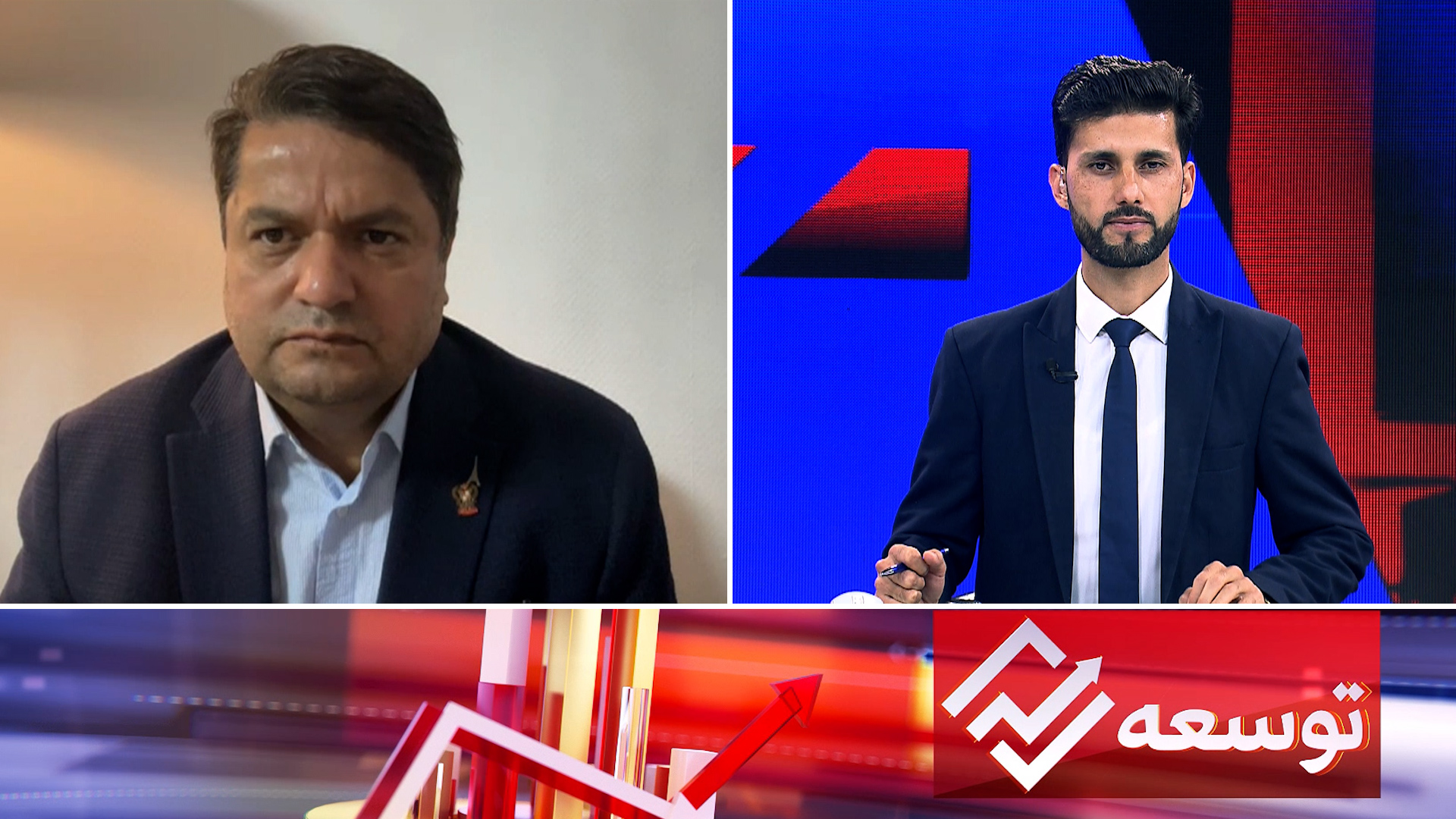
Tawsia: Afghanistan’s key economic highlights of the week discussed
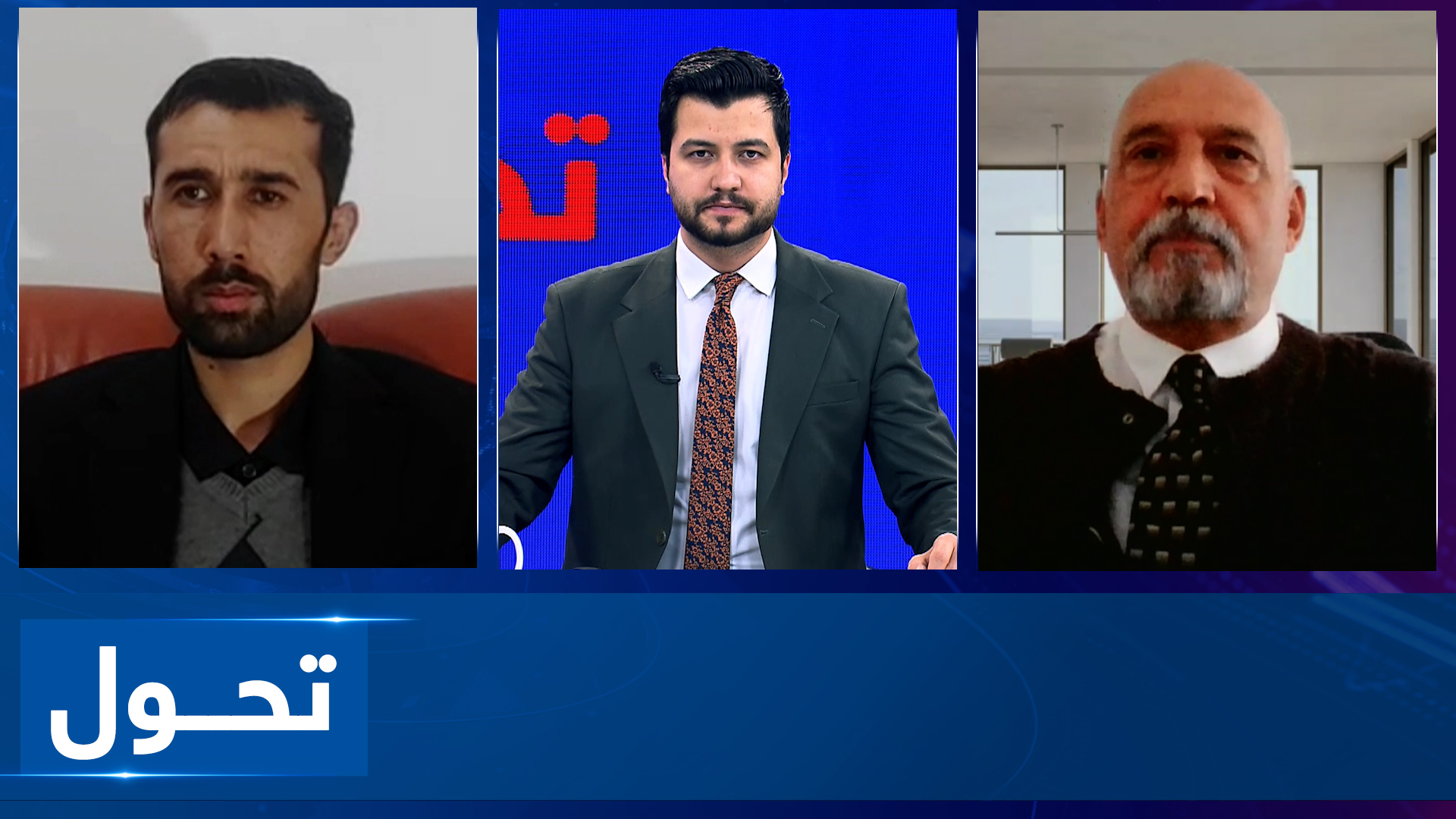
Tahawol: Kazakhstan’s call for practical international engagement with Afghanistan
-
 Sport4 days ago
ATN to broadcast AFC Awards honoring Asia’s football stars
-
 Regional4 days ago
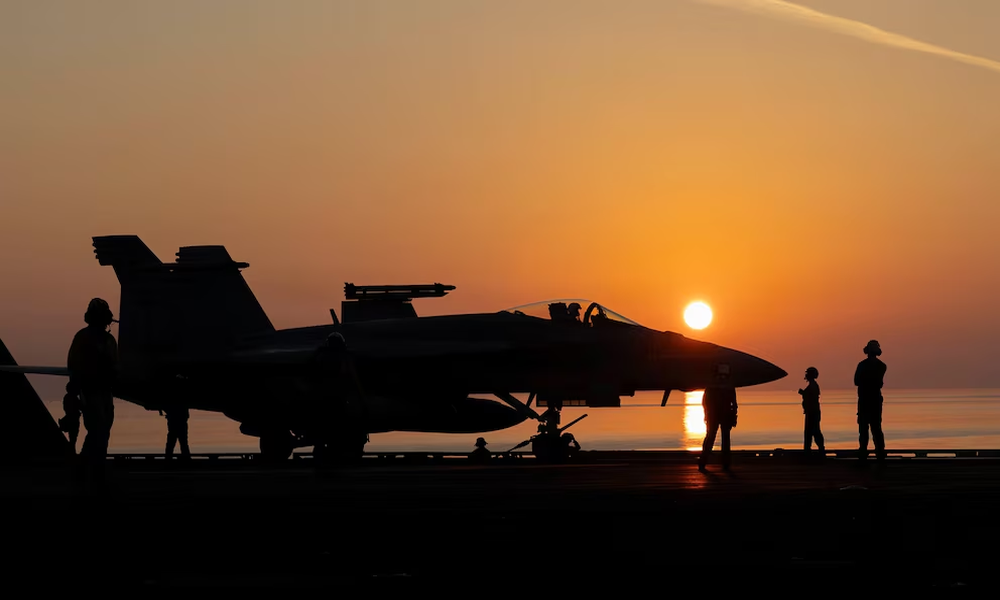
US strikes Iranian military site as Gulf states report fresh attacks
-
 Latest News4 days ago
Afghanistan’s economy grows despite rising food insecurity and water crisis: World Bank
-
 Latest News4 days ago
Two Afghan nationals convicted over sexual assault of 14-year-old girl on UK train
-
 Business4 days ago
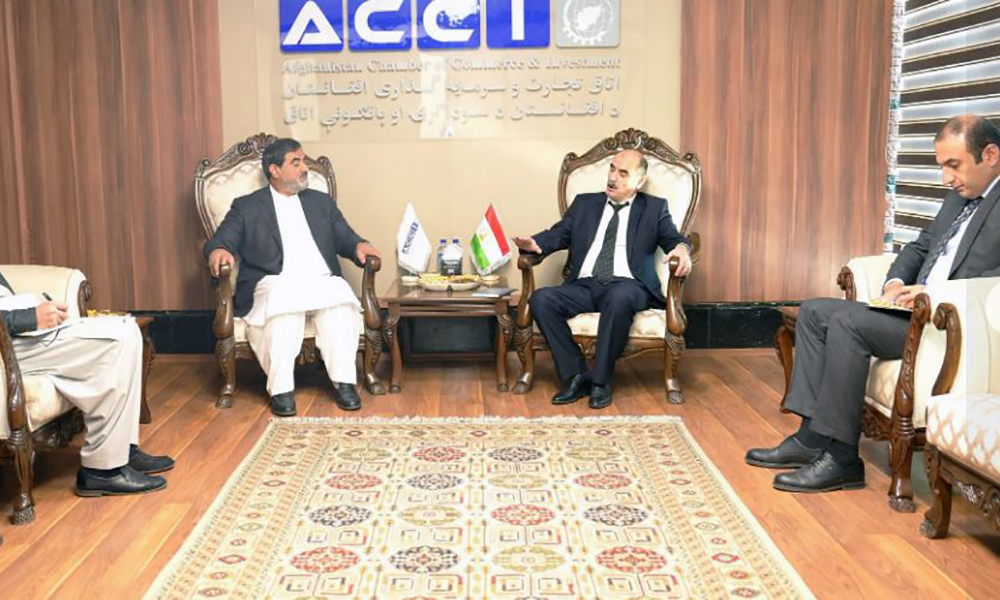
Tajikistan seeks to establish joint market along border with Afghanistan
-
 Sport3 days ago
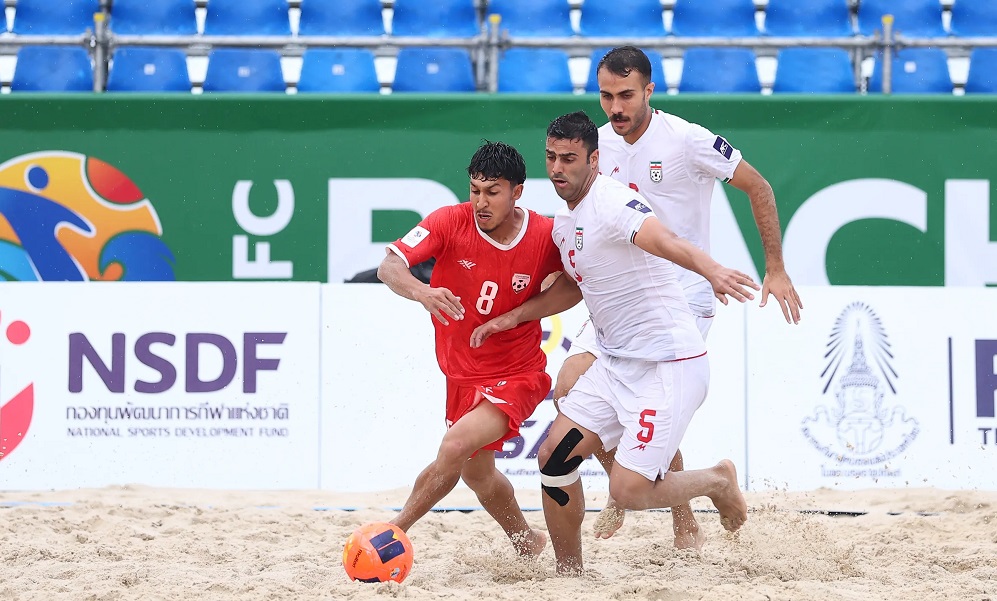
Afghanistan suffer 9-2 defeat to Iran in Beach Soccer Asian Cup opener
-

 Latest News5 days ago
Pakistan invites Turkmenistan to join CASA-1,000 power project
-
 Latest News3 days ago
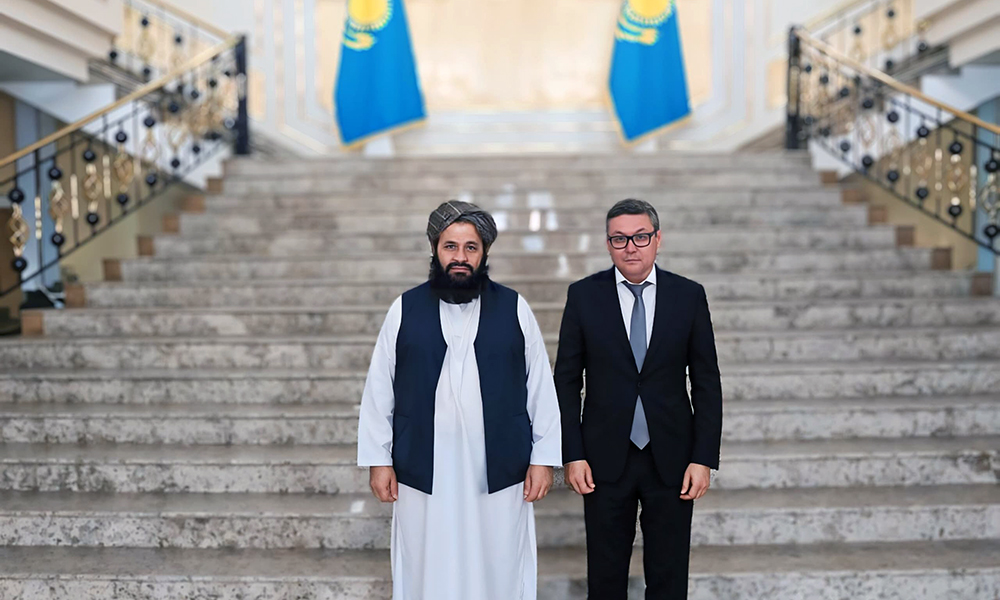
Kazakhstan steps up efforts to support Afghanistan’s stability and economic recovery