
Latest News
MoFA welcomes Troika statement after Moscow summit

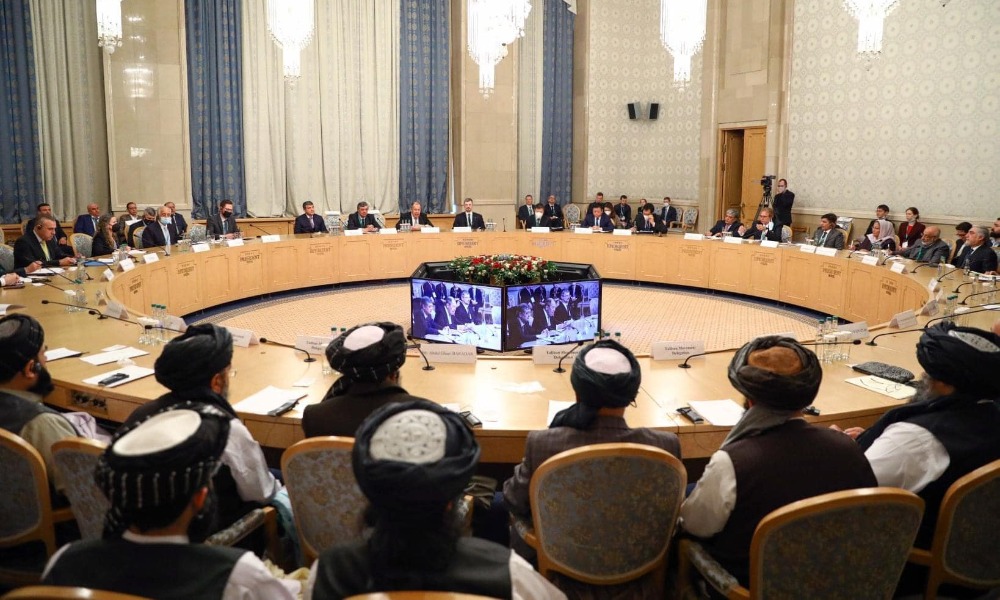
The Afghan Foreign Ministry has welcomed the joint statement of Russia, China, the US, and Pakistan, also known as the Troika, issued following a day of discussions in Moscow.
The Ministry called the statement a step forward towards beginning serious negotiations for achieving peace based on the demands of the people of Afghanistan.
“Welcome joint statement of Troika+ talks in Moscow and share the call for ending hostilities and moving towards a peaceful settlement that preserves our sovereignty, unity, democracy, and equal rights of all Afghans, “ Foreign Minister Mohammad Haneef Atmar said.
The Ministry also welcomed the statement’s emphasis on the UN Security Council Resolution 2513 and “consider its implementation important for holding the Taliban responsible and accountable for fulfilling their obligations, including ending violence and targeted killings and severing ties with terrorist organizations. As noted by the statement, Afghanistan’s territory must not be used by individuals or terrorist groups to threaten the security of other countries.”
The Afghan Government has always emphasized a peaceful settlement that can lead to a just and lasting peace, and on a free, independent, united, peaceful, democratic, and self-sufficient Afghanistan that is at peace with itself and its neighbors. We are delighted that this aspiration of the Afghan Government and people has also been reflected in the Moscow statement.
“We also support the statement’s emphasis on a political solution that protects our citizen rights and affirm that the preservation of political, economic, and cultural achievements, including the human rights of citizens and democratic institutions, is the most important prerequisite for achieving a just and lasting peace in the country,” the statement read.
“The Afghan Government welcomes the statement’s candidness stating that: “we do not support the restoration of the Islamic Emirate …” and stresses upon the principle that the “Islamic Republic” is the only inclusive and acceptable structure for ensuring political participation, pluralism, citizen equality and preserving law and order in a diverse and pluralistic society like Afghanistan.”
“While supporting the Moscow meeting’s final statement, we reaffirm that the Government of the IRoA is committed to engaging in substantive and serious negotiations on key issues, including establishing a ceasefire and achieving a comprehensive political settlement that ends the war and brings about sustainable peace in the country.”
“We support and commend the efforts of all countries in the region and the world to ensure peace in Afghanistan and acknowledge the significance of the United Nations’ role in strengthening the peace process. We also wish to thank Qatar, Russia, and Turkey for hosting the talks,” the statement concluded.
Russia hosted a landmark peace summit in Moscow on Thursday which brought together representatives of the Afghan Republic and the Taliban, along with other key stakeholders, aimed at accelerating the peace process in Afghanistan.
The Troika in a joint statement on Thursday stated that they do not support the restoration of an Islamic Emirate.
“We call on all parties to the conflict in Afghanistan to reduce the level of violence in the country and on the Taliban not to pursue a Spring offensive, so as to avoid further casualties and to create an environment conducive to reaching a negotiated political settlement,” the statement said.
Citing the UN Security Council resolution 2513 (2020), the Troika said they do not support the restoration of the Islamic Emirate and called on the Afghan government and the High Council for National Reconciliation to engage openly with their Taliban counterparts regarding a negotiated settlement.
“We urge participants in the intra-Afghan negotiations to engage immediately in discussions on fundamental issues to resolve the conflict, including the foundations of the future peaceful and stable Afghan state, the content of a political roadmap leading to an inclusive government, and the modalities of a permanent and comprehensive ceasefire.”
“At this pivotal moment, our four states call on the parties to negotiate and conclude a peace agreement that will bring an end to over four decades of war in Afghanistan,” the statement read.
They also said they strongly advocate a durable and just political resolution with will result in an independent, sovereign, unified and peaceful Afghanistan “free of terrorism and an illicit drug industry”.
They also called on both the Afghan government and the Taliban to ensure no terrorist groups nor individuals use Afghan soil to threaten the security of any other country.
The Troika also stated: “We reaffirm that any peace agreement must include protections for the rights of all Afghans, including women, men, children, victims of war and minorities.”
All concerned countries were also encouraged to support the Afghan people and to contribute to a lasting peace.
“We reaffirm our commitment to mobilize international political and economic support for a post-political settlement in Afghanistan,” the statement read.
The Troika also acknowledged Qatar for its support of the peace process and said they were in support of the continuation of discussions between the negotiating teams in Doha.
In conclusion, they stated they welcome all international efforts that are underway to facilitate and support a negotiated settlement as soon as possible.
“We note that the UN Secretary-General Gutteres’ appointment of Mr. Jean Arnault as his personal envoy on Afghanistan and regional issues. We welcome the UN playing a positive and constructive role in the Afghan peace and reconciliation process.”
Thursday’s event was attended by representatives of the Afghan government, the Taliban, prominent Afghan political figures, and Qatar and Turkey representatives, who were guests of honor.
The US Special Representative for National Reconciliation Zalmay Khalilzad also attended the meeting, which is the first of two such summits planned.
The next landmark meeting will be held in Turkey next month – which is in line with Washington’s push for a political settlement as soon as possible.

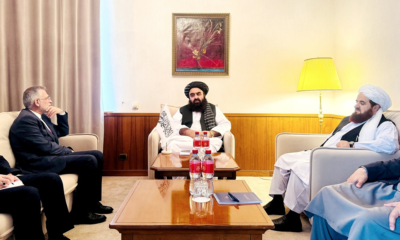




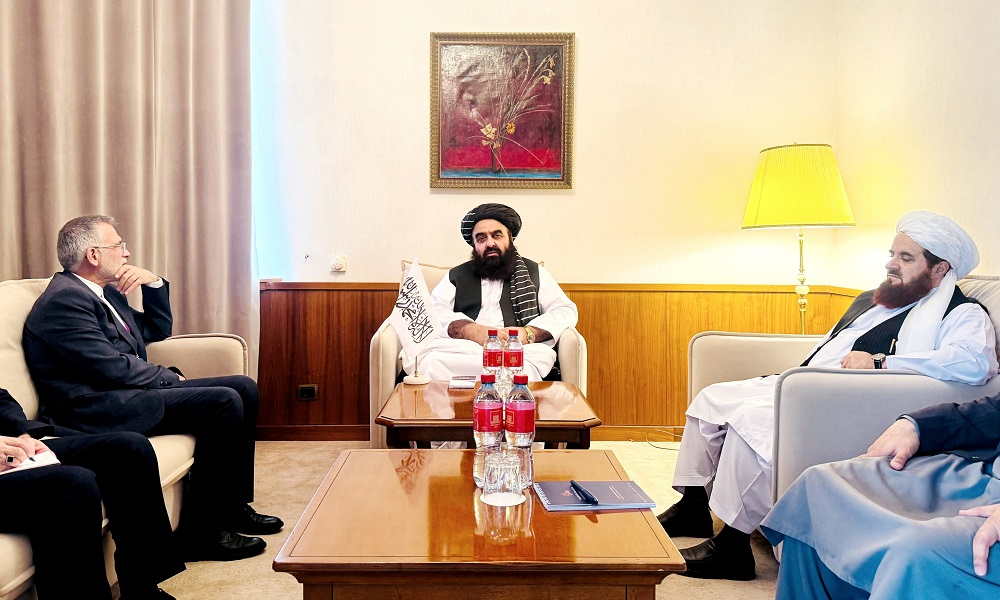
Amir Khan Muttaqi, Minister of Foreign Affairs, met on Wednesday with Mohammad Reza Bahrami, a representative of Iran’s Ministry of Foreign Affairs, on the sidelines of the eighth meeting of the Moscow Format and discussed ways to expand bilateral relations.
The Ministry of Foreign Affairs said the two sides exchanged views on Afghanistan-Iran relations, regional developments, and ways to strengthen mutual cooperation between the two countries.
Muttaqi expressed appreciation for Iran’s engagement with Afghanistan and its constructive participation in regional meetings, emphasizing the need to further expand relations between Kabul and Tehran.
Meanwhile, Mohammad Reza Bahrami stressed the importance of relations between the two countries and shared Iran’s views on regional cooperation, stability, and expanding economic engagement between Afghanistan and Iran.
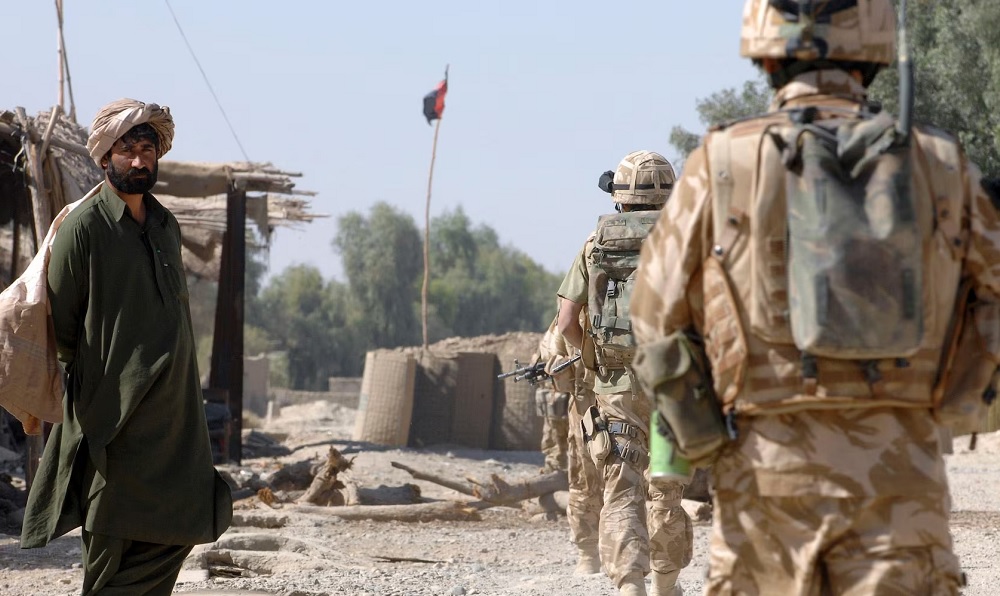
The UK Ministry of Defence identified material suggesting that British service personnel may have committed “serious offences” in Afghanistan, including possible murder, manslaughter and grievous bodily harm, a High Court hearing in London was told.
The information was referred by UK Special Forces (UKSF) to the Defence Serious Crime Command earlier this year, The Independent reported.
According to the court, any criminal investigation into the allegations has been paused pending the outcome of the Afghanistan Inquiry.
The inquiry, chaired by Lord Justice Haddon-Cave, is examining allegations that UK special forces unlawfully killed people during operations in Afghanistan between 2010 and 2013, as well as claims of a subsequent cover-up.
It is also investigating allegations of inadequate investigations by the Royal Military Police.
The latest court proceedings relate to a senior British soldier, identified only as Witness IIA126, who is challenging the inquiry’s decision to restrict his and his lawyers’ access to certain evidence.
His lawyer, Kate Grange KC, argued that the restrictions had prevented the soldier from reviewing evidence concerning an allegation that a person was shot in the head while possibly asleep during a “deliberate detention operation.”
The inquiry is opposing the legal challenge, arguing that the restrictions were necessary to protect the identities of witnesses whose evidence was considered highly sensitive.
Jonathan Glasson KC, representing the inquiry, told the court that the discovery of material potentially indicating serious offences did not mean that any particular individual would necessarily face criminal charges.
The inquiry is expected to continue its examination of the allegations, with a written judgment on the latest legal challenge due at a later date.
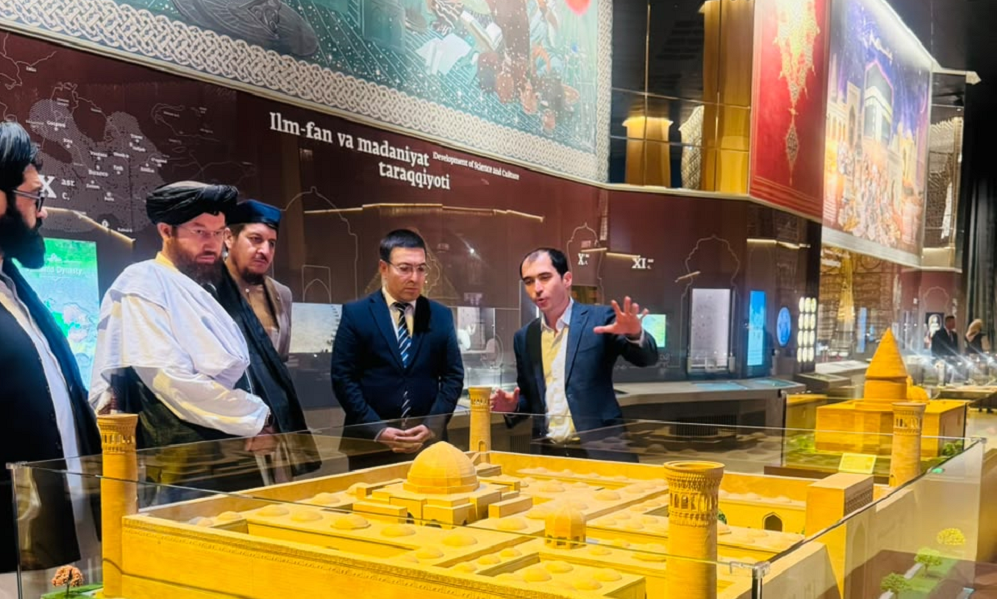
Afghanistan’s Minister of Agriculture, Irrigation and Livestock, Attaullah Omari, has arrived in Uzbekistan’s capital, Tashkent, to attend an international forum on food security and sustainable development.
Omari is visiting Tashkent at the invitation of Uzbekistan’s Ministry of Agriculture and is scheduled to participate in the Global Technical Forum for Landlocked Countries on Food Security and Sustainable Development Goals, being held from October 7 to 8.
Afghanistan’s Ministry of Agriculture said the visit will provide an opportunity to discuss expanding bilateral and regional cooperation with Uzbekistan in agriculture, irrigation, livestock, trade and investment.
The Afghan delegation is also expected to meet officials and representatives from participating countries to discuss agricultural exports, trade, investment opportunities, and the exchange of technical knowledge and expertise.


Tahawol: Consequences of US war in Afghanistan reviewed

Saar: Expulsion of Afghan refugees from Pakistan discussed

Kohi shines as Toofan Herat beat Abu Muslim Farah 2–0

Muttaqi and Iranian representative discuss expansion of bilateral relations

Baradar opens Fifth Imam Abu Hanifa International Exhibition in Kabul

UAE firm eyes investment in Salang’s second tunnel and pharmaceutical factories

US Treasury ratchets up pressure on Iran with sweeping new aviation sanctions

AI could pose ‘existential’ risk to humanity, UN rights chief warns

EU and FAO launch €5m programme to strengthen Afghanistan’s agrifood sector

Omar Zawak, Toofan Herat secure victories in Afghanistan Champions League
Tahawol: Consequences of US war in Afghanistan reviewed
Saar: Expulsion of Afghan refugees from Pakistan discussed

Tahawol: Discussion on outcome of Moscow Format meeting

Saar: Expansion of relations between Kabul and Moscow discussed

Tahawol: Afghanistan-Iran: shared opportunities and challenges discussed
-

 Sport3 days ago
Cricket Bonanza: Afghanistan set for packed international schedule
-
 Latest News5 days ago
Kazakhstan, Uzbekistan and UAE sign MoU on CASA railway project via Afghanistan
-
 Regional5 days ago
Pakistan says Mecca pact members to hold emergency talks on engaging Houthis
-
 Regional4 days ago
India, Pakistan summon top diplomats over border incident
-
 Latest News4 days ago
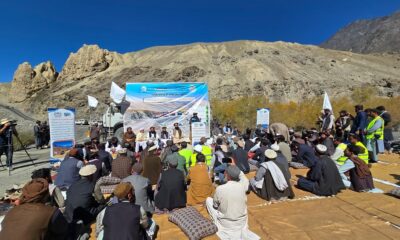
Afghanistan inaugurates 121 km Wakhan road to China border
-
 Sport5 days ago
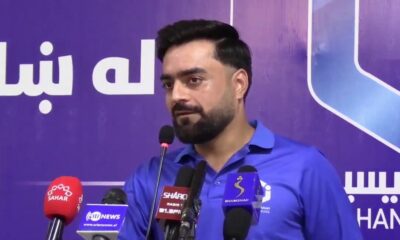
Rashid Khan plans to build cricket academy and stadium in Nangarhar
-

 Sport3 days ago
ACL: Sorkh Poshan extend perfect run with 1-0 win over Khurasan
-

 Sport3 days ago
Afghanistan U19 to face Bangladesh, Oman in Youth ODIs