
Latest News
Mohaqiq calls on UNSC to declare attacks on Hazaras genocide

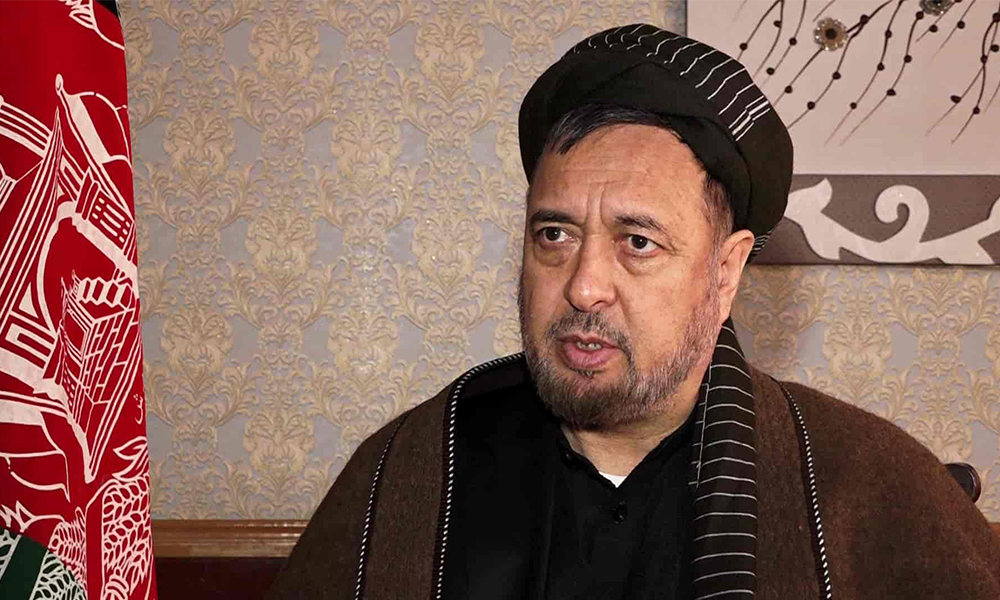
Mohammad Mohaqiq, President Ashraf Ghani’s political and security adviser, has called on the UN Security Council to recognize the attacks on the Hazara community during the last few years in Afghanistan as an act of genocide.
In a statement issued on Thursday Mohaqiq said that the attacks on civilians are not justified and is “a clear example of crime against humanity and genocide.”
Highlighting attacks on Sayeed-ul-Shuhada High School, Dasht-e-Barchi Maternity Ward, Maiwand Wrestling club and several attacks during prayers in Mosques, Mohaqiq said: “People who are killed in schools and educational and other centers were civilians, harmless and children, and their massacre has no justification and is a clear example of a crime against humanity and genocide.”
Mohaqiq’s statement comes a day after Daesh militants attacked a HALO Trust camp in northern Baghlan province.
The militants attacked the camp at around 9:50 pm Wednesday, HALO Trust CEO James Cowan said in a video message.
Cowan said the assailants “went bed-to-bed murdering members of the HALO Trust.”
The attackers killed 10 deminers and wounded 16 more, Cowan said.
“This is the most serious incident that the HALO Trust has endured since its existence; it came into being in Afghanistan in 1998.”
Cowan stated that despite the remaining threat and challenges ahead the organization would continue its mission in Afghanistan.
He stated: “We could take note of this incident and leave. We could be fearful of what is happening in Afghanistan. We were there before 9/11 a full decade before. We have been through all the ups and downs of life and death in Afghanistan.
“And now as the international community prepares to leave, we are going to stay. We are there for the people of Afghanistan and we still have a job to do,” Cowan emphasized.
Meanwhile, Cowan stated in an interview with the VOA that the militants had targeted predominately Shiite Hazaras among the staff.
Earlier a survivor of the attack told Ariana News correspondent that the insurgents were looking for Hazaras.
“We were questioned if any Hazaras are among us, though we had 30-40 colleagues among us. Why should have I told them that yes there are,” the survivor said.
Mohaqiq, meanwhile, stated that the attack on the demining organization (HALO Trust) “by separating ethnicity and targeting Hazaras is another sign of this inhumane crime.”
He noted that the UN Security Council (UNSC) should take precautionary measures against such attacks.
“The UNSC should recognize the killing of Hazaras as an act of genocide and the perpetrators should be subjected to sanctions,” Mohaqiq said.
Last week, Tomas Niklasson, Special Envoy of the European Union for Afghanistan, also stated that “targeting Hazaras” must be stopped.
“Targeting Hazaras must stop and crimes be investigated,” he said.
Meanwhile, German Embassy in Afghanistan stated: “We are dismayed by the unjustifiable continuation of violence against Afghan civilians and in particular also the Hazara community.”
“Our thoughts are with the victims and the grieving families. Violence must stop – Afghans deserve peace,” the embassy stated.



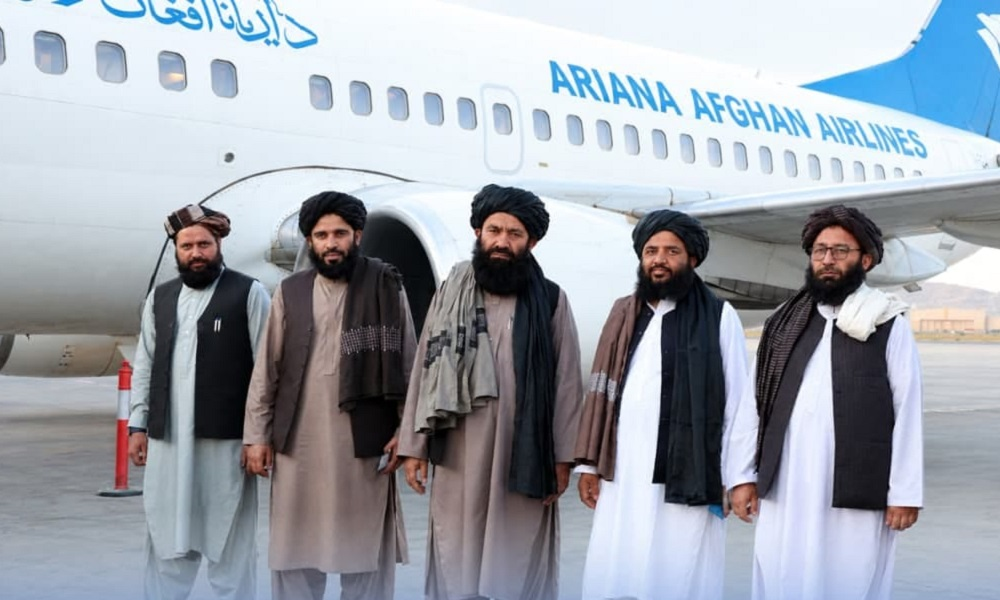
Mohammad Younus Akhundzada, the Islamic Emirate’s Minister of Energy and Water, departed for Riyadh, the capital of Saudi Arabia, on Saturday to attend the 17th World Energy Forum.
Ministerial-level representatives from around 100 countries are expected to participate in the forum to discuss energy cooperation, opportunities, and the exchange of experiences.
The Ministry of Water and Energy said Afghanistan’s participation in the forum provides an opportunity to strengthen relations with countries around the world, exchange expertise, and attract international cooperation in the energy sector.
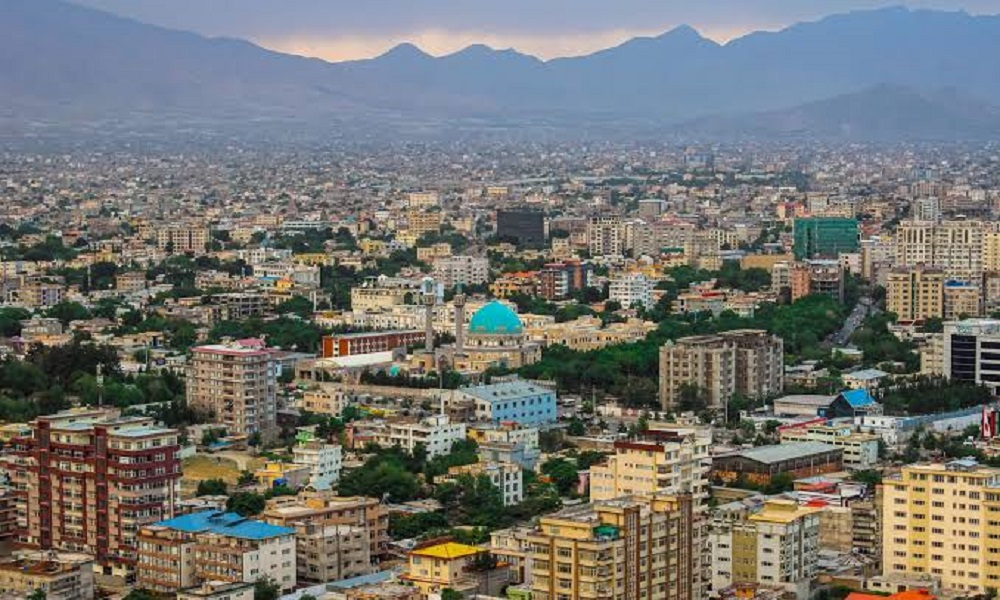
The US Department of State has placed Afghanistan in Tier 3 in its 2026 Trafficking in Persons Report, citing concerns over forced labor, child exploitation and inadequate protection for trafficking victims.
The report says Afghanistan has failed to fully meet the minimum standards for eliminating human trafficking and has not made significant efforts to do so.
It also highlights the vulnerability of families, particularly children, to trafficking and exploitation amid poverty, economic hardship and the return of migrants from neighboring countries.
Afghanistan continues to face economic challenges and growing humanitarian needs, while large numbers of Afghan migrants have returned from neighboring countries. Experts say raising public awareness, creating job opportunities and providing support to vulnerable families are essential to preventing human trafficking and child exploitation.
Meanwhile, the Islamic Emirate has previously issued a decree declaring human trafficking contrary to Islamic Sharia and called for action against the practice. Officials have also said the rights of Afghans are protected in accordance with Islamic Sharia and Afghan traditions.
Latest News
Iranian lawmaker praises Afghanistan’s support, accuses Pakistan of ‘hypocrisy’
Zanganeh claimed that a post published under the name of Pakistan’s parliamentary speaker during negotiations between Tehran and Washington had been written by Americans.

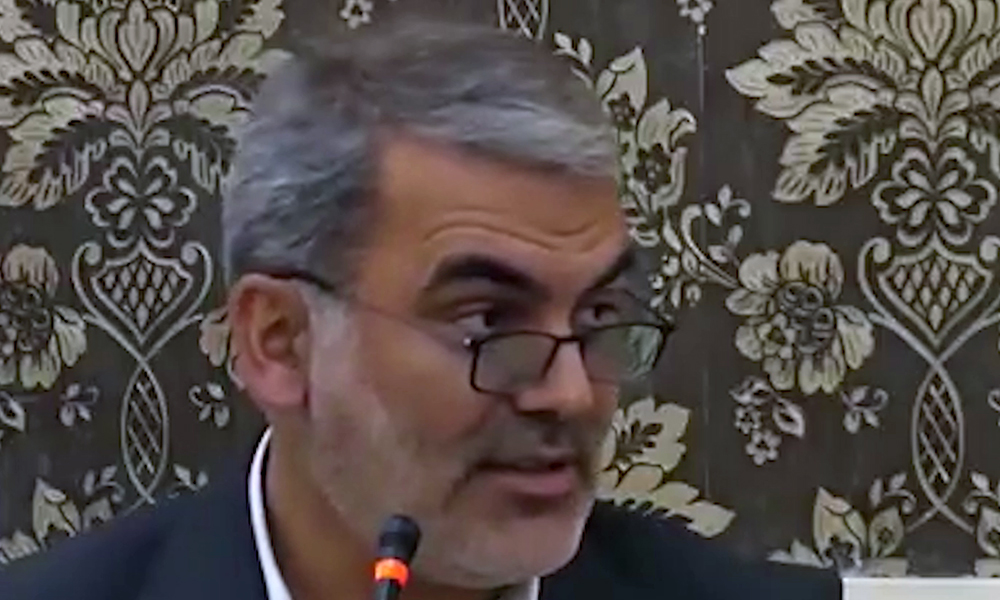
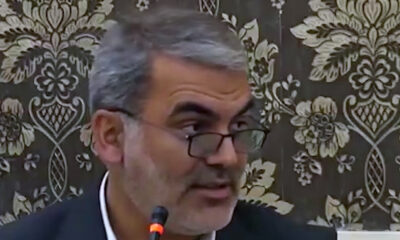
Mohsen Zanganeh, head of the Iranian Parliament’s Economic Commission, has praised Afghanistan’s support for Iran during the conflict between Iran and the United States, while criticizing Pakistan’s conduct during the crisis.
Zanganeh claimed that a post published under the name of Pakistan’s parliamentary speaker during negotiations between Tehran and Washington had been written by Americans. According to the Iranian lawmaker, US Special Envoy Steve Witkoff was responsible for drafting the post.
He described Pakistan’s alleged conduct as “hypocrisy” and expressed appreciation for the friendship and support shown by Afghans towards Iran.
Zanganeh’s remarks highlight the differing political perspectives emerging in the region as neighbouring countries respond to developments involving Iran and the United States.


Energy and Water Minister heads to Saudi Arabia for World Energy Forum

Saar: Ongoing expulsion of Afghan refugees from Iran and Pakistan discussed

Afghanistan trail Bangladesh by 135 runs at stumps on Day Two

Afghanistan placed in Tier 3 in US human trafficking report

WHO calls for greater mental health support in Afghanistan

EU and FAO launch €5m programme to strengthen Afghanistan’s agrifood sector

Omar Zawak, Toofan Herat secure victories in Afghanistan Champions League

Houthi advance in Yemen puts U.S. in a new bind

Cricket Bonanza: Afghanistan set for packed international schedule

New warnings reignite debate over AI threat to humanity
Saar: Ongoing expulsion of Afghan refugees from Iran and Pakistan discussed

Tahawol: CSTO meeting on Afghanistan reviewed

Saar: Guterres’s talks with Pakistani officials on Afghanistan discussed

Tahawol: Consequences of US war in Afghanistan reviewed

Saar: Expulsion of Afghan refugees from Pakistan discussed
-

 Latest News5 days ago
Ariana Afghan Airlines ends 15-year control of ticketing and operational systems by Pakistani firm
-
 World5 days ago
▶️Saudi Arabia, Turkey, Pakistan activate Mecca defense pact
-
 Regional5 days ago
Yemeni government forces seize strategic strait from Houthis
-
 Latest News5 days ago
IEA rejects ICC arrest warrants, says Afghanistan does not recognize court
-
 Sport4 days ago
Aino Mina Kandahar defeat Istiqlal Kabul 3–2
-
 Health5 days ago
Russia investigates suspected pneumonic plague; Trump ready to ‘help’
-
 Latest News5 days ago
Thirty US states seek access to Afghan assets for 9/11 victims
-
 Latest News5 days ago
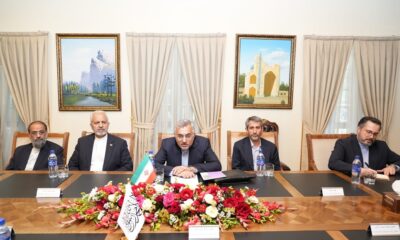
Iran offers cooperation on Herat-Mazar railway, mining and power generation