
Latest News
Nearly 1 billion AFN invested in mines so far this year: officials
They stated that efforts are underway to attract large investments in the mining sector.

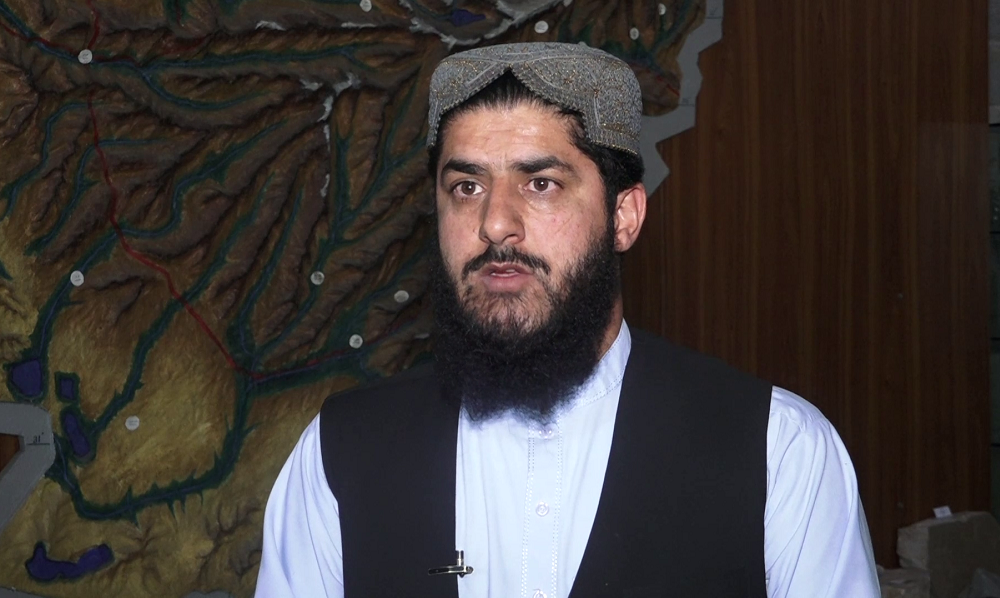
Officials from the Ministry of Mines and Petroleum (MoMP) say nearly one billion AFN have been invested in small and large mines since the beginning of the 1403 solar year.
The ministry officials said that since then, they have signed small and large contracts, the volume of which reaches one billion AFN.
The officials added that all mining contracts have been signed with domestic companies.
They stated that efforts are underway to attract large investments in the mining sector.
“On a small scale, the total value of all these investments is 500 million AFN. Similarly, the Ministry of Mines and Petroleum has two large-scale contracts this year, one of which is the Jagdalak ruby mine in Kabul and the barite mine in Herat province where the mining contract for this mine had also been signed with a domestic company,” said Homayoun Afghan, the spokesperson for the Ministry of Mines and Petroleum.
Officials from the Afghanistan Chamber of Commerce and Investment (ACCI) have stated that there is a good opportunity to invest in the mining sector and interest in investing has increased.
“Especially in the mining sector, there are many developments and the work is good. The mine goes abroad a lot. From 2 billion exports, most of them are minerals, which are not rare, but semi-precious minerals,” said Khanjan Alkozi, a member of the ACCI.
“But in general, foreign and domestic traders are interested in investing in agriculture, production, mines and processing,” he added.
Meanwhile, economic analysts believe that if the Islamic Emirate creates more facilities for private investors, domestic and foreign investments will expand in the country, and along with the increase in government income, employment opportunities will be provided for thousands of citizens.
Related stories:
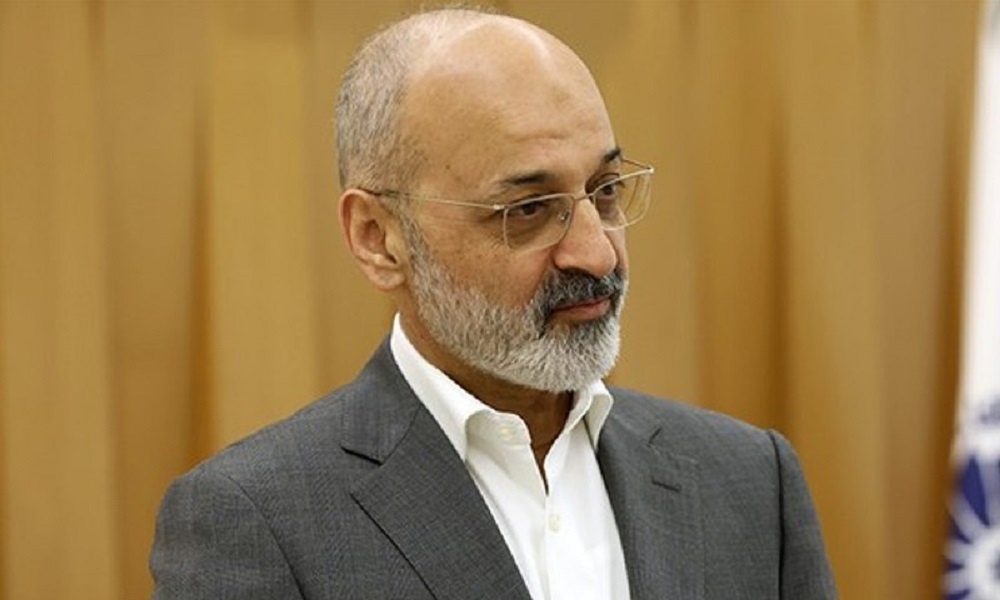
Investing in Afghanistan mines can be profitable for Iranian industry: Qiafeh
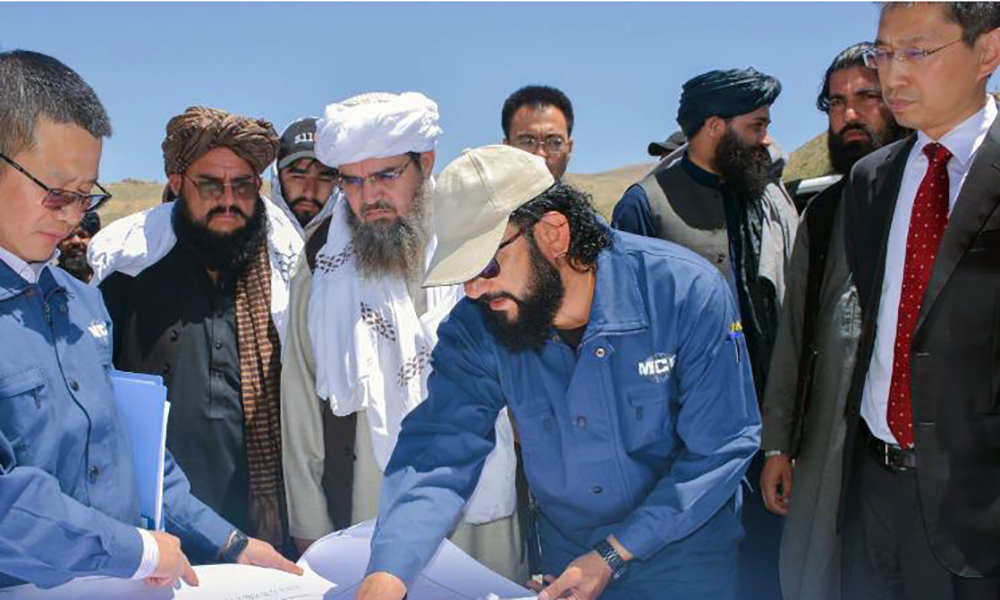
Minister of Mines and Petroleum visits Mes Aynak copper mine

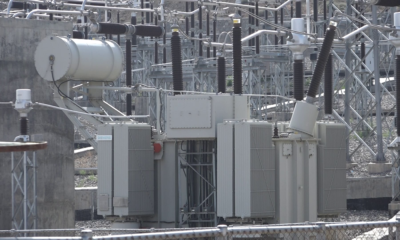

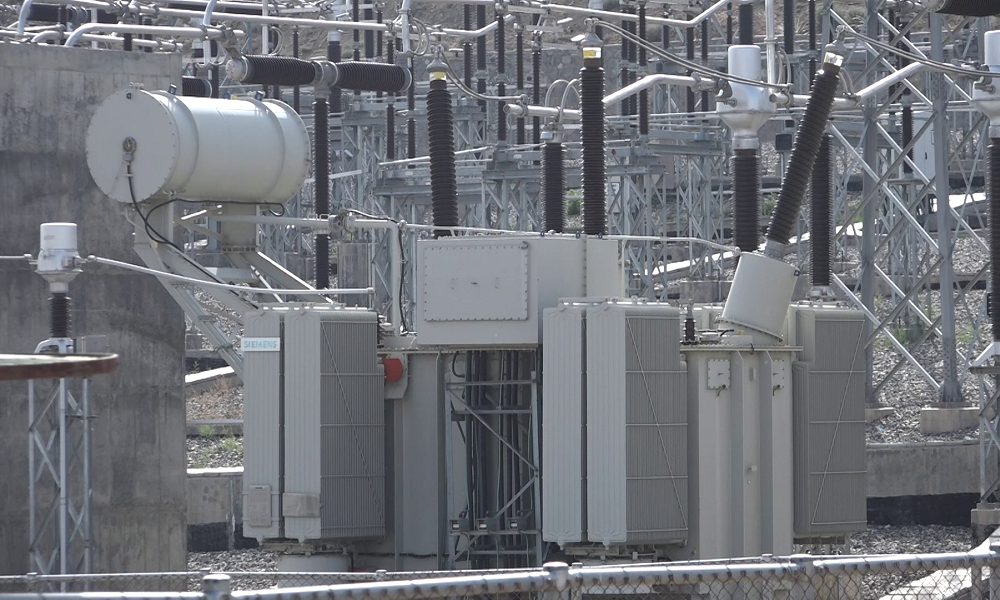
Officials of Da Afghanistan Breshna Sherkat (DABS) say several major companies from neighboring countries, including Russia, are interested in investing in the production of electrical equipment in Afghanistan.
The officials added that Afghanistan has the capacity to attract millions of dollars in investment in the production of electrical equipment.
According to DABS officials, a large portion of the equipment required by Breshna is purchased from neighboring and other countries, and increasing domestic production could reduce the country’s reliance on imports to some extent.
Meanwhile, private-sector representatives said investment in the production of electrical equipment is a serious need. They stressed that investment in the development and production of electrical equipment should be accelerated to reduce imports and increase domestic production.
They said the move would not only reduce reliance on imports but also create employment opportunities for thousands of people.
Economic analysts also said that, alongside electricity generation, investment in the production of equipment used for electricity generation and transmission should be increased. This would allow domestically produced electrical equipment to enter the local market and help reduce imports of foreign products.
Currently, electrical equipment is imported into Afghanistan from various countries, including China, Iran and Turkey.

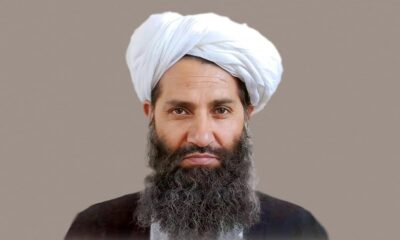
Mawlawi Hibatullah Akhundzada, the supreme leader of the Islamic Emirate of Afghanistan (IEA), has said that obedience, solidarity and unity are important factors in strengthening the system, and that religious scholars should work to promote these values in society.
He made the remarks during a meeting with the Minister of Higher Education, deputy ministers, directors, and heads of religious seminaries and state universities.
The Supreme Leader said religious scholars have a major responsibility toward society and should help people become familiar with religious matters and Sharia rulings.
He added that if religious scholars follow the right path and government officials properly carry out their responsibilities, the people will also follow their example.
Akhundzada also urged university officials to pay serious attention to the education and training of students and to familiarize them with religious matters alongside their academic studies.
He said students will in the future take on responsibilities in different sectors of the government and society, including medicine, engineering and other fields. He called on university officials to make greater efforts to properly educate and train them.
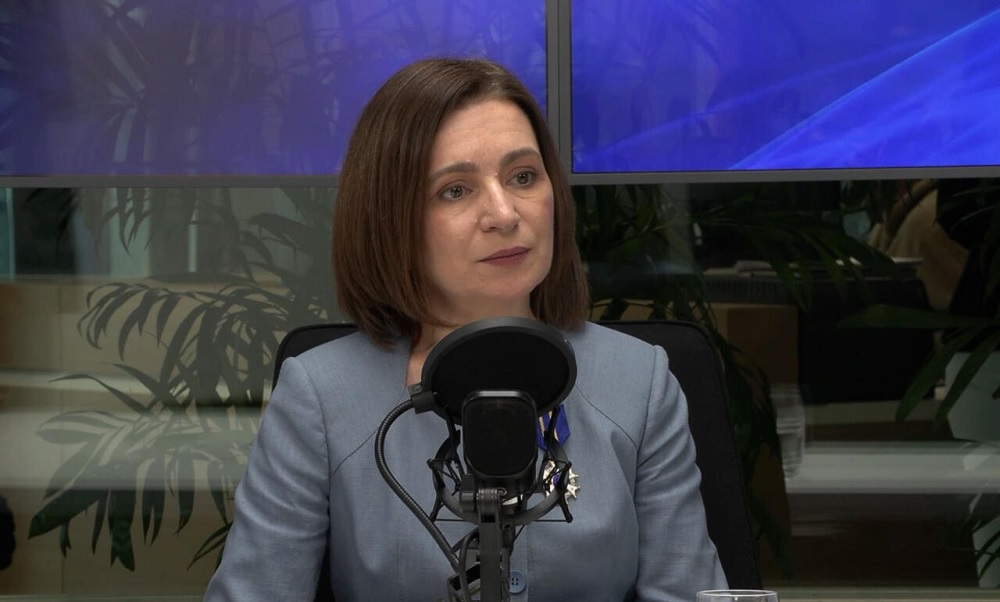
Moldovan President Maia Sandu has criticized the decision to issue visas to a delegation of Islamic Emirate of Afghanistan (IEA), saying the visit resulted from government officials failing to understand Moldova’s policy toward the IEA.
Speaking on Jurnal TV, Sandu said a state secretary at the Ministry of Agriculture had not checked the government’s position on relations with the IEA before submitting the visa request.
According to Sandu, officials at the Ministry of Foreign Affairs processed the request based on the senior position of the official who submitted it, assuming that the request had already received the necessary approval.
The president described the incident as “shameful” and said disciplinary action should be taken against those responsible.
“Based on the information I have at the moment, a State Secretary from the Ministry of Agriculture did not check what the policy of the Republic of Moldova is regarding the Afghan regime. And this is strange. On the other hand, some officials from the Ministry of Foreign Affairs, when they received an official request from another ministry, assumed — even though the procedures did not require consultation — that this rather unusual request was supported and confirmed by a person holding a public position, by a State Secretary. The information did not reach other people, and this is how the incident happened,” Maia Sandu said.
Sandu said the government had informed her that disciplinary sanctions would follow to prevent similar incidents in the future.
Earlier, Moldova’s Agriculture State Secretary Vasile Sarban said the Afghan delegation’s visit was arranged following a request from a Moldovan company that produces phytosanitary products and exports them to Uzbekistan.
The company had expressed interest in expanding its market to Afghanistan. Afghan representatives then sought to visit Moldova to learn about the production of phytosanitary products, according to Sarban.
The delegation that travelled to Moldova was led by Deputy Agriculture Minister Sadr Azam Osmani.


Tahawol: Escalating disputes over Iran war discussed

Saar: Turkey, Saudi Arabia and Pakistan defense pact reviewed

Foreign companies eye investment in Afghanistan’s electrical equipment industry: DABS

Obedience and unity strengthen the system: IEA supreme leader

Goods transporters to go on strike from Saturday after talks with Pakistan govt fail

Pakistan’s governance system has ‘collapsed’: Mohsin Naqvi

India offers 1,000 online scholarships for Afghan students for 2026-27 academic year

Turkey spent over $120 million to prepare airport for Qatar-donated U.S. presidential aircraft

FIFA’s inaugural YouTube Creator Cup to stream live on Ariana Television and Ariana Sport YouTube channels

FIFA World Cup semi-final line-up confirmed
Tahawol: Escalating disputes over Iran war discussed
Saar: Turkey, Saudi Arabia and Pakistan defense pact reviewed

Tahawol: End of US sanctions waiver for Chabahar Port discussed

Saar: US warns of ISIL-K threat in Afghanistan discussed

Tahawol: Limited choices of small states in global politics discussed
-

 Sport4 days ago
Afghanistan aim to strengthen ODI ranking in Ireland series
-
 Latest News4 days ago
Khalilzad says Pakistan needs ‘reset’ amid economic crisis and rising instability
-
 Latest News3 days ago
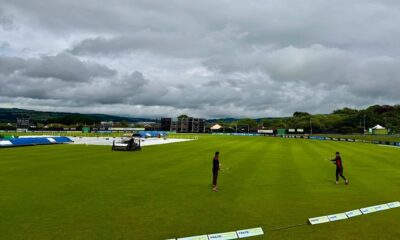
First Afghanistan-Ireland ODI abandoned without a ball bowled
-
 Sport4 days ago
Afghanistan aim for winning start against Ireland
-

 Latest News5 days ago
Afghan boxer charged over death of British woman found in suitcase in Greece
-
 Sport3 days ago
Afghanistan holds Russia to 3-3 draw, earns first point at Continental Futsal Championship
-
 Latest News5 days ago
US court rules in favor of Afghan families seeking travel documents
-
 Latest News5 days ago
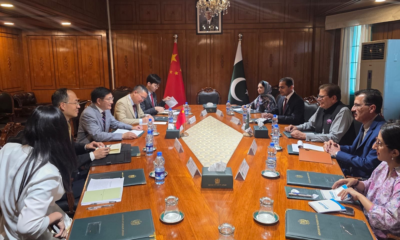
Pakistan, China envoys discuss Afghanistan, pledge closer counterterrorism cooperation