
Business
Pakistan’s exports to Afghanistan increases by 32%

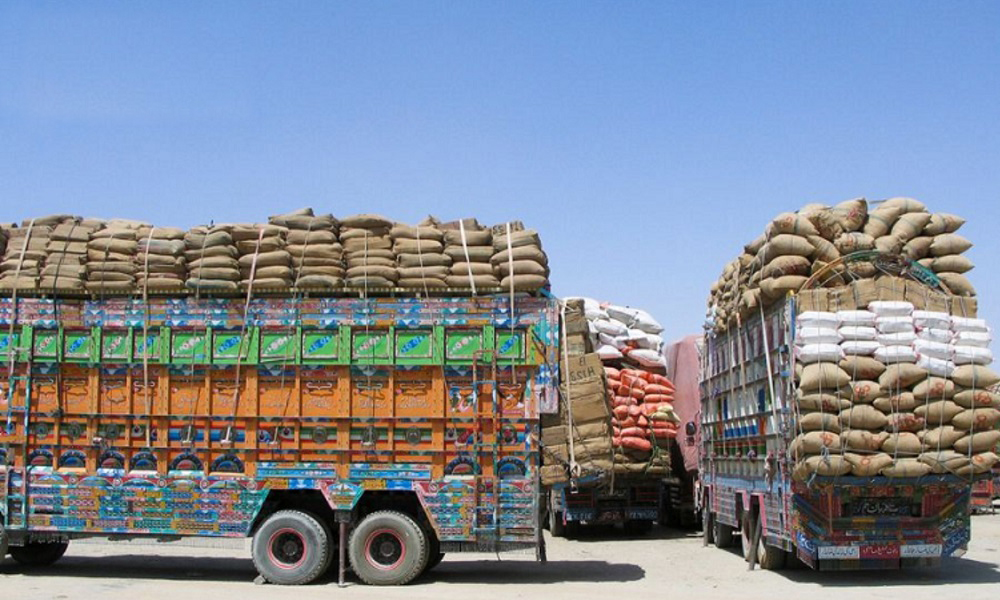
Pakistan’s export volume to Afghanistan has increased by 32 percent from $500 million to $658 million in the first eight months of the fiscal year 2022-2023.
Similarly, trade between the two countries increased from July to February of the current fiscal year, rising by 28 percent to $1.33 billion from $1.04 billion, Pakistan’s the Nation reported.
The import of goods from Afghanistan also showed an increase of 24 percent, from $544.17 million to $675.01 million during the eight months, the report stated.
The export of tractors jumped by 808%, from $0.81 million to $7.34 million, and motorcycles by 591%, from %0.79 million to $5.49 million within the eight months of the fiscal year.
In addition, the export of pharmaceutical products to Afghanistan has increased by 214% from $28.52 million to $89.60%, and rubber by 165$ from $3.02 million to $8.01 million from July to February, of the current fiscal year.
Simultaneously, plastic products, kitchen utensils, rice, and cement exports have increased tremendously during the eight months of the current fiscal year. The export of cement increased by 19 percent during the ongoing fiscal year.
According to the State Bank of Pakistan, the country’s exports to Afghanistan were recorded at US $285.177 million from July-January (2022-23) against US $257.888 million in exports from July-January (2021-22), showing growth of 10.58 percent.
Meanwhile, “Afghanistan is exporting about 10,000 tons of coal daily to Pakistan,” a recent SIGAR report said. “Between June and July 2022, the Islamic Emirate tripled prices on coal exports to raise revenue from its mining sector amid booming coal export to Pakistan,” the report said.

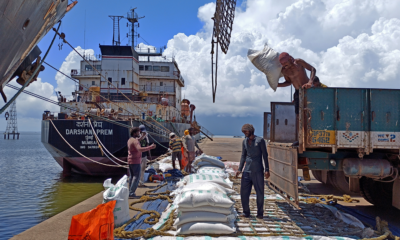




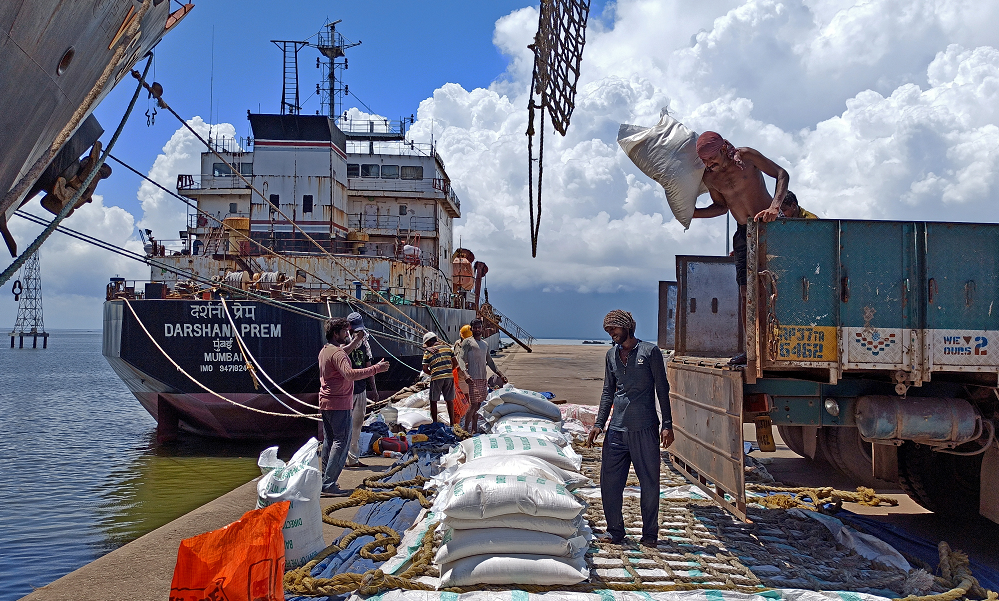
Afghanistan is exploring direct imports of Basmati rice from India as it seeks to diversify its supply sources amid ongoing tensions with Pakistan, according to a report by The Hindu.
The report said Indian exporters and Afghan importers are expected to meet next month to discuss expanding direct trade in Basmati rice, following preliminary talks between officials from both countries held last week with the facilitation of the PHD Chamber of Commerce and Industry.
Afghanistan consumes nearly 500,000 tonnes of Basmati rice annually and has traditionally relied on imports from neighboring Pakistan. However, industry sources told The Hindu that recent strains in Afghanistan-Pakistan relations have encouraged Kabul to seek alternative suppliers, including India.
Representatives of Afghanistan’s diplomatic mission in New Delhi reportedly took part in the discussions and expressed interest in increasing purchases of Indian Basmati rice. At present, some Indian rice reaches Afghanistan indirectly through traders in Iran and Dubai, a route that adds to transportation and transaction costs.
One proposal under consideration is to transport rice through Iran’s Bandar Abbas Port, subject to agreements between the two governments. The discussions are also expected to cover logistics, payment mechanisms, and the possibility of barter trade, with Afghanistan’s dried fruit exports to India seen as a potential component of future trade arrangements.
According to The Hindu, a direct trade arrangement could help India expand its share of Afghanistan’s Basmati market, which has historically been dominated by Pakistani suppliers.
Business
Afghanistan, Kyrgyzstan establish trade council to boost economic cooperation
The two sides signed a memorandum of understanding to establish the Afghanistan-Kyrgyzstan Trade Council.
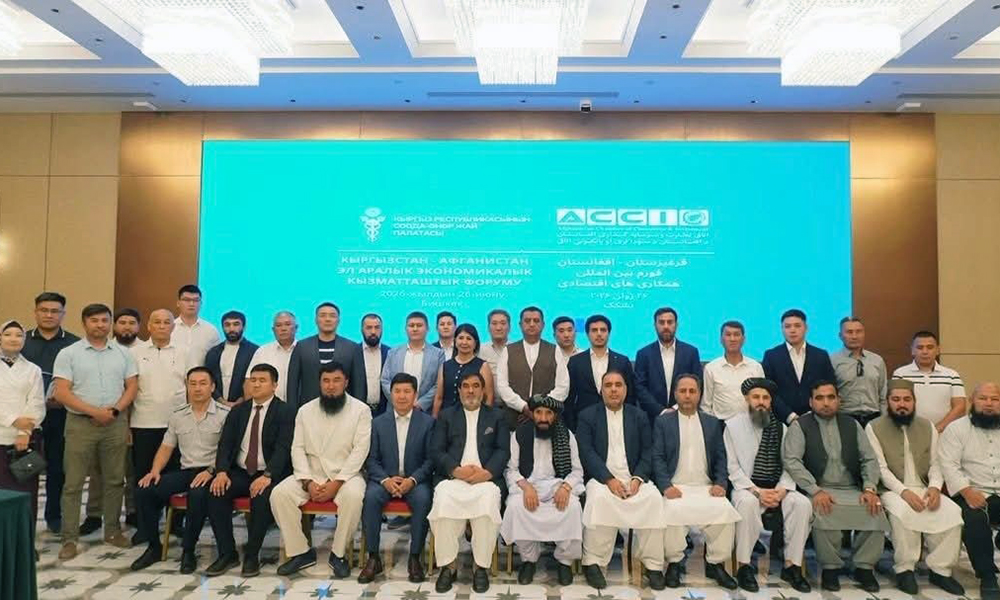
The Embassy of the Islamic Emirate of Afghanistan in Kyrgyzstan says the Afghanistan-Kyrgyzstan Business Forum has been held with the participation of officials from both countries.
According to a statement issued by the embassy, Acting Ambassador Abdul Shakoor Haqqani said Afghanistan supports strengthening bilateral trade relations and promoting joint economic initiatives between the two countries.
The statement added that the two sides signed a memorandum of understanding to establish the Afghanistan-Kyrgyzstan Trade Council. The council aims to strengthen ties between business communities, coordinate joint initiatives, and expand and support economic projects.
Meanwhile, Sayed Karim Hashemi, Chairman of the Afghanistan Chamber of Commerce and Investment, arrived in Kyrgyzstan on Saturday at the head of a trade delegation to participate in the forum.
Business
Afghanistan invites Turkish investors to expand joint investments
Participants stressed the importance of increasing private sector cooperation and creating new opportunities to boost trade and investment between Afghanistan and Türkiye.
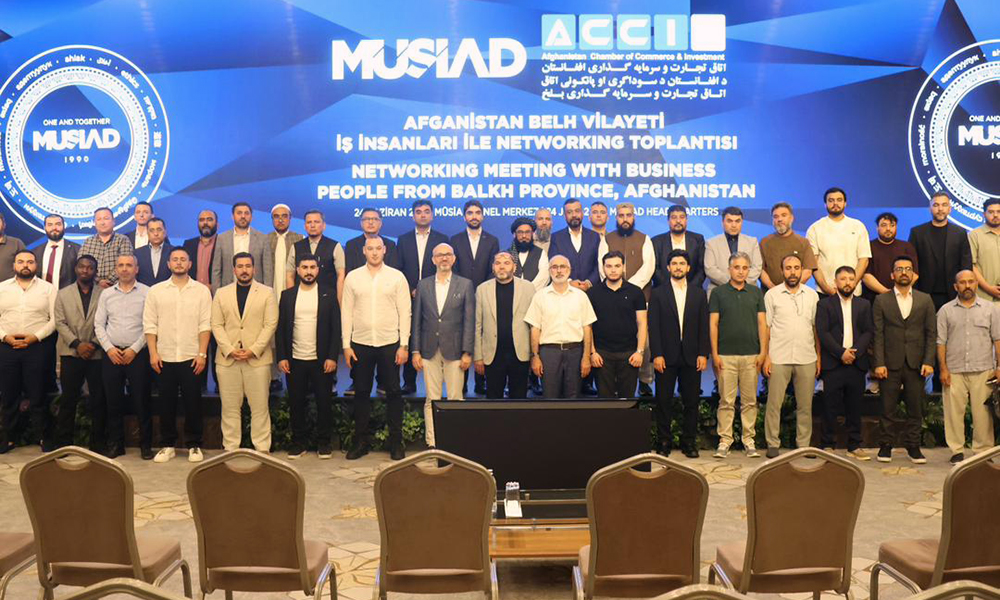
A high-level Afghan business delegation, led by the Chairman of the Balkh Chamber of Commerce and Investment, Mohammad Ibrahim Ghazanfar, participated in the Afghanistan–Türkiye Joint Business Council meeting in Istanbul, calling for expanded joint investment and stronger economic cooperation between the two countries.
According to a statement from the Balkh Chamber of Commerce and Investment, Ghazanfar invited Turkish investors and industrialists to explore investment opportunities across various sectors in Afghanistan, emphasizing the country’s potential for mutually beneficial partnerships.
The meeting brought together business leaders, investors, and private sector representatives from both Afghanistan and Türkiye to discuss ways to strengthen bilateral trade and economic ties.
During the event, several cooperation agreements were signed between Afghan and Turkish economic institutions. The agreements are aimed at expanding commercial relations, promoting joint investment projects, and enhancing economic cooperation between the two countries.
The meeting was chaired by Süleyman Güllü, Chairman of the Türkiye–Afghanistan Joint Business Council, and was attended by Mohammad Akbar Azimi, the Islamic Emirate of Afghanistan’s Consul General in Istanbul, along with a number of businessmen and investors from both countries.
Participants stressed the importance of increasing private sector cooperation and creating new opportunities to boost trade and investment between Afghanistan and Türkiye.


Tahawol: Calls for diplomacy between Kabul, Islamabad

Saar: US and Iran exchanging attacks

Saudi Aramco helicopter crash kills 14 nationals, state news agency says

Afghanistan eyes direct Basmati rice imports from India amid tensions with Pakistan

Afghan minister says ‘outsiders’ should not claim to support Afghanistan’s independence

Norway’s Viking-inspired World Cup team photo goes viral

TAPI project advances in Afghanistan as 84kms of pipeline laid

Afghanistan’s trade with Central Asia records sharp growth

Afghanistan to play in Diamond Jubilee Tournament opener against Maldives

Gaikwad set to replace injured Kohli for Afghanistan ODI Series
Tahawol: Calls for diplomacy between Kabul, Islamabad
Saar: US and Iran exchanging attacks

Saar: Concerns over Afghan deportations from Europe discussed

Exclusive interview with Polleak Ok Serei, UNODC Representative for Afghanistan

Tahawol: Germany’s defense of engagement with IEA discussed
-
 Latest News2 days ago
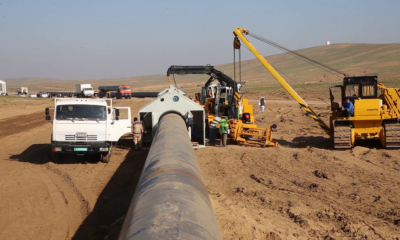
TAPI project sees rapid progress in Afghanistan
-

 International Sports5 days ago
Knockout picture begins to take shape at FIFA World Cup 2026
-

 International Sports2 days ago
FIFA World Cup: Iran held by Egypt after controversial late goal Is disallowed
-

 Latest News5 days ago
Afghanistan’s SCO participation blocked over one member’s objection, Kabulov says
-

 International Sports4 days ago
FIFA World Cup: Messi turns 39, shows no signs of stopping
-
 Latest News5 days ago
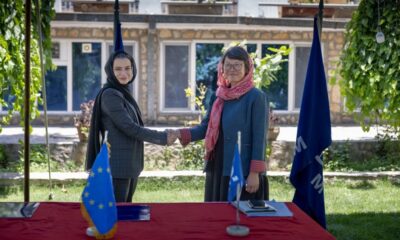
EU allocates 20 million euros to support returnees in Afghanistan
-
 Regional5 days ago
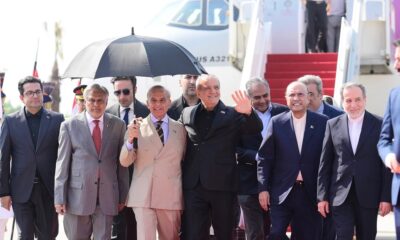
Iran’s Pezeshkian says without missiles his country would be ‘just like Gaza’
-

 Latest News1 day ago
Delawar says Afghanistan has achieved security and unity after 47 years