
Latest News
Practical work starts on Bakhshabad dam in Farah province


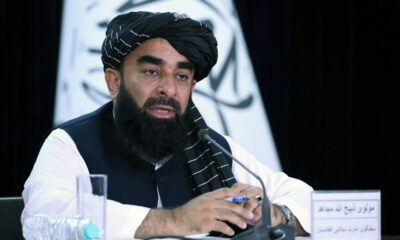
The Deputy Prime Minister for Economic Affairs, Mullah Abdul Ghani Baradar Akhund, and Minister of Water and Energy, Mullah Abdul Latif Mansoor, inaugurated the commencement of construction on tunnels at the Bakhshabad Dam in Farah province, the deputy PM’s office for economic affairs said on Twitter.
Baradar, speaking at the opening ceremony, emphasized the crucial significance of the Bakhshabad Dam for Farah province and assured their unwavering support for its completion. He stressed that their commitment extended beyond mere words, and they would earnestly carry out the necessary tasks.
Baradar highlighted their responsibility to address the challenges faced by the people of Farah and they should have tried last year to have the water controlled this year.
The Islamic Emirate has inherited a multitude of long-standing issues that cannot be instantly resolved, he said.
The reconstruction of Afghanistan’s economic infrastructure demands extensive efforts, and said he has begun working towards witnessing positive developments in the economic domain.
During his address, Baradar acknowledged the sacrifices made by the people of Farah for the establishment of the Islamic system. He underscored the importance of addressing their concerns and executing major projects that would alleviate their economic hardships.
Utilizing available resources, he pledged to complete the remaining tasks of the Bakhshabad Dam and urged the contractor to demonstrate trustworthiness and dedication in their responsibilities.
Baradar assured the entire nation that the IEA was dedicated and honest, committed to the country’s development and prosperity, and asked them to stand shoulder-by-shoulder with the government in the reconstruction of the country.
The Bakhshabad Dam, with its forthcoming completion, holds the capacity to irrigate 68,590 hectares of agricultural land through a 50 km canal on the right side and a 52 km canal on the left side.

Latest News
Sweden rejects asylum request of former Afghan ambassador, plans deportation to US: Le Monde
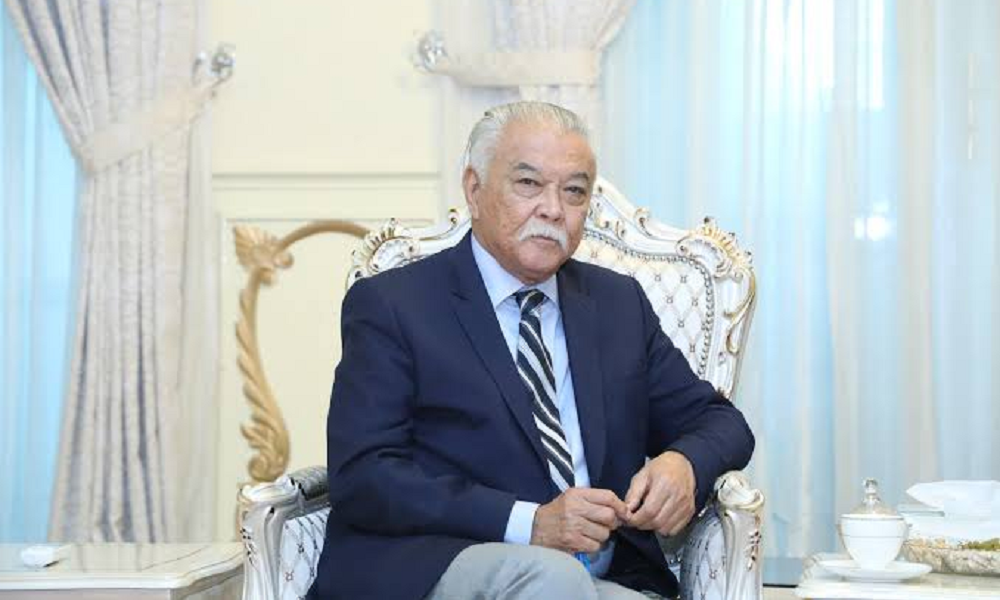
Sweden has rejected the asylum request of former Afghan ambassador Abbas Noyan and intends to deport him to the United States, where he lived for several years in the early 2000s, French newspaper Le Monde reported.
Noyan, 77, served as Afghanistan’s ambassador to Sweden from November 2019. He lost his diplomatic accreditation in late 2024 after the Islamic Emirate announced on July 31 that it would no longer recognise official documents issued by 14 Afghan diplomatic missions in Europe.
According to Le Monde, Noyan is currently living without valid residency documents with his wife in the southern Swedish city of Helsingborg and faces the possibility of deportation.
Noyan, a former businessman, served as a member of Afghanistan’s parliament from 2005 to 2010 before taking up his diplomatic post in Sweden.
Latest News
Afghanistan marks 80 years of UN membership amid ongoing dispute over representation
However, the Islamic Emirate has repeatedly called for Afghanistan’s UN seat to be handed over to its nominated representative.
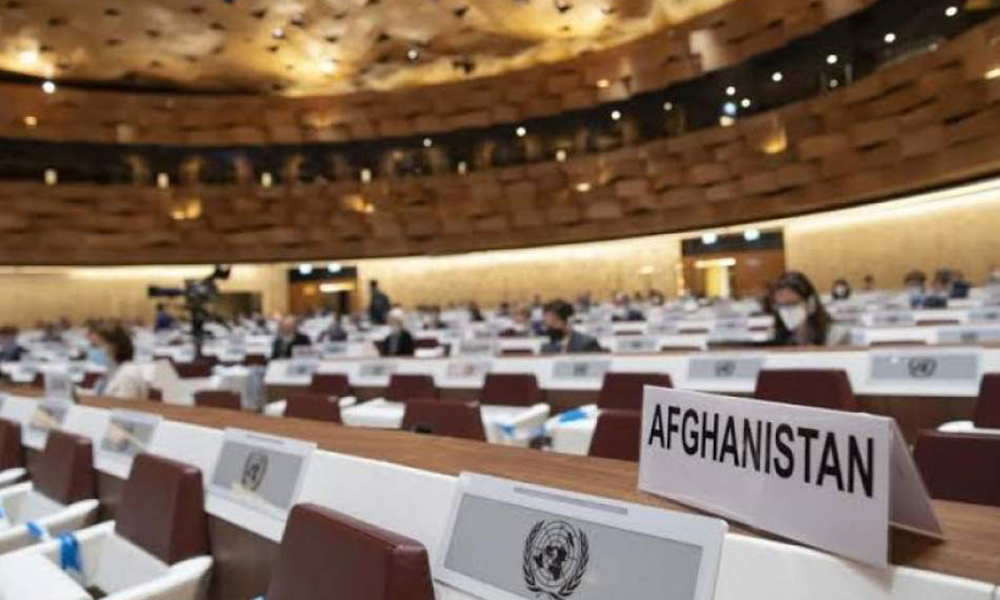
Afghanistan marked the 80th anniversary of its membership in the United Nations on Thursday, November 19, 2026, commemorating eight decades since it officially joined the international organization – about a year after its establishment.
Afghanistan was admitted to the United Nations on November 19, 1946. At the time, Abdul Hussain Aziz, Afghanistan’s representative in the United States, signed the country’s accession document. Mohammad Kabir Ludin is also recognized as Afghanistan’s first representative to the UN, having submitted his credentials during the country’s early years of membership.
Over the past eight decades, Afghanistan has maintained its membership despite major political changes, including the end of the monarchy, the Soviet invasion, years of civil war, two periods of Islamic Emirate rule, and the collapse of the former republic in August 2021.
Throughout this period, Afghan diplomats have participated in international discussions on peace, security, development and human rights. Among the country’s prominent diplomats was Abdul Rahman Pazhwak, who served as Afghanistan’s permanent representative to the UN from 1958 to 1979. In 1966, he was elected president of the 21st session of the UN General Assembly.
In 2019, Adela Raz became the first Afghan woman to serve as Afghanistan’s permanent representative to the United Nations in New York. Soraya Dalil also served as Afghanistan’s permanent representative in Geneva from 2015 to 2019.
Following the political changes in August 2021, Afghanistan’s representation at the United Nations entered a new phase. Ghulam Mohammad Ishaqzai, the country’s then-permanent representative, initially remained in his position after the former government collapsed. In December 2021, Nasir Ahmad Faiq took over as chargé d’affaires of Afghanistan’s permanent mission in New York. Nasir Ahmad Andisha has also continued representing Afghanistan in Geneva.
However, the Islamic Emirate has repeatedly called for Afghanistan’s UN seat to be handed over to its nominated representative. The UN General Assembly’s Credentials Committee has yet to make a final decision on the competing credentials, leaving representatives appointed under the former government in place.
Meanwhile, Afghanistan’s voting rights in the UN General Assembly have been suspended since 2024 because of unpaid annual membership contributions. The country’s current mission does not have access to funds controlled by the Islamic Emirate, while the outstanding membership payments remain unresolved.
Despite the dispute over political representation, the United Nations and its agencies continue to operate in Afghanistan, working in areas including humanitarian assistance, healthcare, education, development, human rights and the coordination of international aid.
The UN Assistance Mission in Afghanistan (UNAMA), established in 2002, also continues its work in political engagement, human rights monitoring and coordination with international partners.
Eighty years after joining the United Nations, Afghanistan remains a member of the organization. However, the question of who represents the country under the current administration, alongside the suspension of its voting rights, remains among the unresolved issues in Afghanistan’s relations with the international body.

The Islamic Emirate of Afghanistan (IEA) has rejected United Nations concerns over the growing capabilities of Daesh in Afghanistan, describing the concerns as based on inaccurate information.
IEA spokesperson Zabihullah Mujahid said Afghanistan has strong security forces capable of preventing foreign groups from expanding their activities in the country or threatening the security of Afghanistan and other countries.
His remarks came after Alexander Zuev, the UN Acting Under-Secretary-General for Counter-Terrorism, told Russia’s TASS news agency that Daesh Khorasan was rebuilding its operational capabilities and possess modern tactical equipment, including unmanned aerial vehicles (UAVs).
Zuev said the group was seeking to carry out operations both inside Afghanistan and beyond its borders, adding that the development posed a challenge requiring collective attention.

Sweden rejects asylum request of former Afghan ambassador, plans deportation to US: Le Monde
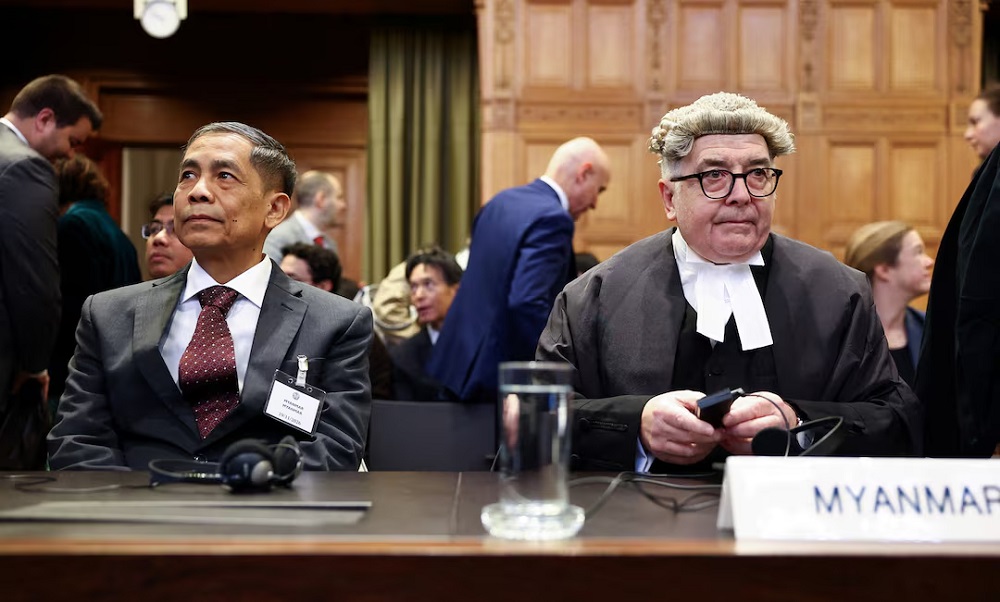
World Court finds Myanmar forces killed thousands of Rohingya, ruling ongoing
Afghanistan marks 80 years of UN membership amid ongoing dispute over representation
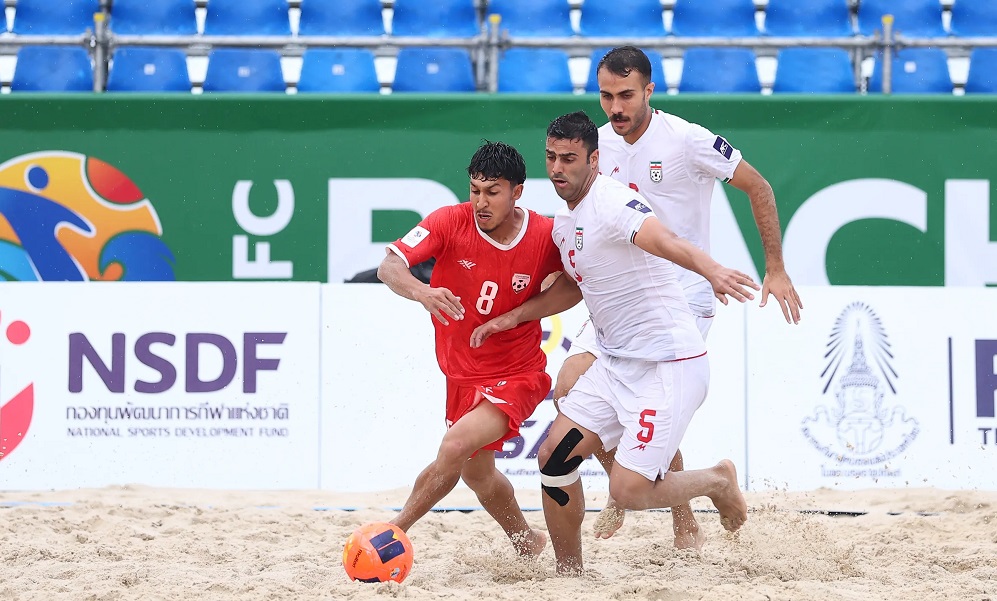
Afghanistan suffer 9-2 defeat to Iran in Beach Soccer Asian Cup opener

IEA rejects UN concerns over Daesh’s growing capabilities in Afghanistan

Governments take websites offline as critical cyber flaws trigger global alert

Afghanistan’s new Wakhan road to China faces major hurdles
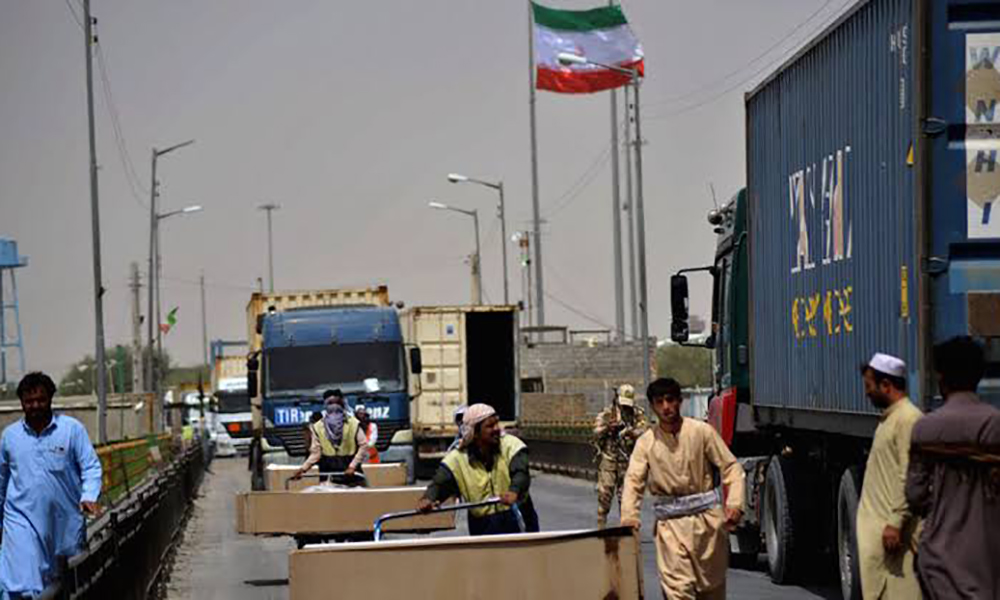
US sanctions and blockade measures disrupt Iran’s trade with Afghanistan and regional neighbors

Pakistan exporters suffer billions in losses as Afghanistan trade halt continues
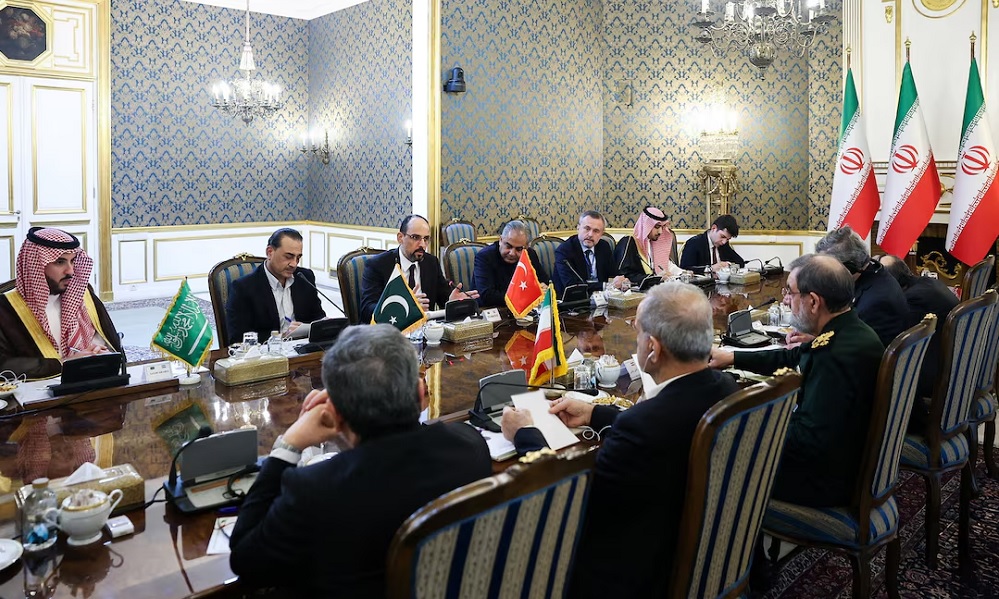
Saudi defence pact countries push for peace in Tehran as Houthis launch more attacks
Tahawol: Qatar-UK consultations on Afghanistan discussed
Saar: Efforts to deliver urgent humanitarian aid to needy Afghans
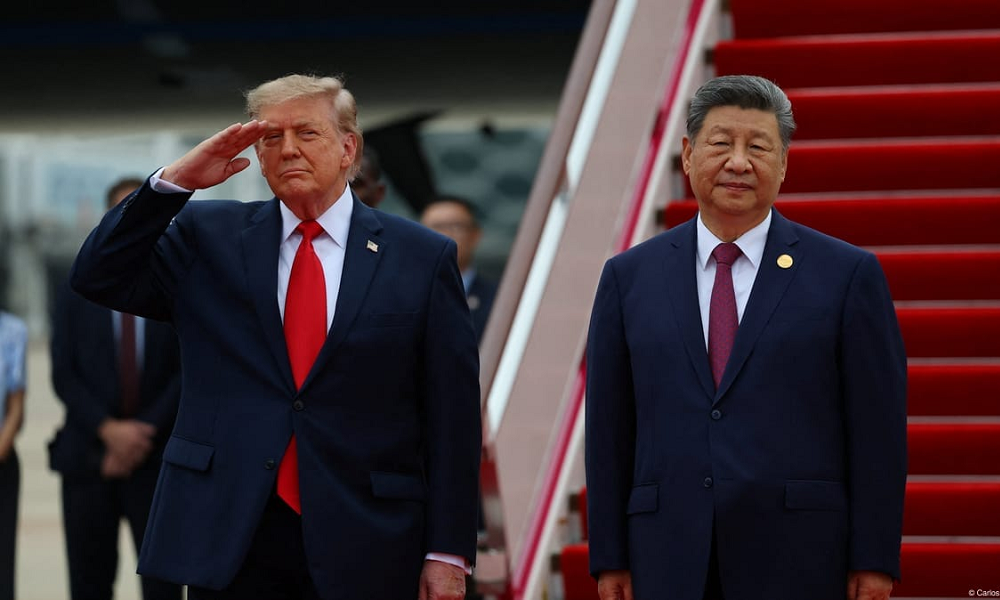
Xi welcomes Trump to China ahead of highly anticipated summit with Putin
Tahawol: 80th anniversary of Afghanistan’s UN membership discussed
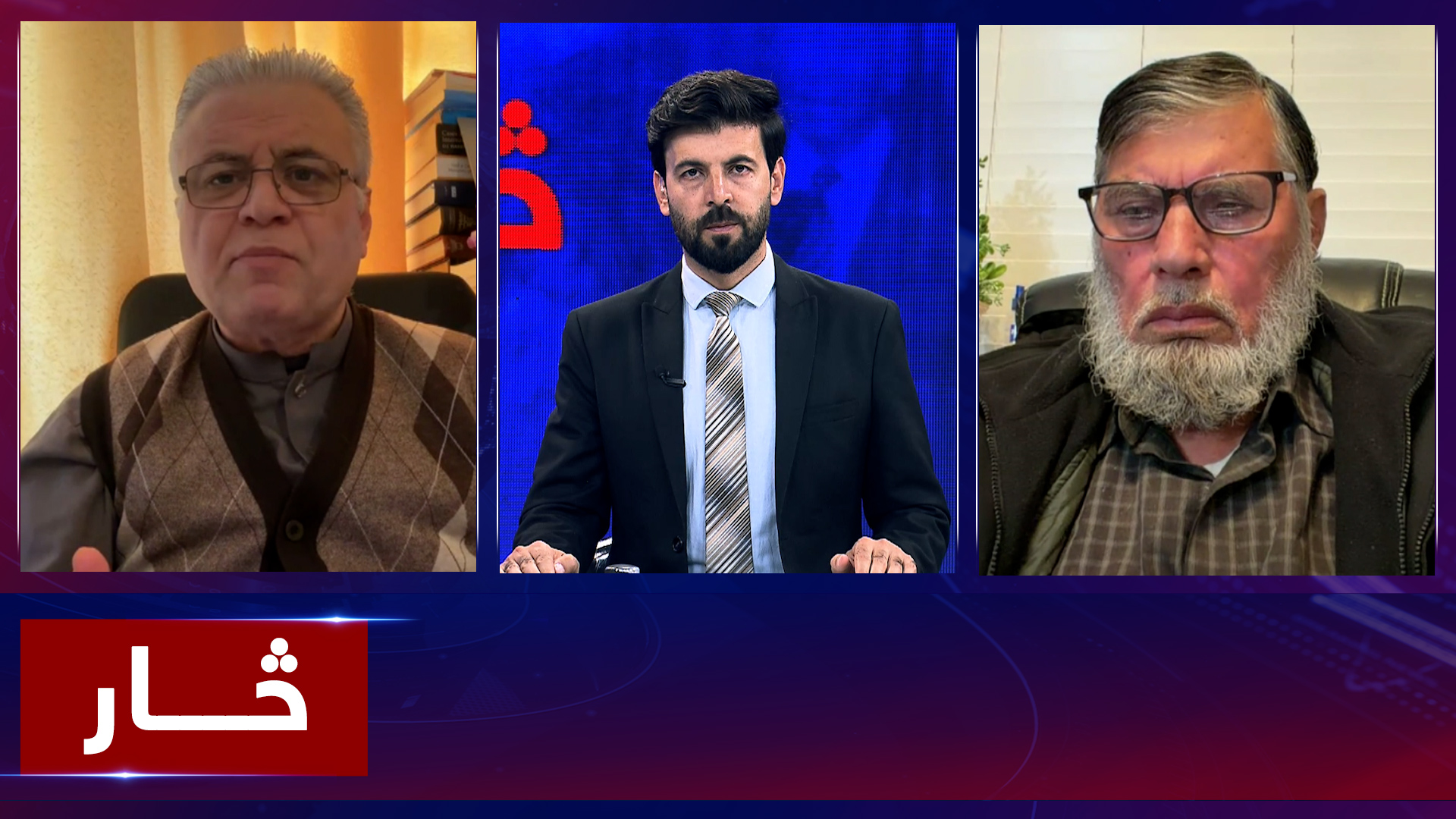
Saar: Europe’s shift toward engagement with the IEA discussed
-
 Sport4 days ago
ILT20 teams required to field at least two UAE and Afghanistan players in Season 5
-
 Sport4 days ago
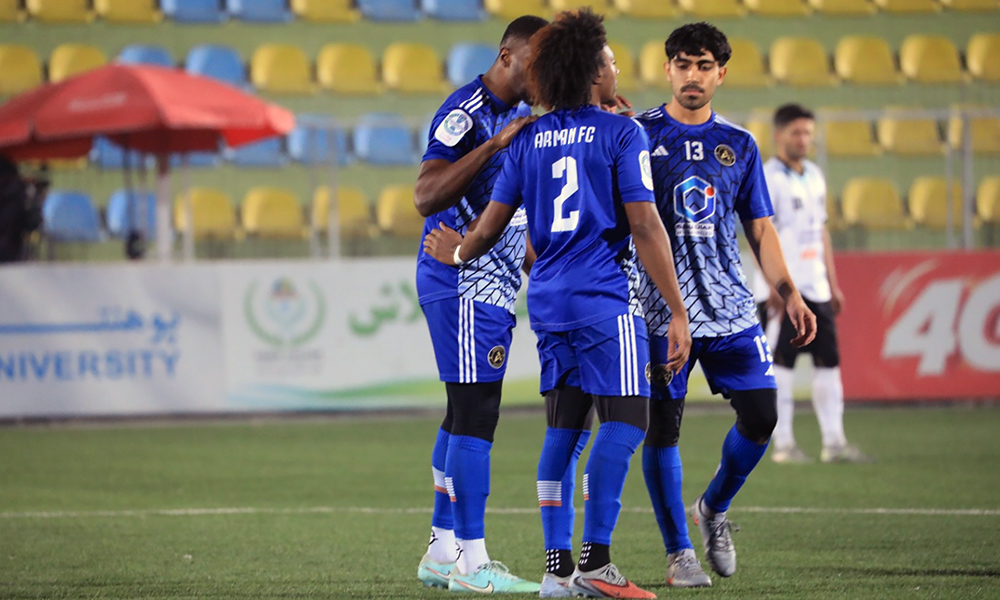
Arman FC cruise to 5-0 victory over Istiqlal Kabul in ACL match
-
 Sport5 days ago
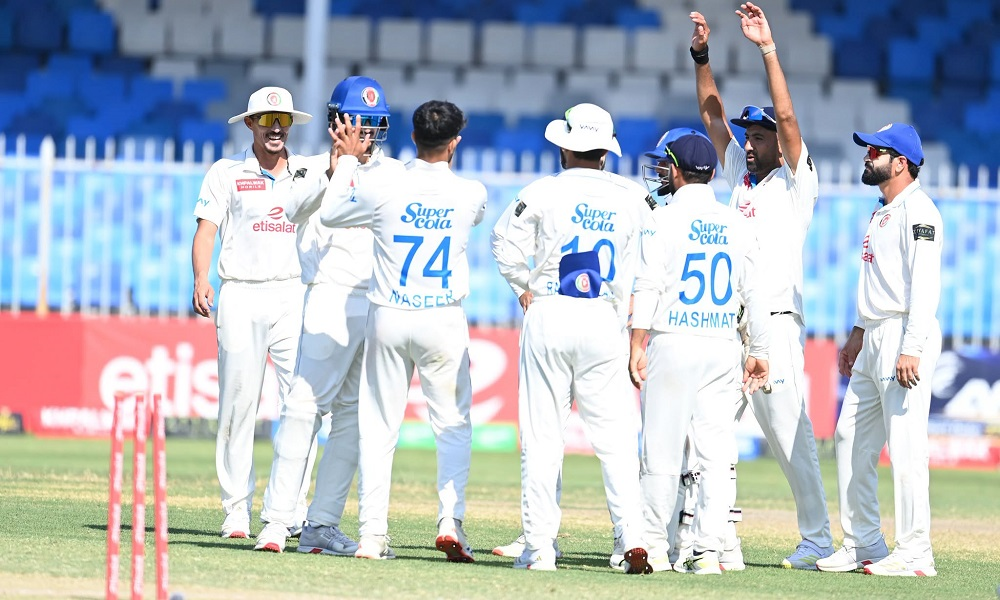
Afghanistan trail Zimbabwe by 180 runs at stumps on day two of second Test
-
 World4 days ago
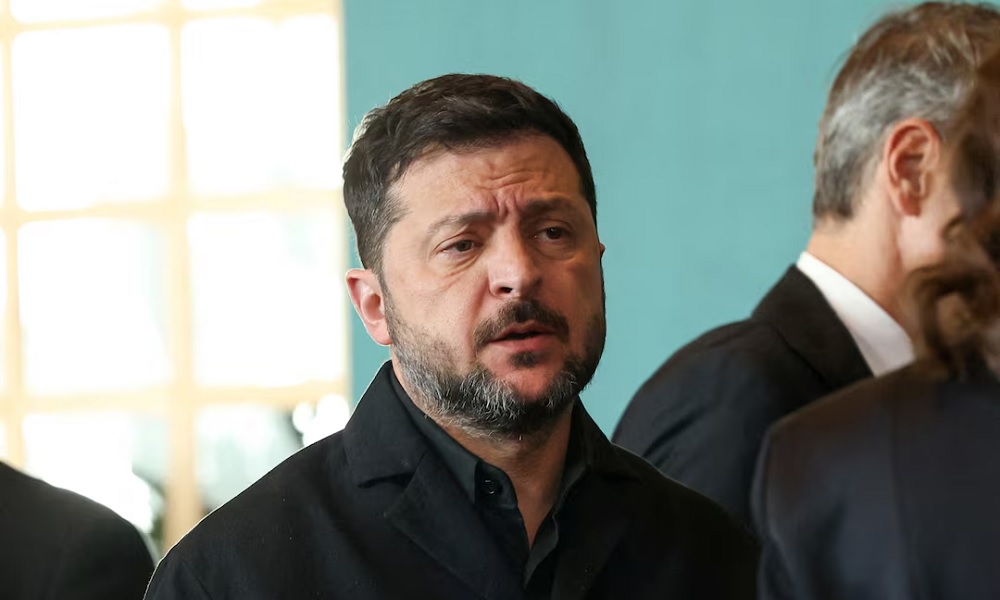
US floated idea of Ukraine ceding Donbas for NATO membership, Zelenskiy says
-
 Latest News4 days ago
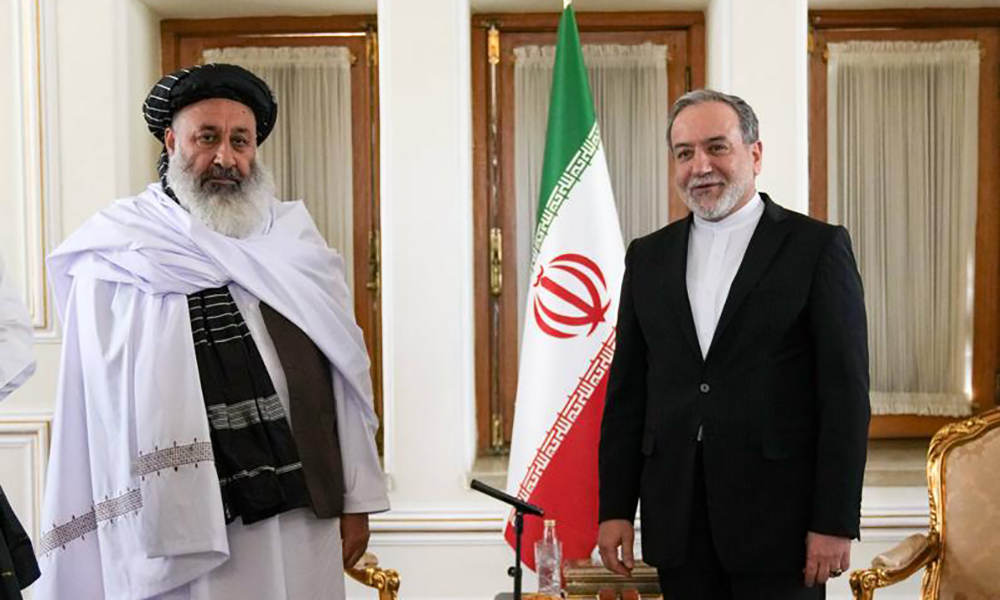
Afghanistan and Iran agree to expand trade cooperation and upgrade border infrastructure
-
 Latest News5 days ago
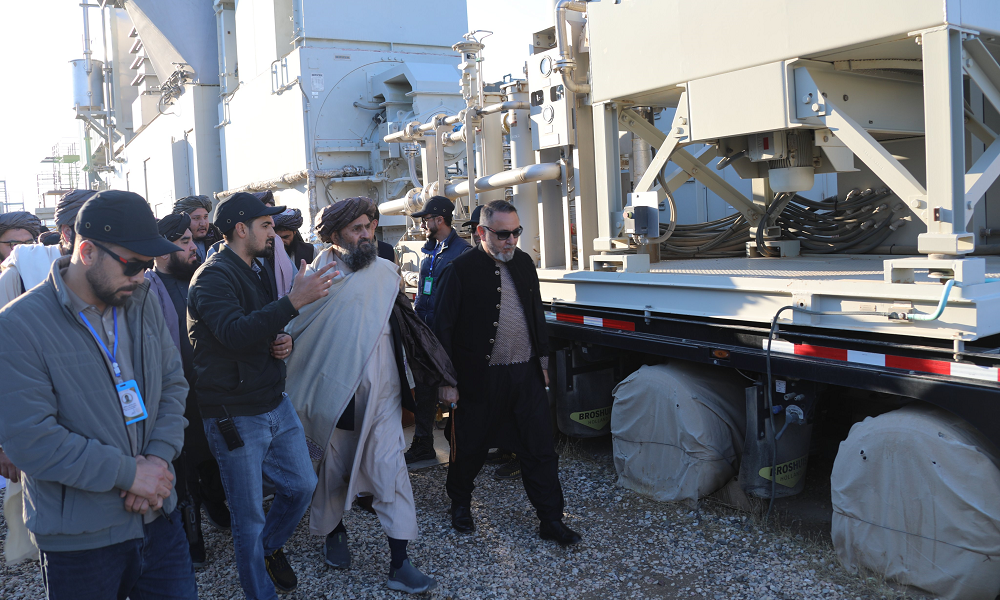
Bayat Power’s 40-megawatt gas-fired turbine resumes operations in Jawzjan
-
 Sport3 days ago
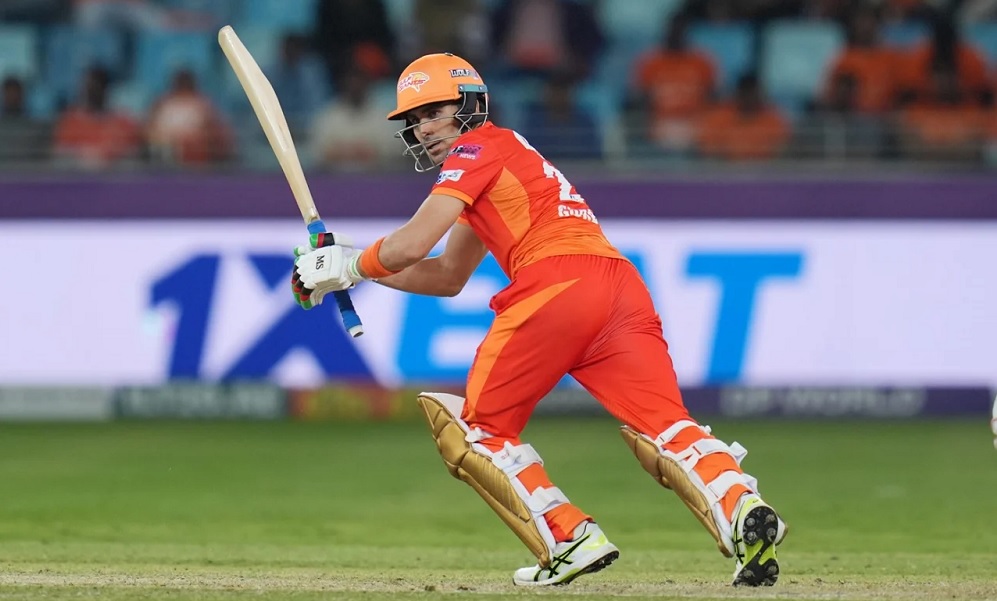
25 Afghan cricketers secure contracts for ILT20 Season 5
-
 Regional4 days ago
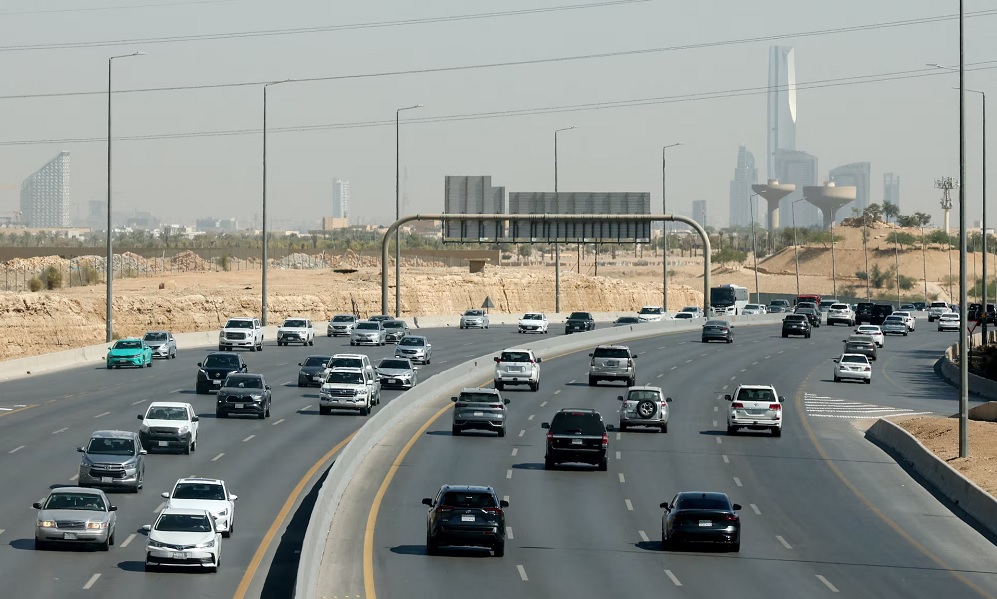
Saudi-led coalition intercepts missiles towards Riyadh, drones in Eastern Province