
Latest News
Putin warns West of harsh response if it crosses Russia’s ‘red lines’

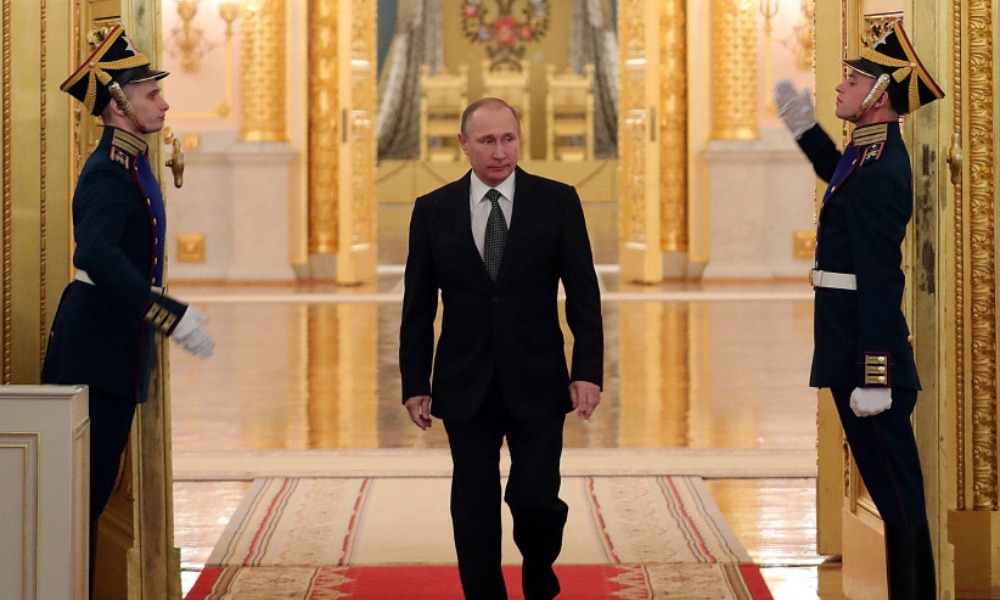
Russian President Vladimir Putin warned the West on Wednesday not to cross Russia’s “red lines”, saying Moscow would respond swiftly and harshly to any provocations and those responsible would regret it.
At a time of acute crisis in ties with the United States and Europe, with Russian troops massed near Ukraine and opposition leader Alexei Navalny on hunger strike in jail, the Kremlin leader used his state of the nation speech to project a message of Russian strength and defiance in the face of outside threats.
“We want good relations…and really don’t want to burn bridges,” Putin told both houses of parliament.
“But if someone mistakes our good intentions for indifference or weakness and intends to burn down or even blow up these bridges, they should know that Russia’s response will be asymmetrical, swift and harsh.”
Russia would determine where its red line lay in each specific case, he said, comparing those who attack it to hyenas led by a tiger.
His comments came at the climax of a speech dominated by Russia’s response to the COVID-19 pandemic and resulting economic hardship. Putin announced new social support measures for families with children ahead of a September parliamentary election.
He adopted a sterner tone when setting out foreign policy.
“In some countries, they have developed a highly unseemly habit of picking on Russia for any reason, and most often for no reason at all – a kind of sport,” said Putin, standing alone on a vast stage flanked by white, blue and red national flags and a backdrop of a giant double-headed eagle.
“Organisers of any provocations that threaten our core security interests will regret what they have done like they’ve never regretted anything for a long time.”
Putin, who is 68 and has dominated Russia for two decades, made no mention of Navalny. The opposition politician is ill in prison after starving himself for three weeks to demand access to his own doctors.
The rouble firmed after Putin’s speech, with markets interpreting it as not escalating tensions with the West.
Recent weeks have seen an intensification of confrontation between Russia and Western countries, which are alarmed by Navalny’s worsening condition and by what they say is the massing of tens of thousands of Russian troops near Ukraine and in Russian-annexed Crimea.
Washington last week tightened sanctions on Russia over accusations of computer hacking and election interference, and the Czech Republic accused Moscow of a role in explosions at an arms depot in 2014. Both expelled Russian diplomats. Russia denied wrongdoing and responded with tit-for-tat expulsions.
Moscow summoned a senior U.S. diplomat on Wednesday and said 10 embassy staff it expelled last week had a month to leave and that it would be disclosing the details of other punitive measures it had promised soon.
Tensions are also strained over the fate of Navalny, whose supporters rallied across Russia on Wednesday in his support.
Two of Navalny’s closest allies were arrested on Wednesday, their lawyers said. Lyubov Sobol, one of the faces of Navalny’s popular YouTube channel, and Kira Yarmysh, his spokeswoman, were both detained in Moscow.
One Navalny aide, Ruslan Shaveddinov, tweeted: “Right now across the whole of Russia they are detaining potential protesters. This is repression. This cannot be accepted. We need to fight this darkness.”
European Council President Charles Michel called the arrests “deplorable” and urged Russian authorities to respect people’s right to assemble.
OVD-Info, a group that monitors protests and detentions, said that nearly 300 people had been detained over the rallies in dozens of different places. The figure was expected to climb.
The Russian government has said the gatherings are illegal. Previous pro-Navalny rallies have been dispersed by force, with thousands of arrests.
Four doctors from outside Russia’s federal prison service visited Navalny on Tuesday and found his health to be satisfactory, Russian human rights commissioner Tatyana Moskalkova said.
In his speech, Putin urged all citizens to get vaccinated and predicted that Russia would achieve collective immunity by the autumn.
On the eve of an online climate summit to be hosted by U.S. President Joe Biden, Putin also called for tougher “polluter pays” rules and set a goal for Russia to cut its greenhouse gas emissions below those of the European Union in the next 30 years.







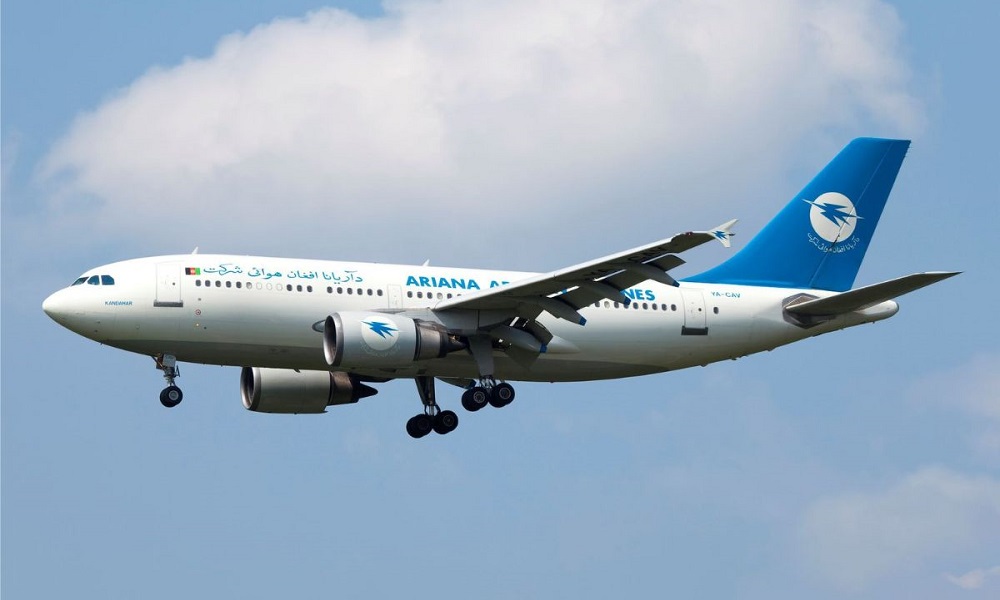
Ariana Afghan Airlines has ranked seventh among 45 airlines in Central Asia in Skytrax’s 2026 rankings.
Company officials say Ariana Afghan ranked eighth on the list in 2025, but moved up one place this year following improvements in service quality and the expansion of its operations.
According to the officials, in 2026 the airline met criteria including service quality, flight safety, professional cabin crew, and experience in the aviation sector, placing it among the top 10 airlines in Central Asia.
Skytrax is an international organization that evaluates and ranks the quality of services in the aviation industry and airlines, assessing and ranking carriers annually based on specific criteria.
Latest News
Silk Road highway in Wakhan corridor now reaches the China border
The road is expected to be officially opened for use in the near future, potentially improving connectivity through the remote Wakhan Corridor.
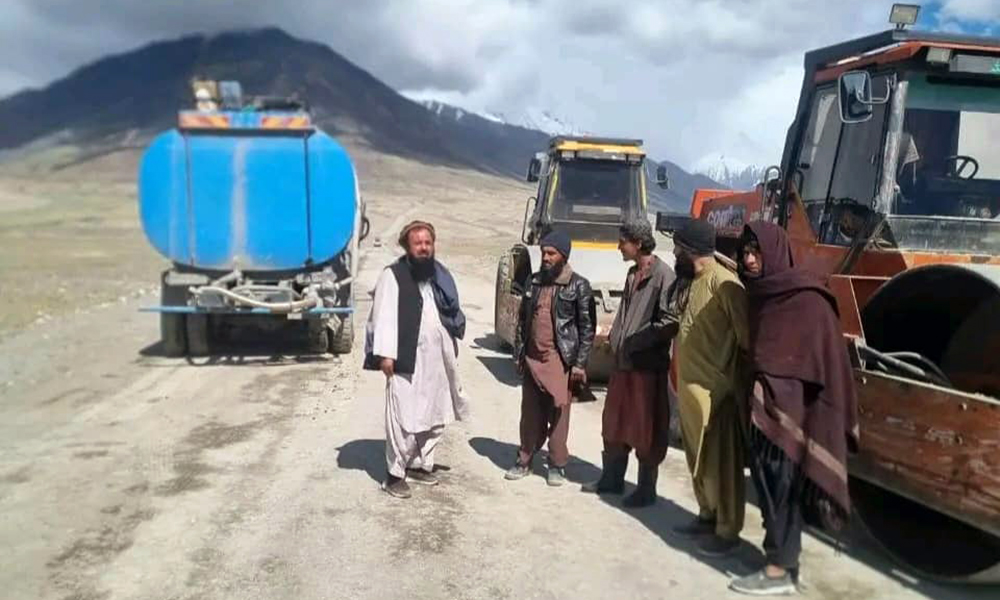
The construction of the Silk Road Highway in Afghanistan’s Wakhan Corridor has been fully completed after five years of work, officials in Badakhshan province said.
Amanullah Chehra, head of Rural Rehabilitation and Development in Badakhshan, said the 121.13-kilometre road begins in the Barghil area and stretches to Bzai Gonbad near the Chinese border.
According to officials, the road is between 7 and 10 metres wide and includes three major bridges, each measuring approximately 20 to 22 metres in length. Numerous smaller drainage structures have also been built along the route to facilitate the flow of water.
The road is expected to be officially opened for use in the near future, potentially improving connectivity through the remote Wakhan Corridor.
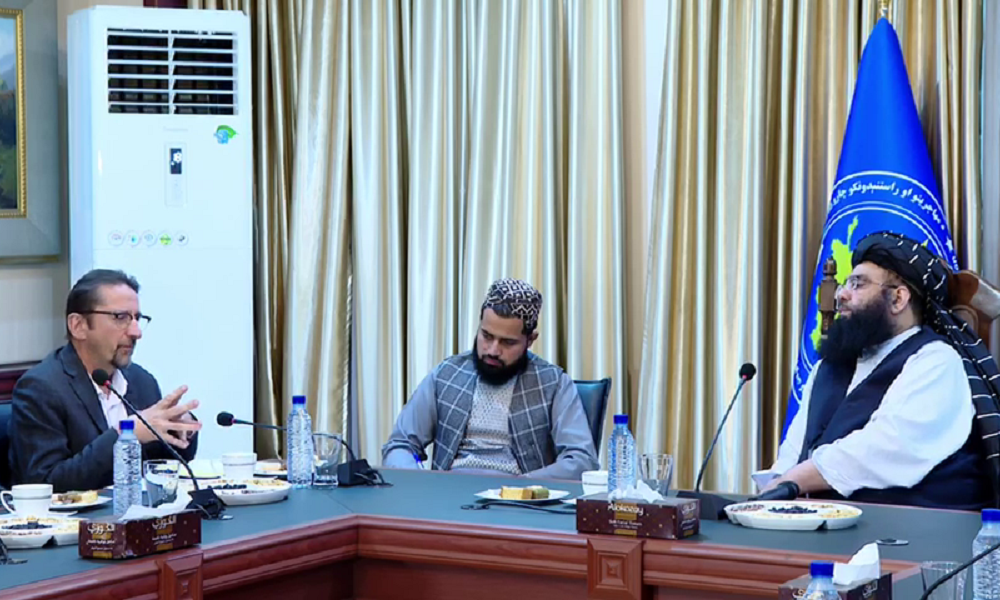
Afghanistan’s Minister of Refugees and Repatriation, Mawlawi Abdul Kabir, met on Wednesday with Bruno Lemarquis, UNAMA’s Deputy Head for Humanitarian Affairs, to discuss the situation of Afghan returnees and humanitarian assistance.
The Ministry of Refugees and Repatriation said Lemarquis briefed the minister on assessments conducted by UN agencies during visits to several provinces to identify the needs of returnee families.
Lemarquis said joint cooperation between UN agencies and the Islamic Emirate is needed to support and resettle returnees. He added that UN agencies are currently assisting thousands of families and called for the expansion of humanitarian assistance.
He also said the international community should pay greater attention to the needs of Afghans, adding that UNAMA is ready to cooperate in addressing challenges facing returnees.
Abdul Kabir welcomed UNAMA’s support and thanked the United Nations for its assistance to Afghans. He said various government institutions have been tasked with addressing returnees’ needs.
The minister also called on aid organizations to continue supporting returnee families, saying a program to resettle thousands of internally displaced families is also underway.
Kabir further said the necessary facilities have been provided for UN agencies to operate and that the Islamic Emirate welcomes UNAMA’s humanitarian cooperation.


Tahawol: Opening of the 81st UN General Assembly Session

Saar: OIC Assessment of Afghanistan’s humanitarian and development situation discussed

Ariana Afghan Airlines ranks seventh among 45 Central Asian airlines

Silk Road highway in Wakhan corridor now reaches the China border

Refugees minister, UNAMA deputy discuss challenges facing returnees

Saudi energy group signs major Afghanistan deals covering gas exploration and pipeline plans

ATN secures exclusive rights to broadcast T20I series in India across Afghanistan

China evacuates thousands as Typhoon Narra brings torrential rain

Trump floats idea of renaming Atlantic or Pacific Ocean

US hits Egyptian bank branches with Iran sanctions as war marks six months
Tahawol: Opening of the 81st UN General Assembly Session
Saar: OIC Assessment of Afghanistan’s humanitarian and development situation discussed

Tahawol: Reactions to Pakistan’s attacks on Afghanistan discussed

Saar: Uncertain fate of Afghanistan’s seat at UN discussed

Tahawol: Uncertain future of Afghanistan’s permanent UN seat
-

 Sport2 days ago
Afghanistan to face Japan and Nepal in Asian Games cricket group stage
-
 World5 days ago
US and Denmark reach deal on Greenland, Trump says
-
 Latest News3 days ago
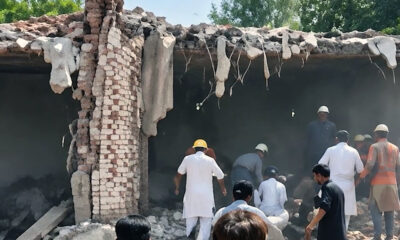
Pakistan says Kohat attackers had roots in Afghanistan
-
 Latest News5 days ago
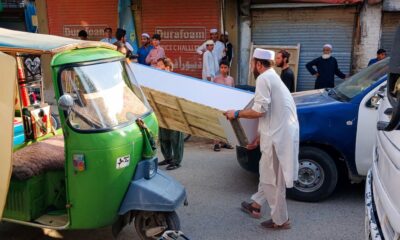
Afghanistan condemns mosque attack in Khyber Pakhtunkhwa
-
 Latest News4 days ago
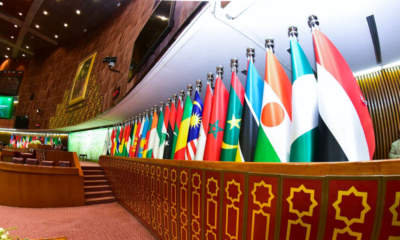
OIC to hold Afghanistan Contact Group meeting on sidelines of UN General Assembly
-
 Latest News4 days ago
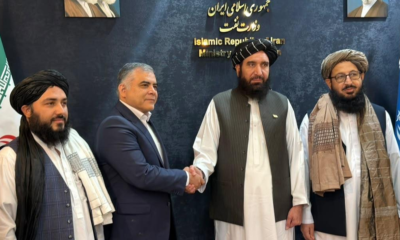
Afghan official meets Iranian oil minister to discuss energy cooperation
-
 Regional4 days ago
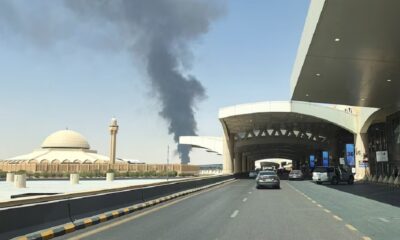
Flames, smoke seen near Riyadh airport; Houthis claim attacks on Saudi capital
-

 Sport5 days ago
ACL: Sarsabz Yashlar edge Istiqlal Kabul 2–1