
Latest News
Trump’s dream of retaking Bagram might end up looking like an Afghan re-invasion – Reuters

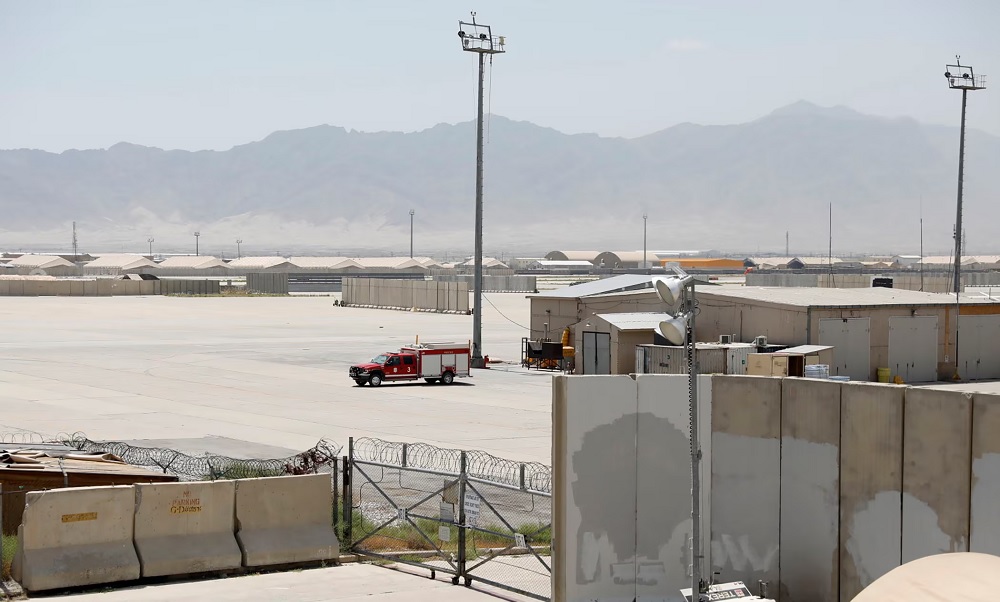
U.S. President Donald Trump’s goal of re-occupying Bagram air base in Afghanistan might end up looking like a re-invasion of the country, requiring more than 10,000 troops as well as deployment of advanced air defenses, Reuters reported citing current and former U.S. officials.
Trump, speaking to reporters on Thursday during a trip to London, said “we want that base back” and cited what he called its strategic location near China.
“It’s an hour away from where China makes its nuclear weapons,” Trump said.
The sprawling airfield was the main base for American forces in Afghanistan during the two decades of war that followed the September 11, 2001, attacks in New York and Washington.
Trump, who has previously said he wants the United States to acquire territories and sites ranging from the Panama Canal to Greenland, has appeared focused on Bagram for years.
He hinted on Thursday that the U.S. could acquire the base with some kind of the Islamic Emirate consent but it was unclear what form such an agreement might take. The Islamic Emirate has previously said that it will not allow the presence of foreign troops in Afghanistan.
The base once counted fast-food restaurants like Burger King and Pizza Hut catering to U.S. troops as well as shops selling everything from electronics to Afghan rugs. It also hosted a massive prison complex.
A U.S. official, speaking on condition of anonymity, said there was no active planning to militarily take over Bagram air base, which the U.S. abandoned along with the rest of the country when it withdrew from Afghanistan in 2021.
The official said any effort to reclaim the base would be a significant undertaking.
The official said it would require tens of thousands of troops to take and hold Bagram air base, an expensive effort to repair the base, and a logistical headache to resupply the base — which would be an isolated U.S. enclave in a landlocked country.
A former senior U.S. defense official played down the benefits of retaking the base, including the base’s proximity to China that was touted by Trump.
“I don’t think there’s a particular military advantage to being up there,” the former official said. “The risks sort of outweigh the advantages.”
In February, Trump complained that Biden had given up the base and said there had been a plan to keep a small U.S. force there, even though his February 2020 accord with the IEA required a pullout of all U.S.-led international forces.
Trump’s comments came as the Pentagon is carrying out a review into the United States’ chaotic withdrawal from Afghanistan in 2021, which many policy leaders in his administration viewed as a distraction from bigger challenges facing the United States — like competition from China.
Over the weekend, U.S. officials held talks with the authorities in Kabul over Americans held in Afghanistan.
Adam Boehler, the Trump administration’s special hostage envoy, and Zalmay Khalilzad, a former U.S. special envoy for Afghanistan, met the IEA’s foreign minister, Amir Khan Muttaqi.

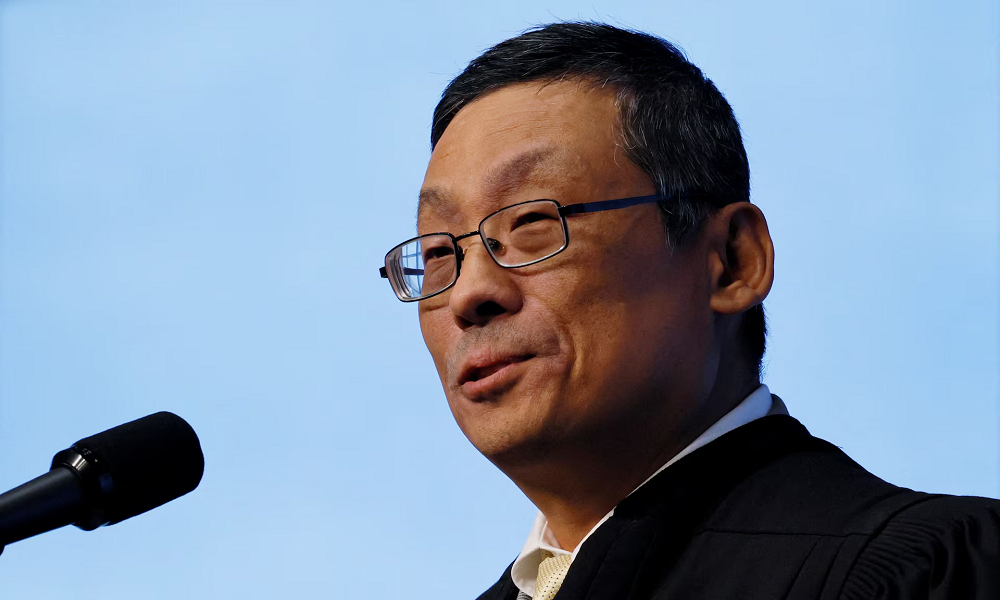
A federal judge on Friday appeared open to blocking President Donald Trump’s administration from freezing thousands of refugees’ green card applications and implementing a rule that would facilitate deportations of refugees stripped of their legal status.
US District Judge Myong Joun in Boston questioned whether the administration was allowed to indefinitely halt the processing of green card applications from refugees and said he was “struggling” to understand its separate decision to cut the time they have to contest terminations of their legal status, Reuters reported.
Assistant US Attorney Vincent Engingro said at a hearing that the changes were needed to ensure security and public safety. He argued that lax processes in the past allowed for “bad apples” to gain admission, warranting a re-review of anyone admitted during Democratic President Joe Biden’s tenure.
But Erez Reuveni, a lawyer at Democracy Forward representing several refugee advocacy organizations and four individuals from Afghanistan, Ethiopia, Colombia and Iran, argued that more than 100,000 refugees were being put at risk as a result of agency actions that are “many times over unlawful.”
He said the policies betrayed “this nation’s promise, following the horrors of World War Two, to never again deny refuge for those fleeing oppression and persecution.”
At issue are policies the Trump administration adopted as part of its hardline immigration agenda, after the president last year suspended admissions by foreign nationals seeking to enter the US through its refugee resettlement program.
In November 2025, USCIS Director Joe Edlow issued a memo ordering a halt to all processing of applications for permanent residence for refugees who entered under Biden and directing that previously admitted refugees be reviewed and re-interviewed. About 113,000 such applications are pending.
USCIS later in an interim rule issued on October 14 slashed the time refugees have to contest a decision to terminate their status from 30 days to 10. The plaintiffs say that could affect as many as 186,000 refugee cases.
Lawyers for the plaintiffs during Friday’s hearing argued USCIS’ application processing freeze and re-vetting of admitted refugees were not authorized under the Refugee Act of 1980, a law that established a framework for refugee admissions.
They said that USCIS also breached an obligation to allow public comment on the decision to shorten the time to contest decisions to revoke a refugee’s legal status.
That rule has been temporarily halted by the court to allow Joun time to consider the case. The judge, a Biden appointee, expressed concern about whether 10 days was realistically enough for a refugee to gather all the paperwork they would need to mount a defense.
He compared the situation to one he routinely faces when he needs to renew his dog’s license. He said the process takes about 45 days and requires him to fill out a form, write a check and secure his dog’s vaccination record from a veterinarian.
“All of that takes time, and almost every year I miss that January 1 deadline,” Joun said.
But Engingro argued that the rule ensured immigration authorities could move quickly and avoid giving refugees extra time to evade arrest and deportation.
“I believe it’s important to act swiftly when it’s determined that an individual is not entitled to refugee status or does not meet the definition of a refugee,” Engingro said.
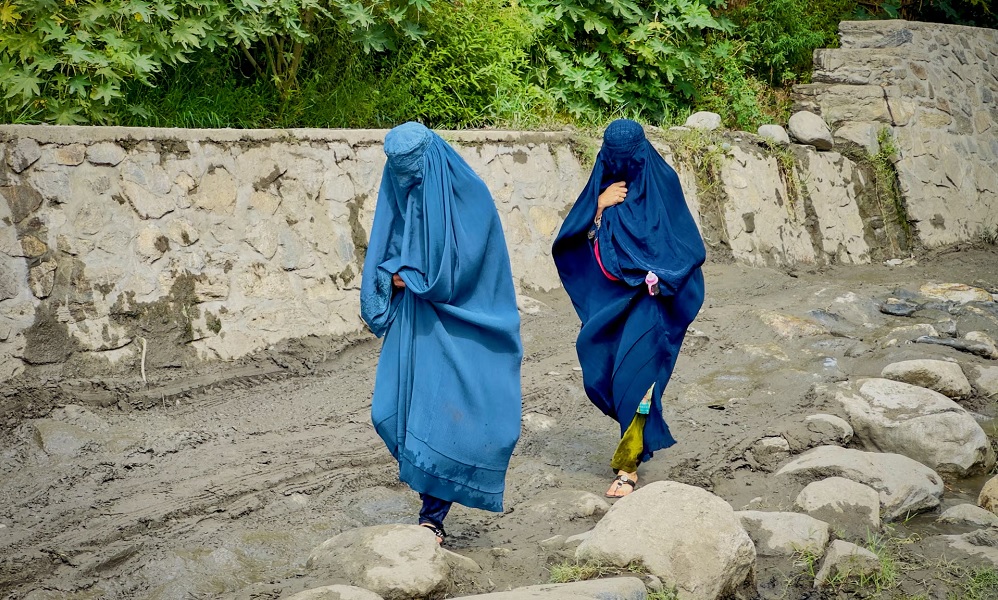
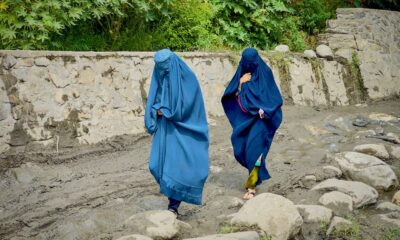
The UN Women agency has warned that restrictions imposed on women and girls in Afghanistan, coupled with cuts to humanitarian funding, are preventing growing numbers from accessing essential healthcare services.
The agency said more than 100 edicts issued by the Islamic Emirate since 2021 have significantly restricted women’s freedom of movement, access to education and employment, further limiting their ability to seek medical assistance.
Sofia Calltorp, UN Women’s Chief of Humanitarian Action, warned that the situation could leave millions of Afghan women and girls without access to healthcare in the long term.
“One woman that I met in Kunar told me that she had suffered multiple miscarriages without access to healthcare. I also met with men who spoke of restrictions preventing them from supporting women,” Calltorp said.
According to UN Women, nearly 300 humanitarian health facilities have been closed or suspended across Afghanistan due to funding cuts, affecting more than one million women and girls.
The agency also reported that more than 193 centres providing support to survivors of gender-based violence have closed, while around 3.4 million women and girls in need are unlikely to have access to water, sanitation and hygiene services.
Meanwhile, UN Women said approximately 2.6 million girls remain barred from secondary education, warning that the restrictions could contribute to increased child marriage and maternal mortality.
Susan Ferguson, UN Women’s Special Representative in Afghanistan, described the situation as the world’s worst women’s rights crisis, saying Afghan women are increasingly struggling to secure their basic needs and survive.
She said funding cuts have forced humanitarian organizations to make difficult decisions about which women and girls receive assistance and which are turned away.
Ferguson called on governments and international donors to maintain and increase their support for Afghan women and girls.
“Stay the course and increase, not cut, your support. Back these women,” she urged.
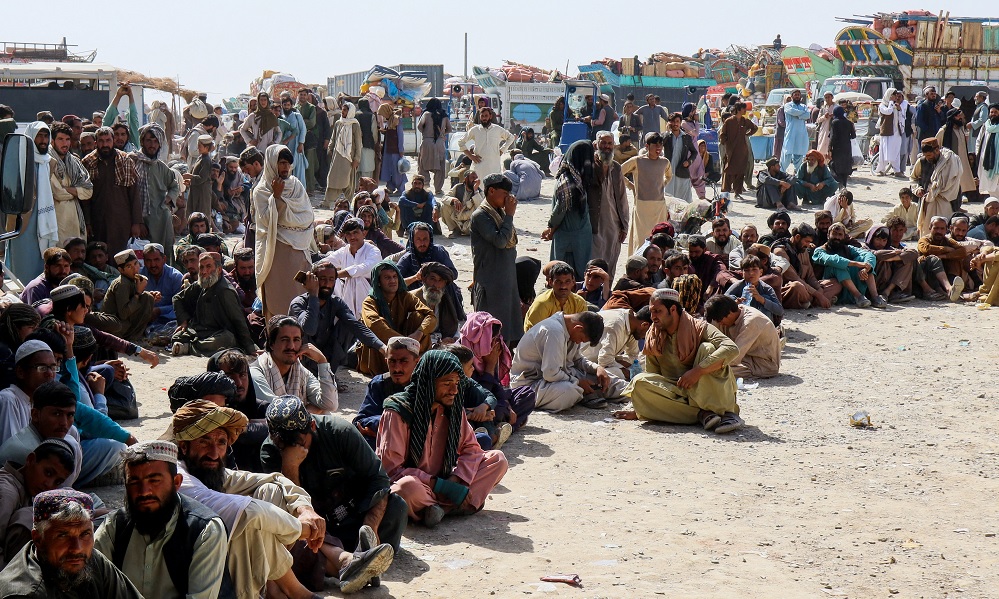
Afghanistan’s Ambassador to Pakistan, Sardar Ahmad Shakeeb, has said that approximately 85 to 90 percent of Afghan refugees have returned to their homeland.
Shakeeb made the remarks during a meeting with Noriko Tagaki, the newly appointed head of the UN High Commissioner for Refugees (UNHCR) in Pakistan, according to a statement from the Afghan Embassy in Islamabad.
The meeting focused on the situation of Afghan refugees in Pakistan over the past three years, their return and reintegration process, UNHCR’s assistance to returnees and the challenges they face.
Shakeeb said the Islamic Emirate had consistently welcomed the return of Afghan citizens and, within its available resources and capacities, had made efforts to facilitate their reception and provide the necessary assistance.
He also reiterated the Islamic Emirate’s position that refugee-related issues should be addressed through joint mechanisms, constructive consultations and close coordination among relevant stakeholders.
He stressed that such cooperation was essential to preventing mistreatment and safeguarding the fundamental rights, dignity and honour of Afghan refugees.
For her part, Tagaki said she would work to gain a better understanding of the challenges facing Afghan refugees and seek practical solutions in coordination with relevant stakeholders.


Astronomers observe a huge puffy star merge with smaller companion
US judge questions Trump administration’s policies targeting refugees

Restrictions prevent Afghan women from accessing vital healthcare: UN
Afghan ambassador: 85 to 90 percent of refugees have returned from Pakistan
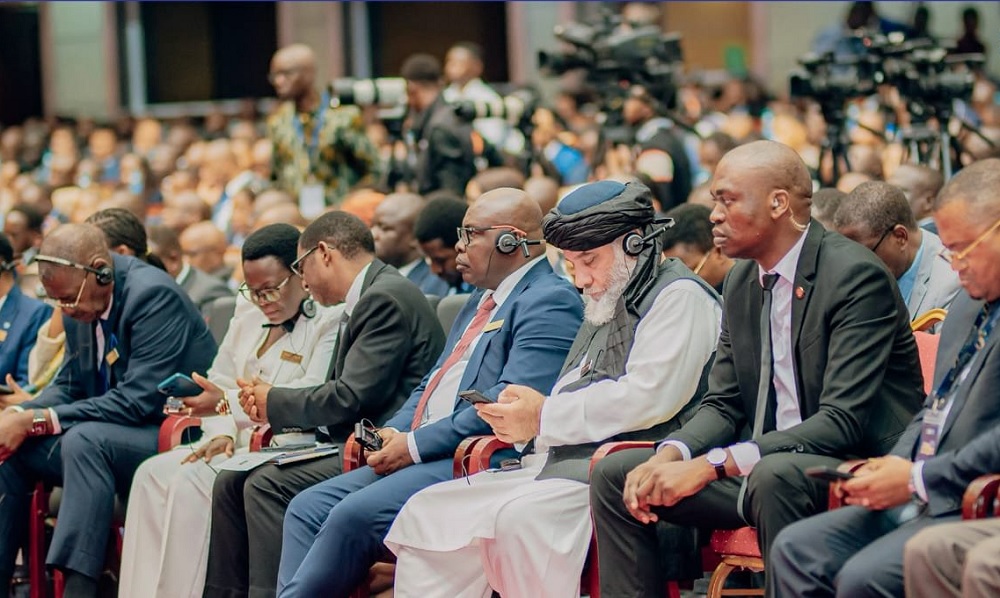
Afghanistan’s commerce minister attends Tanzania investment conference

Governments take websites offline as critical cyber flaws trigger global alert

Afghanistan’s new Wakhan road to China faces major hurdles

US sanctions and blockade measures disrupt Iran’s trade with Afghanistan and regional neighbors

Pakistan exporters suffer billions in losses as Afghanistan trade halt continues

Saudi defence pact countries push for peace in Tehran as Houthis launch more attacks

Tawsia: Afghanistan’s key economic highlights of the week discussed
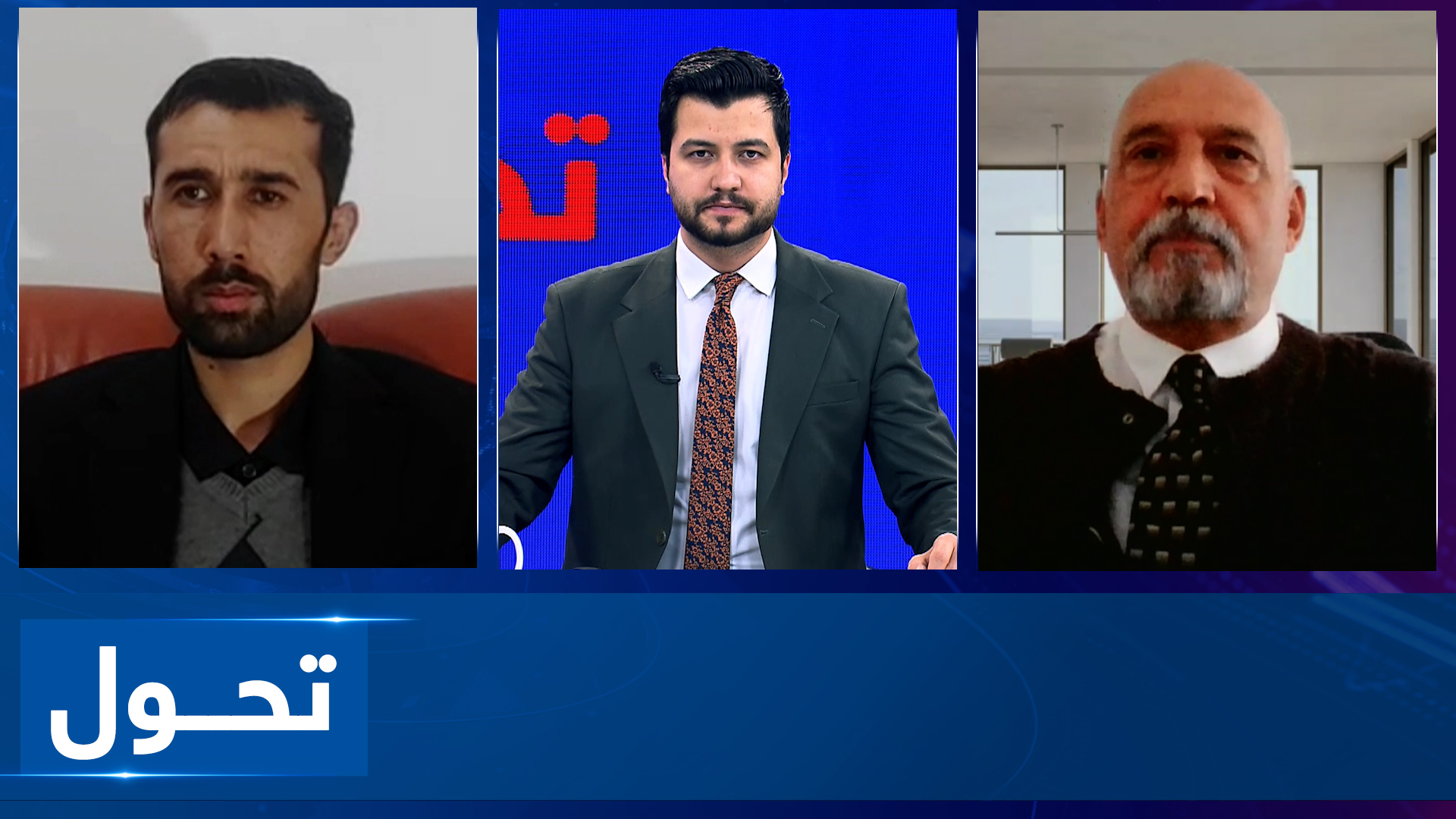
Tahawol: Kazakhstan’s call for practical international engagement with Afghanistan
Saar: Afghanistan and UN: 80 years of diplomatic relations discussed
Tahawol: Qatar-UK consultations on Afghanistan discussed
Saar: Efforts to deliver urgent humanitarian aid to needy Afghans
-
 Sport5 days ago
25 Afghan cricketers secure contracts for ILT20 Season 5
-
 Sport3 days ago
ATN to broadcast AFC Awards honoring Asia’s football stars
-
 Sport5 days ago
Sorkh Poshan Khafi crowned ACL champions after unbeaten campaign
-
 Regional3 days ago
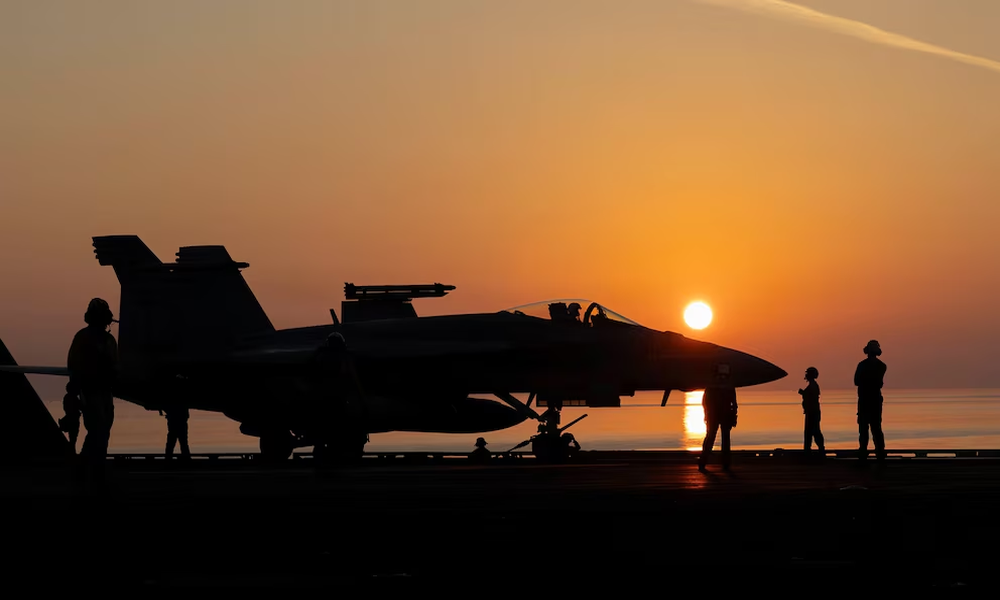
US strikes Iranian military site as Gulf states report fresh attacks
-
 Business4 days ago
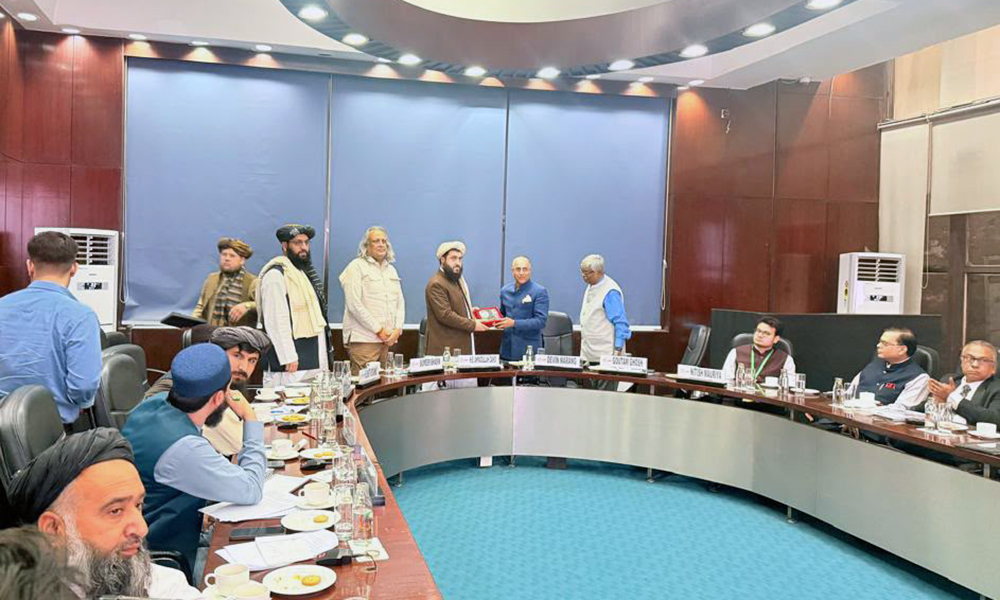
Afghanistan, India discuss expanding trade and investment ties
-
 Regional4 days ago
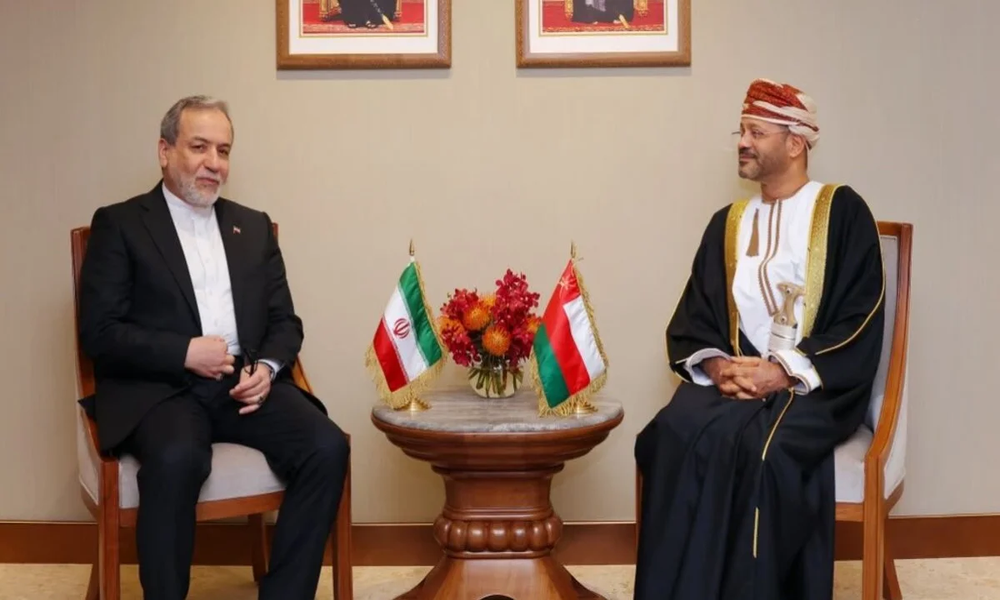
Oman and Iran discuss restoring shipping through Strait of Hormuz
-
 Latest News5 days ago
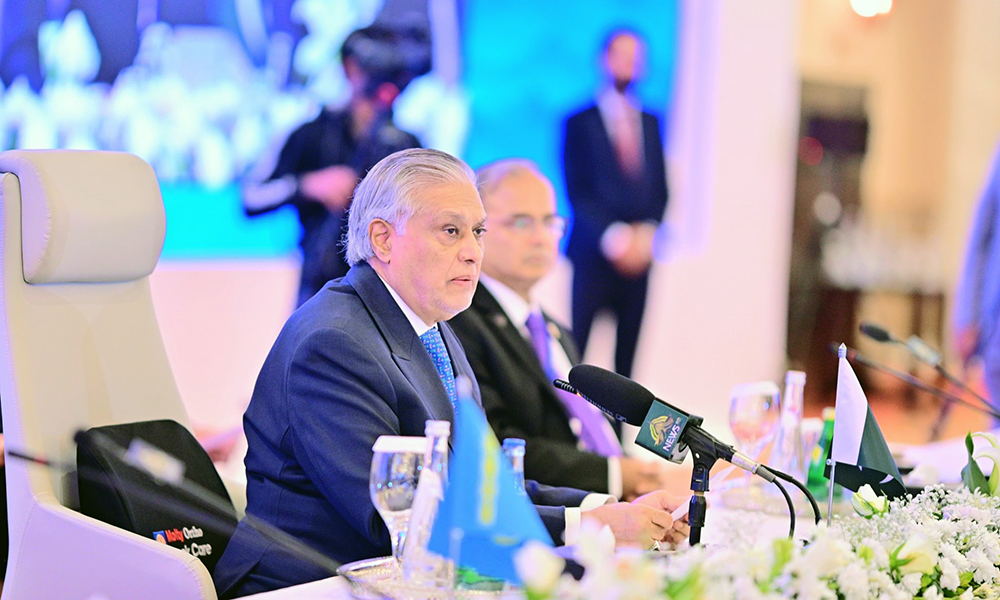
Pakistan FM urges Afghanistan to address security concerns of neighbors
-

 Latest News3 days ago
Afghanistan’s economy grows despite rising food insecurity and water crisis: World Bank