
Latest News
U.N. aims to launch new Afghanistan cash route in February

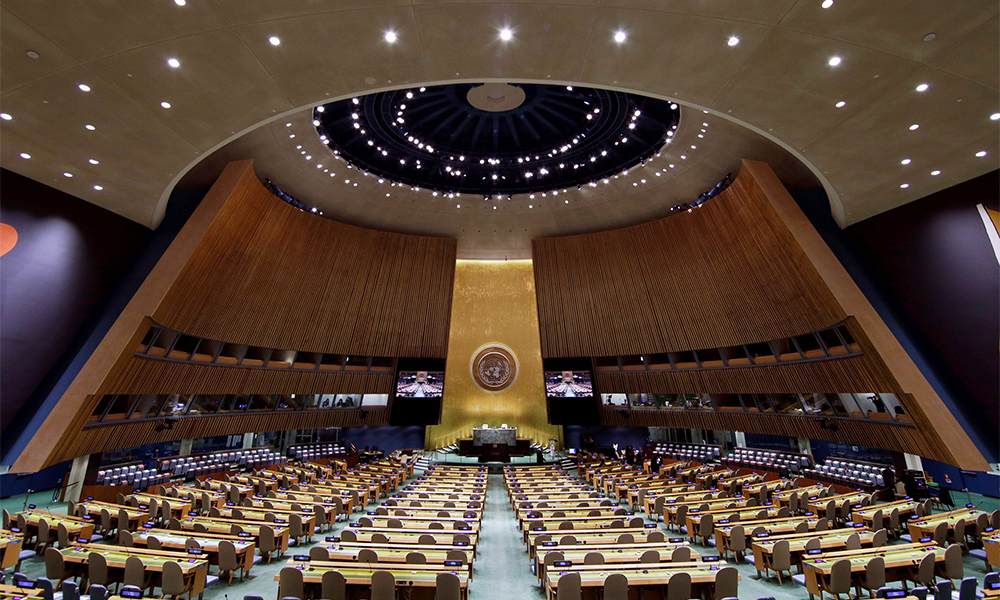
The United Nations aims to kick start this month a system to swap millions of aid dollars for Afghan currency in a plan to stem humanitarian and economic crises and bypass blacklisted Taliban leaders, according to an internal U.N. note seen by Reuters.
Since the Islamic Emirate of Afghanistan (IEA) takeover in August, foreign financial assistance has stopped and international banks are wary of testing U.N. and U.S. sanctions on the IEA, leaving the United Nations and aid groups struggling to obtain cash even as they continue to receive humanitarian donations.
The U.N. explanatory note, written last month, outlines an “urgently needed” Humanitarian Exchange Facility (HEF). The United Nations has warned that more than half of Afghanistan’s 39 million people are suffering extreme hunger and the economy, education and social services are collapsing.
“The overall objective is to have the HEF up and running in February,” the note said. “Prior to the full establishment of the facility, we seek to facilitate several trial swaps, to demonstrate exactly how the mechanism will work.”
U.N. and humanitarian officials warn that the facility can be only a temporary measure until Afghanistan’s central bank begins operating independently and some $9 billion in foreign reserves frozen abroad are released.
But when that could happen is uncertain. The reserves held by the United States are tied up in legal action and Western governments are reluctant to release funds unless they see the IEA show greater respect for human rights, especially those of women and girls.
The HEF would allow the United Nations – which is seeking $4.4 billion for humanitarian assistance this year – and aid groups access to large amounts of the national currency, the afghani, held in the country by private businesses.
In exchange, the United Nations would use aid dollars – potentially tens of millions – to pay the businesses’ foreign creditors, thereby bolstering the flagging private sector and critical imports.
“The facility’s flow of funds would not require the movement of funds across the Afghan border,” the U.N. note said.
While the money bypasses the IEA, the note says the HEF will need the approval of the IEA-run central bank for “the flow of funds and the exchange rate used and the withdrawal of AFN cash deposited into AIB (Afghanistan International Bank) without any restriction.”
A spokesman for the IEA care-taker government confirmed that officials in Afghanistan were aware of the proposal for the HEF, but did not know the details or the procedure.
“We welcome any kind of humanitarian actions for the people of Afghanistan, but all actions should be taken according to Afghanistan’s laws and national interests,” Bilal Karimi told Reuters on Friday in response to a question on the HEF.
The United Nations does not comment on leaked documents, U.N. spokesman Stephane Dujarric said of the note. U.N. Secretary-General Antonio Guterres has said Afghanistan is “hanging by a thread” and long pushed for international action to combat the economic crisis hampering aid efforts.
Afghanistan’s economy has continued to deteriorate, with inflation for basic household goods reaching nearly 42% in January, compared to the year-earlier period, the World Bank said on Wednesday. Wages and demand for labor continued to decline, as did imports, which were down 66% compared to a year earlier, it said.
Aid groups and U.N. officials have been advocating for a cash swap mechanism, but the U.N. note seen by Reuters provides new details on how it will work.
Graeme Smith, a senior consultant for the International Crisis Group think-tank, told the U.S. Senate Foreign Relations Committee on Wednesday that an exchange facility is needed quickly, but only as a stopgap measure.
“It is not sufficient,” he said. “Nobody should be under any illusions that this substitutes for the normal functioning of a central bank.”
Complicating the response, IEA leaders have banned the use of foreign currency in a country where U.S. dollars were common. The United Nations has flown in shipments of $100 bills, but the central bank has not converted them, leaving the world body sitting on about $135 million in cash that it cannot use, a U.N. official said last week.
Those funds are held in Kabul in the vaults of AIB, the official said, the private bank that would play a role in the new cash swap system.
The security of the cash flights and limits on how much can be delivered are key reasons for starting the new exchange facility, the note said.
World Bank and U.N. officials have been working to finalize the HEF, including completing a risk assessment, seeking a U.S. Treasury license to protect international banks from sanctions, and hiring a private company to vet participants and guard against money-laundering, the note said.
David Miliband, head of the International Rescue Committee, said the consequences of Afghanistan’s economic crisis could be devastating, and he called for a change in U.S. and international policy toward the country.
He told the Senate committee on Wednesday: “Current policy will indeed mean that a starvation crisis kills … more Afghans than the past 20 years of war.”



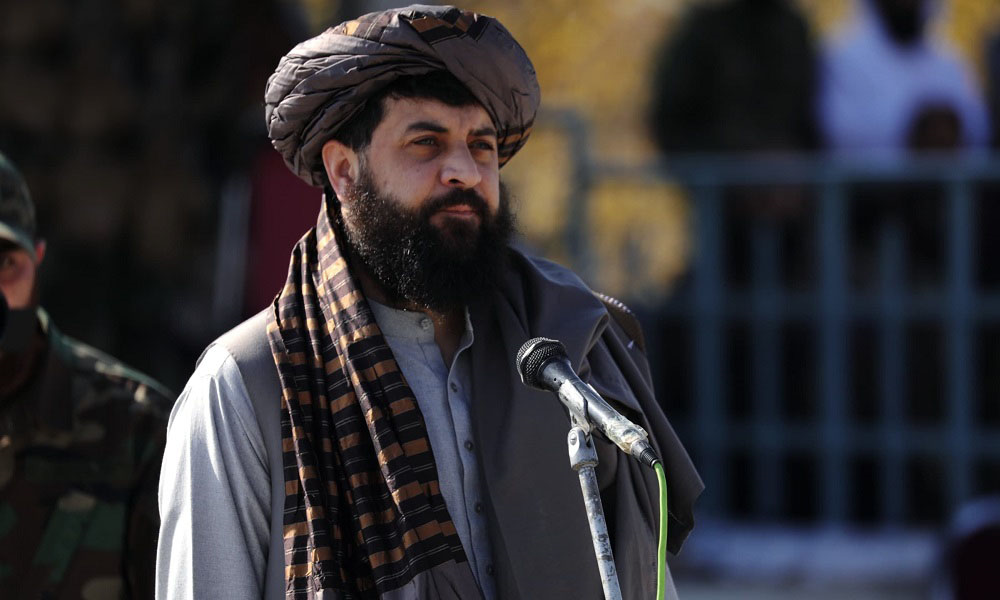
Mohammad Yaqoob Mujahid, the Minister of Defense of the Islamic Emirate, says that Afghanistan currently has a unified central government, and that no groups engaging in destructive activities are present in the country. He added that they will not allow anyone to undermine the country’s security.
According to a statement issued by the Ministry of Defense, Mujahid made these remarks at a graduation ceremony for commandos of the Special Forces Division. The ceremony was attended by Khalifa Sirajuddin Haqqani, the Minister of Interior; several cabinet ministers; foreign ambassadors and military attachés; special representatives; and a number of officials and military personnel.
Addressing the commandos, Yaqoob Mujahid said: “In the service you perform, make the pleasure of Almighty Allah your sole intention, because Almighty Allah will reward you for such an intention in this world and the hereafter. There is now a unified central government in the country, and no groups engaging in destructive activities are present. We will also not allow anyone to undermine security.”
He also added: “I assure our people that these forces will defend the lives, property, and territory of their beloved country with full courage and wisdom. I tell all foreign countries that Afghanistan is now secure, and there is no enemy in this country, whether from within or outside, that poses a threat to others.”
At the ceremony, Khalifa Sirajuddin Haqqani also said: “For half a century, Afghanistan did not have an independent army. However, now, it has an organized army and other security forces. You are not a ceremonial army, nor do you operate to serve the interests of others; rather, you are an organized and independent army. Although we may be materially weak, we are stronger than others in terms of morale and spirituality. We must maintain high morale, avoid acting emotionally in military affairs, and respond to the enemy at the appropriate time. We are not a threat to anyone; rather, we are defenders of our own land.”
It is worth noting that 1,000 young commandos of the Special Forces Division of the Ministry of Defense graduated from the eighth training course after completing six months of professional, ideological, and commando training.
During the ceremony, the graduating commandos, in cooperation with the Air Force, demonstrated coordinated practical and military exercises using various types of unmanned aircraft.
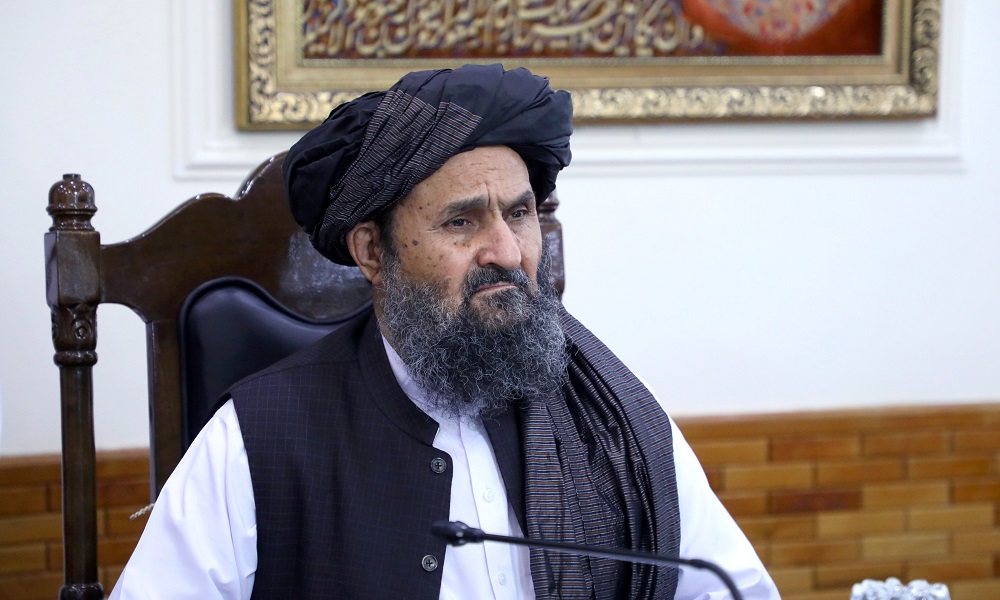
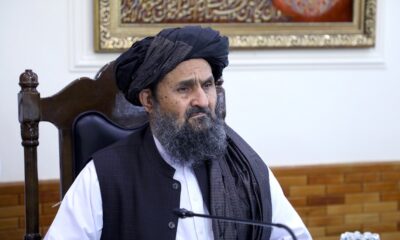
The action plan for establishing special economic zones across the country was approved on Wednesday by Mullah Abdul Ghani Baradar, Deputy Prime Minister for Economic Affairs.
According to a decree issued by the Supreme Leader of the Islamic Emirate, these special economic zones will be established in the provinces of Kabul, Balkh, Nangarhar, Kandahar, Herat, Paktia, and Kunduz.
Under the plan, the Ministry of Industry and Commerce, in cooperation with other relevant ministries and government agencies, will identify the land required for these zones, determine the necessary sectoral activities and services, and create the conditions needed to attract investment.
The establishment of these special economic zones is aimed at attracting new investments, achieving a relative balance between exports and imports, and expanding production activities in a suitable environment, paving the way for a new phase of economic development in the country.
Latest News
Russian deputy prime minister to visit Kabul with high-level economic delegation
The visit aims to strengthen economic and trade relations between Afghanistan and Russia, explore investment opportunities and discuss potential joint economic projects.
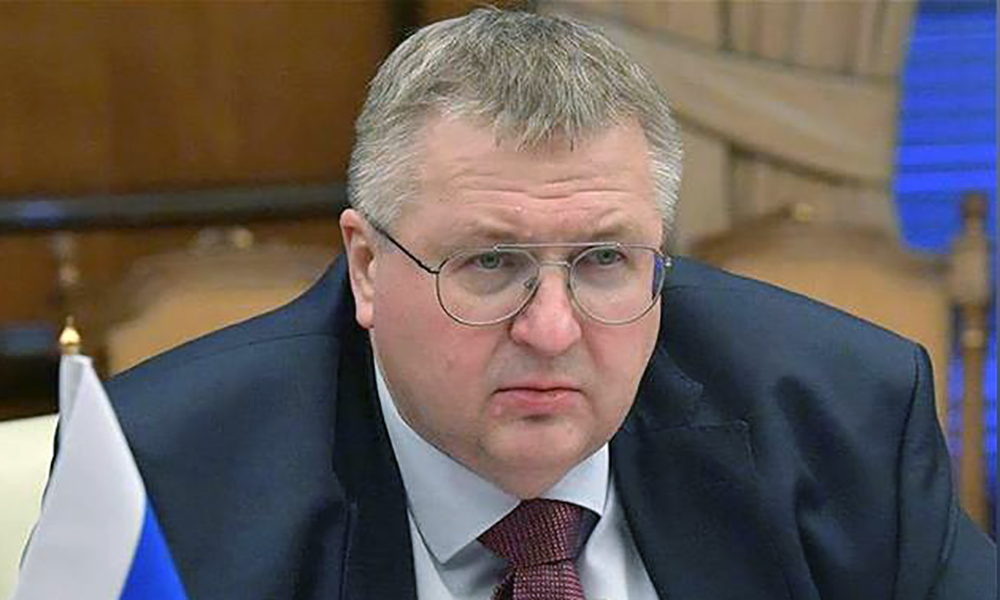
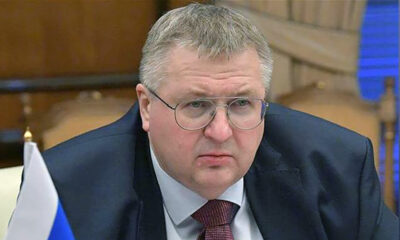
Russian Deputy Prime Minister Alexei Overchuk is scheduled to visit Kabul on Thursday, leading a high-level economic delegation, Afghanistan’s Ministry of Foreign Affairs has announced.
According to a statement by the ministry, the visit aims to strengthen economic and trade relations between Afghanistan and Russia, explore investment opportunities and discuss potential joint economic projects.
The visit is expected to provide an opportunity for officials from both countries to discuss ways of expanding bilateral economic cooperation and identifying new areas for trade and investment.
The ministry did not provide further details about the delegation’s programme or the specific projects expected to be discussed during the visit.

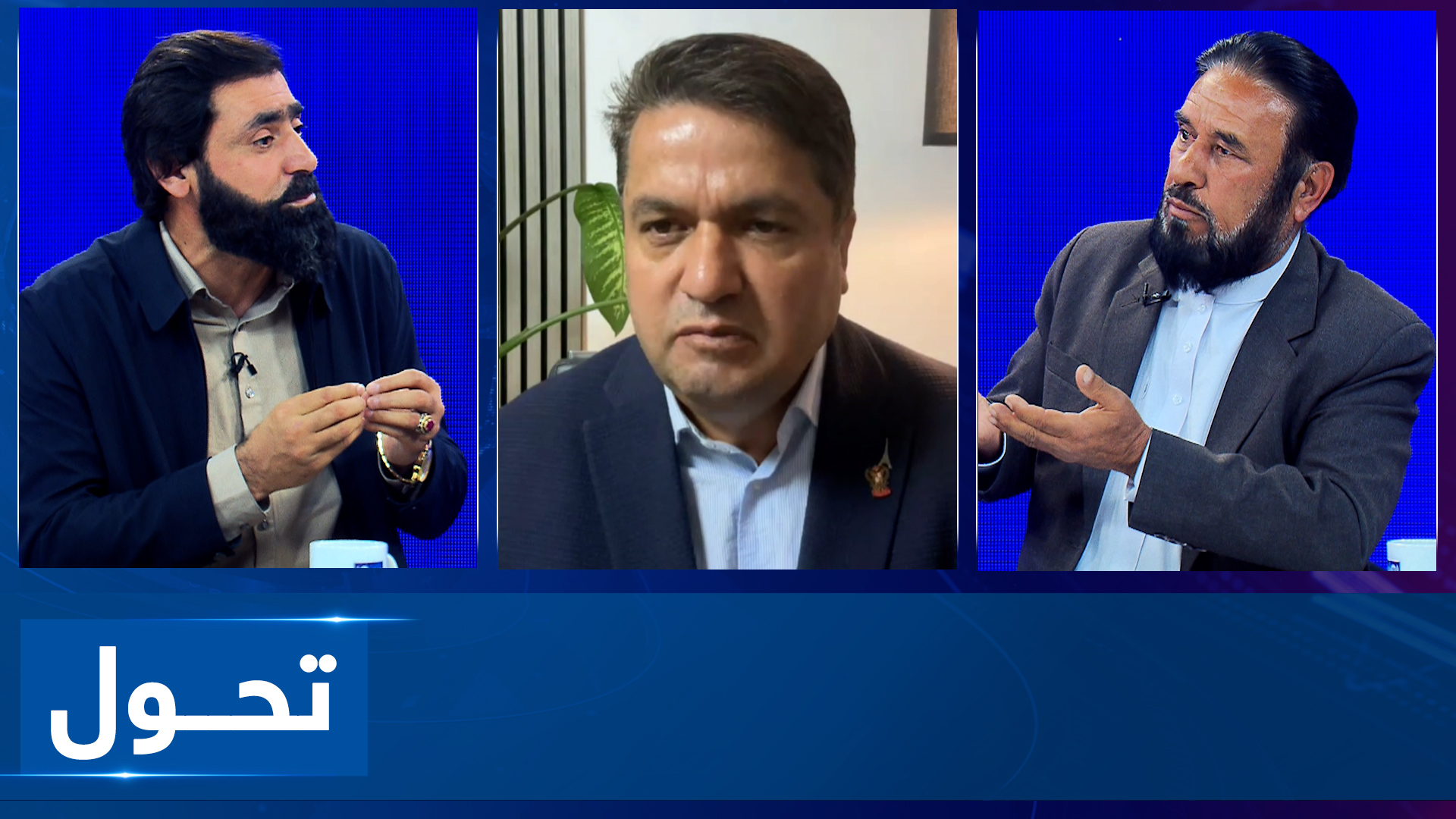
Tahawol: High-level Russian delegation’s visit to Kabul discussed
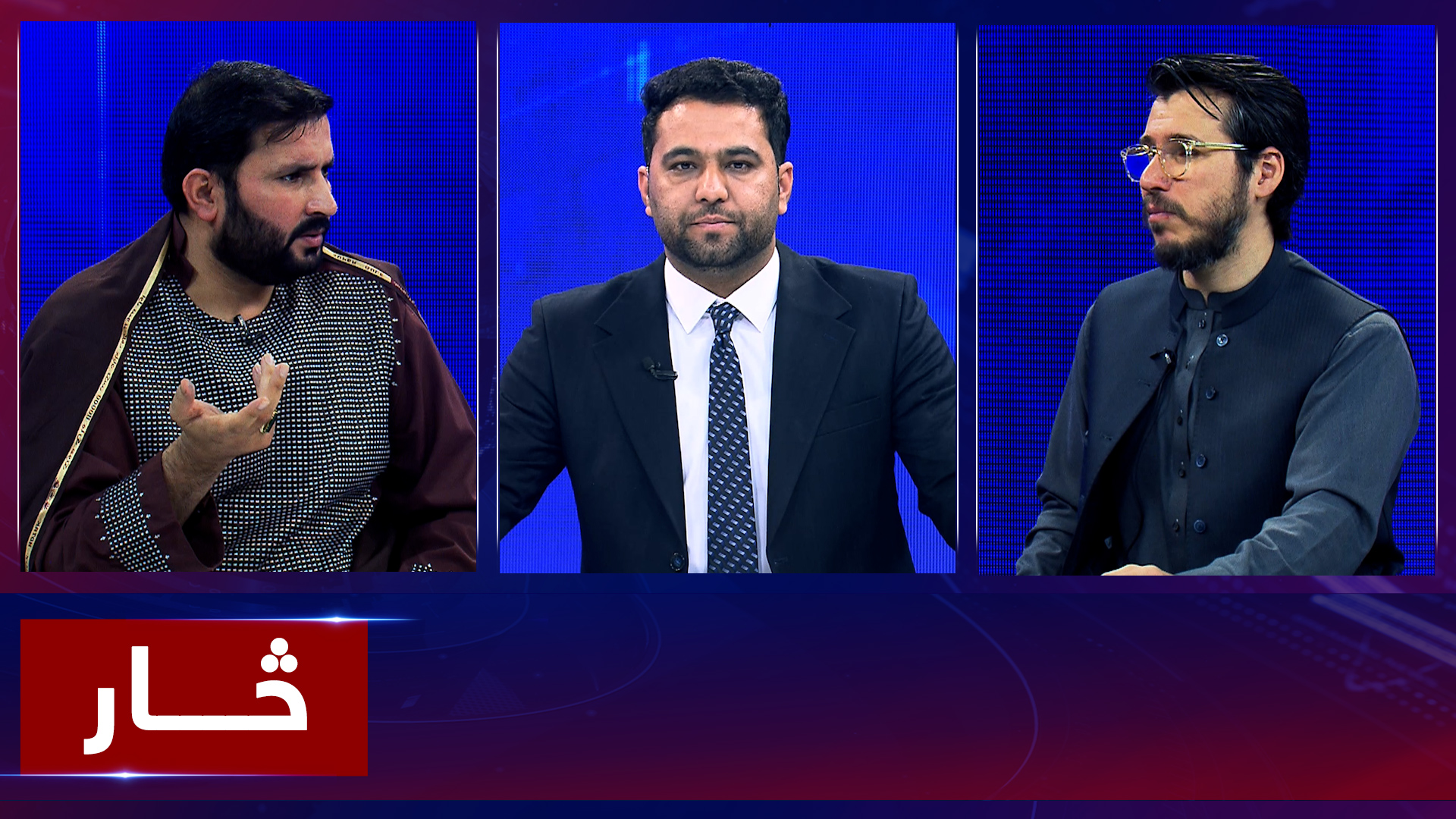
Saar: Afghanistan’s situation in focus at CSTO discussed
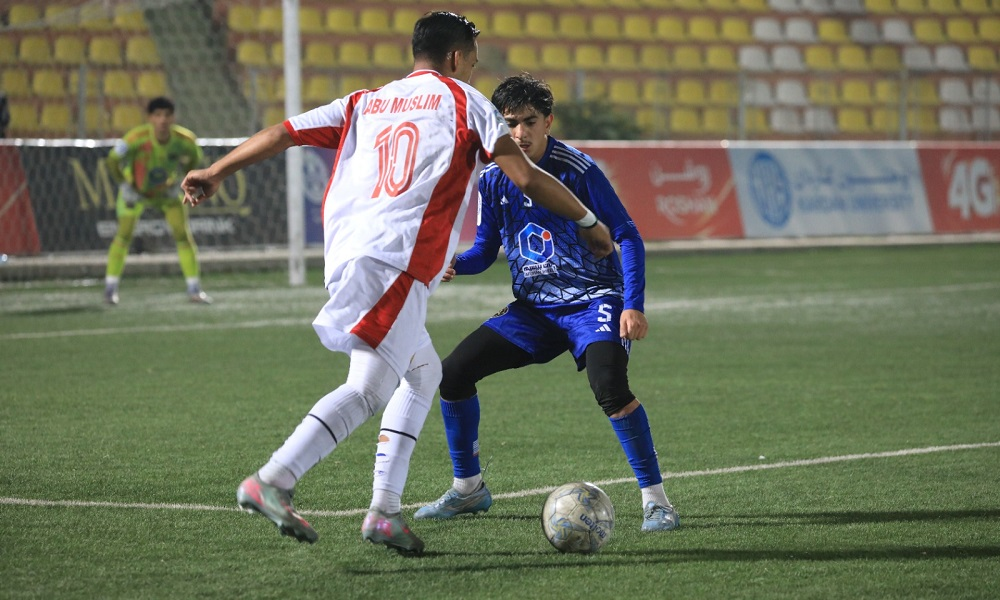
Abu Muslim Farah edge Arman FC with 1-0 victory in ACL match
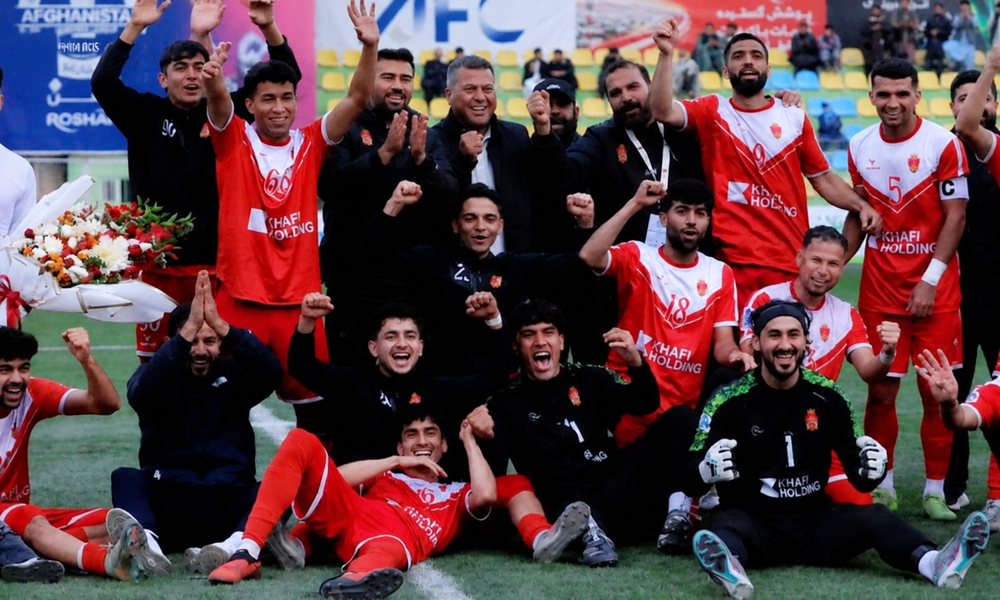
Sorkh Poshan Khafi secures ACL title with crushing 7-0 win over Khurasan Faryab
Afghanistan now has unified central government: IEA defense minister

Afghanistan finish runners-up after 6-0 defeat to Brazil in futsal final

Trump says US may strike Iran’s ‘Pickaxe Mountain’ nuclear facility

Afghan futsal coach: Brazil tournament is first step towards new goals and World Cup

Violent protests spread across Europe as Albanian PM blames ‘foreign hand’

Rubio heads to Central Asia while other US officials hit foreign policy hot spots
Tahawol: High-level Russian delegation’s visit to Kabul discussed
Saar: Afghanistan’s situation in focus at CSTO discussed

Tahawol: Efforts to halt deportation of Afghan refugees from US discussed
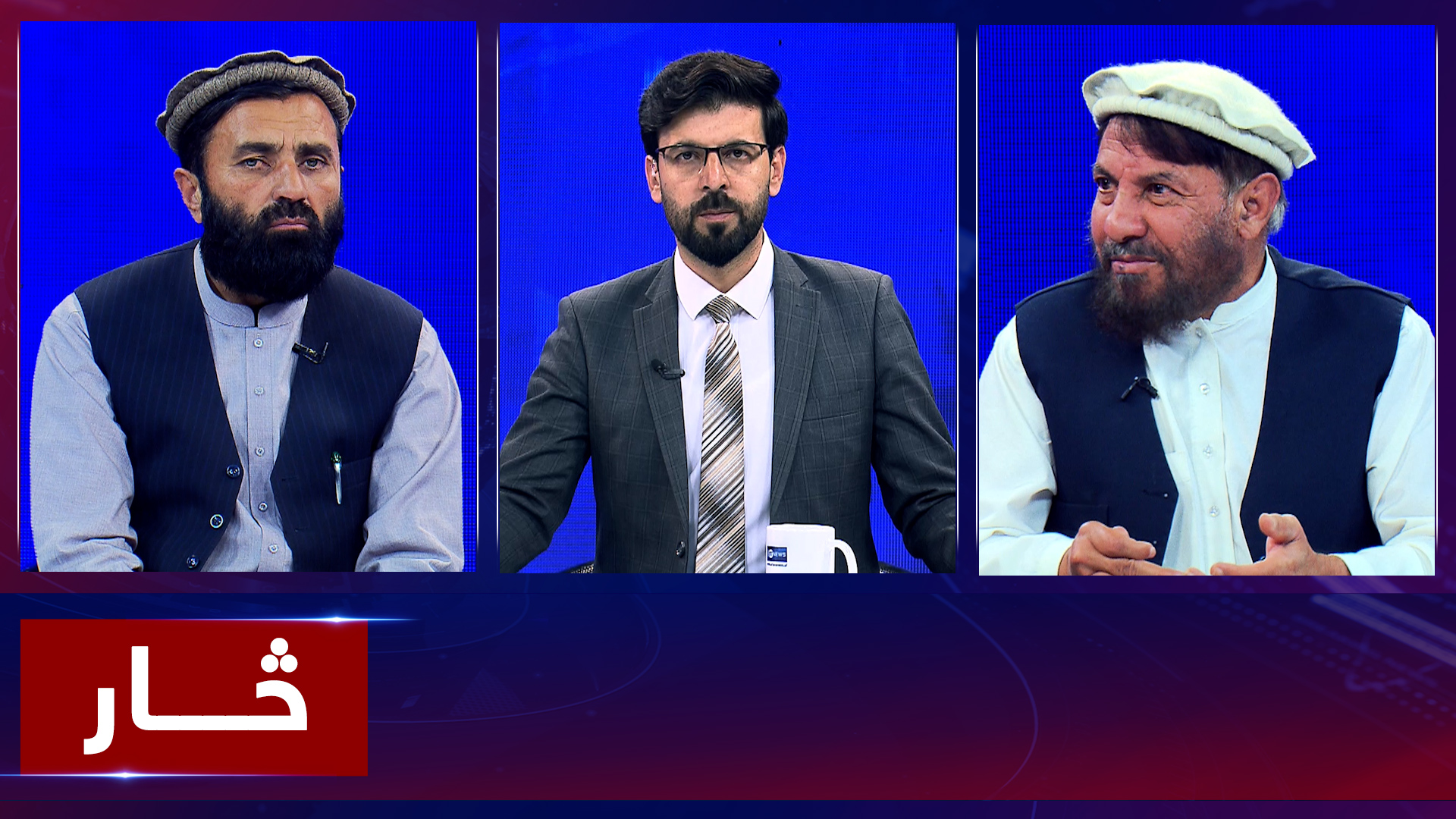
Saar: Russia’s stance on Afghanistan discussed

Trump says further US attacks on Iran ‘highly unlikely’ as peace talks gain momentum
-
 Sport3 days ago
Afghanistan’s record partnership highlights fourth day of Test against Zimbabwe
-
 World4 days ago
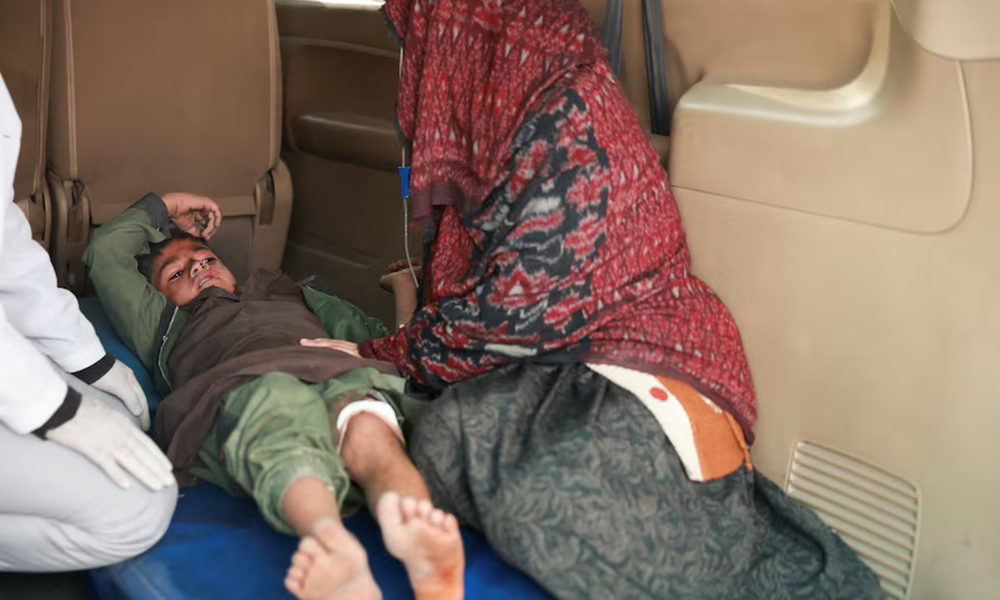
Houthi-run health ministry says airstrikes kill 33 near Yemen capital
-
 Sport4 days ago
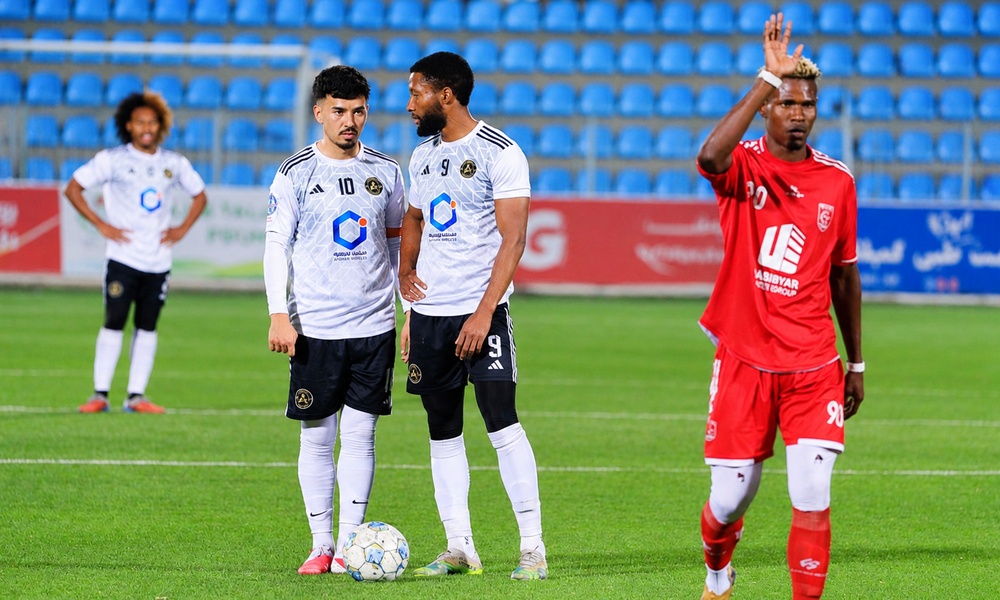
Toofan Herat defeat Arman FC 2–0 in Afghanistan Champions League
-
 Sport2 days ago
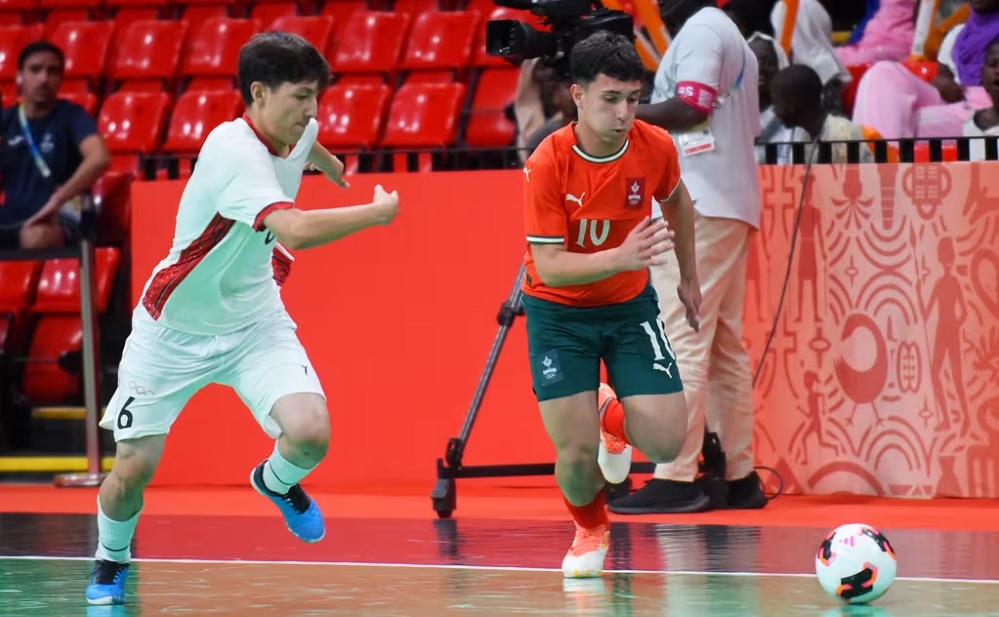
Portugal beat Afghanistan 2-0 in Dakar Youth Olympics futsal semi-finals
-
 Sport3 days ago
Afghanistan thrash Senegal 6-0 to reach Dakar Youth Olympics futsal semi-finals
-
 Regional5 days ago
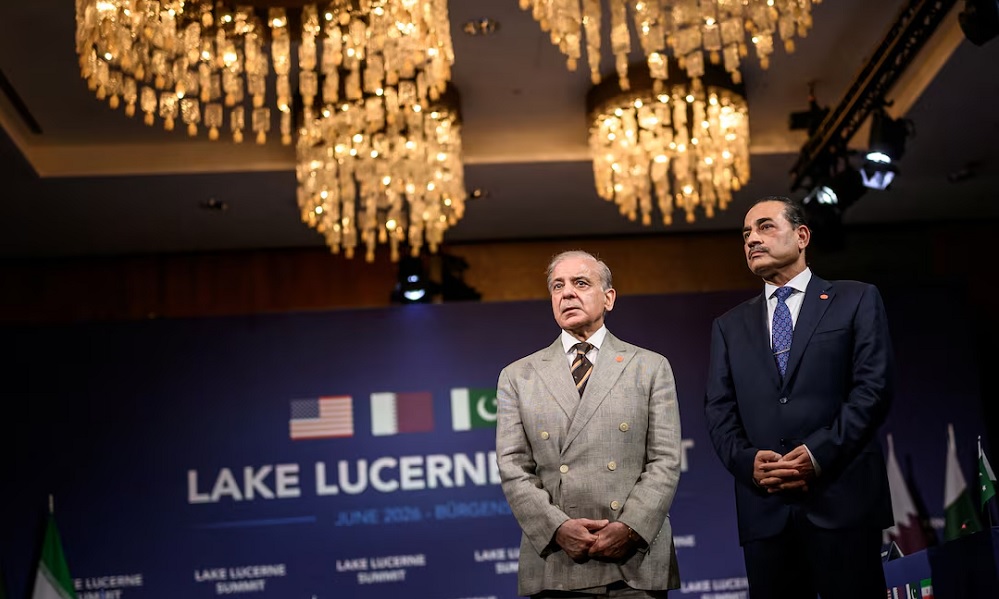
Pakistan’s leaders dread US Democrats’ win but its households are praying for it
-
 Regional4 days ago
Explosions heard in areas in southern Iran, Iranian media report
-
 Business5 days ago
UK-Afghanistan trade falls 16.7% to £70 million over 12 months